

Augsburg suits families because the pieces sit close together: a large zoo in the green south, a marionette theatre in the old town, and a big interactive fire museum that handles strollers comfortably. The honest trade-off is that most families cannot absorb all three at full depth in a single day, so the plan below sequences two big stops properly and treats the third as a swap. Everything here is a suggestion about order and energy, not an official schedule.
One framing decision saves the day: the zoo publishes opening hours of 9:00 to 17:00 with last admission at 16:00, so the gate time matters far more than closing time. That single fact pushes the zoo earlier or the theatre later, and it is worth rechecking before you travel because hours can change.
Why Augsburg Works for a Family Day
The zoo sits in parkland at the northern edge of the Siebentischwald, so the setting itself is part of the outing rather than a concrete yard. Around 1,200 animals from more than 240 species live there, which is enough variety that you can pick a route instead of trying to see everything. For families, that scale means a half-day visit feels complete without guilt about the sections you skip.
The city centre adds a different texture: cobbled lanes, water channels and open squares rather than one continuous attraction. If you want a single reference point for how the museums and landmarks fit together, start with the Augsburg landmark visitor guides before you fix your route. Deciding your order in advance is what keeps a family day from dissolving into backtracking.
One caution about the famous sights: several old-town buildings are periodically closed for renovation, and published status changes. Check the current situation with the city's tourist information rather than assuming a tower or hall is open, and build a flexible stop into the middle of the day.
Start at Augsburg Zoo: Operator Hours and Why You Begin Here
The zoo publishes opening hours of 9:00 to 17:00 with last admission at 16:00, and the operator lists those times for the current day, so treat them as subject to change and confirm before travelling. The practical consequence is that a late arrival is cut short long before closing; if you reach the gate after 16:00 you will not get in. Start the day here if the zoo is your priority, and leave the old town for the afternoon.
Our suggestion is to allow three to four hours inside, which is our estimate rather than an official figure, because a loop past the Africa Panorama, the chimpanzee house, the reptile house and the free-flight aviary adds up quickly with small children. A shorter two-hour visit works if you target two or three areas and accept that you are seeing a slice. Pick the animals your children actually care about and let the rest go.
The zoo also runs a varied programme of guided tours in German and English, and the operator maintains a date calendar for those. Because tour dates move and capacity is limited, check the operator's calendar page rather than planning around a fixed weekly slot. If a tour matters to you, book it early rather than hoping for walk-up space.
Inside the Zoo with Small Children
The walk-in ring-tailed lemur enclosure is the standout for young children: the animals move freely around and above the visitor path, and the more trusting ones sometimes come close. That proximity is thrilling but it also means keeping hands still, bags closed and voices low, because a walk-through enclosure depends on visitors behaving calmly. Queue times at such enclosures build up on busy mornings, so go early if your child has set their heart on it.
The petting zoo with its goats and guinea pigs is the reliable hit for toddlers, and the zoo restaurant area has a large adventure playground with a pirate ship and climbing tower in natural wood. That combination of animal contact and a real playground is what makes the zoo a full morning rather than a quick walk-through. Bring a change of clothes if your child is likely to commit fully to the sand.
The Zoobähnle miniature steam locomotive runs through the children's zoo only at weekends and during holidays, according to the operator. That means a midweek term-time visit will not include it, so do not promise a train ride without checking. For a family whose shortlist includes that train, timing the trip to a weekend or school holiday is the deciding factor.
Getting to the Zoo: Haunstetterstraße Station and the Walk Through the Park
From Augsburg Haunstetterstraße railway station, the zoo is reached on foot: leave the station heading south, follow the pedestrian path along Haunstetter Straße for about 300 metres, cross at the traffic lights and continue on Frischstraße for roughly 500 metres. From there you enter the park and follow the final stretch to the zoo entrance on the right. That route is the operator's own published description, so it is the one to follow if you arrive by train.
The last portion runs through the Siebentischwald, which is pleasant with a stroller but slower than pavement because of tree roots and gravel. Allow more time than a straight street walk would need, especially if a tired four-year-old is walking part of the way. The Botanic Garden sits directly opposite the zoo, which makes a short, low-effort add-on if everyone still has energy after the animals.
Reset and Lunch: Why the Middle of the Day Matters
Between a morning at the zoo and an afternoon performance, the middle of the day does the real work: food, a sit-down, and ideally a nap window for the youngest. Families walking this route often find that lunch in the old town, rather than at the zoo, sets up a better afternoon because it moves you toward the theatre while everyone rests. The zoo itself has kiosks and a restaurant, so you can also eat on site if leaving feels like too much effort.
If you eat in the centre, the Stadtmarkt is the flexible option: fresh produce, snacks and small bars, with a market atmosphere that tolerates children better than a formal restaurant. It also sits close to the main squares, so you can absorb the old town on the walk between courses without adding a separate sightseeing block. Keep this stop loose, because it is the buffer that absorbs any overrun from the morning.
For families who prefer a run-around over a long meal, the district around Augsburg has unusual playgrounds worth knowing about, including water and adventure playgrounds and an inclusive playground at Oberschönenfeld. These are outside the city centre, so they suit a slower stay or a car-based day rather than a tight three-stop itinerary. They are a good answer when the children need movement more than another museum.
Augsburger Puppenkiste: Theatre Plus Museum
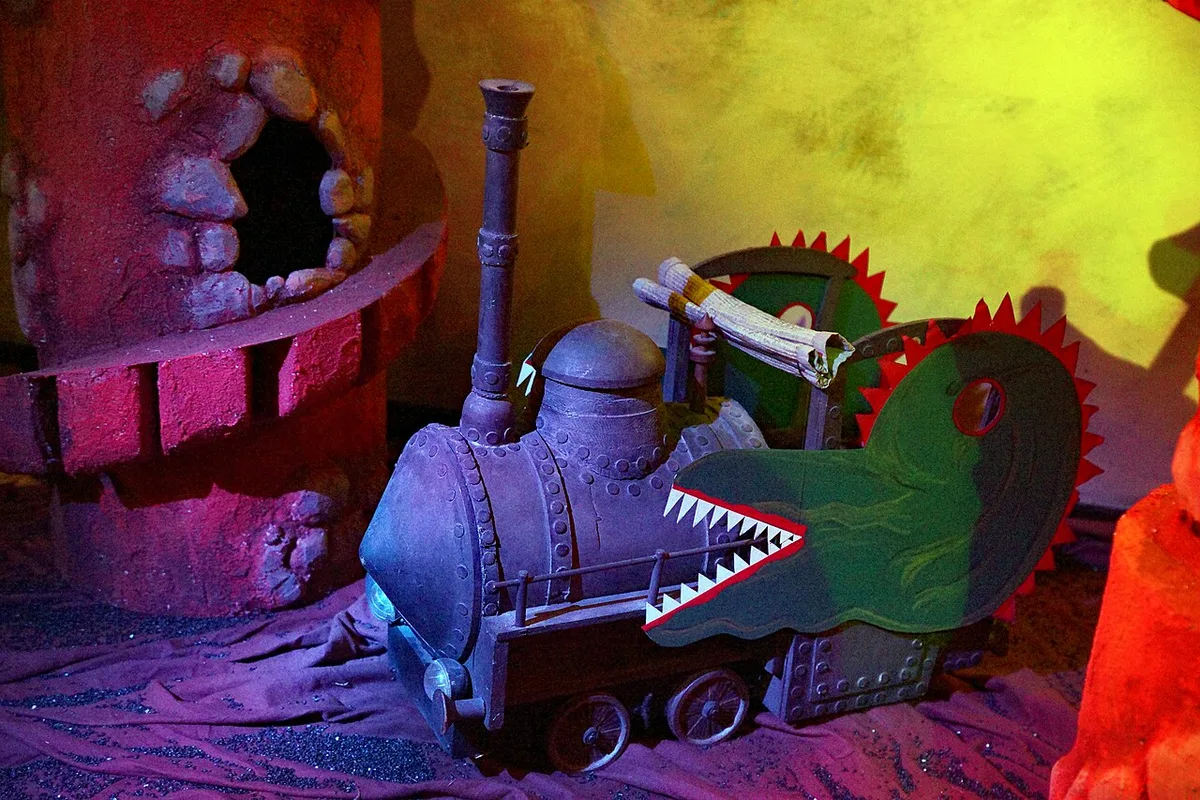
The Augsburger Puppenkiste is both a working marionette theatre and a puppet museum, and that dual identity is what trips up timing: a performance and a museum visit are two separate activities under one roof. The theatre has built a reputation as one of the most notable traditional marionette stages, with fairy tales and well-known German children's stories in its repertoire. If you want the detail before committing an afternoon, work through an Augsburg Puppenkiste museum and theatre guide first.
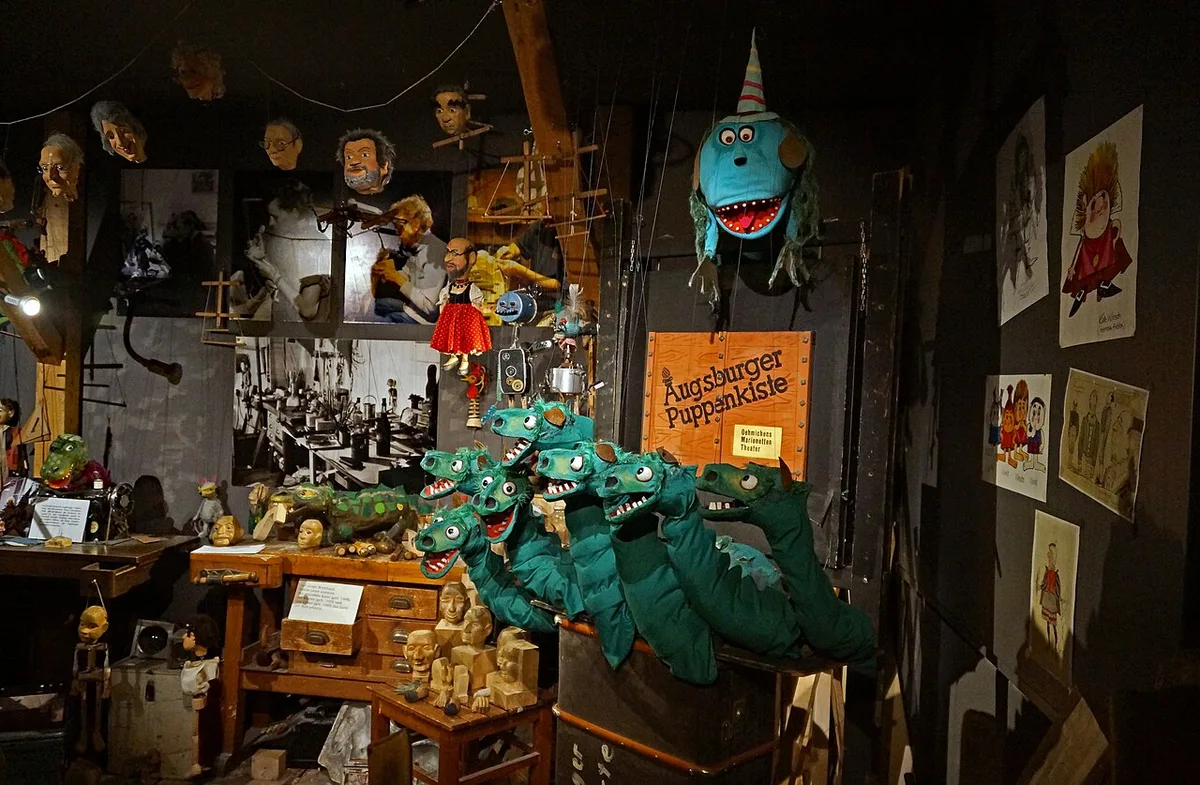
Treat this as the fixed point in the day. Performances are ticketed and scheduled, so the zoo has to be arranged around the show rather than the other way round, and the operator publishes the programme and booking route on its own pages. Because performance dates and availability change, check the theatre's current programme directly instead of relying on any plan that assumes a show is running when you visit.
Budget extra time for the museum side even if you only booked a show, because children who enjoy the puppets usually want to see how they are made and displayed. That extra 45 to 60 minutes is our suggestion, not an official figure. If your group is short on stamina, watch the performance and skip the museum rather than the reverse.
Making the Puppenkiste Work for Mixed Ages
Marionette performances ask children to sit still and follow a stage, which suits roughly school-age children better than toddlers. For a restless two-year-old, sitting at the back near an exit is the practical move, and one adult should be ready to step out without disrupting the room. If your group spans a wide age range, decide in advance which adult takes the toddler if things unravel.
A useful pattern for mixed ages is to split rather than compromise: one parent takes the older children to the performance while the other stays with a toddler somewhere they can move. Reunite afterwards and decide whether the remaining time goes to the museum or to an early dinner. The point is to protect the theatre experience for the children who will actually enjoy it.
Interactive Museum Option: Feuerwehrerlebniswelt
The Feuerwehrerlebniswelt is a large interactive firefighting museum spread over several thousand square metres, and family visitors report that a stroller moves through it easily. Displays cover firefighting equipment, vehicles and safety topics, with hands-on rooms that reward children who like to press, climb and try things. It is a strong fit for the child in the family who is obsessed with fire engines.
Treat it as the indoor fallback rather than a mandatory third stop. Arriving fresh rather than after two big attractions is what makes it work, and the same visit stretched across a tired afternoon rarely lands well. Our suggestion is roughly two hours if the children are engaged, which is an estimate rather than a published figure.
The museum publishes its own opening arrangements, and those are the ones to check, because this guide deliberately does not quote hours or admission details for it. Confirm directly before travelling, particularly around public holidays. If the timing does not line up, the zoo or an old-town walk can absorb the slot instead.
Rainy-Day Swap: Reordering the Day
When rain is forecast, the zoo becomes the weakest stop because so much of its appeal is outdoor walking between enclosures. Flip the plan: put the indoor museum first and hold the zoo for a drier window or another day entirely. Augsburg has enough indoor options that a wet morning does not have to mean a wasted one, and a rainy day guide helps you choose between them.
Among the city's indoor choices, the Naturmuseum with its planetarium and the city's art collections are regularly mentioned by families as wet-weather options. The Kunstsammlungen network links several institutions through a single app, which is useful if you want to compare what is on before deciding. Verify current opening days on the individual museum pages, since city museums commonly close on Mondays.
Stroller Logistics: Cobbles, Park Paths and Museum Floors
Terrain differs sharply across the day. The park approach to the zoo and the zoo's own paths are the easiest surfaces, museum floors are the smoothest, and the old town's cobbled lanes and kerbs are the least forgiving. If you have a choice of buggy, bring the one with larger wheels for the zoo leg.
Expect to park and carry at some point regardless of route, because not every doorway, staircase or exhibit hall in an older building is step-free. Family visitors describe the fire museum as easy with a stroller, but that is a general impression rather than a guarantee for every room. If step-free access to a specific hall is essential, contact the venue before you go rather than assuming.
A calm green alternative with plenty of space for wheels is Wittelsbacher Park, which works well as a decompression stop between ticketed attractions. It costs nothing, absorbs leftover energy and does not require a booking. If your day is running long, swapping a museum for the park is a reasonable trade.
Timing and Energy Budget: Two Big Stops, Not Three
The realistic version of this day is two big stops plus a rest, with the third held in reserve. A zoo morning, a lunch break and a theatre afternoon is a full day for most young families; adding a large indoor museum on top usually produces a meltdown rather than a memory. Choose which of the three matters most and let the others be optional.
Pulling the zoo earlier protects you against the last-admission cut-off, and putting the indoor stop later protects you against weather. Those two rules resolve most scheduling arguments before they start. Write the plan down with times, then accept that the family, not the itinerary, sets the pace.
Cost Planning Without Guessing
Ticket prices, family cards and any discounts change, and this guide does not quote them for the zoo, the theatre or the fire museum because reliable current figures are not something we can stand behind here. Check each operator's own ticket page shortly before your trip, since that is the only place with current pricing and any family rate. Budgeting from a blog post written in a different year is how families end up surprised at the gate.
Booking matters most where capacity is finite: theatre performances are ticketed and scheduled, and some zoo experiences are booked in advance and fill quickly. Free and flexible options — the old town, the water channels, the park — need no reservation and can absorb whatever time remains. Plan the paid items around the fixed one and leave the rest open.
What to Skip with Children Under Five
With very young children, the marionette performance is the most likely to fail, because it asks for stillness that toddlers rarely have. The zoo and an interactive museum, where children move and touch, match that age far better. If you have one child under three and one over six, splitting the group for the theatre is fairer to everyone.
Also skip the temptation to climb every tower or cover every square. Augsburg's old town rewards a slow wander more than a route marched through, and children remember the fountains and the canals longer than they remember a list of buildings. Two good stops beats three rushed ones.
If you want a broader comparison of how other German cities handle family days, the Berlin with kids and Dresden with kids guides show how much variety exists in museum and outdoor options. They are useful for calibrating expectations rather than for copying an itinerary. Augsburg's advantage is compactness, so lean into that instead of importing a bigger city's checklist.
Plan Your Visit
Build the day around one fixed commitment — most likely a Puppenkiste performance — then place the zoo before or after it with the 16:00 last admission firmly in mind, and keep the fire museum as your indoor spare. Check the zoo's hours, the theatre's programme and the museum's opening arrangements on their own pages as your date approaches, because all three can change. Then decide, as a family, which two of the three you actually want.
Bring the sturdier buggy, plan lunch as a real pause rather than a snack on the move, and leave room for a park or a playground instead of a third ticket. Augsburg is compact enough that a relaxed day still feels full. If you want to bolt on more city context, the broader Augsburg itineraries collection is the place to look next. For related planning, see Kunsthalle Augsburg im Glaspalast: Contemporary Art Visitor Guide.
Frequently Asked Questions
Is the Augsburg zoo worth it with young children?
Yes, for most families it is the strongest single stop, because it combines animals, a walk-in lemur enclosure, a petting area and a real adventure playground in one green site. It also sits in parkland rather than in traffic, so the walk in and out is part of the outing. The main limitation is the published hours, which end at 17:00 with last admission at 16:00, so an unhurried morning start suits young children best. Confirm the current times with the operator before you go.
How long should we plan for Augsburg Zoo?
Our suggestion is three to four hours if you want the main areas without rushing, or around two hours if you target two or three zones. Neither figure is official; they are estimates based on the size of the site and the pace of small children. Add time if you plan to use the playground or eat on site, and check whether the Zoobähnle is running, since it operates only at weekends and during holidays.
Do we need to book Augsburger Puppenkiste tickets in advance?
Performances are ticketed and scheduled, so the show times you find determine the shape of your day rather than the other way around. Because programmes and availability change, check the theatre's own current programme and booking information shortly before your visit instead of relying on any secondhand listing. If a specific date matters to you, treat booking as part of the planning rather than an afterthought.
Is the Feuerwehrerlebniswelt suitable for a stroller?
Family visitors describe the museum as easy to navigate with a child's stroller, which makes it a good indoor option when the weather turns. That is a general impression rather than a guarantee that every room or doorway is step-free, so if access to a particular exhibit matters to you, contact the venue directly. It is a large, spacious indoor site, which is why it works well as a fallback rather than a third forced stop.
What can we do in Augsburg with kids when it rains?
Swap the order: put an indoor stop such as the Feuerwehrerlebniswelt or a city museum first and hold the zoo for a drier window or another day. Augsburg has a range of indoor options, including natural history and art collections, so a wet morning does not have to be lost. Verify current opening days before setting out, since city museums often close one day a week.
Can you walk from Augsburg Haunstetterstraße station to the zoo?
Yes. The published route leaves the station heading south, follows the pedestrian path along Haunstetter Straße, crosses at the traffic lights onto Frischstraße, then enters the Siebentischwald park and continues to the zoo entrance on the right. The final stretch runs through parkland, which is pleasant but slower with a stroller, so allow more time than a street walk of the same distance would need.


