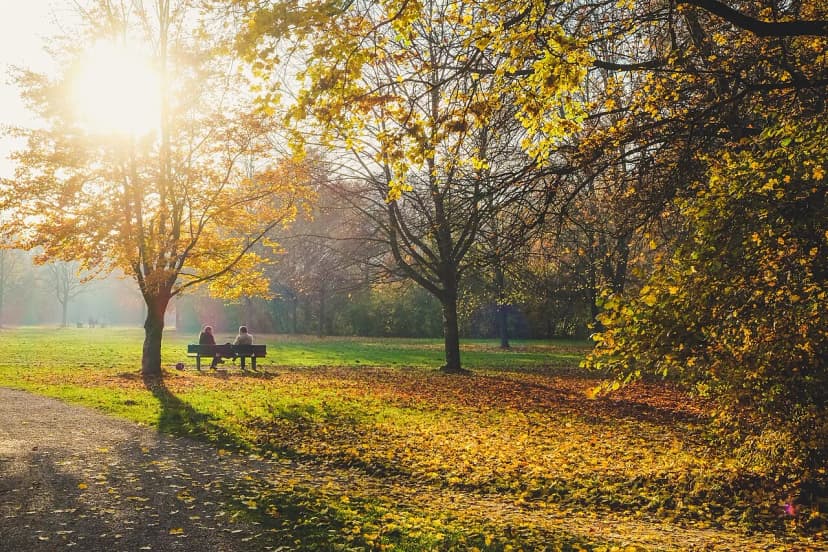
Wittelsbacher Park is the kind of Augsburg stop that costs you nothing but twenty minutes and can quietly rescue a day of indoor sightseeing. The grounds began as a private garden, became public parkland in 1885 and took the Wittelsbach family name in 1906, all recorded in the AroundUs entry for the park. Keeping that free-public-space framing in mind matters in a city where several headline collections are ticketed separately.
Augsburg itself rewards a mix of paid and unpaid time, and the city's own tourism pages list its parks alongside its museums and monuments as sightseeing material. This guide treats the park as an open green space rather than an attraction with a gate, so you can slot it into a city day without booking anything.
What Wittelsbacher Park Actually Is
The park is a large green space with tree-lined paths, open lawns and an artificial lake with a fountain, and it sits close to the congress hall and a neighbouring hotel tower. Several children's play areas are part of the grounds, and the terrain is flat enough to walk end to end on paths rather than scrambling across grass. That combination — water, shade, lawn and play equipment in one place — is what separates it from a plain square. There is also a sledding slope and open areas for sport, though whether any of that is usable on your visit depends entirely on conditions on the day.
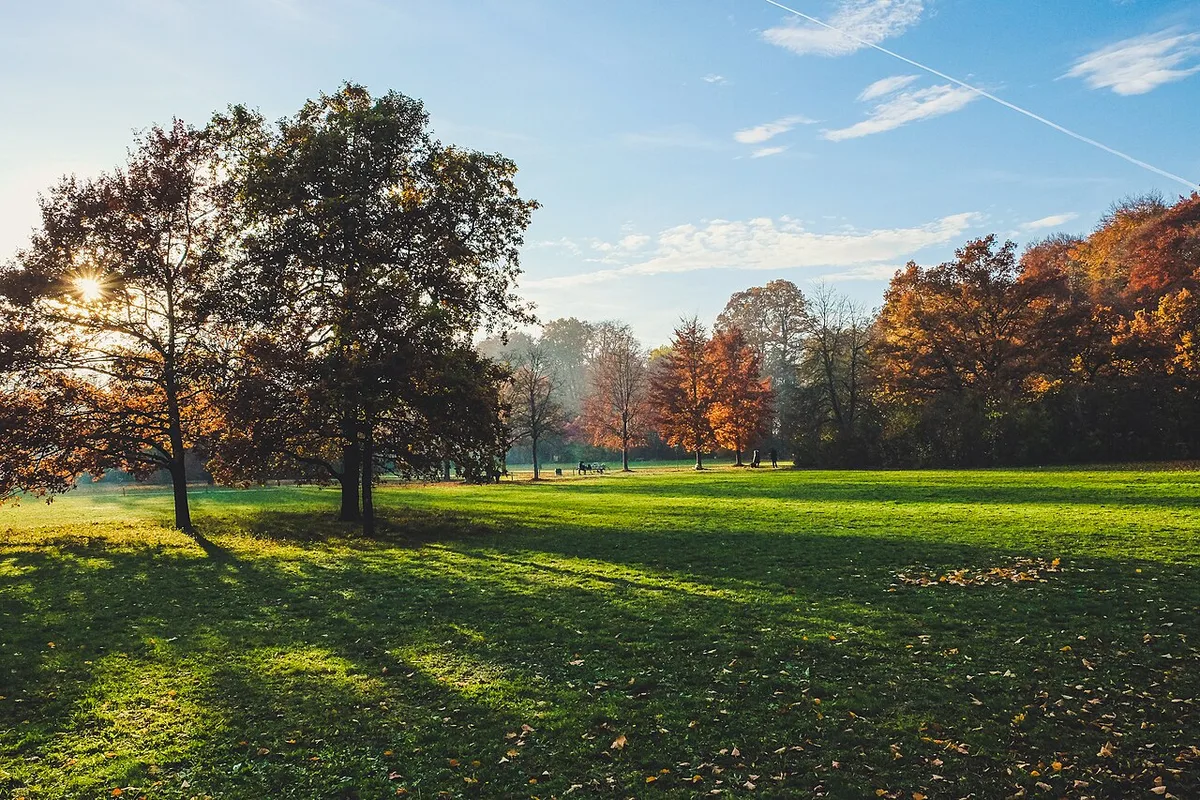
Its setting is urban rather than pastoral: the park is woven into the streets around the Kongresshalle and adjacent civic buildings, so you enter and leave it between city blocks. Practically, that means you can treat it as a green segment of a walking route rather than an excursion. If you want the wider city context first, the Augsburg landmark guides cover the major sights it sits among.
Free Grounds, Paid Interiors
The park is open public ground, so the question of an entrance fee does not arise the way it does at a museum. Augsburg's ticketed collections are a different matter entirely: the city's listing for the Römerlager im Zeughaus publishes opening hours from Tuesday to Sunday with Monday closed, and notes that times can vary, so anyone planning around that museum should check the current listing before travelling.
The H2 Centre of Contemporary Art, housed in the Glaspalast, is documented by Germany Travel as showing contemporary art across roughly 1,500 square metres, with opening hours listed as every day except Monday. That is a separate venue with its own arrangements, and the same principle holds across the city: do not assume one ticket covers several collections, and do not assume a park visit overlaps with museum ticketing at all.
The simplest way to hold the scope straight is to separate outdoor from indoor. Budget your paid time for the museums and collections you actually want, and let the park occupy the unplanned gaps, since you cannot buy a ticket to a lawn. If you are structuring a wider Augsburg itinerary, the city travel guides set out how the sights fit together across a day or two.
How Much Time to Give It
Our own suggestion, not official guidance, is to allow about 20 minutes if you are crossing the park on the way somewhere else and around 45 minutes if you want to walk the lake, sit on a bench and let children use a playground. Nothing about the park forces a schedule, which is exactly why it works as filler rather than a fixed appointment. Decide your duration by what you have left in the day, not by a checklist.
A short pass-through is genuinely satisfying here because the features are compact: paths, lawns and the artificial lake sit close together, so you see the character of the place quickly. If you are pairing the park with a ticketed museum stop, check that museum's published hours first so the park time does not collide with a closing time. That sequencing matters more than any particular minute count inside the park.
Where It Fits in a City Visit
Treat the park as a breather between indoor sights rather than the reason for the trip. Augsburg's centre concentrates churches, the town hall and museums within walking distance of each other, and a green space with benches is a useful counterweight when you have been standing in galleries. Using it that way also keeps your paid sightseeing budget pointed at the things that genuinely need a ticket.
For a fuller picture of what the city offers across a longer stay, browse the broader Augsburg attractions collection before deciding what to cut. If you only have a single day, the park is the kind of low-commitment stop that adds texture without consuming a whole morning. If you have two or three days, it becomes a pleasant link between other stops rather than a destination in itself.
Families and Children in the Park
Playgrounds inside the park make it a straightforward family pause, and the flat paths mean you are not managing stairs or steep ground while children move around. Pair it with a picnic-style break and you have a cheap half-hour that resets everyone between museum visits. For a wider roster of child-oriented options in the city, Augsburg with kids is the place to start planning.
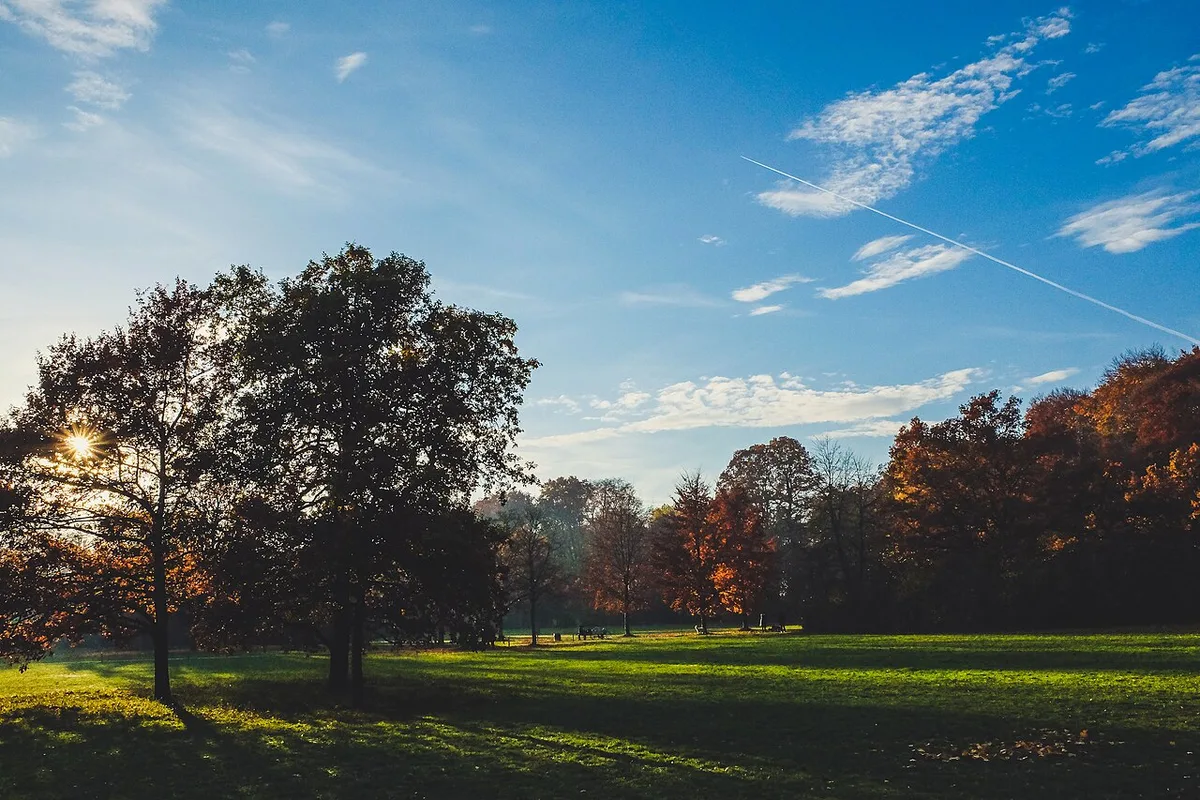
Beyond the city, the Augsburg region promotes family activities including dedicated adventure and nature trails, which are a different proposition from a city park because they involve hiking distances and themed stations. The regional family pages describe trails such as the Deuringer Heide route, which is listed as a 2 km circular trail suitable for prams, so families comparing options can weigh a short walk in town against a half-day outing.
If you want animals rather than lawns, Zoo Augsburg publishes its own opening hours and prices and is a separate paid visit with its own planning needs, best checked on the day you intend to go. The Augsburger Zoo family visit guide outlines how to approach that trip, including what to think about before committing a slot in a short city break.
Season by Season: What Holds and What Changes
Paths, lawns and the artificial lake are the stable elements you can rely on describing when you plan ahead, because they are the physical makeup of the park rather than programmed events. What changes is everything layered on top: how the grounds are used, whether any seasonal activity is running, and how pleasant a bench actually is on a given day. Nothing published here should be read as a promise about amenities being open on your date.
The sensible approach is to verify locally rather than trust any guide, including this one, for conditions on the day. Check the city's tourism pages for parks and current notices before a special trip, and if snow or ice is a factor, decide on the ground whether walking is comfortable for your group. Winter conditions and any temporary installations are exactly the kind of variable that no static article can settle.
Practical Planning for a Park Stop
Decide in advance what the park is for in your day: a crossing point, a rest stop or a play break. That single decision tells you how long to stay and whether to build the rest of your route around it. Leave the flexible part flexible — if the weather turns, swap the park for a ticketed indoor collection and come back another time.
Two habits make the stop smoother: confirm any indoor venue's opening hours the day before, and keep the park as the unscheduled item rather than the anchor. Augsburg's city parks listing is the reference point for what the city itself highlights, and it is worth a look when you are assembling the outdoor half of your plan.
Plan Your Visit
Wittelsbacher Park earns its place in an Augsburg itinerary as free public ground with paths, lawns, an artificial lake and play areas, useful between the ticketed sights rather than instead of them. Give it twenty minutes to cross or a leisurely three-quarters of an hour, and treat the duration as our suggestion rather than a fixed rule.
Verify museum hours and any seasonal conditions before you commit your day, and keep one indoor option in reserve in case the weather argues against a park stop. If you want to add a heritage walk on the same outing, the Augsburger Wassersystem UNESCO visitor guide is a useful companion piece for a city that built its identity around water.
Frequently Asked Questions
Is Wittelsbacher Park free to visit?
The park is public green space, so there is no gate or admission charge to walk its paths, lawns and lakeside. Anything you do elsewhere in Augsburg, such as a museum or gallery, is a separate arrangement with its own entry conditions. If you are budgeting, treat the park as a free block of time and check each ticketed venue directly for its own terms.
How long should you spend in Wittelsbacher Park?
Our suggestion is roughly 20 minutes if you are simply crossing the park and around 45 minutes if you plan to walk by the artificial lake, sit for a while, and let children use a playground. These figures are our recommendation rather than any official guidance, and nothing in the park enforces a schedule. Choose your duration based on how much time is left in your day rather than a fixed plan.
Is Wittelsbacher Park worth visiting if you only have one day in Augsburg?
If your day is packed with churches, the town hall and museums, the park works well as a short outdoor break that costs no time in queues and no ticket money. It is compact, so a crossing takes minutes, and the paths, lawns and lake give you a change of scene between indoor stops. Treat it as a breather rather than the centrepiece of the day.
Does Wittelsbacher Park have a playground for children?
Yes, the grounds include play areas for children alongside the tree-lined paths and open lawns. Families often pair a playground stop with a picnic break, which makes it an efficient way to reset mid-visit. Because the park is open public space, you should check locally for any current notices rather than relying on a guide for conditions on a specific day.
What is there to see in Wittelsbacher Park besides lawns?
The main features are tree-lined paths, open grass, an artificial lake with a fountain, and children's play areas, all within a setting next to the congress hall and neighbouring city buildings. That mix gives you shade, water and seating, which is more than a plain square offers. It is a landscape to walk through rather than a site with exhibits.
Is Wittelsbacher Park near Augsburg's other attractions?
It sits close to the Kongresshalle and surrounding civic buildings, so it fits naturally into a walk through that part of the city rather than requiring a dedicated trip. That makes it easy to combine with other stops on the same outing. Check each ticketed venue's own opening information separately, since they do not share one schedule with the park.