

Augsburg's water heritage is the reason the city holds a UNESCO World Heritage listing, but the listing has no single gate, no single ticket window and no single address. The property comprises 22 objects scattered from the old town out to the Lech canals and the northern power stations, which is why visitors who expect one site can end up confused about what they are actually seeing. Planning around clusters rather than a checklist is the difference between a rewarding half day and a frustrating one. As a suggested duration, allow half a day for the compact old-town cluster and a full day if you want to add an outlying waterworks or power station; treat any claim that all 22 objects fit into one walking day with scepticism.
The system was inscribed in July 2019, recognising a network that evolved from the 14th century into the present day. Its components range from canals and water towers of the 15th to 17th centuries to a water-cooled butchers' hall, three monumental fountains and hydroelectric stations that still feed the grid. Because the value lies in the ensemble, the most interesting question on the ground is not which object is prettiest but how water moved, was lifted and was separated by use.
What UNESCO Actually Inscribed in Augsburg
The inscription covers an evolving system rather than a preserved monument: canals that distributed water through the city, water towers that housed pumping machinery, a water-cooled butchers' hall, three monumental fountains and hydroelectric power stations that continue to generate sustainable energy. Two criteria were cited, covering both the interchange of ideas in hydraulic engineering and the way water use underpinned the city's growth from the Middle Ages onward. Understanding that breadth explains why a walking route through Augsburg keeps returning to water long after you leave the fountains.
Augsburg's engineers worked with three rivers, the Lech, Wertach and Singold, dividing, damming and redirecting them so they could supply the whole city. Four Lech canals still flow through the Lechviertel quarter, and the four river deities on the Augustusbrunnen fountain personify Lech, Wertach, Singold and the artificial Brunnenbach. Walking the Lechviertel with that in mind turns ordinary-looking channels into the visible skeleton of the system.
Scale is the other thing to grasp: the property is described as stretching roughly 30 kilometres and comprising 22 objects, with the Hochablass among the oldest structures, first mentioned in 1346. Comparisons with Venice's bridges circulate in secondary sources but should not be treated as a verified visitor fact. Stick to what the city publishes when you plan.
The Idea That Made It World Heritage: Separating Drinking Water From Process Water
The innovation UNESCO singles out is the strict separation of drinking water from process water, introduced in Augsburg as early as 1545. That is centuries before hygiene research established that contaminated water caused disease, which is precisely why the city's example is considered pioneering rather than merely old. Look for this distinction as you walk: it explains why the system has parallel channels, separate supplies and structures whose purpose is purity rather than volume.
The same logic produced the water-cooled butchers' hall, the Stadtmetzg, built in the early 17th century, where flowing water kept meat cool through summer long before refrigeration. It is a functional building that reads as civic architecture, and it is a good reminder that Augsburg's heritage is engineering put to work, not decoration. Pair it mentally with the towers and waterworks and the whole system starts to look like infrastructure planning rather than a collection of curiosities.
Cluster One: The Wasserwerk am Roten Tor and Its Water Towers
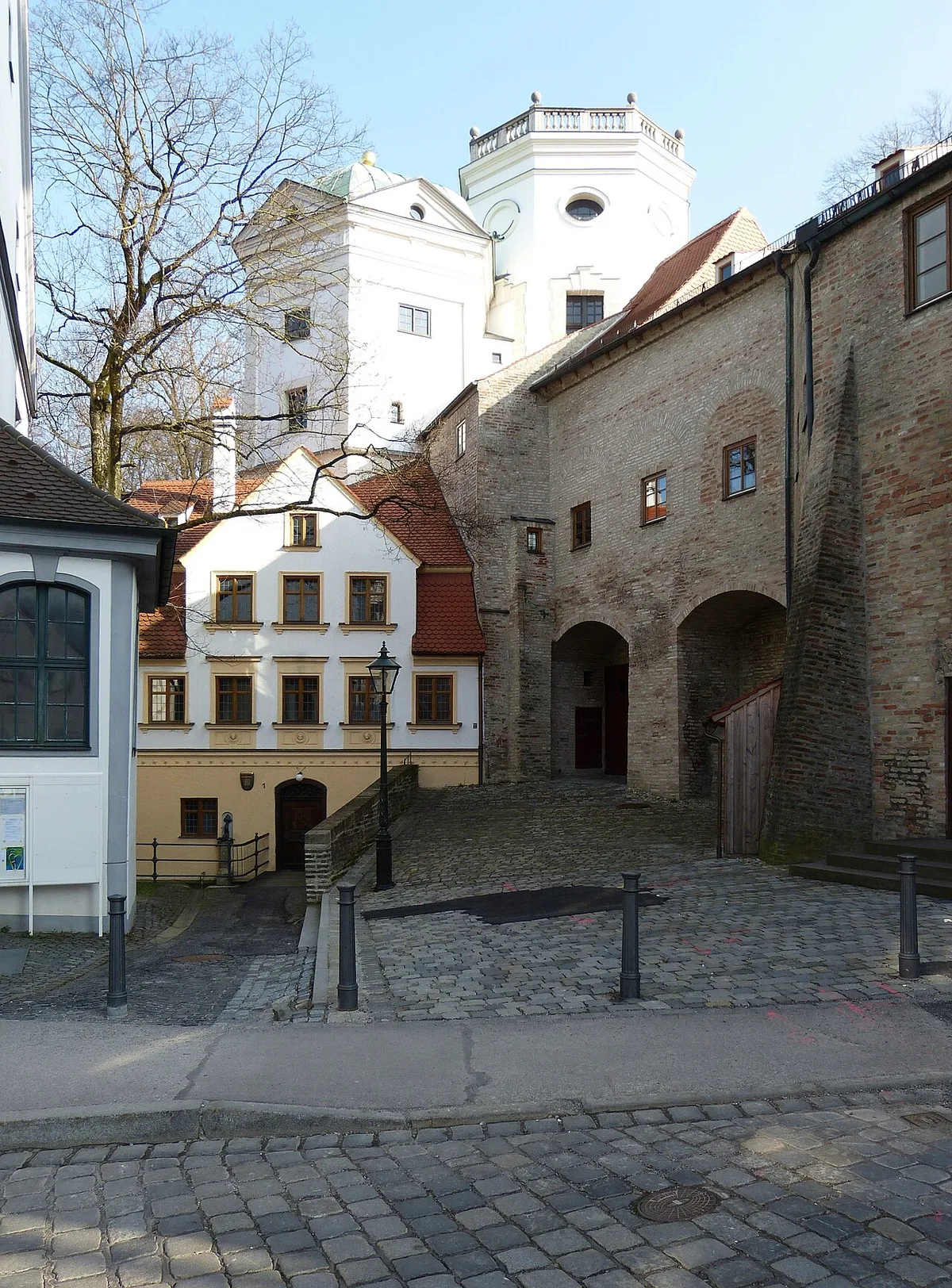
The ensemble at the Roten Tor is the most concentrated expression of the system: water towers, the Brunnenmeisterhäuser where the fountain masters lived and worked and an aqueduct. Guided tours run through the Wasserwerk am Roten Tor and the permanent exhibition explains the 'Wasserkunst', the artful lifting of water using water power, which is the technical heart of the site. This is the cluster to prioritise if you only engage with one component in depth.
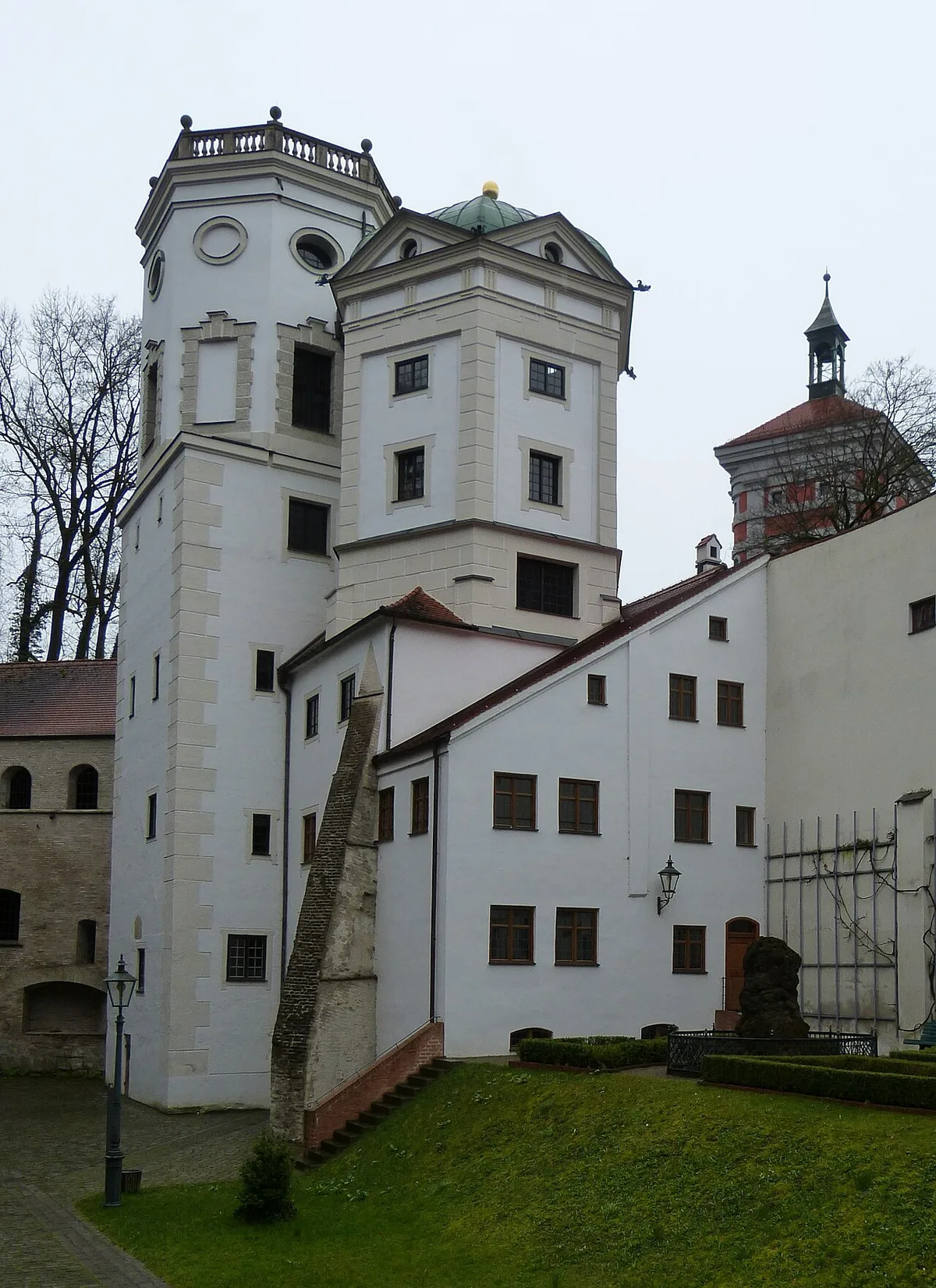
Do not assume the interiors are simply open to walk-in visitors, because access to the waterworks is tied to guided formats and the towers themselves are generally seen from outside on city tours. One tour description observes that a tower there is described as the oldest water tower in Central Europe and that it can only be viewed from the exterior on that route; treat that age claim as attributed to the operator rather than settled fact. Check the current tour programme and ticket scope with Regio Augsburg Tourismus or the city before building a day around an interior visit.
If you want to preview the site before travelling, a virtual reconstruction of the water towers as they stood around 300 years ago, complete with water wheels and pumps, is available and reaches spaces normally closed during tours. That makes the Roten Tor a sensible first stop for orientation even if your visit falls outside the guided season. It also helps you decide whether the interior is worth restructuring your day for.
Cluster Two: The Fountains and the Old Town
Three monumental fountains sit in the city centre: the Augustusbrunnen, the Neptunbrunnen and the Herkulesbrunnen. They were practical as well as ornamental, supplying drinking water while expressing the city's self-image, and they mark successive stages in the system's development. In the old town they are effectively free to see at any hour, which makes them the easiest way to connect with the World Heritage listing without booking anything.
The bronzes you see outdoors are not the only version: the Maximilianmuseum holds the original bronzes of the three monumental fountains along with the model chamber. This matters because it separates two different stops with two different access arrangements, and one ticket for a museum does not translate into access to the waterworks or the towers. If originals and casting history interest you, plan the museum as its own visit rather than assuming it is included in a water-themed tour.
The Augustusbrunnen on Rathausplatz is the natural anchor for a short city-centre walk, sitting in front of the Renaissance town hall. It is also a convenient orientation point before you head into the Lechviertel, where the canals do the explaining for you. Free things to do in Augsburg remain a viable plan even when ticketed interiors are closed or fully booked.
Cluster Three: Hochablass and the Lech Canals
The Historisches Wasserwerk am Hochablass is one of the oldest components, with the Hochablass itself first mentioned in 1346. It appears in city materials as a key water site and in themed routes that connect the outlying works with the old town. Because it sits away from the compact centre, it belongs in the longer version of your day rather than a quick stop between fountains.
The Lech canals through the Lechviertel are the most accessible expression of the system: four channels run through the quarter, and the district's name literally refers to the river that fed them. Walking here costs nothing and requires no booking, and it demonstrates in ten minutes what a diagram takes longer to explain. Treat it as the free counterpart to the ticketed, guided interiors elsewhere in the city.
Cluster Four: The Working Hydroelectric Stations
The Wasserkraftwerk Wolfzahnau is a brick building from 1901 that reads at first glance like a water castle, and it is the largest power station in Augsburg's canal system. It supplied a textile factory from 1903 and has fed around 15,000 private customers into the public grid since 1996, which is why the listing describes hydroelectric stations as still providing sustainable energy today. Seeing a heritage power station that is genuinely operational is a different experience from viewing a preserved ruin.
The site sits at the tip of the Wolfzahnau protected landscape in the north of the city, where the Lech canals reunite after crossing Augsburg; the Stadtbach and Proviantbach merge roughly 700 metres upstream of the plant, and Lech and Wertach meet a few hundred metres downstream. That geography is the reason the plant is here and why the walk or ride out is part of the experience. It is an exterior visit, so plan it as a landscape outing rather than a museum stop.
How to Choose: Old Town Afternoon or Half Day Outward
If your time is limited, choose by ambition rather than by map. A city-centre afternoon covers the three fountains, the Rathausplatz orientation and a walk through the Lechviertel and its canals, all of which you can see without tickets and without depending on a tour running. Add the guided Roten Tor tour and you have a full half day that explains the technology behind everything you just looked at.
If you have a full day and comfortable shoes, add an outlying component such as the Hochablass or the Wolfzahnau power station. The city's own self-guided routes range from about 3.5 to 14.5 kilometres and are described as manageable on foot or by bike, with themes covering the inner city, romance and industry, and the Wolfzahnau and Wertach area. Choose a route length you will actually finish rather than attempting every object, since the components are spread across the city and beyond.
Do not plan around the assumption that one ticket unlocks everything. The waterworks, the museum with the fountain bronzes and the fountains themselves are separate stops with separate arrangements, and the city deliberately presents the theme as a route rather than a single exhibition. Confirm scope per site when you book.
Guided Tours and the Welterbe-Info-Zentrum
The Welterbe-Info-Zentrum at Rathausplatz opened in 2021 and serves as the first port of call, presenting the system through film projections, a water illumination, a drinking fountain set on a Lech boulder and displays on the 22 objects. It also functions as a starting point for individual exploration rather than a substitute for it. Because the centre is the orientation hub, visiting it first usually saves time later.
Guided city walks cover the water story, including a route that runs from the Augustusbrunnen on Rathausplatz through the Lechviertel to the Wasserwerk am Roten Tor, and a Renaissance-themed walk that includes the Fuggerei. Tours have historically been offered in German and English with departures from the Tourist-Information at Rathausplatz. Schedules, languages and prices change, so confirm with Regio Augsburg Tourismus before relying on a specific day.
The German-language coverage of these tours and the info centre is older and includes details that have since moved on, including seasonal opening patterns and booking notes. Treat those pages as background on what the experience involves, and use the city's UNESCO pages or the tourist office as the authority for anything you are about to act on.
Self-Guided Routes and the Free Brochure
The Welterbe-Büro has published four self-guided routes with distinct themes and lengths, and the accompanying brochure includes information on the 22 water sites plus a map, with GPS tracks downloadable via a QR code. The brochure has been distributed free of charge at the Bürger- und Tourist-Information at Rathausplatz and at the Maximilianmuseum. Distribution points and opening arrangements change, so check availability rather than assuming a copy will be waiting.
A mapped city-centre walking route tracing the history of the water management system is also published on outdoor platforms, which is useful if you prefer navigating from a phone. Choosing between themed routes matters more than which app you use, since the inner-city route and the Wolfzahnau route serve completely different interests and fitness levels. If you are travelling with children who need a change of pace, the Augsburger Zoo family visit guide sits in the same park belt as the Siebentischwald and can bookend a shorter water walk.
Free Exteriors Versus Paid Interiors
A large part of what makes this World Heritage listing legible is free: the canals and bridges of the Lechviertel, the fountains on the squares, the exterior of the water towers and the landscape around the outlying works. You can walk the city, see the system in operation and understand the water story without spending anything. This is genuinely one of the better value heritage experiences in Bavaria for that reason.
Interiors are a different matter. The Wasserwerk am Roten Tor is reached through guided formats, the Maximilianmuseum with the original fountain bronzes is a museum visit in its own right, and the info centre has its own published opening patterns that have changed over time. Nothing here suggests a shared ticket across these locations, so budget and book each separately and confirm the current terms close to your travel date.
This is also where a wider city pass or museum combination could change your maths, so ask at the tourist information rather than assuming. If your interest is primarily architectural, prioritise exteriors and the Lechviertel and skip the interiors without regret. If it is technical or historical, the opposite is true.
Practical Planning: Season, Weather and What to Confirm
Water heritage is outdoor heritage, so weather dictates how much you enjoy the Lechviertel, the canal paths and the walk to the outlying power station. Spring and autumn give comfortable walking temperatures, while winter shortens usable daylight for the northern sites. Build in flexibility rather than treating a single fixed itinerary as the plan.
Before travelling, verify three things directly with the operator: whether a guided water tour is running on your dates and in which language, what the current ticket includes and costs, and whether the specific interior you want is open. The city's UNESCO pages and Regio Augsburg Tourismus are the correct sources, and secondary German articles should not be treated as current. If you are also interested in the Roman layer of the city, the Römisches Museum Augsburg visitor guide is worth reading alongside this one.
Accessibility deserves the same caution. The info centre has been described as reachable without steps from Rathausplatz, but that description is several years old and did not cover the water towers or the waterworks themselves. Ask the operator about the specific component you plan to enter rather than assuming a general guarantee applies.
Plan Your Augsburg Water Heritage Visit
Treat the Augsburger Wassermanagement-System as a distributed landscape rather than a destination with a door. Start at the Rathausplatz area, use the info centre for orientation if it is open, walk the fountains and the Lechviertel for free, and add the Roten Tor guided tour if you want the technology explained properly. That combination gives you both the overview and the detail most visitors miss.
Build the rest of your day around how far you are willing to walk and how much you value working infrastructure over preserved interiors. The outlying power station and the Hochablass reward the effort but need time and decent weather, while the compact old-town cluster fits comfortably into an afternoon. Either way, confirm tours and access conditions directly with the operator shortly before you travel.
Frequently Asked Questions
What is the Augsburg Water Management System and why is it UNESCO-listed?
It is a network of canals, water towers, waterworks, a water-cooled butchers' hall, three monumental fountains and hydroelectric stations that evolved in Augsburg from the 14th century to the present. UNESCO inscribed it in July 2019 for the technological innovations it generated, above all the strict separation of drinking water from process water introduced as early as 1545, and for the way water management underpinned the city's growth. The listing covers 22 objects spread across the city rather than a single site.
Can you visit the Wasserwerk am Roten Tor without a guided tour?
Access to the Wasserwerk am Roten Tor is tied to guided formats run by the city's tourism organisation, and the water towers in that ensemble are generally viewed from outside on city walks rather than entered independently. Do not plan on walking in on your own. Check the current tour programme, languages and ticket scope with Regio Augsburg Tourismus or the city's official UNESCO pages before your trip, since schedules change by season.
How long do you need to see the main water heritage sites in Augsburg?
A suggested half day covers the old town comfortably: the three monumental fountains, the Rathausplatz area and a walk through the Lechviertel canals, with a guided Roten Tor tour added if you want the engineering explained. A full day is realistic if you add an outlying component such as the Hochablass or the Wolfzahnau power station. Do not expect to see all 22 objects in one day, as they are spread across the city and beyond.
Do the water towers, fountains and museums share one ticket?
No single ticket covers the whole system. The fountains and canals are public and free to see, the Wasserwerk am Roten Tor is reached through guided tours, and the Maximilianmuseum, which holds the original bronzes of the monumental fountains, is a separate museum visit. Ask each site or the tourist information about its own admission terms rather than assuming a combined ticket exists.
Are the canals and fountains free to see?
Yes. The Lech canals running through the Lechviertel, the Augustusbrunnen, Neptunbrunnen and Herkulesbrunnen on the city squares, and the exteriors of the water towers can all be seen without a ticket and without a booking. That makes a city-centre walk an inexpensive way to engage with the World Heritage listing even if tours are full or interiors are closed. Only the guided waterworks visits, the info centre and the museums involve their own arrangements.


