

Augsburg's Roman collection is not in its old home. The material is currently presented in the Zeughaus at Zeugplatz 4 as the exhibition Römerlager – Das römische Augsburg in Kisten, and the published city listing gives an address, a telephone number and a weekly pattern of opening times for that venue. That listing also states that opening times can differ, so the practical first step is to confirm the day you intend to go.
The institution behind the display is the Römisches Museum together with the Stadtarchäologie. Their holdings cover the oldest and longest period of Augsburg's history, from Stone Age finds through the Roman era and the Middle Ages to the recent past. This guide explains what the collection contains, how the interim format affects a visit, and which details you should verify with the operator rather than assume.
Where the Roman Collection Is Shown Now
The Roman-era material is presented in the Zeughaus at Zeugplatz 4, under the title Römerlager – Das römische Augsburg in Kisten. The city listing describes the display as a selection of essential exhibits from the Roman period, and gives the venue's telephone contact as 0821 3244142 and the email address roemisches.museum@augsburg.de. The cultural app for Augsburg's museums lists the Römerlager im Zeughaus alongside the Maximilianmuseum, Schaezlerpalais and H2, which confirms the display as part of the city's museum network rather than a standalone site.
Do not assume that the former museum building on Dominikanergasse is open as the Römisches Museum. An older directory entry still prints that address along with a museum shop, a ticket desk telephone number and a different opening pattern, but the page dates from 2019 and was last edited in 2021. Treat those details as historical information from an older listing, and look for the Zeugplatz location when you confirm a visit.
An Archive of the City's Past Rather Than a Single Gallery
The Römisches Museum and the Stadtarchäologie function as Augsburg's material archive for historical research. Their collections and excavation results span the Stone Age, the Roman period, the Middle Ages and the recent past, so the Roman objects form one stage within a much longer sequence. A visit is therefore as much about how knowledge is assembled from excavations as it is about individual treasures.
The published listing notes that many pieces have outstanding scientific importance and are regularly lent to nationally and internationally regarded museums and exhibitions. That loan traffic is your main practical risk: an object you expect to see may be away. If a specific item is the reason for your visit, contact the museum before travelling and ask whether it is currently on display.
What 'in Kisten' Means for Your Visit
The subtitle Das römische Augsburg in Kisten, Roman Augsburg in boxes, signals an interim presentation rather than a permanent installation. Only a selection of Roman-era exhibits is shown; the rest of the holdings remain in storage or in study. Set expectations accordingly and treat the visit as an introduction to the collection rather than a complete survey.
The city listing publishes a weekly pattern of opening times for the Zeughaus, but it also states that times can differ. That warning matters more than usual here, because the display is an interim arrangement rather than a settled museum. Check the operator's own page or telephone the museum for the day you plan to visit. The older directory's hours for the Dominikanergasse building belong to a different address and should not be applied to the Zeughaus.
The Chronological Arc of the Collection
The collection's display arc begins long before Rome. Prehistoric and Bronze Age finds lead the sequence, including a gold beaker, before the trail reaches the Iron Age and a wagon burial from Wehringen with a gold bowl. These earlier pieces establish that the Augsburg region was already a place of settlement and ritual long before a Roman army arrived.
Roman material then takes over as the core of the show. The older directory describes military finds from Augsburg-Oberhausen, one of the oldest military sites in the region, alongside everyday objects such as jewellery, glass, pottery, tools and small bronzes. Read the labels as evidence from excavations, because that is what they are.
The sequence closes with the early Middle Ages. Alamannic grave fields in Swabia contribute precious jewellery, and clerical burials from St. Ulrich and Afra represent the early Christian phase. Ending there makes the point that the Roman chapter is one stage in a continuous story rather than a standalone episode.
Highlights to Seek Out
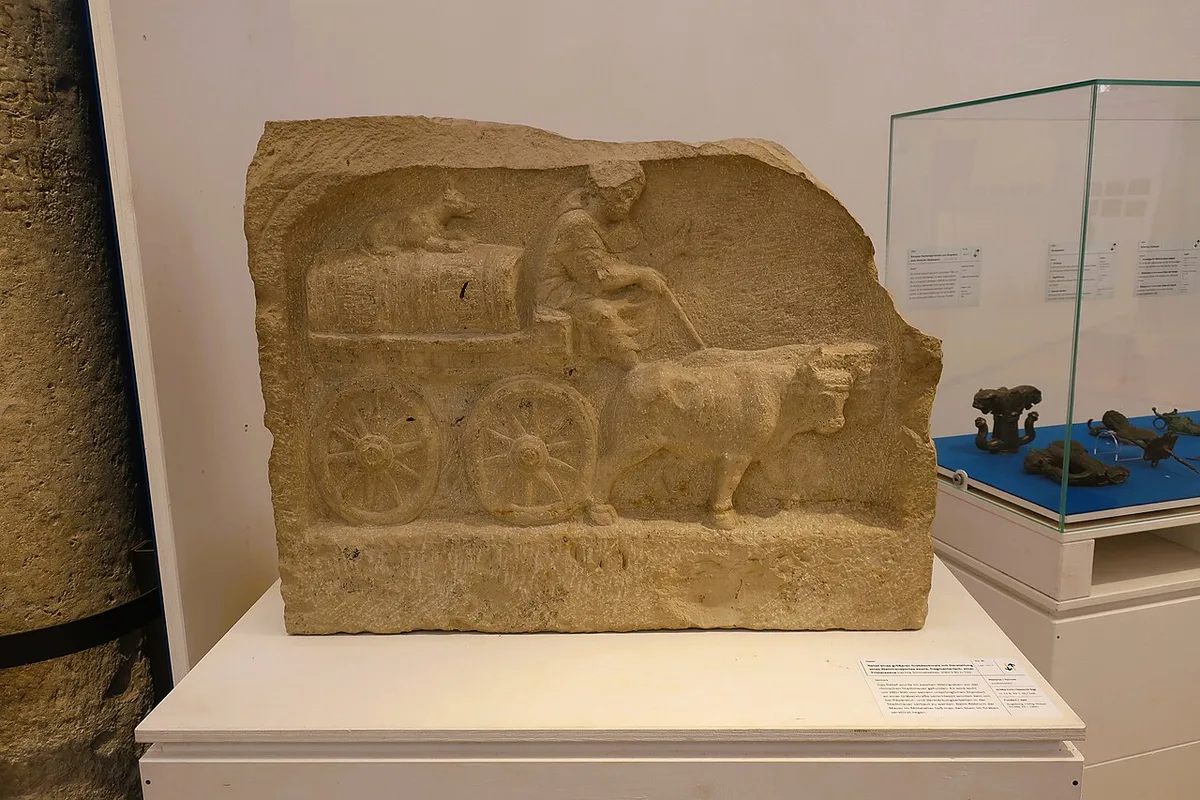
Several objects justify the visit on their own. The older directory describes the collection as holding Bavaria's oldest and most significant group of Roman stone monuments, including images and inscriptions of gods, sarcophagi, grave monuments with scenes of economic life, and honorific inscriptions for emperors and governors. These carved stones are often the most legible material for a visitor with no prior knowledge of Roman archaeology, because the inscriptions and figures speak across two millennia.
A gold coin hoard and the victory altar recovered in 1992 and dated to A.D. 260 are singled out among the Roman highlights. The altar is a rare document tied to a specific event, which is why it is usually named first in accounts of the collection. Because the show is an interim selection, confirm that these pieces are on view during your dates if they are your priority.
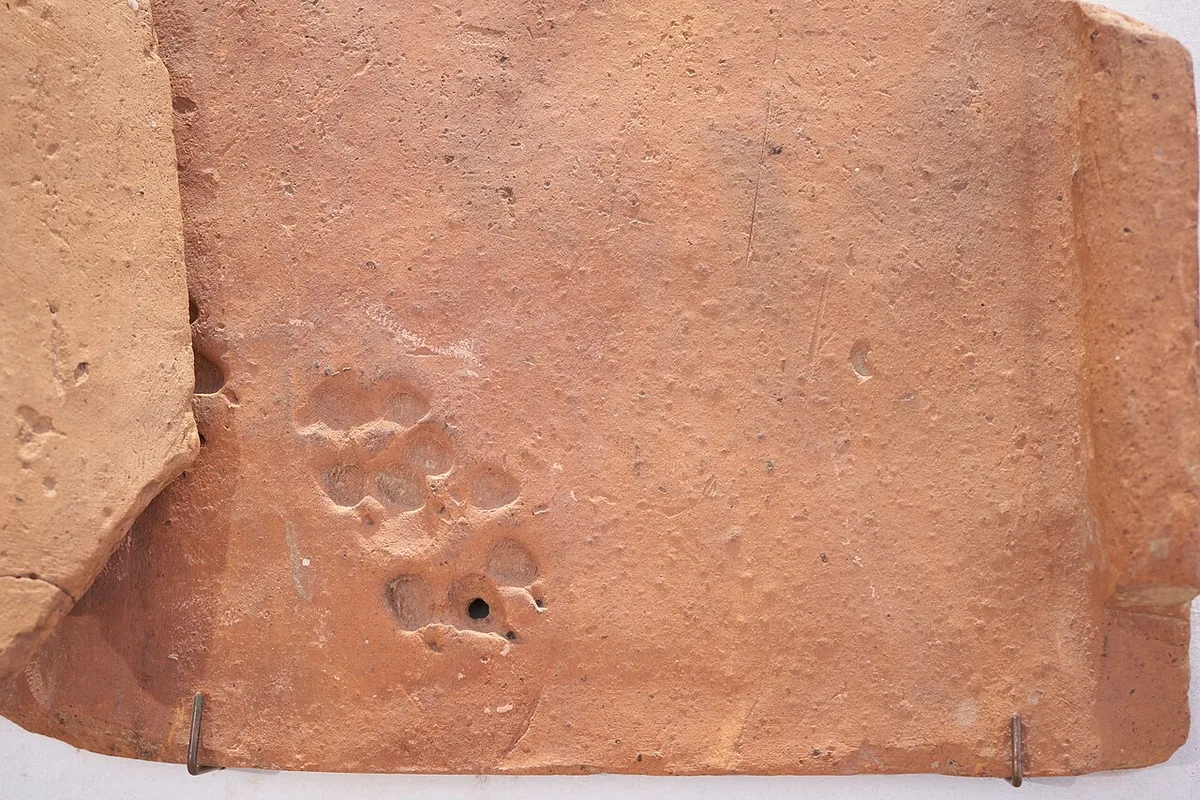
Beyond the star objects, the everyday material rewards slow looking. Ceramics, tools and small bronze figures reveal what people used, ate from and repaired, and they often carry more immediate human interest than a display case of emperors. If you have limited time, choose one theme, such as military life or burial custom, and follow it through the room rather than trying to absorb every case.
How Much Time to Allow
No official visit duration is published for the Römerlager display, so any figure here is an editorial suggestion. As a rough benchmark, a focused pass through the Roman-era material takes about forty-five to sixty minutes. That assumes you read the main labels and pause at the stone monuments, which are the most demanding objects to absorb.
If you want to work through the prehistoric and early medieval sections as well, which the arc of the collection encourages, plan closer to ninety minutes. Visitors with a specific research interest in the inscriptions or the military finds should allow more, and may want to contact the museum in advance about study access. Treat all of these figures as planning aids rather than official timings.
Tickets, Opening Times and What to Verify
Admission arrangements for the Römerlager im Zeughaus are not confirmed by the published material, so do not rely on a third-party page that asserts a price or free entry. The same applies to opening hours: the city listing publishes a weekly pattern but also warns that times can differ, while an older directory gives different hours for the former Dominikanergasse building. Check the operator's own page or telephone the museum for the day you intend to visit.
Accessibility, guided tours and booking requirements are likewise not confirmed for this display. Ask about step-free access and about group arrangements at the time of your enquiry, since the Zeughaus is a historic building rather than a purpose-built gallery. One call or email before you travel resolves these questions together.
Note also that the display is part of a wider museum group that includes separate institutions. Do not assume that a ticket bought for one Augsburg museum covers the Roman material, or the reverse. Treat each venue's admission as its own arrangement unless the operator states otherwise.
Fitting the Roman Collection Into a Wider Augsburg Visit
Because the Roman display is compact, it pairs well with another museum rather than filling a whole day. The Maximilianmuseum Augsburg visitor guide covers the city's art and craft collections, including sculpture and decorative arts that later Augsburg produced, and the contrast between Roman stonework and Renaissance bronzes makes a coherent half day for anyone interested in how the city's material culture developed.
If you are structuring a longer stay, the Augsburg: Landmark Visitor Guides collection sets out the city's principal monuments, and the Augsburg: Itineraries and City Travel Guides hub suggests ways to sequence them by available time. Use those to decide whether the Roman material belongs on your first afternoon or a quieter second morning. Both surfaces assume you are choosing among several stops, which is exactly the decision this collection raises.
Plan Your Visit
The practical core of a visit is simple: the Roman material is currently shown as the Römerlager display at the Zeughaus on Zeugplatz 4, and the historic Dominikanergasse address belongs to an older chapter of the collection. Confirm current opening times, admission arrangements and access on the day you plan to go, using the operator's own information rather than an old directory page. If a specific object such as the 1992 victory altar matters to you, ask whether it is on view, because pieces are regularly lent to other museums.
Arrive with a small plan: follow the chronological arc from prehistory to the early Middle Ages, spend your reading time on the Roman stone monuments, and accept that an interim display will not show everything. That approach turns a short visit into a genuine introduction to how Augsburg's Roman past was excavated and interpreted.
Frequently Asked Questions
Where is the Römisches Museum in Augsburg currently shown?
The Roman-era material is presented as the exhibition Römerlager – Das römische Augsburg in Kisten at the Zeughaus, Zeugplatz 4, in central Augsburg. The city listing gives the venue's telephone number and email address, and describes the display as a selection of essential Roman-period exhibits. If you are travelling for a specific object, contact the museum beforehand to ask whether it is currently on view.
Is the Dominikanergasse building open as the Roman museum?
The Dominikanergasse address appears in an older directory listing for the Römisches Museum, including references to a museum shop and a ticket desk, but that page dates from 2019 and was edited in 2021. There is no confirmation that the building currently operates as the museum. Plan around the Zeugplatz 4 location and check the operator's current information before travelling.
What can you see in the Römerlager im Zeughaus exhibition?
The exhibition presents a selection of significant Roman-era finds from Augsburg. An older directory describes the wider collection as including military material from Augsburg-Oberhausen, a large group of Roman stone monuments with god images and inscriptions, a gold coin hoard, the victory altar recovered in 1992, and everyday objects such as glass, pottery and tools. The collection also covers prehistoric, Bronze Age and early medieval material. Because the show is an interim selection, the objects on display can change.
How long does a visit to Augsburg's Roman collection take?
No official duration is published, so treat any figure as a suggestion. A focused pass through the Roman material takes roughly forty-five to sixty minutes, while reading through the prehistoric and early medieval sections as well is closer to ninety minutes. Visitors with a research interest in the inscriptions or military finds should allow longer and may want to ask the museum about study access.
Is the Roman collection in Augsburg free to enter?
Admission arrangements for the Römerlager im Zeughaus display are not confirmed by the published material, so it is unwise to assume either free entry or a particular price. Augsburg's museum group includes several separately operated institutions, and a ticket for one venue does not necessarily cover another. Check the operator's own page or telephone the museum before your visit to confirm.


