Hidden Gems in Verona
Find the best hidden gems in Verona, from secret gardens to underrated museums, with 2026 prices, opening hours, and easy day-planning tips.
Read guide →Verona travel guides for 2026: itineraries, day trips, hidden gems, museums, free things to do and city-pass advice — every Verona planning guide in one hub.

Everything we've published on visiting Verona, in one place: 11 trip-planning guides covering itineraries, day trips, hidden gems, the best viewpoints and museums, family and rainy-day options, and honest advice on city passes. Each guide is written for a specific decision you make while planning a trip to Verona, Italy.
Looking for individual landmark tickets, opening hours and worth-it advice? See our Verona attractions hub, with 8 dedicated visitor guides.
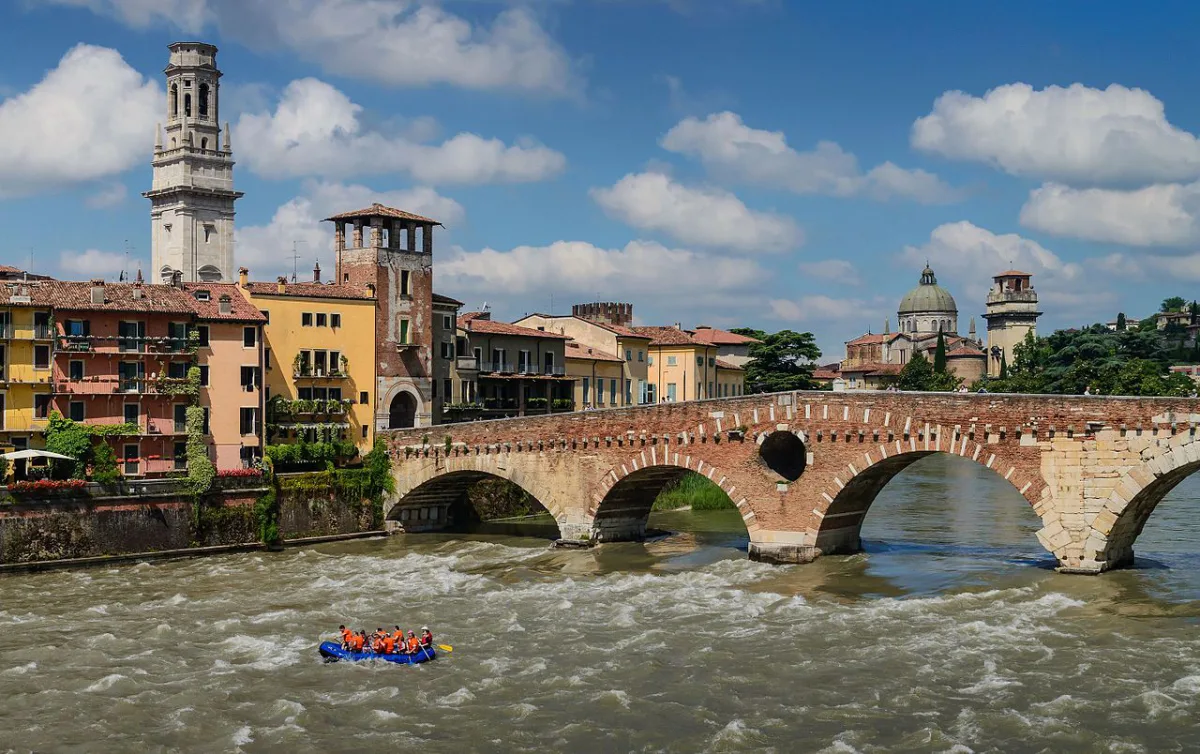
Verona packs an outsized amount of history into a walkable bend of the Adige river. At its heart is the Arena, a Roman amphitheatre older than the Colosseum that still fills for the summer opera festival, while Shakespeare's association gives the city its most-visited (and most-debated) sight in Juliet's balcony. Between them sit handsome piazzas, the Castelvecchio fortress, and the Ponte Pietra, whose stone arches frame the classic view back over the terracotta rooftops.
One full day covers the highlights and a second lets you slow down or add a day trip, since the historic centre is compact and easily done on foot. Late spring and summer are peak — especially if the open-air opera is on your list — while spring and early autumn trade the festival buzz for lighter crowds and gentler prices. Verona is also one of the easiest bases in the Veneto: Venice is little more than an hour by train, and Lake Garda's southern shore is a short ride away.
The guides below follow the choices you make while planning — how to structure a day, where to catch the best light and viewpoints, what to do with children or on a budget, and which nearby towns and lake resorts are worth the trip. Start with the one-day itinerary, then layer in day trips and viewpoints to suit your pace.
Verona's walled centre is genuinely compact — Piazza Bra to Ponte Pietra is a comfortable 20-minute walk end to end — so a single day covers the Roman core, the riverside bridges and the Romeo and Juliet sites. The one-day itinerary is built exactly for that, with a warning worth repeating: Arena daytime tickets run about €10 to €13 in 2026, the amphitheatre typically opens at 9am, and most paid sights in the historic centre close on Mondays, so midweek day-trippers need to plan around it. The route runs in three neighborhood blocks — the Arena and the Juliet sites in the morning, Castelvecchio and the Lamberti tower in the afternoon, a hilltop sunset to finish — so the day moves on foot without doubling back.
Two days is the sweet spot. The 48-hour route sequences the Arena, the Juliet circuit and Castelvecchio without buses or taxis, adds San Zeno on day two, and breaks down the Verona Card versus Four Churches ticket math so you buy the right pass once. With a third day, Lake Garda enters the picture: the 72-hour plan hands day three to a Sirmione excursion and settles the train-versus-bus question for getting there. Whichever length you pick, build in the mid-day riposo slowdown: several smaller sights and shops close for a stretch after lunch, which is exactly when locals settle in for a long meal — do the same.
Verona's museums hide inside monuments — medieval fortresses, convents and Baroque palaces double as exhibition halls — and our comparison of the 11 museums worth visiting tells you which fit a short stay and which deserve a longer stop. If you only have room for a first-visit shortlist, three names cover the essentials: the Castelvecchio Museum for fortress architecture and sculpture, the Archaeological Museum at the Roman Theatre for the city's Roman-era story, and the Fresco Museum at Juliet's Tomb for the detached frescoes behind Verona's Urbs Picta heritage. For the views, the city's geography does the work: a hillside rises north of the centre while towers handle the flat old town, and the seven best viewpoints range from a free 10-minute staircase climb to a glass elevator ride 84 meters above Piazza delle Erbe. When the weather closes in, Verona holds up better than its open-air reputation suggests — the rainy-day guide pairs indoor museums with the world's oldest library and Valpolicella wine tastings, and the hidden-gems list adds quieter covered corners near Piazza delle Erbe.
Start with the ticket mix-up that catches most first-timers: the Verona Arena's daytime sightseeing entry runs around €10 (Tuesday to Sunday, 9 a.m. to 7 p.m. outside opera season), and that is a completely different ticket from an evening seat at the Opera Festival, which runs June 12 to September 12, 2026. The other mandatory-booking rule belongs to Juliet's House: courtyard-only entry costs €5, the combined courtyard-and-house ticket €12, and online reservation is now required for every visitor — including anyone entitled to free admission. The house keeps Tuesday-to-Sunday hours from 9:00 to 19:00 and opens Monday afternoons only, from 14:00.
The rest of the headline list is refreshingly cheap. Castelvecchio, the Della Scala fortress holding one of northern Italy's strongest regional art collections, charges €9 (Tuesday–Sunday, 10 a.m. to 6 p.m.); Torre dei Lamberti is one of the cheapest 360° city panoramas in Italy at €6 full price, €4.50 reduced — open every day except Christmas, weekdays 10 a.m. to 6 p.m. and weekends 11 a.m. to 7 p.m., with last admission 45 minutes before closing; the Renaissance Giardino Giusti costs €14 (€10 reduced for Verona Card holders) and stays open to roughly 8 p.m. in summer; and Basilica San Zeno — Romanesque interior, 73-panel bronze door, Mantegna altarpiece — costs €4 alone or €8 on the four-church Chiese Vive pass that also covers the Duomo, Sant'Anastasia and San Fermo.
A surprising share of the city costs nothing: Ponte Pietra, Verona's oldest Roman bridge, is free to cross 24 hours a day; Piazza delle Erbe never closes, with its market running roughly 8:00 a.m. to 7:00 p.m.; and the free things to do list adds hidden viewpoints and old-town piazzas to build a full zero-euro day. Traveling as a family, the Verona with kids guide rounds up museum discounts and an easy day plan that keeps walking distances short. After dark is when Verona plays its strongest card: during the summer festival, unnumbered stone-step opera tickets at the Arena start around €25 while numbered seating climbs toward €200 on peak nights, shows begin about 9pm, and the evenings guide mixes that headline act with aperitivo hours and floodlit riverside walks.
Few Italian cities make a better rail base. A regional train reaches Peschiera del Garda in about 13 minutes with 2026 fares starting near €4, and Venice, Mantua and the Valpolicella wine hills are all under 90 minutes each way — the day-trips guide ranks each by distance, cost and traveler type, and flags which work as a relaxed half day versus a committed full one. If Lake Garda is the priority, it pairs naturally with the three-day itinerary above; if wine country calls, budget more than the train fare, since guided Valpolicella tours cost meaningfully more than the self-guided options.
Find the best hidden gems in Verona, from secret gardens to underrated museums, with 2026 prices, opening hours, and easy day-planning tips.
Read guide →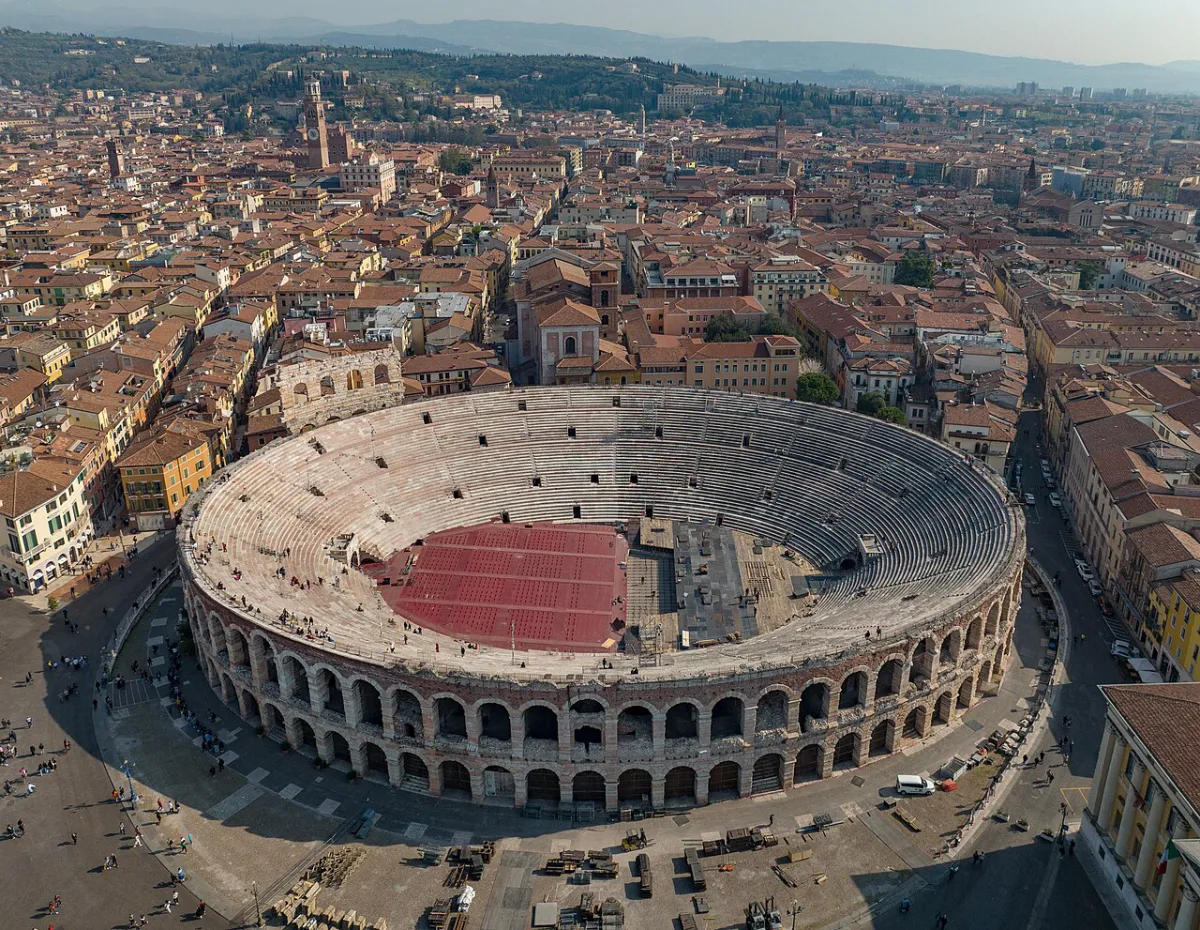
Follow this one day in Verona itinerary for 2026 with hour-by-hour stops, entry costs, opening-hour patterns, and booking tips for a smoother visit.
Read guide →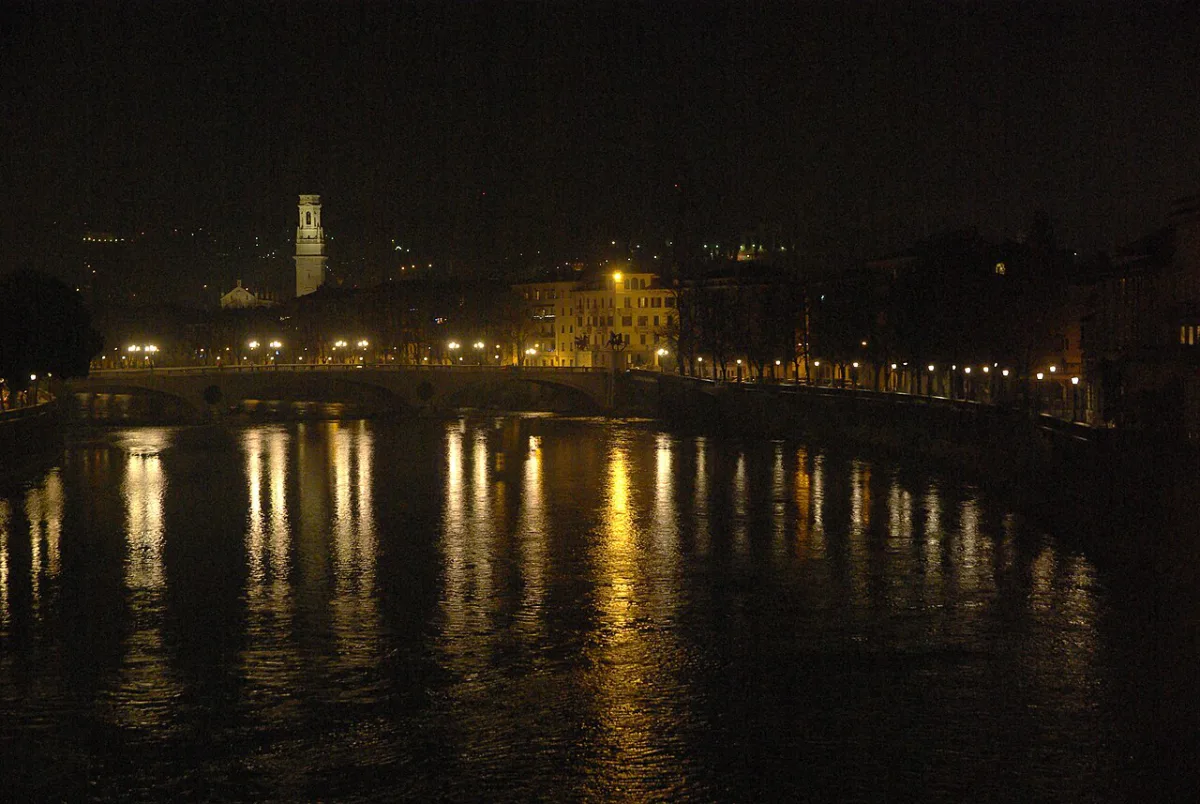
Discover the 10 best things to do in Verona at night, from Arena opera under the stars to aperitivo hour, with 2026 prices, hours, and local tips.
Read guide →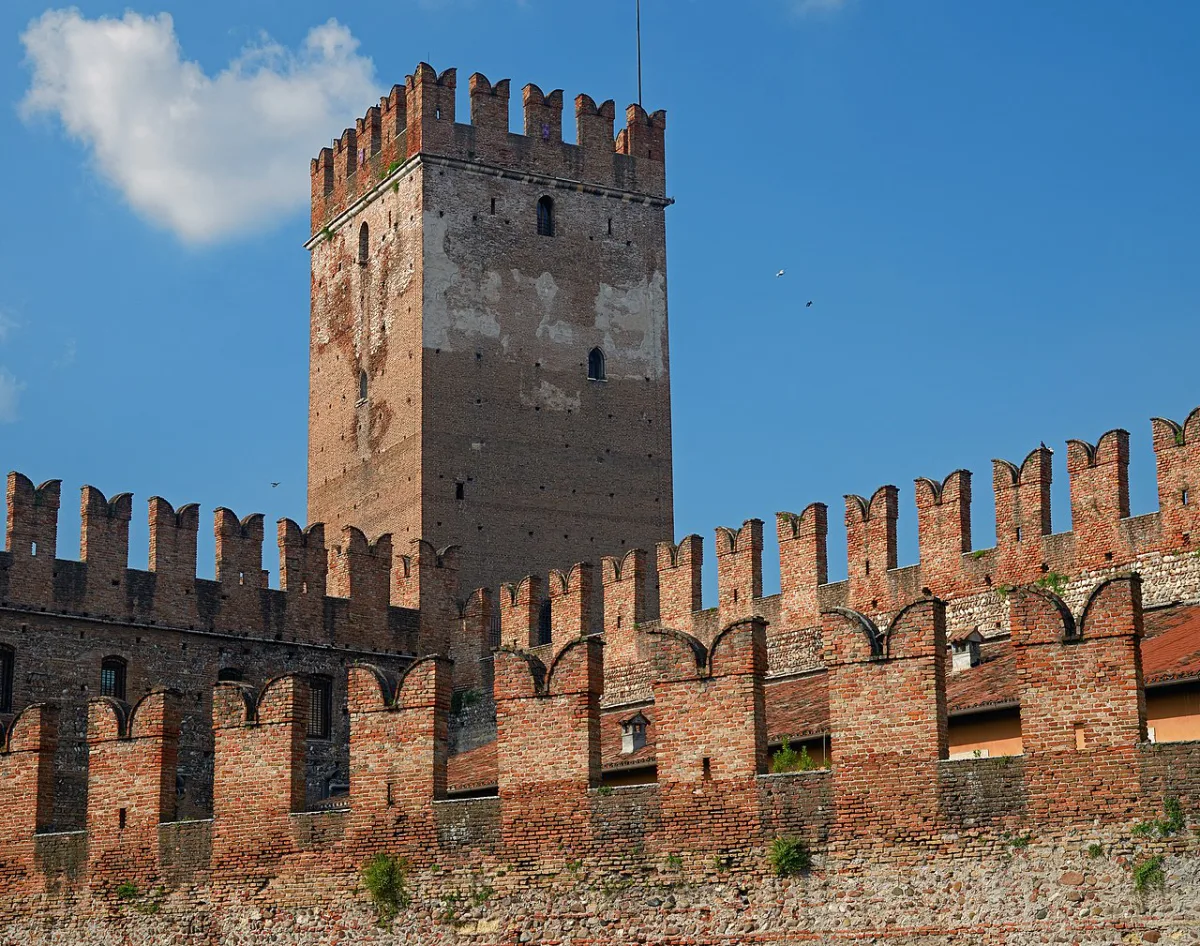
Planning a trip to Verona with kids? Find museum discounts, top family attractions, guided tours, and an easy day plan for your family in 2026.
Read guide →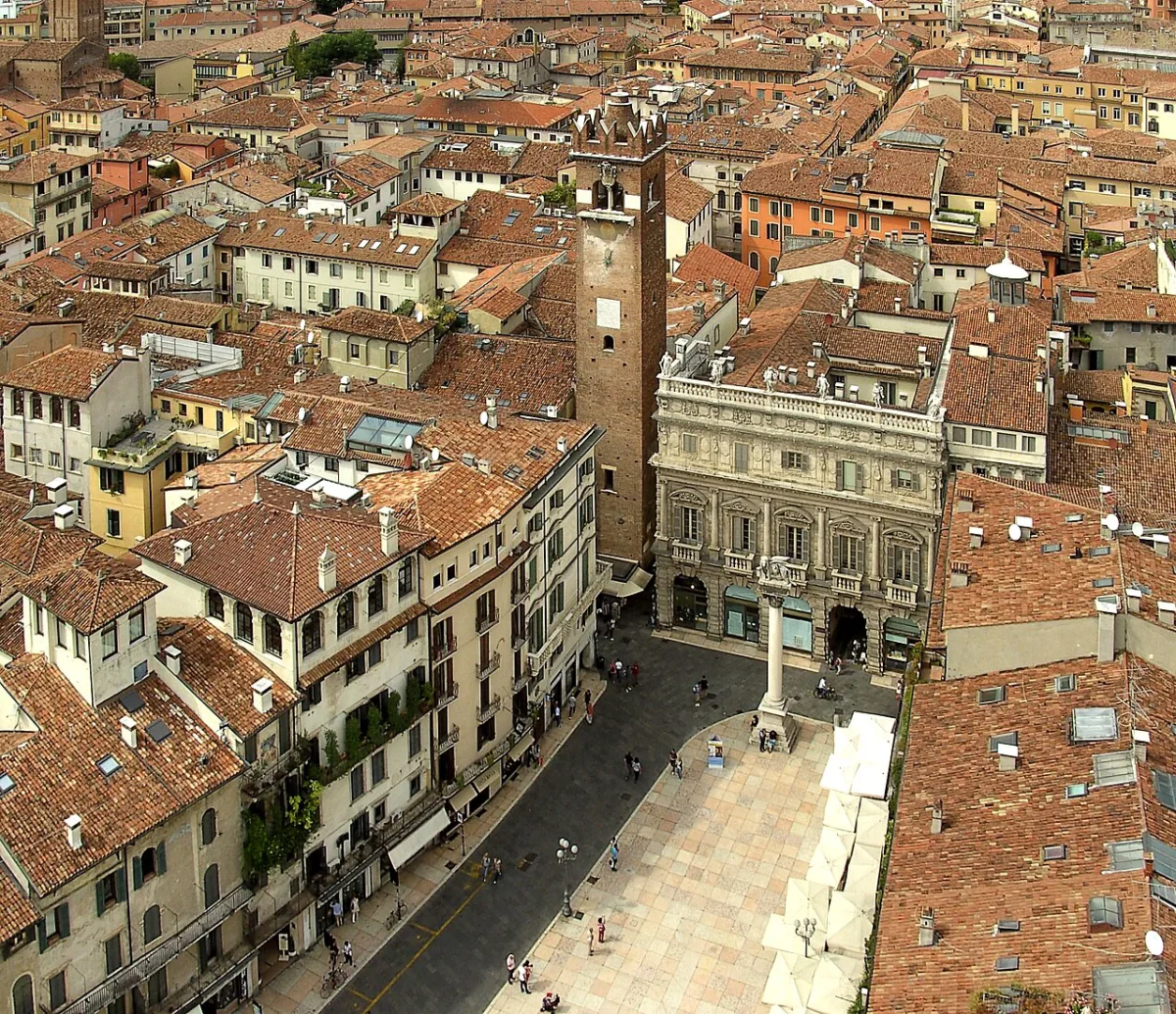
Discover 10 free things to do in Verona in 2026, from Roman bridges to hidden viewpoints and historic old-town piazzas. Plan your trip today.
Read guide →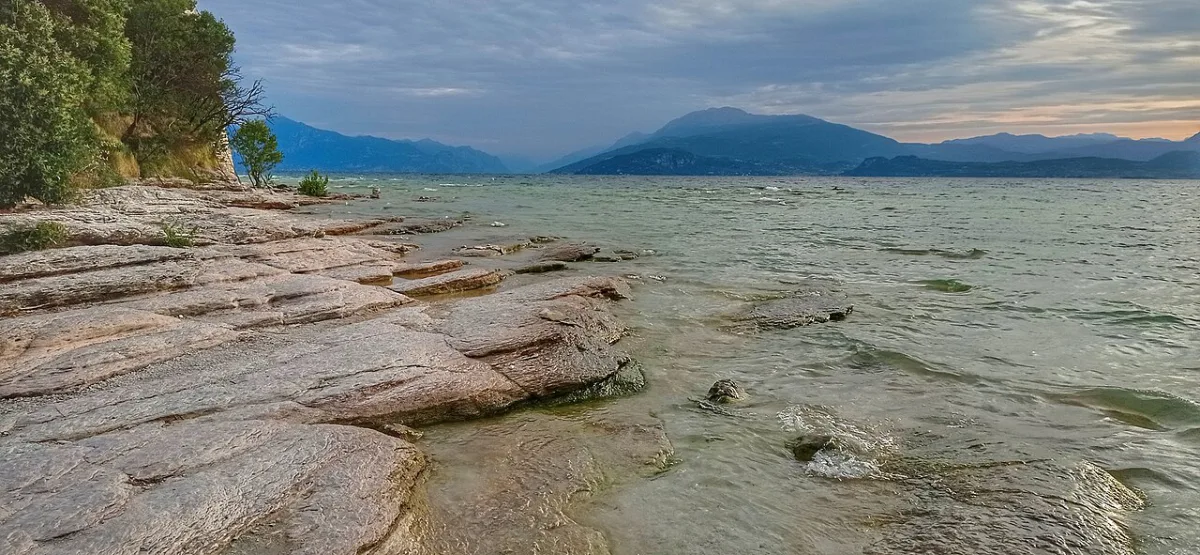
Plan the best day trips from Verona in 2026, from Lake Garda to Venice and Valpolicella wine country, with train times, costs, and booking tips.
Read guide →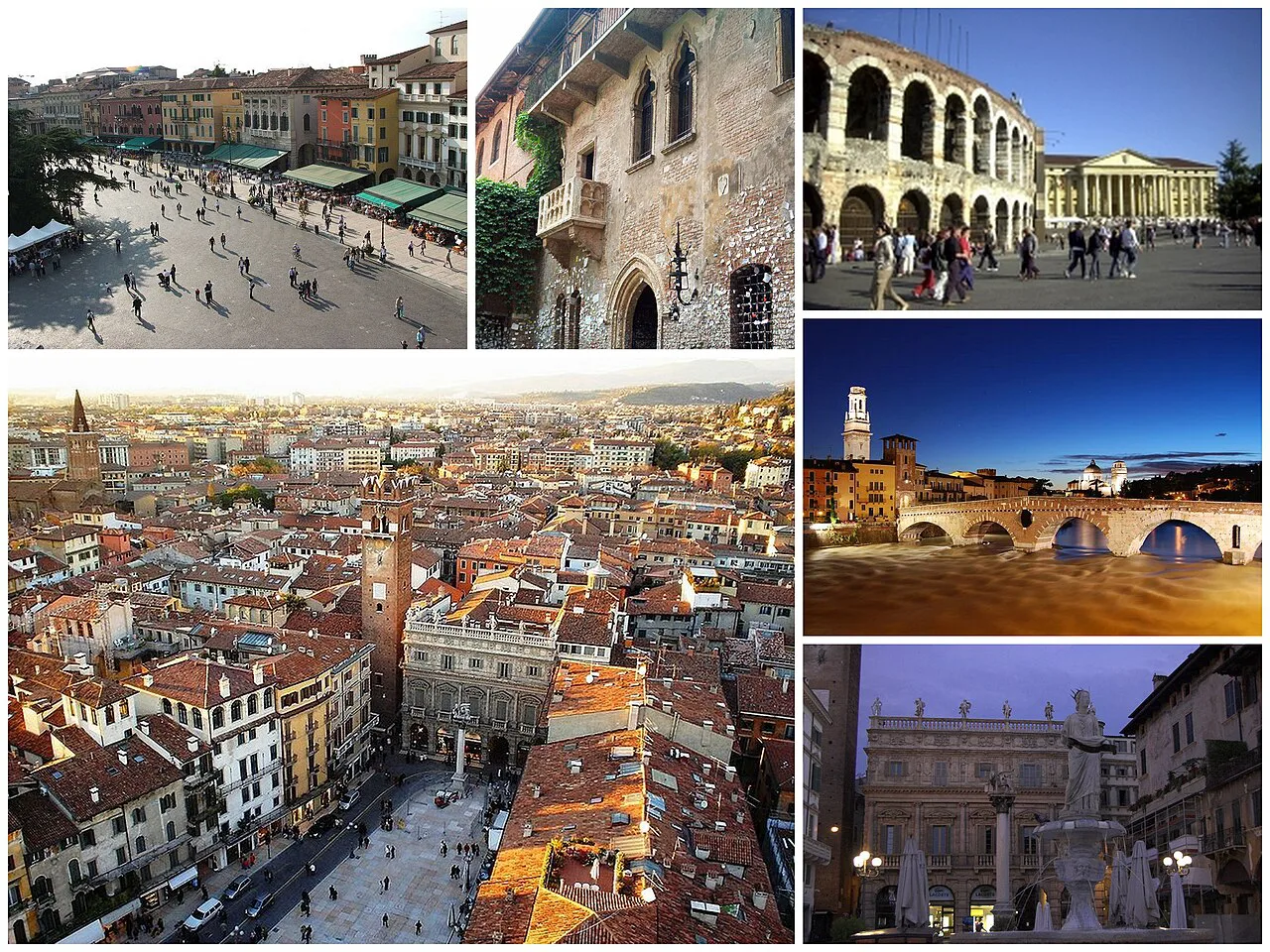
Plan 2 days in Verona with this 48-hour itinerary: the Arena, Juliet's House, Castelvecchio, and the Verona Card vs Four Churches ticket math for 2026.
Read guide →
Plan a 3 days in Verona itinerary with the Arena, Castelvecchio, San Zeno, and a Sirmione day trip on Lake Garda, plus 2026 Verona Card cost tips.
Read guide →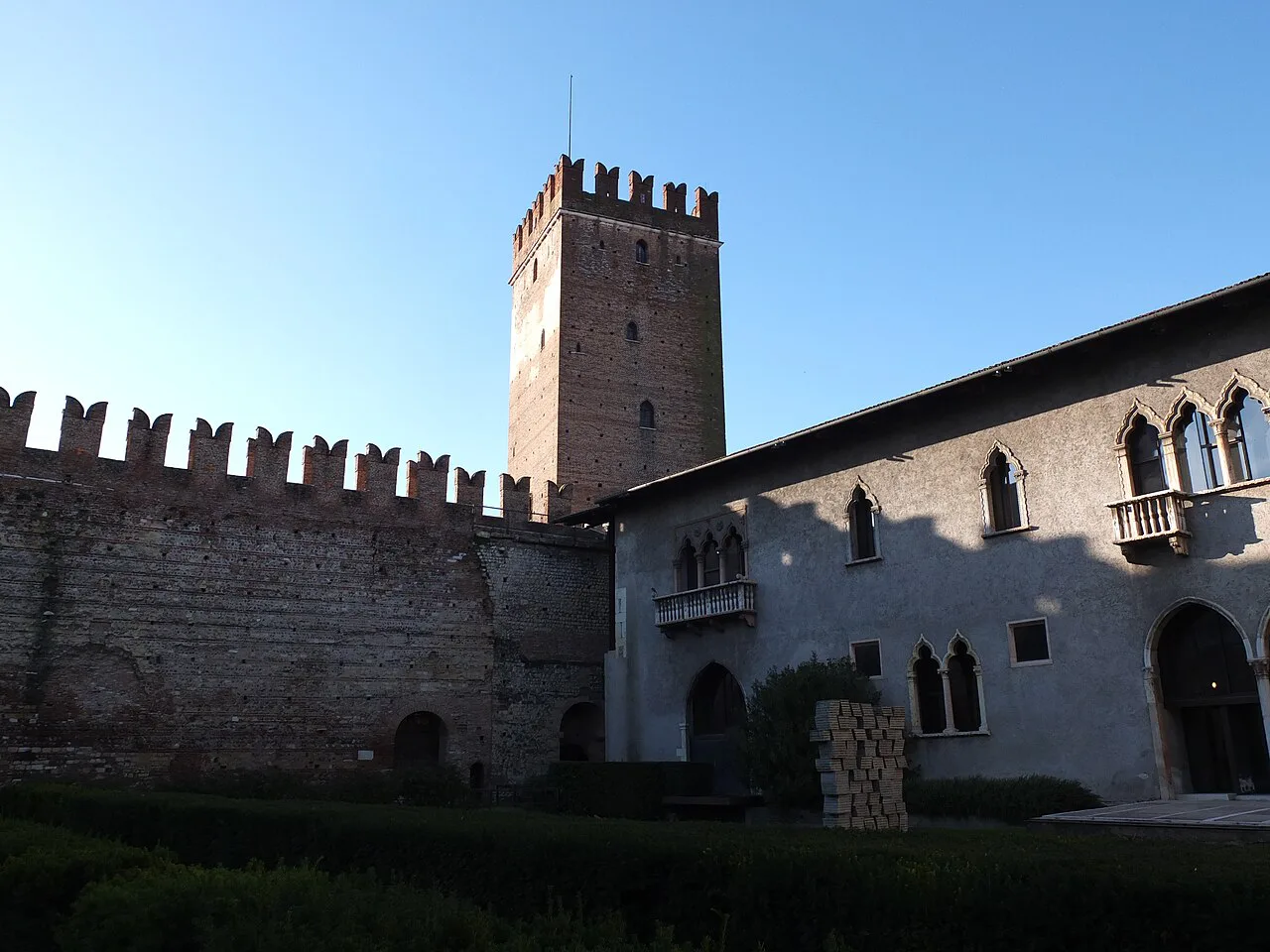
Compare Verona's 11 best museums, from Castelvecchio to the Capitolare Library, with 2026 Verona Card guidance, opening-hours notes, and a shortlist.
Read guide →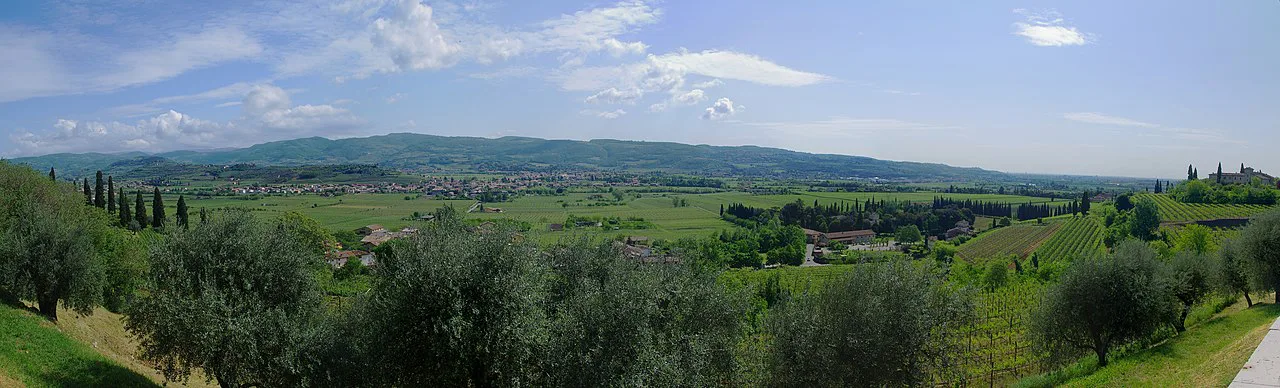
Compare the best viewpoints in Verona for 2026, from Torre dei Lamberti's tower to Giardino Giusti's hidden belvedere, with costs, hours, and photo times.
Read guide →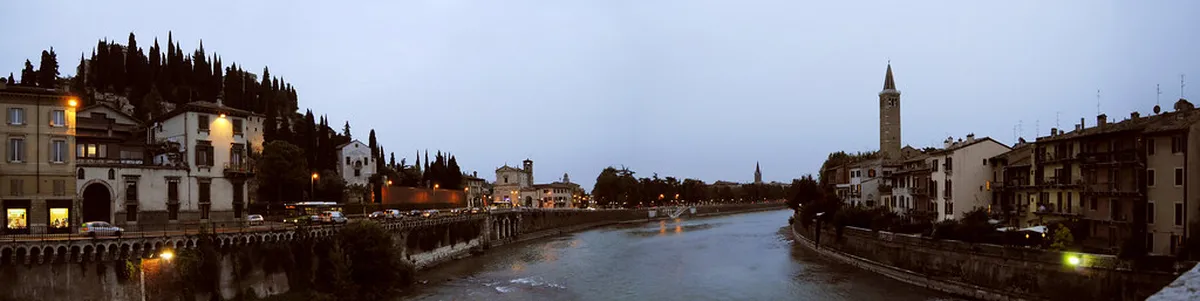
A practical rainy-day plan for Verona: indoor museums, the world's oldest library, Valpolicella wine tastings, and covered routes for a 2026 visit.
Read guide →Keep exploring