
One day in Verona is enough to cover the Roman core, the riverside bridges, and the Romeo and Juliet sites. This itinerary is built for first-time visitors, including day-trippers arriving from Venice or Milan. It also suits anyone on a longer Italy trip who only has a single free day here.
Verona Arena tickets run about 10 to 13 euros in 2026, and the amphitheater typically opens at 9am. Most paid sights in the historic center close on Mondays, so plan around that for midweek trips. Updated for 2026, this guide covers realistic timing, typical costs, and where a Verona Card pays off.
The route groups stops by neighborhood so the day moves on foot without doubling back. Morning covers the Roman Arena and the Romeo and Juliet sites near Via Cappello. Afternoon shifts to Castelvecchio and the Lamberti Tower, and evening ends at a hilltop sunset point.
One Day in Verona: At a Glance
This overview breaks the day into three blocks so the plan is easy to scan. Each block pairs a neighborhood with its main sights, keeping walking distances short. Full pricing and opening-hour patterns for 2026 follow in the next section.
Mornings in Verona tend to be quieter at the major sights, before tour groups arrive. Afternoons shift toward the Adige River and the fortress district around Castelvecchio. Evenings favor the hilltop viewpoint above the river, best timed for sunset light.
Travelers with mobility limits can swap the tower climb for a level riverside walk instead. Families can trade the crowded Juliet's House interior for a free courtyard visit alone. A more detailed family-focused swap list appears later in this guide.
- Day 1: Roman ruins, riverside sunset
- Morning: Verona Arena and Juliet's House
- Afternoon: Castelvecchio and Lamberti Tower
- Evening: Ponte Pietra and hilltop sunset
One Day in Verona Itinerary: Hour by Hour
Most paid sights in the historic center close on Mondays. Plan your trip for other weekdays or book the Verona Card to confirm hours in advance.
Start at the Verona Arena on Piazza Bra shortly after it opens, ideally by 9am. The Roman amphitheater dates to the 1st century AD and still hosts summer opera performances. Entry runs about 10 to 13 euros in 2026, and the arena is typically closed on Mondays. Confirm current hours on the official site before arriving, since festival dates shift the schedule.
From the arena, walk roughly ten minutes to Juliet's House on Via Cappello. The courtyard and famous balcony are free to view, while the house interior costs around 6 euros. Arriving before 10am generally means shorter lines than the mid-morning peak. Traveling with young kids, a Verona with kids guide covers quicker swaps for this stop.
For lunch, look toward the streets around Piazza delle Erbe for casual pasta counters. A one-hour lunch window keeps the afternoon schedule realistic without feeling rushed. Regional dishes worth trying include tortellini and a glass of local Valpolicella wine.
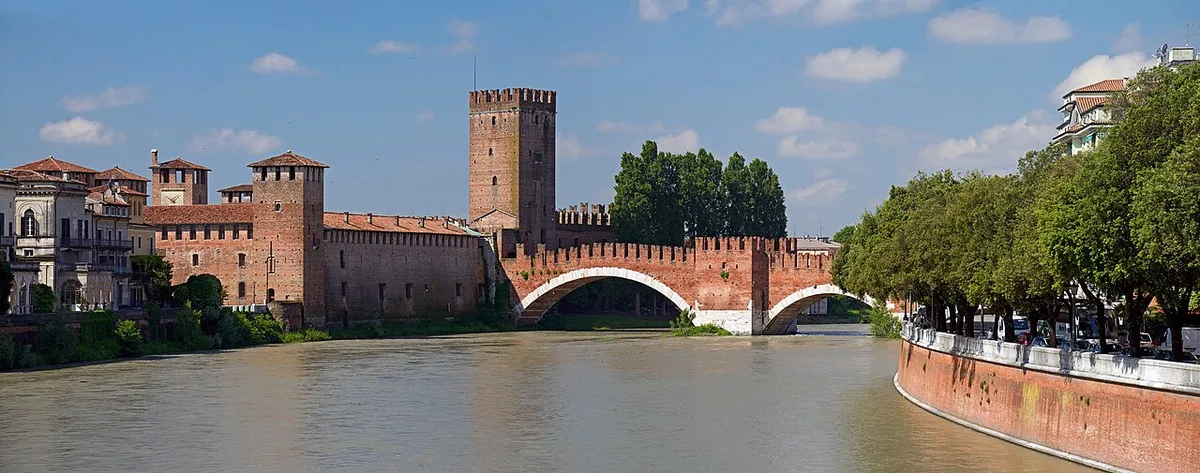
In the afternoon, head to Castelvecchio, the 14th-century riverside fortress and museum. Museum entry costs about 6 euros, and the adjoining Ponte Scaligero bridge is free to cross. From there, climb the Lamberti Tower for panoramic rooftop views over the city center. Tower entry costs roughly 8 euros, covering either the 368-step staircase or a small lift.
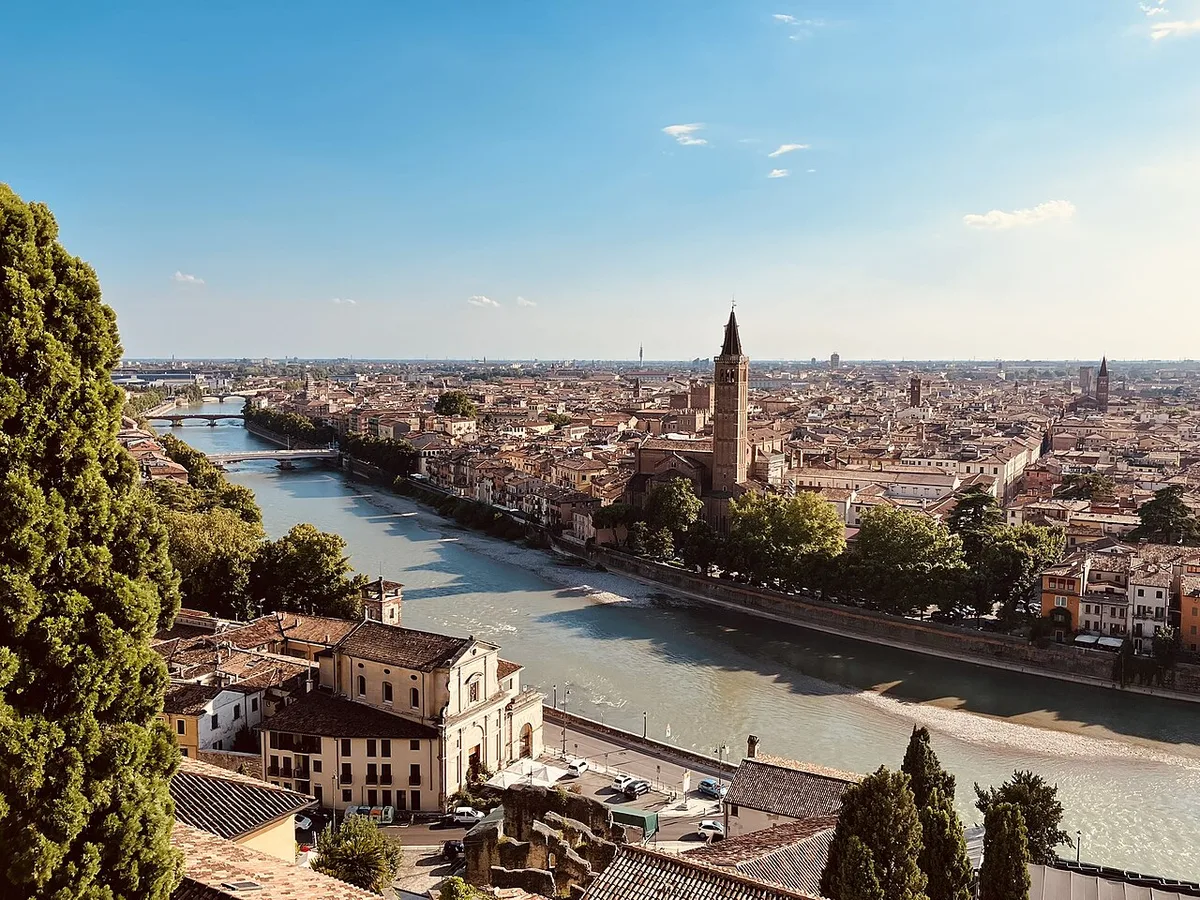
As evening approaches, cross the Ponte Pietra, the oldest surviving bridge in Verona. The Roman Theater sits just across the river at the base of San Pietro hill. A short funicular ride reaches Piazzale Castel San Pietro, the best sunset viewpoint in the city. For the full list of sights, including lesser-known stops, see this Verona attractions guide.
- Day 1: Arena, Juliet's House, Castelvecchio, sunset
- Morning: Verona Arena, then Juliet's House
- Afternoon: Castelvecchio, then Lamberti Tower
- Evening: Ponte Pietra, hilltop sunset
- Time: about 9am to 7pm total
- Logistics: everything reachable on foot
- Optional: swap tower climb for riverside walk
Book Verona's Timed-Entry Sights in Advance
Book Juliet's House one to two days ahead through the official Musei Civici site to secure a convenient morning slot and avoid queues during peak season.
Juliet's House requires a timed-entry slot booked through the official Musei Civici site. Booking one to two days ahead usually secures a workable morning slot in 2026. Walk-up access to the interior is not guaranteed during busy spring and summer weekends.
The Verona Arena rarely needs advance booking outside summer opera season. For opera nights between June and September, buy seats several weeks ahead, since good rows sell out. Daytime sightseeing entry can typically be bought online the same morning or at the gate.
A Verona Card bundles entry to the Arena, Castelvecchio, the Lamberti Tower, and Juliet's House. As a rough 2026 guide, those four sights alone cost about 33 euros bought separately. A 24-hour card runs roughly 20 to 30 euros and adds free city bus travel. The math favors the card once a traveler plans three or more paid stops.
| Sight | Entry Cost | Advance Booking | Typical Time |
|---|---|---|---|
| Verona Arena | 10-13 euros | Not required (except opera) | 1-2 hours |
| Juliet's House | 6 euros | Recommended (1-2 days) | 45 minutes |
| Castelvecchio | 6 euros | Usually same-day | 1-2 hours |
| Lamberti Tower | 8 euros | Usually same-day | 45 minutes |
| Ponte Pietra & Roman Theater | Free | None | 1 hour |
Budget-focused travelers can skip paid entries and still see Verona's core landmarks. Juliet's courtyard, the river bridges, and most piazzas cost nothing to visit. A dedicated free things to do in Verona guide lists more no-cost stops.
Where to Stay for a Verona Day Trip
Travelers extending beyond a single day usually base themselves near Piazza Bra or Piazza delle Erbe. Both areas sit inside the walking loop this itinerary follows, cutting transit time to zero. Rooms here book up fastest during the summer opera season, so reserve early for July or August dates.
A second option is the quieter streets near Porta Nuova train station. This area suits early departures and typically costs less than rooms in the historic core. The short walk into the center takes about fifteen minutes on foot.
For an evening extension, staying near the center keeps late dinners and bars within easy reach. A dedicated things to do in Verona at night guide covers options once the sightseeing wraps up. Ask any host about the ZTL restricted-traffic zone before driving into the historic center.
Getting to and Around Verona
Verona Porta Nuova is the main train station, about a fifteen-minute walk from the historic center. High-speed trains connect Verona to Venice, Milan, and Florence, making it an easy add-on stop. Local buses also run between the station and Piazza Bra for travelers who prefer not to walk.
Verona Villafranca Airport sits roughly 10 kilometers from downtown, with a shuttle bus to the station. The shuttle ride typically takes 15 to 20 minutes, depending on traffic. Confirm the current shuttle timetable online, since airport schedules change between seasons.
Drivers should note that much of the historic core is a limited-traffic zone, or ZTL. Parking outside the ZTL and walking in avoids fines tied to unauthorized entry. Inside the walking loop, the whole itinerary is manageable without a car or public transit.
For visitors combining Verona with a wider Italy trip, transit planning matters most on arrival day. Storing luggage at Porta Nuova station lets day-trippers start sightseeing immediately after arrival. Anyone building a broader route can browse this Italy travel guide for other stops nearby.
Add an Extra Day: Best Verona Day Trips
With a second day, Lake Garda and the lakeside town of Sirmione are the top add-on choices. A direct bus from Verona's bus station reaches Sirmione in about one hour. Sirmione's 12th-century water-surrounded fortress makes a strong half-day stop on its own.
Wine-focused travelers can add a half day in the Valpolicella hills northwest of the city. The region produces Amarone, one of Italy's best-known red wines, from vineyards a short drive away. Several local wineries offer tastings paired with light regional food.
Timing also matters for a longer visit, since Verona hosts several seasonal events worth planning around. Travelers visiting in late winter can check the historic Verona Carnival parade dates before booking. A dedicated day trips from Verona guide covers more routes beyond Lake Garda.
Repeat visitors who already covered the highlights can look past the standard sightseeing loop. A curated hidden gems in Verona guide lists quieter spots away from the main crowds. These extras work well tacked onto the end of this one-day plan for a two-day version.
Frequently Asked Questions
Is one day enough to see Verona's main sights?
Yes, one day covers Verona Arena, Juliet's House, Castelvecchio, and the Lamberti Tower comfortably. Add a second day only for Lake Garda or Valpolicella wine country. Most first-time visitors find the core historic center walkable in under eight hours.
How much does a Verona Card actually save?
Buying the Arena, Castelvecchio, Lamberti Tower, and Juliet's House separately costs about 33 euros in 2026. A 24-hour Verona Card runs roughly 20 to 30 euros and includes bus travel. The card pays off once three or more paid sights are on the plan.
What is the best way to get around Verona in one day?
Walking covers this entire itinerary, since every stop sits inside the compact historic core. City buses and a short funicular fill in for the hilltop viewpoint at the end. A car is not needed and the historic center has restricted traffic zones anyway.
Which Verona attractions need advance booking?
Juliet's House needs a timed-entry slot booked through the official Musei Civici site. Summer opera performances at Verona Arena need seats booked several weeks ahead. Other sights, including Castelvecchio and the Lamberti Tower, usually allow same-day tickets.
Can this itinerary work as a day trip from Venice or Milan?
Yes, Verona sits about an hour from Venice and around two hours from Milan by train. High-speed trains make it a realistic single-day round trip. Storing luggage at Porta Nuova station keeps the visit hands-free from arrival to departure.
This one-day Verona itinerary fits comfortably into a single day trip or a short overnight stop. Sticking to the neighborhood-grouped route keeps walking distances short and backtracking to a minimum. Booking Juliet's House ahead and checking Monday closures are the two details worth confirming first.
Travelers with extra time can layer on a Lake Garda day trip or a Valpolicella wine afternoon. Either extension turns this guide into a relaxed two-day Verona plan without much extra planning.