
Last updated July 2026, this guide maps out Verona on a rainy day so a downpour never has to derail a city break. Verona's marble squares and open-air sights lose their shine under grey skies, but the city's indoor sites hold up in any weather. Use the plan below to swap outdoor sightseeing for sheltered museums, a centuries-old library, and Valpolicella wine cellars without losing a full day.
The Quick Plan for a Rainy Day in Verona
Rain does not have to cancel a day in Verona. The historic center is compact, and several of its best sights already sit indoors. Start with the shortlist below, then use the sections that follow for full details on each pick. If time is tight, the one-day Verona itinerary shows how to compress a visit around weather. For quieter covered corners beyond the obvious sights, the Hidden Gems in Verona: A 2026 Travel Guide guide has more picks tucked near Piazza delle Erbe. A Verona Card can bundle entry to several of the stops below into one pass. The Verona Card math section further down breaks down when that pass is worth buying on a rainy day specifically.
| Weather | Best Move | Why It Works |
|---|---|---|
| Light drizzle | Funicular to Castel San Pietro | The cabin is covered, and the summit view still holds up |
| Steady rain | Museo di Castelvecchio or a cooking class | Full sheltered hours, no outdoor queue |
| All-day downpour | Biblioteca Capitolare, then the Duomo, then an osteria | Three indoor stops within a short walk of each other |
- Museo di Castelvecchio: medieval and Renaissance art inside a riverside fortress
- Biblioteca Capitolare: the world's oldest working library, on Piazza Duomo
- Verona Duomo and Santa Anastasia: two church interiors within a short walk of each other
- A Valpolicella wine tasting, about 15 km from central Verona
- An osteria and bottega crawl near Piazza delle Erbe
Museo di Castelvecchio: Sheltered Art and a Fortress Roof
Museo di Castelvecchio sits at Corso Castelvecchio, 2, inside the Scaliger family's riverside fortress. Its galleries hold medieval and Renaissance art, connected by internal walkways. A single ticket covers the full route through the fortress, so there is no need to step outside between wings. Upper-floor windows look out toward the Adige River and Ponte Scaligero without requiring a step outside. For a full list of comparable indoor collections, see the best museums in Verona guide, which also covers the Museo Archeologico on Stradone San Tomaso for artifacts tracing the city's origins. Families with younger children sometimes prefer the interactive Children's Museum Verona on Via Santa Teresa, since its exhibits are built for hands-on use rather than glass-case viewing.
Biblioteca Capitolare: The World's Oldest Working Library
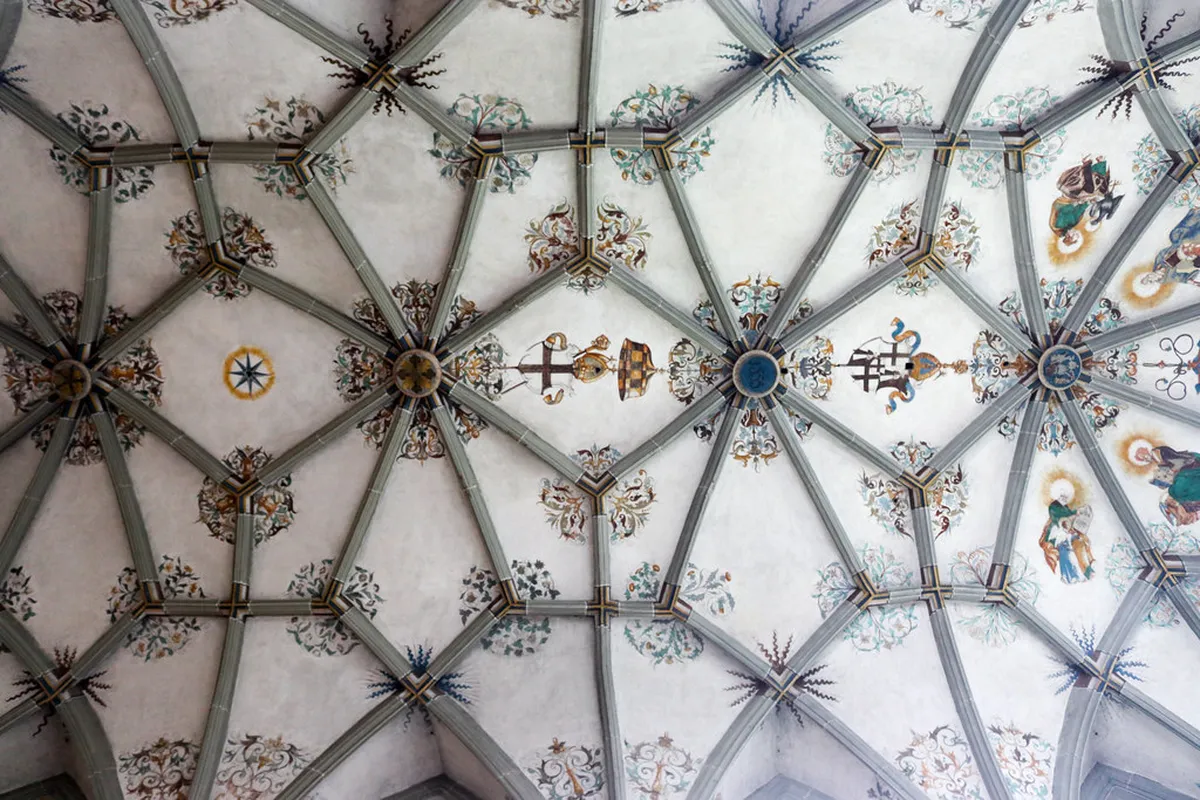
Biblioteca Capitolare sits at Piazza Duomo, 19, and is recognized as the oldest library in the world still in operation. It holds more than 1,600 years of history and over 100,000 volumes, a scale most visitors do not expect from a single reading room. On a wet afternoon, its collections make one of Verona's quietest indoor refuges, a contrast to the crowds that gather at Juliet's House nearby. Opening hours can shrink around an afternoon riposo, so confirm current hours before crossing town specifically for a visit.
Church Hopping: Verona Duomo and Santa Anastasia
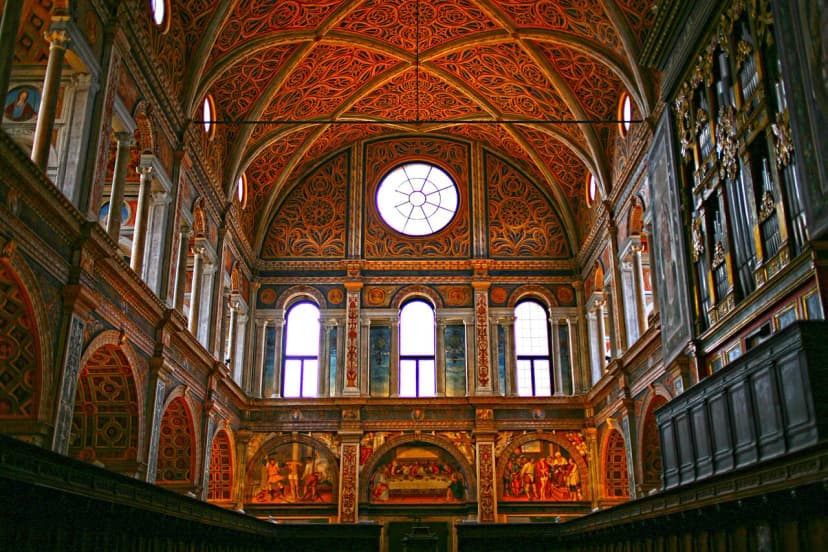
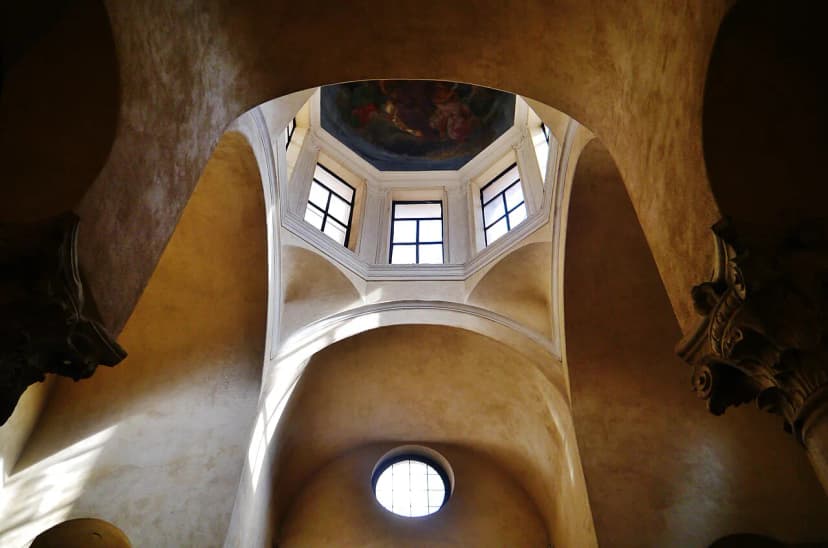
Verona Duomo and the Basilica di Santa Anastasia sit a short walk apart, both sheltering interior art worth an unhurried look on a rainy day. Both interiors hold notable frescoes and side-chapel art worth lingering over instead of rushing past. Some Verona churches combine entry across several interiors on one admission. Confirm current participating churches and prices locally, since terms change. Traveling on a tighter budget? The 10 Free Things to Do in Verona (2026) guide lists which church interiors and chapels currently allow no-cost entry.
Covered Markets and Arcades Near Piazza delle Erbe
Piazza delle Erbe sits at the center of Verona's daily market, and much of the browsing happens under arcaded porticoes framing the square. On a wet morning, the covered stalls make for an easy hour of browsing without an umbrella. Via Mazzini, Verona's main shopping street, sits a short walk away for an indoor-shopping detour if the rain intensifies. Treat this stretch as a connector rather than a destination. Pair it with a nearby museum or the library stop, rather than building a rainy morning around shopping alone.
Hands-On Workshops: Fresco, Watercolour, and Printmaking
Rain is a practical excuse to trade sightseeing for a studio session. Art studios in the Lake Garda hinterland run fresco painting and watercolour courses, working with materials used in regional workshops for generations. Intaglio printmaking sessions are available at similar studios, usually run in small groups over several hours. These sessions typically run in small groups over several hours, a pace that fits naturally with a day already slowed down by rain. Because a workshop can take an afternoon, it fits better into a longer stay; the three-day Verona itinerary has room to swap one afternoon for a studio session without losing other sights.
Hands-on cooking classes and studio workshops both demand 4+ hours, roughly doubling a typical museum visit's length. Pair these immersive activities with a single rainy morning's sightseeing rather than cramming multiple short stops into one day.
Cooking Classes Near Verona and in the City Center
Cooking classes are one of the higher-value rainy-day picks, since they turn several wasted hours into a meal instead. Family-oriented pasta and risotto classes run near Desenzano del Garda and Sirmione, and similar classes operate within the city. Classes typically cover a full menu, from fresh pasta or risotto through a shared meal at the end, so the time investment includes both the lesson and the meal itself. Expect a class to run 4 or more hours, versus 1 to 2 hours for a single museum visit, so plan the rest of the day around it. On a two-day Verona itinerary, a cooking class can anchor an entire rained-out afternoon and evening.
The Osteria Refuge: Taverns, Bottega Tours, and Valpolicella Wine
When rain sets in, Verona's osterie and historic bottega shops are where locals wait it out. Guided tours through these taverns and delicatessens are often led by a sommelier. They mix wine tasting with cured meats and local cheese, in rooms that have served the same trade for generations. About 15 km from the city center, the Valpolicella hills offer terraced vineyards and Amarone tastings. These work well under cloud cover, since most tastings happen inside a cellar. Amarone, the region's signature red, is made with a partial grape-drying method that tasting-room guides typically explain during a cellar visit. A wine walk stopping at three cellars is one option. A single tasting paired with a light lunch is a shorter alternative. For pairing a vineyard stop with a full day away from the city, see Day Trips From Verona Travel Guide. Arcaded frontages around Piazza Bra also give cover for an aperitivo while watching the rain from a dry seat.
Valpolicella wine tastings sit 15 km from the city center. Aquardens thermal spa, also in the Valpolicella area, makes a natural pairing for anyone venturing that far—a full day outing rather than split between two zones.
Wellness Alternatives: Spas and the Castel San Pietro Funicular
Even in rain, the funicular ride up to Piazzale Castel San Pietro is a strong pick, since the cabin itself is covered. The view over the Adige River and the city center still delivers under grey skies, and the same summit is reachable by car or on foot via the steps near Ponte Pietra if the funicular is not running. For a longer list of panoramas worth the detour, see 7 Best Viewpoints in Verona: From Iconic Towers to Hidden Terraces. In the Valpolicella area, Aquardens runs an indoor and outdoor thermal park with pools of different depths, which suits families with children as well as couples looking for a slower afternoon. If Aquardens does not fit the day's plan, other spas around Lake Garda sit within a short drive. Outdoor yoga sessions in city parks work only in fair weather. Without a covered pavilion confirmed on site, treat them as a sunny-day option. Look for an indoor studio class instead when rain is forecast.
Rainy-Day Logistics: Arcades, Marble Streets, and Getting Around
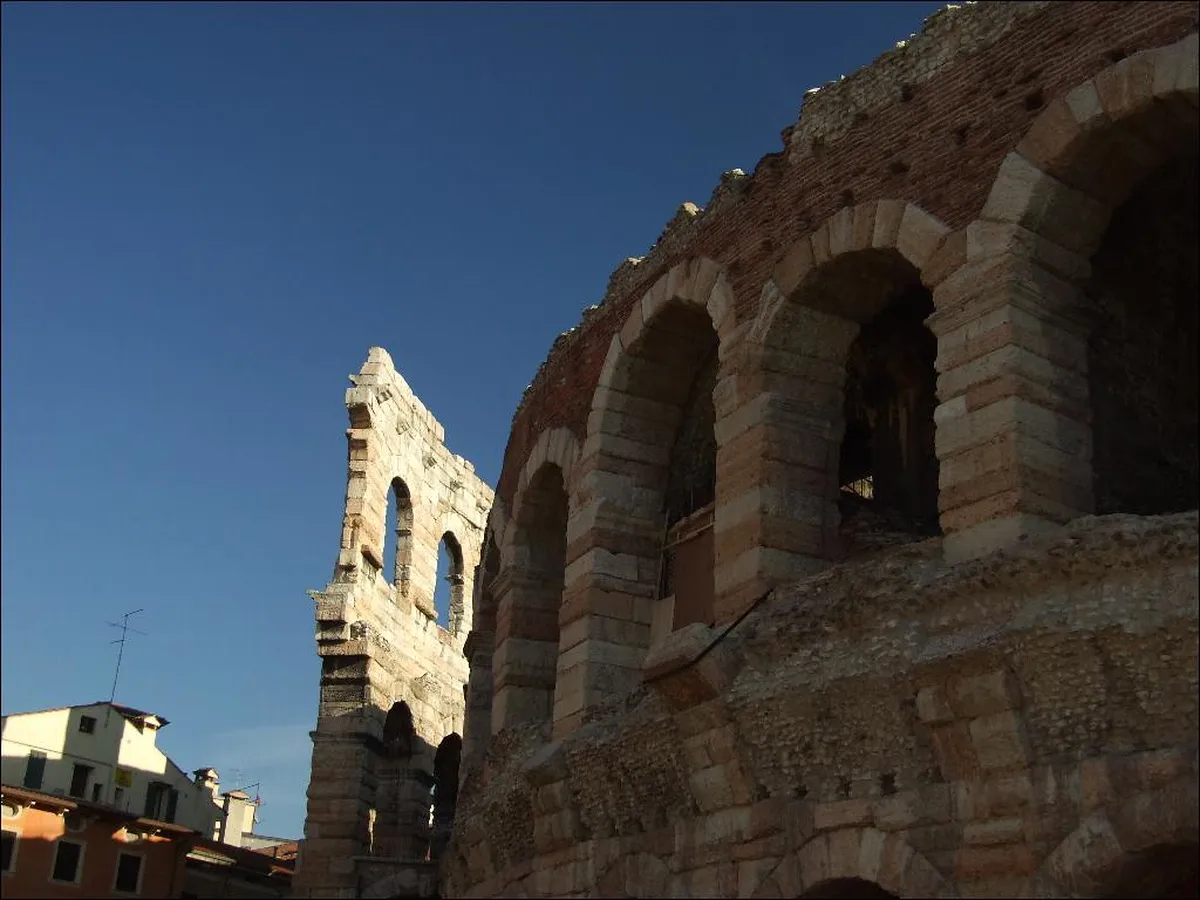
Verona's center rewards a little route planning on wet days. Covered shop fronts line several streets between Piazza Bra and Piazza delle Erbe. Following these arcaded frontages keeps a walk between the two squares mostly under cover. For longer hops, Verona's ATV city bus network covers the same ground in a few minutes, which is useful once shoes are already wet. Verona's pavements are largely pink-toned marmo rosso marble, and it turns slick fast in rain. Flat, rubber-soled shoes matter more here than in most Italian city centers. Juliet's House on Via Cappello is a fixture on every list, but skip the courtyard on a rainy day. It sits uncovered, and it gets crowded and muddy underfoot when wet, so it works better as a quick photo stop on a drier day. Traveling with children changes which stops make sense. The interactive Children's Museum and the hands-on corners of Castelvecchio tend to hold a child's attention longer than a church interior. The Verona With Kids: A Family Travel Guide guide has a fuller rainy-day list for families. Once the rain clears, Verona's evening scene is worth folding back in. The 10 Best Things to Do in Verona at Night (2026) guide covers what opens up after dark. The Verona travel guide is the starting point for planning the rest of the trip.
The Verona Card Math: Is It Worth It Just for Rain?
The Verona Card bundles entry to a rotating set of paid sites, which can include Castelvecchio, church interiors, and other central attractions. Exact 2026 pricing is not listed in this guide; check the current rate and eligible site list directly before buying, since terms change from year to year. As a rough rule, if a rainy-day plan already includes 3 or more paid indoor stops, a bundled card is usually the better deal compared with paying for each ticket separately. If the day only calls for one paid museum plus a free church interior, buying single tickets is often simpler than managing a card. Weigh the math against how many indoor stops the weather is actually forcing onto the day.
Museo di Storia Naturale: A Family-Friendly Indoor Stop
Verona’s Museo di Storia Naturale fills Palazzo Pompei at Lungadige Porta Vittoria, 9, beside the Adige River. It offers a dependable indoor alternative for families when churches and art galleries feel too quiet.

The collections cover zoology, botany, geology, and prehistory. A major highlight is the display of exceptionally preserved fossils from Bolca, an important fossil site east of Verona. Fish and other marine specimens reveal that this part of Veneto lay beneath a tropical sea millions of years ago.
Allow about 90 minutes for a focused visit, or longer with children interested in animals and fossils. Most exhibits are indoors, although the riverside approach still requires a short exposed walk.
The museum is roughly a 15-minute walk from Piazza delle Erbe. Bus connections can reduce time outside during heavy rain. Check current opening hours before leaving, since Italian civic museums may close on particular weekdays or during part of the afternoon.
Further reading: Verona on Wikivoyage · Verona on Wikipedia
Frequently Asked Questions
Is Verona worth visiting on a rainy day?
Yes. Verona's indoor sites hold up well regardless of weather, including Museo di Castelvecchio, the Biblioteca Capitolare, and church interiors like Verona Duomo and Santa Anastasia. Pair one or two of these with a wine tasting in nearby Valpolicella, and a rainy day can cover as much ground as a sunny one.
What is the Biblioteca Capitolare, and can you visit it in the rain?
The Biblioteca Capitolare, on Piazza Duomo, is recognized as the oldest library in the world still in operation, with more than 1,600 years of history and over 100,000 volumes. It is entirely indoors, which makes it one of the most reliable rainy-day stops in the city. Confirm current opening hours before visiting, since hours can shrink around an afternoon riposo.
Should you still see Juliet's Balcony if it is raining?
Treat it as optional on a wet day. The courtyard at Via Cappello, 23 is uncovered, and it gets crowded and muddy underfoot when rain is falling. A quick stop on a drier day works better than lingering in the open courtyard during a downpour.
How do you get around Verona without getting soaked?
Follow the arcaded, covered shop fronts that line several streets between Piazza Bra and Piazza delle Erbe. For longer distances, Verona's ATV city bus network covers the same ground in a few minutes. Watch your footing throughout: the city's pink-toned marmo rosso marble pavements turn slick fast in rain.
Is the Verona Card worth buying just for a rainy day?
It depends on how many paid indoor sites the plan includes. If 3 or more paid stops, such as Castelvecchio and a couple of church interiors, are already on the list, a bundled card is usually the better deal. For a single museum visit, separate tickets are often simpler.
What should you wear on Verona's rainy streets?
Choose flat, rubber-soled shoes rather than smooth-soled or heeled footwear. Verona's central pavements are largely pink marble, and that surface turns slippery quickly once wet, especially around Piazza delle Erbe and Piazza Bra.