
Last updated July 2026, this 2 days in Verona itinerary sequences the Arena, the Romeo and Juliet circuit, and Castelvecchio into one walkable 48 hours. Day two adds Basilica di San Zeno Maggiore and a clear evening call between the Arena opera and a Castel San Pietro sunset. The Verona Card versus Four Churches ticket math is broken down here too, so you buy the right pass once.
Verona at a Glance
Two days is the sweet spot for Verona. It covers the Arena and the Romeo and Juliet sights, plus a second day built around substantive history, without feeling rushed. The walled historic center wraps around a tight bend in the Adige River, and most major sights sit inside that curve. Piazza Bra to Ponte Pietra is a comfortable walk, roughly 20 minutes end to end, so this itinerary uses no buses or taxis. The Arena is a Roman amphitheater older than Rome's Colosseum, and it still hosts opera performances each summer. Layered on top of that Roman core is a Shakespearean myth built around a balcony that never actually held Juliet. Travelers with only a single day should use the one-day Verona itinerary instead. Those staying three nights or more can extend this plan with the 3-day Verona itinerary.
2 Days in Verona Itinerary: Hour-by-Hour Plan
Day 1 moves through Roman grandeur and the Romeo and Juliet circuit. Day 2 shifts toward art, gardens, and neighborhood food. For lesser-known stops to slot into any free pockets, check the Hidden Gems in Verona: A 2026 Travel Guide guide.
- Day 1, morning (9am-12pm): Start at the Arena in Piazza Bra. A daytime tour runs about €15 walk-up. An evening opera performance is a separate ticket and a different experience entirely.
- Day 1, midday (12-2pm): Eat at Piazza delle Erbe for market atmosphere, or duck into the side streets nearby for lower prices and shorter lines.
- Day 1, afternoon (2-6pm): Walk the Romeo and Juliet circuit, covering Casa di Giulietta, Porta Borsari, and Piazza dei Signori.
- Day 1, evening: Choose between the Arena opera, which runs mid-June to early September with performances starting around 8:45pm, or a sunset at Castel San Pietro. A funicular runs up from near Ponte Pietra, or you can walk the stairs instead.
- Day 2, morning (9am-1pm): Visit Castelvecchio Museum, €9 entry, then cross the fortified Scaligero Bridge attached to the castle.
- Day 2, midday (1-2pm): Eat in the San Zeno neighborhood. Risotto all'Amarone, made with the region's red wine, is the local specialty to order here.
- Day 2, afternoon (2-6pm): Visit Basilica di San Zeno Maggiore, then walk over to Giardino Giusti, one of Italy's landmark Renaissance gardens.
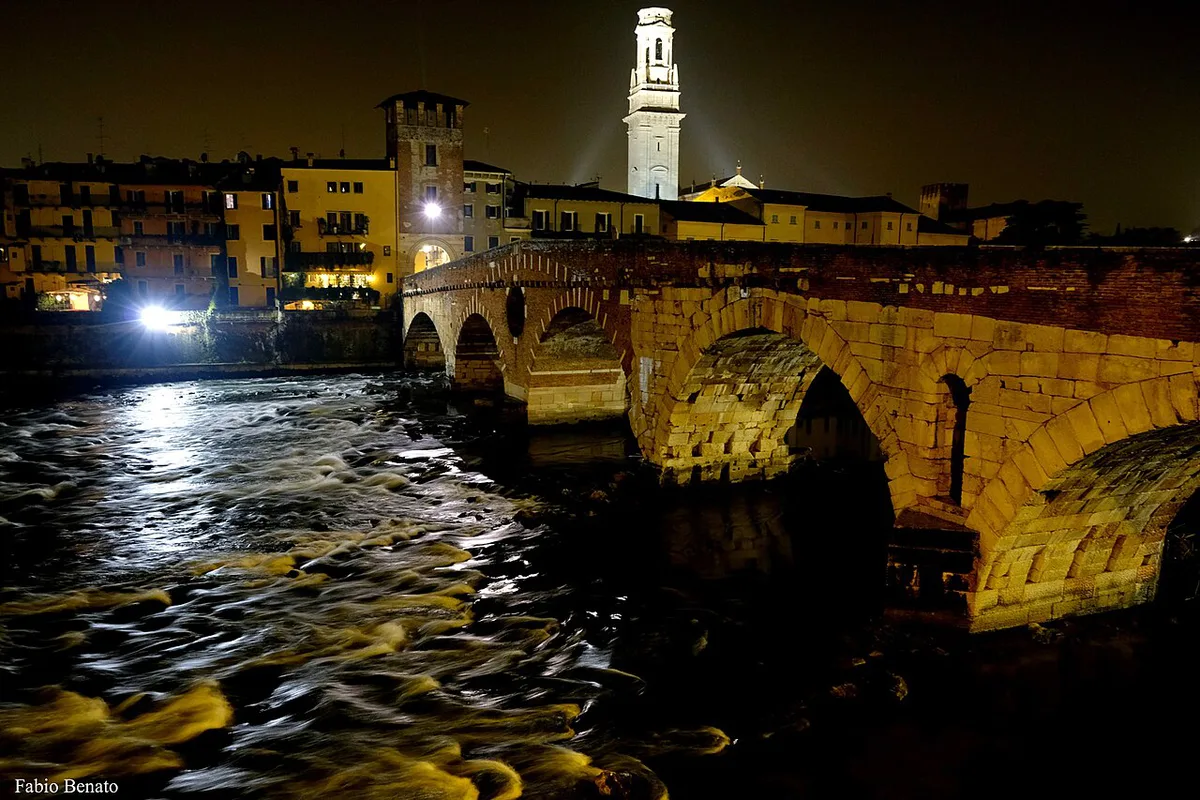
- Day 2, evening: Take aperitivo at Ponte Pietra as golden hour hits the Adige River, then have dinner in the Duomo district.
The Verona Card vs the Four Churches Ticket
The Verona Card and the Four Historic Churches ticket solve different trips. As of 2026, the official Verona Card site lists the 48-hour card at €32, covering daytime entry to the Arena, Castelvecchio, Torre dei Lamberti, Juliet's House museum, and the four churches. A 24-hour version costs €27, but that only makes sense for a single-day stop; a 2-day visit needs the 48-hour card. A €30 (24-hour) or €35 (48-hour) bundle through third-party sellers adds a digital audio guide covering the city center and Lake Garda, which suits travelers who want narrated context instead of booking a separate walking tour. The Four Historic Churches ticket, sold by Associazione Chiese Vive, costs €8 for adults and €7 concession, covering San Zeno Maggiore, Sant'Anastasia, the Cathedral complex, and San Fermo Maggiore; a single-church entry alone runs €4. If the plan includes the daytime Arena tour plus two or more paid museums, the Verona Card pays for itself. If the plan is churches only, paired with an evening opera instead of the daytime Arena visit, the €8 church ticket is the better buy. Confirm both prices on the operators' current listings before travel, since ticket pricing shifts year to year.
| 2-day plan | À la carte cost | Verona Card (48h) | Better value |
|---|---|---|---|
| Daytime Arena + Castelvecchio + Lamberti + Juliet's House + 4 churches | €52 | €32 | Card, by €20 |
| Daytime Arena + Castelvecchio + Lamberti + 4 churches | €40 | €32 | Card, by €8 |
| Daytime Arena + Castelvecchio + 4 churches | €32 | €32 | Break-even |
| Opera instead of daytime Arena + 4 churches only | €8 | €32 | Church ticket, by €24 |
Timing the Juliet Crowds and Your Evening Choice
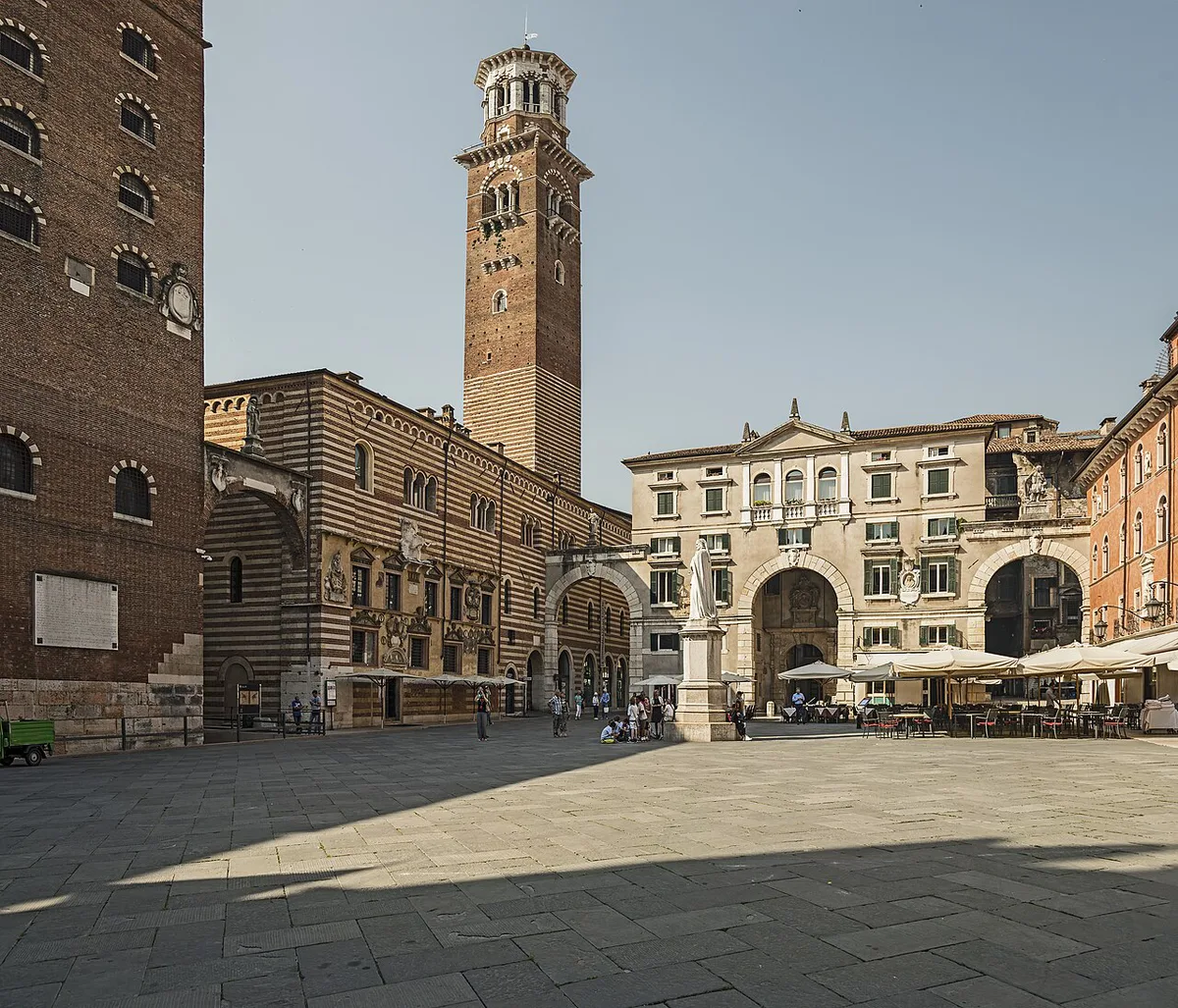
Casa di Giulietta's courtyard draws tour buses by mid-morning. Visit right at opening or in the late afternoon to see the balcony and courtyard without the worst crowding. Torre dei Lamberti, the bell tower over Piazza delle Erbe, is another timing decision. Built in 1172, it stands roughly 84 meters (275 feet) tall and opens at 10am on weekdays and 11am on weekends. Climbing right at opening keeps the ticket line short and avoids the same mid-morning rush that hits Casa di Giulietta. The Day 1 evening choice comes down to opera season: performances run mid-June through early September and typically start around 8:45pm. Outside that window, swap the Arena for a sunset at Castel San Pietro instead. For more after-dark options beyond the opera, see 10 Best Things to Do in Verona at Night (2026). For more sunset and skyline spots beyond Castel San Pietro, see the 7 Best Viewpoints in Verona: From Iconic Towers to Hidden Terraces guide.
Day 2 Deep Dive: Castelvecchio, San Zeno, and Giardino Giusti
Castelvecchio Museum anchors Day 2's medieval focus, with entry priced at €9, or included on the Verona Card. Its fortified Scaligero Bridge, built by the della Scala family, crosses the Adige at the museum's edge. Basilica di San Zeno Maggiore is a Romanesque church, one of the four covered by the Four Historic Churches ticket. This itinerary pairs it with Giardino Giusti in the same afternoon block, since both anchor Day 2's second half and sit close enough to cover without doubling back across the river. For a closer look at Castelvecchio's collection before you go, see the best museums in Verona guide.
The itinerary's first day fits in the compact 20-minute walk core, but Day 2's San Zeno and Giardino Giusti are opposite sides of the city—40-minute walk between them, 1-hour minimum at the garden—so you'll likely need transit despite the walkability emphasis.
Essential Logistics: Arrival, Driving, and the ZTL
Verona Porta Nuova station sits about a 20-minute walk from the Arena. A shuttle bus also covers that stretch if you would rather skip the walk. Drivers should plan for the ZTL, Verona's limited-traffic zone, which blocks most vehicles from the historic center. Parcheggio Arena and Parcheggio Cittadella sit outside that boundary, and both leave roughly a 15-minute walk into the center from the garage. Fast trains connect Verona to Venice in about 65 minutes and to Milan in about two hours, which makes either city a workable bookend to this itinerary. Travelers who want to stretch beyond the historic center can add a day trip from Verona to Lake Garda or Sirmione. The Verona destination guide has a fuller neighborhood-by-neighborhood breakdown for travelers still deciding on a base.
Photography Timing: Golden Hour on the Adige
Golden hour along the Adige River gives the best light on this itinerary, particularly from Ponte Pietra looking toward the Duomo district. Shoot the bridge and river bend in the last hour before sunset, which lines up with the Day 2 aperitivo stop already scheduled there. Torre dei Lamberti also catches strong light in early morning, matching an opening-time climb before the crowds arrive at Piazza delle Erbe below it. Castel San Pietro on Day 1 evening adds a second golden-hour option, looking back across the river toward the old town's rooftops.
Where to Stay: Neighborhood Guide
Centro Storico puts every stop in this itinerary within walking distance, and it carries the highest room rates in the city. Porta Nuova sits closer to the train station at a mid-range price point, which suits travelers arriving or leaving by rail. Borgo Trento, across the Adige from the old town, trades a few extra minutes of walking for a more residential feel. Reaching Borgo Trento from the historic core is a flat walk across one of the river bridges, so the extra distance costs a few minutes, not a taxi fare. If weather turns during either day, swap in the Verona rainy day guide for indoor alternatives. Families traveling with children should check the Verona With Kids: A Family Travel Guide guide before locking in this pace. Budget travelers can also lean on the 10 Free Things to Do in Verona (2026) guide to fill gaps between paid stops.
For travelers arriving by train or bookending with Venice (65 minutes) or Milan (two hours), Porta Nuova offers mid-range rates and station closeness, with the tradeoff being Centro Storico's more central location.
How to Get from San Zeno to Giardino Giusti
San Zeno Maggiore and Giardino Giusti sit on opposite sides of central Verona, so allow about 40 minutes to walk between them. The route is straightforward, but it is longer than the compact sightseeing loop around Piazza delle Erbe.
From San Zeno, return toward Castelvecchio and follow Corso Cavour through Porta Borsari. Continue across Piazza delle Erbe, then cross the Adige near Ponte Nuovo. Giardino Giusti is on Via Giardino Giusti in the Veronetta district.
This transfer can double as a relaxed city walk, with a coffee stop around Piazza delle Erbe. Travelers running late should use a local bus or taxi rather than cutting the garden visit short.
Check the garden’s final admission time before leaving San Zeno. The formal terraces, cypress avenue, grottoes, and upper viewpoint deserve at least an hour. Afterward, walk toward Ponte Pietra for the planned aperitivo and evening views along the Adige.
For trip-planning details, see Verona travel guide - Wikivoyage and Verona - Wikipedia.
Frequently Asked Questions
Is 2 days enough time in Verona?
Yes. Two days covers the Arena, the Romeo and Juliet circuit, Castelvecchio, and Basilica di San Zeno Maggiore at a walkable pace. A third day suits a Lake Garda or Sirmione side trip better than squeezing in more of the historic center itself.
Should you buy the Verona Card or the Four Historic Churches ticket?
Buy the Verona Card if the plan includes the daytime Arena tour plus two or more paid stops like Castelvecchio, Torre dei Lamberti, or Juliet's House museum; as of 2026 it runs €32 for 48 hours. Buy the €8 Four Churches ticket instead if an evening opera replaces the daytime Arena visit.
How far is the walk from Verona Porta Nuova station to the Arena?
About 20 minutes on foot, or less using the shuttle bus that also covers the route.
When does the Arena opera season run?
Performances typically run from mid-June to early September, usually starting around 8:45pm. Outside that window, swap the evening slot for a sunset climb at Castel San Pietro instead.
What time should you visit Casa di Giulietta to avoid crowds?
Right at opening or in the late afternoon. Tour buses fill the courtyard by mid-morning, so those two windows stay noticeably calmer.
Can you drive into central Verona?
Not into the ZTL, the limited-traffic zone covering the historic center. Park instead at Parcheggio Arena or Parcheggio Cittadella and plan for roughly a 15-minute walk into the center.