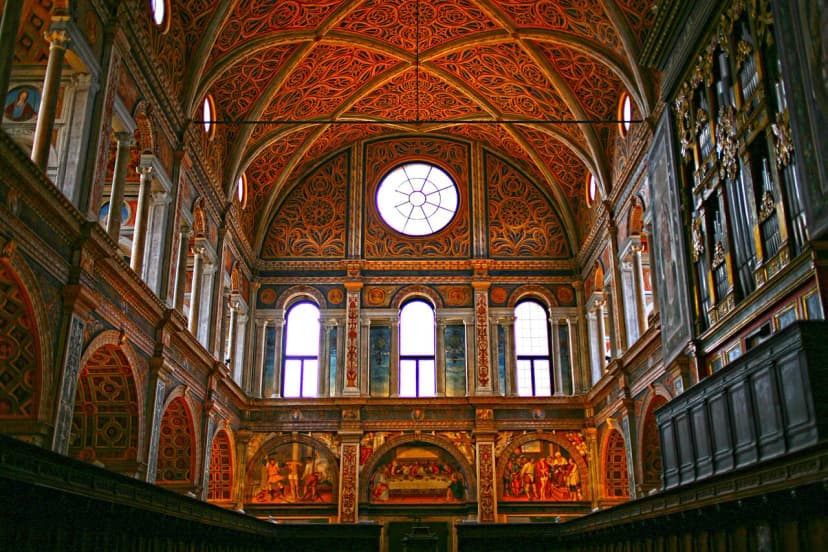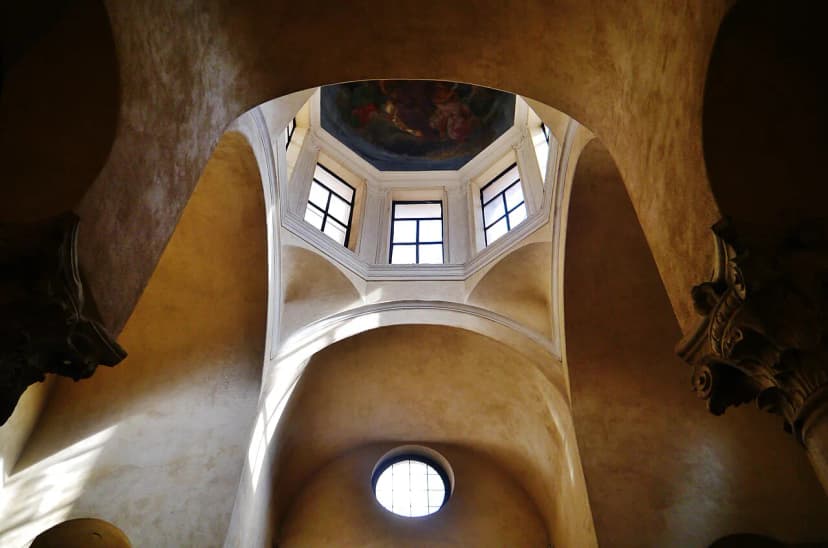

Last updated August 2026, this guide skips Palermo's most-photographed cathedral steps and heads into quieter corners of the old city. Hidden gems in Palermo mean small stuccoed oratorios, unsigned market stalls, and a convent that still sells pastries through a rotating wooden hatch. Three starting points for a short visit: the Serpotta stuccos at Oratorio di Santa Cita, the pastry hatch at Monastero di Santa Caterina, and the fountain-animal hunt at Piazza Pretoria.
What "Hidden" Really Means in Palermo
Palermo layers Arab, Norman, Spanish, and modern Sicilian street life on top of each other, often within the same block. A hidden gem here usually means one of three things. It might be an overlooked angle on a well-known landmark. It could be a small building with irregular hours. Or it could be a specific stall inside a market that has no sign of its own. Quattro Canti, the Baroque intersection built between 1608 and 1620 under Spanish rule, marks the meeting point of four historic districts: La Loggia, Kalsa, Albergheria, and Capo. Many of the picks below sit inside one of those four districts, which makes Quattro Canti a useful mental anchor even before you have a specific address. Several of Palermo's Arab-Norman churches and monuments also carry UNESCO World Heritage status, though most day-trip itineraries only sample two or three of them. The picks below sit adjacent to that recognized core, not apart from it. None of these require a private guide or a special fee to reach on foot from the historic center. For each one, weigh four things before you go: how long it takes, what it costs, how hard it is to find, and what you actually get for the effort. Readers with only a few hours should anchor around two or three picks rather than attempt the whole list. A one-day Palermo route shows how to slot two of them in without rushing. The list below moves through ten of them, organized roughly from landmark-adjacent finds to market-level ones.
10 Hidden Gems in Palermo You Won't Find on the Standard Tour
Each entry below covers four things: how long it takes, what it costs, how hard it is to find, and the specific payoff waiting at the end. Skip straight to whichever ones match the pace of the trip rather than working through them in order. A few of these, especially the fountain-animal hunt at Piazza Pretoria, also work well with children in tow. Check family-specific Palermo logistics for more on pacing a day with kids.
- The Cathedral's Rooftop Terraces
- Palermo Cathedral's roof walkway climbs above the naves and delivers a panoramic view over the old city and the harbor.
- This is a different experience from the ground-floor nave visit that most itineraries stop at.
- Roof access uses separate staircases and a separate ticket, so confirm current hours and pricing with the cathedral's ticket office before you go.
- Teatro Massimo's Whispering Pompeian Room
- Behind the main hall, the Pompeian Room carries a whispering-gallery effect, where a word spoken quietly on one side of the dome reaches the other clearly.
- Guided or rooftop tours of Teatro Massimo are usually where this effect gets demonstrated, not a standard walk-through.
- Ask when booking whether the specific tour includes rooftop or behind-the-scenes access, since not every Teatro Massimo ticket does.
- Palatine Chapel in the Late Afternoon
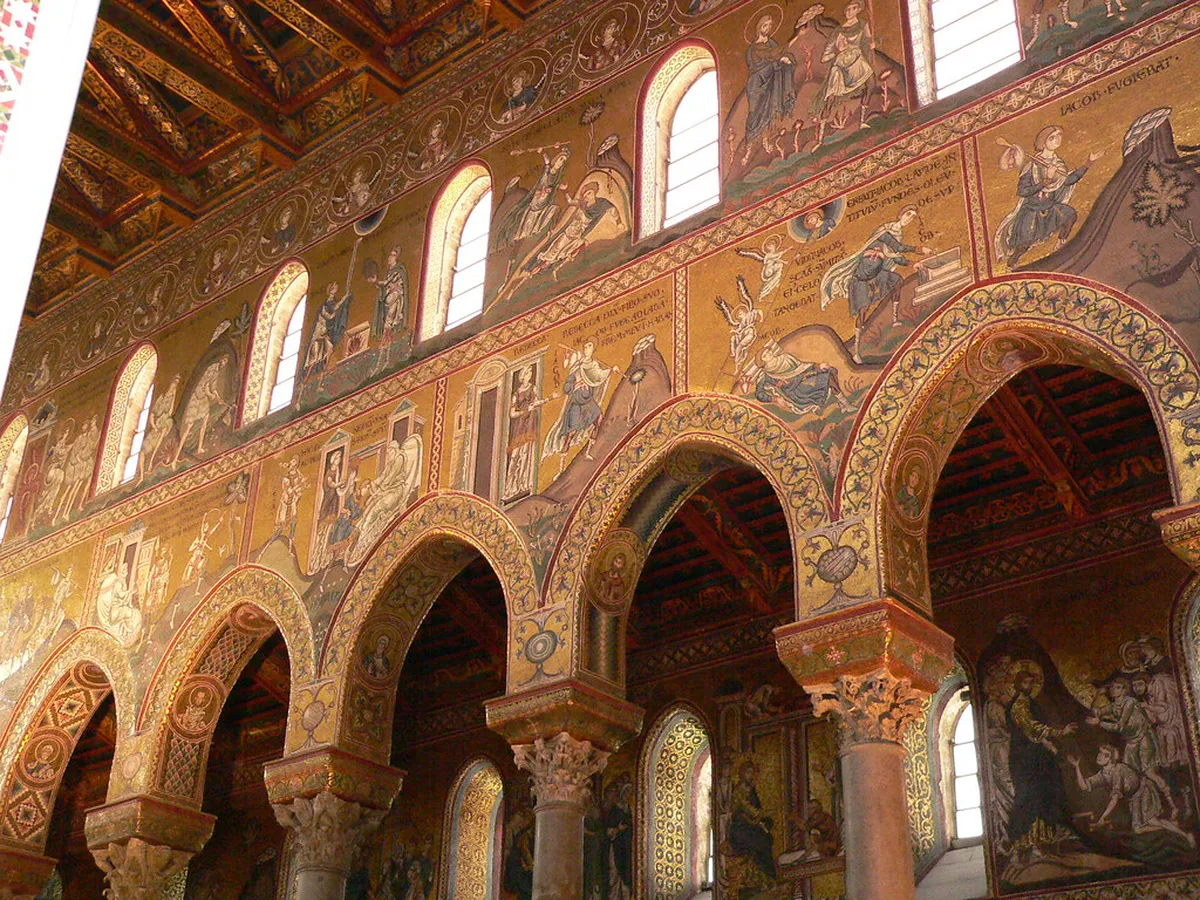
- Inside the Palazzo dei Normanni, the Palatine Chapel combines Byzantine mosaics with Arab-Norman ceiling carving.
- The combined chapel-palace-garden ticket is listed at €11, rising toward €15 when a temporary exhibition is included.
- Cruise-ship groups fill the chapel by late morning, so visiting in the late afternoon instead cuts the crowd and gives more time to look up at the ceiling.
- Oratorio di Santa Cita's Serpotta Stuccos
- Giacomo Serpotta's white stucco reliefs cover the walls of this small oratory near the Vucciria market.
- The level of decorative detail here is easy to miss, since general Palermo itineraries routinely skip it.
- Hours run irregular and are sometimes staffed by volunteer groups such as Amici dei Musei Siciliani, so confirm opening times before making a special trip.
- Oratorio di San Lorenzo
- A second Serpotta oratory in the Kalsa area pairs the same stucco technique with the site's history as the former home of a stolen Caravaggio altarpiece.
- Like Santa Cita, opening hours depend on volunteer staffing rather than a fixed schedule.
- Both oratories reward slow viewing, since the stucco figures need close-up attention that a quick look through the door misses.
- Palazzo Conte Federico
- One of Palermo's oldest continuously inhabited palaces sits behind an unmarked entrance near the cathedral, still owned by the Conte Federico family.
- Visits run as small guided tours, often led by a family member, which makes the palace feel closer to a private viewing than a standard museum stop.
- Book ahead, since group sizes stay small and there is no walk-in ticket counter.
- The Fountain-Animal Hunt at Piazza Pretoria
- Fontana Pretoria's tiered marble basin is carved with dozens of animals, nymphs, and river gods, best explored slowly rather than photographed once and left.
- The square is free to enter and walk around, an easy add-on between the Quattro Canti and the cathedral.
- Turn it into a game by picking one animal figure per tier and finding it before moving on, an approach that works well with children.
- Pastries from the Nuns at Santa Caterina
- At the Monastero di Santa Caterina, cloistered Dominican nuns still sell 'I segreti del chiostro' pastries and marzipan fruit through a revolving wooden hatch called a ruota.
- The hatch tradition let nuns trade goods without face-to-face contact, and it still works that way today.
- Sale hours are irregular and set by the convent itself, so ask locally or check posted signage rather than expecting fixed shop hours.
- Unsigned Stalls in the Capo and Ballarò Markets
- The best sfincione and panelle in Palermo often come from carts and windows without a name over the door, tucked between the produce stalls of Capo and Ballarò.
- Locals typically follow the longest queue rather than a sign, since the reliable stalls can shift position over time.
- Carry small change and skip peak lunch hour if you want to talk to the vendor instead of just grabbing and going.
- Street Art and the Puppet Museum in the Kalsa Backstreets
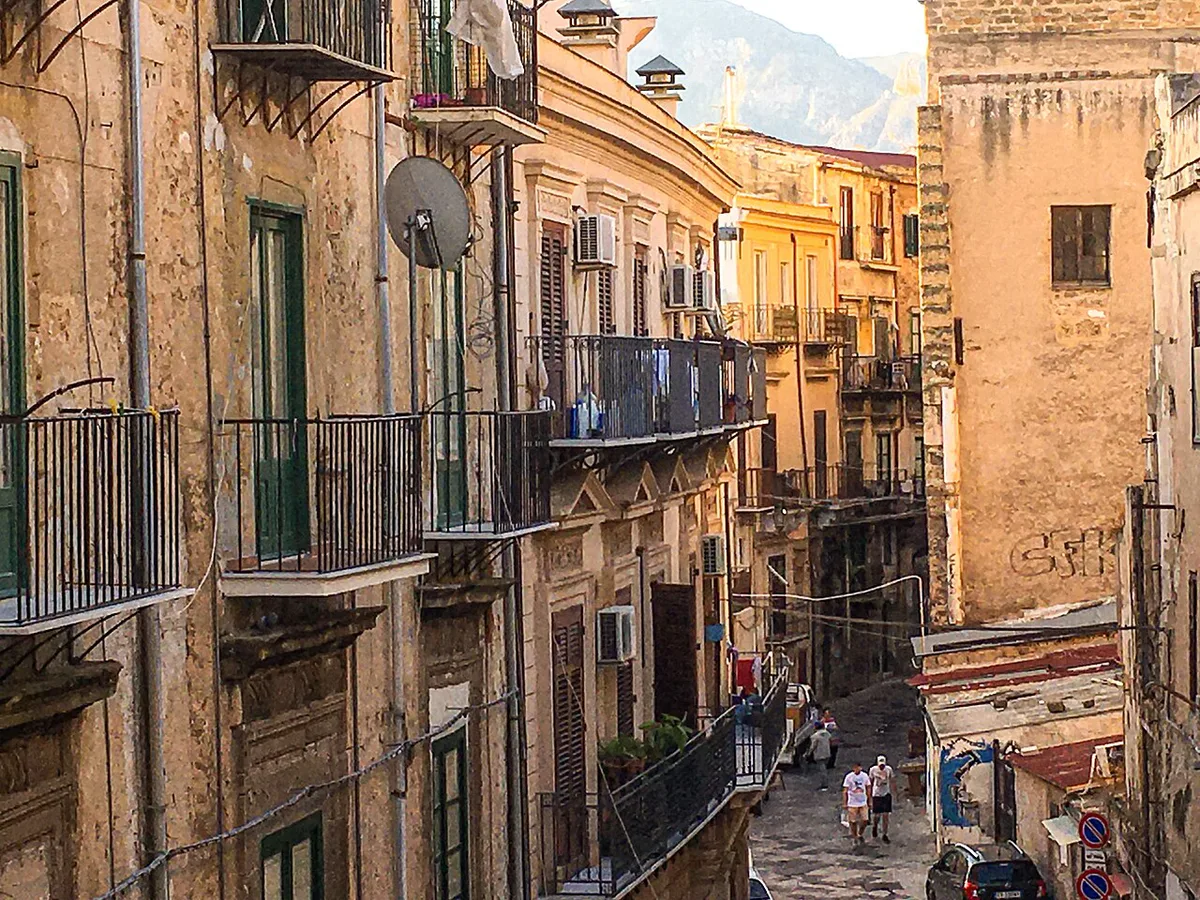
- The Kalsa district's narrow backstreets carry laundry lines overhead and street art on building facades.
- Early morning, before foot traffic builds, is the quietest and best time for photographing both, and it avoids the midday heat too.
- The neighborhood also holds the Museo Internazionale delle Marionette, a museum dedicated to Sicily's traditional puppet-theater tradition.
Palermo's Three Markets Compared: Ballarò, Vucciria, and Capo
Palermo runs three historic markets within a short walk of each other, and they no longer serve identical purposes. Ballarò stays the most food-forward and sensory of the three. Capo leans toward produce and specialty ingredients, with vendors clustered near Teatro Massimo. Vucciria has shifted from a daytime produce market toward an evening aperitivo and nightlife scene, with fewer stalls than it once had. The table below sets out which market fits which visit. Wandering any of the three costs nothing beyond what you choose to eat. See no-cost Palermo activities for more free picks. Vucciria's shift toward nightlife pairs naturally with a broader evening out. Explore Palermo's after-dark scene for the rest of that scene.
| Market | Best For | When To Go | Signature Bite |
|---|---|---|---|
| Ballarò | Street food and full immersion | Morning through early afternoon | Sfincione from an unsigned cart |
| Capo | Produce and specialty ingredients | Morning | Panelle chickpea fritters |
| Vucciria | Aperitivo and nightlife | Evening | Drinks at the market bars |
Underground History: The Capuchin Catacombs and the No-Mafia Trail
The Catacombe dei Cappuccini, Palermo's Capuchin Catacombs, is the city's best-known dark-tourism site. Competitor guides describe it bluntly as skullduggery, not a casual afternoon stop. Corridors beneath the Capuchin monastery display preserved bodies dressed in the clothes they died in, arranged by profession and era. Dress modestly, with shoulders and knees covered, as at any active religious site in Sicily. Photography rules and current admission pricing change from year to year, so confirm both at the entrance instead of relying on an older source. Some travelers find the experience unsettling rather than simply interesting, so budget unhurried time and skip it if that sounds like the wrong start to the day. Neither stop requires booking weeks ahead, but the catacombs can involve a short wait during peak season. Palermo's public image has shifted considerably since the mafia-linked violence of the 1970s and 1980s, and much of the city's cultural rebuilding runs through exactly this kind of civic history rather than around it. For a more responsible way into that history than a catacomb visit alone, look for a No Mafia tour, which walks sites tied to the anti-mafia movement instead of treating the subject as spectacle. Guides on these tours often reference Addiopizzo, the grassroots movement that maps and promotes businesses refusing to pay pizzo, or protection money. Restaurants and shops carrying an Addiopizzo sticker are a practical way to support that stance while eating or shopping in the city. Pairing the catacombs with a No Mafia tour on the same trip gives a fuller picture of Palermo's history than either alone.
Getting Around: Walking, the ZTL, and Airport Transfers
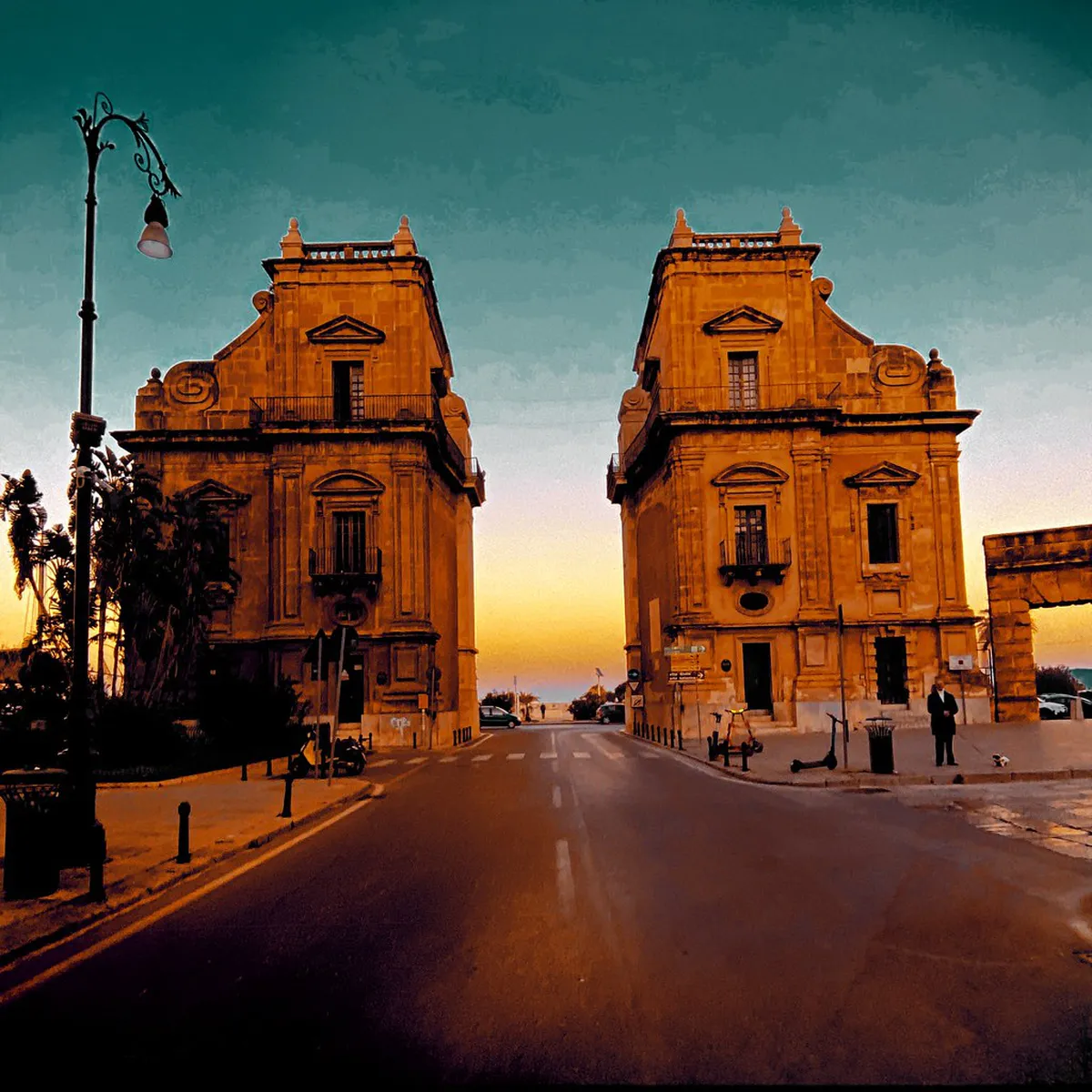
Most of these hidden gems sit inside Palermo's historic center, where streets narrow into vicoli too tight for a car. Walking is close to mandatory once you are past the Quattro Canti, and flat, sturdy shoes matter more than style on the uneven cobblestones. Renting a car for the old center is also impractical because of the ZTL, a limited-traffic zone that restricts non-resident vehicles and fines those that enter without authorization. Save the rental car for day trips out of the city instead. Day trips to Cefalù and Mondello covers routes where a car is genuinely useful. Getting in from Falcone-Borsellino airport comes down to three options, priced differently, set out below. Download an offline map before setting out for the day, since free public wifi is limited in the old center. Palermo also carries an outdated reputation tied to its mafia history. Current travel guides generally describe it as roughly as safe as other major Italian cities. The realistic risk is pickpocketing in crowded spots, particularly Ballarò market during peak hours, not violent crime. Keep bags zipped and in front of you in the thickest crowds, watch your phone in open-air markets, and you are covering the main precautions that apply here.
The airport bus costs €6-7 one-way and €10-11 return as of 2026, nearly matching individual cultural-site tickets when budgeting airport transportation with hidden-gem visits like the Palatine Chapel.
| Option | Approx. Cost | Notes |
|---|---|---|
| Prestia e Comandè airport bus | About €6-7 one-way, €10-11 return as of 2026 | Confirm the current fare on the operator's site before booking, since older listings cite a flat €10 return |
| Taxi collettivo (shared taxi) | Between the bus and a private transfer | Shared with other passengers, drops closer to your accommodation than the bus stop |
| Private transfer | The most expensive of the three | Booked in advance and meets you directly at the terminal with no wait |
Palermo Hidden Gems Decision Matrix
Use this table to prioritize when time is tight. Effort and best-for labels reflect our editorial assessment based on access, opening hours, and how easy each spot is to find, not an official rating.
| Gem | Effort To Reach | Best For | Cost Range |
|---|---|---|---|
| Cathedral rooftop terraces | Medium (separate ticket, limited staircases) | Photographers | Paid, roof ticket separate from nave entry |
| Teatro Massimo whispering room | Medium (guided or rooftop tour only) | History buffs | Paid guided tour |
| Palatine Chapel, late afternoon | Low (regular opening hours) | Photographers, history buffs | €11-€15 combined ticket |
| Serpotta oratorios (Santa Cita and San Lorenzo) | High (irregular volunteer hours) | History buffs | Inexpensive entry fee |
| Palazzo Conte Federico | Medium (advance booking helpful) | History buffs | Paid guided tour |
| Fountain-animal hunt, Piazza Pretoria | Low (open square) | Families, photographers | Free |
| Santa Caterina pastries | Medium (irregular sale hours) | Foodies | Inexpensive |
| Unsigned market stalls | Low (just wander) | Foodies | Inexpensive |
| Kalsa street art and Puppet Museum | Low (walkable) | Photographers, families | Free to walk; museum has a separate entry fee |
| Capuchin Catacombs | Low (fixed hours) | History buffs, dark-tourism travelers | Paid, confirm current rate on-site |
A Specific Kalsa Street-Art Walk
Turn the Kalsa stop into a short, self-guided mural route instead of wandering without a target. Begin at Piazza Magione and continue toward Via dello Spasimo.
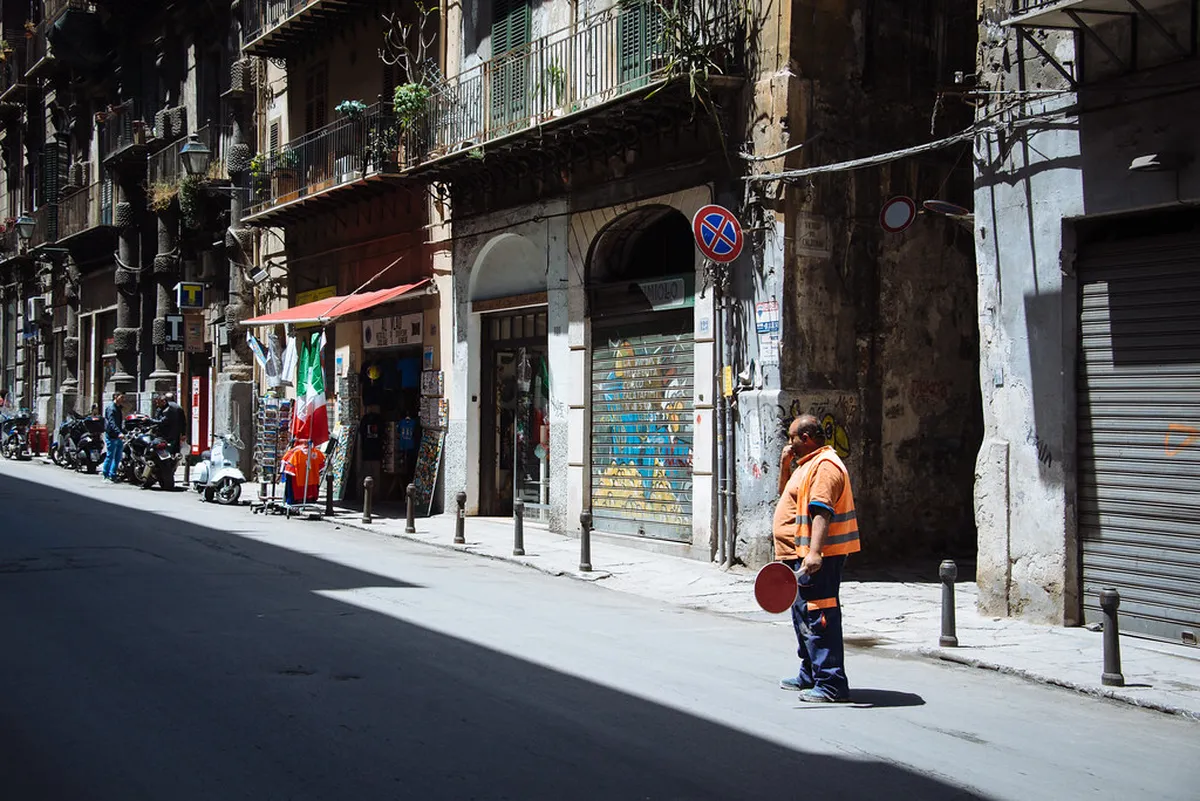
- At Piazza Magione, look for Sten & Lex’s Dream of Pope Sergius I, based on a medieval subject painted by Rogier van der Weyden.
- On Via dello Spasimo, Rosk & Loste’s Bakitha portrays a young Black woman with a halo-like circle behind her head.
- Nearby, Camilla Falsini depicts Frederick II as a child, connecting Palermo’s multicultural present with the ruler’s curiosity and inclusive court.
Finish at the roofless church of Santa Maria dello Spasimo, at Via dello Spasimo 35. Its open-air Gothic nave provides a striking architectural contrast to the modern murals outside.
Allow extra time for unplanned works on shutters and side walls. Street art changes, so saved map pins may become outdated. Visit in daylight for easier navigation and clearer photographs. Keep doorways unobstructed and ask before photographing residents beneath the neighborhood’s laundry-lined balconies.
For trip-planning details, see Palermo travel guide - Wikivoyage and Palermo - Wikipedia.
Explore hidden gems in other cities
Frequently Asked Questions
What counts as a hidden gem in Palermo?
In this guide, a hidden gem is a place with genuine historic or cultural weight that most first-time visitors skip. That usually means an overlooked angle on a famous landmark, a small oratory with irregular hours, or a specific market stall with no sign. None of the picks above need a specialist guide to reach. A map and a willingness to walk narrow streets is enough. Expect a mix of quiet architecture, food stops, and a little dark history across the list, not just one type of place.
Is the Capuchin Catacombs worth including on a hidden-gems visit?
It depends on tolerance for the subject matter, since the site is not conventionally scenic. The catacombs display preserved bodies from past centuries, dressed in period clothing and arranged by profession. Many travelers find it genuinely moving rather than macabre once inside. Confirm current admission and photography rules at the entrance, since these details change. Pair it with a lighter stop afterward, such as the fountain-animal hunt at Piazza Pretoria, to balance the mood of the day.
How do you get from Palermo airport to the historic center?
The Prestia e Comandè bus is the cheapest option, priced at roughly €6-7 one-way and €10-11 return as of 2026. Confirm the current fare on the operator's site before booking, since older listings cite a flat €10 return. A shared taxi collettivo costs more than the bus but drops closer to your accommodation. A private transfer costs the most of the three but meets you directly at the terminal with no wait. Whichever option you choose, keep small change on hand since not every driver or ticket machine accepts cards.
Is Palermo safe for exploring markets and backstreets alone?
Palermo carries an outdated reputation tied to its mafia history, but current travel guides describe it as roughly as safe as other major Italian cities. The practical risk is pickpocketing in crowded spots like Ballarò market, not violent crime. Keep valuables zipped away in dense crowds, and you are covering the main precaution that matters here. Evenings around Vucciria and Kalsa stay lively rather than empty, which in practice makes them feel safer than a quiet, deserted street would.
How much time should you set aside for these hidden gems?
Two or three picks fit into a single afternoon if you choose spots close together, such as the cathedral rooftop and the fountain-animal hunt at Piazza Pretoria. Covering all ten comfortably takes two full days on foot, given irregular oratory hours and market timing. Readers with only one day should pick two or three favorites rather than rush the entire list. Building in flexible time also helps, since several of these spots keep irregular hours rather than fixed daily schedules.
Plan More of Your Palermo Trip
Use these focused guides to turn Palermo landmarks into a realistic city plan.
Itineraries and Day Trips
Families and Budget
- Palermo With Kids: A Family Guide to Sicily's Capital
- Free Things To Do In Palermo: A Budget Traveler's Guide (2026)