
Last updated August 2026, this guide moves past Hagia Sophia and the crowded Grand Bazaar lanes to map hidden gems in Istanbul across both continents. Expect quieter cisterns, Golden Horn streets in Fener and Balat, and Asian-side stops reached by public ferry. Each entry below pairs a landmark alternative with a practical transit note.
What 'Hidden' Really Means in a City This Size
Istanbul spans two continents, so hidden rarely means secret. It usually means less crowded, less marketed, or farther from the corridor between Sultanahmet and the Grand Bazaar. Some stops below sit minutes from Hagia Sophia. Others need a ferry across the Bosphorus to the Anatolian side. With a single day, prioritize the Theodosius Cistern, a morning walk through Balat, and the ferry crossing to Kadıköy Market. Add more stops as time allows, and use the neighborhood groupings below to avoid backtracking across the Golden Horn.
15 Hidden Gems in Istanbul to Add to Your Itinerary
These 15 stops move beyond the standard Sultanahmet circuit, loosely grouped by neighborhood so a day trip doesn't mean crossing the city three times. Each entry names what makes it different from its more famous counterpart, plus how to reach it.
- Theodosius Cistern (Şerefiye Cistern)
- Workers uncovered this fifth-century cistern in 2010 while demolishing the Eminönü Municipal Building; it reopened to the public in April 2018 after restoration.
- 32 Corinthian-capped columns rise roughly 30 feet under brick sail vaults, lit by a modern installation instead of the Basilica Cistern's dim floodlights.
- For a full walkthrough of the city's underground cistern network, including opening hours, see the dedicated cisterns guide.
- Binbirdirek Cistern
- This fourth-century reservoir is the second-largest cistern in the city, but it stays largely empty of tour groups even in peak season.
- Because the water has been drained, you walk directly among the columns rather than along a raised boardwalk, getting close to the stonework.
- Dim lighting gives the space an atmosphere closer to an archaeological dig than a polished museum stop.
- Nakilbent Cistern
- This is the genuinely obscure option: a Byzantine-era cistern that many visitors only find because it sits near working carpet shops in the Sultanahmet area.
- There's no ticket-booth signage competing with the Basilica Cistern's queue outside, so ask locally or check current access before building it into a day plan.
- Fener and Balat's Colorful Streets
- Fener became Istanbul's Greek quarter after 1453, when Sultan Mehmed the Conqueror's religious-tolerance policy drew wealthy Greek merchants to the district.
- It still holds the seat of the Ecumenical Patriarchate of Constantinople.
- Neighboring Balat became the city's Jewish quarter from the 15th century and once held as many as 18 synagogues, though only a few remain active today. Photograph the colorful stairs before 9am to beat other photographers, and pace yourself, since Balat's hills are steep enough to matter for anyone with mobility limitations. The Balat and Fener guide covers the neighborhood in more depth.
- Kadıköy Market
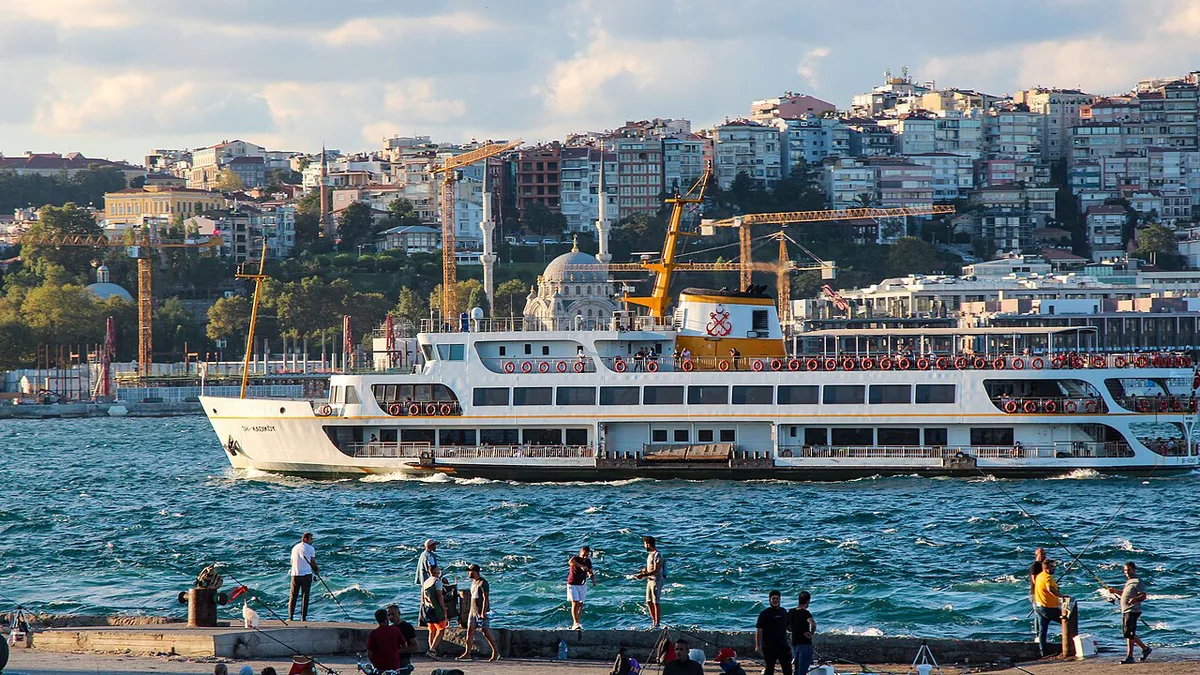
- Kadıköy sits on the Anatolian side, across the Bosphorus from the historic peninsula. The public ferry gets you there for a fraction of the cost of a private Bosphorus cruise.
- Fishmongers, pickle shops, and produce stalls make for a sensory-heavy stop; fish sandwiches and stuffed mussels from the surrounding vendors are the standard way to eat while browsing.
- The crossing itself is worth doing for the skyline views alone. The Kadıköy and Moda guide covers ferry routes and market layout in more detail.
- Kadıköy-Moda Heritage Tram Loop
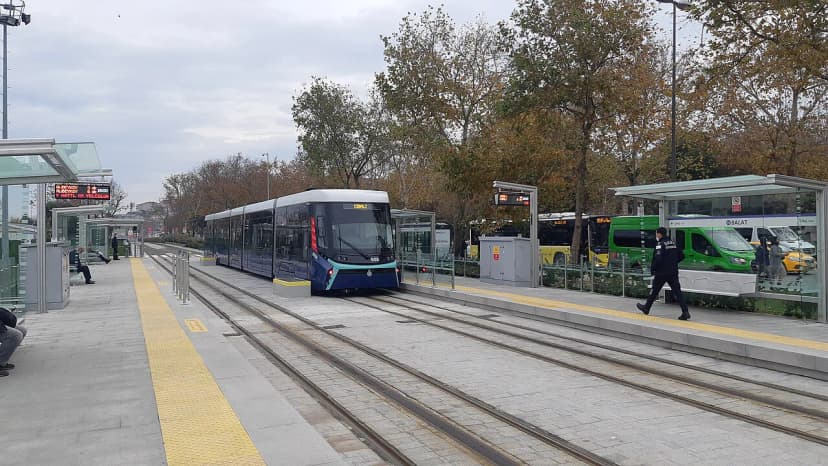
- A short walk from the Kadıköy ferry pier, vintage red tram cars still run as everyday public transport on a loop through Kadıköy and Moda.
- Cars pass roughly every 10 minutes, and the full loop takes about 20 minutes, long enough to watch the neighborhood go by without committing to a walking tour.
- Tap in with an Istanbulkart the same as any Istanbul tram, bus, or ferry; there's no separate ticket window for tourists.
- Beylerbeyi Palace, the Quieter Summer Residence
- Dolmabahçe Palace served as the Sultan's official seat from 1856, and its clocks still read 9:05, the hour Mustafa Kemal Atatürk died there in 1938.
- Beylerbeyi Palace, built between 1861 and 1865 for Sultan Abdülaziz, was the summer residence instead, and it draws far fewer visitors today.
- Two bathing pavilions flank the main building, one historically for men and one for the harem, and the Bosphorus-facing gardens look toward the bridge connecting Istanbul's two continents. Both palaces close on selected weekdays, so confirm the current museum schedule before you plan a visit.
- Ottoman Bird Palaces in Üsküdar
- Look up at the walls of older mosques and mansions in Üsküdar and you'll spot miniature stone structures built as elaborate birdhouses, an Ottoman-era architectural tradition.
- These small builds sit tucked into building facades rather than being marked as an attraction, so they reward slow walking rather than a fixed itinerary stop.
- They cost nothing to see and pair well with a Bosphorus-side walk in Üsküdar. The free things to see in Istanbul guide rounds up more no-cost stops like this one.
- The Tünel
- Opened in 1875, the Tünel is the world's second-oldest underground railway after London's Underground, and it still runs its short route between Karaköy and İstiklal Avenue.
- The ride takes only a couple of minutes, but the vintage cabins make it worth riding once instead of just walking or taking the surface tram.
- Like the Moda tram and the city's ferries, it runs on the Istanbulkart, so there's no separate ticket to buy.
- Turkish Sand Coffee (Közde Kahve)
- Instead of a stovetop, the coffee pot, called a cezve, sits directly in hot sand, which heats it evenly and brings the coffee to a fast boil.
- A trained hand lifts the cezve out just before it boils over, lets it cool, and returns it to the sand, repeating the process three or four times before pouring.
- Karaköy and Kadıköy both have cafes that brew this way; some also offer a coffee-grounds fortune reading afterward, a separate Turkish tradition worth trying once.
- The Pudding Shop (Lale Restaurant)
- In the 1960s and 1970s, this Sultanahmet cafe was a landmark stop on the overland Hippie Trail between Europe and Asia.
- Travelers swapped route tips and posted rides on a bulletin board inside, and the walls still display notes and memorabilia from that era.
- It's worth a stop for the history as much as the food, just steps from the crowds around Hagia Sophia.
- Cağ Kebab at a Horizontal-Spit Specialist
- Unlike the vertical doner spit sold across the city, cağ kebab is marinated lamb cooked on a horizontal skewer, then sliced off and served on smaller skewers with flatbread.
- The horizontal method is the point: it's a distinct regional style, not a doner variation, so seek out a restaurant that specializes in it rather than a general kebab counter.
- Spice Bazaar at Dawn
- The Spice Bazaar, also called the Egyptian Bazaar, sits near Galata Bridge and the Eminönü ferry piers, one stop past the Grand Bazaar in tourist traffic but far calmer early.
- Vendors are still setting up stalls before the main crowds arrive, and morning light through the small upper windows makes the spice displays easier to photograph without other shoppers in frame.
- Prices here run higher than in a local grocery stall, so treat it as a sightseeing stop first and a shopping stop second; bargaining is still expected either way.
- Serdar-i Ekrem Vintage Shopping
- This street in the Galata neighborhood, a short walk from the Tünel's upper station, is lined with vintage and antique shops instead of the mass-produced souvenirs common around the Grand Bazaar.
- Expect antique furniture, retro clothing, and secondhand accessories alongside small cafes and galleries, making it an easy stop to combine with a Tünel ride or a walk toward Fener and Balat.
- Boutique Hotel and Cafe Rooftop Terraces
- Galata Tower and Galata Bridge are the default sunset viewpoints, and they draw crowds to match.
- A handful of boutique hotel and cafe rooftops nearby offer a similar skyline with far less competition for the rail.
- Ask a hotel front desk or cafe owner for their favorite view rather than trusting an online secret-rooftop list, and never trespass onto a private building to get the shot. The rooftop terraces guide maps specific spots worth booking.

Getting Around: Istanbulkart, Hills, and When to Say No
A single Istanbulkart covers every stage of this list, including the Tünel, the heritage tram, and the Bosphorus ferries. Load it once at a kiosk or machine, then tap in at each gate instead of buying separate tickets. Walking difficulty varies sharply by neighborhood, as the table below shows. Be cautious of anyone near Sultanahmet or Taksim offering a secret rooftop or an unlisted-price cafe. Confirm the bill before ordering, and treat an unsolicited approach as a reason to walk on.
A single Istanbulkart covers the 5-minute ride on the Tünel, the heritage tram, and ferry crossings, eliminating the need for separate transit tickets throughout the city.
| Area | Terrain | Best Way to Get There |
|---|---|---|
| Balat and Fener | Steep hills and stepped backstreets | Walk from the Golden Horn ferry stops; wear supportive shoes |
| Kadıköy and Moda | Flat | Ferry from the European side, then the heritage tram |
| Üsküdar | Mostly flat waterfront | Ferry from Eminönü or Beşiktaş |
| Sultanahmet, Karaköy, and Galata | Flat to moderate, dense on foot | Walking, plus the Tünel funicular |
Build a Custom Istanbul Itinerary Around These Stops
Use the table below to plan a day around energy level and interest, instead of trying to fit all 15 stops into one trip. A Golden Horn morning pairs naturally with an Asian-side afternoon. Start with the cisterns and Balat's stairs, cross by ferry to Kadıköy, then end with sand coffee before the tram loop back toward the pier. Families with young children tend to do best with the tram, the bird palaces, and the market. Couples wanting a quiet evening should aim for a rooftop terrace and the Pudding Shop rather than packing in every stop.
| Hidden Gem | Neighborhood | Cost | Time Needed | Best For |
|---|---|---|---|---|
| Theodosius Cistern | Eminönü | Paid entry | 30-45 min | History and photography |
| Binbirdirek Cistern | Sultanahmet area | Paid entry | 20-30 min | Quick stop, photography |
| Nakilbent Cistern | Sultanahmet area | Check current access | 15-20 min | Curious explorers |
| Fener and Balat | Golden Horn | Free to walk | Half a day | Photography and walking |
| Kadıköy Market | Kadıköy | Free to browse | 1-2 hours | Food lovers |
| Kadıköy-Moda Tram | Kadıköy/Moda | Istanbulkart fare | 20-minute loop | Families, relaxed sightseeing |
| Beylerbeyi Palace | Üsküdar | Paid entry | 1-1.5 hours | Palace and history fans |
| Ottoman Bird Palaces | Üsküdar | Free | 15-20 min | Budget travelers |
| The Tünel | Karaköy-Beyoğlu | Istanbulkart fare | 5-minute ride | Quick novelty stop |
| Turkish Sand Coffee | Karaköy or Kadıköy | Cafe menu price | 30-45 min | Coffee lovers |
| Pudding Shop | Sultanahmet | Cost of a meal | 30-45 min | History buffs |
| Cağ Kebab | Ask locally | Cost of a meal | 30-45 min | Meat lovers |
| Spice Bazaar at Dawn | Eminönü | Free to browse | 30-60 min | Early risers, photographers |
| Serdar-i Ekrem Shopping | Galata | Free to browse | About 1 hour | Vintage shoppers |
| Rooftop Terraces | Sultanahmet or Karaköy | Price of a drink | 30-60 min | Couples, sunset views |
Eat Lunch at an Esnaf Lokantası
An esnaf lokantası is a traditional tradesmen’s restaurant, built around prepared Turkish dishes rather than a tourist menu. It is one of the easiest ways to try regional home-style food in central Istanbul. Visit at lunch, when office workers and nearby shopkeepers arrive for filling plates of vegetables, stews, rice, and soup.
Look at the glass display counter, then point out the dishes you want. Staff can explain choices, but a busy room is usually a good sign. Portions are often served quickly, making this a useful stop between sightseeing areas.
- Try olive-oil vegetables, kuru fasulye bean stew, rice, and a daily soup.
- Kanaat Lokantası in Üsküdar is a practical choice after visiting Beylerbeyi Palace or bird palaces.
- Hacı Abdullah in Beyoğlu is a more historic option near İstiklal Avenue and the Tünel.
Arrive before the main midday rush for the widest selection. Many daily dishes can sell out by mid-afternoon.
Explore hidden gems in other cities
Frequently Asked Questions
What is the best pick from this list for a first Istanbul visit?
For a first visit, prioritize the Theodosius Cistern and a morning walk through Balat. Both sit close to Sultanahmet, so pairing them with Hagia Sophia and Topkapı Palace doesn't add a full extra day.
How many days do visitors need for Istanbul's off-the-beaten-path spots?
Budget one extra day beyond the standard Sultanahmet sights for the European-side entries here. Add a second day to cross to Kadıköy, Üsküdar, and Beylerbeyi Palace on the Anatolian side.
Do you need an Istanbulkart for these stops?
Yes. The Tünel, the Kadıköy-Moda heritage tram, and the Bosphorus ferries all run on the Istanbulkart system. So do the city's buses and its metro lines. Load the card at a kiosk or machine before the first ride.
Are these off-the-beaten-path stops free to visit?
Some are. The Ottoman bird palaces, Balat's streets, and the Spice Bazaar at dawn cost nothing beyond transit. The cisterns, Beylerbeyi Palace, and sit-down meals like cağ kebab charge an entry or menu price. Check current rates before you go, since museum pricing changes from year to year.
Is Balat hard to visit with mobility limitations?
Balat's backstreets climb steep, uneven hills, which can be tough going for anyone with mobility limitations. Fener, next door, sits on flatter ground and offers similar photo opportunities with an easier walk.
When are Dolmabahçe and Beylerbeyi palaces closed?
Both palaces close on selected weekdays, and the closure day has shifted in the past. Confirm the current opening schedule on the official palace site before building a visit around either one.
Explore Istanbul's Hidden Corners
Beyond the headline sights, Istanbul rewards a slower look — pastel backstreets, quiet cisterns, bar-lined Asian-side lanes, and free parks with Bosphorus views. Use these guides to build out a hidden-gems itinerary neighborhood by neighborhood.