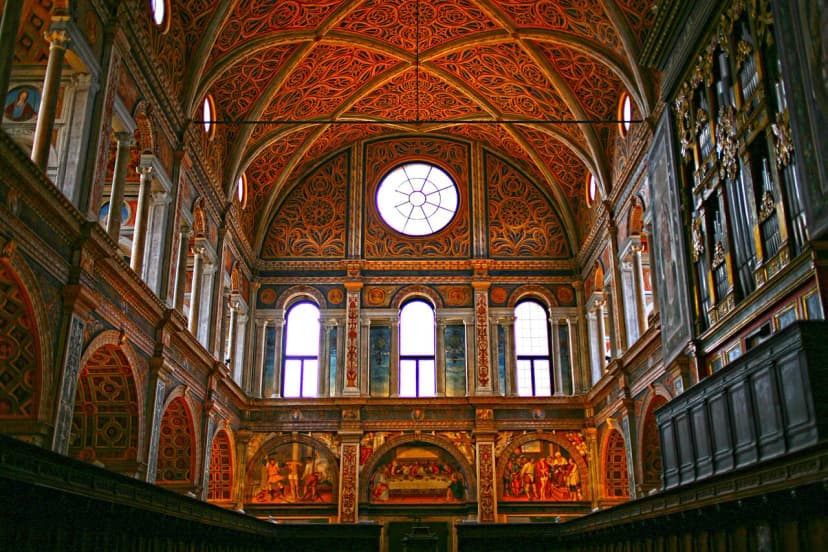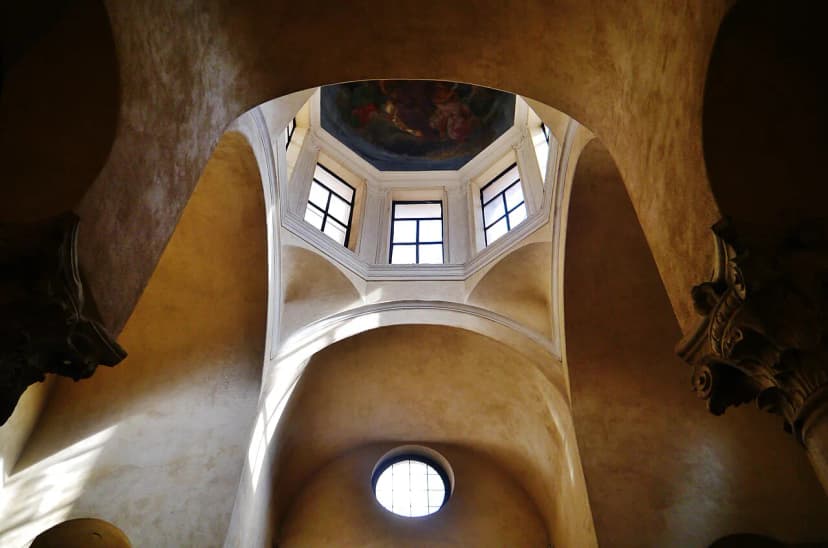

Bologna hides more than porticoes and pasta behind its brick-red walls. Beyond Piazza Maggiore and the two leaning towers, hidden gems in Bologna reward travelers who wander a few streets further. Locals split their favorite corners between quiet courtyards, hidden viewpoints, and family-run food stops that rarely make a first-time list.
A free, round-the-clock canal window sits on Via Piella at no cost to visit. Nearby, the Portico di San Luca stretches close to four kilometers uphill, roughly a 40 to 45 minute walk each way. This guide points you toward the spots locals actually visit in 2026, with practical timing for each stop.
Pair these picks with the full guide to Bologna's top attractions for a complete visit. Each section below covers where to go, what it costs, and how much time to set aside.
Hidden Gems in Bologna You Can See for Free
Most visitors stop at Piazza Maggiore and the Asinelli Tower, then move on within an hour. A short walk in almost any direction turns up quieter, older corners of the city. The five stops below sit within a 20-minute walk of the main square.
Each spot listed here is free or costs very little, so a full afternoon needs a small budget. Bring comfortable shoes, since several routes involve uneven medieval stone paths.
Combine two or three of these stops with a coffee break in between for the most relaxed pace. None of them require advance booking, so weather and energy levels can guide the order you visit.
| Spot | Type | Duration | Best For | Cost |
|---|---|---|---|---|
| Finestrella di Via Piella | Free viewpoint over a hidden canal | 5 minutes | Photo stop | Free |
| Corte Isolani | Legend hunt inside a portico | 10 minutes | Patient explorers | Free |
| Museo della Resistenza | Free history museum | 45 minutes | History fans | Free |
| Basilica di Santo Stefano | Medieval church complex | Varies | Architecture lovers | Free |
| Portico di San Luca | Covered hillside portico | 40-45 minutes | Sunset walkers | Free |
Bring comfortable shoes for uneven medieval stone paths. Most hidden gems require walking through cobblestone streets and historic courtyards.
- Finestrella di Via Piella secret canal window
- Type: free viewpoint over a hidden canal
- Best for: a five-minute photo stop
- Where: Via Piella, near the university
- Cost: free, visible any time of day
- Corte Isolani's hidden medieval arrows
- Type: legend hunt inside a portico
- Best for: patient explorers, about ten minutes
- Where: Strada Maggiore, under the portico roof
- Cost: free, look up carefully
- Museo della Resistenza history museum
- Type: free history museum
- Best for: history fans, about 45 minutes
- Where: Via Sant'Isaia
- Cost: free entry, donations welcome
- Basilica di Santo Stefano's linked churches
- Type: medieval church complex
- Best for: quiet architecture lovers
- Where: Via Santo Stefano, city center
- Cost: free entry, donations welcome
- Portico di San Luca's uphill walk
- Type: covered hillside portico, about 4km
- Best for: sunset walkers, 40 to 45 minutes
- Where: starts near Porta Saragozza
- Cost: free to walk
Museums and Quiet University Courtyards
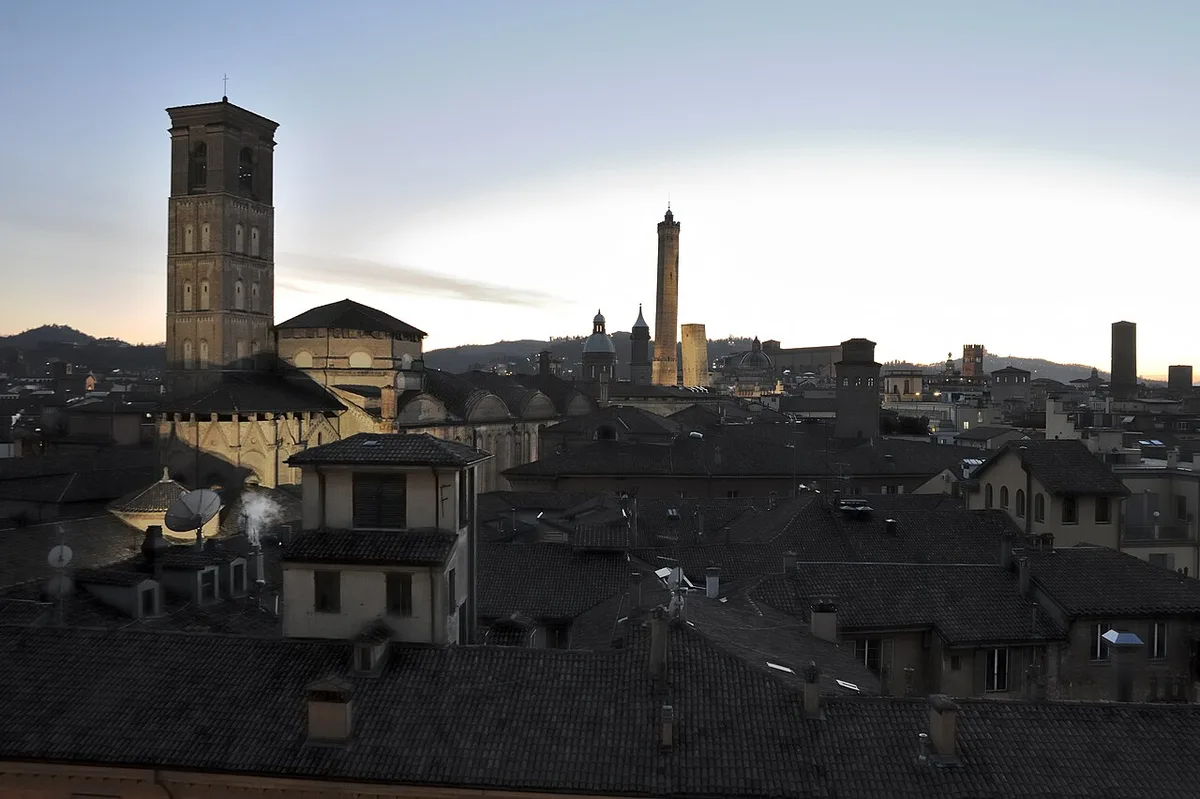
Bologna's university district hides small museums that rarely appear on typical must-see lists. Palazzo Poggi displays naval instruments and anatomical wax models across several quiet upper floors. Entry costs a modest fee, and the rooms stay uncrowded even during peak travel months.
Step into the university's inner courtyards along Via Zamboni for a break from foot traffic. Students study under stone arcades that have stood since the fifteenth century. Nobody checks tickets here, so you can linger as long as you like.
If a full day of museums feels like too much, fold one stop into a broader plan. Our one-day Bologna itinerary shows how to balance culture with food and walking time.
Parks, Porticoes, and Sunset Viewpoints
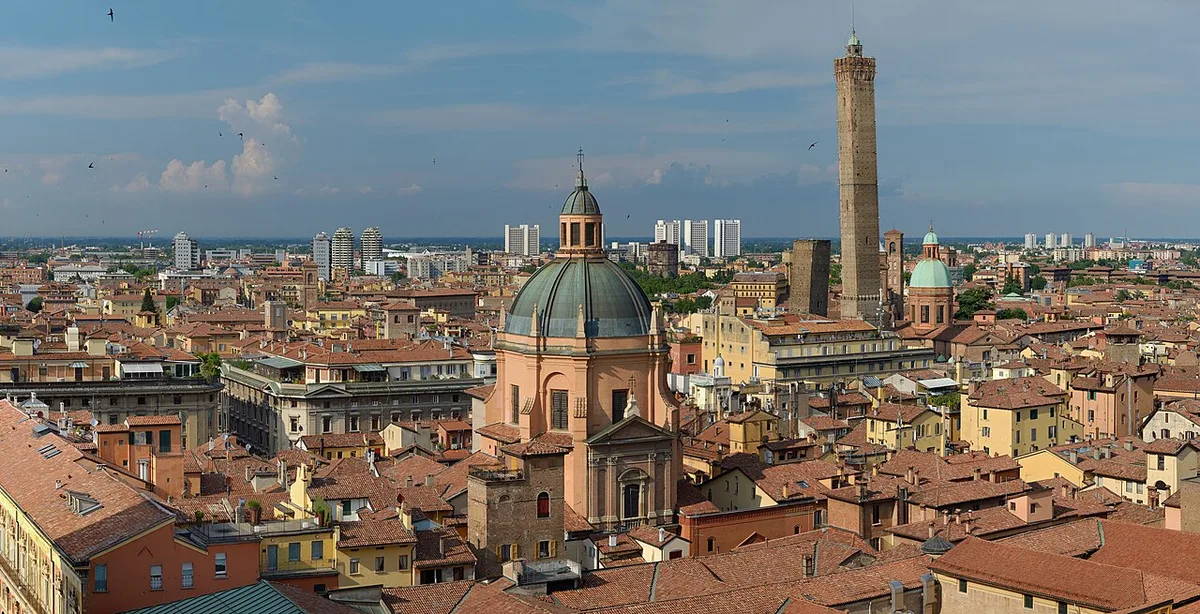
The covered Portico di San Luca stretches close to four kilometers uphill from Porta Saragozza to the sanctuary. Walking the full route takes about 40 to 45 minutes at a steady pace. It stays dry and shaded even on rainy days, which locals appreciate.
For a flatter option, Giardini Margherita offers open lawns and a lake view near the center. Bring a picnic and watch families and students share the same green space.
For sunset, climb toward San Michele in Bosco for a terrace view over Bologna's red rooftops. Travelers with a car sometimes detour to Dozza, a nearby village known for hand-painted murals on its doors.
Our day trips from Bologna guide covers Dozza and several other countryside stops. Most of these detours work well as a half-day add-on to a longer Bologna stay.
Family-Friendly and Budget-Friendly Hidden Spots
Families traveling on a budget can still see plenty of Bologna's hidden side for free. MAMbo, the city's contemporary art museum, sometimes runs discounted or free-entry afternoons. Check the current 2026 schedule before you go, since free hours can shift.
The Quadrilatero market district costs nothing to explore and works well as a free food tour. Kids enjoy watching pasta makers roll dough by hand in shop windows.
For more low-cost picks, see our free things to do in Bologna guide. Parco della Montagnola adds a weekend market plus shaded benches for a rest stop.
For a full family day, our Bologna with kids guide lists more age-friendly stops. Most of these spots work well for strollers and short attention spans alike.
Gelato shops near the university serve smaller, cheaper cups than tourist-area spots. For specific shop names and prices, the Bologna Food Guide breaks down where locals actually eat.
Getting Around Bologna's Hidden Corners
Bologna's historic center is compact enough to cross on foot in under 30 minutes. Most hidden gems on this list sit inside that walkable core. Cobblestones and porticoes make sturdy shoes more useful than a car.
For the Portico di San Luca, regular city buses run toward Porta Saragozza, where the covered walk begins. Walking uphill and riding a bus back down saves energy for the rest of your day. Check current 2026 transit schedules before you set out, since routes shift seasonally.
Early morning and late afternoon bring the smallest crowds to the main hidden spots. Arriving before 9 in the morning also gives you cooler temperatures for the San Luca climb. Weekday visits, rather than weekends, generally mean quieter courtyards and shorter waits.
Skip weekends and peak tourist hours. Visit on a weekday morning before 9 AM for the quietest experience and coolest temperatures for climbing the Portico di San Luca.
If Bologna is one stop on a longer Italy trip, save extra time for these quieter corners first. Planning transit early leaves more room for the details that make this city memorable.
Plan More of Your Bologna Trip
Use these new planning guides alongside the established Bologna landmark cluster.
Explore hidden gems in other cities
- Milan's hidden gems
- Copenhagen's hidden gems
- Istanbul's hidden gems
- Bruges's hidden gems
- Palermo's hidden gems
- Pisa's hidden gems
- Athens's hidden gems
- Prague's hidden gems
- Vienna's hidden gems
- Amsterdam's hidden gems
- Lisbon's hidden gems
- London's hidden gems
- Paris's hidden gems
- Florence's hidden gems
- Venice's hidden gems
- Naples's hidden gems
- Verona's hidden gems
- Rome's hidden gems
- Edinburgh's hidden gems
Frequently Asked Questions
Where are Bologna's best hidden gems located?
Most of Bologna's hidden gems sit inside the walkable historic center, within a 20-minute walk of Piazza Maggiore. The Finestrella canal window, the Portico di San Luca, and the university's quiet courtyards all fall inside this compact core, so transit is rarely needed to reach them.
Which hidden gems in Bologna fit first-time visitors?
First-time visitors do well starting with the free canal window on Via Piella and the university courtyards near Via Zamboni, since both sit close to the main square. These stops pair easily with a short walk to Santo Stefano's quiet church complex before lunch.
How much time should you plan for exploring hidden gems in Bologna?
Plan half a day, roughly four to five hours, to cover five or six hidden spots at a relaxed pace. Add extra time when walking the full Portico di San Luca route, since that alone takes about an hour round trip with photo stops.
What should travelers avoid when seeking hidden gems in Bologna?
Avoid rushing between stops or visiting only on weekends, when courtyards and small museums draw bigger crowds. Skip driving into the historic center too, since narrow streets and limited parking make walking or a short bus ride far easier.
Is exploring hidden gems worth adding to a short Bologna itinerary?
Yes, even a short stay benefits from one or two hidden stops alongside the main sights. Pair them with the broader Italy travel guide when Bologna is one leg of a longer trip.
Bologna's hidden gems reward a slower pace and a willingness to wander past the main square. A free canal window, a hillside portico, and quiet courtyards cost little beyond a bit of walking. Spread your visit across a few hours rather than rushing between stops.
Once the sun sets, Bologna's hidden side keeps going in its bars and student squares. The guide to Bologna at night picks up where daytime exploring leaves off. Save a little time and budget for at least one unplanned detour.