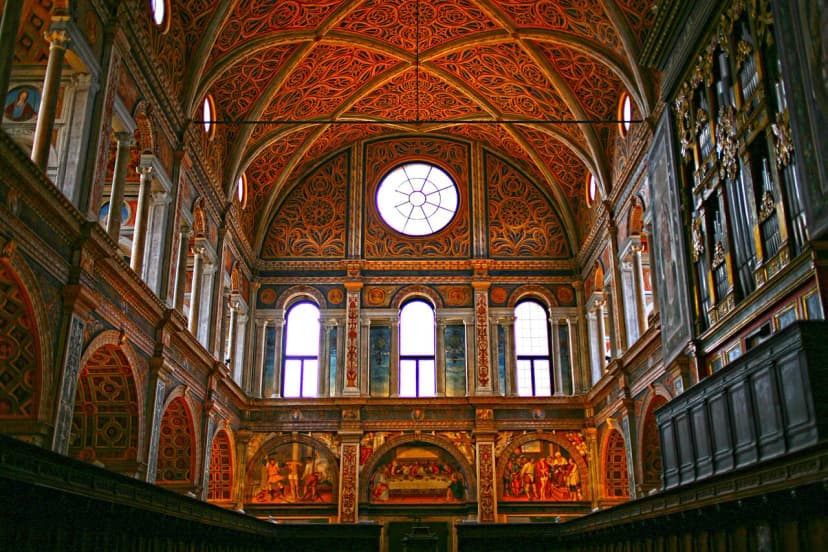
Hidden Gems in Bologna
Discover hidden gems in Bologna for 2026, from a free canal window to quiet courtyards, with costs, hours, and timing tips for a smoother visit.
Read guide →Bologna travel guides for 2026: itineraries, day trips, hidden gems, museums, free things to do and city-pass advice — every Bologna planning guide in one hub.

Everything we've published on visiting Bologna, in one place: 11 trip-planning guides covering itineraries, day trips, hidden gems, the best viewpoints and museums, family and rainy-day options, and honest advice on city passes. Each guide is written for a specific decision you make while planning a trip to Bologna, Italy.
Looking for individual landmark tickets, opening hours and worth-it advice? See our Bologna attractions hub, with 8 dedicated visitor guides.
Bologna rewards travelers who slow down. Italy's food capital is where tortellini, tagliatelle al ragù and mortadella were perfected, and much of a good visit happens at a table or in the market stalls of the Quadrilatero. Above street level, nearly 40 kilometres of UNESCO-listed porticoes keep you dry and shaded as you walk between the terracotta palazzi, Piazza Maggiore, and the leaning medieval Two Towers. The city is also home to the oldest university in the world, which keeps the historic centre young, affordable and lively after dark.
Two full days cover the essentials without rushing, and the compact, walkable centre means you rarely need transport inside the city. Spring (April–June) and early autumn (September–October) bring the most comfortable weather and thinner crowds than Florence or Venice; summer is hot but the porticoes help. Bologna also makes one of northern Italy's best day-trip bases — Modena, Ferrara, Parma and even San Marino are all short hops on the fast train.
The guides below are organised around the real decisions you make while planning: how to structure your time, where to go after dark, what to do for free or with children, and which day trips are worth the fare. Start with the one-day itinerary for the shape of a visit, then dip into hidden gems and day trips to tailor it.
A focused first visit takes roughly 8 hours on foot, and most sights cost under €10 — many historic churches are free — which is why Bologna works as a day trip but rewards an overnight stay. If a single day is all you have, the one-day itinerary arranges the medieval core into three walkable blocks with realistic timing and 2026 opening hours. With three days the city splits naturally into the medieval centre, the Portico di San Luca walk paired with the university quarter, and a flexible day for modern neighbourhoods or a nearby town — the structure our three-day plan follows, with Quadrilatero food stops and cost-saving tips built in. The rough rule: one day tells you whether you like the city, two days (covered in the itinerary linked above) let you actually see it, and three let you slow to Bologna's own pace, with time for a long market morning and an out-of-town lunch. Families have an easy time of it too — the centre is stroller-friendly under the porticoes, and single bus tickets on the TPER network run around €1.50, with day passes the better value for a group.
Bologna's ticketed sights are few and cheap, but two details trip up first-timers. The first: Piazza Maggiore itself is free around the clock, and the only ticket on the square is the Clock Tower climb inside Palazzo d'Accursio at €10 full price, €7 reduced. The second: the famous 498-step Asinelli climb at the Two Towers has been closed since October 2023 with no reopening date — the leaning Garisenda faces a restoration estimated at up to €20 million — so build your viewpoint plans around the Clock Tower or San Luca instead.
The rest of the shortlist is straightforward. Basilica San Petronio, the city's vast main church, is free to enter and open daily from 10:00 a.m., with the €5 Chapel of the Three Kings (€3 reduced) as its one paid stop. A few arcades away, the Archiginnasio — the old university seat — charges €12 for a guided tour of its wooden Anatomical Theatre or €10 with an audio guide — book it a day or two ahead online rather than counting on walk-up slots. And the Seven Churches complex of Santo Stefano asks only a voluntary donation, though it closes Mondays, a rhythm worth checking before you route a day around it.
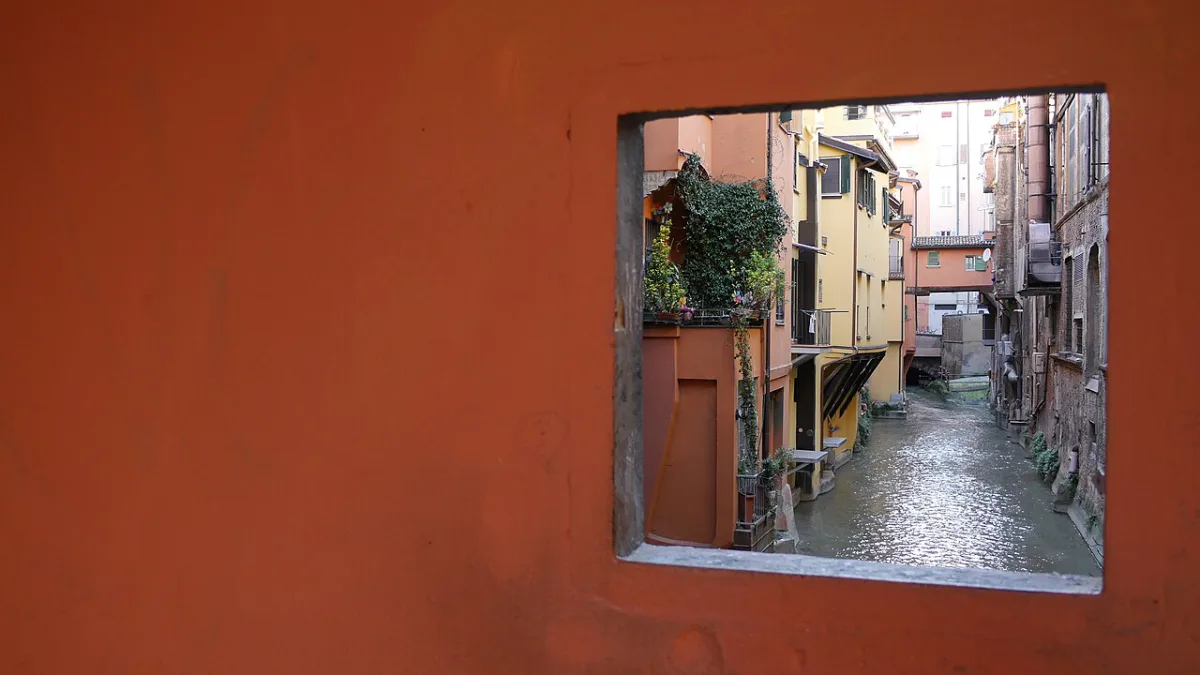
Bologna may be the easiest major Italian city to enjoy on a zero budget. Its 62 km of UNESCO-listed porticoes work as a city-wide umbrella, linking the train station to Piazza Maggiore and the Quadrilatero almost entirely under cover — the backbone of the rainy-day plan already linked above. The free things to do roundup gathers ten no-ticket picks across piazzas, museums and the university quarter, while the hidden gems guide adds spots like the Finestrella di Via Piella, a free canal window you can peer through at any hour. Even the Roman ruins under the Sala Borsa library cost nothing to see, which makes Bologna one of the few Italian cities where a full sightseeing day genuinely needs no tickets at all.
The single most memorable walk in Bologna is free: the Portico di San Luca runs 3.8 km through 666 arches — the longest continuous portico in the world — and takes about 45 minutes to an hour uphill to the sanctuary at a steady pace. If the climb doesn't appeal, the San Luca Express tourist train covers the route for around €15 per adult round trip, with reduced fares of roughly €8 for children aged 6–10. Time it for late afternoon and you arrive as the light goes gold; our guide to where to watch sunset in Bologna compares seven verified spots, from the hills at San Michele in Bosco to the Clock Tower, and explains why the Asinelli no longer makes the list.
Bologna's evenings start with aperitivo: expect roughly €8–12 for a plate and a drink in the Quadrilatero between about 6pm and 9pm, and the after-dark guide follows that up with floodlit piazzas, rooftop views and the wine bars locals actually use. Daytime grazing in the same market lanes is similarly gentle on the budget — roughly €3–6 for a coffee and pastry at a stand-up bar, €8–15 for a plate of tagliatelle or tortellini at a market pasta counter, and €4–8 for a glass of Lambrusco. On museum days, the eleven best museums roundup spans the Pinacoteca's Renaissance rooms — about €6 admission for works by Tintoretto, Titian and Parmigianino — the Archiginnasio's Anatomical Theatre, and the €6 Archaeological Museum with its Egyptian collection, with hours and costs for each. And Bologna's rail hub status makes it northern Italy's best day-trip base: Modena is 20–30 minutes away for about €8 one way, Ferrara takes 25–30 minutes, and a regional train reaches Ravenna's mosaics in roughly 70 minutes for about €8. The day-trips guide ranks seven options, Modena and Ferrara to San Marino, by fare, train time and what each does best.
Discover hidden gems in Bologna for 2026, from a free canal window to quiet courtyards, with costs, hours, and timing tips for a smoother visit.
Read guide →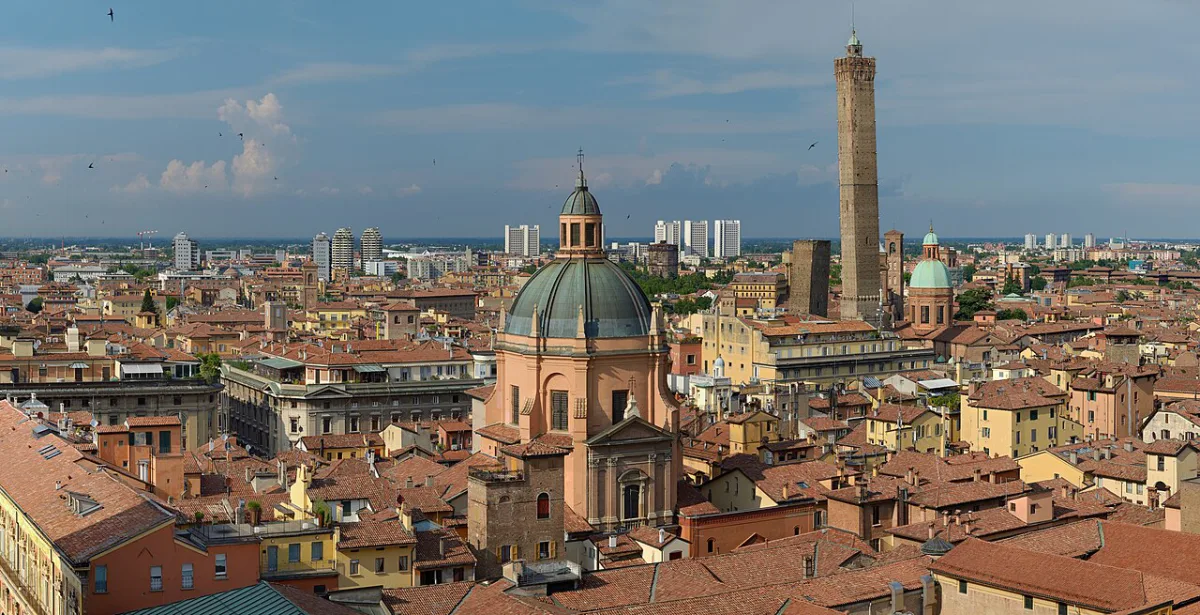
Plan the perfect one day in Bologna itinerary with realistic timing, 2026 opening hours, food stops, and tower-access tips for first-timers.
Read guide →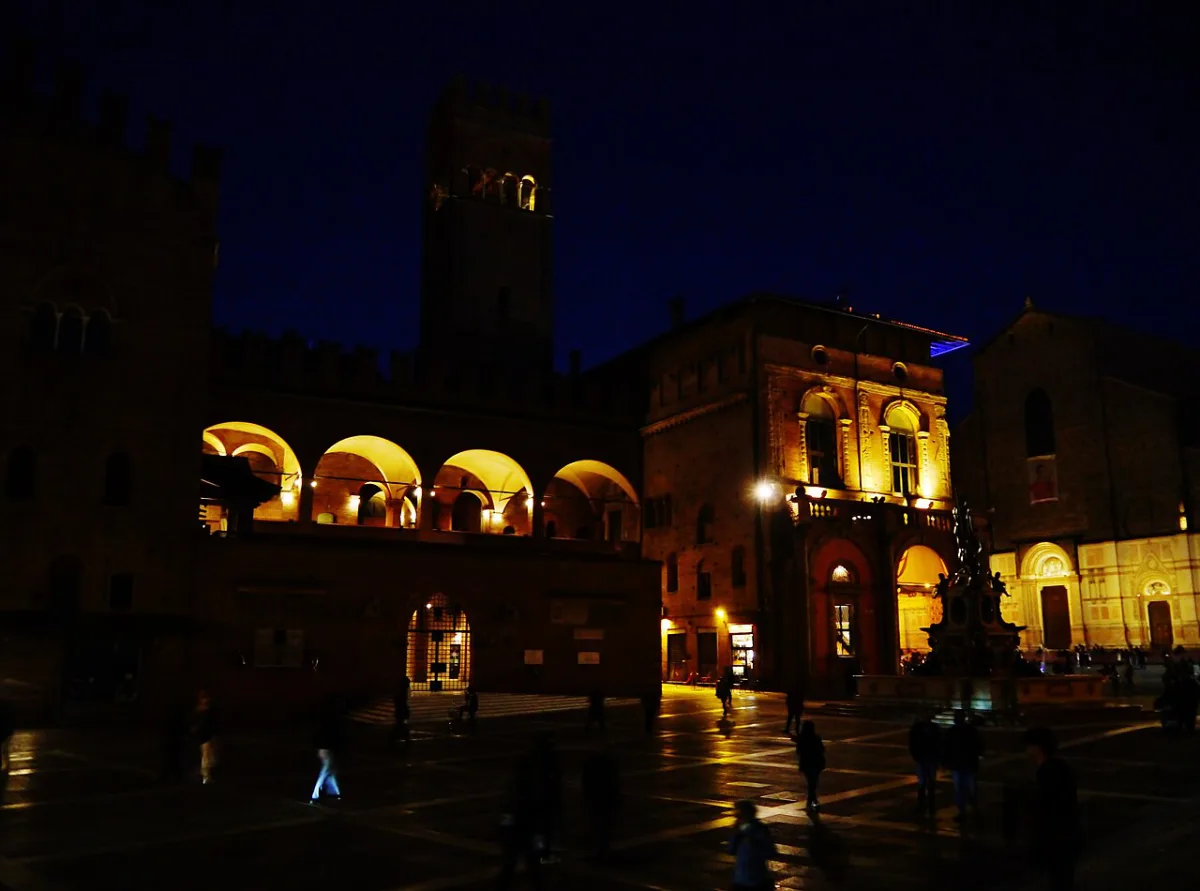
Discover the best things to do in Bologna at night in 2026: floodlit piazzas, rooftop views, wine bars, and where locals go after dark. Plan your evening now.
Read guide →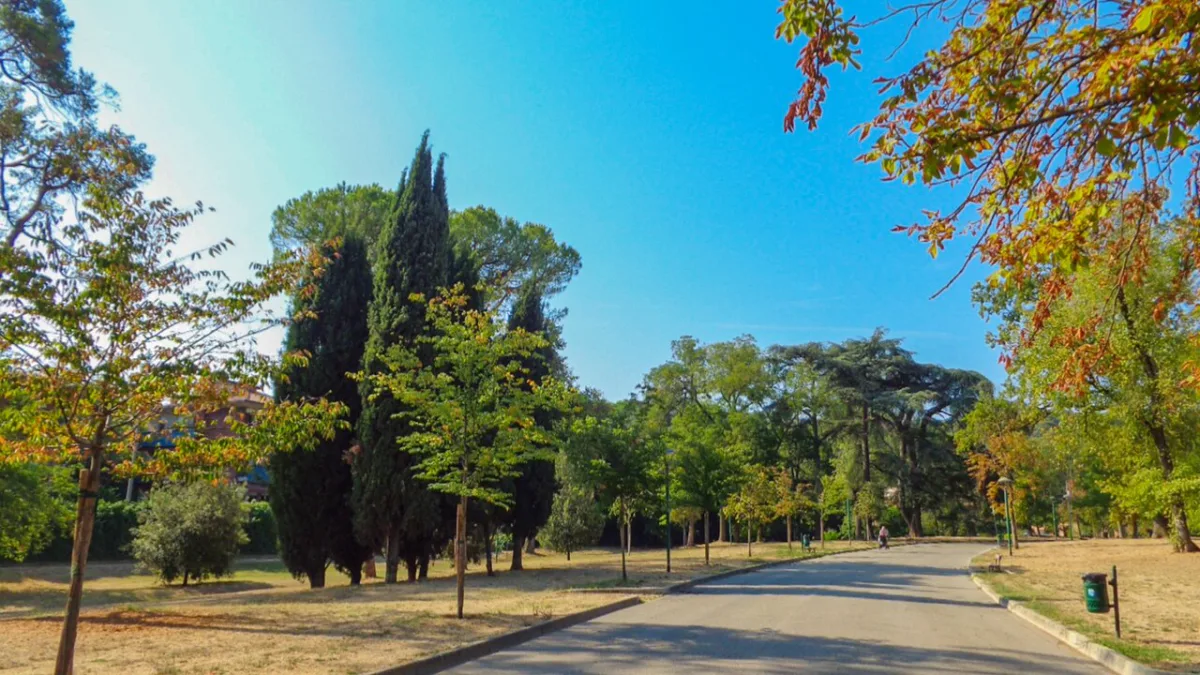
Explore Bologna with kids using this 2026 guide to top attractions, stroller-friendly streets, kid-tested food, and practical family planning tips.
Read guide →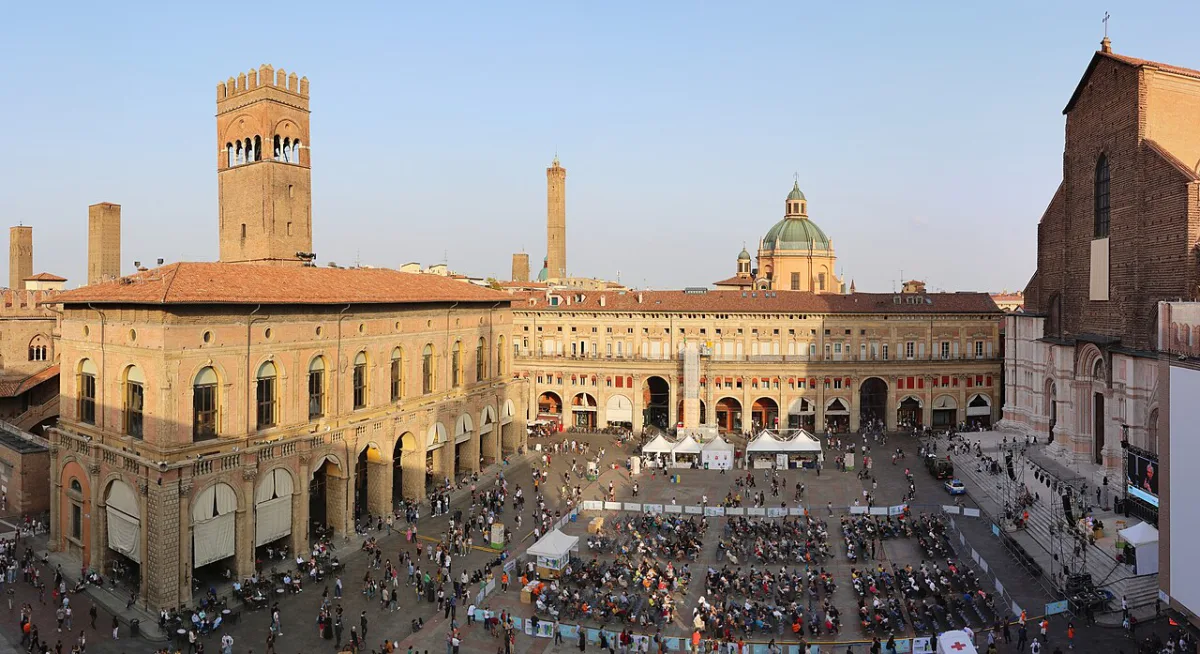
Discover the best free things to do in Bologna in 2026, from covered portico walks to hidden museums and historic piazzas — plan a zero-cost trip today.
Read guide →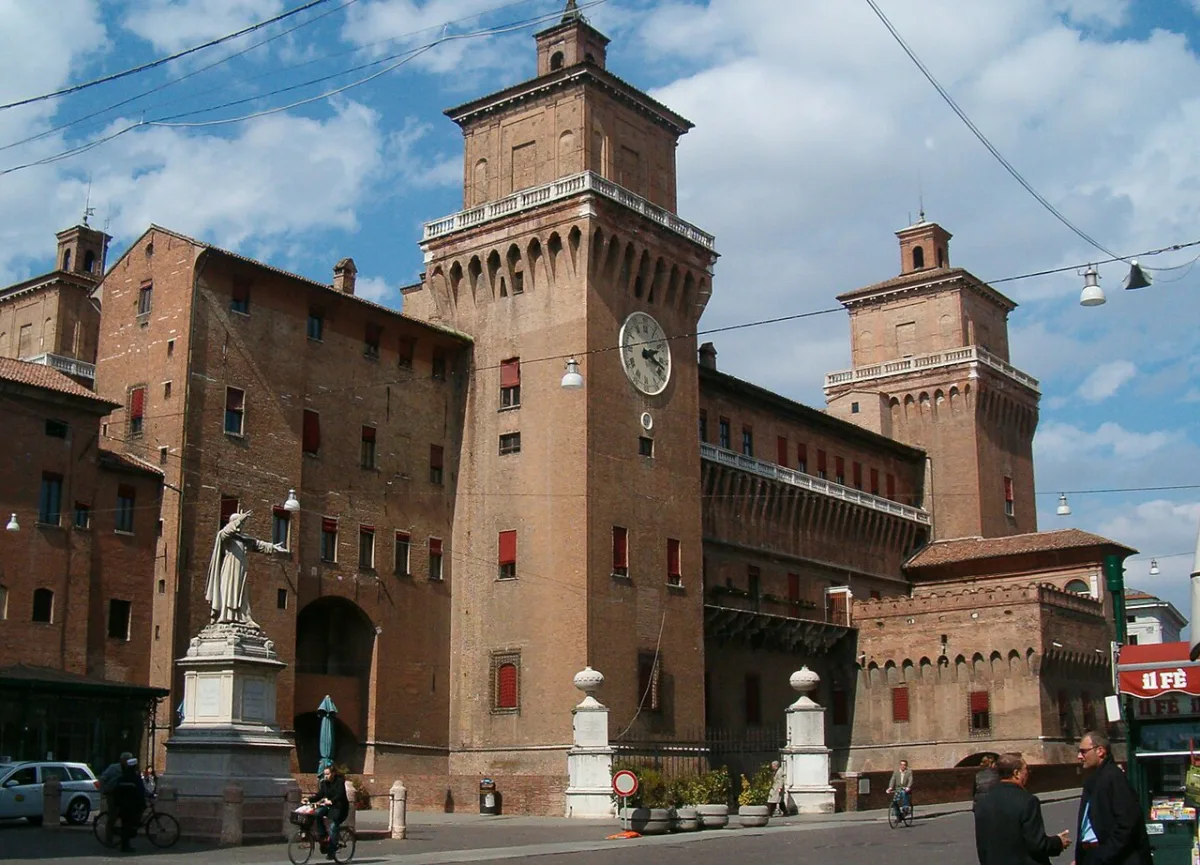
Discover the best day trips from Bologna, Italy in 2026, from Modena and Ferrara to San Marino, with train times, fares, and useful planning tips.
Read guide →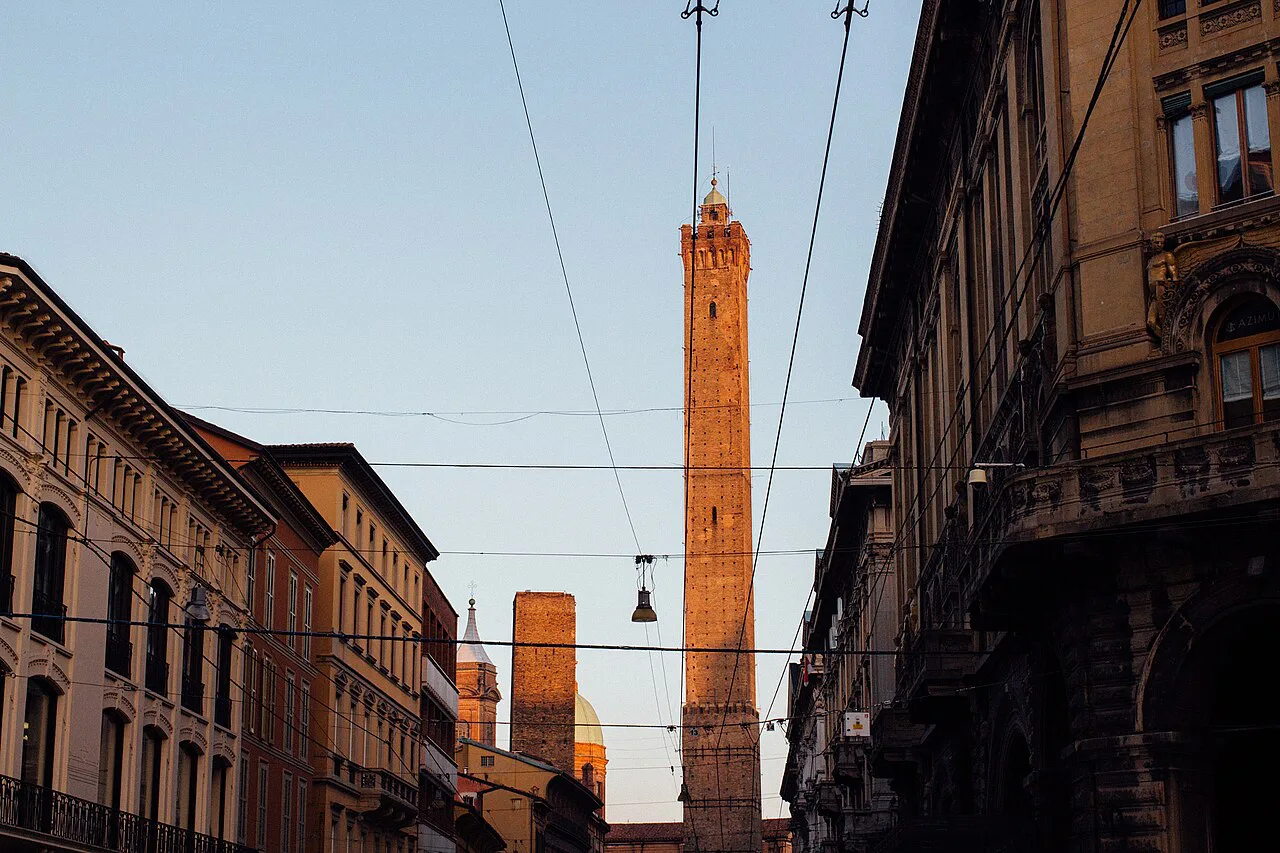
Follow this 2 days in Bologna itinerary for a 48-hour route to Piazza Maggiore, the Asinelli Tower, San Luca, and the city's best food streets in 2026.
Read guide →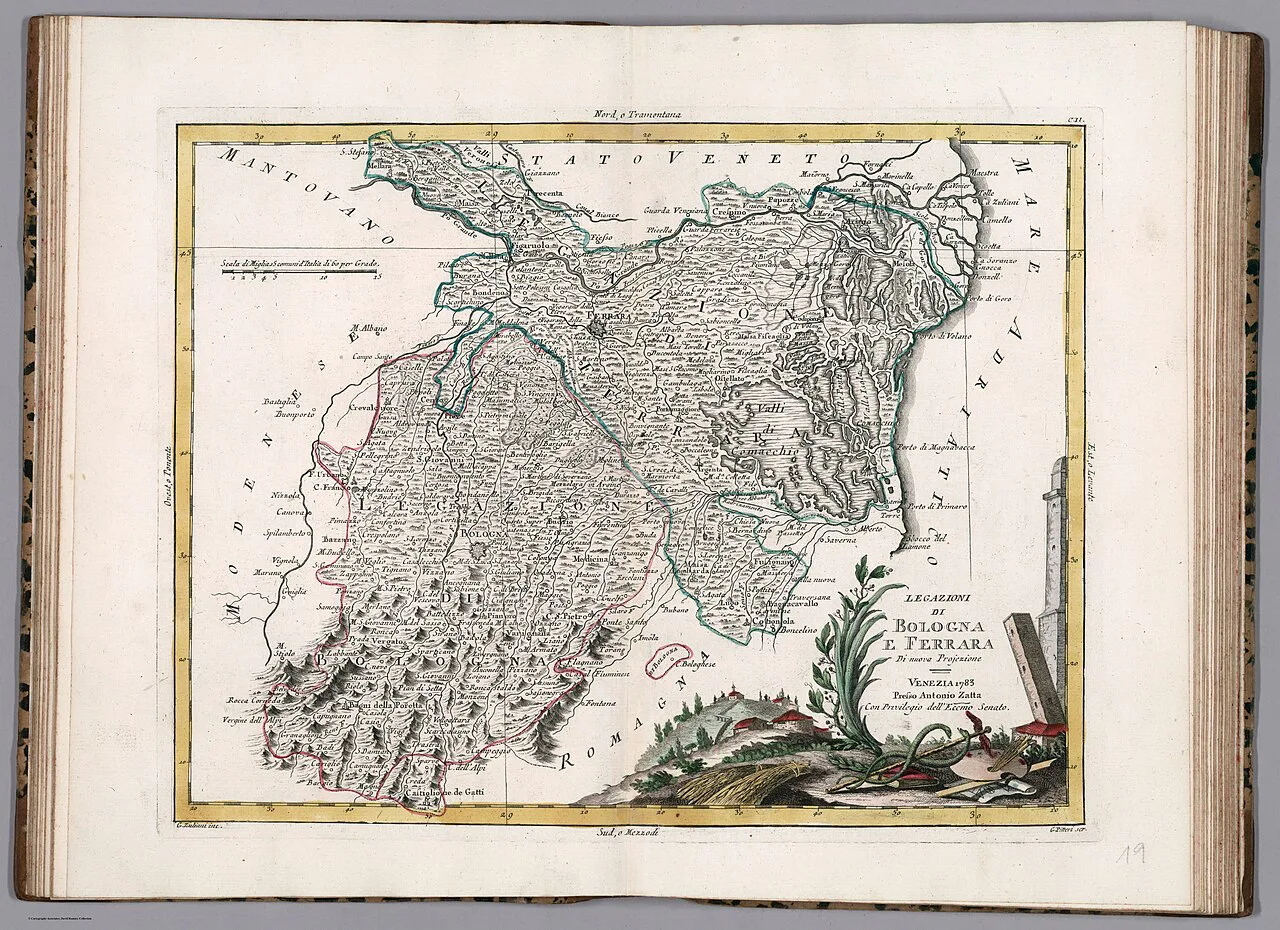
Plan 3 days in Bologna with this itinerary: the San Luca walk, Quadrilatero food stops, neighborhood picks, and cost-saving tips for 2026.
Read guide →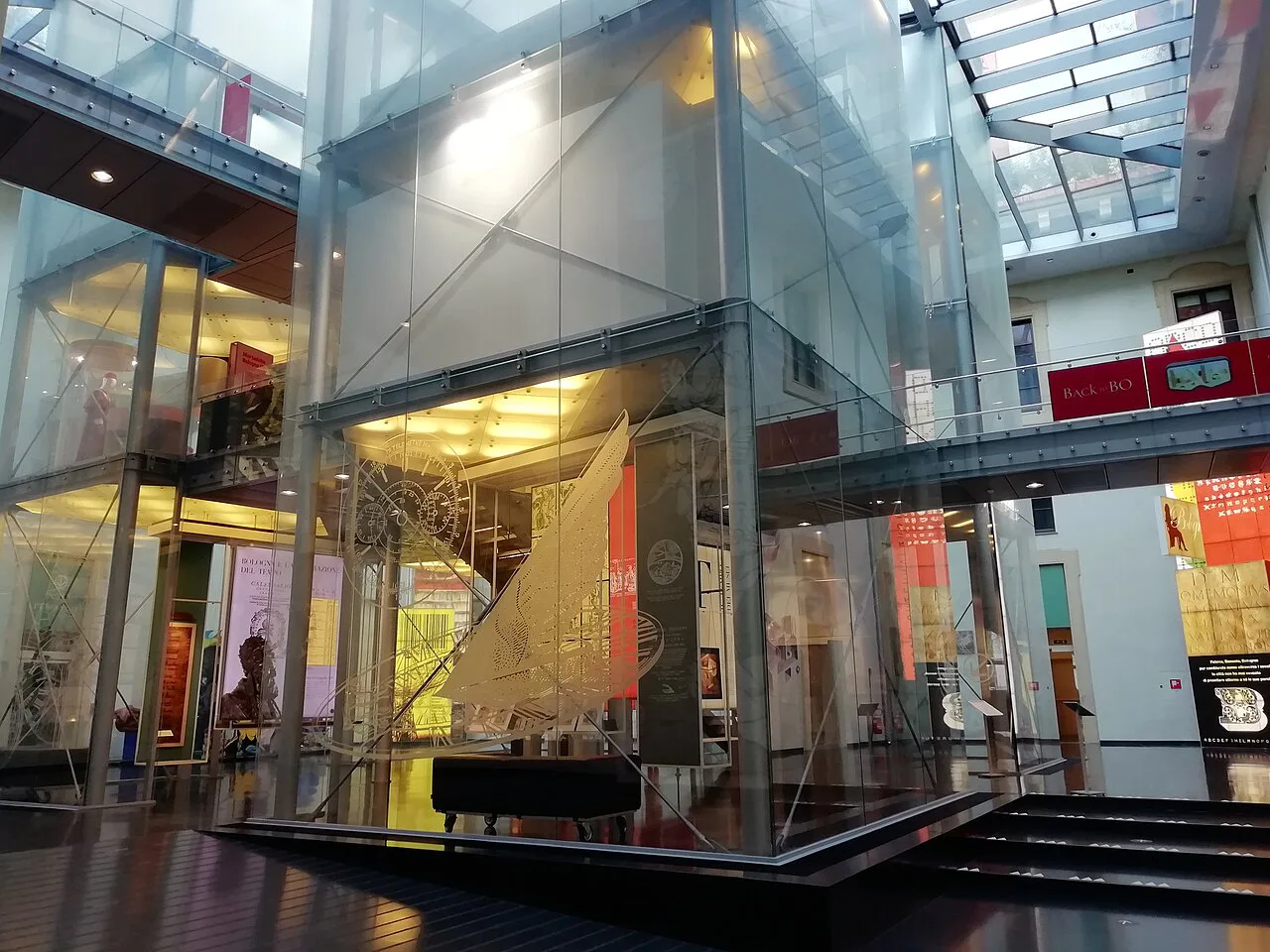
Find the best museums in Bologna for 2026, from the Pinacoteca's Renaissance art to the Archiginnasio's Anatomical Theatre, plus hours, costs, and planning tips.
Read guide →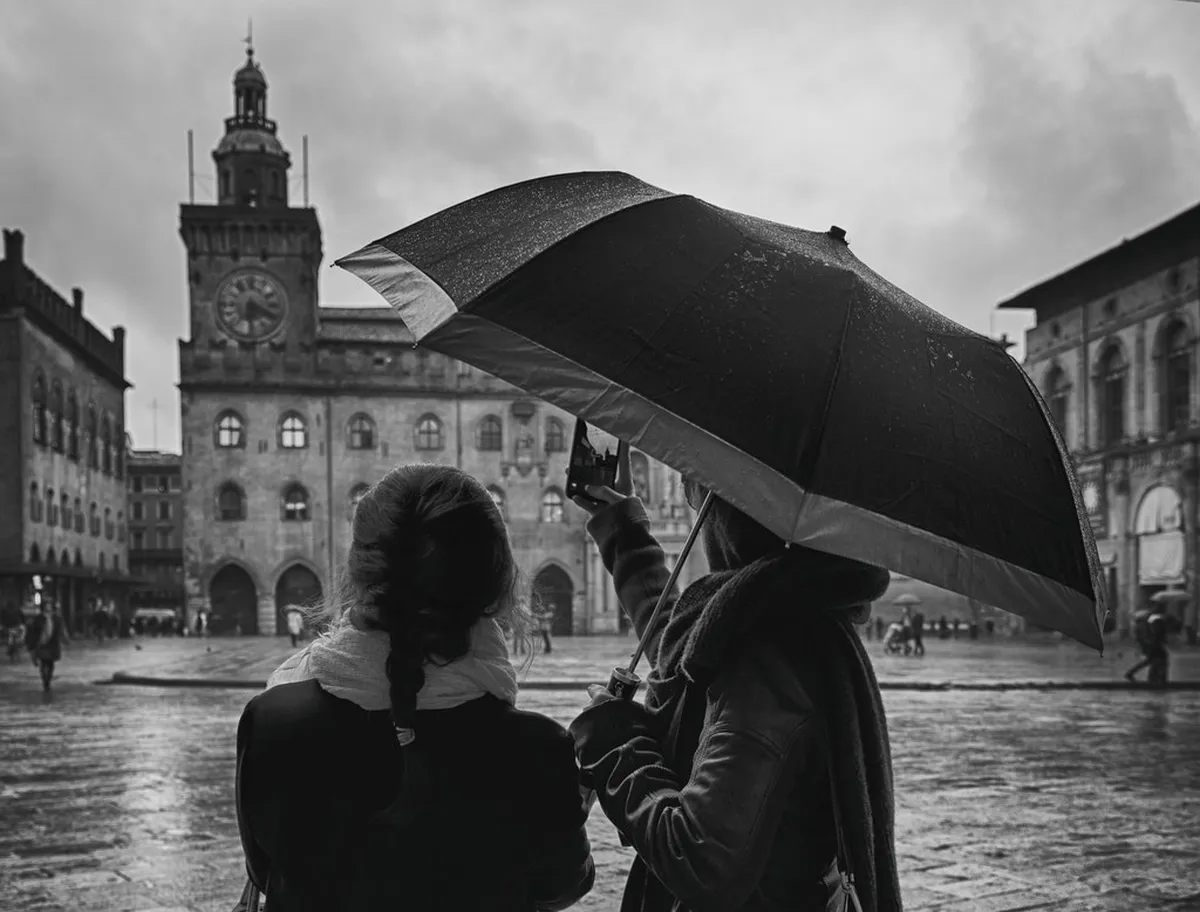
Plan Bologna on a rainy day using its 62km of covered porticoes, indoor museums, and covered markets near Piazza Maggiore. A practical 2026 guide to staying dry.
Read guide →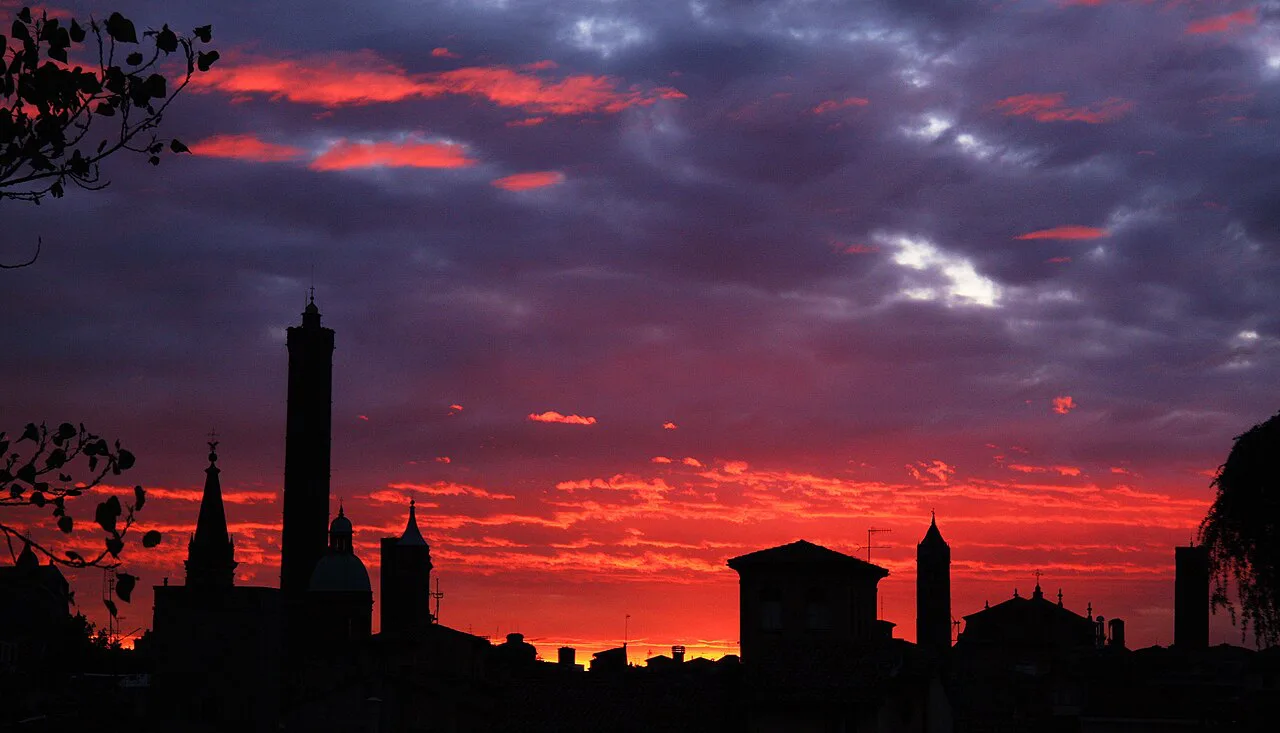
Where to watch sunset in Bologna: 7 verified spots from San Luca to the Clock Tower, with 2026 access, cost, and timing tips.
Read guide →Keep exploring