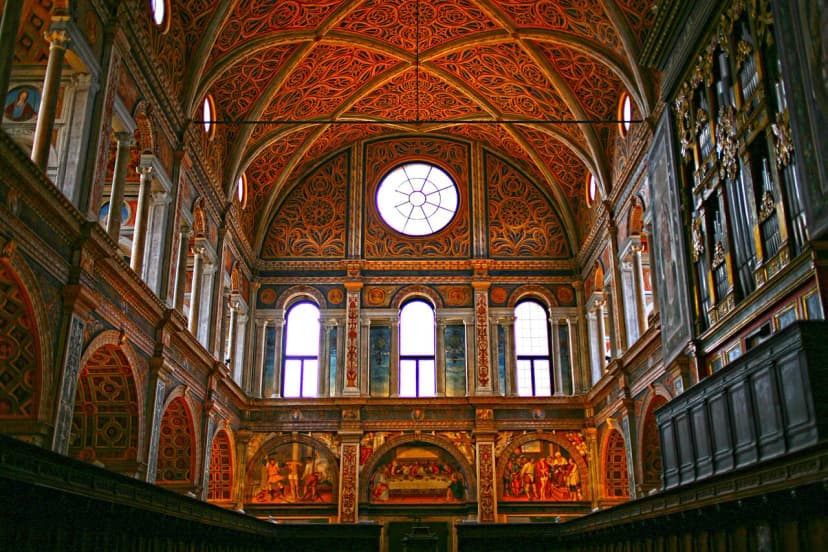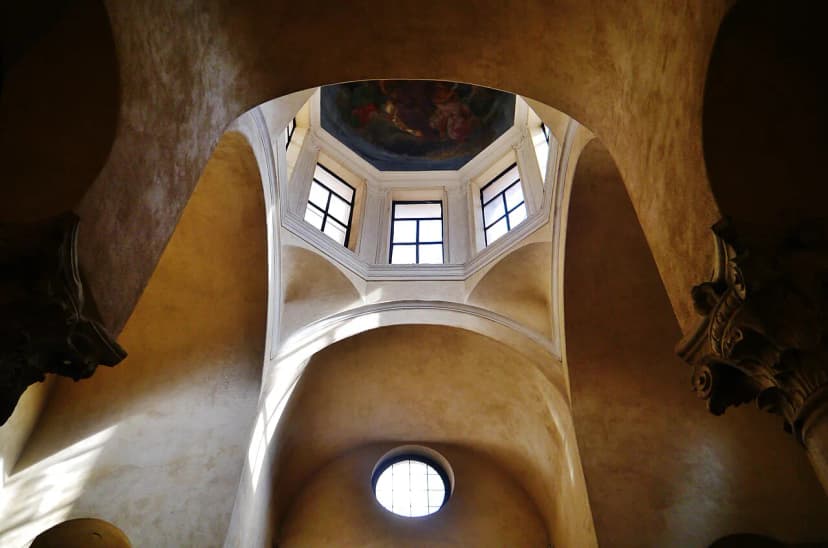

Last updated July 2026, this 3 days in Bologna itinerary sequences the medieval core, the Portico di San Luca hill walk, and a flexible third day into one walkable route. Expect covered porticoes for wet or hot afternoons, short walks between major sights, and osteria reservations booked a day or two ahead. Each day below pairs a can't-miss landmark with a lower-key alternative, so the pace stays realistic across three full days in the city.
3 Days in Bologna Itinerary at a Glance
Bologna splits naturally into three chunks: the medieval center, the Portico di San Luca walk paired with the university quarter, and a flexible day for modern neighborhoods or a nearby town. Day 1 covers the historic core and its food culture. Day 2 covers the hill walk and academic history. Day 3 flexes between modern Bologna and a regional day trip. For the general lay of the land before you start, read the Bologna city guide. If three days doesn't fit the trip, the one-day Bologna route compresses the center into a single day. A two-day Bologna itinerary works if you can spare a weekend but not the full three days.
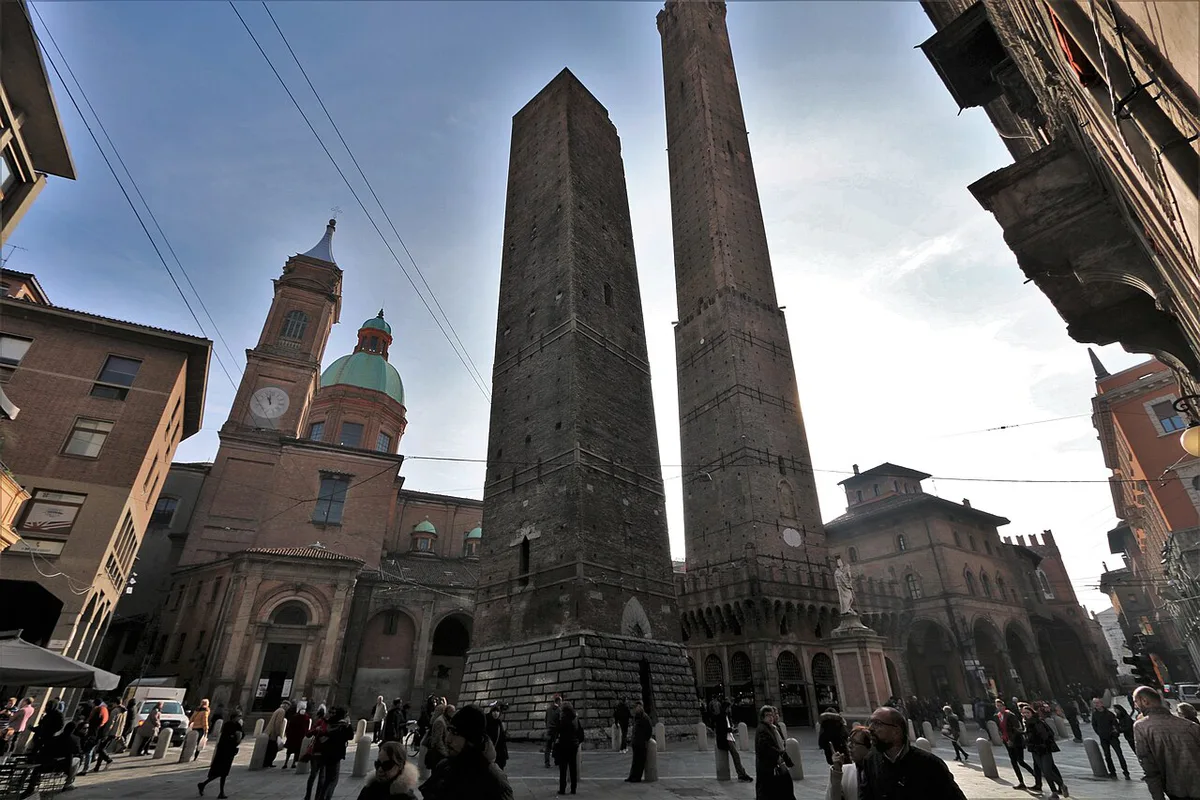
Torre degli Asinelli, the main Day 1 tower sight, requires advance booking for its 498-step climb, but structural maintenance recurs (last confirmed March 2025); Torre dell'Orologio offers a more dependable alternative with museum access included.
- Day 1: Piazza Maggiore, the Quadrilatero food stalls, and the Two Towers.
- Day 2: The Portico di San Luca walk, the Archiginnasio, and the university quarter.
- Day 3: MAMbo and Bolognina, or a day trip to Modena or Parma.
Bologna vs Florence for Food-Focused Travelers
Florence draws larger crowds for Renaissance art, while Bologna keeps its kitchens closer to regional tradition and its streets easier to navigate. Food-focused travelers often find shorter lines at markets and osterias, since Bologna sees fewer day-trippers than Florence or Venice. The city's nicknames point straight at its identity: La Grassa (the fat one) for its food, La Dotta (the learned one) for its university, and La Rossa (the red one) for its terracotta rooftops. This itinerary leans into all three: culinary stops on Day 1, academic history on Day 2, and a flexible modern or regional day on Day 3.
Day 1: The Medieval Heart and Culinary Roots
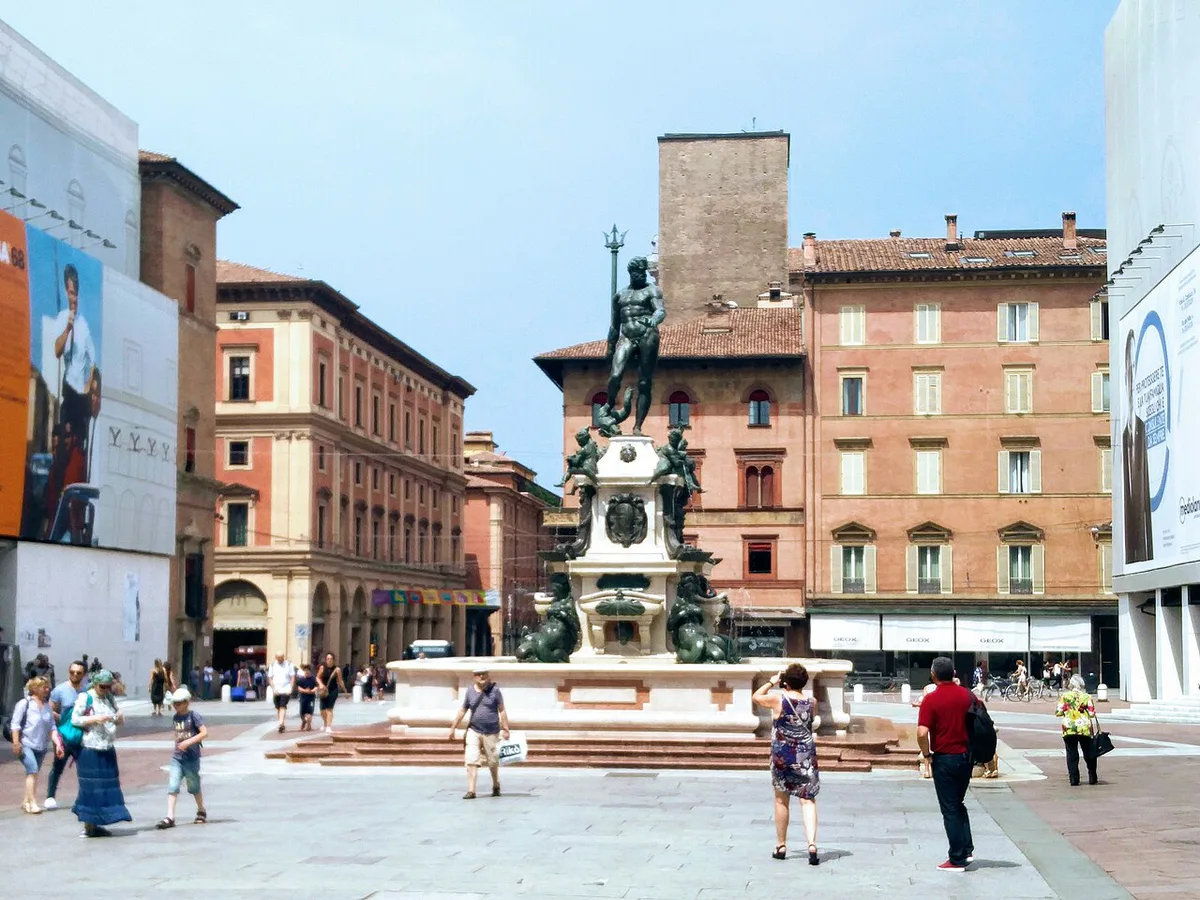
Day one stays inside the Centro Storico, where most of Bologna's major sights sit within a short walk of each other. Start at the city's central squares, work through the Quadrilatero's food stalls at midday, then decide on the Two Towers in the afternoon.
- Morning: Piazza Maggiore and Piazza del Nettuno, then Basilica di San Petronio, where a 17th-century meridian line still marks solar noon on the floor.
- Midday: The Quadrilatero's food stalls along Via Pescherie Vecchie and Via Drapperie, market streets that have sold fresh food since the Middle Ages.
- Afternoon: Le Due Torri, Bologna's two medieval towers.
- Torre degli Asinelli needs advance booking and a 498-step climb; a March 2025 report found it closed for maintenance, so confirm current status before planning around it.
- If Asinelli is unavailable, Torre dell'Orologio on Piazza Maggiore is a shorter climb, and the ticket includes entry to the Municipal Art Collections.
- Evening: Aperitivo in the Quadrilatero, or dinner near the Seven Churches complex at Santo Stefano.
Day 2: The Portico di San Luca and the University District
Day two centers on Bologna's longest portico and the university quarter that built the city's academic reputation. Europe's oldest university was founded here in 1088, and its influence still shapes the neighborhood you'll wander in the afternoon. The walk to the Santuario della Madonna di San Luca runs beneath 666 arches and takes roughly 50 minutes uphill on foot.
- Morning: Walk the Portico di San Luca to the Santuario della Madonna di San Luca, 666 arches and about 50 minutes uphill.
- Alternative: The San Luca Express tourist train covers the same route for travelers with limited mobility or young kids.
- Afternoon: The Archiginnasio's Anatomical Theatre, then the narrow lanes of the old Jewish Ghetto in the university district.
- Evening: A sunset viewpoint before dinner among the university district's casual restaurants.
Day 3: Modern Bologna or a Day Trip to Emilia-Romagna
The third day is the most flexible of the three. Stay in the city for modern art and a multicultural food scene, or use Bologna Centrale as a base for a nearby town. Bologna Centrale is the city's main rail hub, so both day-trip options start and end at the same station.
- Option A, city focus: MAMbo, Bologna's modern art museum, followed by the Bolognina district's multicultural food scene.
- Option B, day trip: Modena for balsamic vinegar producers and Ferrari history, or Parma for prosciutto and parmesan producers.
- Afternoon: Mercato delle Erbe for last-minute shopping, or the Finestrella di Via Piella for a canal view away from the main squares.
Where to Stay for a 3-Day Bologna Trip
Neighborhood choice matters more than usual here, since Day 2's hill walk and Day 3's options both start from the center. Centro Storico keeps you closest to the sights. The university district and Bolognina trade some convenience for lower nightly rates. Pick a base by matching it to your priorities: Centro Storico suits easy walking to Piazza Maggiore and the Quadrilatero, the university district suits a livelier evening scene near Day 2's stops, and Bolognina or the station area suits a Day 3 train trip or a lower rate.
| Neighborhood | Best For | Example Nightly Rate |
|---|---|---|
| Centro Storico | First-time visitors, easy walk to Day 1 sights | $250-400 (Art Hotel Orologio) |
| University District | Younger travelers, mid-range budgets | $150-200 (Hotel Accademia) |
| Bolognina / Station | Budget stays, easy access to day-trip trains | $100-150 (Il Guercino) |
Getting Around and Budgeting for 3 Days in Bologna
Bologna's Centro Storico is compact enough to cover on foot for all of Day 1 and most of Day 2. Buses become useful on Day 3, for reaching outer districts like Bolognina and for connections back to Bologna Centrale before a day-trip train. Pack solid walking shoes; the Centro Storico's cobbled streets are hard on feet across three full days of walking.
Bologna's 38.5-mile portico network includes the Day 2 Portico di San Luca (666 arches) and covers the Centro Storico. These medieval, UNESCO-protected covered streets let walkers shelter from rain or sun, turning weather from a potential obstacle into a manageable factor across the three days.
Rainy Day and Backup Plans
Bologna's covered porticoes stretch about 38.5 miles (62 kilometers) in total and hold UNESCO World Heritage status. They date back to the Middle Ages, when the city allowed residents to build covered extensions over the street to add living space. Use them to move between sights under cover during a downpour, or to stay out of direct sun during a summer heatwave. If a full day turns wet, the Bologna rainy-day guide lists indoor swaps for each part of this itinerary.
What to Book Before Your Bologna Trip
Bologna rewards advance planning, especially when weekends, food tours, or limited-entry sights shape your itinerary. Reserve popular dining and guided experiences before finalizing each day.
- Book sought-after osterias, including Osteria della Lanterna, at least 24–48 hours ahead. Confirm reservation policies directly, since some casual restaurants accept walk-ins only.
- Reserve premium pasta-making classes, market tours, and producer visits several weeks ahead. Small groups and English-language departures often have limited capacity.
- Check Torre degli Asinelli before purchasing related tickets. Structural work can close the tower, making Torre dell’Orologio a more dependable central viewpoint.
- Confirm entry times for the Archiginnasio’s Anatomical Theatre. Hours can differ from the wider building, and midday closures may affect Day 2.
Keep one dinner flexible for the University District, where casual venues suit spontaneous evenings. Use a confirmed reservation for the Quadrilatero or Santo Stefano area, where destination restaurants attract more visitors.
For trip-planning details, see Bologna travel guide - Wikivoyage and Bologna - Wikipedia.
See our Bologna tourism attractions guide for the broader city overview.
Frequently Asked Questions
How many days do you need in Bologna?
Three days is enough to cover the medieval center, the Portico di San Luca walk, and a flexible day for modern Bologna or a nearby town, without rushing meals. A shorter visit is possible if you compress the center into one or two days instead.
Do you need to book Torre degli Asinelli in advance?
Yes. The climb requires advance booking and covers 498 steps. A March 2025 report found the tower closed for structural maintenance, and these closures recur, so confirm current status before building Day 1 around it.
Is the Bologna Welcome Card worth buying?
The official Bologna Welcome site lists the card at about €25, covering major museums and a walking tour, as of 2026. It pays off once the itinerary includes two or more paid museum visits.
Should you walk the Portico di San Luca or take the San Luca Express?
The walk covers 666 arches and takes roughly 50 minutes uphill on foot. The San Luca Express tourist train covers the same route and suits travelers with limited mobility or young kids.
Modena or Parma for a Day 3 day trip?
Modena centers on balsamic vinegar producers and Ferrari history. Parma centers on prosciutto and parmesan producers. Both work as a train day trip from Bologna Centrale, so the choice comes down to which food tradition interests you more.
Is Bologna a better choice than Florence for food-focused travelers?
Bologna draws fewer crowds than Florence and keeps its kitchens closer to regional tradition, which food-focused travelers often prefer. Florence still wins on Renaissance art density, so the right pick depends on priorities.