Last updated August 2026, this guide moves past Gamla Stan and the Vasa Museum to cover real hidden gems in Stockholm. Each entry lists the time it takes, the cost, and how to reach it, so a detour fits into an existing day. The 13 picks below range from free viewpoints to a wooded cemetery and a short bakery trail.
Stockholm's Hidden Gems at a Glance
This table ranks Stockholm's off-the-beaten-path stops by time, cost, and access, so a route can be planned before landing. Free viewpoints and ruins sit at one end. Guided museum tours and day trips sit at the other. Use the access column to spot which picks need a booking made in advance.
| Hidden Gem | Time Needed | Cost | Access Notes |
|---|---|---|---|
| Monteliusvägen and Mariaberget | 20-30 min | Free | Walk-in, open year-round |
| Skinnarviksberget | 20-30 min | Free | Walk-in, 15-min walk from Mariatorget |
| Högdalstoppen | 30-45 min | Free | Walk-in, steep final approach |
| Per Olof Hallman's neighborhoods | Half-day | Free | Self-guided walk-in |
| Södermalm's allotment gardens | 15-20 min | Free | Walk-in, busiest on weekends |
| St. Mark's Church, Björkhagen | 15-20 min | Free (exterior) | Walk-in; confirm interior hours |
| Museum apartments | Half-day | Guided-tour fee | Advance booking; long waitlist for Astrid Lindgren's flat |
| Haga Castle ruins | 20-30 min | Free | View only, no entry |
| Johanneshov's sconce | 15-20 min | Free | Walk-in during office hours |
| Fjäderholmarna and the archipelago | Half-day | Ferry fare | Waxholmsbolaget ferry, about 30 min |
| Skogskyrkogården | Half-day | Free | Walk-in; check site for chapel hours |
| Stockholm's bakery trail | 20-30 min per stop | Café prices | Walk-in, multiple locations |
| Skanör-Falsterbo and Uppsala | Full day | Train or bus fare | Book ahead; Uppsala about 40 min by train |
13 Hidden Gems in Stockholm Locals Actually Recommend
Stockholm hidden gems locals recommend fall into a few recurring themes. Viewpoints and ruins account for several entries below. Preserved apartments, archipelago islands, and a short bakery list round out the rest. Each entry below lists the details needed to add it to an existing day in the city.
- Monteliusvägen and Mariaberget, Södermalm
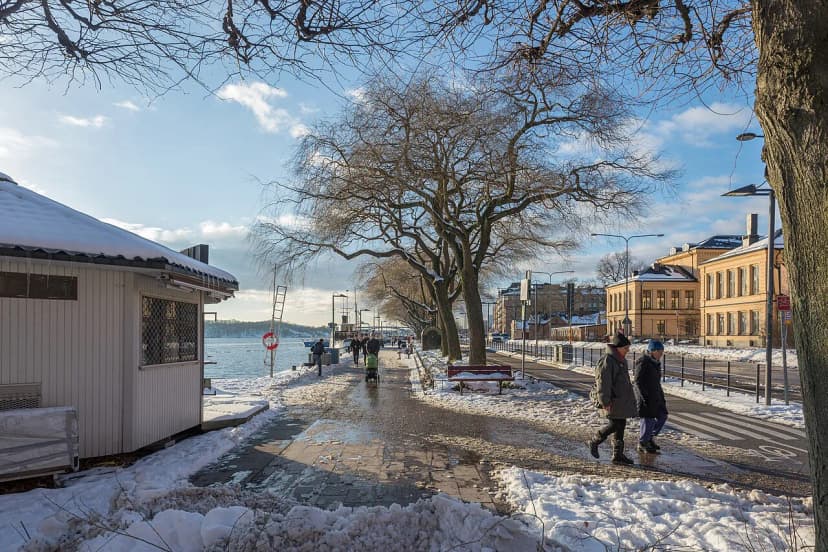
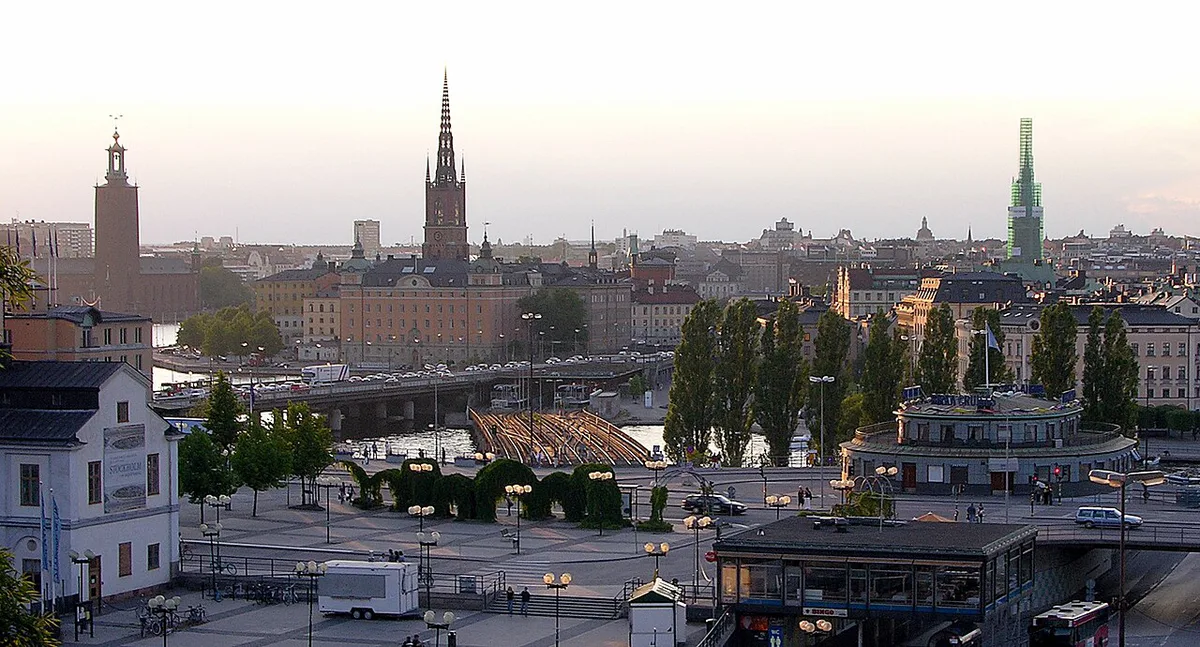
- This walking path along a Södermalm ridge gives a free view over Riddarfjärden and the city center.
- Early morning or sunset avoids the biggest crowds, and the path stays open year-round.
- It sits close to the quieter Södermalm routes covered in a separate neighborhood guide.
- Skinnarviksberget, Stockholm's Highest Natural Point
- Skinnarviksberget is Stockholm's highest natural point and costs nothing to visit.
- From Mariatorget station, the viewpoint is about a 15-minute walk, and the path can turn slippery in winter.
- Pair it with Monteliusvägen for one longer viewpoint walk along the same ridge.
- Högdalstoppen's Viewpoints, Southern Stockholm
- Between Högdalen, Hökarängen, and Fagersjö, this cluster of viewpoints stays largely unknown outside southern Stockholm.
- A former luge track once ran here before it was dismantled in the 1990s, and traces of it remain.
- The final approach to the highest peak is steep, so wear shoes with grip after rain or snow.
- Per Olof Hallman's Planned Neighborhoods
- Stockholm's first official urban planner designed Lärkstaden in Norrmalm, Atlasområdet in Vasastan, and Aspudden south of the center.
- Each neighborhood uses irregular building lines and archways that open onto quiet residential streets.
- None of these areas charges admission, and a self-guided walk through any one takes under an hour.
- Södermalm's Disused Railway Allotment Gardens
- A stretch of Södermalm's abandoned rail line now holds a strip of informal community garden plots.
- Locals tend the plots without a formal booking system, and the paths beside them stay open to walk.
- Visit on a weekend afternoon, when gardeners are more likely to be tending their beds.
- St. Mark's Church, Björkhagen
- This 1950s brutalist church sits in the residential district of Björkhagen, southeast of central Stockholm.
- The exterior and grounds are free to see at any time, though interior opening hours vary and are worth confirming ahead.
- Stockholm's Museum Apartments
- Several preserved apartments show how residents lived across different eras, including Barnrikeshusen at Roslagstull, a 1940s block for large families, and Stuckatörens våning, an 1880s plasterer's flat in Norrmalm.
- A 1960s Miljonprogram-era apartment in Tensta and Blockmakarens hus, a 1917 home on Södermalm, round out the set.
- Astrid Lindgren's preserved flat overlooking Vasaparken draws the longest waitlist, so book a guided tour well ahead of a trip.
- Haga Castle Ruins, Solna
- Construction on this unfinished royal residence began in the 1780s under King Gustav III.
- The project stopped after his assassination in 1792, and the site is now a protected ruin with no public entry.
- Viewing the foundation and cellar walls from the surrounding grove is free.
- Johanneshov's Sconce, Near Avicii Arena
- This unfinished 19th-century star fort was built between 1859 and 1860, just before this style of defense became outdated.
- Part of the original wall is visible inside an office building's reception, open to visitors during office hours.
- It sits a short walk from Avicii Arena, making it an easy add-on to a stadium-area visit.
- Fjäderholmarna and the Wider Archipelago
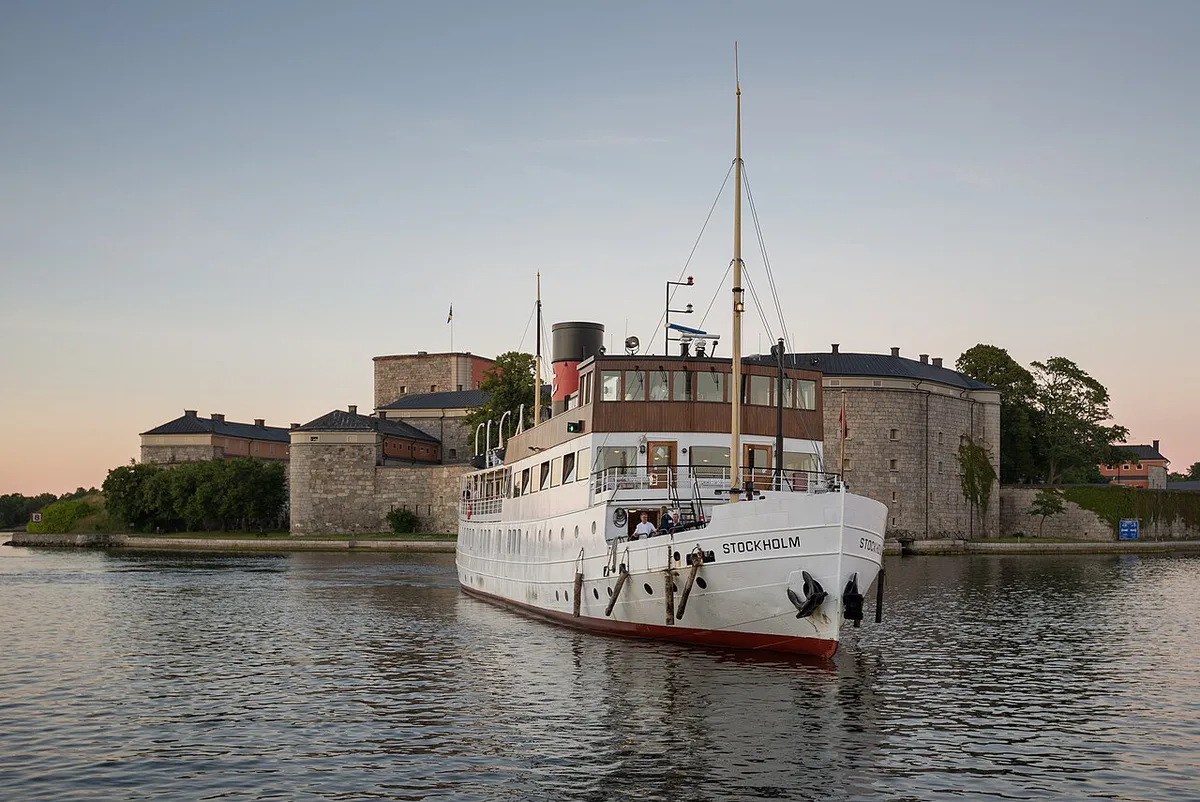
- Waxholmsbolaget ferries reach Fjäderholmarna in roughly 30 minutes from central Stockholm.
- The islands are the closest way to sample the archipelago without committing to a full-day boat trip.
- For islands farther out, a dedicated guide to the archipelago's quieter islands covers routes and seasonal ferry timing.
- Skogskyrkogården's Wooded Cemetery
- This wooded burial ground blends pine forest with modernist chapels across a quiet, walkable landscape.
- Entry is free, and paths stay open year-round; check the official site for current chapel hours before visiting.
- A full route through the grounds appears in a separate Skogskyrkogården walking route.
- Stockholm's Bakery Trail
- St:Paul Bageri has three locations, two close together in Södermalm and one on Drottninggatan, Stockholm's main shopping street.
- Stora Bageriet and Pom och Flora round out a weekday loop, with Pom och Flora running three locations across the city.
- Drop Coffee, an independent roastery founded in 2009, is a smaller stop worth a detour on a cold afternoon.
- Day Trips to Skanör-Falsterbo and Uppsala
- Uppsala sits about 40 minutes from Stockholm by train, making it an easy add to a longer stay.
- Skanör-Falsterbo, in southern Sweden, is a quieter day trip that pairs well with time in Malmö or Copenhagen.
- Check train schedules a day ahead during peak summer weekends, since regional trains fill up.
How to Pair Each Gem With Stockholm's Main Sights
Most of these detours sit close to a mainstream stop already on a typical itinerary. The table below pairs each pick with the nearby attraction most visitors already plan to see, so a hidden gem becomes an add-on rather than a separate trip.
| Hidden Gem | Nearby Mainstream Stop |
|---|---|
| Monteliusvägen and Mariaberget | Slussen and Gamla Stan |
| Skinnarviksberget | Slussen and Södermalm's main strip |
| Högdalstoppen | Southern suburbs; best as its own trip |
| Per Olof Hallman's neighborhoods | Vasastan and Norrmalm shopping streets |
| Södermalm's allotment gardens | Södermalm's restaurant and nightlife strip |
| St. Mark's Church, Björkhagen | Skansen and Djurgården, a separate metro ride |
| Museum apartments | Vasaparken and central hotels |
| Haga Castle ruins | Haga Park, Solna |
| Johanneshov's sconce | Avicii Arena and Globen Shopping Mall |
| Fjäderholmarna and the archipelago | Slussen ferry terminals |
| Skogskyrkogården | Southern metro line, a half-day trip from the center |
| Stockholm's bakery trail | Södermalm and Vasastan cafes near Gamla Stan |
| Skanör-Falsterbo and Uppsala | Stockholm Central Station departures |
Which Hidden Gems Fit Which Traveler
Not every stop suits every traveler. The groupings below match each theme to the kind of trip it fits best, since a repeat visitor and a first-timer usually want different things from the same list.
Three iconic sites span Stockholm's planning evolution: Haga Castle from the 1780s, Johanneshov's Sconce built 1859 and 1860, and St. Mark's Church from the 1950s.
- First-Time Visitors Wanting One Easy Detour
- Monteliusvägen and Skinnarviksberget both sit within a 15-minute walk of Slussen, so either fits between Gamla Stan and dinner.
- Both are free and need no advance planning.
- Repeat Visitors and Local-Culture Seekers
- The Södermalm allotment gardens and the bakery trail reward a slower second or third visit to the city.
- Neither shows up on a typical first-timer's checklist.
- Architecture and History Enthusiasts
- Per Olof Hallman's neighborhoods, Haga Castle ruins, and Johanneshov's sconce reward readers who like tracing a city's planning history.
- Museum apartments add a domestic layer to that same interest, though several require booking weeks ahead.
- Families With Kids
- The archipelago ferry to Fjäderholmarna gives kids a boat ride and open space without a full-day commitment.
- Skansen and the Vasa Museum, both mainstream stops, sit close enough to combine with it.
Costs, Tickets, and Seasonal Access Notes
Most of the stops on this list cost nothing at the door. Viewpoints, ruins, church exteriors, and the allotment gardens are free to walk through at any time. The two exceptions are the museum-apartment tours, which charge a guided-tour fee, and the archipelago ferries, which charge a fare set by the operator. Compare that against a paid multi-attraction sightseeing pass that bundles entry to museums such as Skansen and the Vasa Museum. A day built around these free picks needs little beyond a transit ticket. Elsewhere in the city, City Hall's tower is reportedly open only from May through August, so confirm current dates before planning around it. None of the ruins or viewpoints on this list carries that kind of seasonal limit, though the museum apartments require booking well ahead regardless of season.
Getting Around: Transit and Booking Logistics
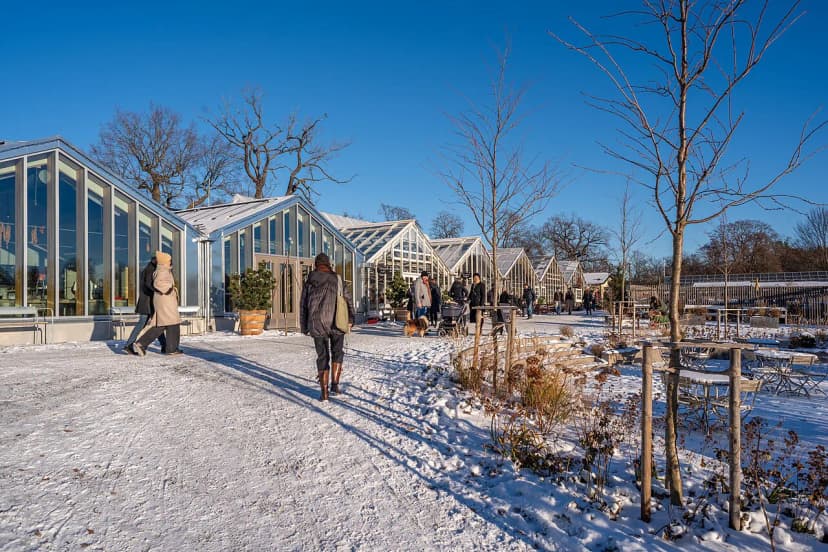
Stockholm's metro, ferry, tram, and bus network reaches nearly every stop on this list. Buy tickets through the SL app, available on iOS and Android, rather than at a kiosk, since pricing and coverage run through the same system citywide. From Arlanda Airport, Flygbuss and the commuter train both take about 45 minutes into the city center. The Arlanda Express is faster but costs more. By train, Copenhagen to Stockholm takes about 5.5 hours. Book that leg ahead if it's part of a wider Scandinavia trip. Travelers staying on Kungsholmen can add a quiet waterfront walking route without straying far from central hotels. Bergianska Trädgården, a botanical garden on Brunnsviken, is another quiet green space nearby. Check the official site for current hours and admission before visiting. A broader roundup of the city's quieter parks appears in a dedicated green-space guide. For current transit passes and seasonal ferry timetables, the official destination guide stays up to date. The same detour-first approach works in other European capitals covered elsewhere on this site. Berlin's courtyard passages reward the same slower pace. Vienna's workshop district does too. Prague's quiet lanes follow the same logic. So does Munich's overlooked parks.
The 40 minutes to Uppsala contrasts with Copenhagen's 5.5-hour journey, clarifying which options work within short stays versus longer Scandinavian itineraries.
Mistakes to Avoid When Chasing Hidden Gems in Stockholm
A few planning mistakes turn a promising detour into a wasted stop. The list below covers the most common ones, so a short trip does not lose time to a closed door or a missed ferry.
- Skipping the booking step for museum apartments
- Astrid Lindgren's flat and the other museum apartments run on guided tours only, and the waitlist for the Lindgren tour can run long.
- Book weeks ahead rather than expecting a walk-in slot.
- Assuming every ruin allows entry
- Haga Castle ruins are a protected site with no public access.
- Plan to view the foundation and cellar walls from the surrounding grove instead of walking the ruin itself.
- Ignoring seasonal access windows nearby
- Some mainstream sights near these picks, like City Hall's tower, are reportedly open only from May through August.
- Confirm current dates before building a schedule around them.
- Underestimating archipelago ferry timing
- Waxholmsbolaget schedules thin out outside summer, so check current departure times before heading to Fjäderholmarna or islands farther out.
- Arrive at the terminal a little early during peak season, since popular departures can fill up.
Stockholm Metro Art: A Museum Beneath the City
Stockholm’s metro doubles as a public art route, with no separate museum ticket beyond a valid SL journey. Start at T-Centralen, beneath Stockholm Central, where blue leaf and vine motifs cover the platform level. It is the easiest stop to add between central sightseeing plans.
Continue to Kungsträdgården for its theatrical green walls, red accents, and archaeological fragments. Rådhuset has an exposed, cave-like rock ceiling and sits near City Hall and Kungsholmen. Solna Centrum is the bolder detour, with a red ceiling above a green forest-themed platform.
- Time needed: 45–90 minutes for three or four stations
- Cost: an SL metro ticket; no additional admission
- Best approach: travel outside rush hour and keep clear of platform edges
Use the stations as short stops rather than a rigid tour. T-Centralen and Kungsträdgården suit a first visit, while Rådhuset and Solna Centrum reward travelers with more time.
Explore hidden gems in other cities
Frequently Asked Questions
What are the best hidden gems in Stockholm for a first-time visitor?
Monteliusvägen and Skinnarviksberget are the easiest starting points for a first Stockholm trip. Both sit within a short walk of Slussen and cost nothing to visit. Add the Södermalm allotment gardens or a stop on the bakery trail if there's time for one more detour.
How much time should you budget for exploring Stockholm's hidden gems?
Most of the viewpoints, ruins, and church stops on this list take 15 to 45 minutes each, so two or three fit into one afternoon. Museum apartments and day trips to Uppsala or Skanör-Falsterbo need a half day or more, since travel time and guided tours add up.
Are Stockholm's hidden gems free to visit?
Most of them are. Viewpoints, ruins, church exteriors, and the allotment gardens cost nothing beyond a transit ticket. The exceptions are the guided museum-apartment tours, which charge a tour fee, and the archipelago ferries, which charge a fare.
What should travelers avoid when planning a hidden-gems itinerary in Stockholm?
Avoid showing up to a museum apartment without booking, since several run guided tours only and Astrid Lindgren's flat has a long waitlist. Avoid assuming every ruin allows entry too, since Haga Castle ruins are protected and view-only. Check ferry schedules before an archipelago trip, since departures thin out outside summer.
Is it worth adding hidden gems to a short two- to three-day Stockholm trip?
Yes, if the additions stay close to the main sights. Monteliusvägen, Skinnarviksberget, and the Södermalm allotment gardens all sit near Gamla Stan and Slussen, so they fit a short trip without adding travel time. Save the day trips and museum apartments for a longer visit.
How do you get to the Stockholm archipelago's lesser-known islands?
Waxholmsbolaget ferries run from central Stockholm to Fjäderholmarna in about 30 minutes, and connections continue to islands farther out. Check current timetables before traveling, since schedules are lighter outside the summer season.
Explore More of Stockholm's Hidden Gems
Dig deeper into the neighbourhoods, green spaces, and island escapes that make up Stockholm's quieter side, then browse hidden-gem guides to other European cities.