Last updated August 2026, this guide gives a direct answer to the Skogskyrkogården Stockholm hidden gem question. The cemetery stays quiet because of where it sits, not because it's unknown. What follows covers the UNESCO-listed chapels and woodland paths, metro access, and the etiquette that comes with visiting an active cemetery rather than a museum.
Is Skogskyrkogården Still a Hidden Gem in Stockholm?
Skogskyrkogården earns its spot on a Stockholm hidden gems list without needing to be obscure. It holds UNESCO World Heritage status, yet sits south of central Stockholm, away from the Vasa Museum's ticket line and the Gamla Stan foot traffic. There's no admission queue and no timed entry here, so the crowds that fill other Stockholm sights simply never arrive at the same pace. Its purpose as a working cemetery, not a museum exhibit, is the other reason it stays calm even with UNESCO recognition. For more low-traffic stops built on the same idea, the Stockholm hidden gems guide rounds out a full day of quieter alternatives to the main tourist track.
- UNESCO status: World Heritage Site
- Designed: 1917-1920 by Gunnar Asplund and Sigurd Lewerentz
- Access: Skogskyrkogården metro station, same name as the site
- Notable graves: Greta Garbo and Avicii
What Skogskyrkogården Is and Why It's UNESCO-Listed
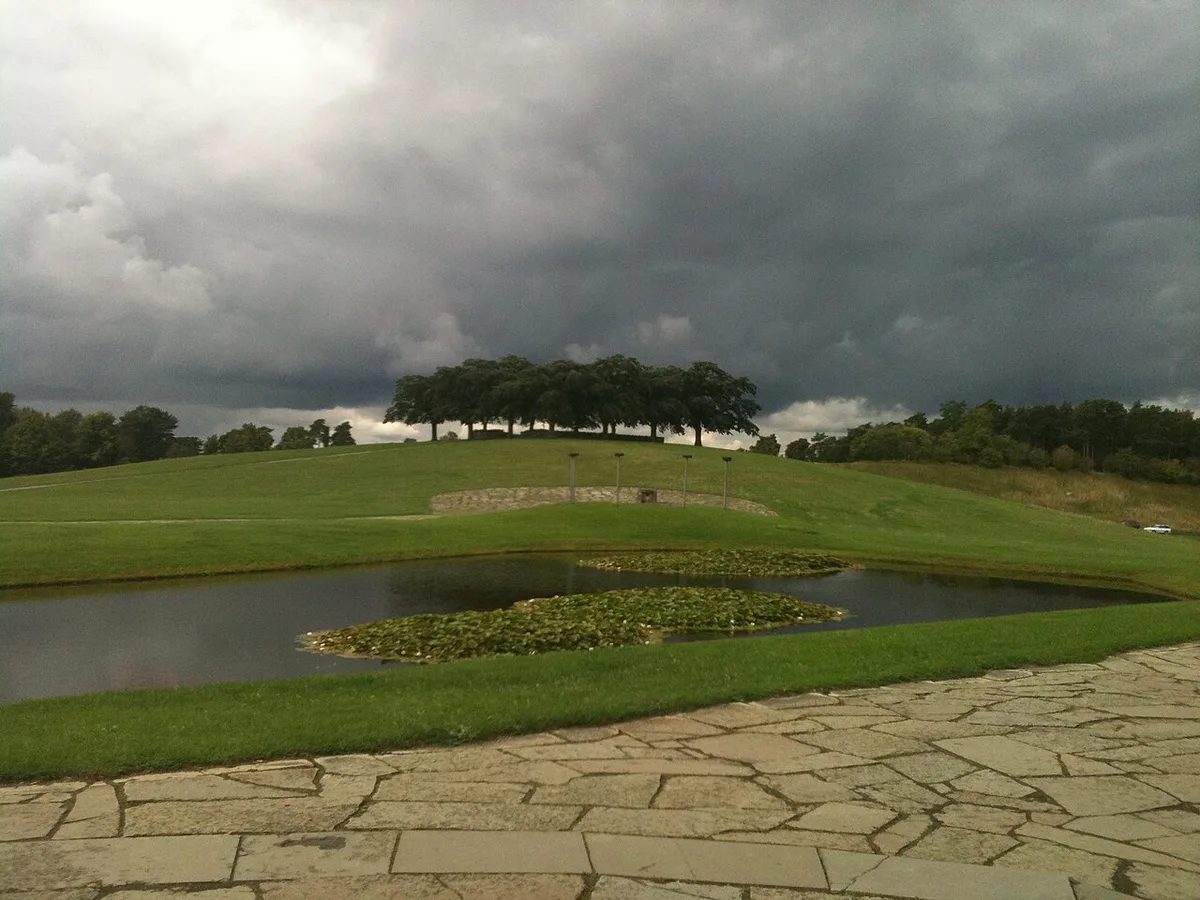
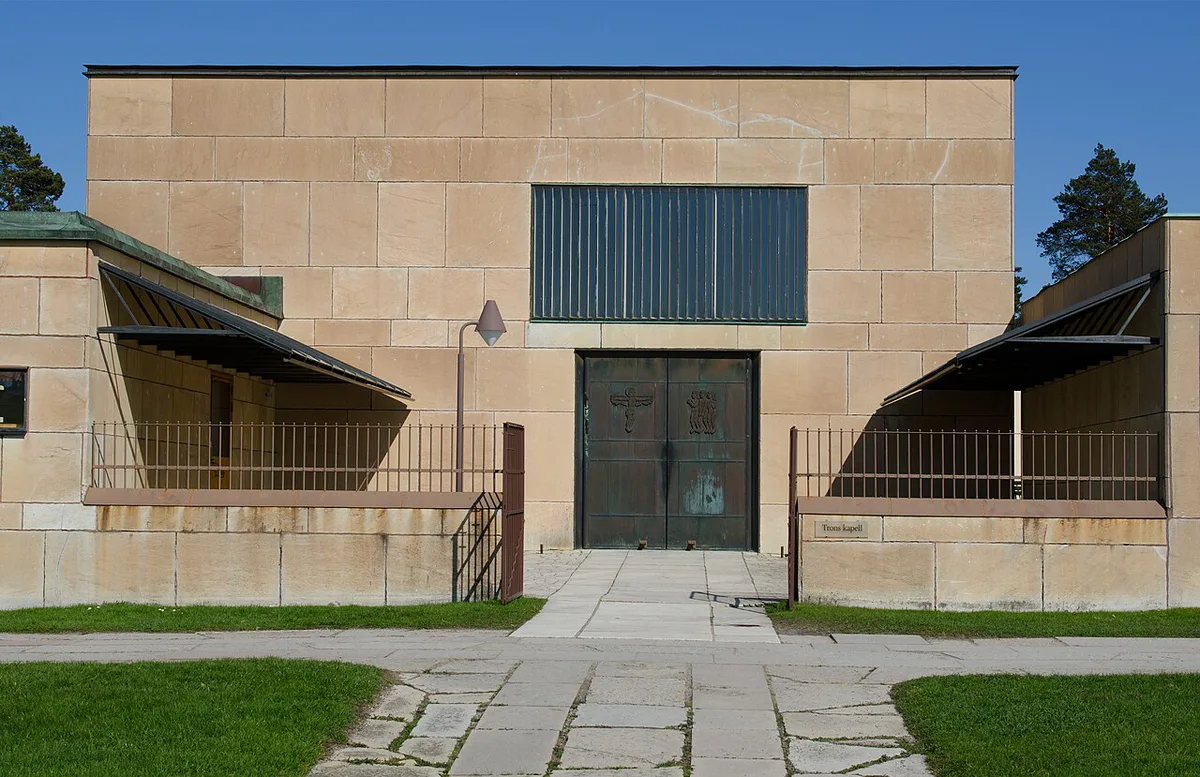
Architects Gunnar Asplund and Sigurd Lewerentz designed Skogskyrkogården between 1917 and 1920. The design combines planted pine forest, open lawns, and minimalist chapel buildings into one composition, reflecting the Swedish Grace movement's blend of classical restraint and natural materials. UNESCO recognized the site as a World Heritage woodland cemetery for how its architecture and landscape work together instead of sitting apart. That combination is why Skogskyrkogården reads less like a graveyard and more like a woodland park with monuments set among the trees. That pairing of landscape design and a functioning burial ground is part of what draws architecture-focused visitors alongside those visiting graves.
Getting to Skogskyrkogården by Metro
Skogskyrkogården sits directly on Stockholm's Tunnelbana network, at a metro station that shares the cemetery's name. Starting from most central stations, that direct connection means no transfers are needed. A standard SL ticket covers the ride. Its transfer window runs about 75 minutes, long enough to add one more nearby stop on the same fare. Confirm current 2026 SL routes and fares before travel, since Stockholm's transit system updates pricing periodically.
What to See: Chapels, Woodland Paths, and Notable Graves
The Woodland Chapel, known locally as Skogskapellet, is among the site's earliest buildings and set the pared-back style that carries through the rest of the grounds. Nearby, the Meditation Grove offers a smaller clearing built for a single pause rather than a through-route. Paths wind through pine forest that the architects left deliberately unmanicured, linking open lawns to the more formal chapel buildings near the main entrance. For a similar sense of managed woodland elsewhere in the city, the hidden parks and gardens guide covers comparable green spaces beyond the cemetery. Two graves draw most of the visitor interest: actress Greta Garbo and DJ Avicii are both buried on the grounds. Both graves sit among more modest markers rather than a dedicated memorial area, which keeps the wider grounds from feeling like a tourist circuit. Neither grave carries tourist signage, so visitors typically use a cemetery map to find them rather than following a marked route.
- Woodland Chapel (Skogskapellet) — one of the earliest structures on site
- Meditation Grove — a smaller, quieter clearing off the main path
- Greta Garbo's grave — unmarked for tourist traffic
- Avicii's grave — also unmarked for tourist traffic
Cost, Hours, and Etiquette at an Active Cemetery
None of the sources covering Skogskyrkogården describe a ticket booth, entry gate, or admission fee, unlike ticketed Stockholm attractions such as the Vasa Museum. Grounds appear to run on open cemetery access rather than a paid visitor model, but confirm current 2026 opening hours and any seasonal chapel closures on the official Visit Stockholm site before a visit. Because Skogskyrkogården remains an active cemetery with regular funerals, etiquette matters more here than at a typical museum stop. Visitor behavior standards here sit closer to a religious site than a public park, even though the landscape looks like one.
- Keep voices low, especially near chapel buildings and any graveside service in progress.
- Photograph landscapes and architecture rather than individual headstones or mourners.
- Stay on marked paths instead of cutting across planted lawns or grave rows.
- Skip picnicking; the grounds are a working cemetery, not a park lawn.
- Give any funeral procession a wide, silent berth.
How Much Time to Budget for a Skogskyrkogården Visit
A quick pass by the main chapels and the two well-known graves takes under an hour. Slower visitors who walk the woodland paths and sit in the Meditation Grove should budget closer to two hours. Either pace still allows time to see both named chapels along with at least one of the two notable graves. Anyone combining Skogskyrkogården with another Stockholm stop on the same SL fare should plan for the shorter option.
Mistakes to Avoid at Skogskyrkogården
A few planning slips turn a Skogskyrkogården visit into a rushed one. These are worth avoiding before setting out.
- Treating it as a quick photo stop between bigger sights, which misses the point of the landscape design.
- Booking a taxi instead of the metro, which skips the walk that ties the chapels and paths together.
- Assuming museum-style hours apply; confirm current opening hours before planning an evening visit.
- Skipping the Meditation Grove because it sits off the main chapel path.
- Arriving without a valid SL transit ticket, since no separate cemetery ticket applies based on available sourcing.
More Stockholm Hidden Gems to Pair With Your Visit
Skogskyrkogården's single SL ticket window makes it easy to fold into a wider loop of Stockholm's quieter stops rather than treating it as an isolated trip. Waterfront alternatives across the city fit the same slow-paced approach. Kungsholmen's waterfront walk covers a comparable quiet-shoreline stretch on the opposite side of the city. Travelers with an extra day can extend the same principle out to open water. Stockholm's archipelago guide applies the same locals-over-crowds approach to the islands beyond the center. For the full round-up of comparable stops, the Stockholm hidden gems guide lists more places built around the same idea.
Explore Hidden Gems in Other European Cities
The same locals-first approach to sightseeing applies well beyond Stockholm. Berlin gets similar treatment in the hidden gems in Berlin guide, which applies the same lens to that city's overlooked corners. Vienna's equivalent, the hidden gems in Vienna guide, covers Austria's capital with the same angle. Travelers continuing into Central Europe can also check the hidden gems in Prague guide. Munich rounds out the set with a comparable guide. Hidden gems in Munich applies the same quiet-over-crowded framing to Bavaria's capital.
A Simple Self-Guided Walk Through Skogskyrkogården
Use the cemetery map at the entrance to structure your visit rather than searching for famous graves first. From Skogskyrkogården metro station, follow the signs to the main entrance and begin with the Woodland Chapel. Its small scale and wooded setting introduce the site’s central idea: architecture placed within, rather than imposed on, the landscape.
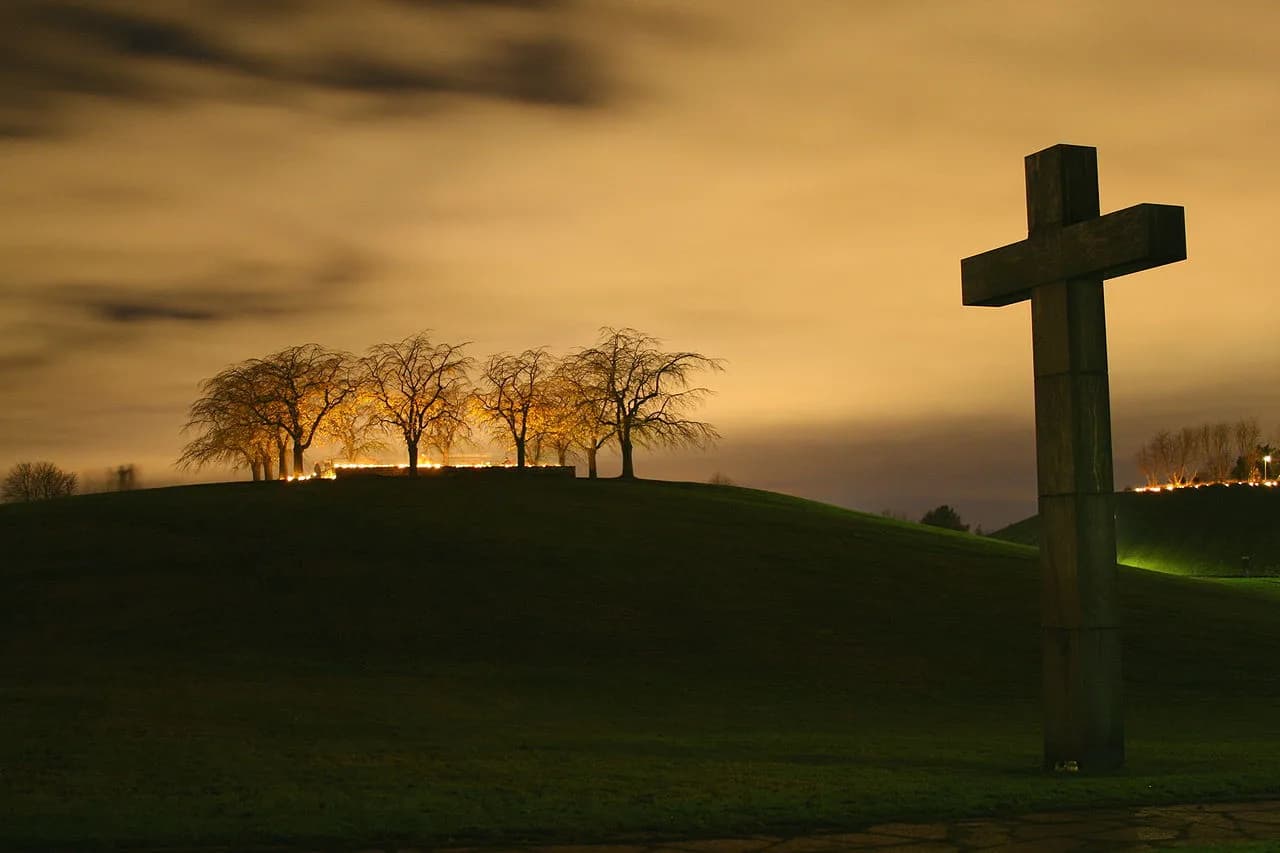
Continue along the broad processional paths toward the open lawns and the large granite cross on Meditation Hill. This is a place to pause, not a viewpoint to rush through. From there, make time for the Resurrection Chapel and the Holy Cross Chapel. They show how the cemetery’s architecture changed from the earlier woodland chapel to Asplund’s later, more monumental work.
Finish with the graves you wish to find, using the official cemetery map and keeping your route flexible around services. This walk works best at an unhurried pace. It connects the major spaces without turning an active burial ground into a checklist.
Frequently Asked Questions
Is Skogskyrkogården worth visiting if it's UNESCO-listed and well known?
Yes. Fame and obscurity aren't the same thing here. Skogskyrkogården sits south of central Stockholm, away from the Vasa Museum's ticket line, so despite UNESCO status and two well-known graves, it rarely feels crowded.
How do you get to Skogskyrkogården from central Stockholm?
Take the Tunnelbana to Skogskyrkogården metro station, which shares its name with the cemetery. A standard SL ticket covers the ride. Its transfer window is long enough to add a nearby stop on the way back.
Is Skogskyrkogården free to visit?
No source confirms a ticket booth, gate, or entry fee at Skogskyrkogården, unlike paid Stockholm attractions such as the Vasa Museum. Confirm current 2026 opening hours and any seasonal closures on the official Visit Stockholm site before a visit.
Who is buried at Skogskyrkogården?
Actress Greta Garbo and DJ Avicii are both buried at Skogskyrkogården, among many others. Neither grave carries tourist signage, so visitors typically use a cemetery map to find them.
How much time should you plan for a visit to Skogskyrkogården?
A quick pass by the main chapels and the two well-known graves takes under an hour. Slower visitors who walk the woodland paths and the Meditation Grove should budget closer to two hours.
What should visitors avoid doing at Skogskyrkogården, given it's an active cemetery?
Skip picnicking on the lawns, since this is a working cemetery rather than a park. Keep voices low near chapels and any funeral service in progress. Photograph the landscape and architecture rather than individual headstones or mourners, and stay on marked paths instead of cutting across grave rows.
What's the best time of day or year to visit Skogskyrkogården?
Neither ranking source names a best season for Skogskyrkogården specifically. Since the paths and lawns sit outdoors, weekday mornings tend to stay quieter than summer weekend afternoons, matching the crowd patterns described for other Stockholm outdoor sites.