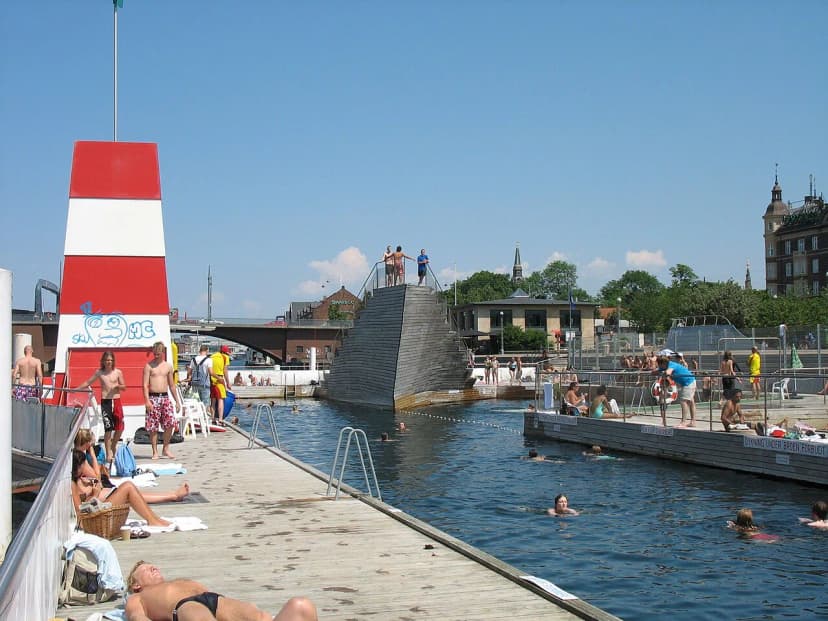
Last updated August 2026, this guide separates the real hidden gems in Copenhagen from tourist-trail spots relabeled as secrets every summer. Nyhavn and Tivoli Gardens still anchor most first visits, but locals spend free Saturdays further out in Nørrebro, Refshaleøen, and Østerbro. Each entry below carries a cost, time, and effort note, so you can judge which detour earns a place in your schedule.
Beyond Nyhavn: What Counts as an Off-the-Beaten-Path Find in Copenhagen
A genuine off-the-beaten-path find in Copenhagen fits one of three categories. It sits underground, sits in a residential suburb, or falls off the route tour buses take between Nyhavn and the Little Mermaid. Locals split weekends across five districts, each trading postcard views for something quieter. Getting between them rarely needs a paid pass. Pay-as-you-go tickets through the Rejsebillet app often cost less than the Copenhagen Card for a day built mostly around free stops. VisitCopenhagen's official guide breaks down what the card covers if paid museums join the itinerary later.
- Nørrebro
- Home to Assistens Kirkegård and the local stretch of the Lakes, both covered in the Nørrebro cemetery and lake guide.
- Vesterbro
- Anchors Tivoli Gardens and the Meatpacking District, though the side streets past Istedgade reward a slower walk without the ride queues.
- Østerbro
- Holds Brumleby's 19th-century row houses and a walled garden covered in the Copenhagen secret gardens guide.
- Christianshavn
- A canal-side district bordering Freetown Christiania, mapped in the Christianshavn canal district guide.
- Refshaleøen
- A former shipyard turned food and art zone, detailed in the Refshaleøen industrial gems guide.
12 Hidden Gems in Copenhagen Locals Actually Visit
Each stop below notes why it stays overlooked, plus a quick cost, time, and effort read so you can judge whether the detour fits your day.
- Grundtvig's Church, Bispebjerg
- Architect P.V. Jensen-Klint's design used roughly 5 million yellow bricks to build a Gothic-meets-Expressionist facade locals call Yellow Brick Gothic.
- Most tour groups head straight for the Little Mermaid instead, so the nave stays close to empty on weekday afternoons.
- Getting there takes about a 20-minute bus ride from the center, a worthwhile trip for anyone drawn to church architecture.
- Cisternerne, Søndermarken
- A 19th-century drinking-water reservoir now runs as an underground gallery, with site-specific art installed inside the original brick chambers.
- Expect 100% humidity and a sharp temperature drop the moment you step down, plus standing water on parts of the floor.
- Installation periods close the space between shows, so check Cisternerne's current exhibition schedule before planning a visit.
- The Royal Library Garden, Slotsholmen
- Walled in between Christiansborg Palace and the Black Diamond library extension, this garden stays quiet even when the harbor path outside fills up.
- Benches ring a small pond, making it a natural stop between Slotsholmen's museums.
- The location suits solo travelers or anyone wanting a slow reading break rather than another photo stop.
- Brumleby, Østerbro
- This 19th-century social housing project still functions as a lived-in village, with low yellow-and-white row houses set around shared courtyards.
- No ticket or tour is required, so keep visits to a quiet daytime walk that respects residents' front doors and gardens.
- Its scale suits a short detour rather than a full stop, best combined with Classens Have a few streets over.
- Refshaleøen's Quiet Side Beyond Reffen
- Past the crowds at Reffen's food stalls, the old shipyard grounds hold harbor-front bars, a climbing gym, and open dock space for a walk.
- Copenhagen Contemporary occupies a former industrial hall nearby, running large-scale rotating exhibitions worth the extra walk.
- La Banchina, a small harbor-front restaurant and sauna, draws locals for a cold-water dip and a sauna session rather than a sit-down meal.
- CopenHill, Amager Bakke
- This waste-to-energy plant carries an artificial-turf ski and snowboard slope across its sloped roof, plus a climbing wall up one side.
- Skiing costs equipment rental and a run fee, and the turf slope closes at times for maintenance, so check current operating status before booking.
- Riding the elevator or hiking the steps up for the view and a rooftop coffee costs nothing, a better fit for families who want the harbor view without the ski gear.
- Konditaget Lüders, Nordhavn
- A playground, running track, and outdoor gym sit on top of a parking garage, identifiable by its orange-red roof surface.
- Harbor views stretch from the rooftop level, and entry costs nothing at any hour.
- The rooftop setup suits families with kids who need to burn off energy between museum visits.
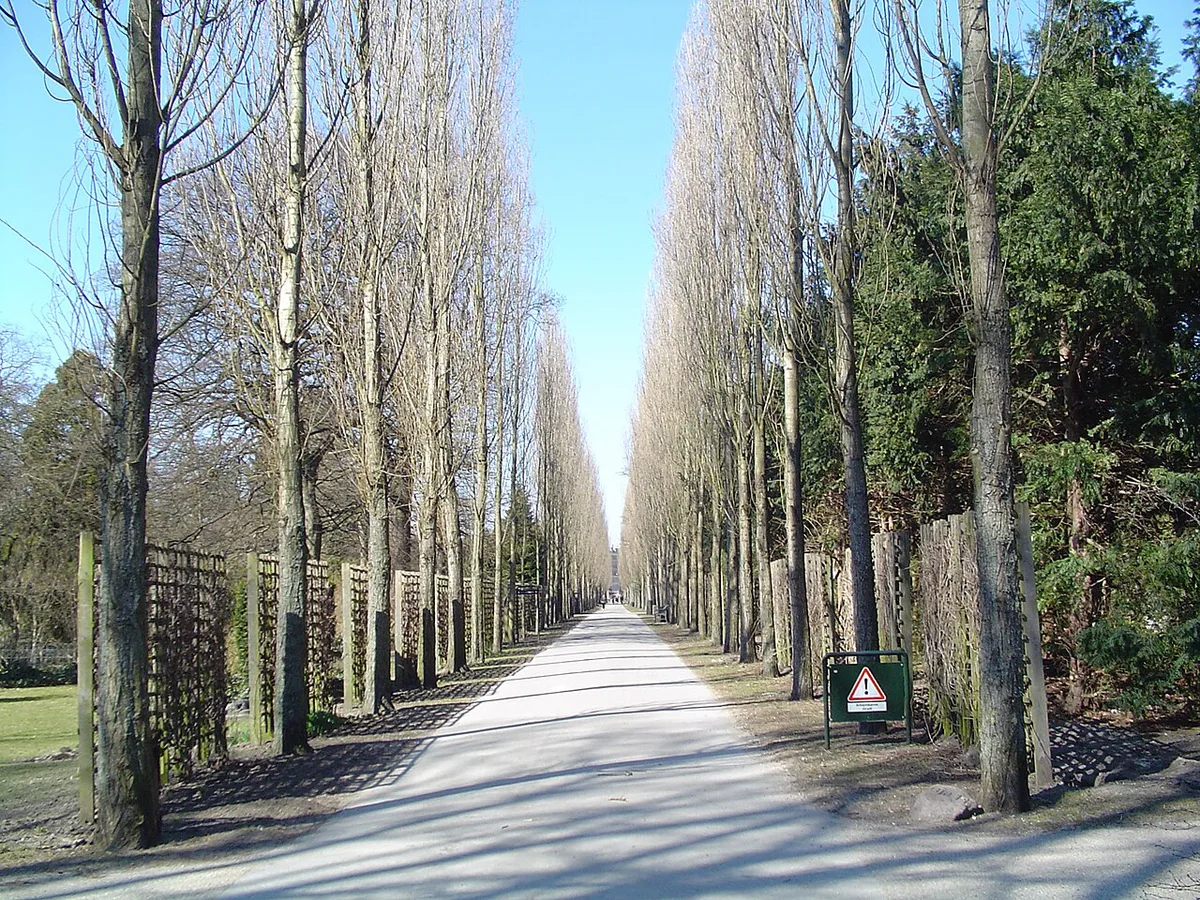
- Assistens Kirkegård, Nørrebro
- Hans Christian Andersen is buried here, but locals treat the cemetery as a park, with picnickers, joggers, and readers spread across the lawns in summer.
- Reach it by taking the Metro to Nørrebros Runddel, where the entrance sits almost directly outside the station.
- Literature fans often build extra time into the walk to find Hans Christian Andersen's grave marker among the rows.
- The Lakes, the Local Way
- Three connected lakes, Sankt Jørgens Sø, Peblinge Sø, and Sortedamssøen, ring the edge of central Copenhagen and Nørrebro.
- Locals walk the Nørrebro side with a coffee from a nearby cart rather than crossing to the busier city-center bank.
- Runners favor this side too, since the path stays wider and less crowded than the loop closer to Nørreport.
- Classens Have, Østerbro
- This small walled garden sits behind residential buildings, easy to walk past without noticing the entrance.
- Benches and shade trees make it a short stop rather than a destination.
- Pair it with a Brumleby walk nearby, since both sit within a few streets of each other in Østerbro.
- The Harbor Bus and the Kissing and Circle Bridges
- Havnebus runs as regular public transport along the inner harbor, covered by a standard transport ticket instead of a separate canal-tour fare.
- Cross the Kissing Bridge, known locally as Inderhavnsbroen, and the Circle Bridge further along; both swing or draw open for boat traffic instead of lifting straight up.
- Early evening tends to be quieter on both bridges, ahead of the crowd that gathers for sunset later.
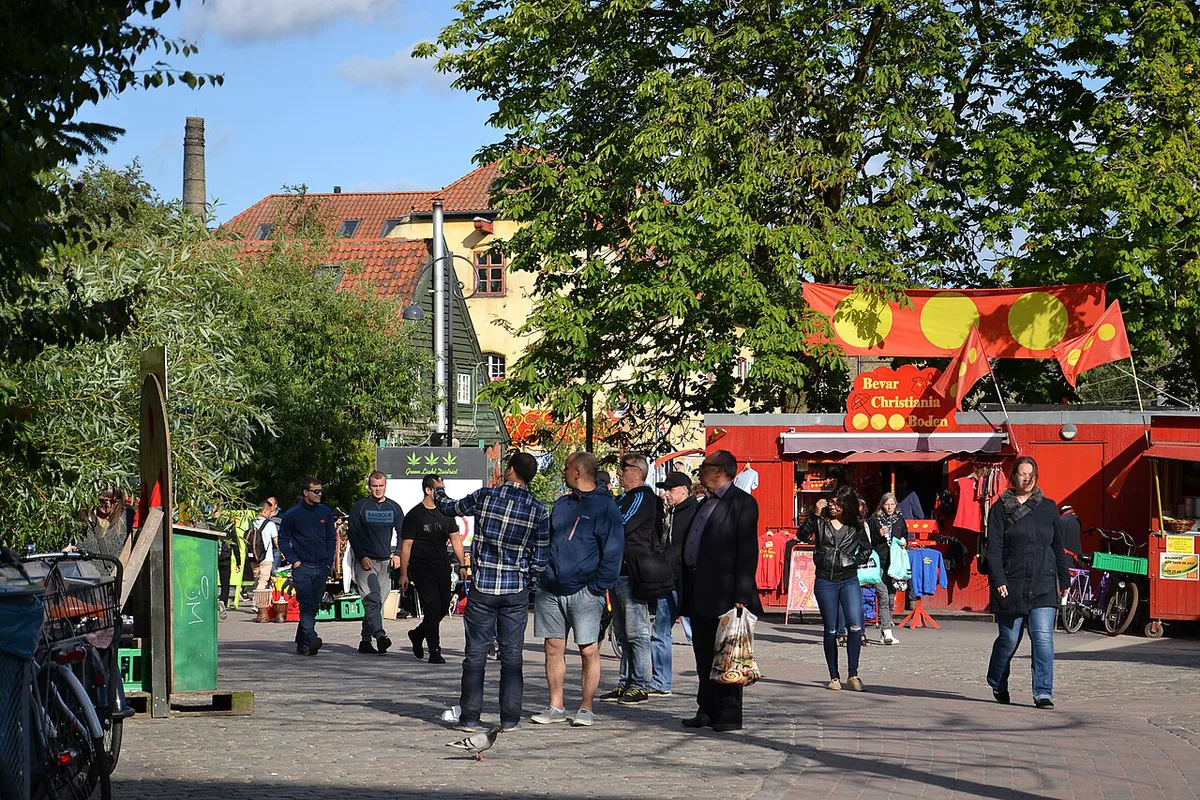
- Freetown Christiania, Beyond Pusher Street
- Walk past the market stretch and into the self-built house district around the lake, where car-free lanes and repurposed materials define the architecture.
- Founded in 1971, the community still centers on resident-led rather than commercial tourism.
- Pusher Street's format has shifted in recent years, so confirm current access rules before visiting.
Cost, Time, and Effort at a Glance
The table below compresses every stop's typical cost, travel time from the center, and physical effort into one scan, useful before mapping a route.
| Spot | Typical cost | Time from center | Effort |
|---|---|---|---|
| Grundtvig's Church | Free to enter | About 20 minutes by bus | Low |
| Cisternerne | Paid entry; check current pricing on the official site | Short bus or metro ride to Søndermarken | Low |
| Royal Library Garden | Free | Walking distance from Slotsholmen | Low |
| Brumleby | Free, no ticket | Short walk or bike ride in Østerbro | Low |
| Refshaleøen's quiet side | Free to walk; sauna sessions paid separately | Water taxi or bike from the center | Low to medium |
| CopenHill | Free to view; skiing adds equipment and run fees | Bike or bus to Amager | Medium, high if skiing |
| Konditaget Lüders | Free | Bike or train to Nordhavn | Low |
| Assistens Kirkegård | Free | Metro to Nørrebros Runddel | Low |
| The Lakes | Free | Walking distance from Nørreport | Low |
| Classens Have | Free | Short walk in Østerbro | Low |
| Havnebus and the harbor bridges | Standard public transport fare | Harbor-side, walkable from the center | Low |
| Christiania beyond Pusher Street | Free to walk; rules vary | Walk or bike to Christianshavn | Low to medium |
The Anti-Tourist Filter: Best Times to Beat Even the Local Crowds
Weekday mornings beat weekends at nearly every stop on this list. Reffen fills up after work and across weekend afternoons, so a weekday lunch break gets a table without a wait. Assistens Kirkegård and the Lakes stay quietest in early morning, when joggers outnumber visitors. Christiania's market stretch gets busiest on summer weekend afternoons, while a weekday visit keeps the house district close to empty. Cisternerne and the Royal Library Garden rarely draw a real queue at any hour, since both sit outside the main tourist circuit entirely.
Skip These Three Tourist Stops for a Local Alternative
Three swaps free up time for the stops above without cutting Copenhagen's biggest names entirely.
- Skip the Little Mermaid Queue, See Agnete and the Merman
- The bronze Little Mermaid statue draws the largest tour-bus crowds in the city, with long waits for a clear photo.
- A quieter alternative sits elsewhere in the harbor: the Agnete and the Merman sculpture, drawn from Danish folklore, with far fewer visitors around it.
- The swap keeps the folklore theme of the original stop while cutting the wait to nearly zero.
- Skip Hop-On-Hop-Off Bus Tours, Ride the Havnebus Instead
- Guided bus loops repeat the same route as everyone else's photos, packed onto a fixed schedule.
- Havnebus runs as scheduled public transport along the inner harbor for the cost of a normal transport ticket, stopping near several of the spots above.
- The swap trades a scripted narration for the same harbor scenery at local pace.
- Skip the Strøget Shopping Crush, Browse Istedgade Instead
- Strøget's pedestrian strip gets dense with shoppers most afternoons, especially in summer.
- Istedgade in Vesterbro carries a similar mix of design and independent stores with noticeably thinner foot traffic.
- The swap keeps the design-shopping goal intact while cutting the crowd considerably.
Planning an Off-the-Beaten-Path Copenhagen Itinerary
Donkey Republic and Lime both rent bikes by the app across Copenhagen, showing an unlock fee plus a per-minute rate before you start the ride. Copenhagen treats bikes as full vehicles, so ride only in the marked bike lanes, never on the sidewalk, and signal turns with a raised hand. A workable two-hour loop links Assistens Kirkegård, the Nørrebro side of the Lakes, and Classens Have, with a coffee-cart stop along the water. Walkers can cover similar ground on the Havneringen harbor-ring walk, roughly an 8-mile round trip (13 kilometers) that links several harbor-side stops for anyone who prefers walking to cycling. The Six Forgotten Giants wooden sculptures sit out in the suburbs and need their own half day by bike or car, not a rushed add-on to a city-center walk. Winter closes some spots outright: Vor Frelsers Kirke's spiral tower shuts for all of January and on any wet or windy day. Harbor saunas stay open through the cold months, and a newer sauna club in Sydhavn, which opened in early 2026, now runs alongside La Banchina and Sauna House in Nordhavn for anyone building a winter dip into the day. For a version of this itinerary built entirely around free stops, the free Copenhagen gems guide groups together every spot above that charges no entry fee.
The two-hour loop through Assistens Kirkegård and the Lakes stays quietest on early mornings, when these spots see mainly joggers in the park.
The Six Forgotten Giants: Plan a Suburban Sculpture Hunt
Thomas Dambo’s Six Forgotten Giants turn Copenhagen’s western suburbs into an outdoor sculpture trail. Each giant is built from reclaimed wood and placed in a different green space, far beyond the usual sightseeing loop.
Use the official map before leaving, because the installations are spread across several municipalities. A bike or car makes the most sense. Public transport works for selected giants, but it adds transfers and walking time.
- Little Tilde stands in Vallensbæk Mose, beside wetlands and walking paths.
- Oscar Under the Bridge is near the waterfront at Ishøj.
- Hill Top Trine is in Hvidovre, while Teddy Friendly and Thomas on the Mountain are farther west near Høje-Taastrup.
Choose two or three sculptures for a relaxed half-day outing. Seeing all six is closer to a full-day project, especially without a car. Wear shoes suitable for uneven paths, and bring water or a picnic. These are public outdoor works, so the experience is best in daylight and in dry weather.
Explore hidden gems in other cities
Frequently Asked Questions
How many hidden gems in Copenhagen can you see in one day?
Plan on three to four stops in one focused day, plus travel time between neighborhoods. Pairing a central cluster, like the Royal Library Garden with nearby Slotsholmen sights, works better than crossing the city twice. Suburban stops such as Grundtvig's Church or the Six Forgotten Giants deserve a separate half day, since travel alone eats into the visit.
Is Freetown Christiania still open to visitors in 2026?
Christiania's residential and market areas remain open to walk through during the day. Pusher Street's exact format has been shifting in recent years, so check Christiania's official site for current access rules before a visit. Photography stays restricted in parts of the market stretch regardless of the day's rules.
Is CopenHill's rooftop ski slope worth the cost?
Skiing on artificial turf costs equipment rental and a run fee, and it wears down regular ski gear fast. Riding the elevator or hiking the steps to the roof is free and gives the same harbor view. Confirm the slope's operating status before booking, since turf maintenance closes it at times.
What is the quietest way to see Copenhagen's harbor without a tour group?
Havnebus covers the inner harbor as regular public transport, at a standard ticket fare instead of a tour price. GoBoat rental works well for a small private group with a picnic aboard. GreenKayak offers free rental time in exchange for collecting floating litter during the paddle, a lower-cost option for two people willing to do the work.
Which off-the-beaten-path spots in Copenhagen close for winter?
Vor Frelsers Kirke's spiral tower closes for all of January and on wet or windy days year-round. Outdoor sauna spots along the harbor, including those on Refshaleøen, generally stay open through winter for cold-water dips. Garden spots such as Classens Have and the Royal Library Garden stay accessible year-round, just quieter and starker without summer greenery.
Do you need the Copenhagen Card to visit these spots?
Most of the stops on this list charge no entry fee at all, so the Copenhagen Card mainly pays off on museum-heavy days built around paid sights elsewhere in the city. A single transport ticket or a day pass through the Rejsebillet app usually costs less for a day built around cemeteries, gardens, and bridges.
Which neighborhood works best as a base for exploring these spots?
Nørrebro and Østerbro sit closest to Assistens Kirkegård, the Lakes, Brumleby, and Classens Have, so a hotel or apartment there cuts down on daily travel. Vesterbro puts Tivoli Gardens, Kødbyen, and Istedgade's shops within walking distance, with easy bike access to the rest of the city. Christianshavn works well for anyone prioritizing Christiania, the harbor bridges, and Refshaleøen, since a bike ride or the Havnebus covers all three quickly.
Explore Copenhagen's Hidden Gems
Work through Copenhagen's lesser-known side by neighbourhood, by green space, and by budget, from Nørrebro's cemetery-park to the reclaimed shipyard energy of Refshaleøen.