

Last updated October 2026: a Copenhagen architecture walk works best as a set of short loops, not one long marathon. This guide splits the city into a short harbor route and longer district routes, and it flags which buildings you can enter and which you can only view from outside. Copenhagen held the 2023 UNESCO World Capital of Architecture title, and most of that legacy is still free to see from the street.
How to Choose Your Copenhagen Architecture Walk Route
Copenhagen's best buildings are spread across several districts, so one continuous walk does not work. Plan 2-hour loops instead of an 8-hour marathon. Each loop below stands alone, and you can combine two on a longer day.
Here is how the routes compare. Pick by time, weather and how much you want to ride the Metro.
| Route | Best for | Transport | Indoor option |
|---|---|---|---|
| Inner Harbor Loop | First-time visitors, short on time | Walking | Black Diamond, BLOX |
| Ørestad | Residential design, big-scale ideas | Metro, then walking or cycling | Limited; mostly exteriors |
| Nordhavn | Adaptive reuse, public rooftops | Metro, then walking | Check current Silo access |
| Neighborhoods | Industrial reuse, landscape design | Walking or cycling | Cafés and cultural venues |
- Short route (about 2 hours): the Inner Harbor Loop. Black Diamond, BLOX and Circle Bridge, all on foot.
- Long route, part one (allow 3-4 hours): Ørestad by Metro, then a slow walk past the Mountain, VM Houses, 8 House and Tietgenkollegiet.
- Long route, part two (allow 3-4 hours): Nordhavn, with the Silo and Konditaget Lüders.
- Neighborhood add-on: Vesterbro, Nørrebro's Superkilen or Refshaleøen, each as a separate half-day.
The Inner Harbor Loop: Short Route Past Glass, Granite and a Bridge
Start here if you have 2 hours. This is the classic loop, and it mixes buildings you can enter with views you can only take from the quay.
With 2 hours, the Inner Harbor Loop fits, while Nordhavn's 2-3 hours need a separate block.
The Royal Danish Library, known as the Black Diamond, sets dark glass against granite. Look at how the facade reflects the water and changes with the light. You can walk in during opening hours, so check the library's current schedule before you go.
BLOX is the pixelated, sometimes controversial building that houses the Danish Architecture Center. Walk around the exterior first. Then decide whether to go inside. The Danish Architecture Center's exhibitions and events change, so confirm what is on and whether tickets are needed before you plan around them.
Circle Bridge (Cirkelbroen) is Olafur Eliasson's pedestrian bridge. Use it as a lesson in how a design can shape foot traffic. Cross it slowly and notice how it makes you change direction.
This route borders Christianshavn. If you have energy left, follow Christianshavn's quieter corners after the bridge.
- Public entry: Black Diamond and BLOX, subject to current hours.
- Exterior only: bridge deck and quayside viewing.
- Cost: street-level viewing is free. Check DAC's site for any exhibition entry fee.
DAC as an Optional Indoor Anchor
Treat the Danish Architecture Center as a flexible anchor, not a required stop. It works well at the start of the walk, when you want context on Danish design. It also works in the middle of the day, when rain or wind pushes you inside.
Before visiting, check the official DAC exhibitions page for the current program. Exhibitions rotate, so do not rely on a past visitor's description. If the schedule does not match your interests, skip the interior and keep the walk exterior-only.
If the weather turns for the whole day, switch to our Copenhagen in the Rain: An Indoor-First Day Plan and return to the harbor loop on a clearer morning.
Ørestad: Long Route for Experimental Housing
Ørestad sits outside the old center, which is why guides that only list buildings fail here. Take the Metro out, then walk between sites. Metro line naming is easy to mix up, so check the current network map on Visit Copenhagen before you leave. Our research notes list M1 for Ørestad, while the M3 and M4 lines are the other main architectural arteries.
Allow 3-4 hours for this district. The walk is flat and the paths are largely cobblestone-free, which helps if you use a wheelchair or stroller. Cycling also works well because distances between blocks are long.
Here is what to look for:
- The Mountain: BIG's housing block, built over a car park. It is private residential, so view it from outside only.
- VM Houses: another BIG project that tests how to pack in density and still give each flat light.
- 8 House: the "vertical village" idea. A ramped path winds up the building, and cyclists use it. Stay on public paths and respect residents' privacy.
- Tietgenkollegiet: circular student housing inspired by Tulou houses. Treat it as an exterior stop.
Nordhavn: Sustainable Urbanism on the Waterfront
Nordhavn shows how Copenhagen turns industrial land into housing and public space. Allow 2-3 hours and wear windproof layers, because the open waterfront exposes you to the weather.
The Silo is a good example of adaptive reuse of industrial infrastructure. Check its current status before you go. Our research notes call for confirming whether it has public viewing platforms or restaurants, and that is not something to assume.
Konditaget Lüders is a playground on top of a multi-story parking garage. It shows how the city stacks uses on one footprint. Go for the roof and the view, not for a long visit.
Check the Metro map for the current Nordhavn connection. Our notes point to M4, but verify line colors and stops on the official site before you travel. Nordhavn's rise fits alongside the wider lesser-known places across Copenhagen.
Adaptive Reuse and Neighborhood Soul
Some of the best architecture is not a single landmark. It is a neighborhood that found a new use for old buildings. These stops fit a half-day each.
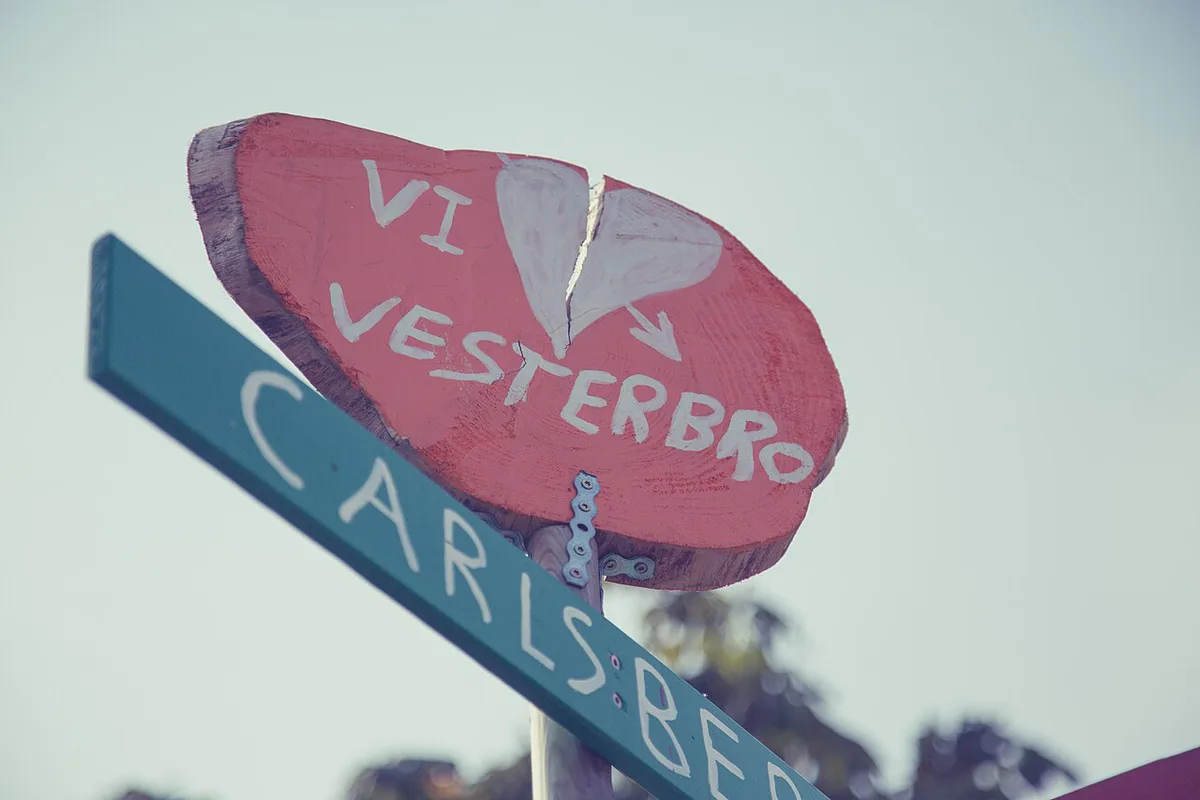
Vesterbro moved from meatpacking to cultural hub. Walk the streets for the repurposed industrial buildings, then use our Vesterbro walking guide to pick food and coffee stops.
Nørrebro is home to Superkilen Park, a landscape-architecture project that brings global diversity into one public space. Walk through it and read the objects as design choices. More nearby ideas are in Nørrebro's local favorites.
Refshaleøen shows industrial grit turned creative. Expect open ground and old sheds rather than polished facades. For stops nearby, see Refshaleøen's creative corners.
CopenHill is a strong example of public-space design, because its ski slope sits on a working building. Confirm current opening conditions before you plan around it.
Green Architecture: Parks, Gardens and the Built Edge
Copenhagen's architecture does not stop at the building line. Parks, harbor baths and gardens belong on the same route because they show how the city uses space. Use a green stop to break up a long walk and rest your legs.
For quiet courtyards and planted spaces, see Copenhagen's secret gardens. For no-cost stops that pair well with exterior viewing, try these free places to wander.
Practical Planning: Timing, Light and Access
Late spring to early autumn gives you the most daylight. Winter walking is still possible, but loops will feel shorter once the light fades. Plan one 2-hour loop per half-day and leave time for breaks.
A 2-hour loop per half-day fits the harbor route, but Ørestad's 3-4 hours means that district needs its own half-day.
For photography, aim for sunrise or sunset on glass and water-facing facades. The Black Diamond and the harbor edge are natural candidates. Check sunset time for your travel date.
Walk the compact harbor loop and bike the long distances in Ørestad and Nordhavn. Newer districts have smooth paths, which helps with accessibility. Older streets may still have cobblestones.
For transport and current opening details, use Visit Copenhagen's official guide. If an app helps, look for a Copenhagen architecture guide app, but check that it is current before you rely on it.
Harbor Baths: Public Space You Can Swim In
Copenhagen’s harbor baths turn waterfront infrastructure into everyday public space. Add one as an architectural stop if your walk falls on a warm day. Islands Brygge Havnebad, south of the Black Diamond, is the easiest choice from the Inner Harbor Loop. Its timber decks, diving platforms and pools make the harbor edge feel like a civic beach.
For a more contemporary waterfront setting, visit Sandkaj Harbour Bath in Nordhavn. It sits among the new quayside housing and shows how the district brings swimming directly into a dense redevelopment area. Both stops are more useful as places to pause than as museums.
- Check posted water-quality notices and seasonal opening information before swimming.
- Bring swimwear and a towel; changing facilities vary by site.
- Visit early morning or near sunset for quieter decks and softer light on the water.
Do not treat a harbor bath as a guaranteed activity in cold or poor weather. Even from the quay, it is a strong example of Copenhagen designing recreation into public infrastructure.
Frequently Asked Questions
Is a Copenhagen architecture walk free?
Yes, exterior viewing is free from the street. Entry to interiors such as exhibitions may cost money. Check each venue's current site before you go.
Can you go inside the 8 House?
Only public paths are open to visitors. 8 House is a residential building. Respect residents' privacy and keep to the public routes.
How long does a full architecture tour take?
Plan 3-4 hours per district for the long routes. The Inner Harbor Loop fits into about 2 hours. Split the city across several days instead of trying one marathon.
Which Metro lines do you need for the long route?
Our notes point to M1 for Ørestad and M4 for Nordhavn. They also name M3 and M4 as key architectural arteries. Confirm line colors and stops on the official Visit Copenhagen site before you travel.
What if it rains during the walk?
Switch to indoor anchors such as the Black Diamond or the Danish Architecture Center. You can also follow a rainy-day plan and return for the outdoor loops on a drier morning.


