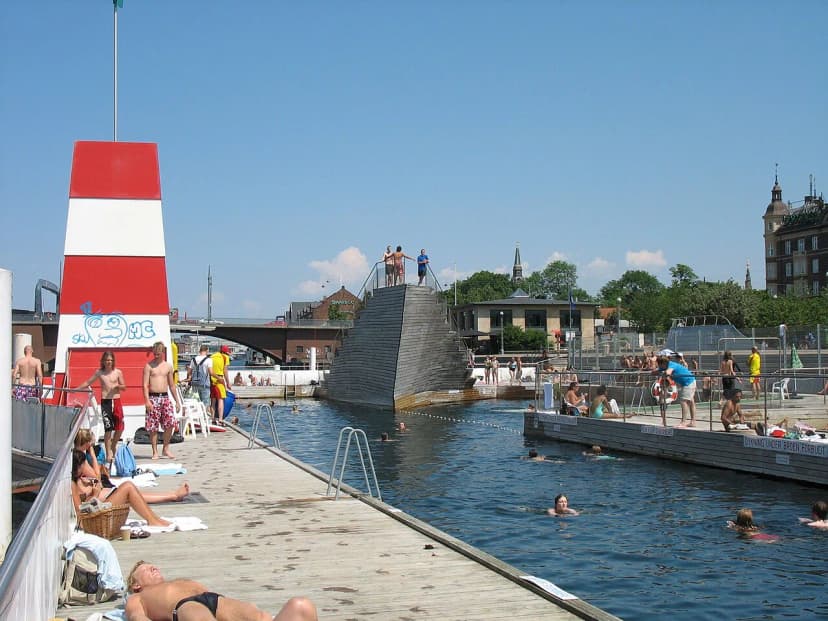

Last updated August 2026: Refshaleøen Copenhagen hidden gems sit past Reffen's food stalls, in the island's quieter industrial corners. This former Burmeister & Wain shipyard mixes a harborside sauna with a repurposed welding hall turned art space. A 1.5 km stretch of old railroad nearby still runs trolley-bike rides, and this guide covers access, timing, and the Christianshavn walk back.
Refshaleøen: From B&W Shipyard to Indie Hub
Refshaleøen sits on a peninsula that once housed the Burmeister & Wain shipyard, closed since 1996. Cranes and warehouses that used to build ships now hold street food stalls, a sauna, and an art hall. By the mid 1990s, shipbuilding here had wound down, and the site sat mostly empty for over a decade. Since then, entrepreneurs and artists have repurposed the old cranes, warehouses, and dry docks one building at a time. Travelers who already covered Nyhavn and Tivoli come here for a rawer feel. Expect cracked concrete, exposed steel, and harbor views toward the city center. This island still reads as a work in progress, not a finished attraction. That rawness is part of why it counts among Copenhagen's hidden gems, even as Reffen draws bigger crowds each summer. Urban planners and architecture-focused travelers watch the island closely, since its piecemeal reuse offers a different model than a single master-planned waterfront district. The mix of art, architecture, and alternative urban development draws travelers who want to see how a city repurposes industrial land. Foodies find a wide range here too, from Michelin-caliber tasting menus to a neighborhood bakery. Reffen, Copenhagen Contemporary, and CopenHill all sit on the same reclaimed shipyard peninsula, within easy walking distance of one another. Visiting in 2026 means checking current hours for smaller venues like Lille Bakery and La Banchina, since seasonal hotspots on the island can shift year to year. For broader context on the city's quieter corners, the 12 Hidden Gems in Copenhagen Locals Actually Visit in 2026 guide covers more neighborhoods.
Know Before You Go: Access, Wind, and Timing
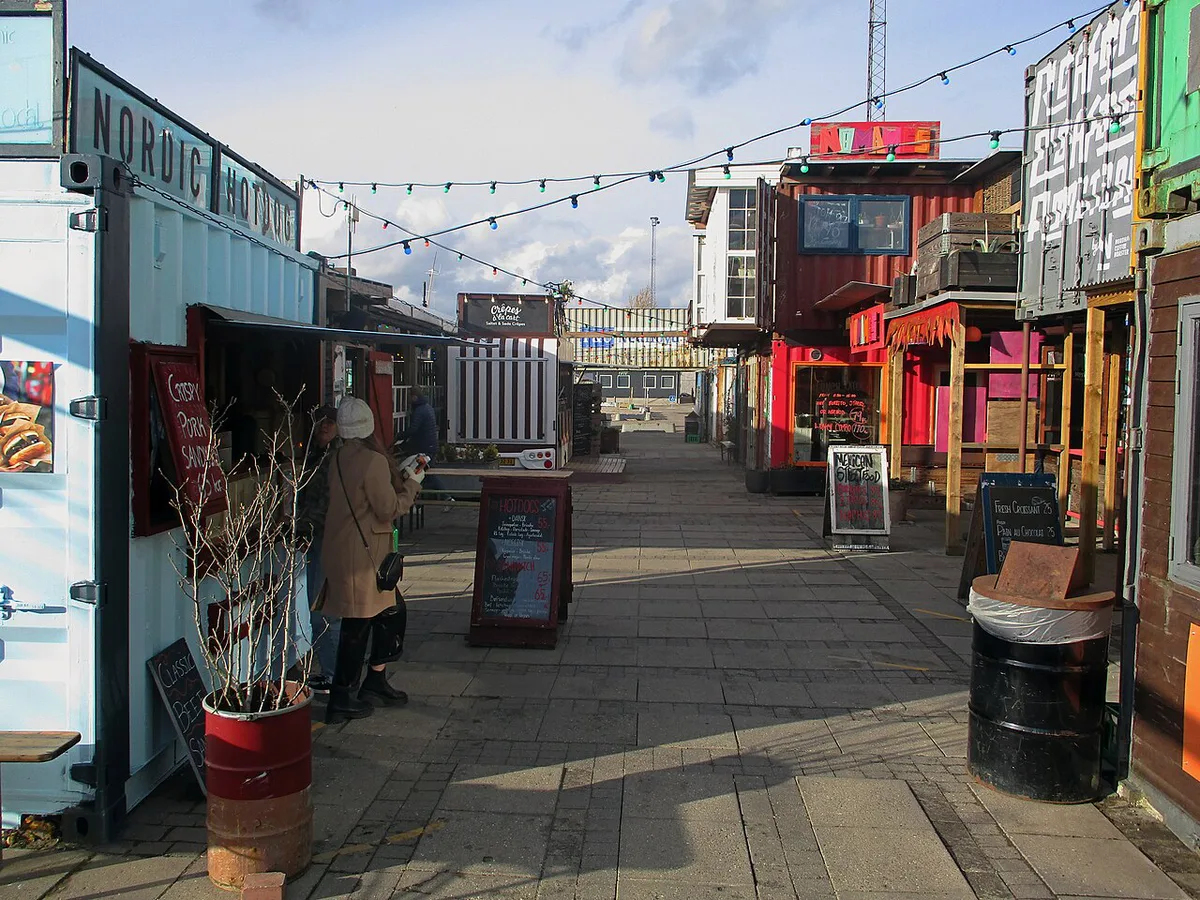
Refshaleøen sits across the harbor from central Copenhagen, and its industrial layout can disorient first-time visitors. Comfortable shoes and a windproof layer matter here, since the waterfront leaves little shelter from gusts. Sneakers or boots work better than sandals, since the ground shifts between paved paths, gravel, and old shipyard concrete. Expect an exposed, windy waterfront year-round, since the island has few buildings tall enough to block gusts off the harbor. Three options cover the crossing, each with its own trade-off between scenery, speed, and cost.
Though cycling reaches the island in 15 to 20 minutes, visitors should budget a full day to explore the spread-out layout properly.
- Harbor Bus 991/992
- This scenic route runs on the water from the city center to Refshaleøen's dock.
- Tickets work with standard DOT fares or the Copenhagen Card, per VisitCopenhagen's area guide.
- Bus 2A
- Bus 2A's land route is faster in poor weather and skips the harbor crossing.
- It follows a standard city bus route, useful if the harbor bus schedule doesn't line up.
- Bike
- Cycling from central Copenhagen takes about 15 to 20 minutes.
- It's the local standard way to reach the island.
- Bike racks are available near Reffen and Copenhagen Contemporary.
- Vibe Check and Timing
- Refshaleøen reads as industrial and spread out rather than polished, so pace a visit around a few specific stops.
- Wind off the harbor is near-constant, so a windproof layer beats a light jacket most of the year.
- Reffen operates seasonally, roughly March through early fall, while La Banchina and CopenHill stay open year-round.
5 Hidden Gems in Refshaleøen, Copenhagen
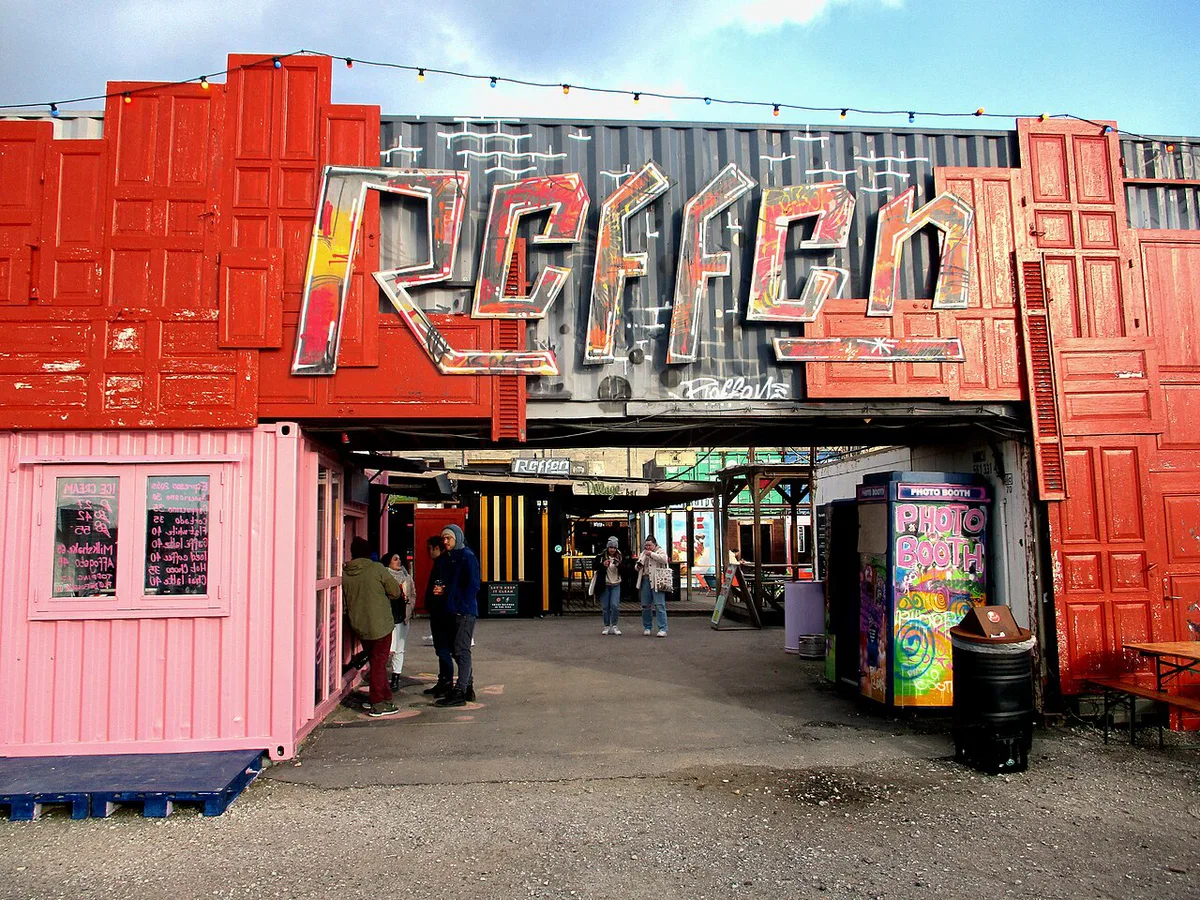
These five spots move past the street food stalls into quieter, more specific experiences. Each sits within walking distance of the others, so one visit can cover the whole list.
- La Banchina: Sauna and Winter Bath
- La Banchina's waterside sauna seats up to 8 people and runs roughly 10 AM to 4 PM on demand, per VisitDenmark's hidden gems guide.
- That guide lists the price at 40 DKK per person; confirm current pricing and booking rules before visiting.
- Summer means sitting dockside with wine and food, while winter adds the sauna-to-harbor plunge that gives the spot its name.
- Amagerbanen: Trolley-Bike Rails
- A 1.5 km stretch of the old Amagerbanen railroad survives, kept running by volunteers who maintain trolley bikes, called dræsine locally.
- Its track cuts through a shaded canopy known as the tunnel of leaves.
- This stretch also appears in the free hidden gems in Copenhagen guide, alongside other no-cost harbor viewpoints.
- Lille Bakery
- Lille Bakery gives visitors a quieter alternative to Reffen's stalls, with sourdough and pastries instead of street-food lines.
- It works well as a first stop before the island fills up, or as a lower-cost bite compared with sit-down restaurants nearby.
- It suits a lower-budget morning stop before tackling the pricier stalls and sit-down spots later in the day.
- Copenhagen Contemporary
- This art center occupies a former welding hall on the shipyard site, with scale suited to installation art too large for a standard gallery, per Copenhagen Contemporary's official site.
- Exhibitions rotate through the space, so check the current program before visiting.
- The building's raw, unheated character during colder months is part of the experience, so dress for indoor temperatures close to outdoor ones.
- CopenHill (Amager Bakke)
- CopenHill's waste-to-energy plant doubles as a ski and hike slope built onto its roof.
- Visitors who skip the skiing can still walk the hiking trail up the slope for harbor views.
- CopenHill sits an easy walk from Copenhagen Contemporary, making it simple to pair both stops in one visit.
Reffen vs Alchemist: Budgeting the Food Spectrum
Refshaleøen's food scene spans two extremes, and knowing the gap helps with budgeting. Reffen itself runs seasonally, typically open from March through early fall. Confirm current dates before planning a winter trip, since La Banchina and CopenHill stay open year-round. Reffen's stalls typically run 100 to 200 DKK per dish, covering everything from smørrebrød to noodles. Alchemist sits at the opposite end as a high-concept tasting-menu splurge. Noma and the Alchemist represent the island's Michelin-caliber end, while Lille Bakery and the Reffen stalls anchor the other. Splurge dinners at high-concept restaurants like Alchemist typically need advance booking, unlike the walk-up stalls at Reffen. Nearby, Broaden & Build offers a mid-range option from the team behind the now-closed Amass, though its current status is worth confirming. Choosing where to eat here is really a budget decision as much as a taste one. Mixing a Reffen lunch with a Lille Bakery pastry keeps a full day on the island affordable without an advance reservation. Travelers on a tighter budget can stick entirely to Reffen and Lille Bakery, skipping the tasting-menu tier altogether. April through June brings manageable crowds and good light, which also shortens wait times at busy stalls.
La Banchina's sauna costs 40 DKK per person, making it cheaper than Reffen's stalls at 100 to 200 DKK per dish.
Beyond the Island: Christianshavn and the Royal Library Garden
A walk or short bike ride connects Refshaleøen to Christianshavn's canals, pairing naturally with one afternoon. Christianshavn's cobbled streets, houseboats, and floating cafes make for a slower second half of the day. Its quieter corners get more coverage in the Christianshavn hidden gems guide. Climb the Church of Our Saviour's spiral tower for a 90-meter view across both districts. Back in the city center, the Royal Library Garden offers a quiet space to decompress, tucked behind Christiansborg Palace. Reach it through the gates on Parliament Square. Similar spots appear in the secret gardens in Copenhagen guide. Further out, Assistens Cemetery in Nørrebro holds Hans Christian Andersen's grave among quiet, tree-lined paths, per the Nørrebro hidden gems guide. Many visitors treat Refshaleøen and Christianshavn as one combined outing, splitting a single day between industrial exploration and canal-side wandering. Bike lanes connect the two neighborhoods directly, so cycling remains the fastest way to link an island visit with a canal walk. Dinner in Christianshavn is a common way to close out an afternoon spent on the island.
Refshaleøen vs Vesterbro's Meatpacking District
Both neighborhoods brand themselves as Copenhagen's alternative to the historic center, but they suit different travelers. Refshaleøen leans industrial and waterfront, spread across a former shipyard with room to breathe between stops. Vesterbro's Meatpacking District packs former meat-processing warehouses into a compact grid built for nightlife. Choosing between them comes down to pace: open harbor walking versus a dense, walkable strip. Refshaleøen works better for a slower day built around specific stops, since distances between sights are longer here. The district suits an evening built around a few bars and one dinner reservation. Second-timers who already covered the classic sights often gravitate toward Refshaleøen for its industrial architecture and art spaces. Those chasing nightlife and a denser bar scene tend to prefer the Meatpacking District instead.
| Factor | Refshaleøen | Meatpacking District (Vesterbro) |
|---|---|---|
| Setting | Former B&W shipyard, waterfront and spread out | Former meat warehouses, compact grid |
| Best for | Art, architecture, slower food exploration | Nightlife, bar-hopping, dinner before a night out |
| Getting there | Harbor bus 991/992, bus 2A, or a 15-20 min bike ride | Short walk or bike from central Vesterbro |
| Signature stop | Copenhagen Contemporary, CopenHill | Restaurants and bars in the old meat warehouses |
| Food range | 100-200 DKK street food up to Michelin-tier splurges | Casual bites to sit-down restaurant meals |
| Pace | Slower, spread across longer distances | Faster, concentrated in a few blocks |
Frequently Asked Questions
What's the best way to get to Refshaleøen from central Copenhagen?
Harbor bus lines 991 and 992 offer the most scenic route, arriving by water. Bus 2A covers the land route and works well in bad weather. Biking takes about 15 to 20 minutes and is the local standard.
Is Reffen open year-round?
No, Reffen typically runs seasonally from March through early fall, then closes for winter. La Banchina and CopenHill stay open year-round, so the island isn't shut down entirely. Confirm current opening dates before planning a cold-weather visit.
How much does the La Banchina sauna cost, and does it need a booking?
VisitDenmark's guide lists the sauna at 40 DKK per person, with room for up to 8 people at a time. Hours run roughly 10 AM to 4 PM and depend on demand. Confirm current pricing and whether booking is required directly with La Banchina before visiting.
Can you see the Thomas Dambo giant sculptures on Refshaleøen?
No, the six wooden giants sit in forests outside Copenhagen, not on the island itself. They work better as a separate day trip than an add-on to a Refshaleøen visit. Plan a dedicated outing if seeing them is a priority.
When is the best time of year to visit Refshaleøen?
April through June brings the best combination of light and manageable crowds. Reffen is open during this window, so the full food market is available. Summer works too, but stalls and the harbor bus get busier.
Is Refshaleøen easy to navigate for first-time visitors?
The industrial layout and long distances between stops can feel disorienting at first. Keep a map handy, since signage is sparse in places. Sticking to a handful of specific stops keeps a first visit focused rather than overwhelming.
How much time should a Refshaleøen visit take?
Budget at least half a day to reach the island and cover two or three stops. A full day works better for pairing the island with Christianshavn afterward. Add extra time in summer, when Reffen's stalls and the harbor bus both get busier.
Do you need a car to visit Refshaleøen?
No, a car isn't necessary and parking on the island is limited. The harbor bus, bus 2A, and biking all reach the island without one. Most visitors arrive by bike or public transport rather than driving.