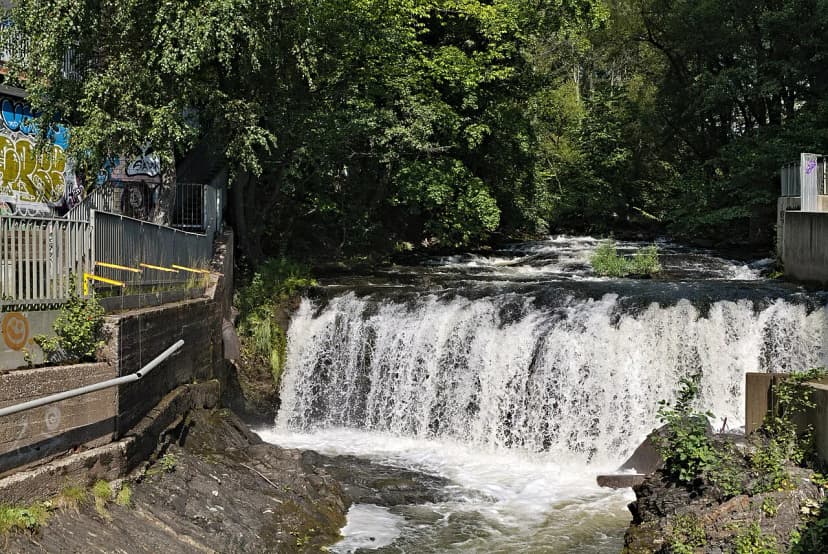
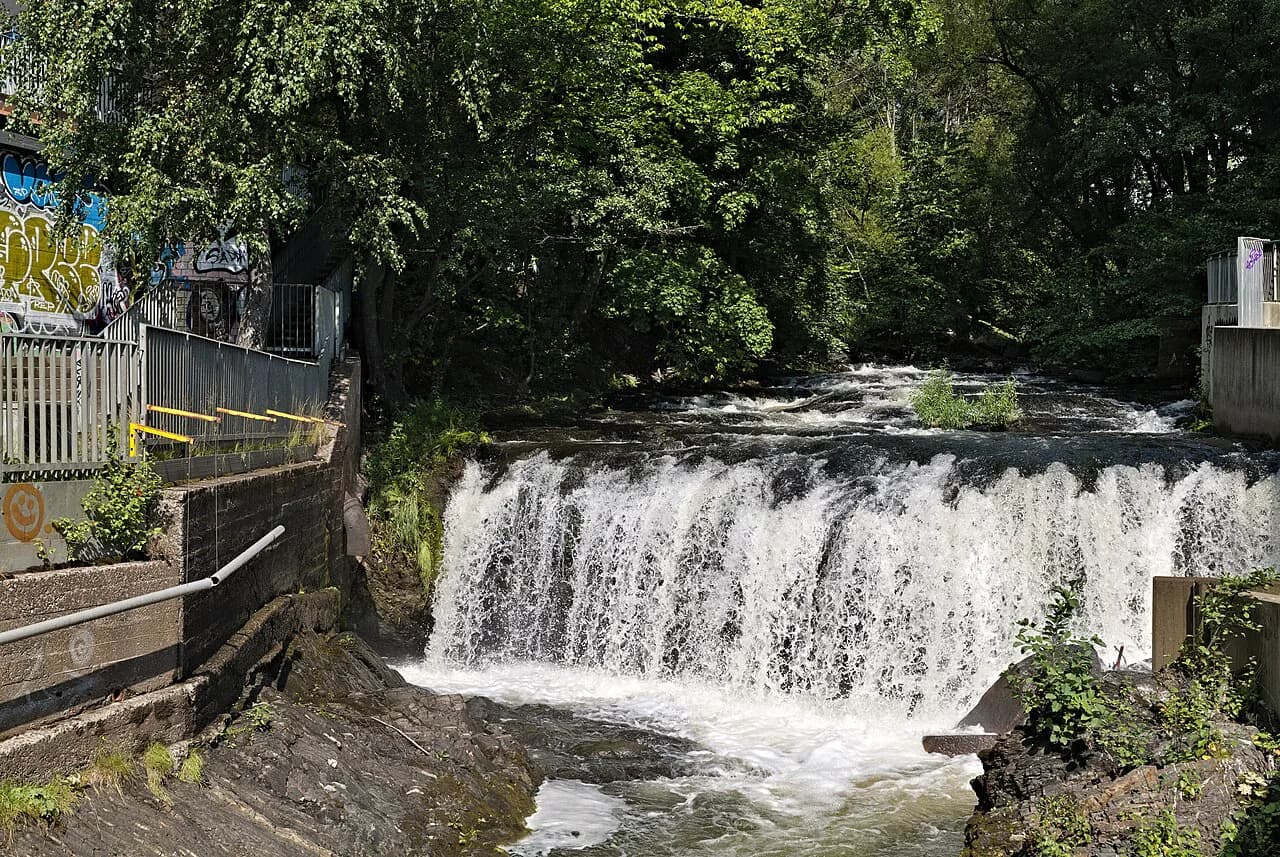
Last updated October 2026: these hidden gems in Oslo are built for repeat visitors who have already walked Karl Johan and the Opera House roof. Each pick sits on a river path, in a forest, on an east-side street, or in a quiet room most day-trippers skip. Use the list to match a corner of Oslo to your energy, your weather, and the day of the week.
Fast Answer: Three Gems for a 48-Hour Trip
Short on time? Pick three. Oslo's best corners sit in the Marka forest and the eastern neighborhoods, not around the central station. Plan around river paths, forest trams, and neighborhood streets rather than the harbor. These three give the widest contrast in two days.
- Walk the upper Akerselva for waterfalls and converted mills (about 2 hours for the full 8 km path).
- Ride Metro Line 1 to Vettakollen for a hike of about 30 minutes to a fjord view.
- Add the Emanuel Vigeland Mausoleum if your trip includes a Sunday, because opening hours are very limited.
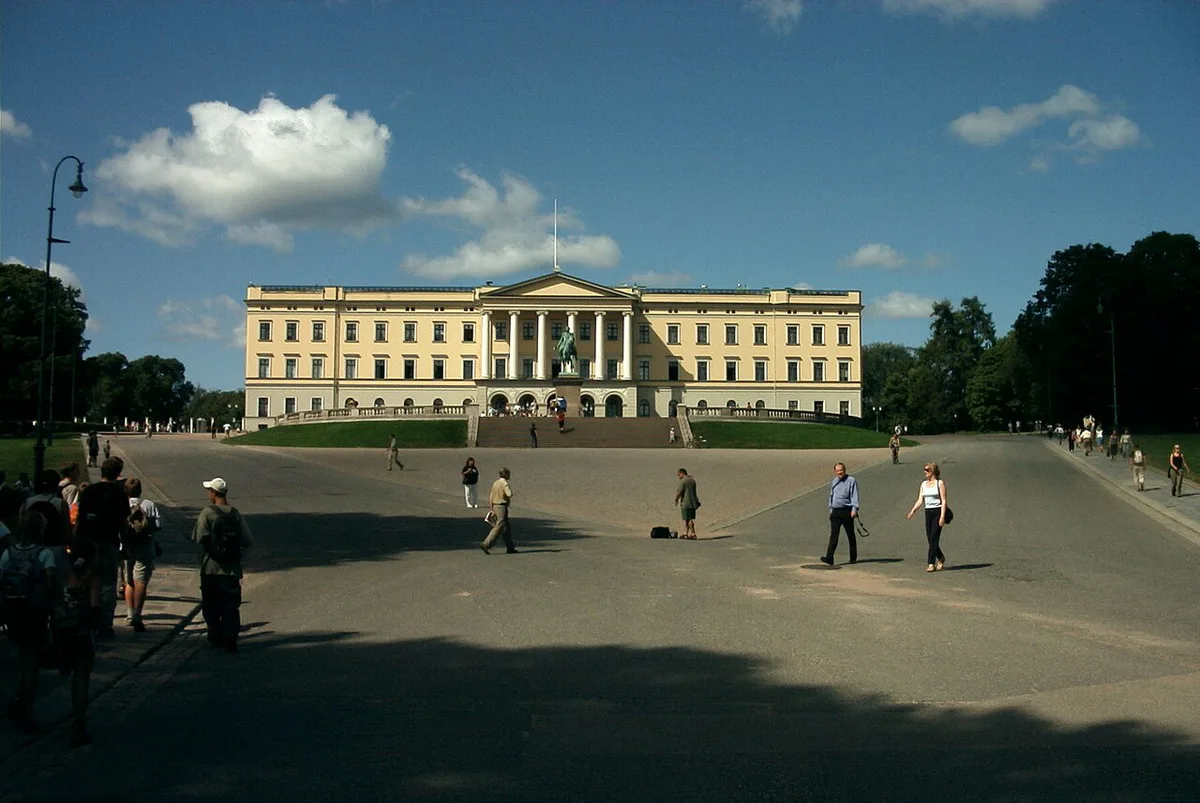
10 Hidden Gems in Oslo for Repeat Visitors
Every entry below ends with a "Why it's a gem" line so you can judge whether it fits your trip. Entries run from river paths and viewpoints to two indoor oddities. Start with whichever matches today's weather. Opening hours and ticket rules change, so confirm them on official sites before you travel.
- 1. Akerselva's upper waterfalls
- Walk the upper stretch between Nydalen and Frysja, then drift south past old mills turned into cafés and galleries. Our Akerselva river walk guide maps the full route.
- The whole path runs about 8 km from Maridalsvannet and takes roughly 2 hours with a coffee stop or two.
- Why it's a gem: it feels like a local Sunday walk rather than a sightseeing stop, and you move from forest to city without a ticket.
- 2. Alna river walk through Svartdalsparken
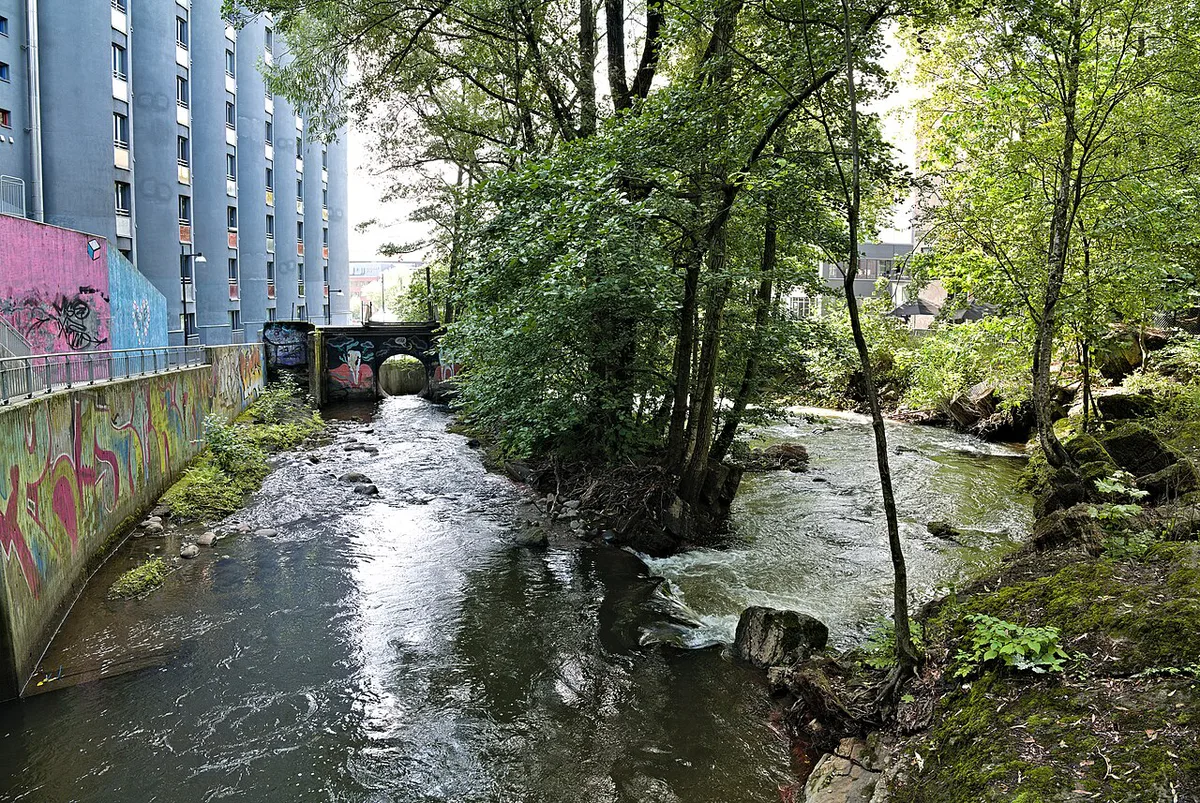
- Follow Alnaelva through Svartdalsparken up to Kruttverket. You pass forest trails, small waterfalls, wooden bridges, and remains of old industry.
- Kruttverket is a former industrial area with a café, a bar, and events, so it makes a natural turnaround point.
- Why it's a gem: it is a wilder and quieter alternative to Akerselva, with far fewer visitors on the path.
- 3. Olaf Ryes Plass and the Grünerløkka backstreets
- Skip the main square and head to Olaf Ryes Plass, Markveien, and the side streets around them. You find independent boutiques, vintage shops, and street art. Our Grünerløkka guide adds café and shop picks.
- Tim Wendelboe runs a tiny coffee shop in Grünerløkka and is a reliable coffee stop. You can reach the area on foot along the Akerselva from the city center.
- Why it's a gem: the quiet blocks away from the square show the neighborhood as residents use it.
- 4. Damstredet and Telthusbakken
- These two steep cobblestone lanes hold well-preserved 18th- and 19th-century wooden houses. They sit just above the city center, close to the Akerselva.
- Telthusbakken leads up toward Gamle Aker Church, so a loop of both streets takes only a short walk. Combine it with the river path.
- Why it's a gem: it is a sharp contrast with the glass towers of modern Bjørvika, and it rarely feels like central Oslo.
- 5. Vettakollen viewpoint
- Take Metro Line 1 to Vettakollen Station and hike about 30 minutes through forest trails and slightly rocky ground. At the top you get views over the Oslofjord, the city, and forested hills.
- Sunset is popular, so go earlier if you want space.
- Why it's a gem: it gives you fjord views for far less crowd and effort than the better-known Holmenkollen ski jump.
- 6. Sognsvann lake loop
- Metro Line 5 runs direct from the center to Sognsvann station. The flat loop around the lake is about 3 km and takes around 45 minutes at an easy pace.
- In winter the lake area turns into a cross-country skiing hub, and people skate on the lake when the ice is strong enough.
- Why it's a gem: it is the easiest on-ramp to Nordmarka, the forest network locals treat as their back garden.
- 7. Emanuel Vigeland Mausoleum
- Inside, a dark vaulted room is covered in frescoes by Emanuel Vigeland. Controlled lighting and acoustics make even a quiet sound feel amplified.
- Opening hours are very limited, usually Sundays only. Treat this as a logistical hurdle and confirm hours before you go.
- Why it's a gem: it sits off the main tourist routes and stays quiet compared with Oslo's headline museums.
- 8. Future Library at Deichman Bjørvika
- Authors donate one manuscript a year from 2014, and all will stay sealed until 2114. The 100 manuscripts are stored in a Silent Room at Deichman Bjørvika, with paper from 1,000 trees planted in Nordmarka.
- Visiting the library is free, but check current Silent Room access rules at the information desk or on Deichman's site.
- Why it's a gem: it is a century-long art project hiding inside a building most visitors only photograph.
- 9. Ekebergparken and Scream Hill
- Ride a tram or bus to the Ekebergparken stop and follow sculpture trails through forest. A short walk away is the viewpoint known as Scream Hill, where Edvard Munch is believed to have found inspiration for The Scream.
- Views stretch over the Oslofjord, Bjørvika, and the skyline.
- Why it's a gem: you see the landscape behind a famous painting without museum queues.
- 10. A focused visit to the National Museum
- Norway's largest collection of art, architecture and design is too big for one rushed pass. Choose one theme, such as Munch, and leave the rest for another day.
- Pair it with Scream Hill so you see the painting and the landscape in one trip. Check opening days and ticket prices on the official site.
- Why it's a gem: a narrow plan turns a major museum into a calm, personal visit.
Which Oslo Gem Fits Your Travel Style
Match the corner to the traveler. Hikers should start with Vettakollen and Sognsvann. Art lovers can combine Ekebergparken with the National Museum. Coffee fans will get the most from Grünerløkka. River walkers face a real choice. Akerselva is urban and social, with cafés and galleries along about 8 km of path. Alna is wilder, with forest trails and fewer visitors. Choose Akerselva with company, and Alna when you want quiet.
Metro Line 1 serves Vettakollen's 30-minute hike to fjord views and forest trails; Line 5 runs direct to the 45-minute Sognsvann loop.
Food, Drink and Sauna Stops Locals Use
Oslo's food scene rewards a choice between halls. Pick by mood, not by reputation. For saunas, decide whether you want a social session or a quieter one. Check booking rules and opening hours before you go.
- Mathallen sits in the Vulkan area at the edge of Grünerløkka. It suits indoor grazing and sampling Norwegian dishes, though it is popular with tourists.
- Vippa is a waterfront food hall across from Akershus Fortress with outdoor seating. Recent visitor accounts describe prices as steep.
- Barcode Street Food, near Central Station, offers 14 stalls and bars.
- KOK opened in 2017 and now runs two sauna boats. One docks across from the Opera House, and sessions can be private or shared.
- SALT is a roaming arts-and-sauna project with several saunas, concerts, and a market. It leans social.
- HIMKOK is a cocktail bar and craft distillery with a low-key entrance. Check current opening hours.
Time, Cost and Effort at a Glance
Use this table to compare five gems. Effort ratings are in our editorial assessment, not an official scale. Journey details come from transit descriptions: Line 1 for Vettakollen and Frognerseteren, Line 5 for Sognsvann. Free trails still need transit fare through Ruter.
| Gem | Time needed | Entry fee | Effort to reach |
|---|---|---|---|
| Akerselva upper stretch | About 2 hours for the full 8 km | Free | Low |
| Sognsvann lake loop | About 45 minutes for 3 km | Free | Low (Metro Line 5) |
| Vettakollen viewpoint | About 30 minutes uphill from the station | Free | Medium (Metro Line 1) |
| Kobberhaughytta cabin hike | 1.5–2 hours each way from Frognerseteren | Free trail; cabin food extra | High |
| Emanuel Vigeland Mausoleum | Short visit; plan around Sunday hours | Check official site | Medium (limited opening) |
Practical Logistics: Ruter, Oslo Pass and Seasons
Buses, trams, metro, and ferries cover nearly every gem here. Use Ruter's public transport information for zones and ferry schedules. Metro Line 1 takes about 30 minutes to Holmenkollen, and the forest trailheads sit further along that line. Island ferries leave from Aker Brygge and accept a regular public transport ticket or an Oslo Pass. Confirm whether the pass covers private sauna boats such as KOK before you buy it. Most picks here are free, so a pass pays off only if you add paid museums. In winter, Sognsvann becomes a ski and skating area. Alna and the Akerselva are best in green months. Cold or wet day? Our Oslo in the Rain: Rainy Day Itinerary & Indoor Ideas gives indoor backups. Electric scooters cost a 10 kroner unlock fee plus 2 kroner per minute, but check current rates in the app.
KOK's two sauna boats (opened 2017) dock at the Opera House; confirm if your Oslo Pass covers private boat sessions.
Mistakes to Avoid on an Off-the-Beaten-Path Oslo Trip
Most problems come from timing, not distance. Avoid these five before you set off.
- Walking to Bygdøy. Take the ferry or bus 30 instead.
- Ignoring Marka etiquette. Most cabins around Oslo are unserviced, so bring your own food, book ahead, and take your waste home.
- Assuming everything is open on Mondays. Many small museums and cafés close, so check hours first.
- Planning around the Viking Ship Museum. It is closed for rebuilding and is scheduled to reopen as the Museum of the Viking Age in 2027.
- Treating the Emanuel Vigeland Mausoleum as drop-in. Hours are usually Sundays only, so verify before traveling.
Hovedøya: Oslofjord Island Escape by Public Ferry
For a quick break from streets and museums, take a public ferry from Aker Brygge to Hovedøya. The crossing is short, but the island feels markedly quieter than central Oslo. It combines swimming coves, woodland paths, old stone ruins, and wide views back toward the city.
Start at the former Cistercian monastery ruins near the ferry pier. Then follow paths south toward the beaches at Paradisbukta or explore the former military buildings and meadows. Bring water, a picnic, and swimwear in warm weather. Facilities and seasonal services can be limited outside summer.
- Best for: a half-day with an easy nature break
- Getting there: use the Ruter ferry from Aker Brygge and check the day’s timetable
- Good pairing: return for dinner at Vippa or a sauna near the harbor
Why it’s a gem: it delivers an Oslofjord island experience without a car, tour boat, or full-day excursion.
Explore hidden gems in other cities
Frequently Asked Questions
What are the best lesser-known places in Oslo for a repeat visit?
Start with the upper Akerselva waterfalls and the Alna river walk. Add Vettakollen for a fjord view and Damstredet for old wooden houses. Indoor options include the Future Library Silent Room and the Emanuel Vigeland Mausoleum.
Is the Emanuel Vigeland Mausoleum open every day?
Opening hours are very limited, usually Sundays only. Confirm current hours on the official site before you go. Build the rest of your day around that slot.
Is the Viking Ship Museum open in 2026?
It is closed for rebuilding. It is scheduled to reopen as the Museum of the Viking Age in 2027. Do not plan a visit this year.
Do I need an Oslo Pass for these places?
Probably not. Most picks here are free trails, viewpoints, and neighborhood streets. Island ferries accept a regular public transport ticket or an Oslo Pass. Check whether the pass covers private sauna boats before buying.
How do I reach Sognsvann and Vettakollen?
Metro Line 5 runs direct from the center to Sognsvann station. Line 1 serves Vettakollen Station. From there the viewpoint hike takes about 30 minutes.
What is the Future Library in Oslo?
It is an art project in which one author donates a manuscript each year from 2014. All 100 stay sealed until 2114. They are stored in a Silent Room at Deichman Bjørvika, so check current access rules.
Plan more of your Oslo visit
Use these focused Oslo guides to choose a route and plan the practical details.