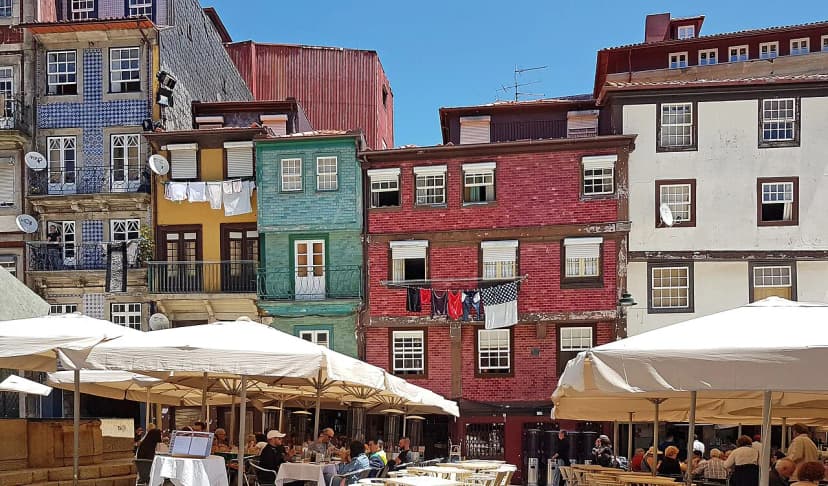

Last updated August 2026, this guide moves past São Bento's tile murals and the Livraria Lello queue to map out real hidden gems in Porto: quiet miradouros, a chapel-turned-wine-bar, and streets where locals eat lunch. Porto's center is small and walkable, but the route between any two points is rarely a straight line, since the layout is built from steep, connecting staircases. Each entry below includes exact logistics, a local price in euros, and a note on how busy it gets, so you can build a realistic route instead of a wish list.
Porto's Layout: Why the Steep Streets Work in Your Favor
Porto's historic core is compact, but it isn't flat. Streets drop from the Cathedral hill down to the Douro River through switchbacks, stone staircases, and one working funicular. Guidebooks rarely explain which direction is harder. Each stop below is marked when it involves a real climb, with an easier downhill alternative offered where one exists. Comfortable shoes matter more in Porto than in most European capitals, since cobblestones and staircases replace flat sidewalks for long stretches. Readers short on time can lean on a structured one-day Porto itinerary and slot in two or three of these stops rather than attempting all twelve at once.
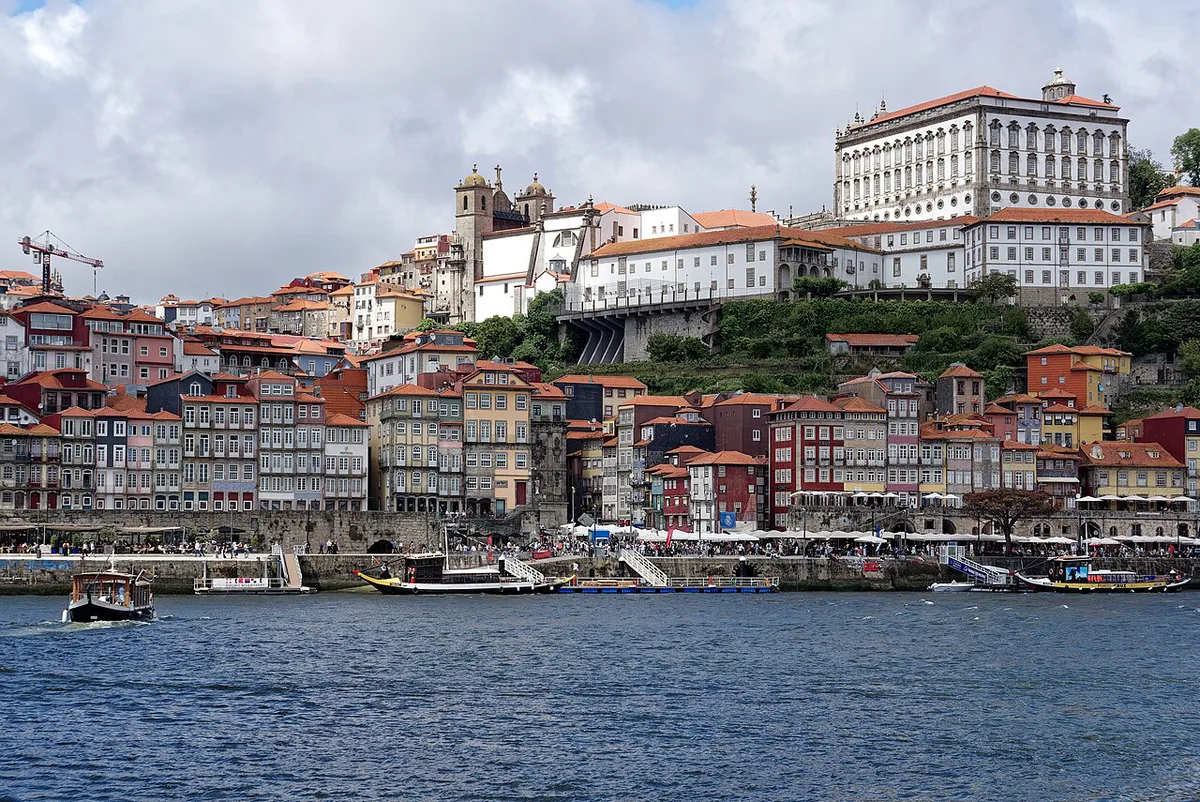
12 Hidden Gems in Porto Locals Actually Recommend
These twelve stops span quiet viewpoints, small museums, wine bars, and one unusual bridge climb. They're organized by type rather than location, so pair the ones nearest each other into a single walking loop instead of criss-crossing the city.
The twelve in-city hidden gems can occupy two full days of exploration with multiple free and low-cost entries, whereas Vidago Palace, located about 1.5 hours north, works best as a limited day-trip addition around a single meal or spa session. Both options suit different travel paces.
- Miradouro da Vitória
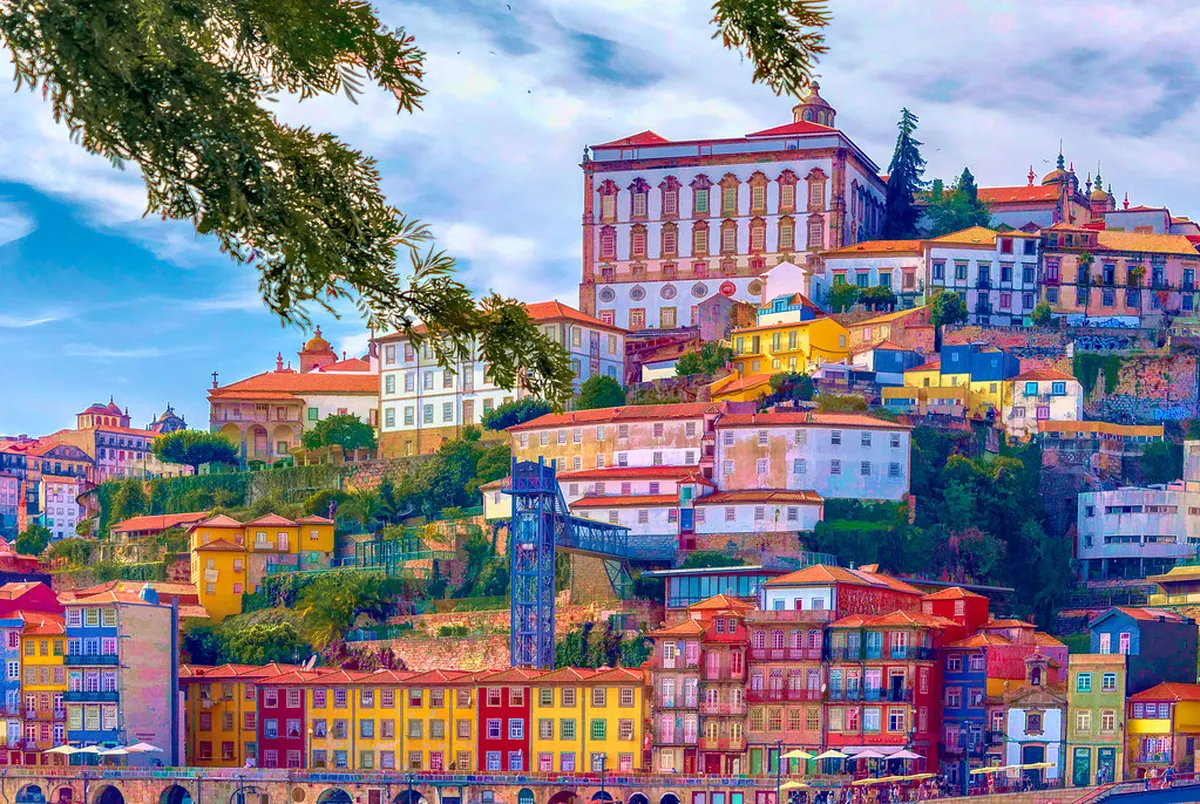
- This lookout sits in the old Jewish Quarter, on a residential street that functions as a public viewpoint even though the land itself is private property.
- From the wall, you get a level view across the Sé Cathedral, the Clérigos Tower, and the rooftops running down toward the Douro River.
- It's a strong entry on any list of free activities in Porto, and it stays quiet even around sunset, when Jardim do Morro across the river gets crowded.
- Passeio das Fontainhas
- Above the Douro, a short walk from the historic center, this hillside street looks straight across at the arches of the Dom Luís I Bridge.
- Locals treat it as the sunset alternative to the busier Jardim do Morro across the river, with no ticket and no terrace bar competing for wall space.
- Approach from Batalha and walk downhill; the street itself is flat once you reach it.
- Escadas dos Guindais
- Running directly under the Dom Luís I Bridge, this staircase connects the Ribeira riverfront to the Batalha district above.
- Climbing up gives a close, dramatic angle on the bridge's ironwork, while walking down is easier on the knees and just as scenic.
- Mornings are quietest; by afternoon a steady stream of photographers works the same steps.
- Rooftop of Igreja de São Lourenço
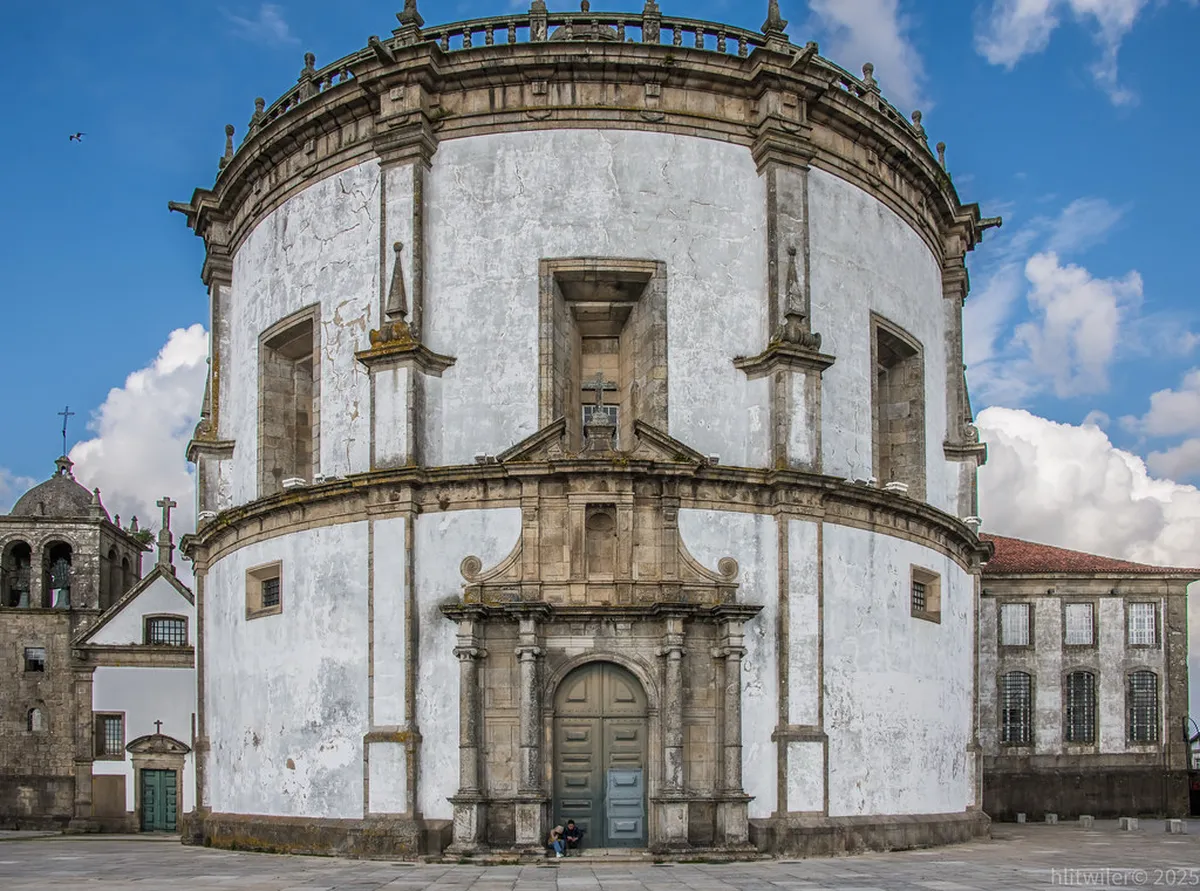
- Also known as Igreja dos Grilos, this 16th-century church sits beside the crowded Porto Cathedral but draws a fraction of its foot traffic.
- A small entrance fee lets you climb the bell tower for a panoramic view that takes in the Douro River and the Cathedral terrace below, usually packed with tour groups.
- Expect to have the rooftop largely to yourself outside midday, even in peak summer months when the Cathedral line stretches around the block.
- Capela Incomum
- Set inside a 19th-century chapel, this wine bar seats guests close to the altar under soft lighting.
- The list leans on Douro and Minho producers, including Vinho Verde by the glass, paired with Portuguese tapas plates.
- Arrive at opening time or shortly after; the small room fills fast and doesn't hold walk-in tables once seating runs out.
- Natas d'Ouro
- Baixa's pastel de nata shops mostly serve the standard custard tart, but this one bakes flavored versions in lemon, orange, chocolate, and Port wine.
- Trying one makes sense if you've already had the Manteigaria-style original and want to see how far the format stretches.
- Prices sit close to other Baixa pastelarias, so the novelty comes at a local price point, not a tourist markup.
- Leitaria da Quinta do Paço
- Open since 1920, this pastry shop started as a dairy business before becoming known for éclairs filled with whipped chantilly cream instead of standard custard.
- Flavors rotate through chocolate, caramel, lemon, and red fruit, and mini versions let you sample several in one stop.
- It sits in central Porto, close enough to the main tourist streets that skipping it would be a mistake.
- Casa da Música
- Designed by Rem Koolhaas and opened in 2005, this concert hall's angular concrete form breaks from Porto's historic skyline.
- Reach it by metro from the city center; the distance from Ribeira keeps most short-stay visitors from making the trip.
- Guided tours run through the interior, including a tile-lined room and the main hall's wave-patterned wooden walls, even on days without a concert.
- A Pérola do Bolhão
- Founded in 1917, this grocery store faces the Mercado do Bolhão and is easy to miss if you're focused on the market itself.
- The facade is covered in Art Nouveau azulejo tiles depicting the spice, coffee, and tea trade, among the most detailed tilework on any storefront in the city.
- Entry costs nothing, and browsing the cured meats, cheeses, and canned seafood inside runs slightly higher than a standard grocery stop, though the facade alone justifies the detour.
- Half Rabbit by Bordalo II
- Built entirely from scrap metal and discarded plastic, this sculpture sits on a street corner in Vila Nova de Gaia.
- One half of the rabbit is painted in realistic color; the other shows the raw trash it's made from, a comment on waste that reads clearly without context.
- It sits a short walk from the port wine cellars, so pair it with a cellar visit rather than a dedicated trip.
- Arrábida Bridge Climb
- Guided groups climb 262 steps along the bridge's arch, reaching about 65 meters (213 feet) above the Douro River, with harnesses and handrails the whole way.
- At the top, guides hand out a small chocolate cup filled with Port wine, a detail that turns the climb into a toast rather than a stunt.
- It's often described as the only bridge climb of its kind in Europe, and the roughly 45-minute experience should be booked ahead in peak season.
- Jardins do Palácio de Cristal
- These gardens sit just outside the historic center and stay open from 8am to 9pm in summer and 8am to 7pm in winter, with free entry year-round.
- Peacocks roam the grounds, and the paths open onto a clear view of the Arrábida Bridge and the Douro below.
- They're an easy add for families already following a Porto itinerary with kids, with benches and cafes for a slow afternoon.
Bonfim and Foz do Douro: Porto's Local Neighborhoods
Bonfim sits east of the historic center and skips the tour groups almost entirely. Local squares double as informal gathering spots in the evening, and bars like Fiasco draw a mix of residents and long-term expats rather than day-trippers. For a fuller night out, including Bonfim's bars and spots like Maus Hábitos, check the dedicated guide to nightlife in Porto. Foz do Douro sits where the Douro River meets the Atlantic, a coastal stretch with a promenade, rocky viewpoints, and the Felgueiras Lighthouse marking the river mouth. A promenade called Pergola da Foz runs along the water, a good stretch for an evening walk before dinner. Passeio das Virtudes, a smaller terraced garden closer to the center, works as a local-only version of the same idea: bring a drink and watch the Arrábida Bridge from the wall. Both neighborhoods sit outside the routes most guidebooks map, which keeps restaurant lines shorter and prices closer to what residents pay. Reaching Foz costs €6 one-way on the historic Tram Linha 1, which runs from downtown Porto along the river out to the coast. A regular city bus covers the same route for less if you're not attached to the vintage carriages.
Getting Around: Porto Card, Funiculars, and the Tram
Porto is walkable, but transit fills the gaps on longer days. The metro runs from Francisco Sá Carneiro Airport (OPO) to the city center in about 30 minutes, with Line E running directly toward Trindade. Funicular and tram service cover the two steepest or longest connections without draining a full afternoon. Skip the Porto Card if the day is mostly walking between free viewpoints with one or two paid stops. Buy it if the plan includes three or more paid museums plus metro trips out to Matosinhos or back to the airport. The card's discounts, including 25% off Clérigos Tower and Palácio da Bolsa, add up quickly at that pace. Three paid stops add up faster than expected, which is where the Porto Card earns its price back.
The tram to Foz do Douro costs €6 one-way, which exceeds the entrance fees for some quieter viewpoints and museums within walking distance of the city center. Miradouro da Vitória and Passeio das Fontainhas remain free alternatives with similar river views.
| Option | Price | Best use |
|---|---|---|
| Metro (airport to center) | Included in a transport ticket or day pass | Airport transfer, about 30 minutes |
| Funicular dos Guindais | €4 one-way | Skipping the steep Guindais climb between Ribeira and Batalha |
| Tram Linha 1 | €6 one-way | Riverside ride from downtown to Foz do Douro |
| Porto Card, 1-day with transport | From about €15 | Three or more paid museums plus metro use in one day |
Skip the Lello Line: Where to Go Instead
Livraria Lello is worth walking past for the neo-Gothic staircase alone, but the line regularly stretches past an hour in high season, and the ticket price only credits toward a book purchase. If the queue looks unreasonable, redirect that hour toward one of the alternatives below. None of these swaps mean giving up architecture or history. Pérola do Bolhão's tiled storefront and São Lourenço's bell tower cover the same ground, azulejo tiles and elevated views, without the wait.
| Attraction | Price | Typical wait | Quieter alternative |
|---|---|---|---|
| Livraria Lello | €5, credited toward a book | Up to an hour or more at midday | A Pérola do Bolhão facade, free |
| Clérigos Tower | Around €8-10 | Line forms by mid-morning | Miradouro da Vitória, free |
| Sé Cathedral cloister | €3 | Usually just a few minutes | Rooftop of Igreja de São Lourenço, small fee |
Day Trips Beyond the City: Vidago Palace and the Douro Valley
Not every extension needs to stay inside city limits. Vidago Palace, a Belle Époque thermal spa hotel about 1.5 hours north of Porto, pairs a spa afternoon with a Michelin-starred lunch from chef Vítor Matos. Lunch service isn't guaranteed daily, and a main course runs around €30, so check ahead before building a day around the restaurant. Treat it as a reasonable overnight add-on for a longer day trip from Porto. The Douro Valley gets most of the attention for its big-name port producers, but the same valley holds small, family-run quintas that pour flights for less than the flagship houses charge. Ask locally, or through a valley-based tour operator, for a quinta that isn't on the main coach circuit before defaulting to the largest name on the label. Both trips work as a single add-on day rather than a detour, since Vidago and the entry points to the Douro Valley sit on the same routes north of the city.
Holy Sandwich Shop for a Quick, Non-Tourist Lunch
For a quick meal between Baixa and the riverside, Holy Sandwich Shop is a useful alternative to the generic lunch menus around Ribeira. The focus is on substantial sandwiches rather than a formal Portuguese tasting meal. It suits travelers who want a reliable stop before continuing to the viewpoints or wine cellars.
Go at an off-peak lunch hour if you want a table without waiting. The compact format also makes it practical for takeaway on a full sightseeing day. Pair it with a walk toward the Douro rather than treating it as a destination across town.
- Best for: a fast, filling lunch between central sights
- Good alternative to: tourist-menu restaurants near Ribeira
- Route idea: stop here before heading downhill toward the river
It is not a substitute for a traditional francesinha experience. Instead, it adds an easy local-style lunch option to an itinerary already built around pastry shops, wine bars, and longer dinners.
For trip-planning details, see Porto travel guide - Wikivoyage and Porto - Wikipedia.
Explore hidden gems in other cities
Frequently Asked Questions
What actually counts as a hidden gem in Porto?
A hidden gem here means a place with real local foot traffic, no ticket queue, and prices in line with what residents pay, not a spot invented for a listicle. Everything in this guide meets at least two of those three conditions, and most meet all three, from the flavored pastéis at Natas d'Ouro to the empty rooftop at São Lourenço.
Is the Porto Card worth buying for a trip built around these spots?
Mostly no. Most of the list above is free or costs a few euros at the door, so the Porto Card only pays off if you're also stacking three or more paid museums with heavy metro use on the same day, say a morning at Palácio da Bolsa followed by an afternoon trip out to Matosinhos.
Do you need to book the Arrábida Bridge Climb in advance?
Booking ahead is the safer move, especially in summer, since the climb runs in small guided groups and slots fill during peak season. Walking up and asking for the next available slot can work outside high season, though there's no guarantee of an open spot that day.
Is the Arrábida Bridge Climb safe for people uneasy with heights?
The route uses a harness and handrail system along the arch's walkway, and guides keep the pace slow enough to stop and look rather than rush across. Anyone genuinely uneasy with open heights and a 65-meter drop below should treat the miradouros in this guide as a lower-key alternative, since several of them frame the same bridge from ground level.
How many days does it take to see these spots without rushing?
Two full days covers the list comfortably if you group stops by neighborhood: Ribeira and Batalha viewpoints on one day, Bonfim and Foz do Douro on the other. Trying to fit all twelve into a single day means skipping the slow parts, wine bars, gardens, and rooftop views, that make them worth visiting.
Is Livraria Lello worth the wait if you only have one day in Porto?
Not if the line is long. The staircase is worth seeing, but the ticket price only converts to book credit, and an hour in line eats into time better spent at quieter architecture like the Pérola do Bolhão facade or the Sé Cathedral cloisters.
Plan More of Your Porto Trip
Use these focused guides to turn Porto landmarks into a realistic city plan.
Itineraries and Day Trips
- One Day in Porto Itinerary: A Timed, Walkable Route for 2026
- Day Trips from Porto: A 2026 Guide to Braga, the Douro Valley, and Guimarães