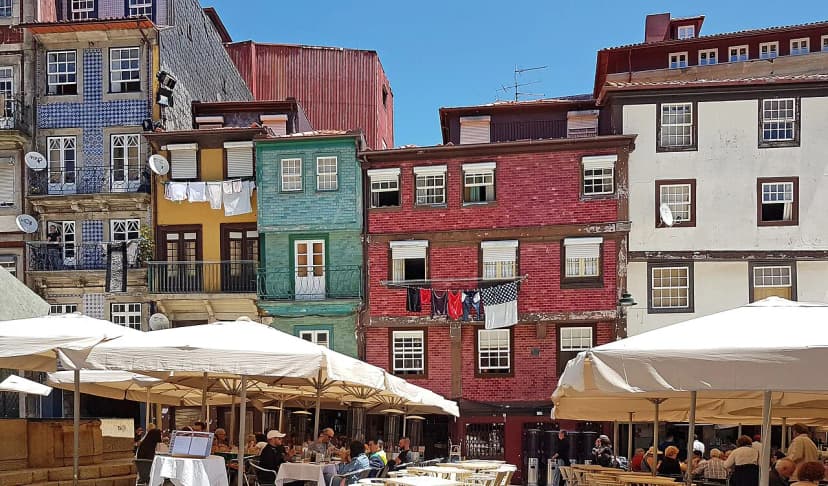
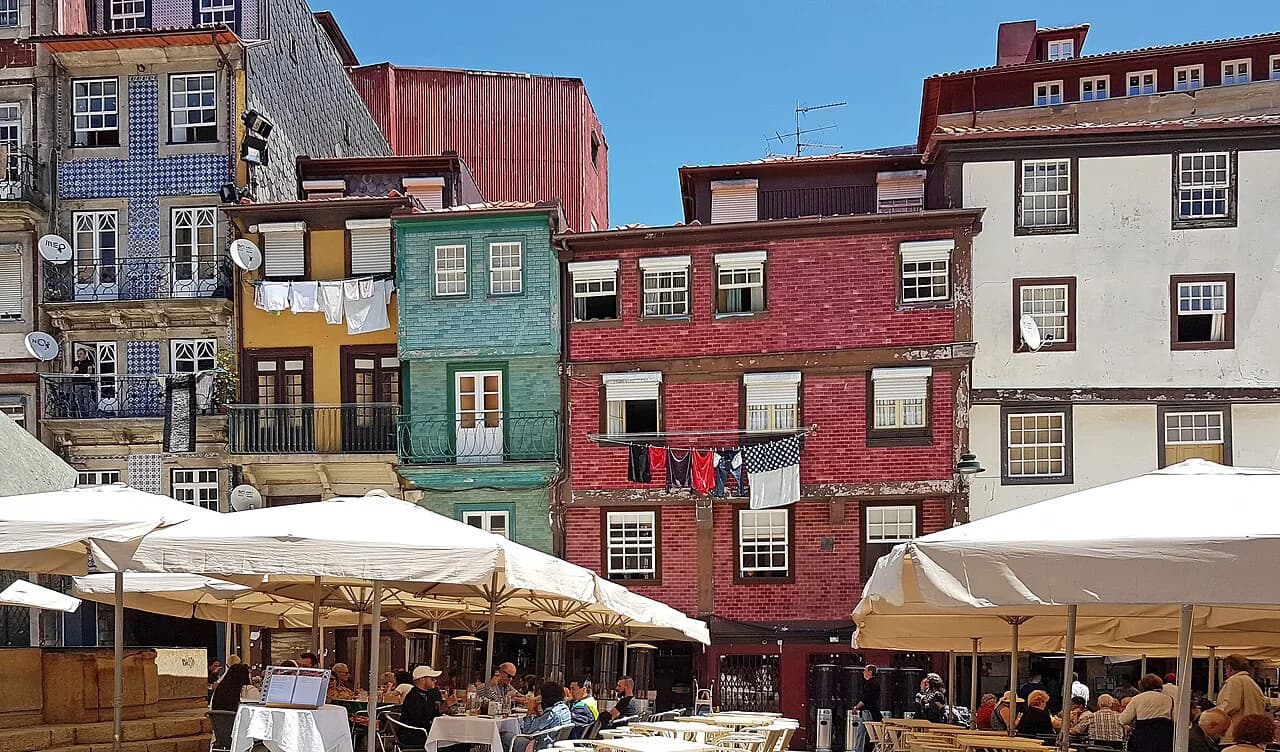
Last updated August 2026, this guide covers the best free things to do in Porto without buying a single ticket. Azulejo-covered train stations, sunset miradouros, and a daily organ concert cost nothing. Metro-station walking distances and a few market swaps below keep the rest of the day inexpensive too.
The Best Free Things to Do in Porto Right Now
Porto's core appeal - azulejo-clad facades, river views, and centuries of history - costs nothing to see. This list starts with the highest-value free stops. Then come the logistics: metro stations, walking times, and market swaps that keep the rest of the day cheap too. Pair a few of these with a single paid stop, and string them into a one-day Porto itinerary that still fits a tight budget.
| Paid Experience | Typical Price | Free Alternative | What You Still Get |
|---|---|---|---|
| Torre dos Clérigos climb | €5 | Miradouro da Vitória | Same rooftop skyline, no stairs or ticket line |
| Sé Cathedral cloister | €3 | Cathedral nave and exterior | Azulejo facade and hilltop setting, no charge |
| Igreja de São Francisco | €3–€5 | Igreja da Lapa | Ornate interior detail, free entry |
| Livraria Lello timed voucher | €5 | Rua dos Mártires da Liberdade shopfronts | Browsing without the entry queue |
| 20-minute river cruise | ~€15 | Ponte Luís I upper deck walk | Same Douro views, self-paced |
| Casa da Música concert | from €6 | Igreja dos Clérigos organ concert (daily, noon) | Free live music, no ticket |
- São Bento station's roughly 20,000 hand-painted azulejo tiles, free to view whenever the atrium is open.
- A free daily organ concert inside Igreja dos Clérigos, at noon.
- Sunset from Jardim do Morro or the Serra do Pilar terrace across the river in Gaia.
- A walk across the pedestrian upper deck of Ponte Luís I, linking Porto and Gaia.
- Palácio de Cristal gardens, with Douro river views and room for a packed lunch.
São Bento Station and Porto's Free Churches
São Bento train station doubles as a free museum. Its atrium holds roughly 20,000 hand-painted azulejo tiles, added after the station's 1916 opening. The panels lean heavily on royal history, including notable coronations, alongside scenes of everyday rural life. Commuters pack the hall on weekday mornings and evenings, so a midday visit gives more room to look up at the panels. São Bento's metro stop sits directly across the street, making this an easy first or last stop on a walking route.
Not every church in Porto charges admission, and the free ones hold up well against the paid ones.
Igreja dos Clérigos hosts a free organ concert every day at noon. Clérigos church itself was recently renovated and is lined in pink marble, granite, and gilded woodwork. Climbing the adjoining Torre dos Clérigos costs €5 and involves 225 steps, so most budget visitors treat the tower as optional and the concert as the real draw. São Bento metro station is about 10 minutes' walk away.
- Igreja de São Francisco: paid entry, roughly €3–€5, a Gothic interior covered in gold-leaf woodwork.
- Igreja da Lapa: free entry, rococo and neoclassical detail, about 15–20 minutes on foot from the Lapa metro station.
- Igreja do Carmo and Igreja dos Carmelitas: the tiled facade is free to admire from outside. One of the two naves currently charges for entry, so confirm before stepping in.
Free Viewpoints: Ponte Luís I, Jardim do Morro, and Miradouro da Vitória
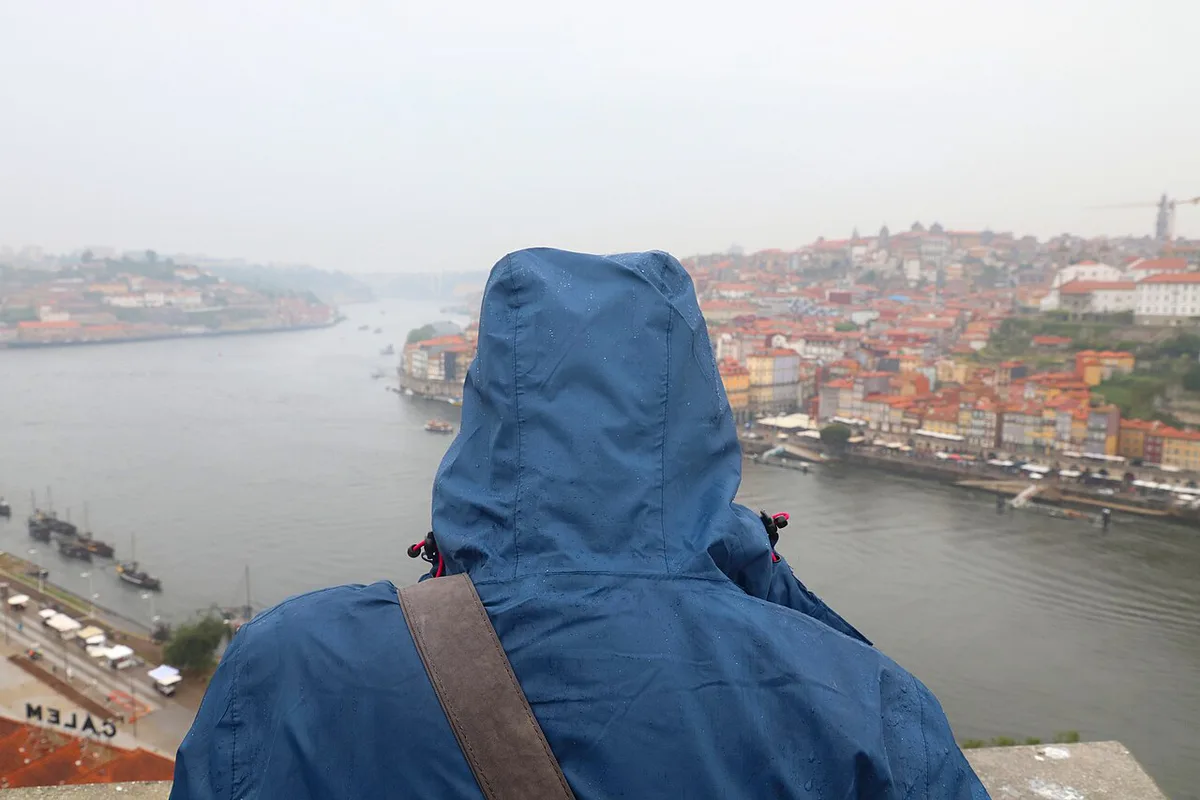
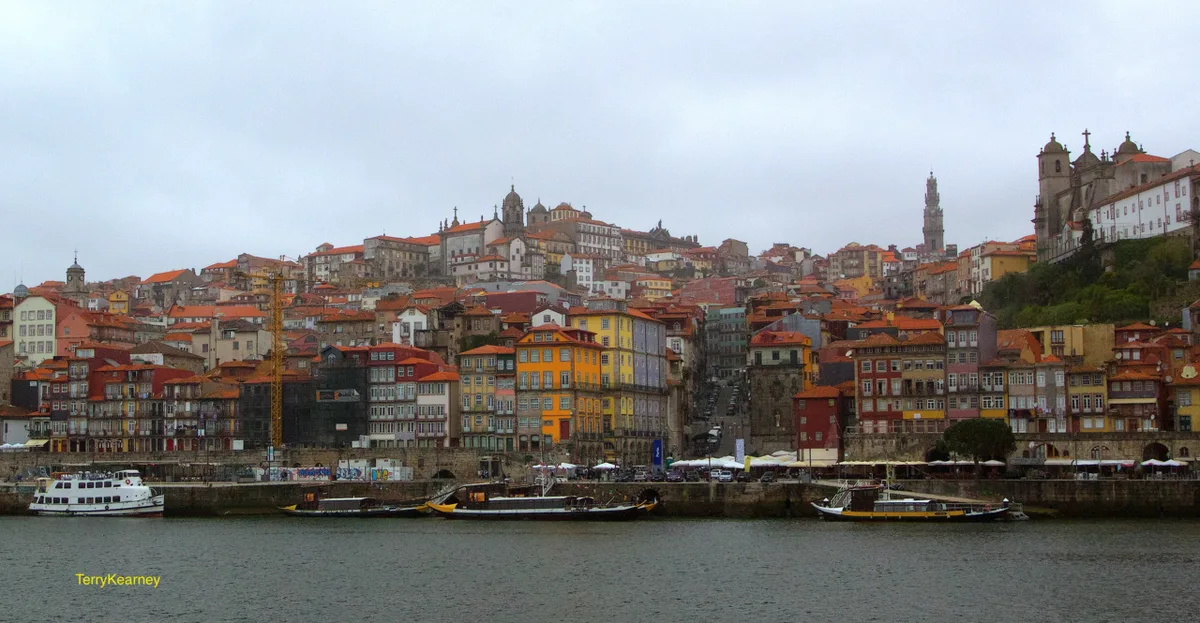
Crossing the upper deck of Ponte Luís I is free and remains one of the best ways to see Porto's skyline. Built in 1886, the double-deck iron bridge carries pedestrians and a tram on top and vehicles below, linking Porto to Vila Nova de Gaia. Jardim do Morro sits right at the Gaia end and is a reliable sunset spot. Reach it by the Jardim do Morro metro station or the cable car from Cais de Gaia. From there, a short uphill walk reaches the terrace at Mosteiro da Serra do Pilar for a second, quieter view. Ribeira's evening street performers spill into Porto's after-dark scene once the sun goes down.
Miradouro da Vitória is the quieter option, tucked into Porto's old center above Ribeira. Follow the winding lanes uphill until they open onto a wide terrace with a full view of the cathedral, the rooftops, and the river below. Unlike the bridge and Jardim do Morro, this spot rarely draws a crowd, even at sunset.
WOW Porto, the museum complex across the river in Gaia, charges for its individual museums, but its central courtyard is free to enter. Coffee from one of the courtyard cafés is optional, not required, for the view over Porto's terracotta rooftops and the Douro.
Parks, Gardens, and Free Coastal Walks
Palácio de Cristal's gardens sit a short walk from downtown and cost nothing to enter. Peacocks, roosters, and swans share the grounds with locals out for a walk. Its lawns work well for a packed lunch or a blanket picnic, and the site includes one of the better river views in the city. Families splitting time between the gardens and the beach can find more detail in planning Porto with kids.
A roughly 3 km walk along the river leads to Farolim de Felgueiras and its neighbor, Farolim da Barra do Douro. Both lighthouses sit near an outdoor seawater pool at Piscinas das Marés and a sheltered cove at Praia Azul, both free to visit. This full route runs from the Matosinhos or Leça da Palmeira area down to Foz, with cafés and benches along the way for breaks.
Matosinhos beach is roughly a 5-minute walk from the Matosinhos Sul metro station, with wide sand and a long promenade. Espinho sits about 30 minutes south by suburban train from São Bento or Campanhã. It adds a boardwalk, beach cafés, and calmer sand than the city beaches. Further south, Praia de Granja and Praia de Miramar add a scenic stop at the Capela do Senhor da Pedra. For a longer coastal or wine-country day, see Day Trips from Porto: A 2026 Guide to Braga, the Douro Valley, and Guimarães.
Porto's Markets and Free Browsing
Mercado do Bolhão is Porto's best-known market, in a building over a century old. Bolhão has spent long stretches under renovation, at times operating from a temporary hall nearby, so confirm which building is currently open before heading over. Either way, walking the stalls and talking to vendors costs nothing beyond whatever fish, fruit, or cheese ends up in your bag.
Browsing Rua dos Mártires da Liberdade costs nothing even without buying. For more of this kind of low-key detour, including vintage shops and Cemitério de Agramonte, the citywide guide covers spots most first-time visitors miss.
- Mercado Bom Sucesso, in Boavista, pairs well with a coffee or lunch special near Casa da Música.
- Mercado Beira Rio, on the Gaia side of the river, sits close to the port wine cellars.
- Rua dos Mártires da Liberdade, lined with vintage and antique stores, good for window shopping without spending anything.
Almost-Free Local Secrets: Lunch Deals and the Douro Train
Lunch in Porto runs on a strict schedule. Most locals sit down around 1:00 PM, and many restaurants close between 4:00 PM and 7:00 PM. Weekday menu do dia deals take advantage of that rhythm.
The Douro line to Régua (1.5 hours) and Pinhão (2 hours) charges commuter rates, not tourist prices, yet delivers the same valley views. A 20-minute river cruise costs ~€15; the train covers much more distance for identical Douro scenery.
Porto's Douro line to Régua and Pinhão is often mistaken for a tourist-priced excursion train. It actually runs on the same fare structure as any other CP domestic route. Régua is about 1.5 hours from Porto and Pinhão about 2 hours, both through steep vineyard terraces near the end of the line. Riding it as a standard commuter service, rather than booking a packaged historic-train product, is the cheaper way to see the same scenery.
Porto is also the starting point for the Camino Portugués, the pilgrim route to Santiago de Compostela. Most walkers complete it in 10 to 12 days, covering roughly 250 to 270 km. A short, free version of that walk runs from Sé Cathedral along the river to Matosinhos, following the same waymarkers. It takes about half a day and passes several beaches on the way, ending near the Matosinhos Sul metro line back into the city.
- A typical menu do dia includes a starter, a main, and dessert, sometimes with wine or coffee.
- Prices generally run €15 to €25 at sit-down restaurants, and less at neighborhood tascas.
- Look for the deal at tascas and mid-range spots rather than tourist-facing menus on the main squares.
Practical Logistics: Porto Card, Metro, and Timing
A multi-day Porto Card bundles free or discounted entry to six museums, plus up to 50% off many other attractions. It comes in versions with or without public transport included. If the plan is mostly free sights plus a paid stop or two, buying single tickets tends to be cheaper. Clérigos tower admission costs €5, and the cathedral cloister costs €3, for comparison. Value climbs once three or more paid museums or attractions join the list.
Metro walk times span from 5 minutes (Matosinhos) to 15–20 minutes (Igreja da Lapa), with Igreja dos Clérigos at 10 minutes. Uphill routes warrant metro use; the flatter riverside stretch to Foz works better on foot to pace energy over a full day.
Porto's center is compact but steep, and the walk between river-level Ribeira and the upper town can wear out legs fast. Save the metro for the uphill connections, such as Lapa and Bolhão, and reserve walking for the flatter riverside stretch toward Foz. That flat route also covers most of the lighthouse walk described above, so it doubles as a rest option for tired legs.
Summer suits the beach walks around Matosinhos and Foz, when the promenade and lighthouse route stay busy into the evening. Spring and autumn bring milder temperatures for the hillier miradouro walks, without winter rain or peak-season crowds at Ribeira. Either season keeps every activity in this guide free; only the comfort level changes.
Frequently Asked Questions
Is the Porto Card worth buying if you're mostly doing free things?
Probably not, if the plan is mostly free sights. That cost pays off once three or more paid museums or attractions are involved. The Porto Card bundles six museums with up to 50% off other stops. For a lighter itinerary, single tickets like the €5 Clérigos tower or the €3 cathedral cloister usually add up to less.
What time is the free organ concert at Igreja dos Clérigos?
That concert runs daily at noon inside the church, with no ticket required. It sits right next to the paid Torre dos Clérigos, so many visitors combine the free concert with the €5 tower climb in the same stop.
Is Mercado do Bolhão free to visit?
Walking through and browsing the stalls costs nothing. Bolhão has spent long stretches under renovation, at times operating from a temporary hall nearby, so confirm which building is currently open before heading over.
How do you see Porto's free sights without spending on taxis?
Stick to the metro stations near each sight instead of ride-hailing. São Bento, Lapa, Jardim do Morro, Bolhão, and Matosinhos Sul cover most of the free stops in this guide within a short walk. For anything farther out, like Espinho, the suburban train from São Bento or Campanhã takes about 30 minutes and costs far less than a taxi.
Is spring or summer better for Porto's free outdoor spots?
Summer works best for the beach walks around Matosinhos and Foz. Spring and autumn suit the hillier miradouro routes better, with milder temperatures and fewer crowds than peak summer. Every spot in this guide stays free regardless of season; only comfort levels shift.