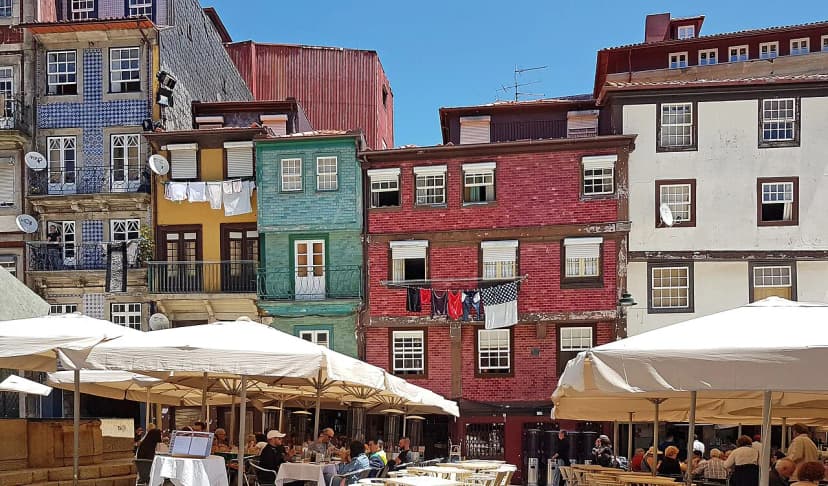

Last updated August 2026, this guide ranks the best day trips from Porto by travel time and the experience each place adds. A well-planned day in Porto covers Ribeira and the port wine cellars, while Braga, the Douro Valley, and Guimarães sit one to two hours away. Porto's two mainline train stations and a dense regional rail network make it a practical base for exploring northern Portugal without changing hotels.
The Best Day Trips from Porto at a Glance
Ten realistic options cover history, wine, nature, and coastal food within a few hours of Porto. Braga, Guimarães, and the Douro Valley, often called the Big Three, anchor most itineraries, while Aveiro, Coimbra, and Matosinhos work well by train or metro. Peneda-Gerês, the Paiva Walkways, Ponte de Lima, and Amarante are easier, or only possible, with a rental car. Effort level below is an editorial estimate of transit time, driving difficulty, and walking distance, rated from 1 (easiest) to 5 (most demanding).
Braga's Effort Level 2 rating belies the Bom Jesus sanctuary climb of roughly 17 stories up a forest staircase, which carries real physical demand despite straightforward train access.
| Destination | Travel Time from Porto | Best Transport | Primary Vibe | Effort Level (1-5) |
|---|---|---|---|---|
| Guimarães | 1h 10m | Train from Campanhã | Medieval history | 2 |
| Braga | 1h | Train from Campanhã | Baroque architecture & religion | 2 |
| Aveiro & Costa Nova | 1h 15m | Train from São Bento or Campanhã | Canals & colorful houses | 2 |
| Douro Valley (Pinhão) | 2h 15m | Scenic train or rental car | Wine & river landscapes | 3 |
| Coimbra | 1h 20m | Train from Campanhã (Alfa Pendular/Intercidades) | University history | 3 |
| Peneda-Gerês National Park | 1h 30m | Rental car | Hiking & waterfalls | 4 |
| Paiva Walkways (Arouca) | About 1h | Rental car | Boardwalk hiking | 4 |
| Ponte de Lima | 1h to 1h 15m | Rental car | Riverside old town | 2 |
| Matosinhos | 30 minutes | Metro Line A | Fresh seafood | 1 |
| Amarante | About 1h | Rental car | Riverside town & pastries | 2 |
Guimarães and Braga: History Without a Car
Guimarães and Braga sit less than an hour apart from each other and from Porto, which is why many visitors try to combine them. Guimarães has been a UNESCO World Heritage Site since 2011, and locals call it the birthplace of the nation. Portugal's first king, Afonso Henriques, is linked to the city. The medieval core around Oliveira Square holds Guimarães Castle and the Palace of the Dukes of Bragança. Trains run frequently from Campanhã, and the trip takes about 1 hour 10 minutes. Local pastry shops sell Tortinhas de Guimarães, a traditional sweet worth trying before the train back. Braga sits about an hour away by train from Campanhã. It centers on its cathedral and the Baroque staircase at Bom Jesus do Monte, a hilltop sanctuary reached by a water-powered funicular. Its zigzagging stairway climbs roughly 17 stories through forest, and the views from the top justify the walk. Fitting both cities into a single half-day trip is tight. Treat them as separate day trips, or budget a full day if you want to combine them.
Aveiro and Costa Nova: Canals and the Coast
Aveiro's canals define the city, and colorfully painted moliceiro boats ferry visitors along them past Art Nouveau buildings. Local sweet shops sell ovos moles, egg-yolk candy wrapped in a thin wafer, worth trying at least once. Costa Nova sits about 10 minutes beyond central Aveiro. Its striped wooden houses face the Ria de Aveiro lagoon on one side and the Atlantic beach on the other. Families using this as a beach day can pair it with tips from the Porto with Kids: A Family Travel Guide for 2026 guide for managing nap schedules and shorter attention spans on travel days. Trains from São Bento or Campanhã take about 1 hour 15 minutes, though reaching Costa Nova without a car means a taxi or local bus from the station.
The Douro Valley: Wine Country Trade-offs
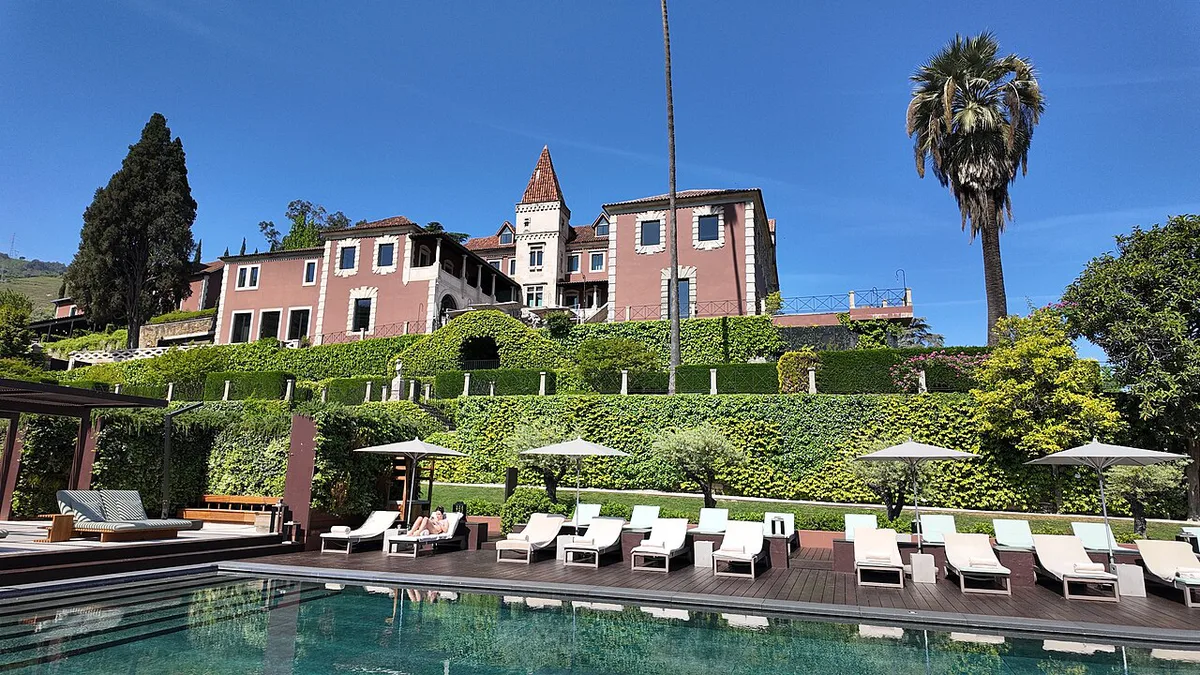
The Douro Valley sits about 100 km east of Porto. It has been a UNESCO World Heritage site since 2001, valued for terraced vineyards and Port wine estates. Three ways to see it each involve a trade-off. Linha do Douro's scenic train takes about 2 hours 15 minutes each way. It lets everyone drink without worrying about the drive back, though it only reaches towns within walking distance of the tracks. A rental car opens up boutique quintas off the main line, though the roads narrow and wind sharply once you leave the valley floor. River cruises run at a slower pace and suit travelers who want to sit back and watch the terraces pass. For a single day, focus on one town instead of two. Peso da Régua has more transport options. Pinhão sits deeper in the valley, with a smaller, quieter riverfront. Guided options add up quickly. One Porto-based operator lists private wine tours around €630 for two people, and a river cruise and wine tour around €640. Standalone train tickets cost a small fraction of either package, without a guide or tastings included.
Peneda-Gerês, the Paiva Walkways, and Ponte de Lima: Nature Trips That Need a Car
Peneda-Gerês is Portugal's only national park, covering more than 72,000 hectares across the Minho region. No public transport reaches the park in a practical way, so a rental car is required. The drive takes about 1 hour 30 minutes each way. Highlights worth building a route around include Cascata do Arado, Miradouro da Pedra Bela, Mata da Albergaria, and the hilltop sanctuary at São Bento da Porta Aberta. About 80 km from Porto, the Paiva Walkways form an 8.7 km wooden boardwalk through the Arouca Geopark. Expect river pools, forest, and waterfalls along the way. Steep sections between Areinho and Espiunca take real effort, since the trail is not flat. No public transport serves Arouca, so plan on driving, roughly 1 hour each way, and book tickets in advance during the spring or autumn peak season. Arouca is also home to the 516 pedestrian suspension bridge, marketed as the world's longest of its kind. Ponte de Lima, about 1 to 1 hour 15 minutes by car with no train connection, centers on a Roman bridge dating to the 1st century AD. Locals describe it as the oldest village in Portugal, distinct from a city by choice, and its riverbanks offer walking and cycling routes along the Lima river.
- Cascata do Arado: a waterfall and swimming spot in Peneda-Gerês
- Miradouro da Pedra Bela: the park's best-known viewpoint
- Mata da Albergaria: old-growth forest along the Homem river
- São Bento da Porta Aberta: a hilltop sanctuary church
Matosinhos, Amarante, and Coimbra: Seafood, Pastries, and University History
Matosinhos is the most convenient trip on this list. Metro Line A reaches it in about 30 minutes from central Porto. Fresh fish arrives daily from the local fishing port, and restaurants near the harbor grill sardines through the summer months. Beyond the food, Parque da Cidade covers 205 acres, Porto's largest green space. It sits alongside the Castelo do Queijo fort on the Atlantic waterfront. Amarante centers on the São Gonçalo bridge over the Tâmega river. A local pastry shop nearby sells bolos de São Gonçalo, a traditional sweet tied to a local fertility legend. No train connects Porto to Amarante, so the roughly 1-hour trip requires a car. Coimbra is worth the trip mainly for the University of Coimbra, founded in 1290 and among the oldest universities still operating. Its Biblioteca Joanina, a Baroque library, requires advance booking, so reserve a slot before you go. Alfa Pendular or Intercidades service from Campanhã takes about 1 hour 20 minutes. The historic center, including Sé Velha, sits within walking distance of the university hill.
Getting Around: Trains, Driving, and Guided Tours
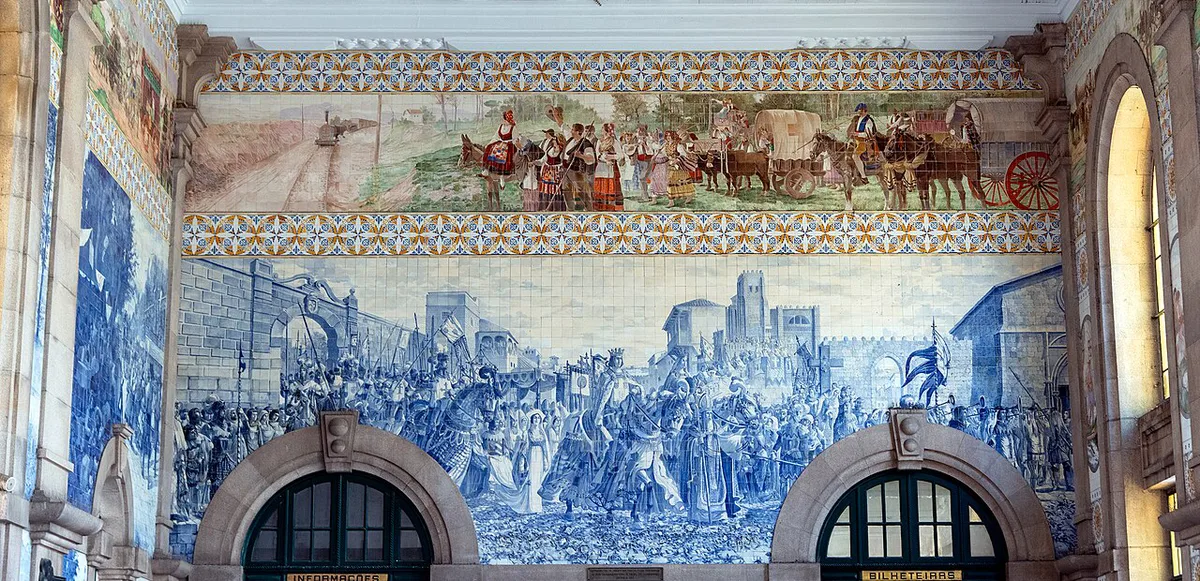
Most regional trains to Braga, Guimarães, and Coimbra depart from Campanhã station, while Aveiro trains run from both São Bento and Campanhã. Download the CP (Comboios de Portugal) app before your trip to check live departure platforms, since these can change by service. For the Douro Valley, check the app for your specific departure station and platform before you go. Rental cars need a Via Verde-compatible toll transponder for Portugal's electronic-only toll motorways. Ask the rental agency to activate one before you leave Porto. Historic centers such as Guimarães and Braga restrict cars near the old town, so plan to park at the edge and walk in. Roads in the Douro Valley and around Peneda-Gerês narrow and wind, so allow extra time and avoid driving on unfamiliar routes after dark. A guide pays off in the Douro Valley and Peneda-Gerês, where local knowledge unlocks wineries and trailheads that are hard to find independently. Braga, Aveiro, and Guimarães are straightforward enough to visit solo with a train ticket and a map. Once you're back in Porto, ease into the evening with ideas from the Porto at night guide rather than planning a big night out after a full day of travel.
Common Mistakes to Avoid on a Porto Day Trip
A few planning errors show up again and again on Porto day trips. For those wanting to add a second country, Santiago de Compostela in Spain is a longer trip, at roughly 2 hours 30 minutes by car, better suited to a guided tour or an overnight stay than a rushed solo drive.
The University of Coimbra, founded in 1290, joins major Guimarães sites in closing Mondays; weekday visits are non-negotiable for travelers prioritizing these history-focused destinations.
- Squeezing Braga and Guimarães into four hours. Both deserve a half day each, so treat them as two separate trips or budget a full day for both.
- Forgetting Monday closures. Many museums and monuments, including sites in Guimarães and Coimbra, close on Mondays, so check hours before you commit to a date.
- Underestimating the nortada. This cold, steady wind hits Atlantic beaches near Porto and Aveiro year-round, so pack a layer even in summer.
Planning Multiple Day Trips: 5 vs. 7 Days in Porto
Five days in Porto comfortably fits two day trips. Pair Braga and Guimarães as a joint outing, or choose one and add the Douro Valley or Aveiro instead. A 7-day stay allows three or four day trips, spread across different themes. Balance travel days with time back in the city. For low-cost afternoons, the free walking routes and viewpoints guide fills the time without adding cost. For quieter exploring, the quieter courtyards and local workshops guide rounds out a light day.
- One nature day at Peneda-Gerês or the Paiva Walkways
- One wine day in the Douro Valley
- One history day split between Braga, Guimarães, or Coimbra
- One coastal or food day in Matosinhos, Aveiro, or Amarante
Frequently Asked Questions
Is one day enough for the Douro Valley?
A day trip covers the basics, but the Douro Valley rewards more time. Focus on a single town, either Peso da Régua or Pinhão, rather than both. The scenic train takes about 2 hours 15 minutes each way, so a single day leaves only a few hours actually in the valley.
Can you do Braga and Guimarães in one day?
It's possible, but tight. Each city is about an hour from Porto by train, so combining them uses roughly two hours in transit before sightseeing even starts. Budget a full day if you want to see both properly, or split them across two separate trips.
What is the easiest day trip from Porto by train?
Braga and Guimarães are the most straightforward options. Frequent direct trains run from Campanhã, and neither requires a transfer. Aveiro is nearly as simple, with trains from São Bento or Campanhã taking about 1 hour 15 minutes.
Is it worth going to Coimbra from Porto?
Yes, mainly for the University of Coimbra, founded in 1290, and its Baroque Biblioteca Joanina. Trains from Campanhã take about 1 hour 20 minutes on the Alfa Pendular or Intercidades service. Book a library slot in advance, since access is limited.
Do day trips from Porto require a rental car?
Not for the Big Three, plus Aveiro, Coimbra, and Matosinhos, all reachable by train or metro. Peneda-Gerês, the Paiva Walkways, Ponte de Lima, and Amarante have little or no public transport, so those trips need a car.