Last updated August 2026, this guide covers the best free things to do in Palermo without a single euro spent on admission. Markets, church naves, grand piazzas, and a seaside promenade fill a full day on their own, though coffee, snacks, and local transit still add small costs along the way. Use the sections below to string the free sights into one walking route, and to see exactly which nearby experiences are worth paying for instead.
Free Things to Do in Palermo: What a Budget Day Actually Costs
Palermo rewards travelers who walk rather than ride, since its historic center is compact and largely flat near the sea. Getting in from Falcone-Borsellino airport costs €6.30 for a one-way bus ticket, or €10 to €11 for a round trip. A private transfer runs closer to €50, useful only if arriving late at night or traveling as a group. In our editorial estimate, a free-focused day covering transit plus a coffee and a street snack runs roughly €15 to €20, not counting accommodation. Palermo is a sensory city. Small purchases still add up even when every sight on this list costs nothing: an espresso at the counter, or a slice of sfincione from a market stall. Street snacks like sfincione, pane e panelle, and arancini stay inexpensive by design, since they started as everyday food for working neighborhoods rather than tourist fare. Standing at a bar counter for a coffee typically costs less than sitting at a table, a small habit that keeps a free-focused day's spending down. A cannolo from a pasticceria window counts as one of the more affordable splurges in the city, usually eaten standing rather than at a table. None of the major free sights on this list charge admission at all. That includes the cathedral nave, the markets, and the main piazzas. The only costs that add up are food, coffee, and getting around.
Achieving the €15 to €20 budget depends on morning market visits; Ballarò and Il Capo bustle with vendors and ideal light early in the day, but afternoons slow considerably as stalls begin closing by midday.
Architectural Icons You Can See for Free
Palermo Cathedral anchors the old city, and its nave is free to enter during regular opening hours. Climbing to the roof, viewing the royal tombs, or touring the treasury each require a separate paid ticket, often bundled into one combined admission. Its exterior layers together several centuries of building work, from Norman-era foundations to later additions. Quattro Canti marks the symbolic center of Palermo, where four Baroque facades meet at a central crossroads in the old town. Each corner carries its own sculpted details, worth a slow look before moving on. Piazza Pretoria, just steps away, holds the Fontana della Vergogna, a 16th-century fountain surrounded by nude marble figures that gave it a well-known nickname, the Fountain of Shame. Porta Nuova and Porta Sant'Agata, two of the city's historic gates, cost nothing to view and mark where the old walled center used to end. Both gates make a natural bookend to a walk through the historic core, since they once controlled who entered and left the city.
| Site | Free to see | Paid add-on |
|---|---|---|
| Palermo Cathedral | The nave and main interior | Roof terrace, royal tombs, and treasury (combined ticket) |
| Teatro Massimo | The exterior facade and steps on Piazza Verdi | A guided interior tour of the auditorium |
| Norman Palace & Palatine Chapel | The exterior only | Entry to the Palatine Chapel and royal apartments |
| Church of San Domenico | The nave, generally free to enter | None noted, though hours can be limited |
| Capuchin Catacombs | Nothing free to see | A paid ticket required for everyone |
The Three Great Markets: Ballarò, Il Capo, and Vucciria
Palermo's three historic street markets cost nothing to wander, and each rewards a different kind of traveler. Ballarò is the rawest and most local, busiest in the morning when vendors call out prices over stacked produce and fish. Singing vendors selling sfincione from carts are part of the everyday soundtrack here, especially before midday. Il Capo suits photographers, prized for narrow alleyways and stalls packed tightly along the street. Photographers often find the best light there in late morning, once stalls are fully set up but not yet breaking down. La Vucciria works as a market by day and turns into a low-cost social hub after dark, part of Palermo's after-dark scene. All three markets are quieter or partly closed on Sundays, so plan a weekday or Saturday morning visit instead. Afternoons can also be slow across all three, since many stalls wind down once the midday heat sets in. Street food culture across the markets reflects centuries of Arab, Norman, and Sicilian influence layered into a handful of iconic dishes.
- Foodies: choose Ballarò for produce, fish, and street snacks straight from the stalls.
- Photographers: choose Il Capo for its narrow alleyways and tightly packed stalls.
- After-dark culture seekers: time a Vucciria visit for evening, when it shifts from market to open-air social spot.
Green Spaces and Free Urban Wandering
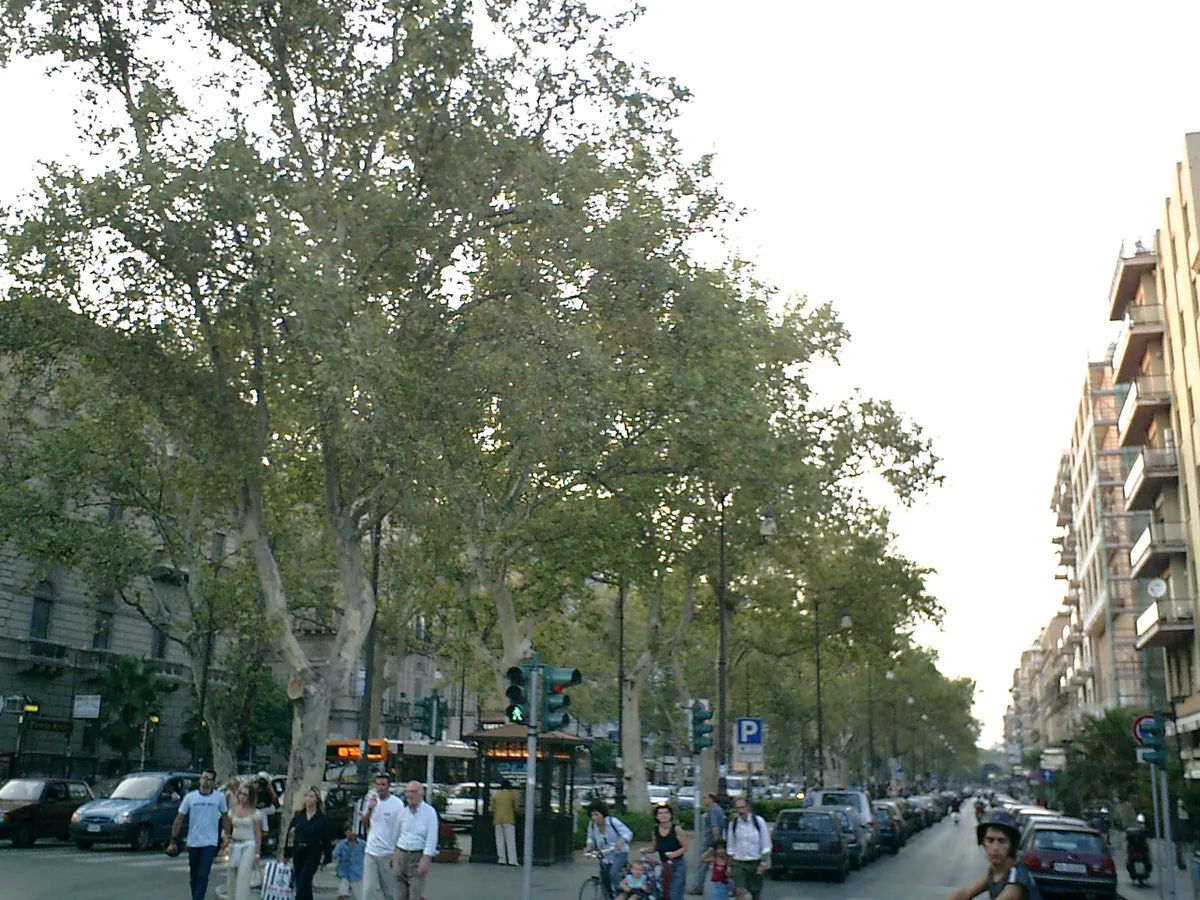
Piazza Marina and the adjoining Villa Garibaldi hold one of Europe's largest fig trees, a sprawling Ficus macrophylla. Its branches have grown wide enough to shade much of the garden. This square sits close to the port, making it an easy stop on the way in or out of the city. Kalsa's side streets reward slow walking, with weathered palazzo facades, street art, and everyday street life spilling from open doorways. Balconies along some streets are used to lower buckets for deliveries, and plastic chairs sometimes appear on street corners for informal evening gatherings. Specific walls and courtyards worth seeking out appear in the Kalsa street art guide. Villa Bonanno, a public garden in the historic center near the Norman Palace, is another free green space worth a short stop. Via Maqueda and Via Vittorio Emanuele, Palermo's two main pedestrian corridors, cost nothing to stroll and cut through the historic core between several sights on this list. Foro Italico, Palermo's seaside promenade, is free to walk any time of day. It draws local families for evening strolls, making it a natural stop when exploring Palermo with kids. Locals use the promenade for jogging, picnics, and evening gatherings, and it requires no ticket or reservation.
Lesser-Known Free Sites: Churches, Street Art, and Overlooked Piazzas
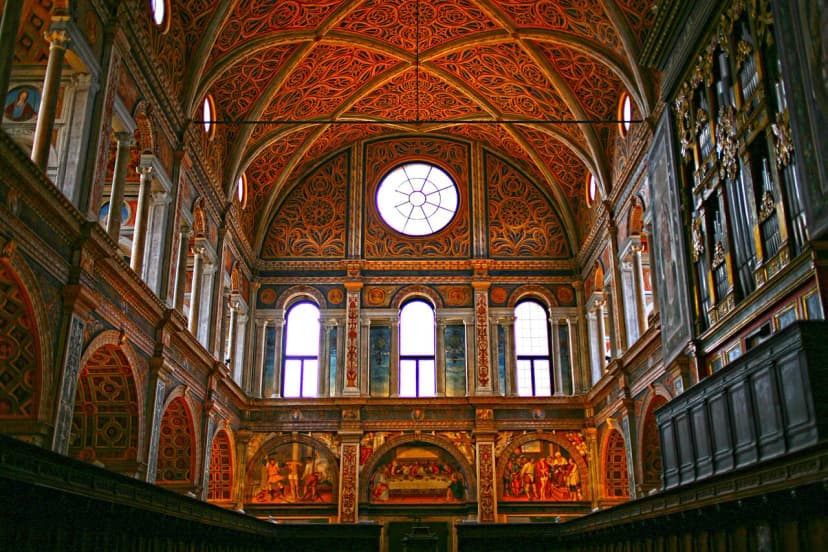
The Church of San Domenico is generally free to enter and serves as a pantheon for notable Sicilians, with tombs and memorials lining its nave. Chiesa di Santa Caterina is another central church worth checking for free entry, though hours vary. Many of Palermo's free churches keep erratic hours, and quite a few close for several hours around midday. Plan around the roughly 1 p.m. to 4 p.m. siesta window. Checking a church's posted hours on the morning of a visit avoids arriving at a locked door. Albergheria's streets carry murals and street art that trace the city's more recent history across building facades and side alleys. These murals mix commentary on neighborhood life with pieces that change over time as older art fades and new work appears. Piazza Giulio Cesare sits near the central train station and works as a free gateway into the historic center for anyone arriving by rail. It's an easy first or last stop for travelers connecting onward by train.
Visiting churches requires planning around the siesta window of 1 p.m. to 4 p.m., since market stalls close during these same afternoon hours.
Getting Around Palermo for Less
Palermo's historic center is a UNESCO World Heritage-listed old town, and its narrow streets are often faster on foot than by car or bus. Most of the free sites in this guide sit within a compact core, so a single walking loop can connect several in one morning. A suggested route ties together Quattro Canti, Piazza Pretoria, the Cathedral, and Ballarò market in roughly four hours. A full turn-by-turn version lives in the one-day Palermo itinerary. From Falcone-Borsellino airport, the shuttle bus runs about every 30 minutes and costs €6.30 one way or €10 to €11 round trip. Tickets are available onboard the bus or in advance through the operator's site. A private transfer costs around €50 and only makes sense late at night or for a group splitting the fare. Mondello, a popular beach near Palermo, is free to reach by local bus and free to sit on. Stabilimenti, Palermo's private beach clubs, charge for a chair and umbrella, and free sand areas can get crowded during peak summer. Cobblestone streets throughout the historic center make comfortable, closed-toe shoes worth packing for a full day of free sightseeing. Travelers who want more coastline or countryside beyond Mondello can look at the day trips beyond Palermo guide.
- Start at Quattro Canti, the four-corner crossroads at the heart of the old town.
- Walk to Piazza Pretoria to see the Fontana della Vergogna.
- Continue to Palermo Cathedral and step into the free nave.
- Finish at Ballarò market for late-morning street food and produce stalls.
What Is Actually Worth Paying For in Palermo
Not every Palermo experience should be free, and a few paid add-ons meaningfully improve a visit. A guided street food tour adds context that self-guided grazing misses. A local guide can point out which stall makes the best sfincione or pane e panelle that day. A Sicilian cooking class is another paid option worth considering for hands-on learning beyond a self-guided walk through the markets. Popular street food tours and cooking classes can fill up during peak travel months, so booking a day or two ahead helps secure a spot. Teatro Massimo's exterior and the steps on Piazza Verdi cost nothing to admire. A paid interior tour is the only way to see the auditorium itself. Capuchin Catacombs charge admission for everyone, with no free viewing area, and reward travelers specifically curious about the mummified remains on display. A tour of Palazzo Conte Federico, a private noble residence, is another paid add-on for travelers interested in interiors beyond what free piazzas and church naves offer. Responsible travelers can also choose where paid spending goes. Supporting Addiopizzo-affiliated shops and restaurants channels money toward businesses that have publicly refused mafia protection payments, a choice more meaningful than mafia-themed souvenirs.
- Street food tour: added context and insider stall picks beyond self-guided grazing.
- Teatro Massimo interior tour: the only way to see the auditorium itself, beyond the free exterior view.
- Capuchin Catacombs: paid entry for everyone, no free viewing area, for travelers curious about the mummified remains.
Frequently Asked Questions
Is it possible to spend a full day in Palermo without paying for anything?
Yes. A full day covering the cathedral nave, Quattro Canti, Piazza Pretoria, and Ballarò market costs nothing beyond transit and snacks. In our editorial estimate, a free-focused day runs roughly €15 to €20 for coffee, a street snack, and getting to and from the sights. Building the day around the walking route below keeps costs to transit and food alone.
What's the cheapest way to get from Palermo airport to the city center?
The shuttle bus from Falcone-Borsellino airport is the cheapest option, running about every 30 minutes for €6.30 one way or €10 to €11 round trip. Tickets are available onboard or in advance through the operator's site. A private transfer costs around €50 and only makes sense late at night or for a larger group splitting the fare.
Are Palermo's churches always free to enter?
Most nave-level access is free, including at the Cathedral and the Church of San Domenico, but hours can be erratic. Many close for several hours around the 1 p.m. to 4 p.m. siesta window. Checking posted hours on the morning of a visit avoids a wasted trip to a locked door.
Which Palermo market should travelers prioritize if they can only visit one?
Foodies should choose Ballarò for its produce, fish, and street snacks straight from the stalls. Photographers get more from Il Capo's narrow alleyways and tightly packed stands. Anyone wanting an after-dark social scene should time a Vucciria visit for the evening instead of the morning.
Is Mondello beach really free?
Sand access itself is free and reachable by local bus from Palermo. Stabilimenti, or private beach clubs, charge separately for a chair and umbrella. Free sand areas are limited and get crowded during peak summer months.
What is worth paying for in Palermo even on a tight budget?
A guided street food tour or cooking class adds context that self-guided grazing misses, and both are reasonably priced for a few hours of local insight. Capuchin Catacombs charge admission for everyone, with no free viewing area, for travelers curious about the mummified remains. Teatro Massimo's exterior is free, but seeing the auditorium itself requires a paid interior tour.