Rothenburg ob der Tauber has an unusual daily rhythm: most visitors arrive around mid-morning, photograph the Plönlein, and leave before sunset. One independent account notes plainly that most visitors just come for the day and leave before the sun goes down, which is a good reason to plan your quieter hours for later in the day. A suggested window of two to three hours is enough to walk the free Stadtmauer and the Spital Bastion without rushing, but it is an editorial suggestion, not an official figure.
This guide focuses on the quieter corners that are easiest to reach on foot: the free ramparts, the Spital Bastion complex, the Burggarten, and the valley paths toward Toppler Castle and the Double Bridge. Each comes with a genuine trade-off, whether that is a low stone beam on the wall walk or a steep climb back into town. For a wider view of how these pieces fit together, start with the landmark visitor guides for Rothenburg ob der Tauber and its walking routes.
For current opening times and ticketed offers, the Rothenburg Tourismus Service is the body to check before travelling. The suggestions below stick to what local sources describe as free to explore, and note plainly when something may involve a fee or a restriction.
What Counts as a Hidden Gem in Rothenburg
A hidden gem here is rarely a secret place. It is more often a familiar sight at an unfamiliar hour, or a free corner of the fortifications that visitors walk past without recognising. The Plönlein is not a hidden gem at eleven in the morning, but the same fork of streets is a different place after dinner.
It also helps to separate free grounds from paid interiors. Walking the wall, crossing the Burggarten and wandering the open passages of the Spital Bastion do not work on the same ticketing logic as a tower climb or a museum visit. Do not assume that one ticket covers every collection in a complex; each site sets its own arrangements, so check individually rather than extrapolating from a neighbouring attraction.
How Rothenburg's Geography Hides Its Best Corners
Rothenburg sits on a plateau above the Tauber valley, and that simple fact explains most of the town's quieter spots. The historic centre occupies the high ground, while the river, the Double Bridge and Toppler Castle sit lower down. Reaching them means descending first, and later climbing back.
The ramparts follow the edge of that plateau, which is why the western stretch offers such open valley views. Roofscape, towers and the river plain line up in one frame, and the light is strongest in the late afternoon. Pick up current route information from the tourist office if you prefer a signposted version rather than following the wall itself.
For a structured approach to the old town's squares and gates, the self-guided Rothenburg old town walking tour route pairs well with the wall circuit, since both trace the same defensive ring from different angles.
Walking the Free City Walls and Tower Trail
The Stadtmauer is the single best free experience in town. One independent guide describes the wall as completely walkable, by anyone, for free, with numerous points where you can get on or off and even go inside some of the towers. The same source says the trail is open around the clock, which makes the wall the most reliable low-cost way to see Rothenburg from above.
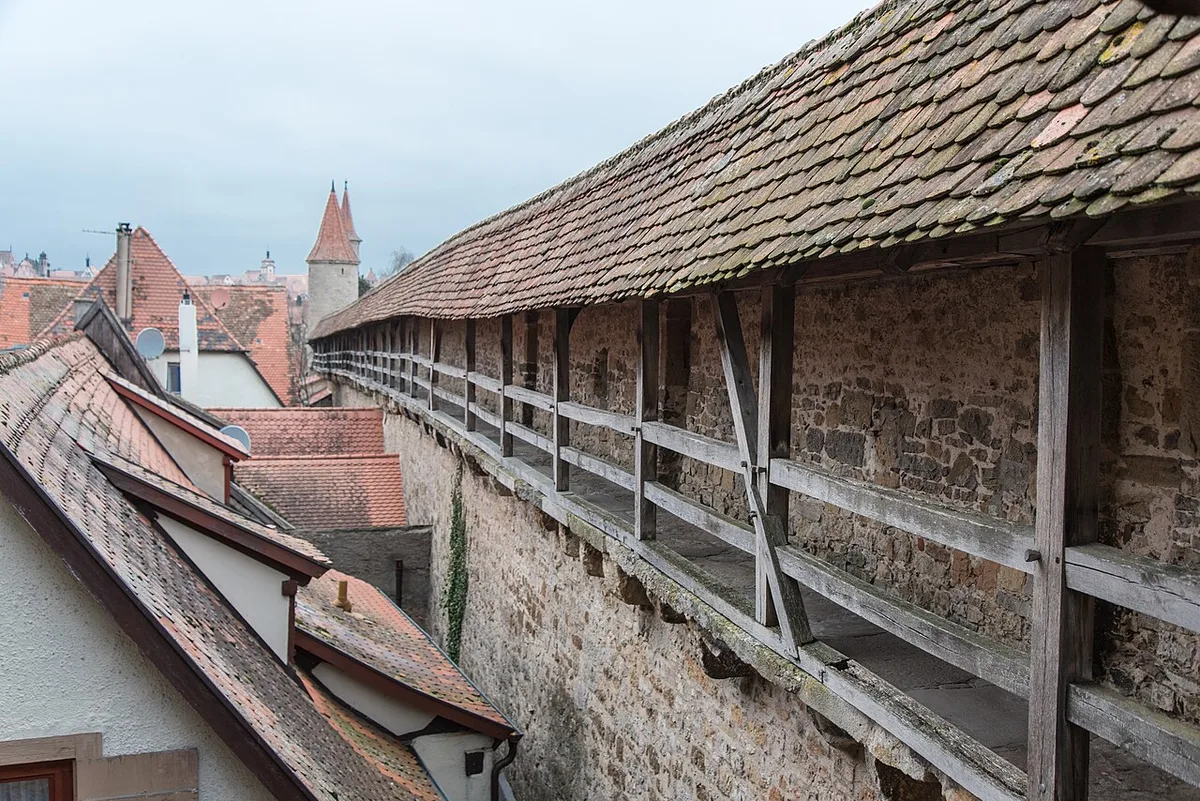
Height is a genuine constraint rather than a joke. The same account warns that tall walkers need to watch their heads because of low-hanging stones and that there are zero warnings, and adds that the wall path is largely uneven and the stairs on and off are steep. Wear shoes with grip and keep a hand free for the railings, especially where the boards are worn.
Timing matters more than routing. Start the wall in the late afternoon if you want the western stretch at its best, then drop down towards the Marktplatz for dinner. The contrast with the middle of the day is the whole point of visiting the free things to do rather than queueing for the headline viewpoints at noon.
The Spital Bastion: Enter Past the Plönlein
The Spital Bastion is the most rewarding detour in Rothenburg and one of the easiest to find. One account explains that you veer left at the Plönlein and walk straight until you dead-end at a medieval tower, where a staircase leads into the structure. Another source describes it as a small fortress within the town walls, with a watch tower, a trio of gates, a wooden bridge, a moat, cannons, cramped spaces, heavy doors, courtyards and wooden stairs.
That second account calls the Spital Bastion one of Rothenburg's hidden gems and notes that there were no signs and no tourists inside, just a labyrinth of architecture. It also flags the one clear downside: Spital Street runs through the complex and is used by cars, so the approach is not a peaceful lane. Once inside the stonework, most of the traffic noise disappears.
Because you explore at your own pace without a fixed route, the bastion rewards a slower visit than the wall itself. Budget a suggested twenty to thirty minutes inside, more if you enjoy picking apart defensive architecture, and treat that as an estimate rather than an official timing.
Burggarten and the Old Castle Site
Walk through the Burgtor at the western edge of the old town and you reach the Burggarten, the garden on the site where Rothenburg's castle once stood. One source describes it as a shaded park with large trees rather than a formal garden, full of sculptures and offering sweeping views of the Tauber valley. The same source notes that the castle itself is gone, destroyed during the fourteenth century, though the exact reason is not certain.
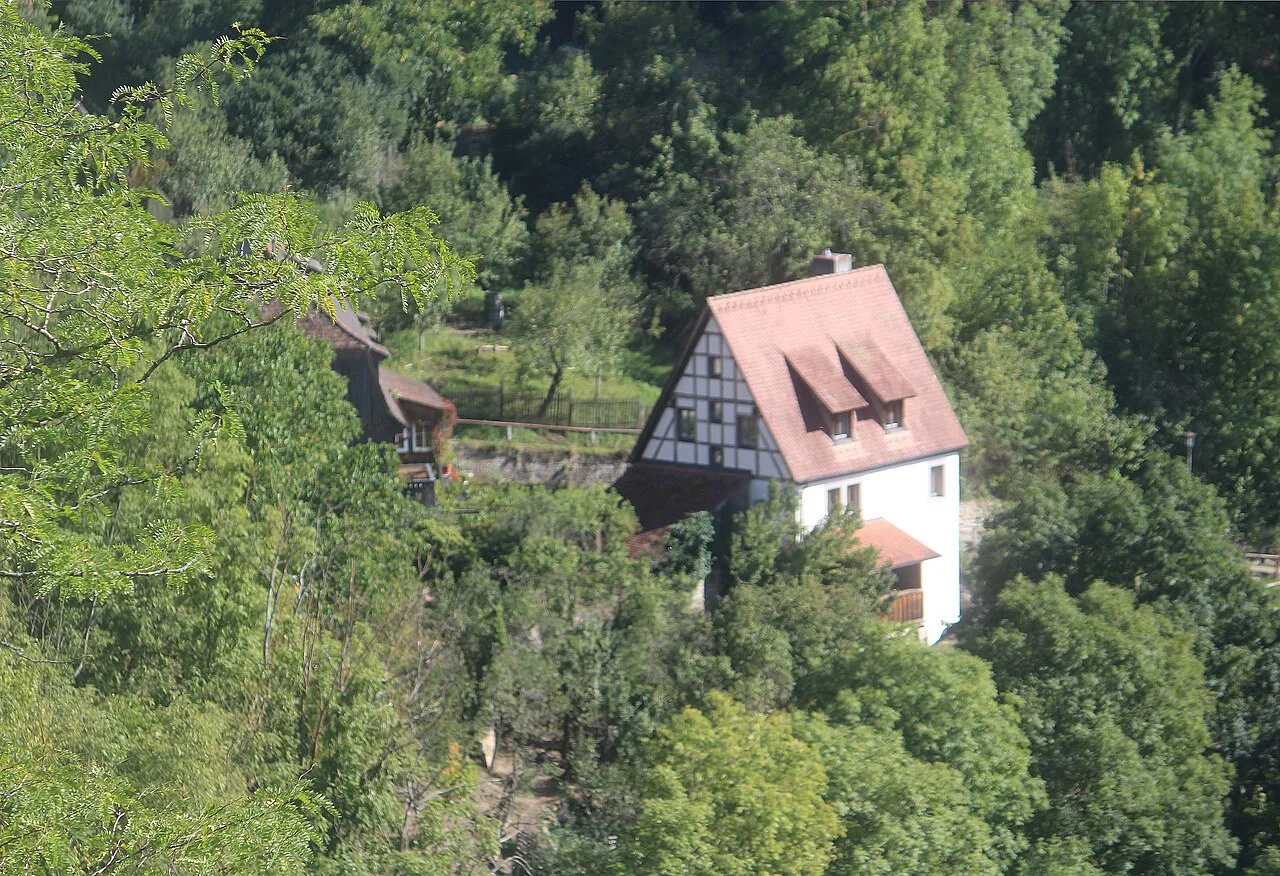
The garden's real value is its western outlook over the valley. It is a place to sit rather than to climb, which makes it a useful counterweight to the town's ticketed tower ascents. If stairs or cost are a consideration, this is where you still get the panorama without either.
Treat the Burggarten as a rest stop rather than a destination in itself, and it works well. Arrive after walking the wall, take a short break on a bench, then decide whether to descend into the valley or turn back into the lanes.
Valley Walks to Toppler Castle and the Double Bridge
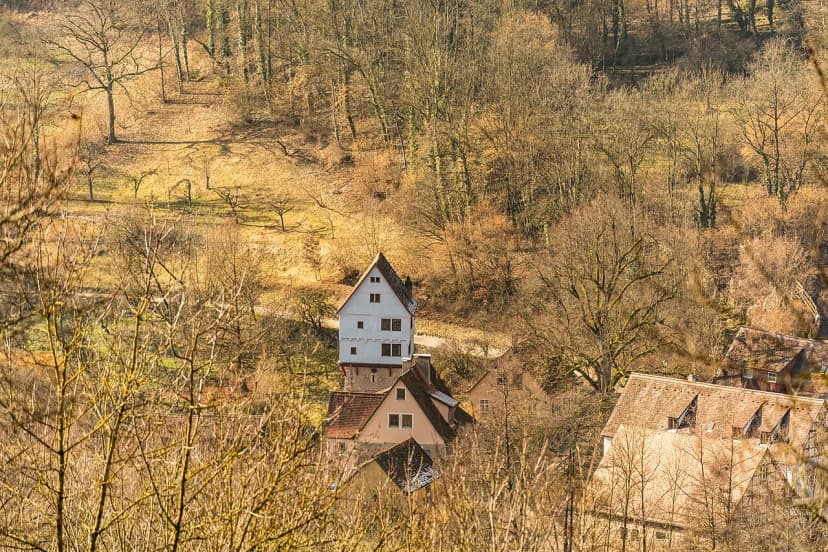
Several paths leave the old town and drop into the valley, and the two classic targets are Toppler Castle and the Doppelbrücke, or Double Bridge. One source places the Double Bridge about a kilometre southwest of the Marktplatz, built during the fourteenth century, spanning the Tauber valley and connecting the town with the village of Leuzenbronn. The same account describes Toppler Castle as a tiny fourteenth-century structure built by a mayor named Heinrich Toppler, essentially a miniature house sitting on top of a tower, and notes that it can sometimes be entered for a small fee but keeps odd hours, so many visitors simply admire it from outside or from the walls above.
Plan these walks downhill first. The same source describes the trail to the Double Bridge as nice and well-maintained but steep, with roughly a hundred metres of elevation change, turning a gentle descent into a proper climb on the way home. Treat that figure as the source's approximate guide rather than a survey, and remember that the climb back takes longer than the descent.
Surface conditions vary with the season, and wet weather makes the steeper sections slippery. If it has been raining, stay on the main signposted path rather than cutting through vineyards or woodland tracks. Hilltop Rothenburg stays visible from most of the valley, which makes it hard to get seriously lost.
Crowd Contrast: Plönlein and Marktplatz Versus the Lanes Behind
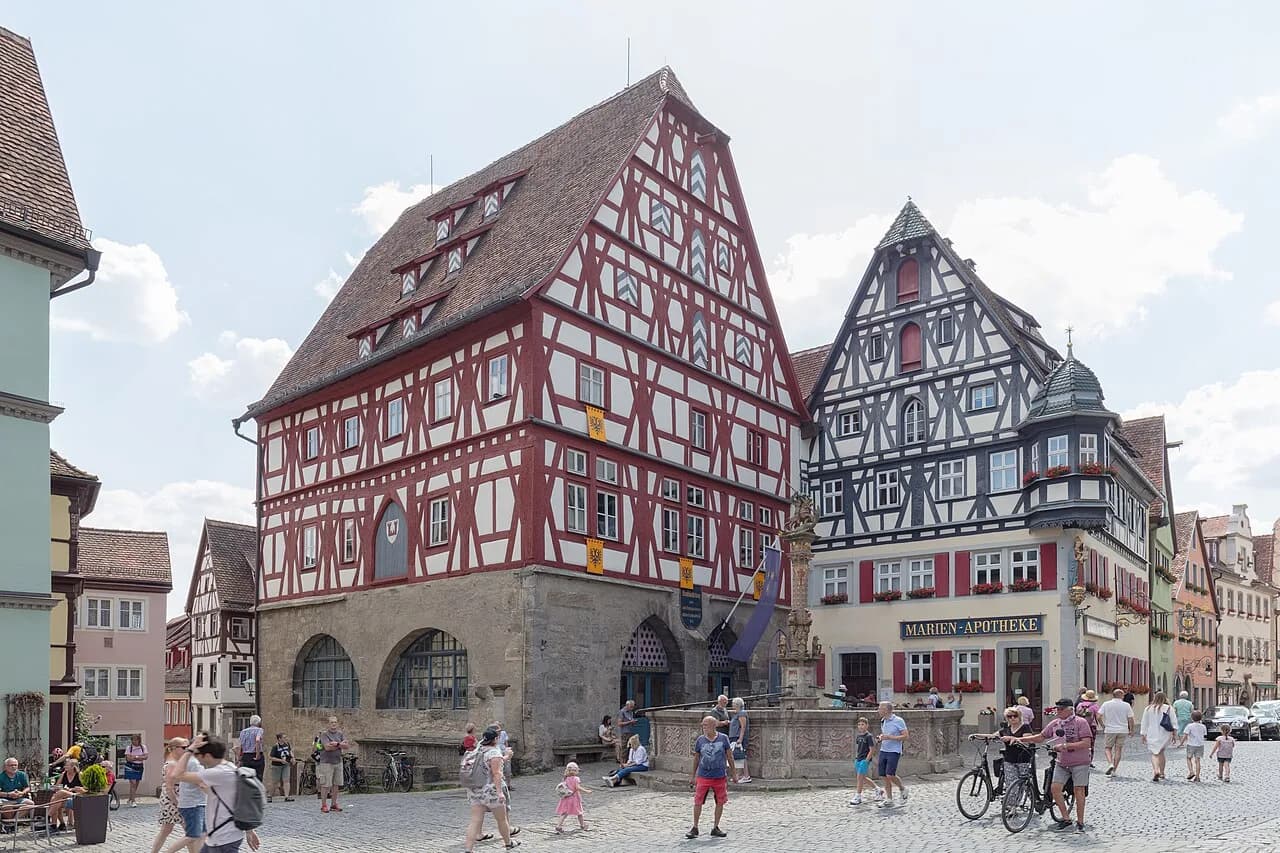
The Plönlein earns its fame, but it is a small fork of two streets and it absorbs crowds poorly. One guide to the town's sights notes that it is often busy and that you may need to wait for a photo without others in the frame. Come back in the evening or early morning, when the same view becomes calm and photogenic again.
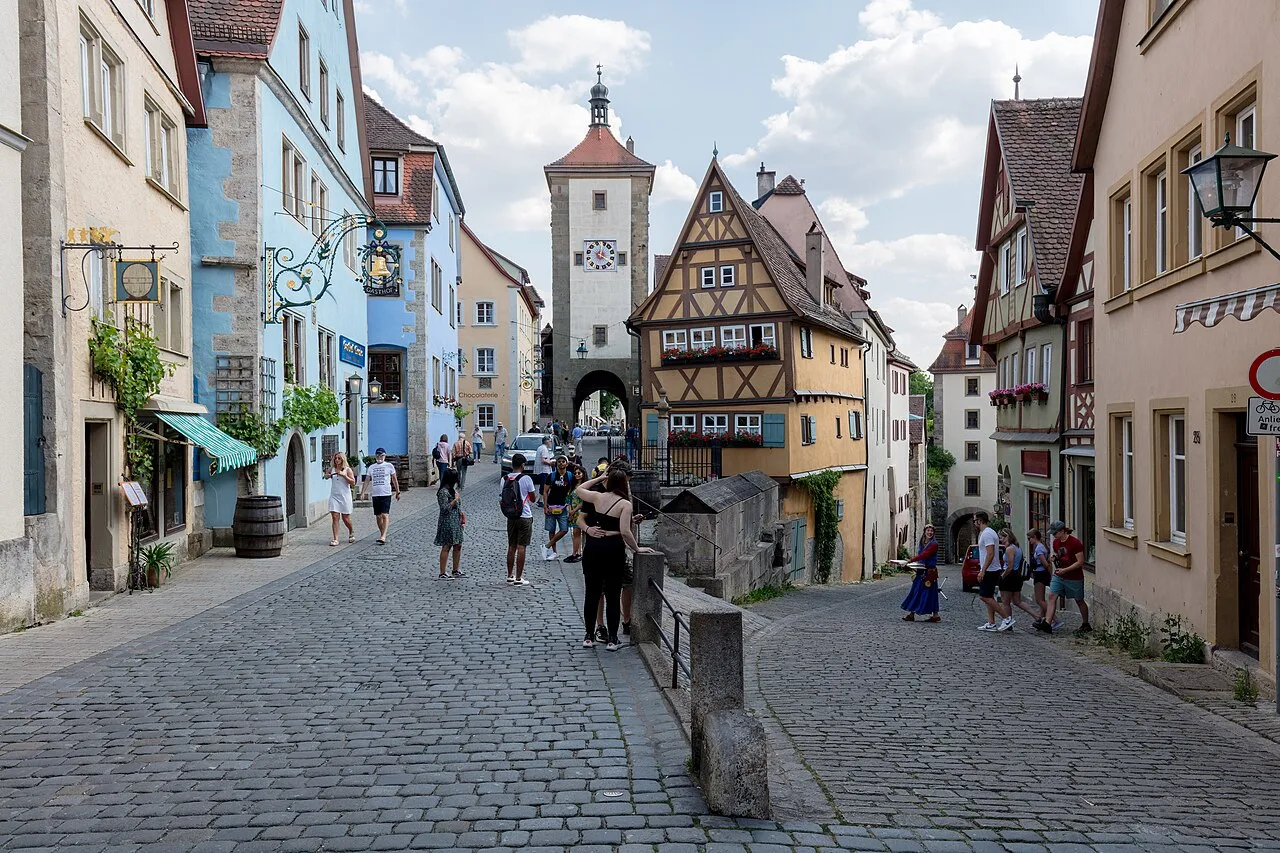
The Marktplatz functions as the town's living room, with outdoor seating, the town hall and the Ratstrinkstube clock that re-enacts the Master Draught legend. It stays busy through the middle of the day, but the lanes immediately behind it, particularly towards the western side of town, are noticeably quieter at almost any hour.
The pattern is consistent: the closer you are to the two headline squares, the more people you meet. Walk a few minutes in any direction from either one and the crowd density drops.
A Suggested Half-Day Route for Quieter Corners
This is a suggestion, not an official itinerary, and it assumes you can manage stairs and uneven ground. Start in the afternoon at the Marktplatz, walk west through the Burgtor into the Burggarten for the valley view, then take a valley path down towards Toppler Castle or the Double Bridge if you have the legs for the climb back.
If the weather turns, swap the descent for the covered sections of the wall, which keep you close to the town while still delivering the roofscape views. Either way, finishing near the western ramparts as the light softens gives you the calm version of Rothenburg that most day visitors never see.
A Suggested Full-Day Version
With a full day, you can add the Spital Bastion and the eastern ramparts without rushing. Begin in the morning when the lanes are still quiet, take the Spital Bastion detour from the Plönlein, then return through the old town and pick up the wall for the western stretch in the late afternoon.
If you are staying overnight, this order works especially well because you end on the walls near sunset and walk back into a much emptier town. If you are visiting on a day trip, check your transport times before committing to a long valley walk, since the climb back takes longer than the descent.
For a stronger contrast, the Tauber valley walk from Rothenburg focuses specifically on the descent to the river and the return climb, while a two-day Rothenburg itinerary helps you spread the quieter corners across two mornings and evenings instead of one cramped afternoon.
What Else Is Worth Knowing Before You Go
The town's museums sit on separate tickets, and opening hours vary by season, so it is worth planning around whichever interior genuinely interests you rather than trying to cover all of them. The Medieval Crime and Justice Museum, the Reichsstadtmuseum in the former Dominican convent, and the Käthe Wohlfahrt Christmas Museum each have their own arrangements and should be checked individually before you commit a slot in your day.
If you want one paid interior as a contrast to the free walls, the Town Hall tower climb is the obvious candidate, and it is documented separately with its own opening pattern and payment arrangement. Check the tower page on the day rather than relying on any older figure you may have read elsewhere.
Which Quiet Corners to Prioritise
Prioritise the Stadtmauer and the Spital Bastion if you only have a few hours, since both are free, central and unlike anything else in the region. Save the valley walks for a day when you have daylight, dry conditions and the energy for the climb back.
Whatever you choose, build your day around the rhythm of the crowds rather than a checklist of sights. The lanes behind the Marktplatz, the covered wall and the western terrace above the Tauber valley reward anyone willing to walk a few minutes further and stay a few hours longer.
Frequently Asked Questions
What can you do for free in Rothenburg ob der Tauber?
Walking the city walls costs nothing and is the standout free experience in town. The Burggarten, the open passages of the Spital Bastion and the valley paths are also free to explore. Museums and tower climbs generally charge separately, so check each site's own information before you go rather than assuming a single ticket covers everything.
How much time do you need in Rothenburg ob der Tauber?
A half day covers the main squares, the wall and the Burggarten at a relaxed pace. A full day lets you add the Spital Bastion and a valley walk towards Toppler Castle or the Double Bridge. Staying overnight changes the experience most, because the streets empty once the day-trippers leave.
Is Rothenburg ob der Tauber worth staying overnight?
Yes, if you want the quieter version of the town. The Plönlein and Marktplatz are far calmer in the evening and early morning, and the wall walk in the late afternoon offers good light. The contrast with the middle of the day is the main reason to plan your hours around the crowds rather than against them.