

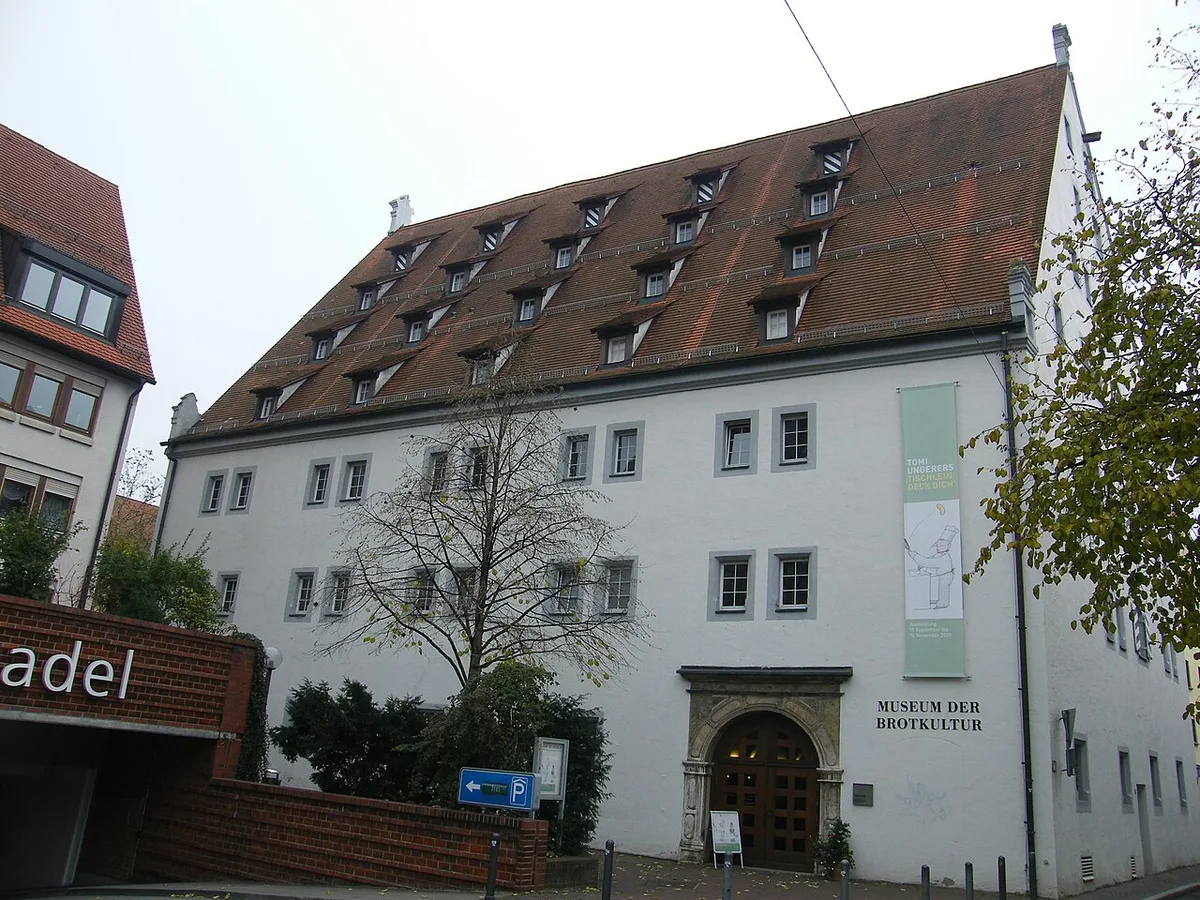
The Museum Brot und Kunst, long known as the Museum der Brotkultur, sits on Salzstadelgasse in Ulm's pedestrian old town, within easy walking distance of Marktplatz and the Minster. Tourism Ulm/Neu-Ulm lists the address as Salzstadelgasse 10 and gives a suggested plan of roughly one and a half to two hours for the displays. That is an editor's suggestion rather than an official timing, and it is long enough to read the main sections without the visit turning into a slog.
The museum is privately run and spreads its collection across three floors, so it rewards a slower visit than its modest facade suggests. Expect art, tools and religious objects documenting how bread has been made, traded and understood over time, plus digital stations linking those historical themes to present-day food questions.
What the Bread Museum Actually Is
This is a cultural-history collection about food and society, not a working bakery or a children's discovery centre. The permanent displays combine paintings, sculpture, implements and religious pieces, and the three floors take time to read properly. The framing is deliberately broader than bread alone: the museum operates as a Forum Welternährung, a forum on global nutrition, which is why hunger, food security and agricultural change keep surfacing alongside the historical objects.
That angle shapes how you should pace the visit. Visitors expecting ovens and baking demonstrations may be surprised, while those interested in art, design and social history tend to linger. As a small private museum, it can also adjust displays between seasons, so treat any gallery list you read online as indicative rather than final.
Current and Recent Exhibition Programming
The museum rotates temporary shows on top of its permanent collection, and the topics usually connect food to art or to ecology. One recent programme, Delicacies, ran from 18 July to 9 November 2025 and examined cooking and art as parallel acts of transformation, with works spanning 1960 to the present and references to Piero Manzoni, Daniel Spoerri, Salvador Dalí and Andy Warhol. That exhibition has closed, so use it to understand the museum's curatorial style rather than as a reason to book.
A later show, Honig für Kunst und Gesellschaft, ran from 30 April to 20 September 2026 and explored the relationship between humans, bees and art. Its core was the Cologne-based Kraft collection with works by Joseph Beuys and contemporaries such as Michael Buthe, Hede Bühl and Felix Droese, expanded with contemporary positions on bee mortality and hand pollination, plus an interactive beehive installation. Because that run ended in September 2026, check the museum's current programme for whatever has replaced it.
What You See Inside
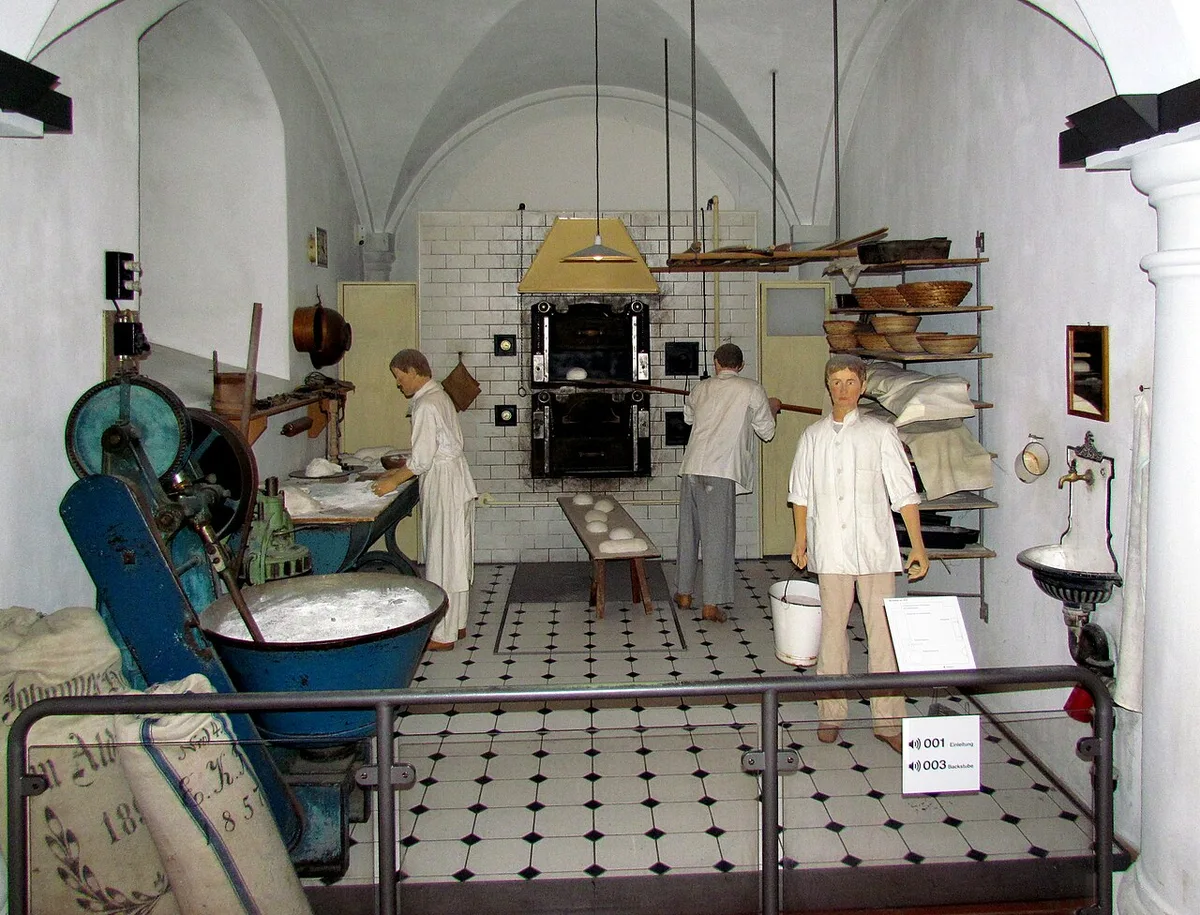
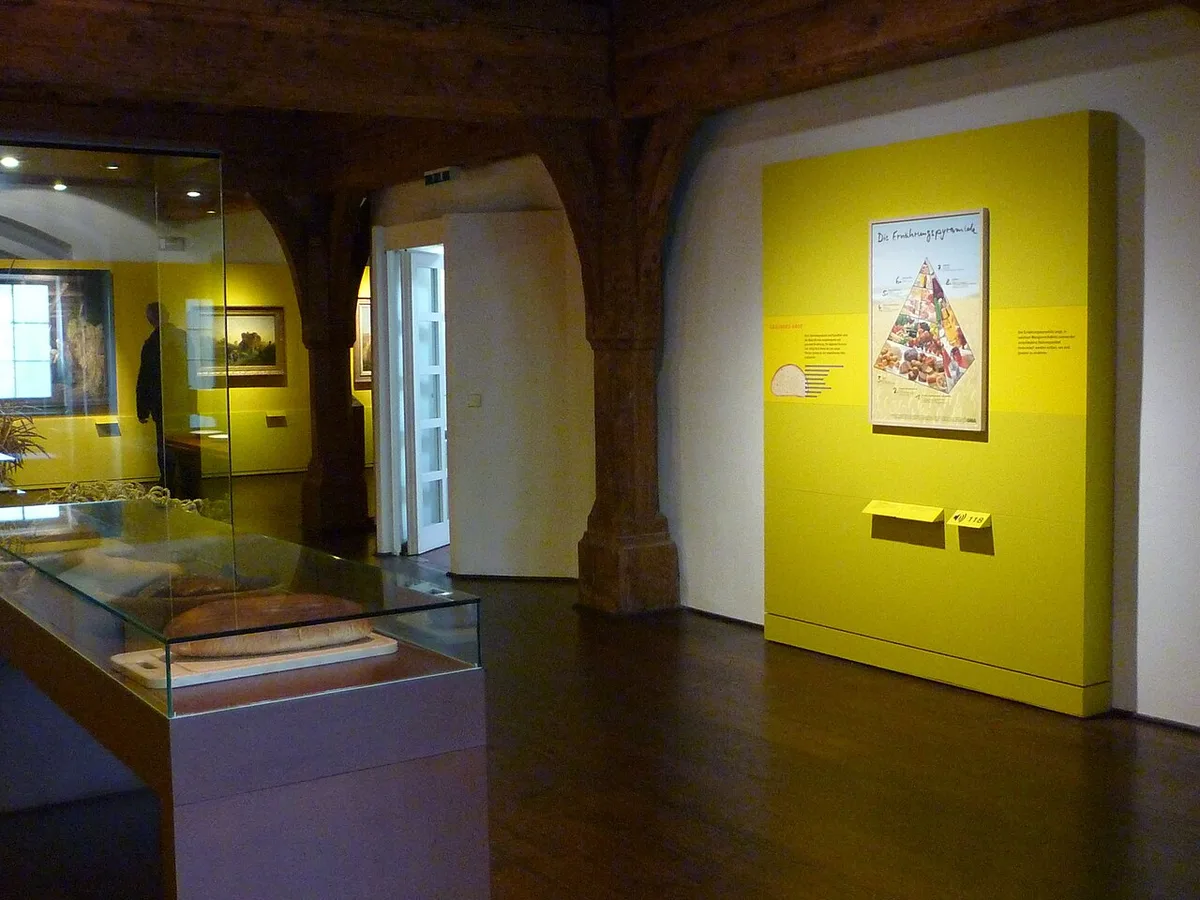
Across the floors you move between fine art and everyday objects: paintings and sculpture that take bread as a motif, milling and baking tools, and religious pieces showing bread's role in ritual. The mix means the collection reads differently depending on how much time you give the captions. Digital stations break up the object displays and push visitors toward broader questions about global food supply, which is the part of the museum most likely to hold a teenager's attention.
Note that Ulm's other main museum is not a substitute for this one. The Museum Ulm has been under renovation since 17 April 2023 and is temporarily closed, with its Hybrid Creatures exhibition shown instead on the first floor of the kunsthalle weishaupt; the Lion-Man figure was scheduled to remain there until 4 October 2026 before moving to redesigned space at the end of 2026. If you are planning a broader museum day, it is worth reading the Museum Ulm visitor guide before you commit a slot.
Opening Hours and the Wednesday Evening Window
Tourism Ulm/Neu-Ulm published a consistent opening pattern alongside both of those exhibitions: Monday 10am to 3pm, Tuesday 10am to 5pm, Wednesday 10am to 7pm, and Thursday to Sunday 10am to 5pm. Those hours were attached to specific exhibition periods, so confirm the current set on the museum's own site or with the tourist information before you build a day around them. The Wednesday late finish is the useful scheduling lever, because it lets you climb the Minster tower earlier and still reach the bread museum afterwards.
Tickets, Free Admissions and What to Reconfirm
The same tourism listings give a ticket snapshot for those exhibition periods: adults 6.00 EUR, reductions and groups 5.00 EUR, children up to the age of eight 5.00 EUR, and a family ticket at 8.00 EUR. Those figures are tied to the 2025 and 2026 event pages rather than to an undated live price list, so treat them as a planning estimate and check the museum's own admission page for the day you go. For a small family the family ticket is the obvious comparison against paying per adult and per child, while larger groups should weigh the group rate.
The free-admission note that appears alongside those prices — free entry every first Friday of the month — comes from an event page covering an earlier period, and it is not clear whether it still applies. Do not plan a trip around it without checking directly with the museum or the tourist information office. Advance booking is not something the published visitor information addresses, so if you are travelling in a busy stretch or as a group, ask the museum rather than assuming either way.
Accessibility and Who the Museum Suits
Accessibility details are best taken from the operator and from Tourism Ulm/Neu-Ulm's accessibility pages rather than from third-party summaries, because lift access, door widths and step-free routes can change with building works. The museum sits inside the pedestrian zone, which removes traffic from your route but leaves cobblestones and old-town gradients to negotiate. If you or someone in your party needs step-free access or a seating route through three floors, call ahead and ask specifically about the entrance and the floors you intend to visit.
Older visitors generally find the museum manageable because it is compact and indoor, and the reading-heavy displays suit anyone who prefers context to spectacle. Children engage most with the interactive digital stations and with the more visual artworks, less so with dense wall text. Families planning a full Ulm day should look at what else in the city works for younger children before committing the whole afternoon here.
Family Suitability and Pacing
As an editor's suggestion rather than an official figure, allow roughly one and a half to two hours for the permanent displays, and add time if a temporary exhibition is running. That is long enough to read the key sections without turning the visit into a slog for children. If you are visiting with young kids, front-load the interactive stations and the artworks, then leave the text-heavy sections for whoever wants them.
Quietest times in a small museum tend to be right at opening and in the final hour, though school groups and wet-weather crowds can change that. The Wednesday evening window is often the most relaxed way to see the galleries if your schedule allows it. Anyone building a rainy-day plan for Ulm should treat this museum as one indoor stop among several rather than the whole answer to a wet afternoon. For wider planning, see Ulm city travel guides.
Fitting It Into an Ulm Day
Salzstadelgasse puts the museum inside the old town, so the sensible plan is to walk rather than drive between stops. Pair it with the Ulmer Rathaus on Marktplatz, whose painted facade and astronomical clock are viewable from the square at no charge, though interior access is limited to the entrance hall and courtyard because the building is still in administrative use. Add the Minster and the lanes of the Fischerviertel and you have a compact day that never needs a car. For a fuller picture of what else is within walking distance, see the Ulm landmark guides.
The Rathaus is genuinely free to admire from outside, which makes it an easy buffer stop before or after a ticketed museum. Note that no guided tours are offered inside the building itself, so any guided experience comes from an external provider. Nearby you will also find the Museum Ulm and the kunsthalle weishaupt, whose current exhibition Wenn Farben Formen finden runs until 8 November 2026 with public tours at 2pm on Saturdays and Sundays, excluding the first Sunday of the month.
Other Ulm Museums Worth Comparing
Before you commit a slot to the bread museum, it helps to know what else is competing for it. The kunsthalle weishaupt is a private modern-art museum with a strong collection of abstract expressionism and pop art, and the Danube Swabian Central Museum covers the history of German settlers in southeast Europe in a historic fortress building. These are separate institutions with separate admission, so no single ticket covers the group.
The UlmCard is a distinct product offering 24 or 48 hours of access and is sold through the city's tourism channels, so compare it against the individual admissions you actually intend to pay. Whether it saves you money depends entirely on how many of these museums you visit and whether you also want public transport. If bread history is your main interest, a single admission here plus free old-town sights is likely the simpler choice.
Plan Your Visit
Treat the Museum Brot und Kunst as a compact cultural-history stop in Ulm's old town rather than a bakery attraction, and give it a focused visit of roughly one and a half to two hours as an editorial suggestion. Confirm the current opening hours, admission prices and any free-admission days with the museum or Tourism Ulm/Neu-Ulm before you go, since published details are tied to specific exhibition periods. The Wednesday evening slot is the best scheduling lever if you want to combine it with a Minster climb the same day.
Build the rest of the day on foot around Marktplatz, the Minster and the Fischerviertel, and check what is showing at the bread museum and the kunsthalle weishaupt in the week you travel. Both venues change their programmes, and a quick check of their own pages prevents a wasted trip.
Frequently Asked Questions
How much does the Museum der Brotkultur cost, and is there a family ticket?
Tourism Ulm/Neu-Ulm has published a price snapshot alongside specific exhibition listings, showing adult, reduced, group, child and family rates, with a family ticket priced below the cost of several individual admissions. Because those figures belong to dated event pages rather than a live price list, check the museum's own admission page or ask the tourist information office for the current rates before you rely on them. For small families the family ticket is usually the better comparison; larger groups should look at the group rate.
Is the bread museum in Ulm suitable for children?
It can work for children, but it is a reading-heavy cultural-history collection rather than a hands-on bakery museum. The interactive digital stations and the more visual artworks are what tend to hold younger attention, while the dense text panels suit older visitors better. Plan a shorter visit with children, lead with the interactive elements, and combine it with something more active elsewhere in the old town.
Is the Museum der Brotkultur wheelchair accessible?
Accessibility information is best confirmed directly with the museum and through Tourism Ulm/Neu-Ulm's accessibility pages, because lift access and step-free routes in an old-town building can change with works. The museum sits inside the pedestrian zone, so the approach involves cobblestones even though there is no traffic. If step-free access matters for your visit, call ahead and ask about the entrance and each floor you plan to see.
How long should I plan for a visit, and when is the quietest time?
An editor's suggestion, not an official figure, is roughly one and a half to two hours for the permanent displays, longer if a temporary exhibition is on. Small museums are usually calmest right at opening and in the last hour, though school groups and wet weather can change that. The published Wednesday evening closing time is the most relaxed slot if your itinerary allows it.
What is currently on display at the bread museum in Ulm?
The museum combines a permanent collection of art, tools and religious objects with rotating temporary exhibitions, and its programme has recently covered food in art and the relationship between humans, bees and art. Those specific shows have ended, so the museum's own website is the place to check what is installed for your travel dates. Tourism Ulm/Neu-Ulm also lists current events and can confirm what is running.
Do I need to book tickets in advance?
The published visitor information does not state an advance-booking requirement, so the honest answer is that it depends on the day and on whether you are visiting as a group. If you are travelling in a busy period or bringing a large party, contact the museum directly and ask whether reservation is recommended. Otherwise, plan around confirmed opening hours and buy on arrival.


