

Stand on the platform of the Ulm Minster tower and the city unfolds below you, the Danube curling past Neu-Ulm and, on a clear day, the Alps far to the south. Turn north instead and the view settles on the rolling hills of the Swabian Alb, with the Wilhelmsburg, described in a local guide as a huge fort, rising above the landscape. That contrast is the whole reason to care about the Wilhelmsburg: it is the counterweight to the Minster in Ulm's panorama, and it rewards a separate walk rather than a slot in a museum queue.
Since the sources do not support a full attraction dossier for the fort, treat this as a landmark guide rather than a promise of interiors. Rather than guessing at opening hours, ticket prices or tour bookings, check with Tourist Information Ulm/Neu-Ulm before you set out. The city's own visitor office is the right place for anything that changes with the season, and it lists Ulm's sights, guided tours and the UlmCard options in one place.
Where the Wilhelmsburg Sits in the Ulm Panorama
The fort occupies the high ground north of the old town, above the Danube valley and beyond the compact centre that holds the Minster, the Rathaus and the Fischerviertel. Its address appears in local listings as Prittwitzstraße 100, a useful anchor if you are plotting the walk on a map. The climb from the river plain is the point: the fort sits where the land lifts toward the Alb, so the height that makes it hard to reach is the same height that makes the view worth the effort.
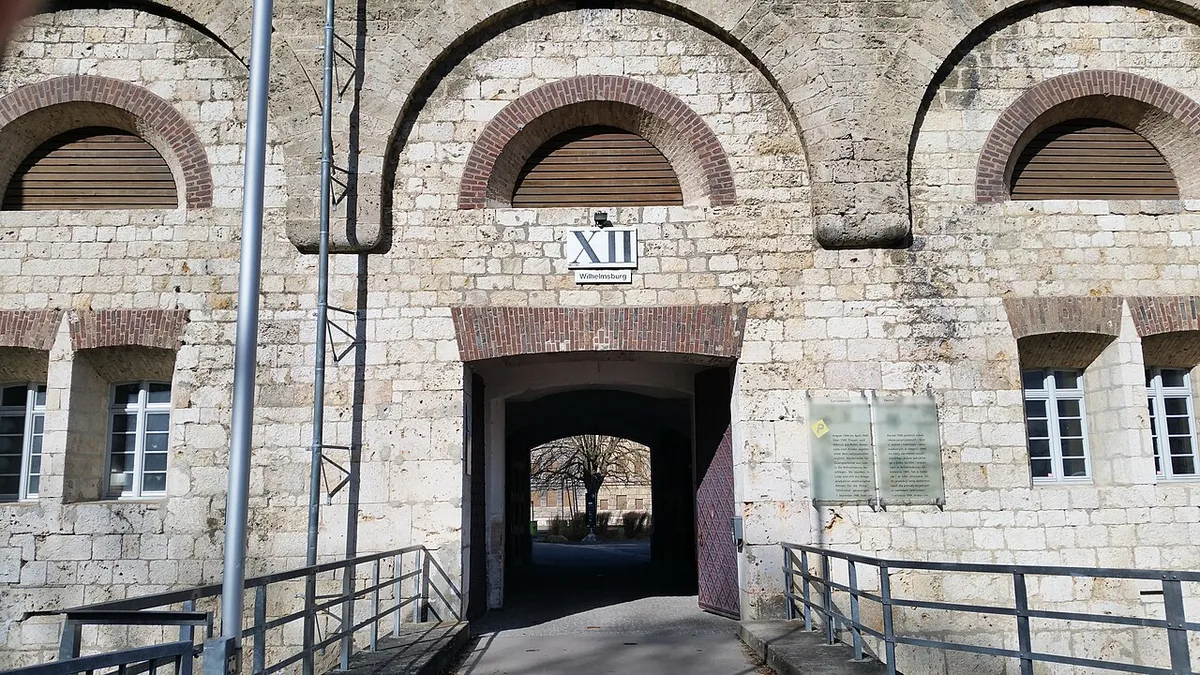
Because Ulm's historic centre is compact, the relationship between the two landmarks is easy to grasp once you are in the city. The Minster spire is the vertical marker at the centre; the Wilhelmsburg is the horizontal mass on the ridge to the north. If you have only seen photographs of Ulm, this is the axis that organises the skyline, and knowing it saves you from wandering the wrong side of the Danube. For wider planning, see Ulm landmark visitor guides.
The View From the Minster Tower, and How the Fort Fits In
The Minster's tower ascent is the best orientation exercise in Ulm, and it doubles as your introduction to the Wilhelmsburg. Visitors climb to the first platform at 70 metres for views over Ulm, Neu-Ulm and the Danube, and can continue to a second platform higher up. From that vantage point the fort reads as a landmark on the northern horizon, which is exactly how the local guide who describes the panorama frames it.
Note the practical trade-offs before you buy a tower ticket. Opening hours and ticket prices for the Minster are published by Tourism Ulm/Neu-Ulm, and they are the only figures on this page you should treat as current. Ascents can also be affected by renovation work, so confirm what is open on the day you plan to climb rather than assuming the standard hours apply.
What you actually see from the top is a full 360-degree panorama: the dense inner city directly below, the Danube and the twin city of Neu-Ulm beyond, the beginnings of the Alps to the south on clear days, and the Alb hills to the north. The Wilhelmsburg is the piece of that panorama you can then go and stand on. Treat the tower climb as the reconnaissance and the fort walk as the follow-up, not as competing viewpoints.
The Watchtower Near the Entrance: What the Local Recommendation Gives You
The most specific visiting tip tied to the Wilhelmsburg comes from a local guide rather than an official source. If you have time to spare, that guide recommends taking a trip to the fort and climbing the little watchtower near the entrance, from which you get a great view of the city. It is a suggestion, not a published facility description, so plan around it loosely rather than treating it as a guaranteed attraction with fixed access.
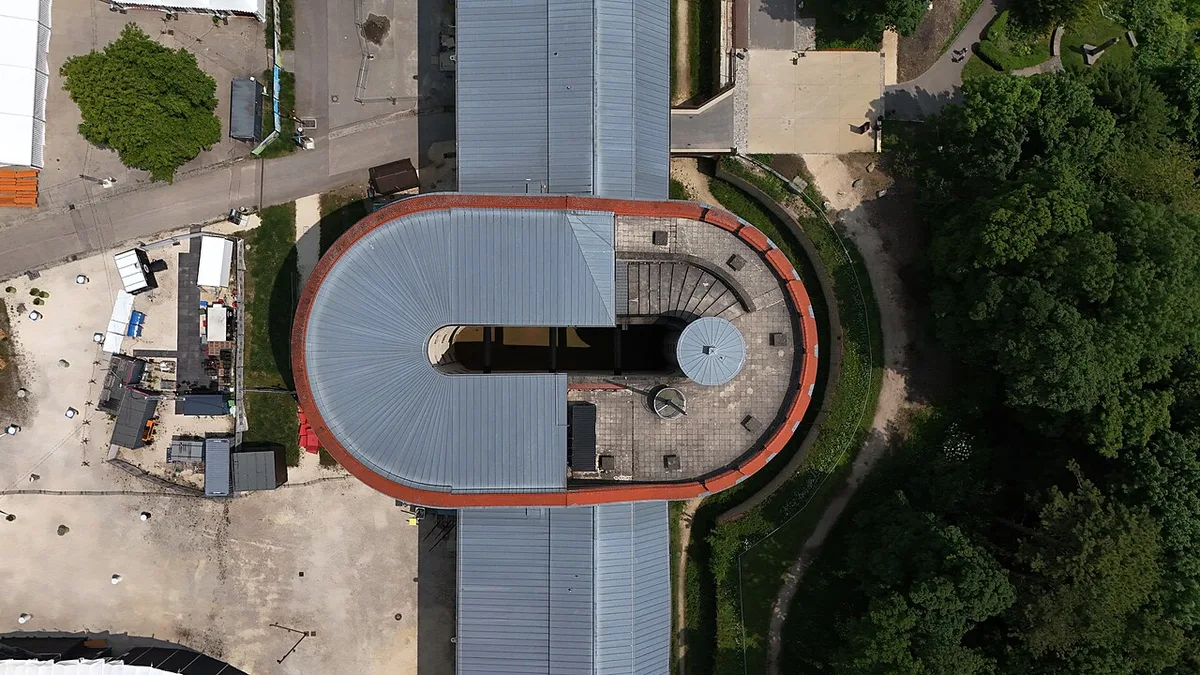
The watchtower experience is different in character from the Minster platform. The Minster is a ticketed, enclosed climb with published hours; the fort viewpoint is an outdoor height that rewards you with a view across the valley toward the city you just climbed above. If stairs in a confined tower are not for you, the fort's elevated ground may still give you a comparable sweep of the city with less pressure on the schedule.
What remains of the fort's interior, whether any buildings are open, and whether the site is fenced or freely walkable are all things the available sources do not establish. Ask Tourist Information Ulm/Neu-Ulm, or check the city tourism site, close to your travel date for anything about access, closures or renovations. Do not walk up expecting a museum ticket window.
Free Grounds Versus Paid Interiors: Sorting Out Ulm's Fortifications and Museums
Ulm's sightseeing splits along a clear line: the outdoor landscape, the walls and towers you can walk, and the ticketed interiors. The city walls and the Metzgerturm, the leaning butcher's tower, sit in the free, wanderable category, and the fort above the city belongs conceptually with them. Nothing in the sources suggests that every fortress, tower or museum in Ulm shares one ticket or one ticket scope, so resist the assumption that an UlmCard or a single ticket covers the lot.
The Minster itself is the cleanest example of a separately ticketed entity, with its own published hours and fares through the tourism office. Interpret that as a rule about how Ulm works rather than as a statement about the Wilhelmsburg, for which no published price exists in the sources. If money matters, plan the free outdoor route first and add ticketed interiors one at a time.
The Danube Swabian Museum, for instance, occupies a historic building of the Ulm Federal Fortress a few metres from the riverbank, which shows how many separate institutions the word fortress covers in this city. That museum is its own visit with its own admissions, not an annex of the Wilhelmsburg. Treat Ulm's fortification landscape as a family of sites, each with its own terms.
Planning the Visit: Pairing the Wilhelmsburg With a City Walk
A sensible shape for the day starts at the Minster, climbs the tower for orientation, then walks north and up to the fort while your legs are still fresh. Coming down, you can drift through the old town toward the Danube and finish on the riverside, which is one of the city's most pleasant stretches. As a suggestion rather than an official figure, allow roughly half a day for the tower, the walk to the fort and the return through the centre, and add time if you stop often.
A natural way to fill the descent is through the Fischerviertel, the old fishermen's quarter of half-timbered houses, narrow lanes and bridges over the Blau. The crooked house there, long run as a hotel, and the low-ceilinged riverside restaurants make a good reward after the climb. This pairing works because it moves downhill and ends near food rather than reversing the effort.
If your priority is a broad, low-effort city view rather than a specific monument, plan the whole day around Ulm's viewpoints instead of a single fort. The Minster platform, the fort heights and the riverside all give different versions of the same city. Choosing two of the three keeps the walking honest and leaves room for the old town in between. For wider planning, see Ulm city travel guides.
Pairing With the Rest of Ulm: What Else Fits Around a Fort Walk
The city's headline sights cluster tightly enough that a fort walk can share a day with the old town without rushing. The Town Hall's painted facade, the 17th-century Schwörhaus near the Danube, and the pyramid-shaped central library are all short hops apart in the centre. Wiblingen Abbey, with its rococo library, sits outside the core and deserves its own half day.
Anyone building a longer stay should note that Ulm and Neu-Ulm face each other across the Danube and sit in different German states, Baden-Württemberg and Bavaria. That makes a walk across the river a genuinely different experience rather than a suburb stroll. It also means the two cities publish separate visitor information, so check both if your plans cross the water.
Beyond the centre, the region offers the Swabian Alb and the Allgäu for anyone extending the trip, with the Alb's caves and valleys reachable on a day out. The trade-off is time: adding those trips means cutting something in the city. Decide early whether your Ulm visit is a city break or a base for the surrounding landscape.
Checking Current Details Before You Travel
Because the sources do not supply opening hours, ticket prices, tour availability, parking, transport lines or renovation status for the Wilhelmsburg, any confident statement about those would be guesswork. Use the tourism office's contact page before your trip and ask directly about the fort, its access and what is currently open. That is also the right channel for accessibility questions and group arrangements.
The official tourism homepage is the place to confirm what is running during your dates, including the UlmCard and any guided tours on offer. Ulm's event calendar changes through the year, so cross-check it against your itinerary rather than relying on an older page. If a particular exhibition or opening is central to your trip, verify it the week you travel.
Plan Your Visit
The Wilhelmsburg is best understood as Ulm's northern horizon rather than a conventional ticketed attraction. Climb the Minster tower first to see it in context, then decide whether the walk up is worth your remaining energy. Keep expectations modest about interiors and let the view do the work.
Before you go, confirm current access, hours and anything about the site through Tourist Information Ulm/Neu-Ulm, since those details are not published in the sources behind this guide. Build the day around the Minster tower and the old town, and treat the fort as the rewarding extra. That way a change on the ground costs you a detour rather than the whole day.
Frequently Asked Questions
What is the Wilhelmsburg in Ulm?
It is the fort on the high ground north of Ulm's old town, described in a local guide as a huge fort that towers over the landscape when you look north from the Ulm Minster tower. It appears in Ulm listings at Prittwitzstraße 100. The sources do not describe its construction history, interiors or current condition, so treat it as a landmark on the city's skyline rather than a documented museum.
Can you visit the Wilhelmsburg in Ulm?
A local guide recommends taking a trip to the fort and climbing the small watchtower near the entrance for a great view of the city, so there is a credible suggestion that you can walk up and use the viewpoint. Beyond that, official access rules, opening arrangements and any closures are not established in the available sources. Ask at the tourism office in Ulm before you make the climb.
Is the view from the Wilhelmsburg better than from the Ulm Minster tower?
They are different views rather than rivals. The Minster platform is a ticketed, published-hours climb with a full panorama including the Danube, Neu-Ulm and, on a clear day, the Alps; the fort sits on the northern ridge and gives you the city from higher ground outside the centre. Which is better depends on whether you want the definitive city centre sweep or a quieter outdoor vantage point.


