

Most visitors to Bamberg spend their time on the Domberg and in the Inselstadt, and the cathedral naturally dominates the skyline. St. Otto sits away from that busy core, in the Gärtnerstadt, the historic market gardeners' district on the lower side of town. That location is exactly why the church is easy to overlook, and also why it can be a worthwhile detour if you want to see a different side of the UNESCO World Heritage city. Bamberg Tourismus publishes a short visitor page for the church with its address and construction history.
St. Otto was built as a new parish church for the market gardeners' community, not as a cathedral or a monument. Construction began in 1912 under the architects Otto Orlando Kurz and Eduard Herbert, and the church was finished in 1913, with the bells consecrated on 23 April 1914. If you read only one fact before visiting, make it this: this is a 20th-century parish church, not a medieval one. A suggested visit of 20 to 30 minutes is reasonable for the exterior and a quiet look inside if it is open, though that is our suggestion rather than an official figure.
Quick Facts and Location
St. Otto is addressed at Siechenstraße 72 in Bamberg, and the tourism listing also publishes a telephone number and e-mail contact for the parish. Use that contact for anything time-sensitive, such as whether the church is open on the day you plan to visit. Siechenstraße sits in the Gärtnerstadt, which is a distinct quarter of the city rather than part of the cathedral hill.
The Gärtnerstadt is one of the three areas that make up Bamberg's World Heritage listing, alongside the Bergstadt and the Inselstadt. Bamberg Tourismus describes the district as a historic one-of-a-kind, shaped by the market gardeners who farmed the plots inside the city. Knowing that context helps explain why a large parish church was needed here at the start of the 20th century.
The Short History: A New Parish for the Market Gardeners' District
The church exists because its predecessor could not cope with the growing congregation. According to the Bamberg Tourismus entry, the church of St. Gangolf could no longer hold all the parish members of the market gardeners' district, so the parish decided to build a new church further north. That single decision explains both the location and the scale of St. Otto.
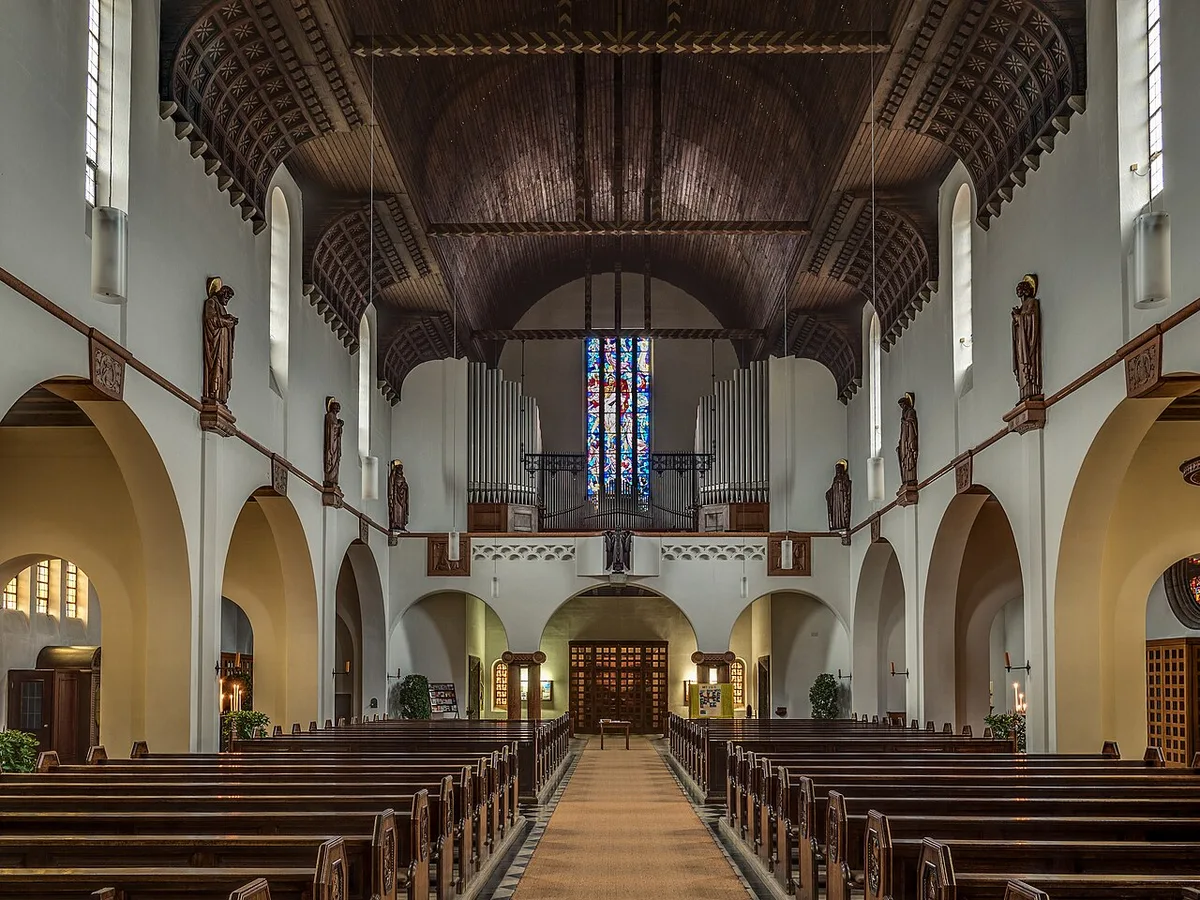
The build was quick by church standards: work started in 1912 to plans by Otto Orlando Kurz and his partner Eduard Herbert, and the church was finished in 1913. The bells followed on 23 April 1914. Those dates place St. Otto firmly in the early 20th century, which is the key fact for anyone deciding whether to include it.
The naming is a separate story from the building. St. Otto of Bamberg was a medieval bishop, born around 1060 in Mistelbach and appointed Bishop of Bamberg in 1102. His feast day is 2 July, and he is associated with the Archdiocese of Bamberg. The church bearing his name is roughly eight centuries younger than the man himself, so keep the saint and the building distinct when you read about either.
The historical Otto was a reformer as well as a bishop. He rebuilt Bamberg Cathedral after a fire in 1081 and restored the Monastery of St. Michael, which had been damaged by an earthquake around 1117. He died in 1139 and was buried in Michaelsberg Abbey, and his legacy is closely tied to the city's ecclesiastical landscape. When you look across Bamberg from the hills, you are looking at a skyline he helped shape.
Architecture on the Ground: Why the Style Label Matters
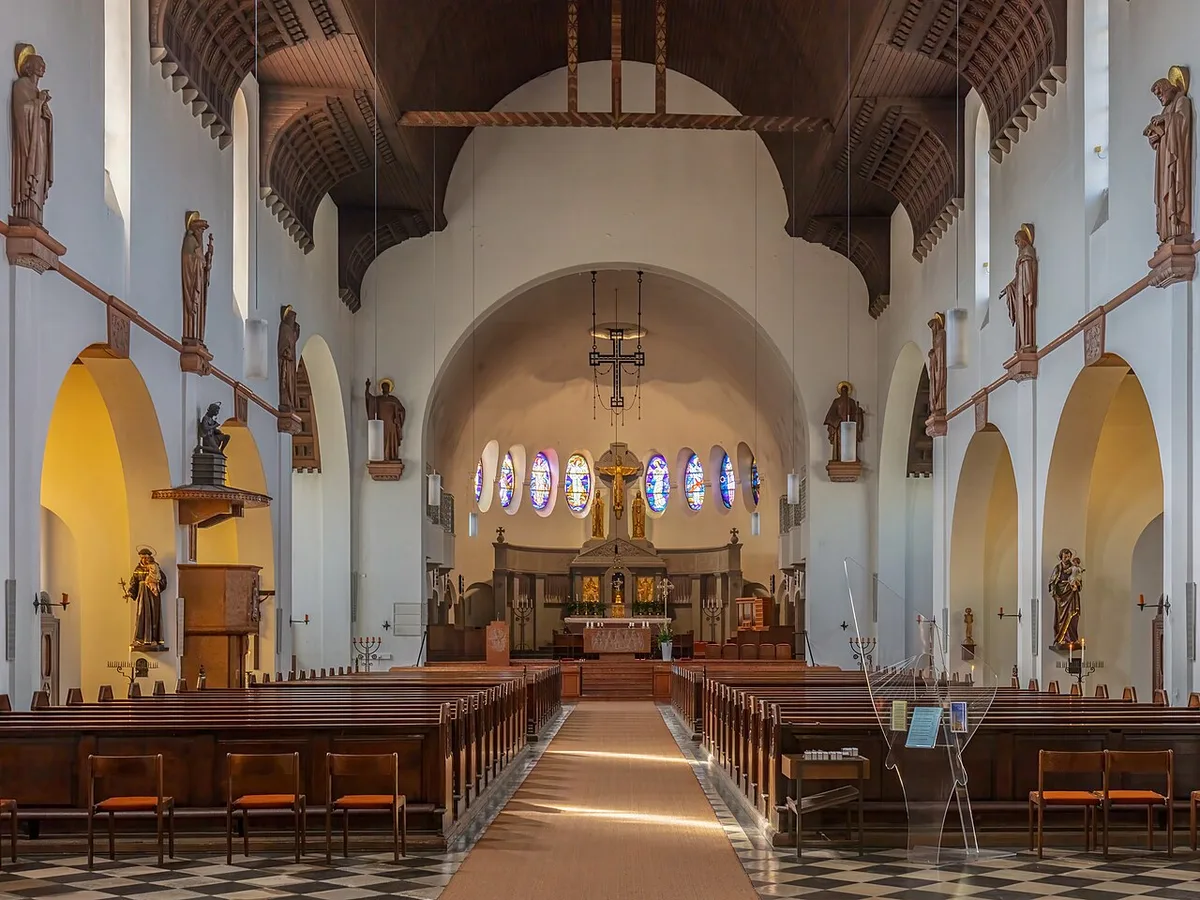
Visitors often expect a neo-Romanesque church when they hear about a German parish church of this era, but the sources describe St. Otto differently. Bamberg Tourismus calls it one of the very few art deco churches in Germany and notes that it was the first 20th-century church to be listed, which is what gave it landmark status. Treat that label as a talking point rather than a technical claim, because art deco and early modern church architecture overlap in ways that are hard to separate without specialist knowledge.
What matters for a visit is the mismatch between expectation and reality. A church finished in 1913 will not have the Romanesque massing or the medieval fabric you see elsewhere in Bamberg, and that difference is the point of going. Approach it as an early 20th-century building with its own character rather than as a smaller version of the cathedral.
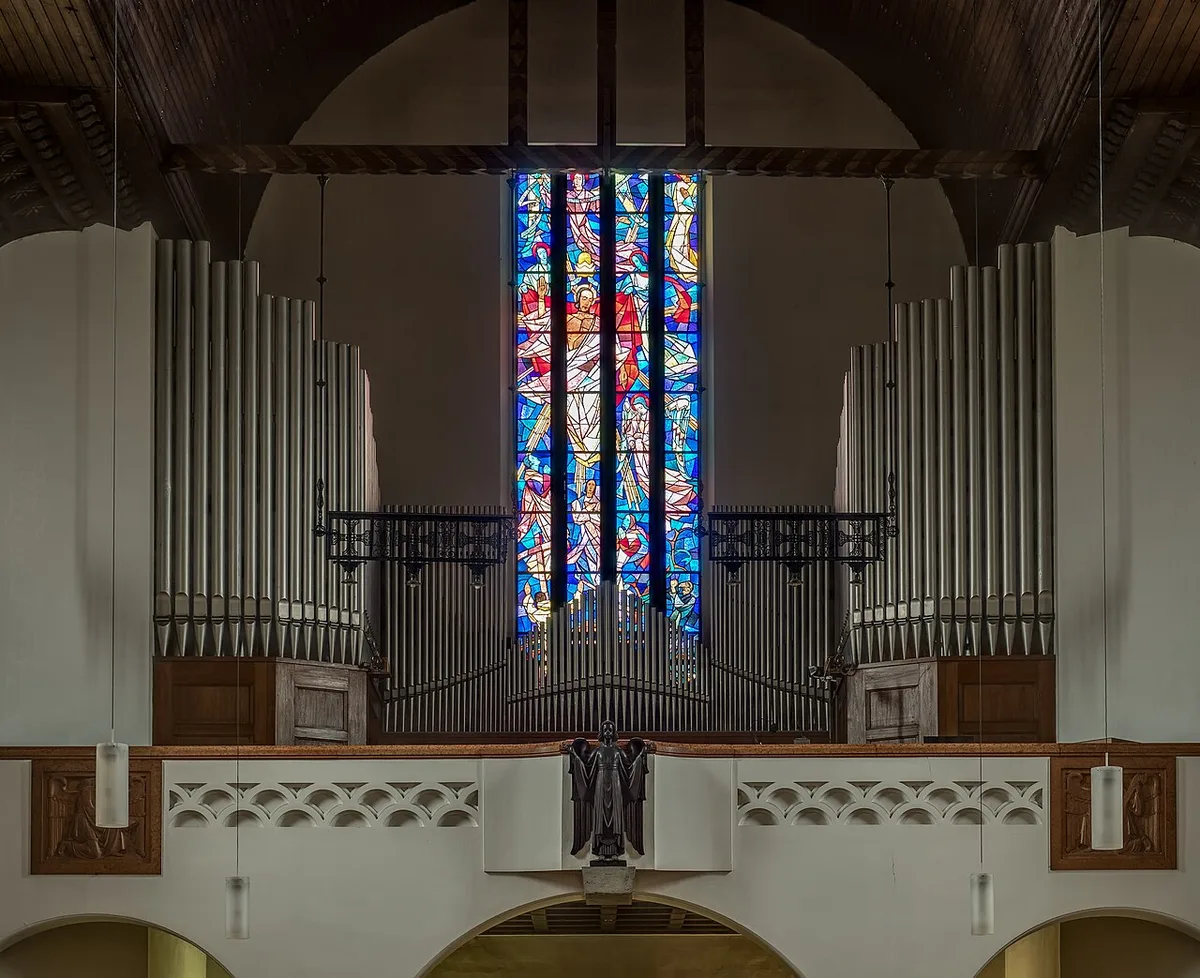
Note what the published sources do not cover: they do not describe the interior in detail, and they say nothing about access rules inside. If interior architecture is your main reason for visiting, plan around the possibility that the doors may not be open when you arrive. Check directly with the parish through the contact details published for St. Otto before making a special trip.
St. Otto vs. the Bamberg Dom: How to Decide Time
The Bamberg Cathedral is the headline sight, a UNESCO-listed monument with imperial tombs and centuries of layered history. St. Otto is a parish church from the 1910s, and the two serve completely different purposes. That difference is the reason to visit both rather than a reason to rank them against each other.
If your time in Bamberg is short, give the cathedral your main block and treat St. Otto as an optional lower-town stop. If you have a full day or more, the contrast makes the second visit more interesting, because you see how Bamberg's Catholic community expanded beyond the medieval core. For the cathedral itself, the Bamberg Cathedral visitor guide covers what to see inside.
A practical rule: do not cut cathedral time to fit in St. Otto. Instead, decide whether you want a second church at all, then slot it into a route that passes through the Gärtnerstadt for other reasons. That way the church is a stop on the way rather than a detour that competes with the Domberg.
How to Place St. Otto in a Walk Between the Lower Town and the Domberg
The Gärtnerstadt sits below the cathedral hill, which makes St. Otto a logical lower-town anchor rather than a separate excursion. Build the walk in two halves: the lower town and the hill. Start in the Gärtnerstadt, see St. Otto, then climb toward the Domberg, finishing with the cathedral and the views.
Because the sources do not give a precise route, distance, or walking time between St. Otto and the Domberg, use the city's interactive map and signage on the day rather than relying on a fixed number. Allow more time than you think you need, because Bamberg's streets climb and the cobbles slow you down. A self-guided Bamberg old town walk can help you sequence the central sights before you add the lower-town detour.
Once you are on the hill, the Alte Hofhaltung Bamberg sits beside the cathedral and works well as a combined stop. Treat the two hilltop sites as one block so you are not walking up twice. Save the Gärtnerstadt for the part of the day when you are happy to be away from the crowds.
Practical Planning: What to Confirm Before You Go
The most important thing to confirm is whether the church will be open when you arrive. Published sources do not give opening times for St. Otto, and they do not state that the interior is open daily. Contact the parish using the phone number or e-mail in the tourism listing, or check the Archdiocese of Bamberg's parish pages, before you build your day around it.
Do not assume there is an entry fee, a guided tour, or a booking requirement. None of those is confirmed for St. Otto, and it should not be treated as a ticketed tourist attraction. If you want to know whether a tour or special opening is planned, ask the parish directly rather than relying on a general city pass.
Worship schedules change with the liturgical calendar, so check the current Mass times through the parish or diocese rather than any cached page. If you are visiting as a worshipper rather than a sightseer, that check is essential. If you are visiting as a sightseer, it is still the fastest way to learn when the building is likely to be accessible.
Accessibility details for the interior are not published in the sources used here, so travellers with mobility needs should ask the parish before travelling. The same applies to any group visit. A short phone call or e-mail removes the main uncertainty from the trip.
What to Pair With St. Otto on the Same Day
The Gärtnerstadt itself is the natural pairing, because the church only makes full sense in the context of the district it served. Walk the streets around Siechenstraße and look for the market gardeners' plots and courtyards that give the quarter its character. If you want more off-the-main-route ideas, there are hidden gems in Bamberg beyond the standard circuit.
For a fuller day, pair the lower town with the cathedral hill and the riverside Inselstadt, which together cover the three UNESCO-listed areas. Use the Bamberg city guides to choose an itinerary that matches your available hours rather than trying to copy a fixed route. Two well-chosen stops beat five rushed ones in a city this dense.
If you are building a longer trip around landmarks, start from the Bamberg landmark guides and branch out from there. The city rewards slow walking, and the lower-town churches are part of why. Keep one flexible half-day for the Gärtnerstadt and you will not have to choose between the Dom and everything else.
Plan Your Visit to St. Otto
St. Otto is worth considering if you want to understand Bamberg beyond its medieval highlights, and it is easy to skip if your time is tight. The church began construction in 1912 under Otto Orlando Kurz and Eduard Herbert, was finished in 1913, and had its bells consecrated on 23 April 1914. Those dates and names come from the Bamberg Tourismus listing for the church, which is the best starting point for the address and contact details.
The main practical gap is access. No source used here confirms opening hours, so verify with the parish or the Archdiocese of Bamberg before you go. Do not assume a fee, a tour, or a fixed daily opening. A quick check turns an uncertain stop into a reliable one.
Frequently Asked Questions
Is St. Otto church in Bamberg worth visiting?
It is worth visiting if you are interested in how Bamberg developed beyond its medieval core, or if you want to see an early 20th-century church in the market gardeners' district. It is a parish church rather than a monument, so it suits a short stop of around 20 to 30 minutes rather than a half-day. If your schedule is tight, prioritise the cathedral and treat St. Otto as an optional lower-town addition.
What is the difference between St. Otto and the Bamberg Dom?
The Bamberg Cathedral is a medieval monument and the city's headline religious sight, while St. Otto is a parish church built in the early 20th century for the market gardeners' district. They serve different purposes and belong to different eras, so they are complements rather than substitutes. Visit the cathedral for its history and scale, and St. Otto for a quieter look at the city's later Catholic life.
What architectural style is St. Otto church in Bamberg?
Bamberg Tourismus describes St. Otto as one of the very few art deco churches in Germany and notes that it was the first 20th-century church to receive listed landmark status. That label is the published description, though art deco and early modern church architecture can overlap. If you expect a neo-Romanesque building, the 1913 completion date should reset that expectation before you arrive.
When was St. Otto church in Bamberg built?
Construction began in 1912 following plans by the architect Otto Orlando Kurz and his partner Eduard Herbert, and the church was finished in 1913. The bells were consecrated on 23 April 1914. These dates come from the Bamberg Tourismus entry for the church.
Where is St. Otto church located in Bamberg?
The church is at Siechenstraße 72 in Bamberg, in the Gärtnerstadt, the historic market gardeners' district on the lower side of the city. It sits away from the cathedral hill, which is part of why it is easy to miss. Use the city map and the published address rather than assuming it is in the old town core.
Who was Saint Otto of Bamberg?
Saint Otto of Bamberg was a medieval bishop, born around 1060 in Mistelbach and appointed Bishop of Bamberg in 1102. He was a diplomat and reformer who rebuilt the cathedral after a fire and restored the Monastery of St. Michael, and he is remembered for missionary work in Pomerania. He died in 1139, was canonised in 1189, and his feast day is 2 July. The historical bishop and the 20th-century church named after him are two separate subjects.
Can I visit the interior of St. Otto?
That depends on whether the church is open when you arrive, and the published sources used here do not confirm opening times or daily access. Contact the parish using the details in the Bamberg Tourismus listing, or check the Archdiocese of Bamberg, before planning around an interior visit. If the doors are closed, the exterior and the surrounding Gärtnerstadt are still the main reason to come.
Is there an entrance fee or a guided tour at St. Otto?
No entrance fee, guided tour, or booking requirement is confirmed for St. Otto in the sources used here, so do not treat it as a ticketed attraction. If a tour or a special opening is important to you, ask the parish directly. That is also the quickest way to find out about any changes on the day you plan to visit.


