GermanyPhoto: Martin Thurnherr, CC BY-SA 4.0. Resized and converted to WebP.
Regensburg with Kids: Old Town, River and Museum Guide
Regensburg works well for families because the UNESCO-listed centre, Stadtamhof and the Danube islands sit close together. This guide separates free outdoor time from paid museum visits and flags what to confirm with official sources before travelling.
Photo: Noahidsmith, CC BY-SA 4.0. Resized and converted to WebP.
Regensburg at Night: Old Town, Stone Bridge and Danube Evening Guide
Regensburg evenings are about the illuminated old town, the Stone Bridge and the Danube rather than long lists of attractions. This guide keeps free public walks separate from ticketed interiors and event-based options, sets out a flexible two-to-three-hour loop, and explains what to verify on the organiser's own pages before you rely on any scheduled programme.
Photo: Palauenc05, CC BY-SA 4.0. Resized and converted to WebP.
One Day in Trier: A Roman Walking Itinerary
Trier compresses Roman gates, a medieval market square, two churches and several bath complexes into a compact old town. This suggested one-day route starts at Porta Nigra, pauses at the Hauptmarkt wine stand, pairs the Cathedral with Liebfrauenkirche, and ends at one Roman bath site.
Photo: Palauenc05, CC BY-SA 4.0. Resized and converted to WebP.
3 Days in Trier: Roman Sites, Museums and a Moselle Day Trip
Three days lets Trier unfold at a slower pace than a single-day dash. This suggested shape keeps the old town, a museum block and quieter Roman remains on separate days, then adds a Moselle excursion to the reconstructed Villa Borg. Treat every duration as a suggestion and confirm current hours, tickets and transfers with the operators before you commit.
Photo: Palauenc05, CC BY-SA 4.0. Resized and converted to WebP.
Trier Old Town Walking Route: Self-Guided Plan for 2026
Trier's compact Roman core rewards walkers, but no official route distance exists. This self-guided plan sequences Porta Nigra, the Hauptmarkt and cathedral quarter, the Basilica of Constantine, the Electoral Palace grounds and the Moselle, separating free ground from paid interiors and pointing you to operator sources for times and tickets.
Photo: Dietmar Rabich, CC BY-SA 4.0. Resized and converted to WebP.
Trier Photography Guide: Shot Types for a Roman City Walk
Trier layers Roman, medieval and baroque architecture into a compact old town, which makes it unusually good for a single-day photo walk. This guide sets out concrete shot types at the Porta Nigra, the Hauptmarkt, the Kaiserthermen and the Moselle riverside, with notes on light, kit and how the route fits together.
Photo: Palauenc05, CC BY-SA 4.0. Resized and converted to WebP.
2 Days in Trier Itinerary: Roman Core & Cathedral Quarter
Two days in Trier splits neatly into a Roman-monument day in the compact centre and a cathedral-quarter day finished with a suggested Moselle-side walk. This plan keeps the days geographically distinct, flags where free grounds end and ticketed interiors begin, and shows where to check live times, tour slots and seasonal details before you travel.
Photo: Dietmar Rabich, CC BY-SA 4.0. Resized and converted to WebP.
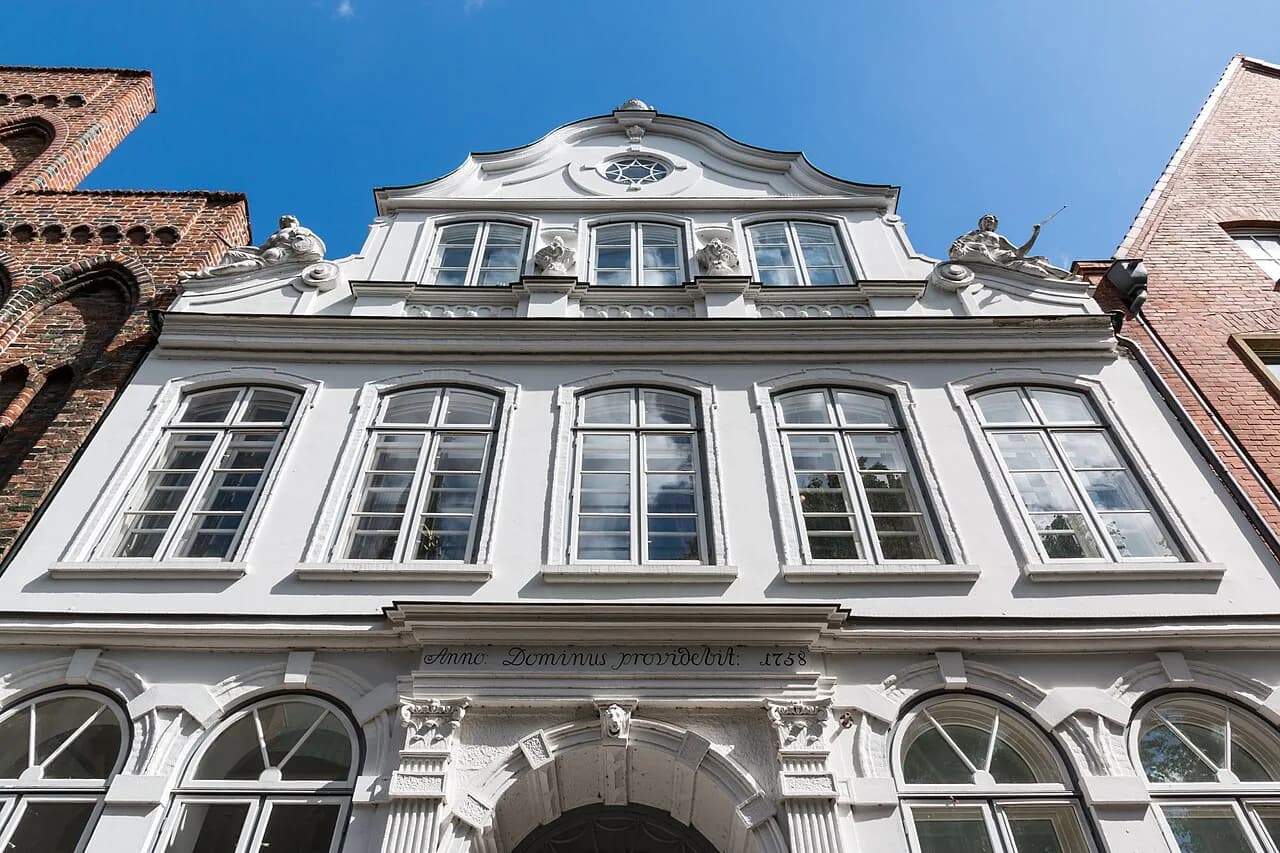
Buddenbrookhaus Lübeck Visitor Guide: What to See Now
The historic Buddenbrookhaus on Mengstraße is closed for a major rebuild, so the rooms associated with Thomas Mann's novel cannot be visited right now. The museum keeps working through a shop and information point between Marienkirche and Rathaus, plus events and exhibitions at other venues in Lübeck.
Photo: Dietmar Rabich, CC BY-SA 4.0. Resized and converted to WebP.
Burgtor Lübeck: Visiting the Northern Medieval Gate
Lübeck's Burgtor is the quiet counterpart to the famous Holstentor: a brick gate at the northern edge of the old town island. Most visitors see it from the outside while walking between the Burgkloster and the European Hansemuseum. This guide explains what the gate is, how it differs from the Holstentor, and what to check before you go.
Photo: Christian Wolf (www.c-w-design.de), CC BY-SA 3.0 de. Resized and converted to WebP.
Holstentor Lübeck Visitor Guide: Inside the City Gate
Lübeck's Holstentor is the late Gothic brick gate that became the symbol of the Hanseatic city, and it still stands at the western edge of the old town island. The exterior is free to view, while the interior houses a museum about the city's history. This guide explains what you see for free, what the museum adds, and how to plan the gate into a wider day in Lübeck.
Photo: 1970gemini, CC BY-SA 4.0. Resized and converted to WebP.
Lübeck Gänge and Höfe: Hidden Old Town Passages Guide
Behind Lübeck's street-front houses lies a second city of narrow passages and small courtyards, built as housing when the medieval Altstadt ran out of room. Around 90 survive across the old town island. This guide explains how they came about, what you are looking at, and how to walk them without disturbing the people who live there.