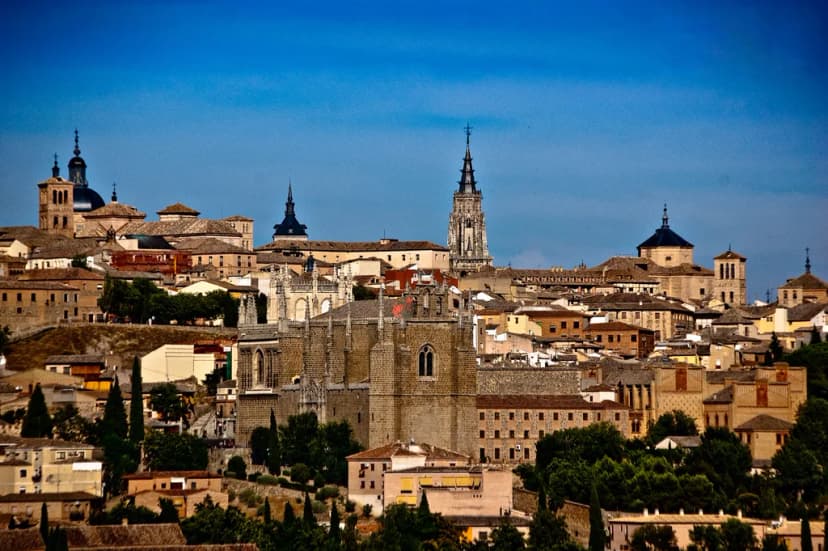

Knowing where to watch sunset in Seville turns an ordinary evening into one of the trip's best memories. Sunset falls anywhere from around 6:06 pm in December to nearly 9:48 pm in June, so timing shifts by season. This guide covers the plazas, riverside paths, and rooftop terraces that locals and visitors both favor.
Seville's compact old town puts most sunset spots within a short, easy walk of each other. Each location below includes practical details on cost, access, and the best time to arrive. Start with the classic landmarks, then explore quieter corners the biggest guides tend to skip.
Where to Watch Sunset in Seville: Plaza de España
Plaza de España sits inside Parque de María Luisa, a short walk south of the cathedral. Architect Aníbal González designed the semicircular building for the 1929 Ibero-American Exposition. Travel writers at Anywhere We Roam point to its mix of Art Déco and Mudéjar details as a highlight.
Entry to the plaza is free, and it stays open into the evening with no ticket required. Its tiled alcoves, canal, and four bridges make it one of the city's most photographed corners. Climb the stairs near either tower for a wider view over the fountain below.
This spot ranks among the best photo spots in Seville once the light turns warm. Renting a small boat on the canal adds a relaxed way to watch the sky change color. Families often linger here afterward, since the surrounding park stays pleasant well after dark.
Torre del Oro and the Guadalquivir Riverside
The Torre del Oro is a 13th-century watchtower that once guarded the Guadalquivir River. Its golden stone catches the last light beautifully, especially when viewed from across the water. The riverside promenade beside it faces west, giving an open, unobstructed view of the sky.
Entry inside the tower is by donation rather than a fixed ticket price. The small maritime museum inside closes in the early evening, often before full sunset in summer. Check the posted hours before you go, since they shift with the season.
This stretch of riverbank is one of the free things to do in Seville that still feels special at golden hour. Bring a light jacket, since breezes off the water pick up once the sun drops. Street musicians often play nearby, adding a relaxed soundtrack to the walk.
Bring a light jacket for the riverside. Once the sun drops, breezes off the water pick up noticeably, especially in spring and autumn.
Metropol Parasol: Rooftop Views Above the Old Town
Metropol Parasol, nicknamed Setas de Sevilla, rises above Plaza de la Encarnación in the old town. The wooden structure holds a market, an archaeology museum, and a rooftop walkway on top. The team at Not Just a Tourist calls the rooftop panorama one of the city's best golden-hour views.
Climbing to the rooftop walkway adds a small ticket fee, and pricing can change. Confirm current 2026 hours and cost on the official site before you plan around it. The payoff is a wide, uninterrupted 360-degree view over the cathedral and rooftops.
This is a strong option for things to do in Seville at night, since the terrace stays lively after sunset. If the rooftop line looks long, the surrounding plaza still offers a decent open-sky view. A citywide attraction pass can sometimes bundle this ticket with other sights.
Triana and Calle Mateos Gago: Local Sunset Corners
Triana, across the Guadalquivir via the Puente de Isabel II bridge, has a slower, local pace. Standing on the bridge itself gives a clear view back toward the old town skyline. Calle Betis, right along the water, is lined with terraces facing the sunset.
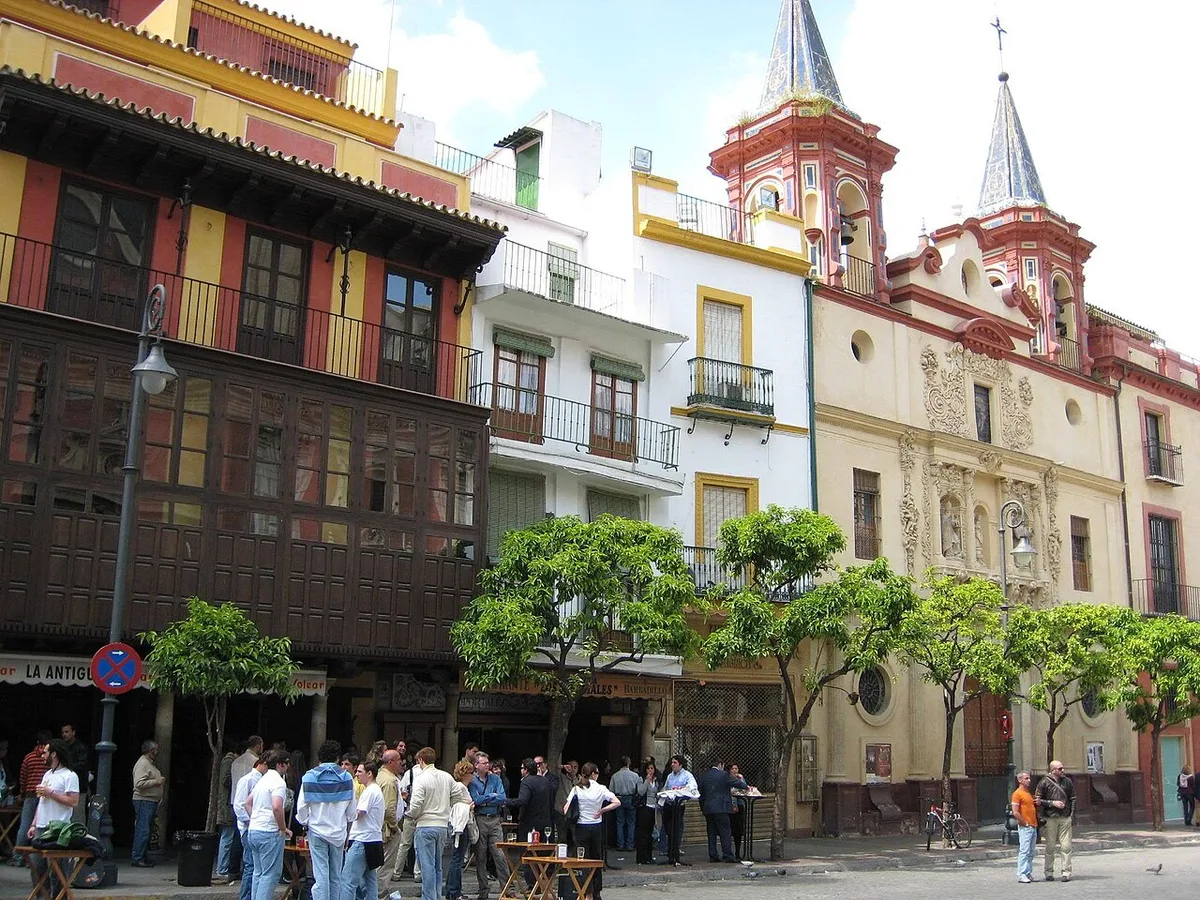
Calle Mateos Gago runs from the cathedral toward the river and fills up around dusk. Its narrow tapas bars spill onto the street, so tables face the Giralda's changing light. Both corners see far fewer visitors than Plaza de España or the main riverfront.
Choose Triana if you want space and a quieter view, or Calle Mateos Gago for tapas with a Giralda backdrop. These are the kind of hidden gems in Seville that reward a short detour off the main tourist path. Neither spot requires a booking, so plans can stay flexible around the weather.
Best Time of Year to Catch Sunset in Seville
Seville's sunset time shifts by more than three hours across the year. Winter evenings darken early, while summer sunsets can stretch past 9:30 pm. Planning around the season helps you pick the right spot and arrival time.
Spring and autumn bring the fastest day-to-day changes in sunset time. A visit planned for late March can shift by nearly an hour within a few weeks. Always check the exact time for your travel dates before setting out.
Summer sunsets draw the largest crowds to Plaza de España and the riverside. Arriving 20 to 30 minutes early still helps you find a comfortable spot. Winter visits trade long daylight for a calmer, less crowded golden hour.
- Winter (December to February)
- Sunset window: 6:06 to 7:16 pm
- Crowd level: lightest of the year
- Tip: bring a warm layer
- Spring (March to May)
- Sunset window: 7:17 to 9:38 pm
- Crowd level: growing through May
- Tip: book patio tables ahead
- Summer (June to August)
- Sunset window: 8:54 to 9:48 pm
- Crowd level: busiest at Plaza de España
- Tip: arrive 30 minutes early
- Autumn (September to November)
- Sunset window: 6:06 to 8:53 pm
- Crowd level: moderate and easing
- Tip: pack a light jacket
| Season | Sunset window | Crowd level | Planning tip |
|---|---|---|---|
| Winter (Dec-Feb) | 6:06 to 7:16 pm | Lightest of the year | Bring a warm layer |
| Spring (Mar-May) | 7:17 to 9:38 pm | Growing through May | Book patio tables ahead |
| Summer (Jun-Aug) | 8:54 to 9:48 pm | Busiest at Plaza de España | Arrive 30 minutes early |
| Autumn (Sep-Nov) | 6:06 to 8:53 pm | Moderate and easing | Pack a light jacket |
Practical Tips: River Cruises, Tours, and Booking Advice
A Guadalquivir river cruise is a relaxed way to watch the sunset without much planning. Most evening departures time the return leg to pass the Torre del Oro at golden hour. Book a cruise a day or two ahead during the busy summer season.
A guided tapas or food tour is another way to end the day near sunset. Guides such as Food Lover Tour Seville combine local bars with a walk through the old town. These tours usually wrap up right as the rooftop terraces start filling for the evening.
Rooftop bars near the cathedral and Metropol Parasol fill fast, so reserve a table in peak season. Travelers weighing multiple paid sights should check whether the Seville Pass is worth it before buying individual tickets. Comparing cost against how many attractions you plan to visit usually settles the decision.
Frequently Asked Questions
What time does the sun set in Seville?
Sunset in Seville ranges from about 6:06 pm in December to nearly 9:48 pm in June. Spring and autumn shift fastest, so check the exact time for your travel dates. Arriving 20 to 30 minutes early gives you a comfortable spot before the sky changes color.
Is Plaza de España free to visit at sunset?
Yes, Plaza de España has no entry fee and stays open into the evening. The upper balconies near each tower give the widest view over the canal and fountain. Arrive before the light fades, since the plaza fills up fast during peak season.
Do I need to pay to enter Torre del Oro or Metropol Parasol?
Torre del Oro asks for a donation rather than a fixed ticket, while the Metropol Parasol rooftop walkway charges a small paid ticket that can change. Confirm current hours and pricing on the official site before you plan your evening around either stop.
How much time should I plan for a sunset outing in Seville?
Budget around 45 minutes to an hour at any single spot to watch the light fully change. If you are combining stops, pair sunset with a broader one day in Seville itinerary so the evening flows naturally into dinner plans.
Seville rewards patient sunset-watchers with a wide choice of view, from grand plazas to quiet river corners. Plaza de España and Torre del Oro cover the classic postcard shots, while Triana and Calle Mateos Gago offer a calmer alternative. Metropol Parasol adds a paid rooftop option when you want height over the rooftops.
Pair your evening plans with the city's wider Seville attractions to build a fuller day before sunset arrives. Check the season's sunset window, pick a spot that matches your pace, and arrive a little early. That small head start usually makes the difference between a rushed photo and a relaxed evening.