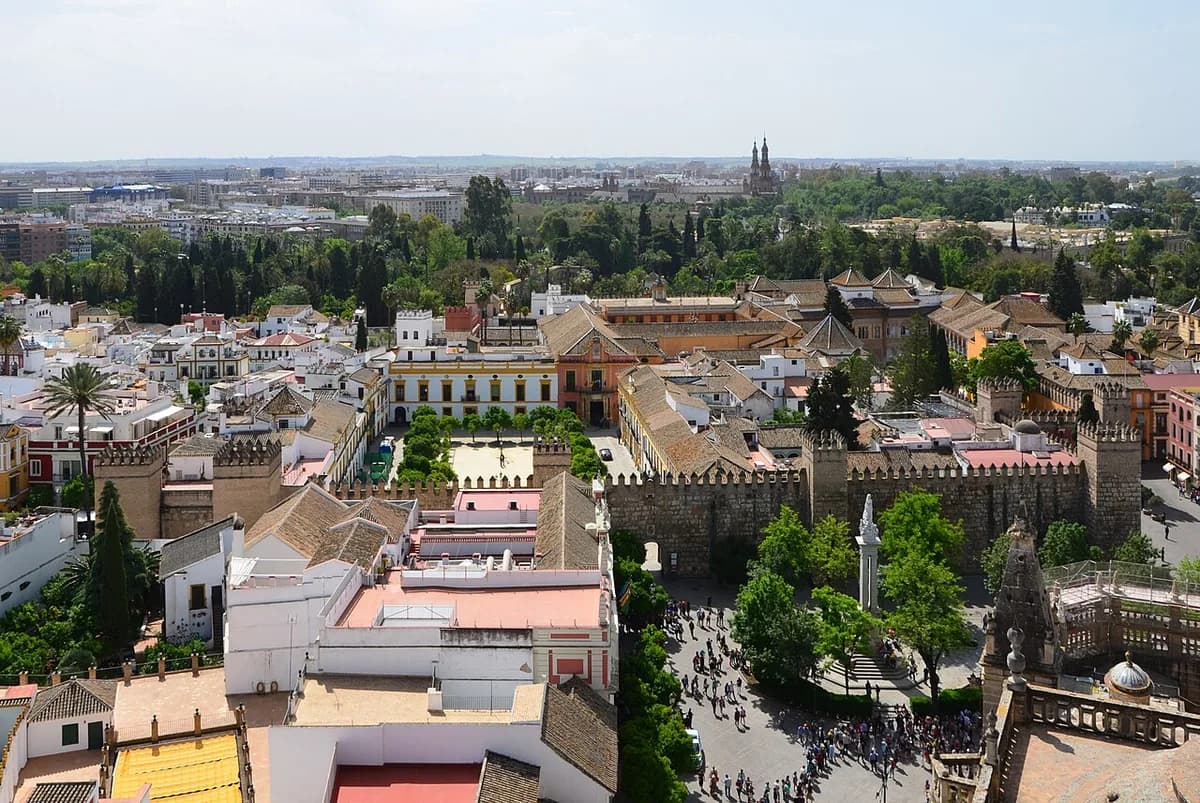
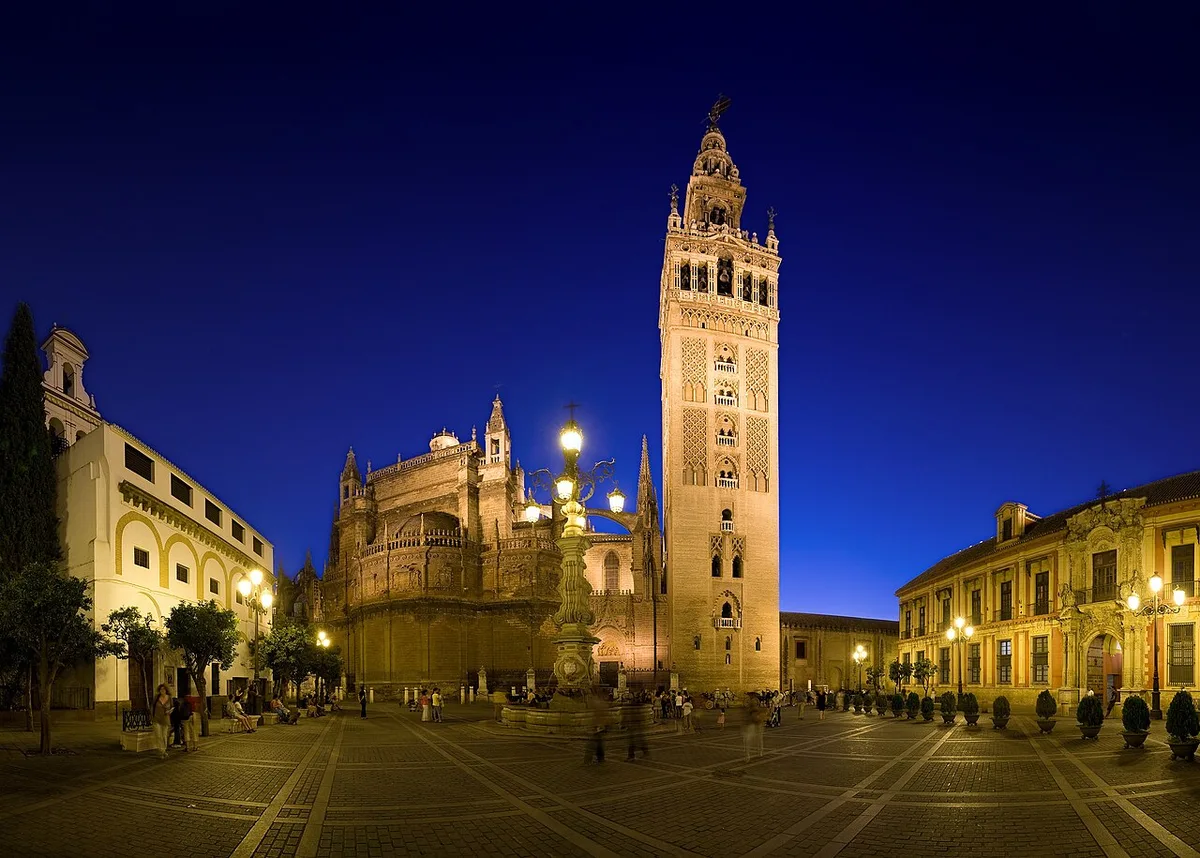
Seville stacks its heavyweight landmarks into a historic center you can walk end to end in half an hour. The largest Gothic cathedral in the world stands beside the Real Alcázar's Mudéjar palaces, with the UNESCO-listed Archivo de Indias completing the World Heritage trio on the same square. Ten minutes south lie Plaza de España's tiled crescent and the gardens of Maria Luisa Park, the Torre del Oro guards the Guadalquivir riverbank, and across the water Triana's ceramic workshops and flamenco bars run on their own rhythm.
What actually complicates a 2026 visit is the admin, not the sightseeing. Seville's big sights run on unconnected ticketing systems with quirks that catch out first-time visitors: the Alcázar caps daily timed-entry tickets and its most-wanted rooms sell out in narrow allocations, the cathedral doesn't open until 11am on weekdays, Hospital de los Venerables is closed outright while it transfers to the Cathedral Chapter, and Italica's opening hours change up to four times a year. At the same time, an unusual amount here is free or nearly so — the Archivo de Indias charges nothing, Torre del Oro is €3 with free entry every Monday, and Roman Italica costs EU citizens nothing at all. Each guide below verifies the current ticket price, the real opening hours, how long to plan, and — where the ticket is a genuine spend — an honest verdict on whether it's worth it.
Use this page as your index: every card links to a full visitor guide with the details official-site FAQs leave out — sold-out workarounds, free-entry windows, event-day schedule changes and the best hour to arrive. Below the landmark guides you'll find our Seville trip-planning pieces for itineraries, pass math, viewpoints and day trips.
Seville landmark visitor guides
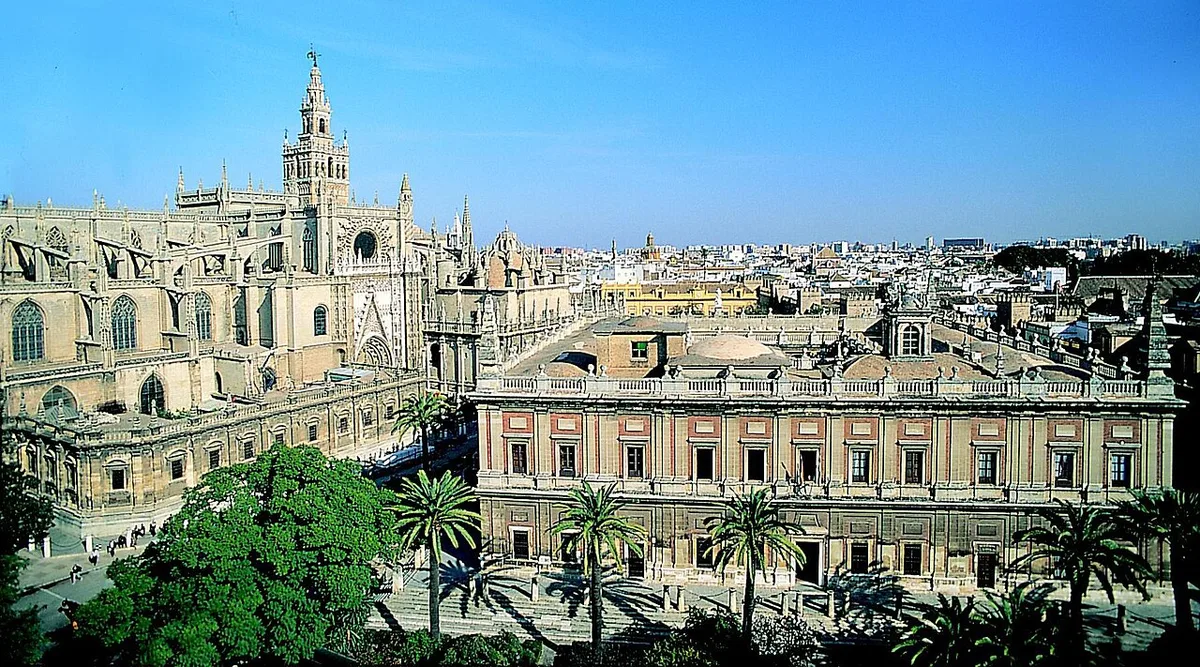
Seville Cathedral and the Giralda
The largest Gothic cathedral in the world — €13 booked online (€14 at the ticket office), open Monday–Saturday 11am–7pm and Sunday from 2:30pm, with an official visit time of about 75 minutes including the Giralda climb.
Visitor guide →
Real Alcázar of Seville
Standard admission is €15.50, gates open at 9:30am year-round, and a proper palace-plus-gardens visit runs 2–3 hours. Tickets are timed-entry with a daily cap — the guide covers what to do when your date is sold out.
Visitor guide →
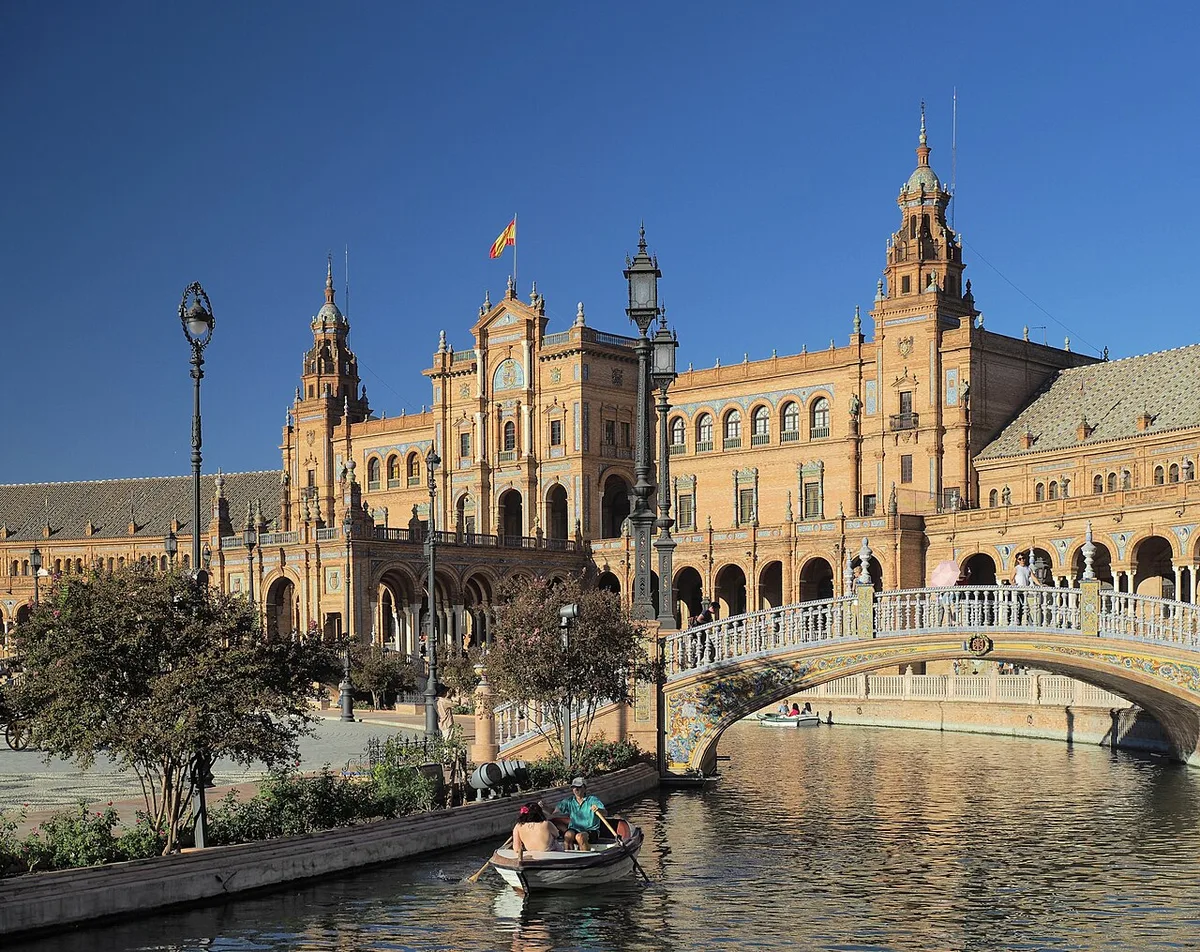
Plaza de España
Free to enter in 2026 — no ticket, no time slot — despite the city council's still-unresolved proposal to charge non-residents. Budget one to two hours for the canal, the four bridges and the tiled province alcoves.
Visitor guide →
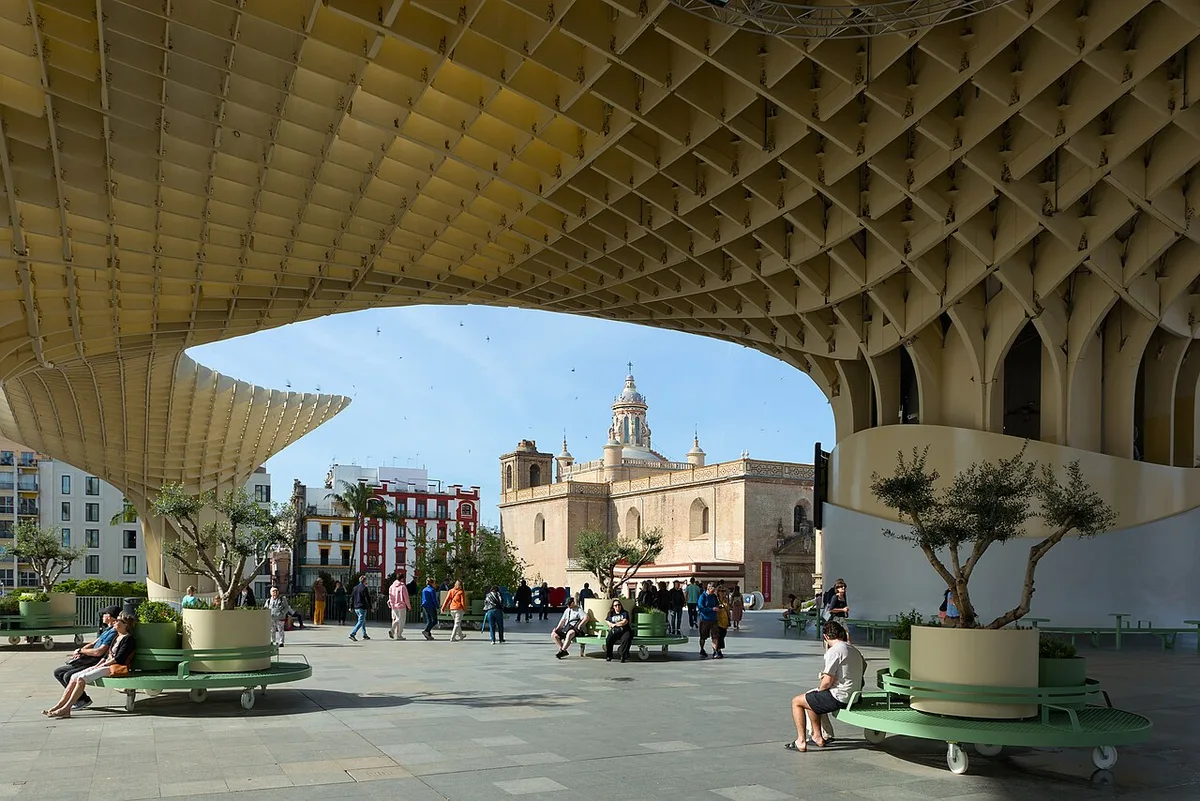
Metropol Parasol (Las Setas)
Rooftop walkway tickets run around €15–16 and doors stay open daily from 9:30am to almost midnight — the latest closing time of any major Seville attraction, which makes it the natural end-of-day stop.
Visitor guide →
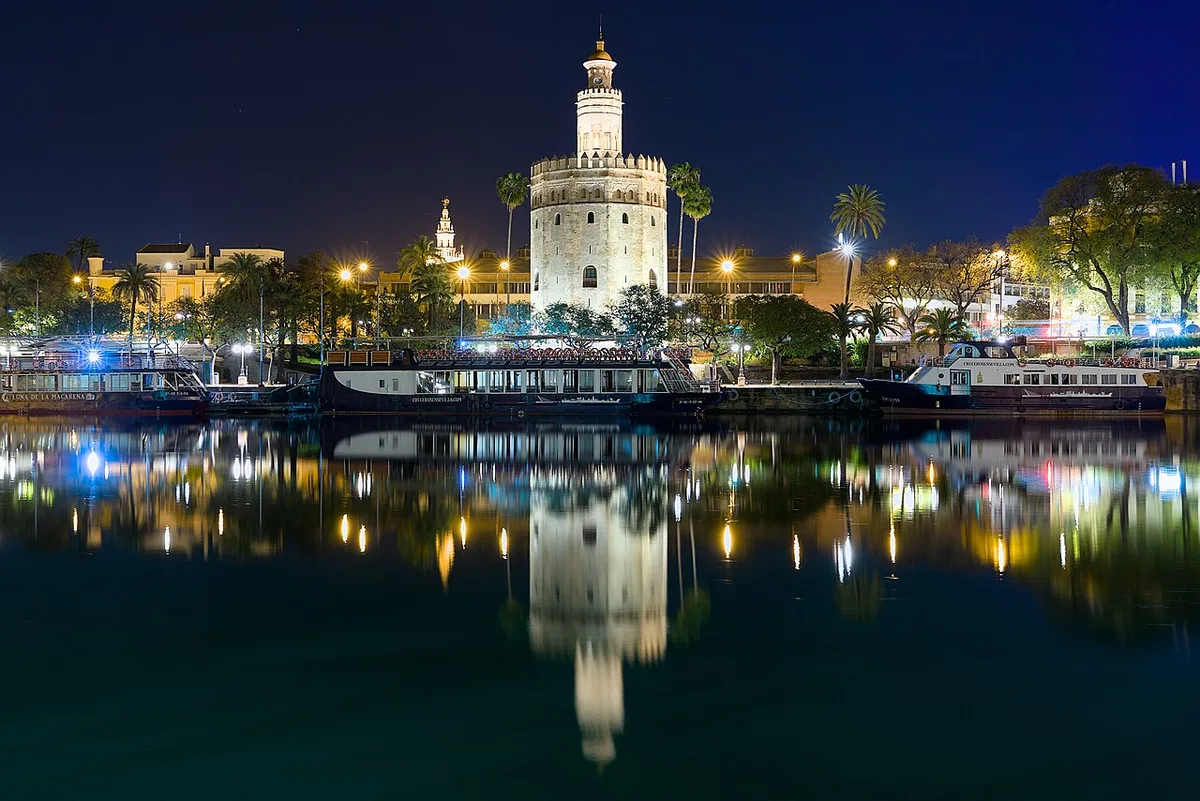
Torre del Oro
Seville's cheapest monument at €3 — and free for everyone on Mondays — with a 30–45 minute visit covering the three tower levels and the small maritime museum inside, easy to fold into a riverside walk.
Visitor guide →
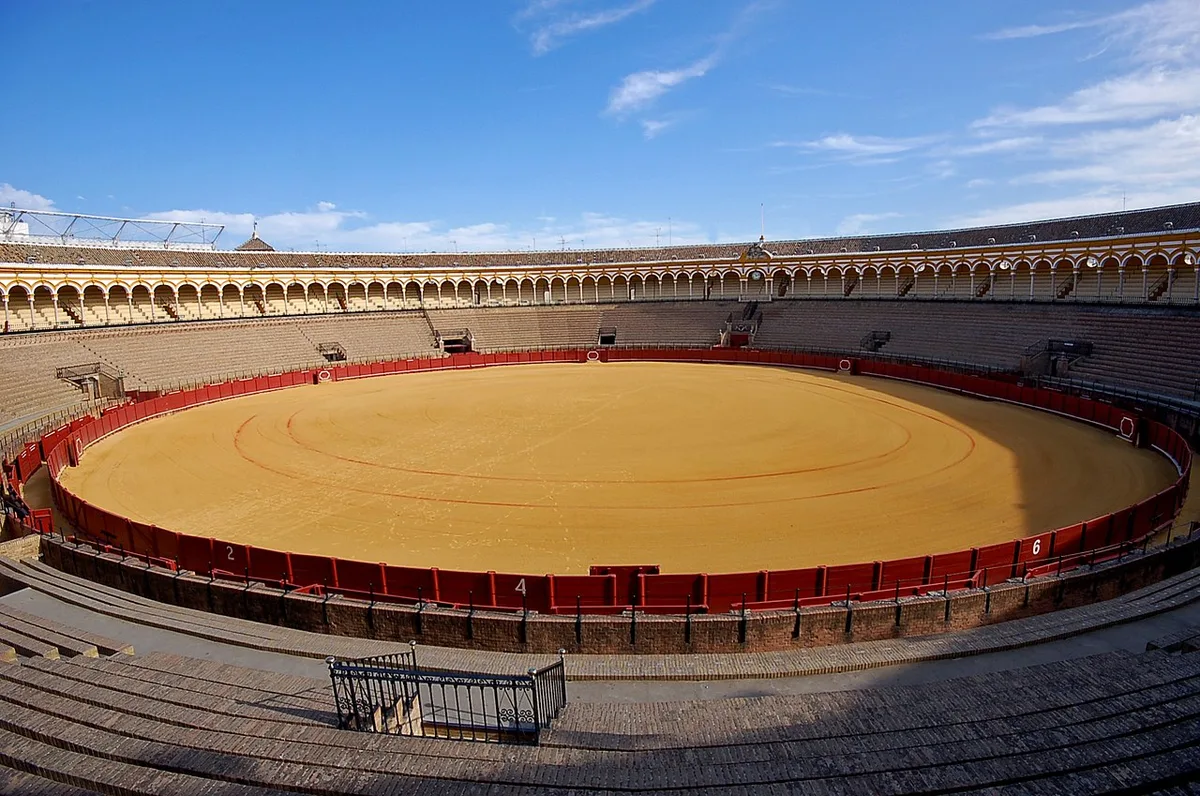
Real Maestranza Bullring
€12 general admission for the self-guided bullring, chapel and Museo Taurino circuit, open 9:30am to around 7:30pm — but hours cut to 3pm on live bullfight days, the one schedule trap worth checking first.
Visitor guide →
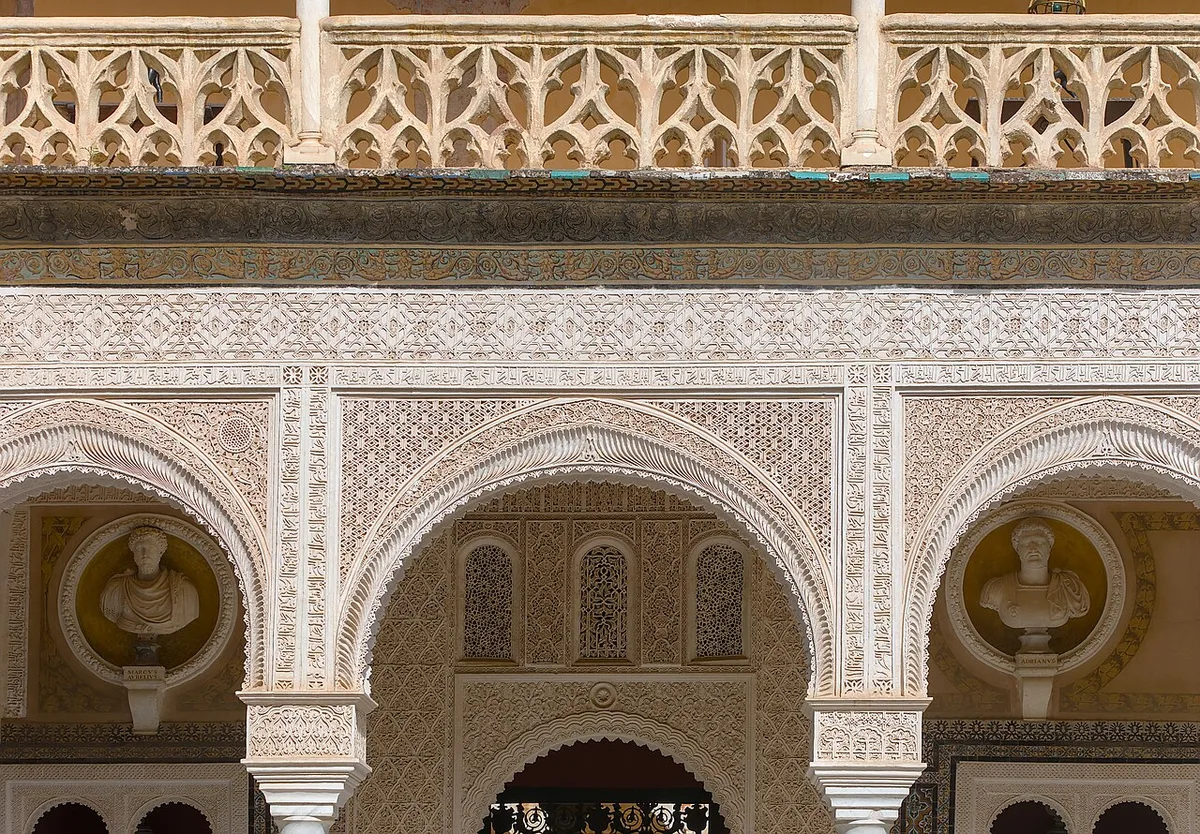
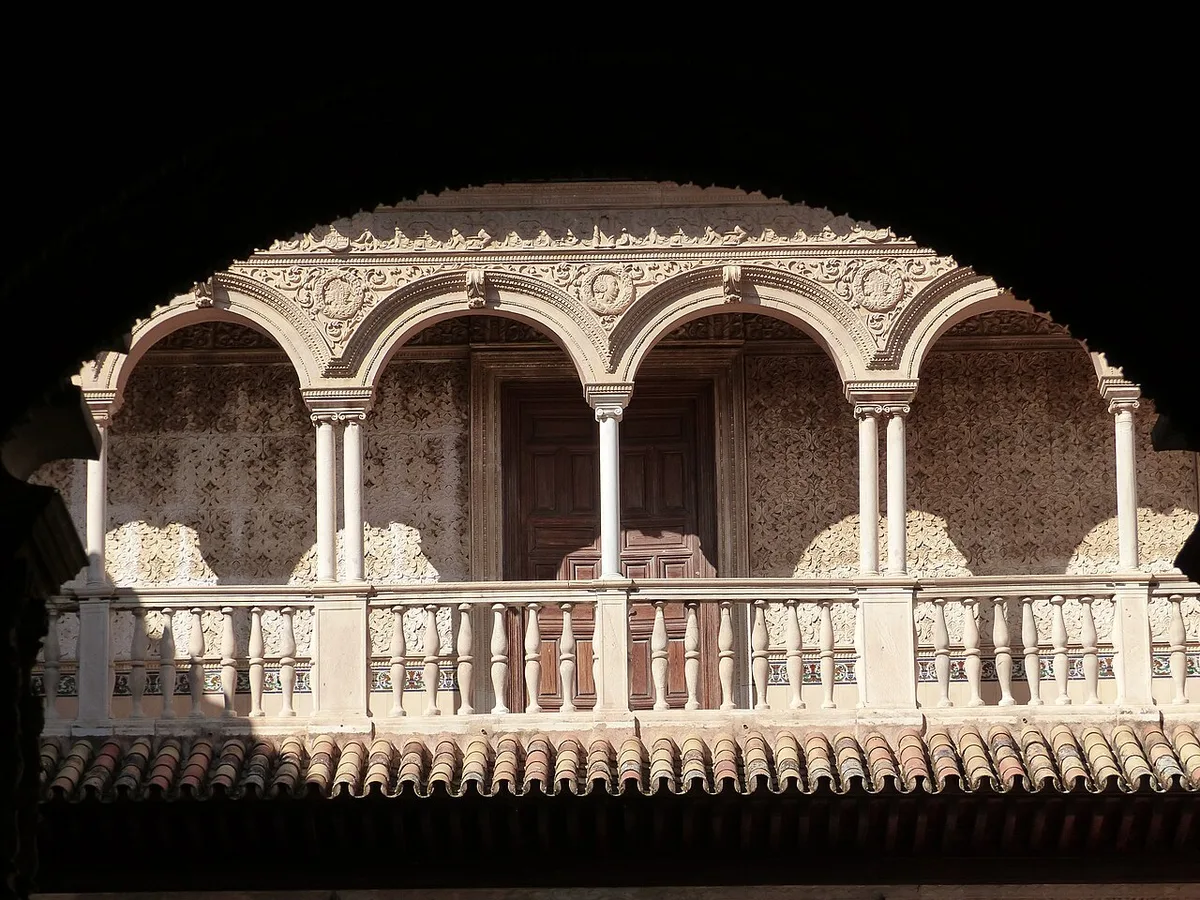
Casa de Pilatos
€12 covers the ground floor with audio guide, daily 9am–6pm, and unlike the Alcázar it rarely sells out — walk-up tickets are the norm, plus a little-known free Monday afternoon window covered in the guide.
Visitor guide →
Palacio de las Dueñas
Still a residence of the House of Alba and only open to ticketed visitors since 2016, so crowds stay noticeably lighter — €14–18 with the audio guide, opening daily at 10am, 60–90 minutes self-paced.
Visitor guide →
Archivo de Indias
Completely free — there's no admission ticket at all — for the UNESCO-listed archive of Spain's American empire; open Tuesday–Saturday 9:30am–5pm and Sunday mornings, closed Mondays, done in 30–60 minutes.
Visitor guide →
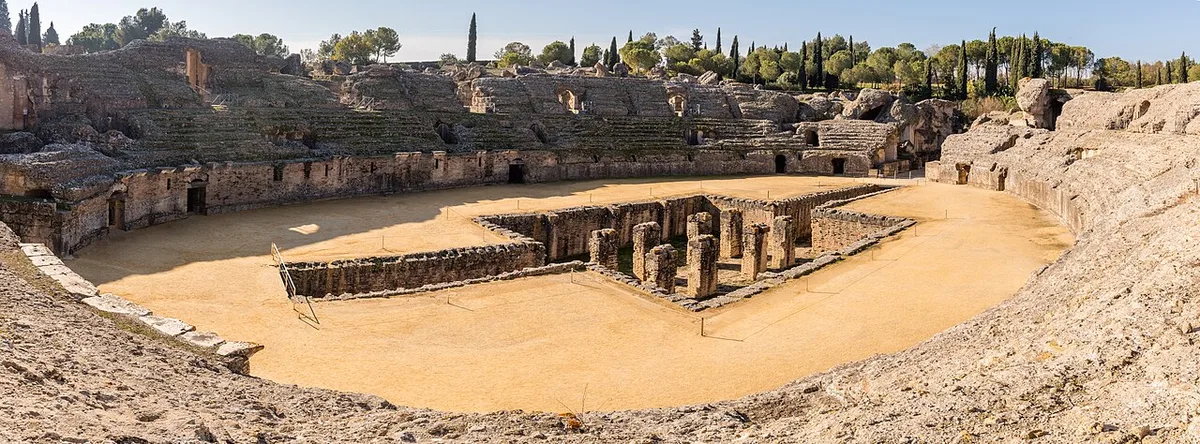
Italica
Free for EU citizens and €1.50 for everyone else — one of the cheapest major Roman sites in Spain, 9km from town near Santiponce, with seasonal hours that shift up to four times a year and a Monday closure.
Visitor guide →
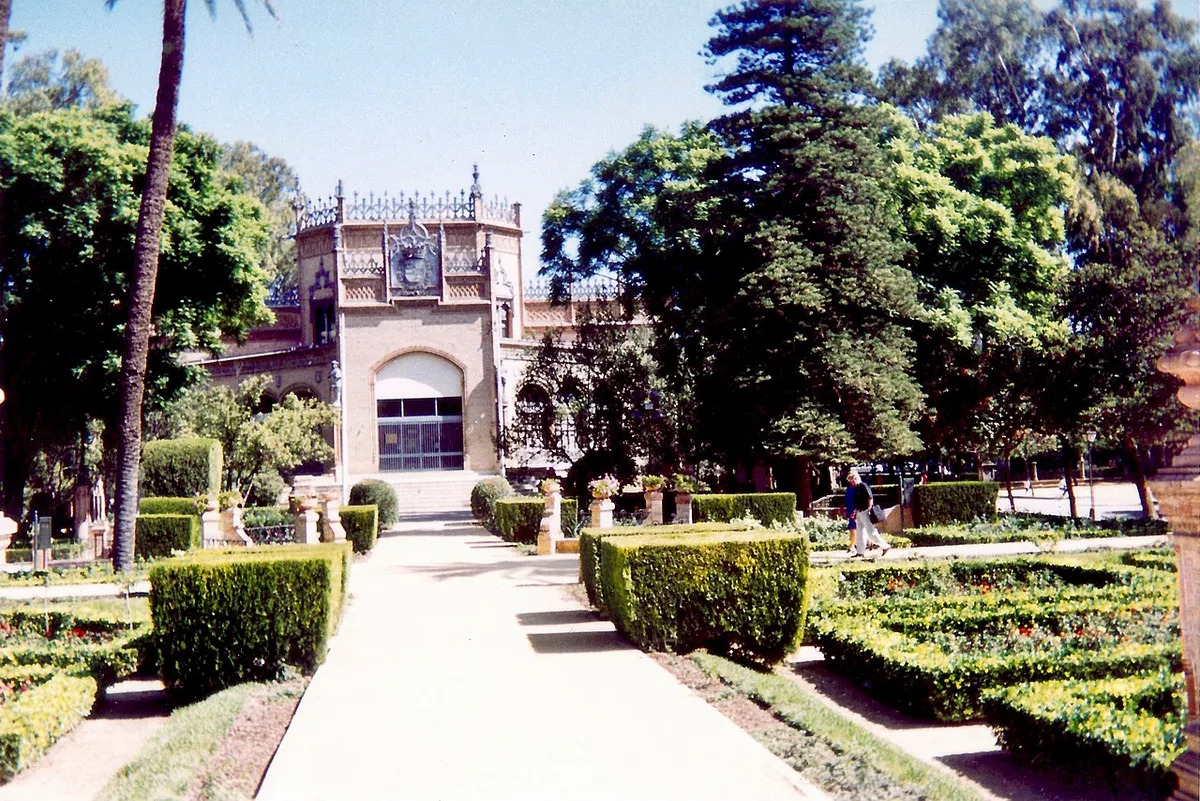
Maria Luisa Park
Free, gate-free and open 8am–10pm (until midnight April through September) — the guide sorts what's genuinely free from the optional paid extras like carriage rides and the Archaeological Museum on Plaza de América.
Visitor guide →
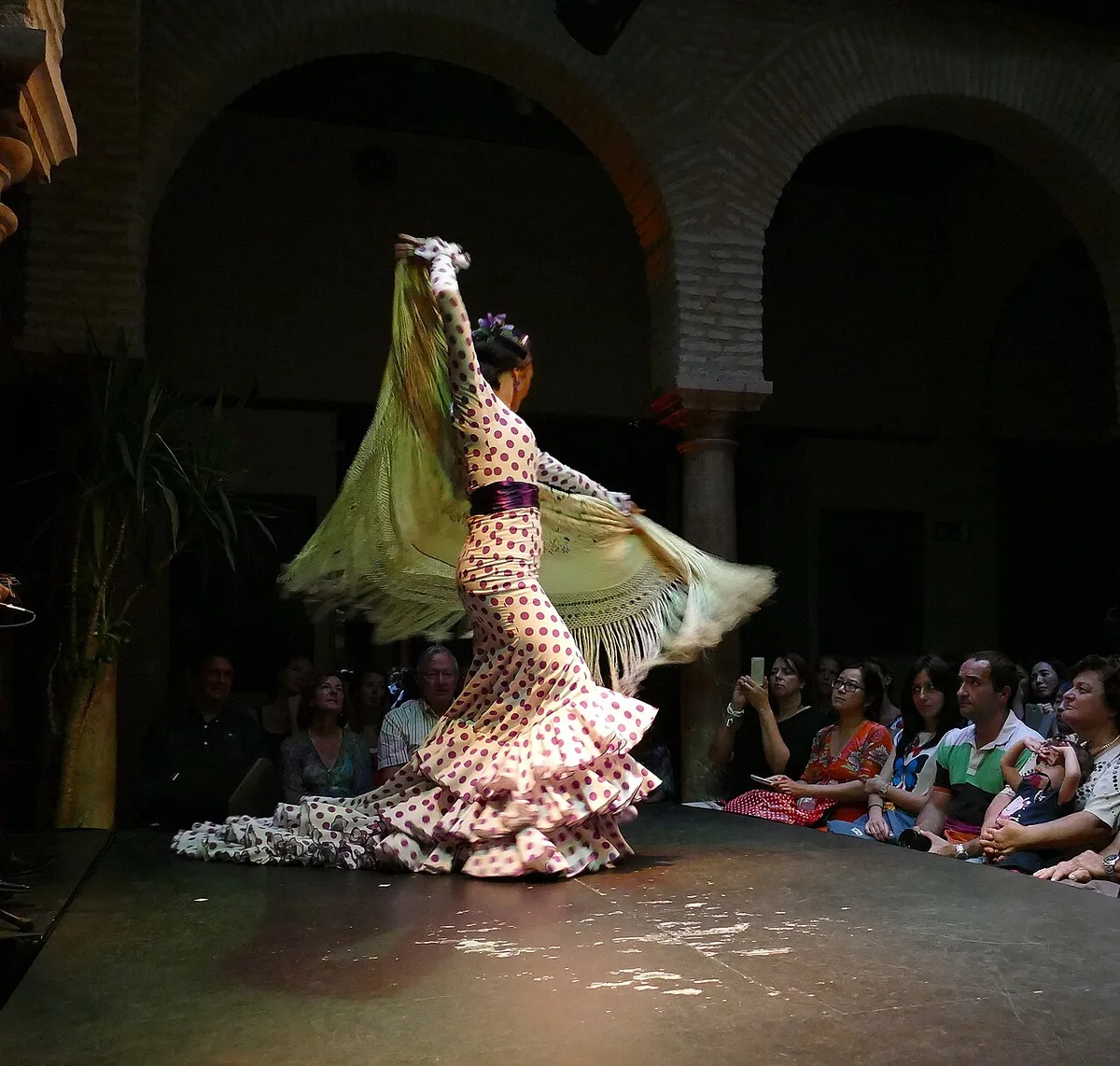
Flamenco Dance Museum
Museum-only entry is €6 — the cheapest serious attraction in central Seville — with galleries open 10:00–18:45 daily and a €33 combo ticket adding the evening show, the part that actually needs booking ahead.
Visitor guide →
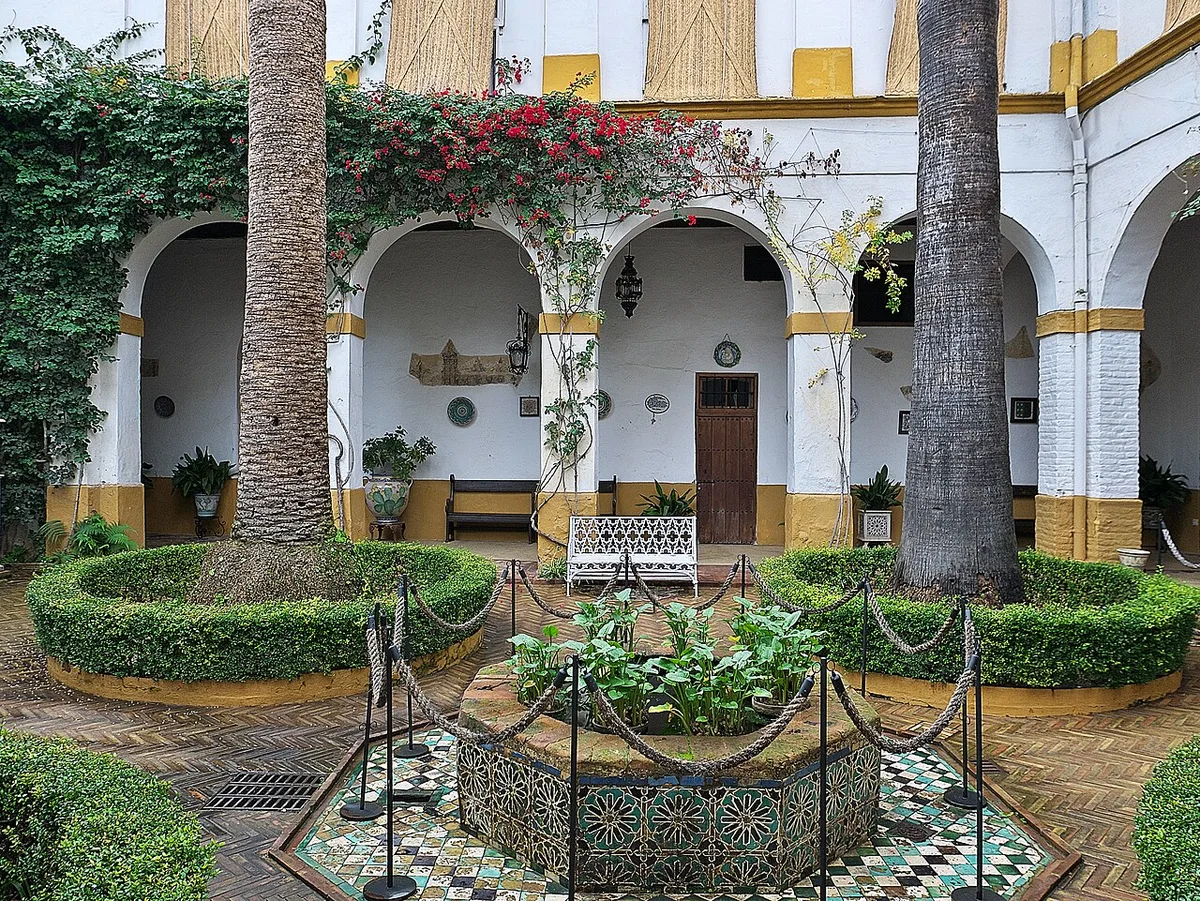
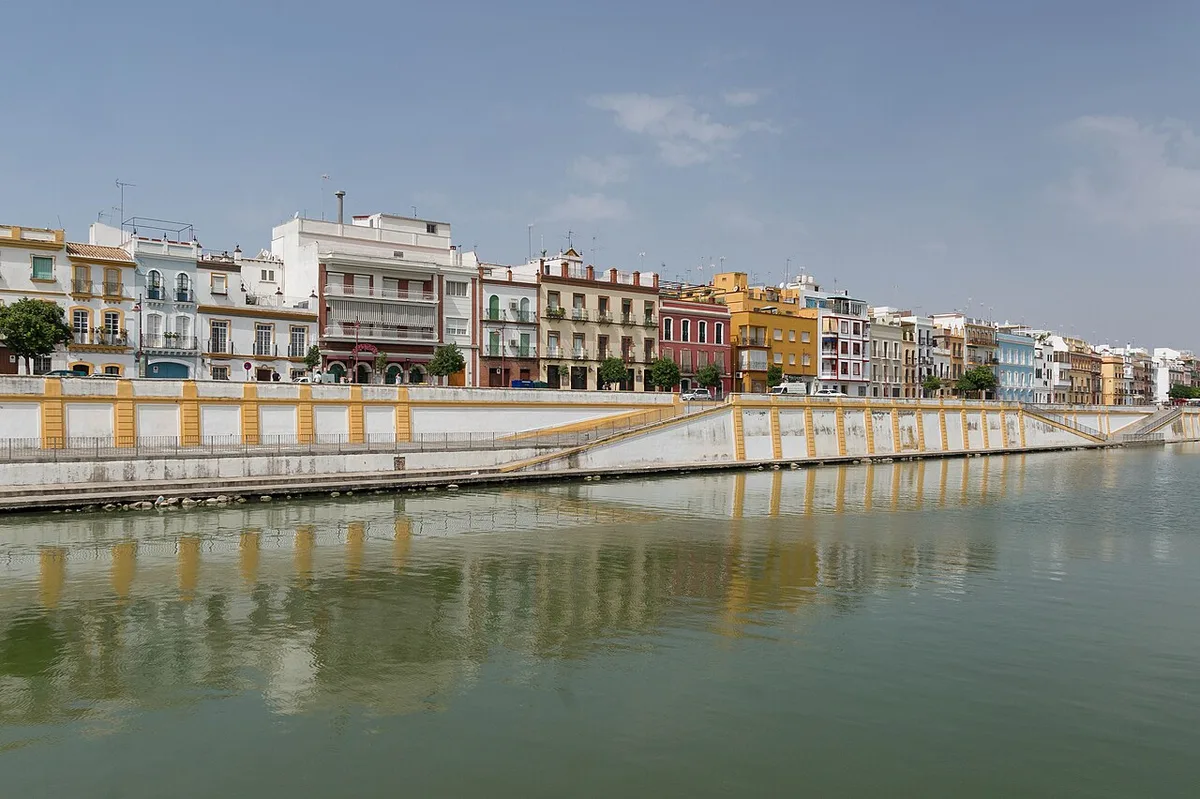
Triana
There's no ticket to Triana itself — the riverside neighborhood is free to wander. The guide prices what isn't: the Centro Cerámica museum at €2.10, flamenco shows from about €25, and the Mercado de Triana's real hours.
Visitor guide →
Hospital de los Venerables
Closed to visitors in 2026 — the Archdiocese took possession in July 2025 and a reopening as part of the cathedral's new museum isn't expected before 2027. The guide covers the timeline and what to see nearby instead.
Visitor guide →
Plan your Seville trip
The landmark guides above handle tickets, hours and worth-it calls sight by sight — these companion guides handle the trip-level decisions. Start with the 2 days in Seville itinerary to sequence the Alcázar and cathedral around their booking windows, and run the numbers with is the Seville pass worth it before buying any combined ticket. Budget travelers can pair the free landmarks on this page with our free things to do in Seville round-up, and photographers should check the best viewpoints in Seville for alternatives to the Setas walkway. When the ticket queues wear thin, hidden gems in Seville covers the quieter corners locals actually use, and day trips from Seville gets you to Córdoba, Cádiz and Italica's Roman ruins by train or bus.