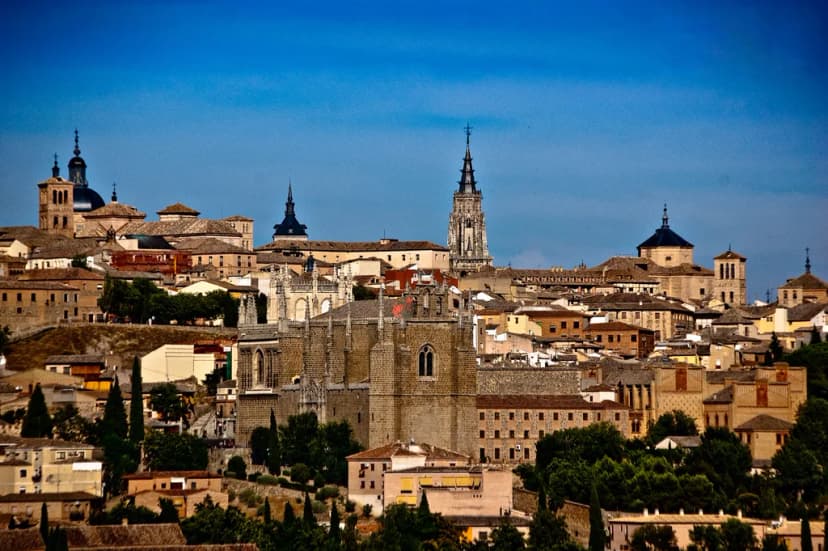

Seville's historic core hides more museums than most weekend visitors expect, from a UNESCO-listed archive to a former hospital turned Velázquez gallery. Entry fees range from free to about €16, and a single museum visit typically takes one to two hours. This guide narrows the list to ten museums worth the entrance fee and the walk.
General admission at the Museo de Bellas Artes runs under €2, with free entry for verified EU residents. Most museums on this list follow Tuesday-to-Sunday hours, so Monday is the day to plan other sightseeing instead. Prices below reflect 2026 rates, though state museums and private palaces both revise fees without much notice.
Every entry below pairs a fair price estimate with a realistic visit duration, so planning stays simple. For the city's full sightseeing lineup, see this Seville attractions guide. Museums pair naturally with a rainy afternoon or a slower half-day between bigger landmarks like the Alcázar.
10 Best Museums in Seville Worth Visiting
The picks below mix grand state collections with smaller specialty museums, covering fine art, archaeology, and living culture. Each entry lists an approximate price and typical hours, cross-checked against Seville City Guide's museum profile. Several sit close enough together to combine two or three stops in a single morning.
The list spans Golden Age painting, Roman-era archaeology, flamenco heritage, and a working ducal palace. None of the entries below are hotels, tours, or itinerary teasers dressed up as museums. Most cluster inside the historic center, so a single day can realistically cover two or three stops.
Prices reflect standard adult admission; discounts often apply for students, seniors, EU residents, and children under a set age. Hours shift by season, and several sites close one day a week, usually Monday. Book ahead for the flamenco museum and Casa de Pilatos during Easter and spring festival weeks.
- Museo de Bellas Artes de Sevilla
- Spain's second-largest fine-arts collection fills a former 17th-century convent near the river.
- It sits on Plaza del Museo, a short walk from Plaza de Armas.
- General admission costs under €2, free for verified EU residents and ICOM members.
- Rooms open Tuesday through Saturday from 10am to 8pm, shorter hours on Sunday.
- Arrive right at opening to see the Murillo canvases before mid-morning coach groups arrive.
- Hospital de los Venerables and Centro Velázquez
- This Baroque former hospital in the Santa Cruz quarter houses the Focus-Abengoa Velázquez collection.
- A single ticket covers the chapel, courtyard, and galleries in about an hour.
- General admission runs around €10, with reduced rates near €8 for students and seniors.
- Doors open daily from 10am to 8pm in warmer months, 10am to 6pm in winter.
- Sunday afternoons between 2pm and 6pm often carry free entry, so confirm the current schedule.
- Casa de Pilatos in Barrio Santa Cruz
- This 16th-century Andalusian palace blends Mudéjar tilework with Renaissance marble in a working ducal home.
- It sits near Plaza de Pilatos, a five-minute walk from the Alcázar and Cathedral.
- A ground-floor ticket with audio guide runs about €12, or €6 for the upper floor alone.
- The palace opens daily from 9am to 6pm, and a visit takes roughly an hour.
- EU citizens enter free on non-holiday Mondays between 3pm and 6pm, though space is limited.
- Archivo General de Indias by the Cathedral
- Spain's colonial-era archive holds ships' logs and maps in a Renaissance building beside the Cathedral.
- Along with the Alcázar and Cathedral, it forms a single UNESCO World Heritage listing.
- Entry is free, and most visitors spend 30 to 45 minutes browsing the document cases.
- It opens Tuesday to Saturday from 9:30am to 5pm, and Sundays until 2pm.
- Rotating exhibits mean the documents on view change, so a repeat stop rarely feels the same.
- Museo del Baile Flamenco Near the Cathedral
- A dance museum founded by flamenco star Cristina Hoyos fills a restored building near the Cathedral.
- The basement stages a daily flamenco show, alongside costumes, film, and interactive exhibits upstairs.
- Adult tickets run roughly €10 to €13, with lower rates for students and children.
- The museum opens daily from 10am to 6pm, with last entry at closing time.
- Prices shift with show packages, so confirm current rates on the museum's own ticket site.
- Antiquarium Beneath the Metropol Parasol
- Roman and Moorish ruins sit five meters underground beneath the giant Metropol Parasol structure.
- The site preserves mosaic floors and house foundations from a first-century Roman settlement.
- Entry costs just over €2, and children under 16 get in free.
- It opens Tuesday to Saturday 10am to 8pm, and Sunday mornings until 2pm.
- The walkway ticket for the mushroom-shaped canopy above is sold separately, so budget for both.
- CaixaForum Sevilla in Los Remedios
- A converted riverside cultural center runs rotating contemporary art and science exhibitions near Torre Sevilla.
- It sits a short tram ride from the historic center, across the river in Los Remedios.
- General admission is about €6, free for children under 16 and CaixaBank customers.
- Opening hours stretch late, often to 10pm on weekdays and later on weekends in summer.
- It suits an evening visit when the older museums across town have already closed.
- Museo Arqueológico de Sevilla in María Luisa Park
- Iberian, Roman, and Tartessian artifacts fill a Renaissance-revival pavilion inside María Luisa Park.
- The building faces Plaza de América, a short stroll from the Plaza de España.
- Admission is free for EU and EEA citizens, and under €2 for everyone else.
- Winter hours run Tuesday to Saturday 9am to 9pm, shifting to afternoons-only in summer.
- Pair the visit with a walk through the park's ponds and tiled benches nearby.
- Museo de Artes y Costumbres Populares
- Folk costumes, ceramics, and old trade workshops fill the Mudéjar Pavilion across from the archaeology museum.
- It shares the same Plaza de América address, making both stops easy to combine.
- Tickets cost under €2, with free entry for EU citizens and ICOM cardholders.
- Hours mirror its neighbor, open late into the evening in winter and mornings only in summer.
- The recreated 19th-century shop interiors are a quieter highlight most visitors rush past.
- Palacio de las Dueñas Near Santa Catalina
- Poet Antonio Machado's childhood home blends Renaissance, Mudéjar, and Gothic details around a garden courtyard.
- It sits a 10-minute walk north of the Cathedral, in the Santa Catalina district.
- Standard tickets run roughly €8 to €10, with reduced pricing for students and seniors.
- Hours run 10am to 7pm in summer, and 10am to 6pm from October through March.
- Entry turns free after 4pm most days, so a late-afternoon visit can save the ticket cost.
Is Seville Worth Visiting for Its Museums?
Seville's museum scene is smaller than Madrid's Golden Triangle, but ticket prices run far lower, as WhichMuseum's citywide listings show. Most single-museum visits cost under €12, and several state-run sites charge €2 or less. That value makes it easy to see three or four museums without denting a travel budget.
Andalusia's siesta rhythm still shapes museum hours, with some sites closing for a midday stretch outside peak season. Morning visits between 10am and 1pm avoid both the heat and the tour-bus crowds. Late-afternoon reopenings work well for palaces like Casa de Pilatos, which stays open straight through until evening.
Morning visits between 10am and 1pm avoid both the heat and the tour-bus crowds.
On a rare rainy afternoon, these museums make a dry alternative to open-air sights. The site's rainy-day Seville guide lists other indoor backups if the weather turns. Covered courtyards at Casa de Pilatos and the Hospital de los Venerables still let some daylight through.
Free and Budget-Friendly Museum Options
A genuine planning trick most guides skip: several state museums share the same free-entry rules, per Welcome To Seville's museum roundup. The Museo de Bellas Artes, Museo Arqueológico, and Museo de Artes y Costumbres Populares are all part of the Junta de Andalucía network. Stacking a Sunday morning at one with a Sunday afternoon free window at Hospital de los Venerables covers three or four museums near €0.
EU residents enjoy free entry to several state-run museums year-round, including the Museo de Bellas Artes, Museo Arqueológico, and Museo de Artes y Costumbres Populares.
Families juggling nap schedules often do best with the Antiquarium and archaeological museum, both short, air-conditioned visits. The site's Seville with kids guide has more age-specific picks beyond museums. Interactive folk-life displays at the Museo de Artes y Costumbres Populares tend to hold younger attention longer than fine art.
Museums are only part of Seville's free sightseeing, and pairing them with outdoor spots stretches a tight budget further. The free things to do in Seville guide rounds out a no-cost day around these picks. Combining two free museums with a plaza stroll makes an easy half-day that costs nothing but time.
What to Skip and How to Plan a Museum Day
Torre del Oro's small maritime exhibit is often marketed as a must-see museum stop, but the collection is modest. Most visitors get more from the tower's river views than from the naval displays inside. Skip it in favor of any of the ten museums above if time only allows one detour.
Frequent sightseers should weigh a citywide pass against paying per museum, since several sites already charge under €5. The site's Seville Pass breakdown compares that broader card against buying tickets individually. A pass pays off fastest for travelers also visiting paid monuments like the Alcázar and Giralda.
Museum visits slot naturally into a tight schedule, including a one-day Seville itinerary built around the old town. Pick one or two museums near the Cathedral cluster rather than crossing the city for a single stop. Public transport and walking both cover the historic center easily, so a taxi is rarely needed.
Confirm hours before visiting during Easter week and the April Fair, when several museums shift schedules. State museums close on national holidays, while private sites like Casa de Pilatos often stay open. Building in one flexible half-day covers any last-minute closures without derailing the rest of a trip.
Frequently Asked Questions
Which Seville museum should first-time visitors see first?
The Museo de Bellas Artes de Sevilla is the strongest first stop, with Golden Age Spanish paintings for under €2. The Hospital de los Venerables and its Velázquez collection make a strong second pick nearby. Both sit within a short walk of the Cathedral and pair well in one morning.
How many days do you need to see Seville's main museums?
Two focused days cover the top five or six museums on this list without feeling rushed at all. Pair a morning museum with an afternoon walk, following a 2-day Seville itinerary for pacing. Smaller museums take under an hour, leaving room for other city sights.
Are Seville's museums free on any day?
Several state-run museums, including the fine arts and archaeological museums, offer free entry to EU citizens year-round. Sunday afternoon free windows also apply at sites like Hospital de los Venerables. Confirm exact hours before visiting, since free windows shift by season.
Do Seville museums require advance booking?
Smaller state museums rarely need reservations outside the busiest holiday weeks of the year. Private sites like Casa de Pilatos and the flamenco museum sell out afternoon slots in high season. Booking a day ahead helps avoid a wasted trip during Easter week or the April Fair.
Ten museums are plenty for most trips, from the Museo de Bellas Artes' Golden Age paintings to the Antiquarium's Roman mosaics underground. Pick two or three that match your interests rather than trying to fit every one into a single visit.
Book the private palaces a few days ahead in peak season, and leave the free state museums for whenever a gap opens up. That balance keeps a Seville trip from turning into a museum sprint.