
Hidden Gems in Seville
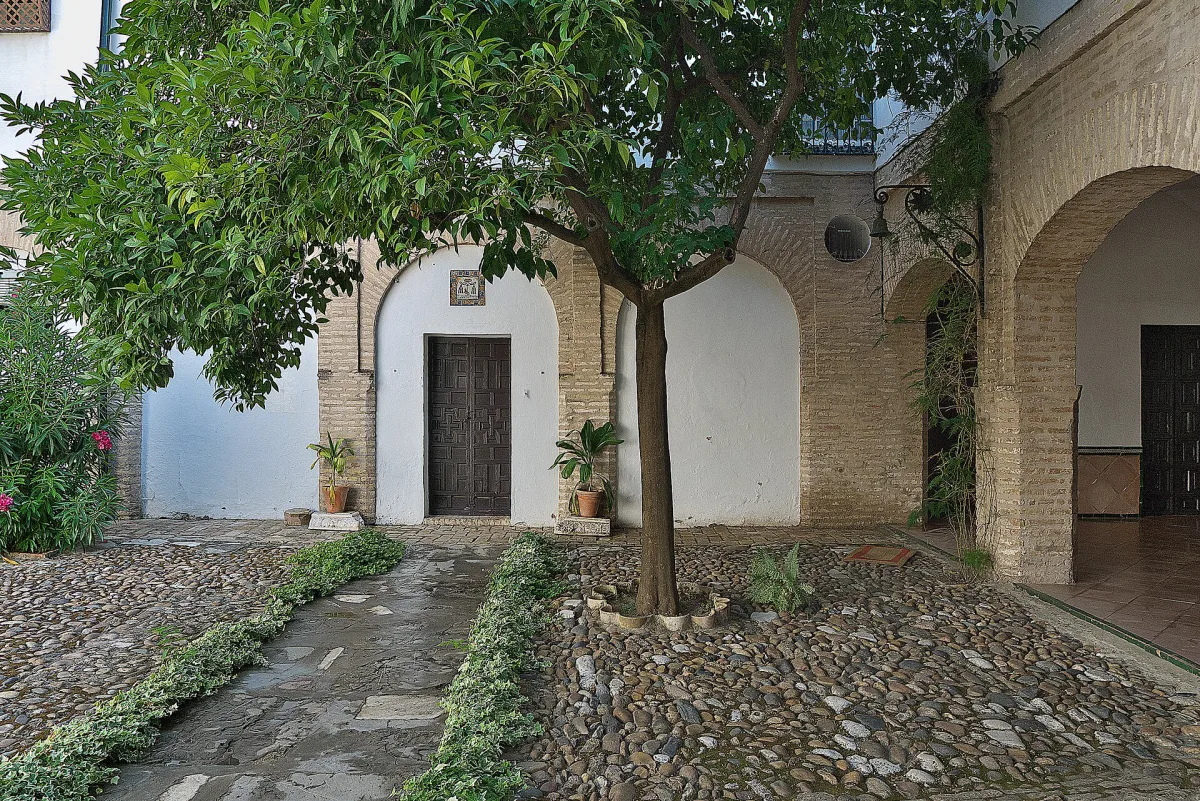
Discover hidden gems in Seville for 2026, from quiet courtyards and secret palaces to convent sweets and flamenco bars locals actually visit.
Read guide →Seville travel guides for 2026: itineraries, day trips, hidden gems, museums, free things to do and city-pass advice — every Seville planning guide in one hub.
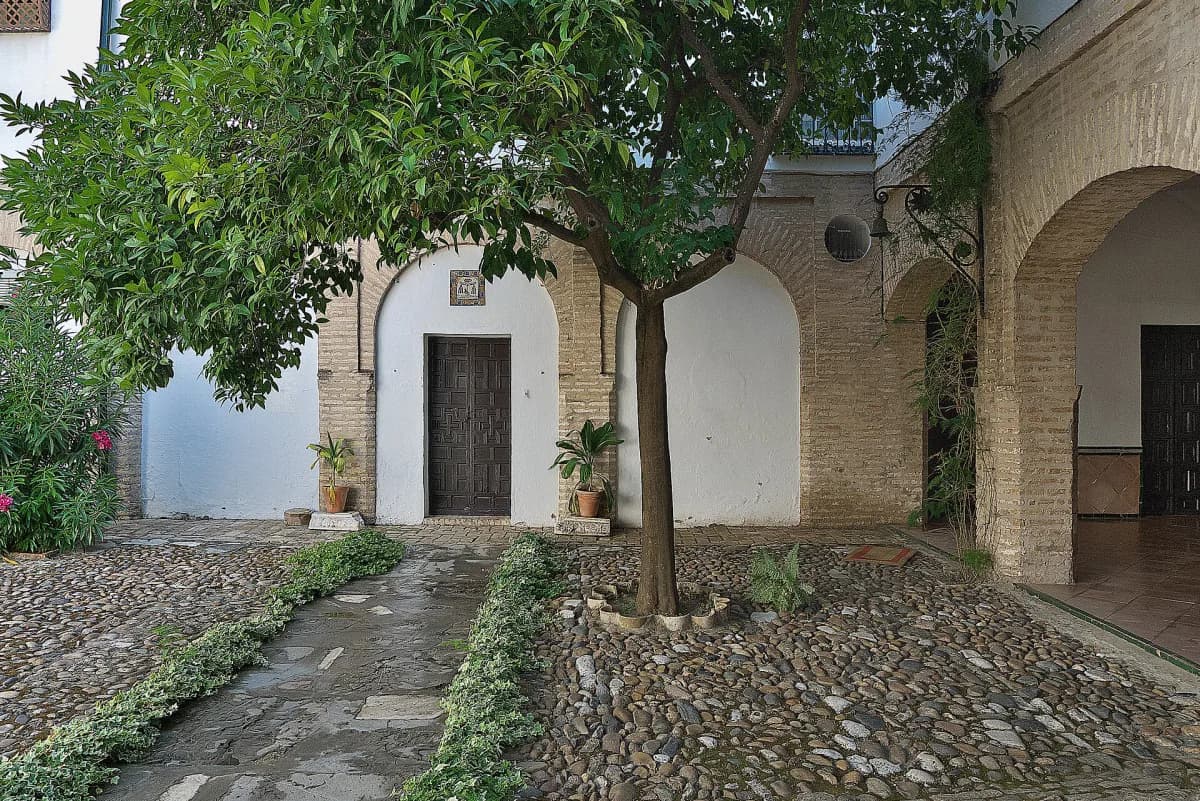
Everything we've published on visiting Seville, in one place: 14 trip-planning guides covering itineraries, day trips, hidden gems, the best viewpoints and museums, family and rainy-day options, and honest advice on city passes. Each guide is written for a specific decision you make while planning a trip to Seville, Spain.
Looking for individual landmark tickets, opening hours and worth-it advice? See our Seville attractions hub, with 14 dedicated visitor guides.
Our 14 Seville guides cover everything from one-day itineraries to hidden gems, viewpoints, museums, and day trips. Bookmark this page to reference each guide as you plan your trip.
Two full days covers the heavyweight sights; three lets the city breathe. The Real Alcázar alone — palace rooms plus gardens — takes 2 to 3 hours, which is why a single-day visit becomes an exercise in timed-entry discipline: the hour-by-hour route shows exactly what makes the cut and what has to wait. The two-day itinerary groups sights by neighborhood so you're never crossing town twice in an afternoon — and since it lists hotel picks alongside 2026 ticket prices, it doubles as a booking checklist for a first visit — while the three-day version slows Day 3 down to parks, plazas and a final tapas crawl — a pace that suits Seville far better than any checklist. However long you stay, book the two headline monuments before anything else; everything below explains why.
Standard admission to the Real Alcázar costs €15.50 as of mid-2026, gates open at 9:30am year-round, and closing stretches to 7pm in summer (5pm in winter) — but tickets are timed-entry with a daily cap, and the best slots vanish first. General admission to the Seville Cathedral and Giralda tower runs €13 booked online (€14 at the ticket office), with doors open Monday to Saturday from 11am to 7pm and Sundays from 2:30pm. Beyond the big two, the rooftop walkway at the Metropol Parasol (Las Setas) costs around €15–16 for adults, ground-floor entry to Casa de Pilatos is €12 with an audio guide included, doors open daily 9am to 6pm and the self-guided visit takes about 45–60 minutes — an easy filler between timed entries — and the self-guided visit at the Real Maestranza bullring — arena, chapel and museum — costs €12 and runs 9:30am to around 7:30pm on most days. Reduced rates soften the total considerably: over-65s and students aged 14–30 pay €8 at the Alcázar, while cathedral concessions for seniors and students up to 25 drop to €7 online.
At least four different products carry a "Seville Pass" name in 2026, priced from about €39 for a bare-bones 24-hour card to over €120 for a multi-day bundle; the Tiqets-sold version costs €48 and bundles roughly €60.50 worth of separate tickets. Whether any of them earns its keep depends on how many paid sights you'll genuinely visit — our honest pass review untangles the name-alikes before you spend. The frugal path is surprisingly rich here: the Real Alcázar releases a limited batch of free tickets for its final Monday entry slot (roughly 4 to 6pm), Torre del Oro charges just €3 (€1.50 for students, seniors and children aged 6–14), Plaza de España remains free to enter as of mid-2026 despite recurring talk of a tourist fee, and beneath Las Setas the Antiquarium archaeological museum runs a separate ticket at around €2 — one of the cheapest indoor hours in the city. The free-things guide collects ten options, from Monday palace windows to free-always plazas and parks.
Seville works well with children as long as you plan around the city's rhythm: many shops and sights pause for a siesta in mid-afternoon, so families do best front-loading mornings — the family guide covers ticket costs, siesta-smart timing and where to stay, and notes that the cathedral charges around €13 per adult while young children enter free. Rain is rare but not mythical; when it arrives, the rainy-day plan swaps orange-tree courtyards for covered markets, flamenco shows and cozy cafes. The Metropol Parasol rooftop is also the family-budget pick among paid viewpoints: children under 5 walk it free, and the reduced rate for ages 6–14 runs roughly €12–13. And if your trip leans cultural, the museum shortlist ranks ten collections with 2026 admission prices and hours, from headline art to niche gems most visitors walk straight past.
Seville makes an easy base for the rest of Andalusia. The high-speed train to Córdoba takes about 45 minutes, with one-way fares from roughly €10 to €58 in 2026, and regional trains and buses reach coastal Cádiz, hilltop Ronda and the sherry towns — most within 30 minutes to 2 hours 15 minutes each way, at €2 to €58 per person one way. The day-trips comparison weighs travel times, fares and highlights so you pick the right one — and since every route runs on regular trains and buses, most work as a single day out with no rental car and no overnight stay. The closest escape barely counts as leaving: the Roman ruins of Itálica sit just 9 km northwest of the city near Santiponce, with an amphitheater and mosaic-floored houses that reward 1.5 to 2.5 hours — just remember it closes every Monday.
Evenings are when the city is most itself. Museum-only entry at the Flamenco Dance Museum costs €6, but the combined ticket with an evening show — €33 for adults — is the version most visitors remember. The galleries run 10:00 to 18:45 daily with last entry at 18:00, so a late-afternoon museum visit rolls naturally into an evening show, and the after-dark guide adds lantern-lit plazas, riverside walks and tablao timing to build a full night around it. For something less staged, the hidden-gems guide points to the flamenco bars locals actually visit, along with quiet courtyards and convent sweets. Finish high: the viewpoints roundup compares cathedral rooftops and Las Setas at golden hour, when the skyline earns its reputation.
Discover hidden gems in Seville for 2026, from quiet courtyards and secret palaces to convent sweets and flamenco bars locals actually visit.
Read guide →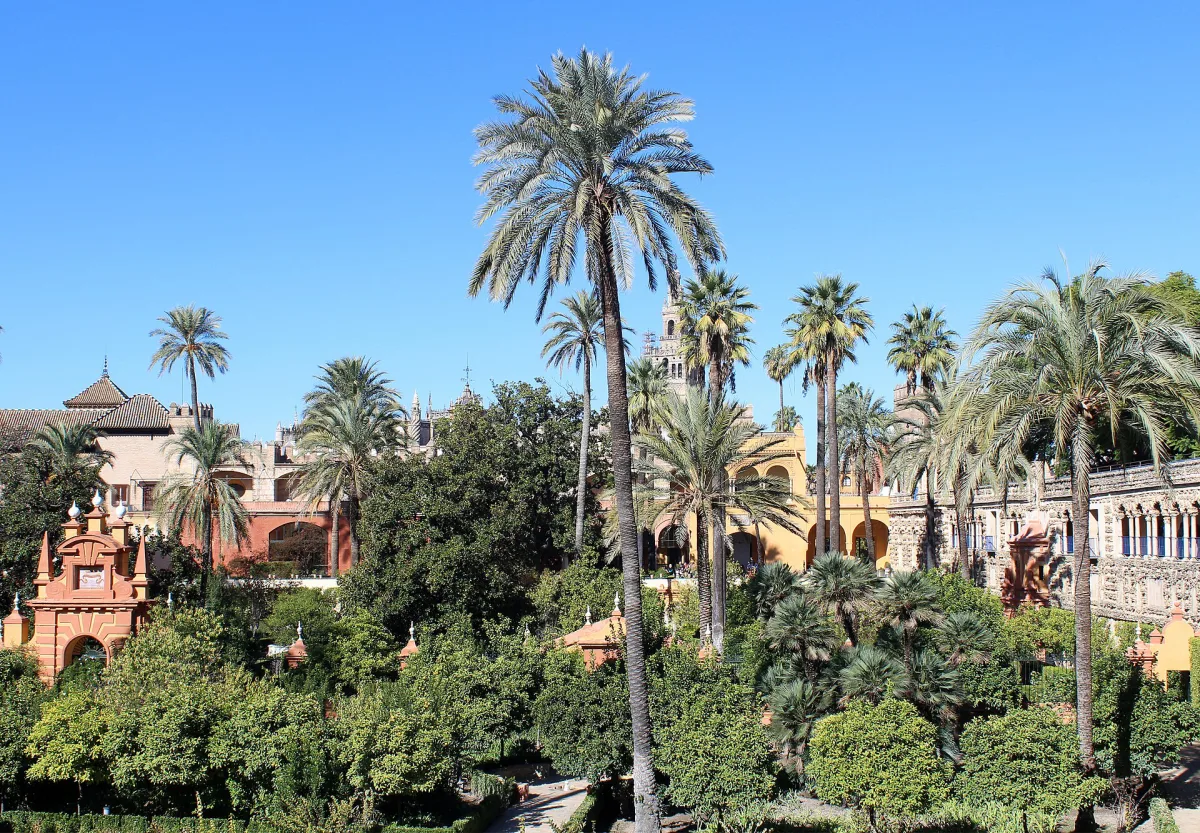
Is the Seville Pass worth it in 2026? Compare real ticket prices, exact inclusions, and honest pros and cons before you book your Seville trip.
Read guide →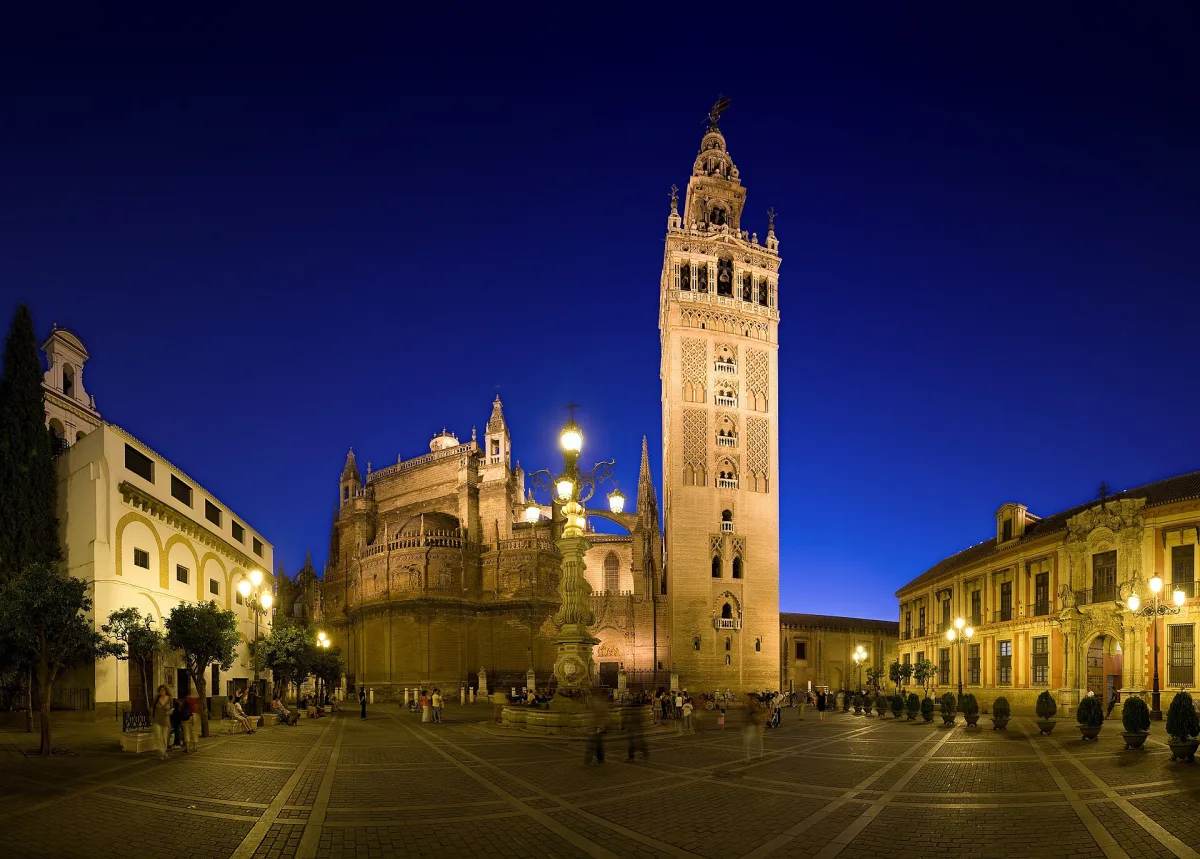
Follow this one day in Seville itinerary for 2026, complete with timed-entry ticket tips, tapas picks, and an hour-by-hour plan for first-time visitors.
Read guide →
Plan 2 days in Seville itinerary with a neighborhood-grouped route, 2026 ticket prices, hotel picks, and booking tips for a smoother first-time trip.
Read guide →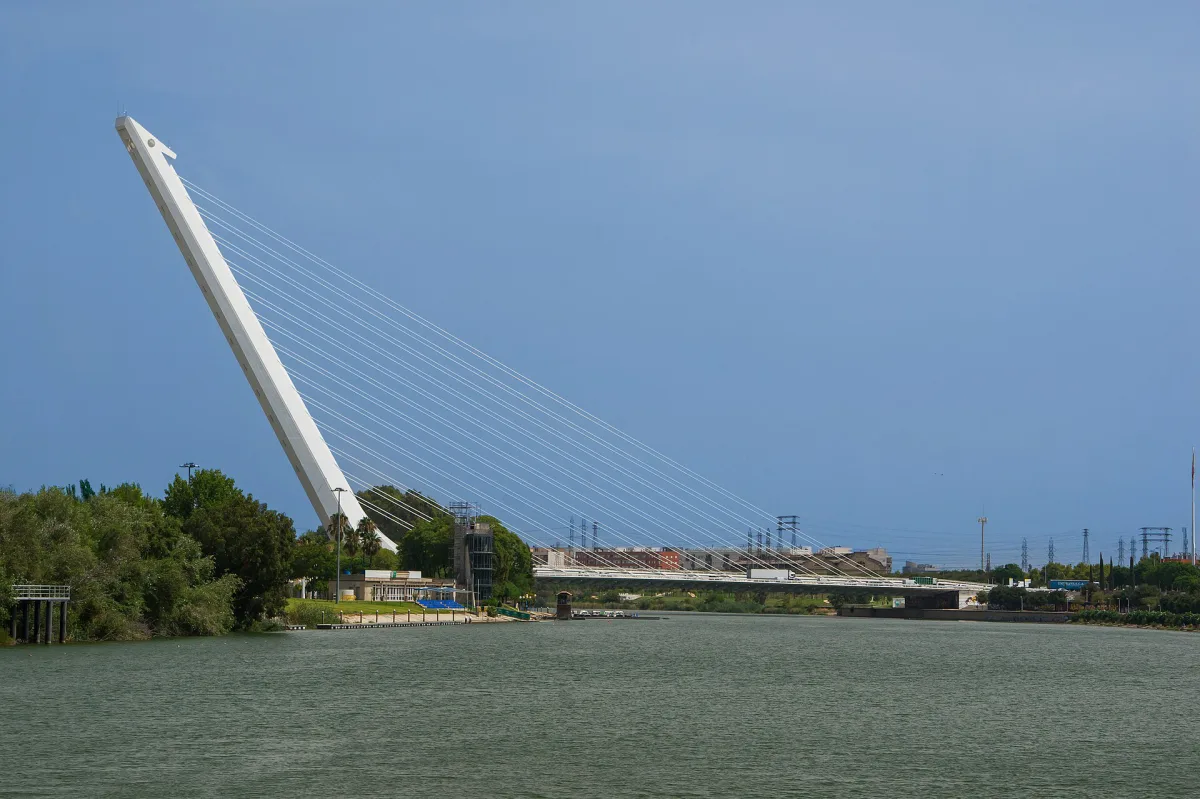
Plan a smooth 3 days in Seville itinerary for 2026 with day-by-day stops, ticket costs, neighborhood tips, and where to stay. Start planning today.
Read guide →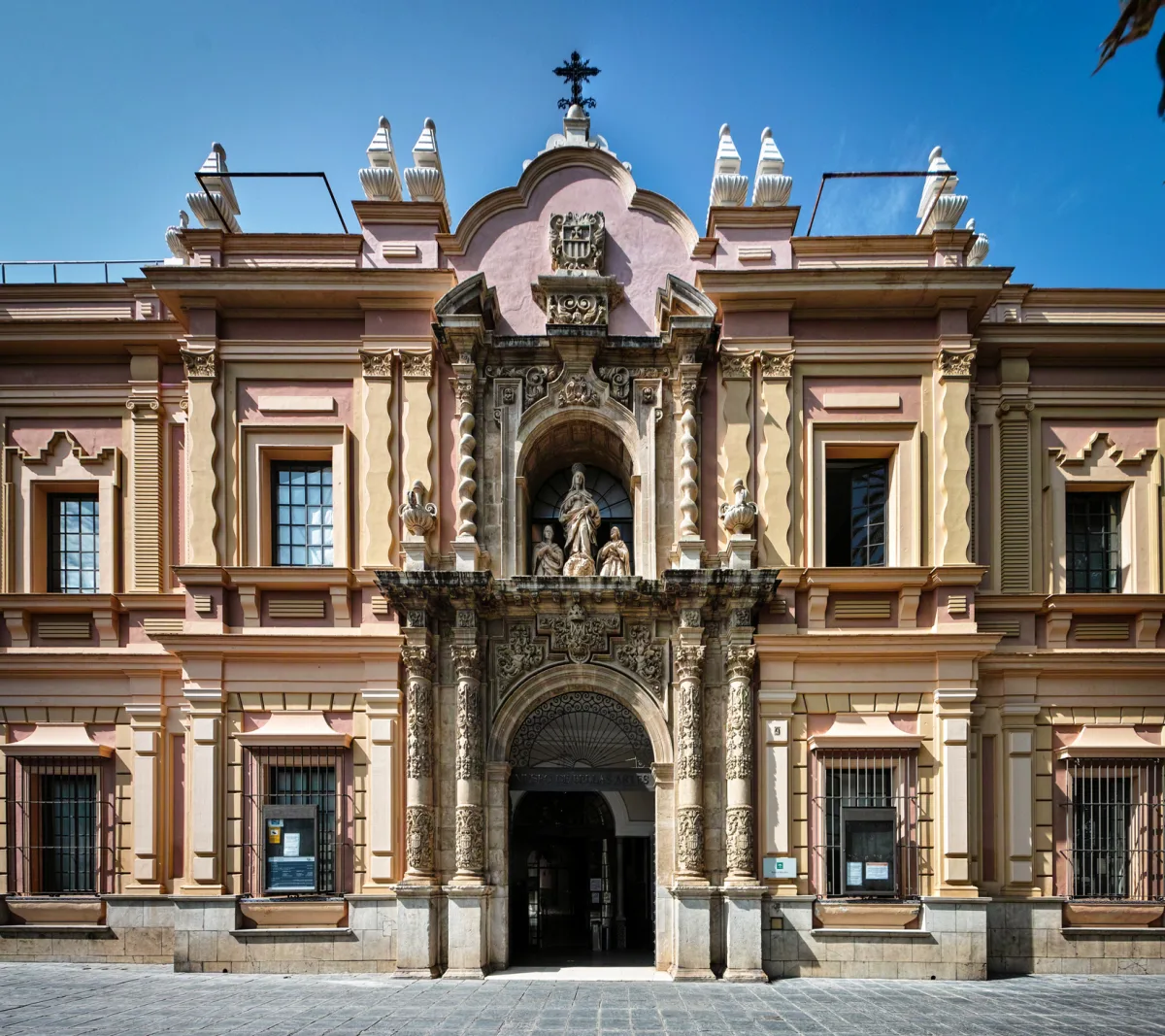
Plan your visit around the best museums in Seville worth visiting, with 2026 admission prices, opening hours, and picks for every travel budget.
Read guide →
Discover the 10 best viewpoints in Seville, from cathedral rooftops to Las Setas, with 2026 prices, hours, and tips for the best skyline views.
Read guide →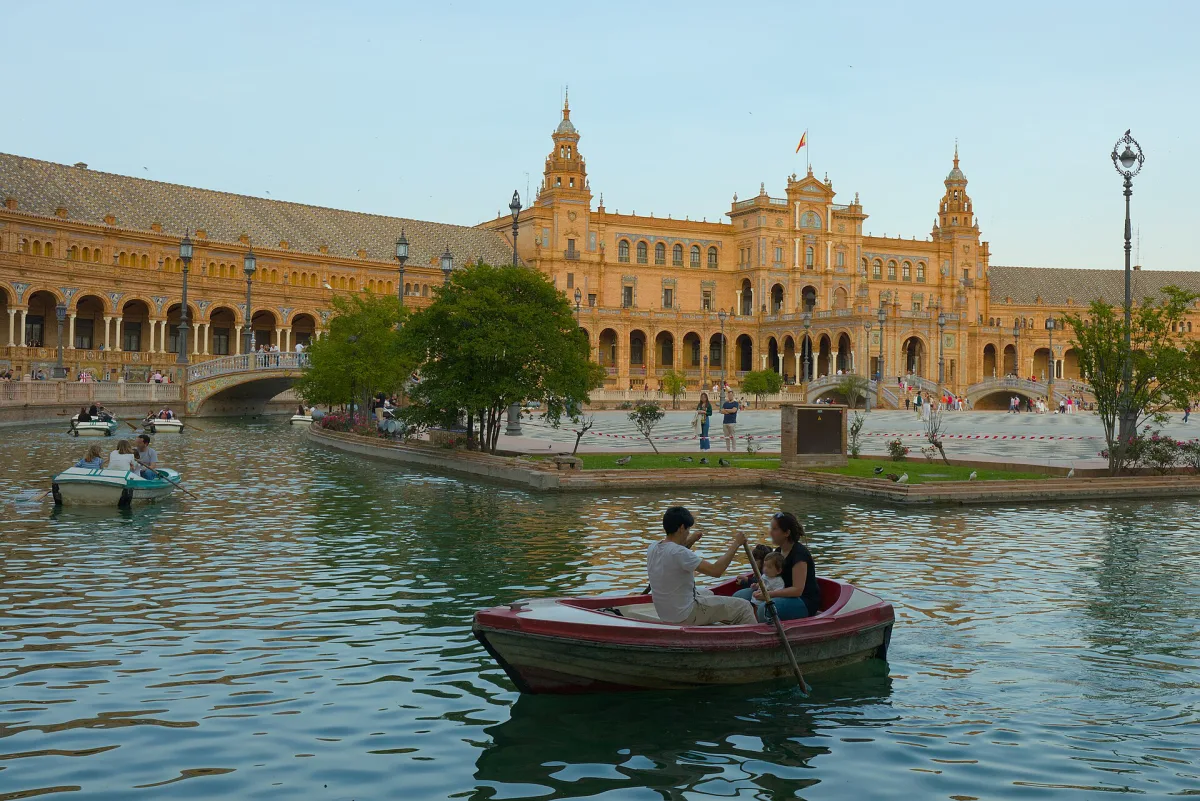
Find the 10 best photo spots in Seville, from the Real Alcazar to Triana, with 2026 prices, opening hours, and golden-hour timing tips for sharper shots.
Read guide →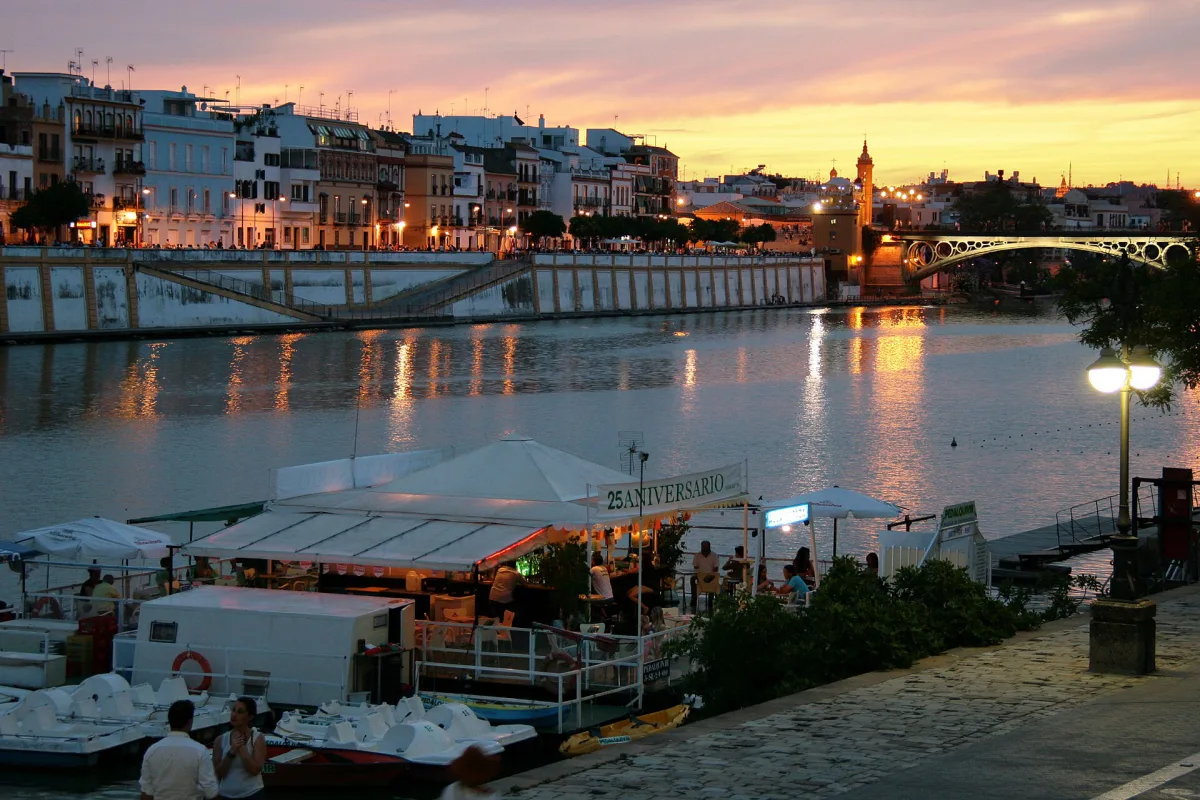
Find where to watch sunset in Seville, from Plaza de España to riverside spots, with 2026 timing, prices, and planning tips for a smoother visit.
Read guide →
See the 10 best things to do in Seville at night in 2026, from flamenco tablaos to lantern-lit plazas, with prices, hours, and insider tips.
Read guide →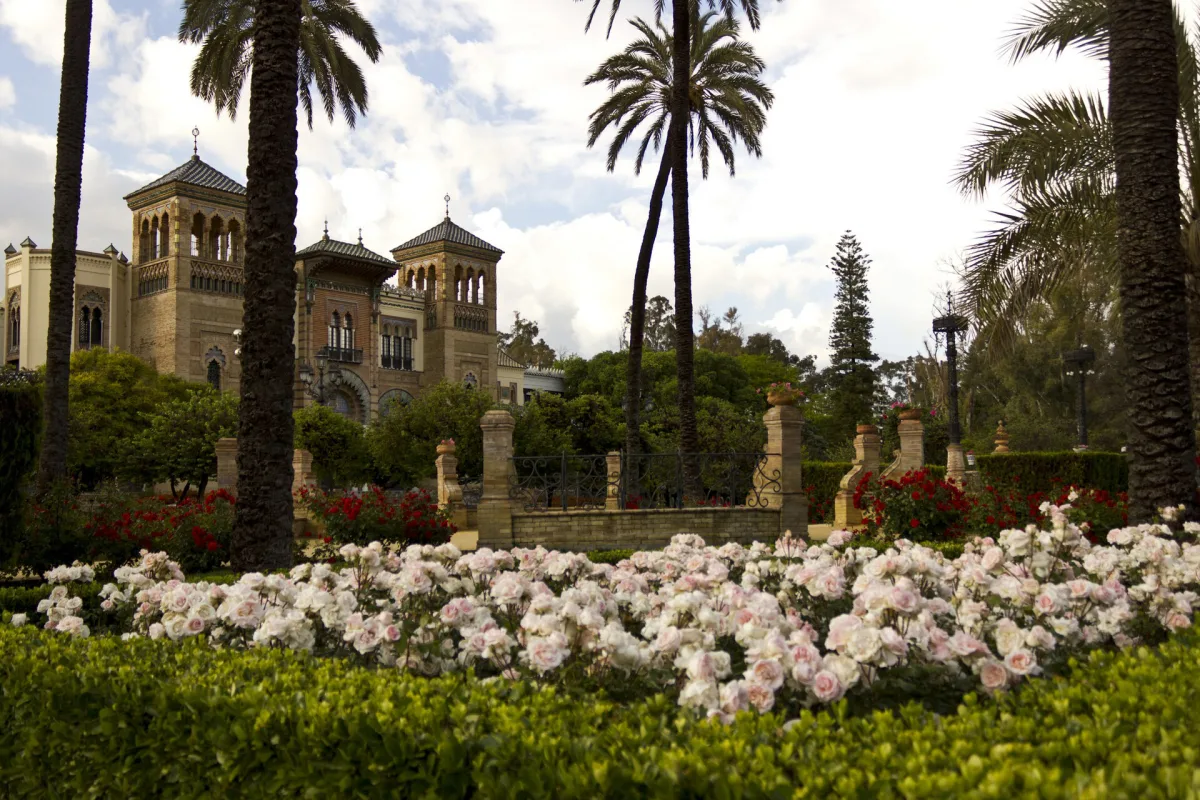
Planning Seville with kids in 2026? Get top attractions, ticket costs, siesta-smart timing, and family-friendly stays for a smoother Seville trip.
Read guide →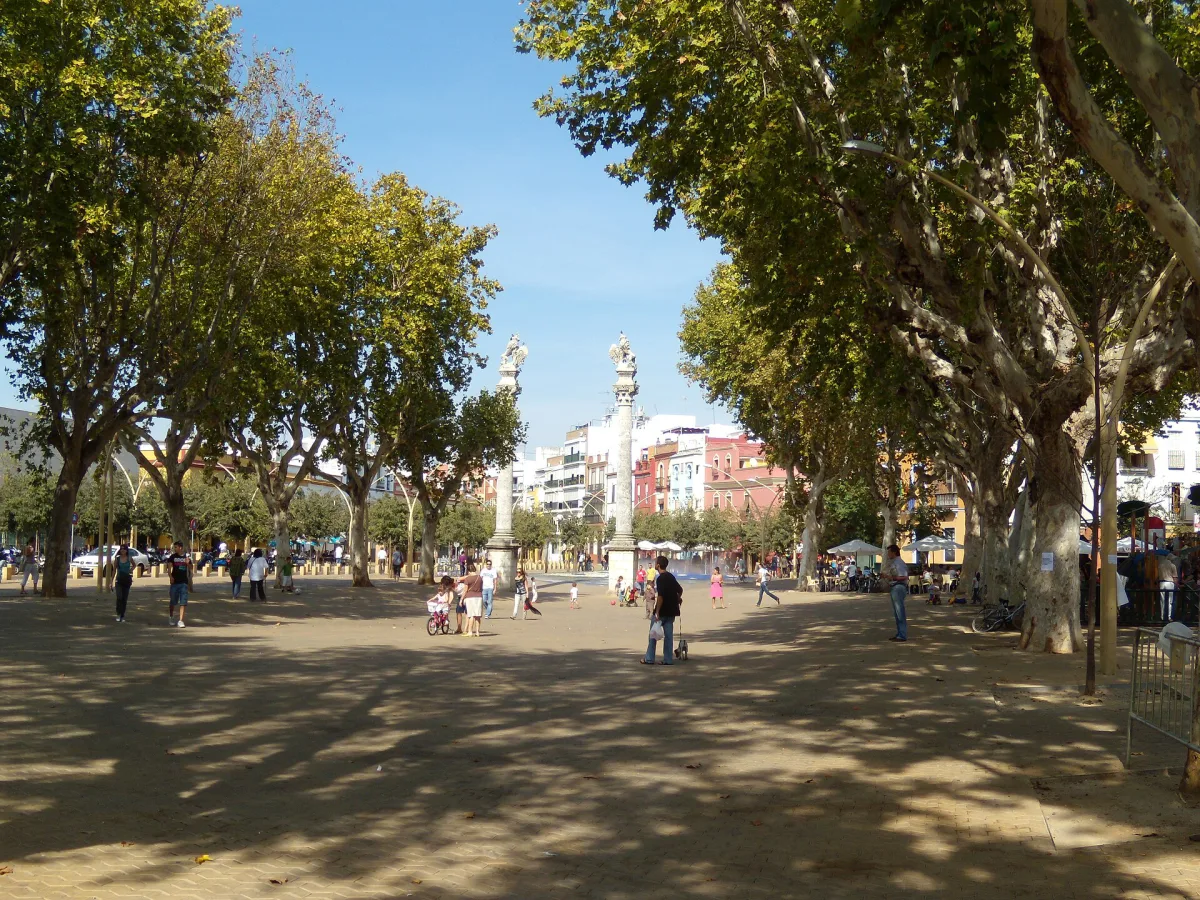
Discover 10 free things to do in Seville in 2026, from Monday palace windows to free-always plazas, parks, and neighborhoods, plus what to skip.
Read guide →
Planning Seville on a rainy day? Discover the best museums, covered markets, flamenco shows, and cozy cafes to keep your 2026 trip warm, dry, and enjoyable.
Read guide →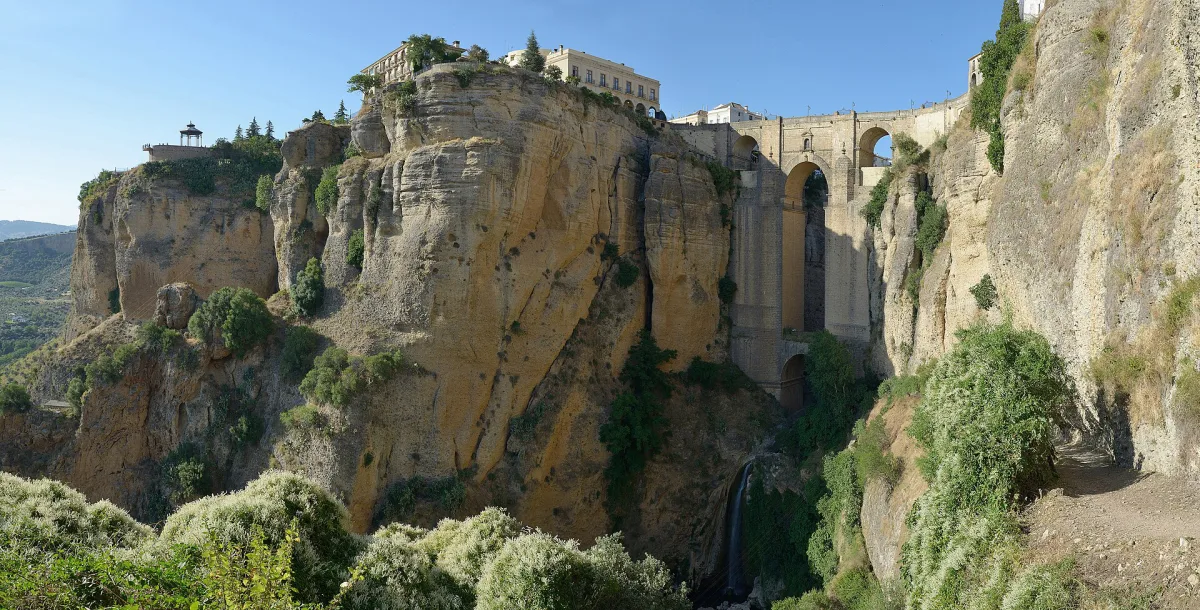
Compare the best day trips from Seville in 2026, with travel times, fares, and highlights for Córdoba, Cádiz, Ronda, and more before you book.
Read guide →Keep exploring