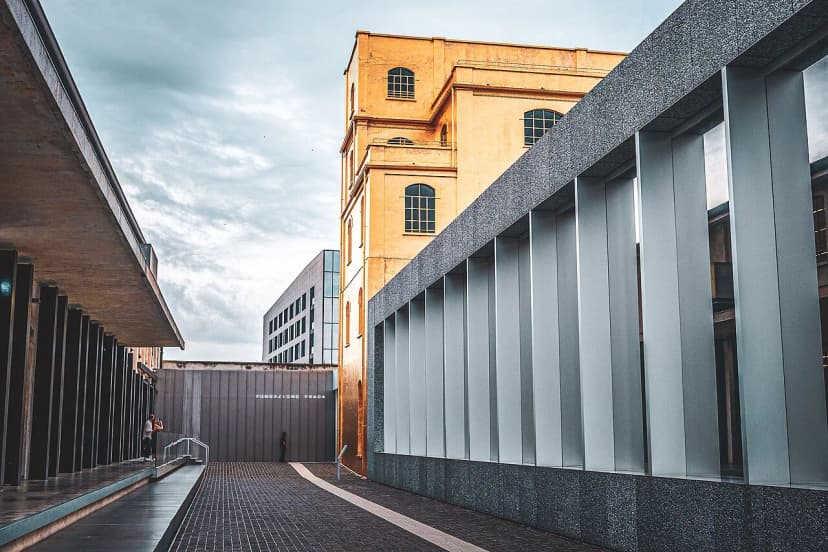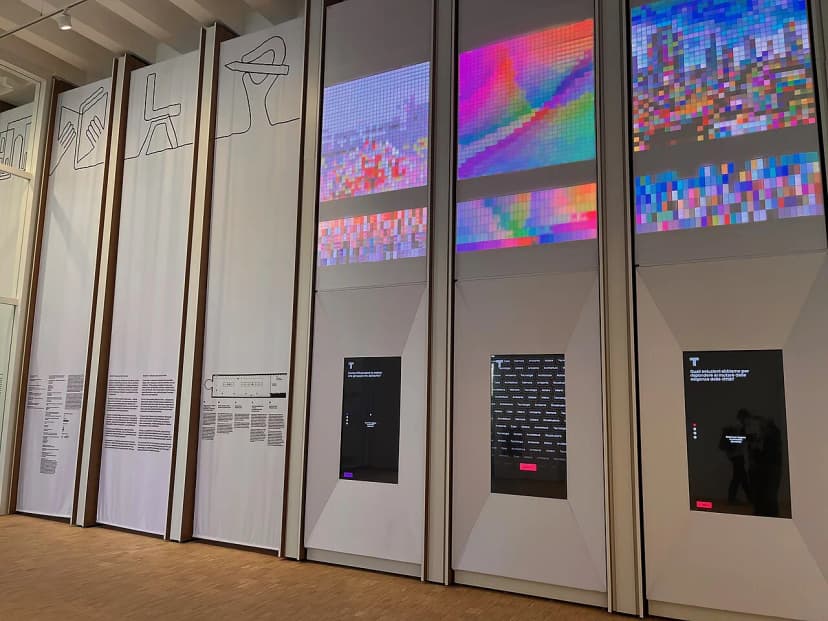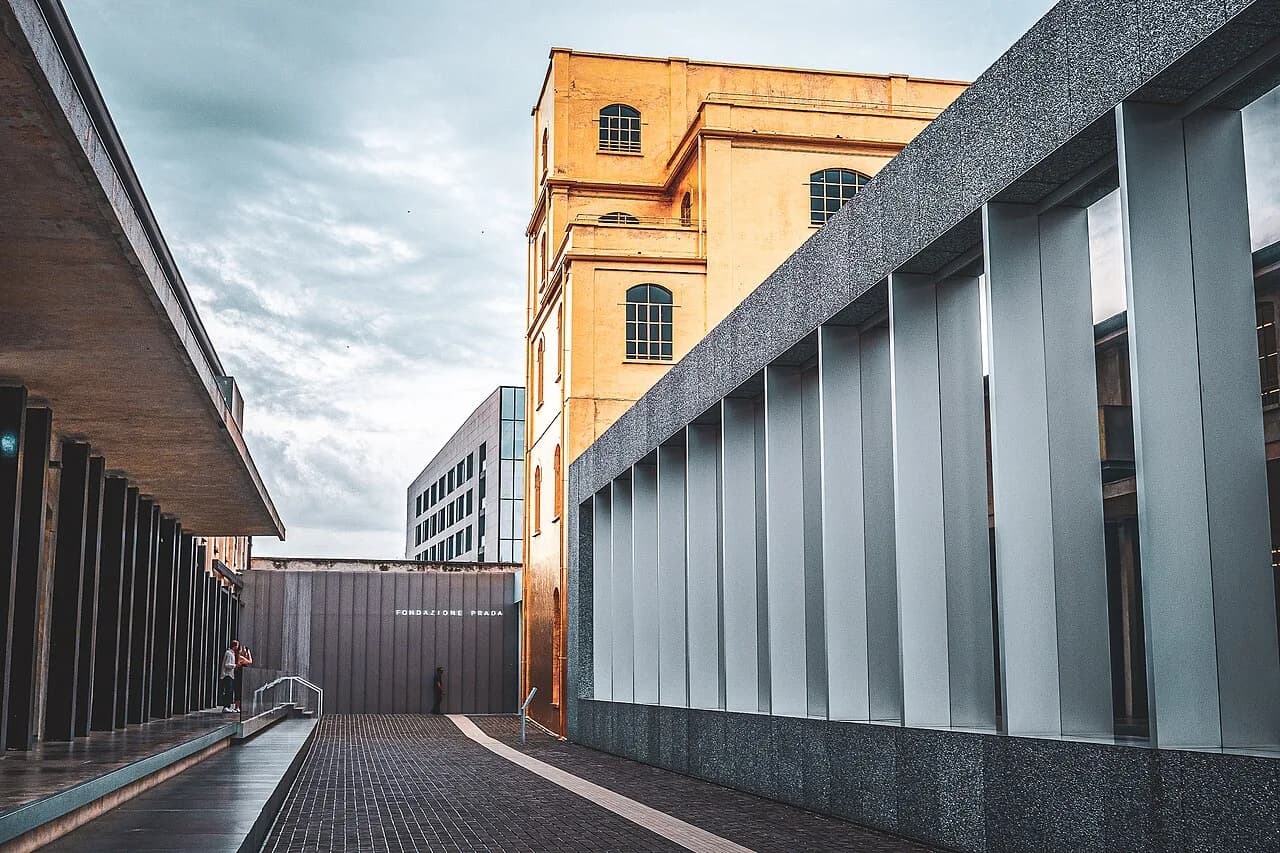
Last updated October 2026. A Milan industrial heritage walk takes you from 19th-century rail and tram works to glass towers and public parks. Start at ADI Design Museum on Via Ceresio, finish at Piazza Gae Aulenti, and plan 3-4 hours on foot. This guide covers the route, the costs, and a separate art-led option for travelers who prefer galleries to factories.
Milan Industrial Heritage Walk: The Fast Answer
Follow the Monumentale–Ceresio–Porta Volta area first, then finish in Porta Nuova. Our editorial assessment is that this is the clearest way to see Milan's shift from manufacturing city to design capital in one outing. Count on 4-5 km for the full loop and 3-4 hours at a steady pace. Weekdays and Saturday mornings work best. Skip Mondays, because many museums close. Most of the route is public exteriors, parks and streets, so your costs stay low unless you add a paid exhibition. Museum entry is typically €12-15 per the planning brief, so confirm current prices on each official site before you go. If rain forecasts a washout, switch to the indoor plan in our museum-heavy rainy day plan.
- Start: ADI Design Museum, between Via Ceresio and Via Bramante
- Middle: Fabbrica del Vapore, Cimitero Monumentale, Porta Volta
- Finish: Biblioteca degli Alberi and Piazza Gae Aulenti
- Length: about 4-5 km, 3-4 hours
- Best days: weekdays or Saturday morning
The Core Itinerary: From Steam to Skyscrapers
Begin at ADI Design Museum. It traces Italian design through the Compasso d'Oro Historical Collection. It sits in a restored twentieth-century industrial complex between Via Ceresio and Via Bramante. The brief describes it as a 1930s tram depot and power station, so treat the building's past as industrial and verify details on the museum's own pages. Walk next to Fabbrica del Vapore. This was the premises of Carminati & Toselli, a company founded in 1899 that built and repaired railway and tram vehicles. Milan's municipality bought the building in 1985 and turned it into a cultural centre for creativity and social exchange. You can admire the exterior and public areas for free. Check its events calendar for exhibitions. Then continue to Cimitero Monumentale. Carlo Maciachini designed it, and it opened in 1866. The brief notes that industrial dynasties such as Pirelli and Campari are entombed here in architectural monuments. Treat it as a record of civic memory, and check current opening hours before you go. For the museum side of this stop, read our design museums guide.
Porta Volta: Old Walls, New Architecture
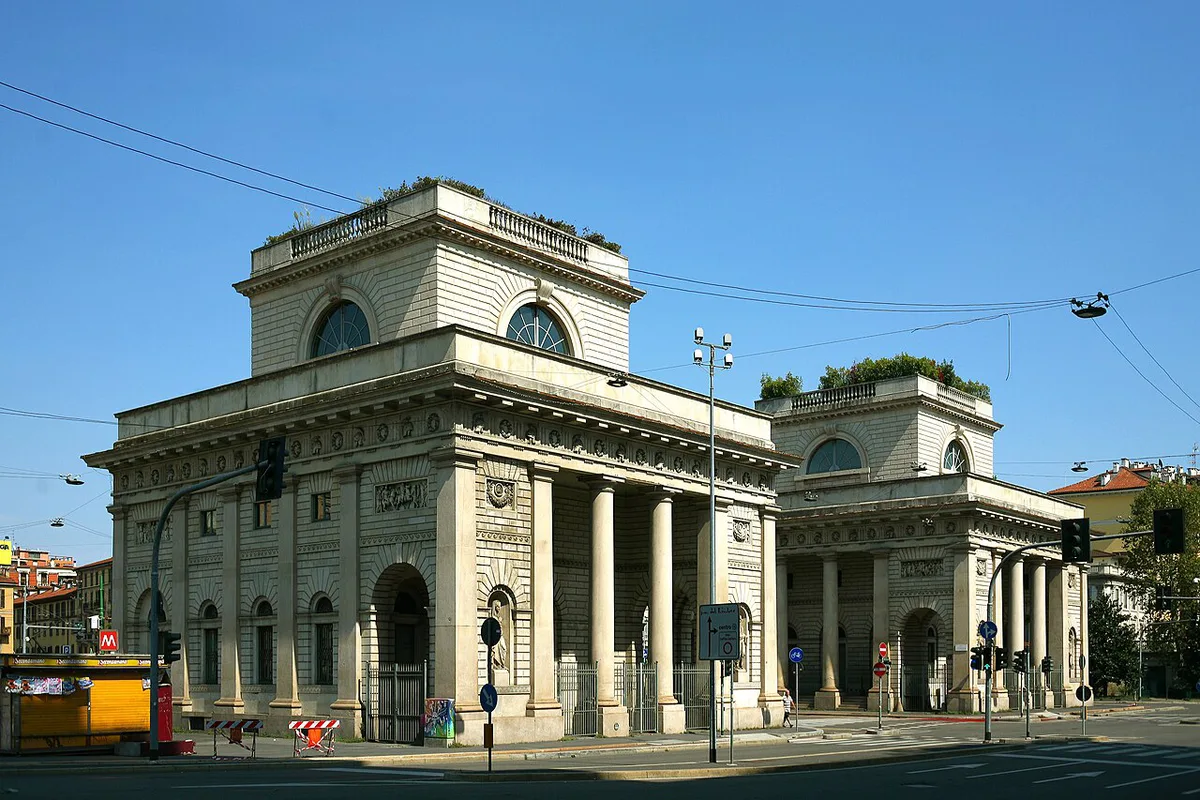
Porta Volta links the cemetery stretch to Porta Nuova. Here the former tollhouses and the line of the old city walls face the Fondazione Giangiacomo Feltrinelli building, designed by Herzog & de Meuron. It is a short stop, and it costs nothing. Look at how the old gatehouse forms and the new facade share one street. From here, you can also detour to Via Paolo Sarpi, a pedestrian street lined with shops, restaurants and independent businesses. That detour shows a multicultural Milan shaped by everyday trade rather than monuments. Add 30-45 minutes if you want lunch there. Many free public spaces on this route also appear in our free things to see in Milan.
Add 30-45 minutes if you want lunch there. That lunch stop extends the 3-4 hour loop, so leave the rest of the day open.
Porta Nuova and the Vertical Transformation
Porta Nuova is where the walk ends. Piazza Gae Aulenti and Biblioteca degli Alberi show contemporary architecture, pedestrian areas and public greenery on land once tied to rail yards, per the brief. The Library of Trees is a public park designed by Inside Outside, led by Petra Blaisse. Use it as your rest stop after the cemetery stretch. Then look for Grattacielo Pirelli. Gio Ponti, Antonio Fornaroli, Alberto Rosselli and their team designed it. Pier Luigi Nervi and Arturo Danusso handled the structure. It was inaugurated on 4 April 1960, and it stands as a symbol of post-war Italian economic growth. Admire it from the street. Do not plan on interior access unless an official event says otherwise. The local shift from grey industry to green public space is easiest to read here, where the park and the towers sit side by side.
- Piazza Gae Aulenti: pedestrian square, good for a final coffee
- Biblioteca degli Alberi: public park, free to enter
- Grattacielo Pirelli: exterior viewing, inaugurated 4 April 1960
South Route or North Art Option? A Trade-Off
Some travelers want factories. Others want galleries. This guide treats these as two separate days, because they do not share a short walk. Route A is the industrial loop above. Route B is the art-led option around Triennale in Parco Sempione and Brera. Triennale Milano houses the Museo del Design Italiano, according to the Triennale Milano site. Brera adds Palazzo Brera, which Francesco Maria Richini redeveloped from the seventeenth century onward, and a district of showrooms, galleries and studios. To move between the two routes, take the metro or tram. Use ATM's official route planner to confirm the live connection that day. Do not try to combine both in one afternoon. You will spend most of the time in transit.
| Option | Best for | Mostly free? | Time |
|---|---|---|---|
| Industrial loop (ADI to Porta Nuova) | Re-use architecture, photography | Yes, exteriors and parks | 3-4 hours |
| Art-led option (Triennale and Brera) | Design collections, galleries | No, paid museums likely | Half day |
| Historic centre walk | Gothic and Renaissance sights | Partly | Varies |
Brera, the Quiet District and the Canals
Brera is a former artisan area that became one of Milan's principal design districts. Browse the showrooms and studios on foot, and treat any entry as optional and paid. The Quadrilatero del Silenzio, the Silent District, rewards slow walking for its Liberty and Art Deco facades. Look through gates where courtyards are visible from the street. Respect private property and never enter residential buildings. Our guide to quiet courtyards and churches covers this style of detour. Navigli adds the water story. The historic canals carried marble for the Duomo and powered early mills, according to the brief. For the canal side beyond the aperitivo crowd, see our Navigli neighborhood guide. If you want the broader picture, our lesser-known Milan corners pillar ties these districts together.
Add a typical €12-15 per paid museum to Brera's gallery plans, since the industrial loop needs no tickets.
Planning Your Walk: Costs, Timing and Logistics
Reach the start by metro. The brief names the M2 (Green Line) and the M5 (Lilac Line), with Garibaldi FS and Monumentale as the useful stops. Check ATM's service pages for current fares and disruptions before you travel. Plan 3-4 hours and 4-5 km on foot. Public spaces cost nothing. A paid museum visit is typically €12-15, so budget around that for one paid stop. Avoid Monday for museums. Sunday suits the Navigli antique market better than museum visits. Wear comfortable shoes, carry water, and check the cemetery's hours on the day. Many of Milan's best re-use projects sit behind unassuming facades, so look into courtyards from the pavement and do not skip them.
| Item | Detail | Check before you go |
|---|---|---|
| Route length | About 4-5 km | Weather and heat |
| Walking time | 3-4 hours | Add time for each museum |
| Museum fees | €12-15 typical | Official museum sites |
| Metro | M2 or M5 | ATM service updates |
| Best days | Weekday or Saturday morning | Monday closures |
Extended Industrial Heritage: Day Trips From Milan
Once the city loop is done, three regional options extend the theme. The Iron Route, or Via del Ferro, connects the mines and forges of the Lecco and Bergamo areas, per the brief. Crespi d'Adda near Bergamo is a UNESCO-listed workers' village and the brief's pick for ultimate industrial heritage. The Rhodense district around Rho Fiera shows another transformation, tied to former Alfa Romeo sites. Check train options through Trenord or Trenitalia, and confirm timetables before choosing a day. Each of these needs a full day. Do not squeeze them into the same schedule as the city loop.
Thematic Add-Ons: Women, Textiles and Sunday
Two themes deepen the walk. Milan Through Its Women highlights female designers and workers in the textile and fashion story. Milan on Sunday pairs the walk with the Navigli antique markets and local food. Use Sunday for markets and Saturday morning for the loop. That split avoids the Monday closures and keeps each outing to one theme. Look at our Duomo-area quiet spots if you want a historic-centre contrast. For a northeastern-district alternative, see our Porta Venezia and Isola guide.
Frequently Asked Questions
How long does a Milan industrial heritage walk take?
Plan 3-4 hours for the loop from ADI Design Museum to Piazza Gae Aulenti. The full route covers about 4-5 km. Add extra time for any paid museum visit or a lunch stop on Via Paolo Sarpi.
How much does it cost?
Public spaces and exteriors are free. Museum fees run around €12-15 according to the planning brief. Verify current prices on each official site, since they can change.
Which metro lines do I use?
The M2 (Green Line) and M5 (Lilac Line) both serve the route. Garibaldi FS and Monumentale are the useful stops named in the brief. Check ATM for current service.
What day is best?
Weekdays and Saturday mornings work best. Many museums close on Monday. Sunday suits the Navigli antique market instead.
Can I enter the buildings?
Some are museums or cultural centres with public programs. Others are exteriors only. Check each site's official page and events calendar before you go.