Last updated October 2026. Search for a Milan design museum and you will find several answers, not one. Most travelers mean either the Triennale, which houses the Museo del Design Italiano, or the ADI Design Museum. This guide compares them by subject, exhibition dependence and location, then adds the galleries and science collections worth fitting around them.
Which Milan Design Museum Should You Visit?
Two venues answer most searches for a Milan design museum. Triennale Milano holds the Museo del Design Italiano, a permanent display of about 200 objects from 1946 to 1981. ADI Design Museum is built around the Compasso d'Oro award and industrial design.
Milan is also the home of the Salone del Mobile, so design is part of the city's routine, not a niche interest. That explains why so many extra collections and galleries compete for your time.
Use this quick pick if you are short on time.
- Two hours free: go to the Triennale and see the Museo del Design Italiano.
- Working designer or design student: add the ADI Design Museum for award-winning industrial design.
- Travelling with children: choose the Leonardo da Vinci Museum of Science and Technology.
- Rain or heat: all of these are indoors, so pair two of them in one day.
- Shopping for ideas, not history: visit Galleria Rossana Orlandi or Nilufar.
Triennale Milano and the Museo del Design Italiano
Triennale Milano sits in the Palazzo dell'Arte, in the east of Parco Sempione and beside Castello Sforzesco. Giovanni Muzio designed the building, which dates from 1931 to 1933. It is a working cultural institution as well as a museum, so your visit depends on what is on that month.
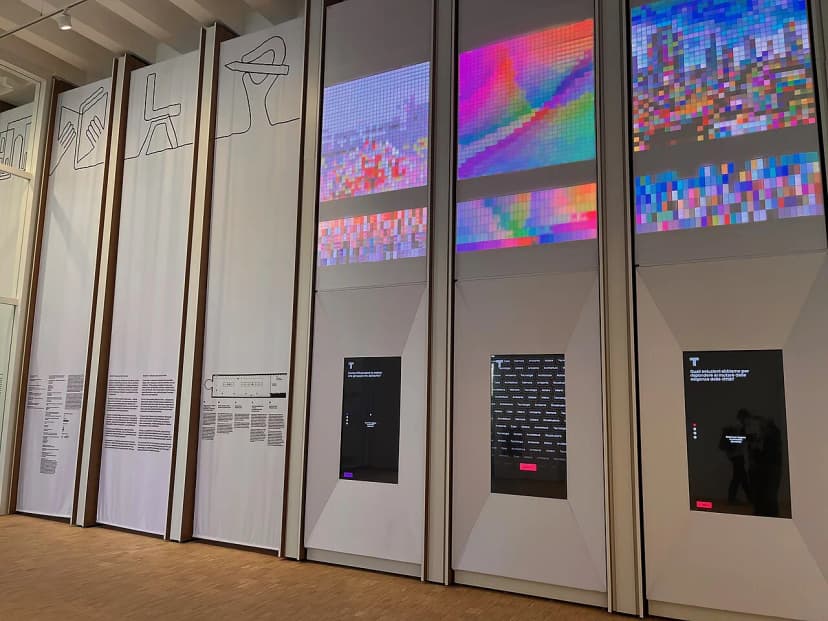
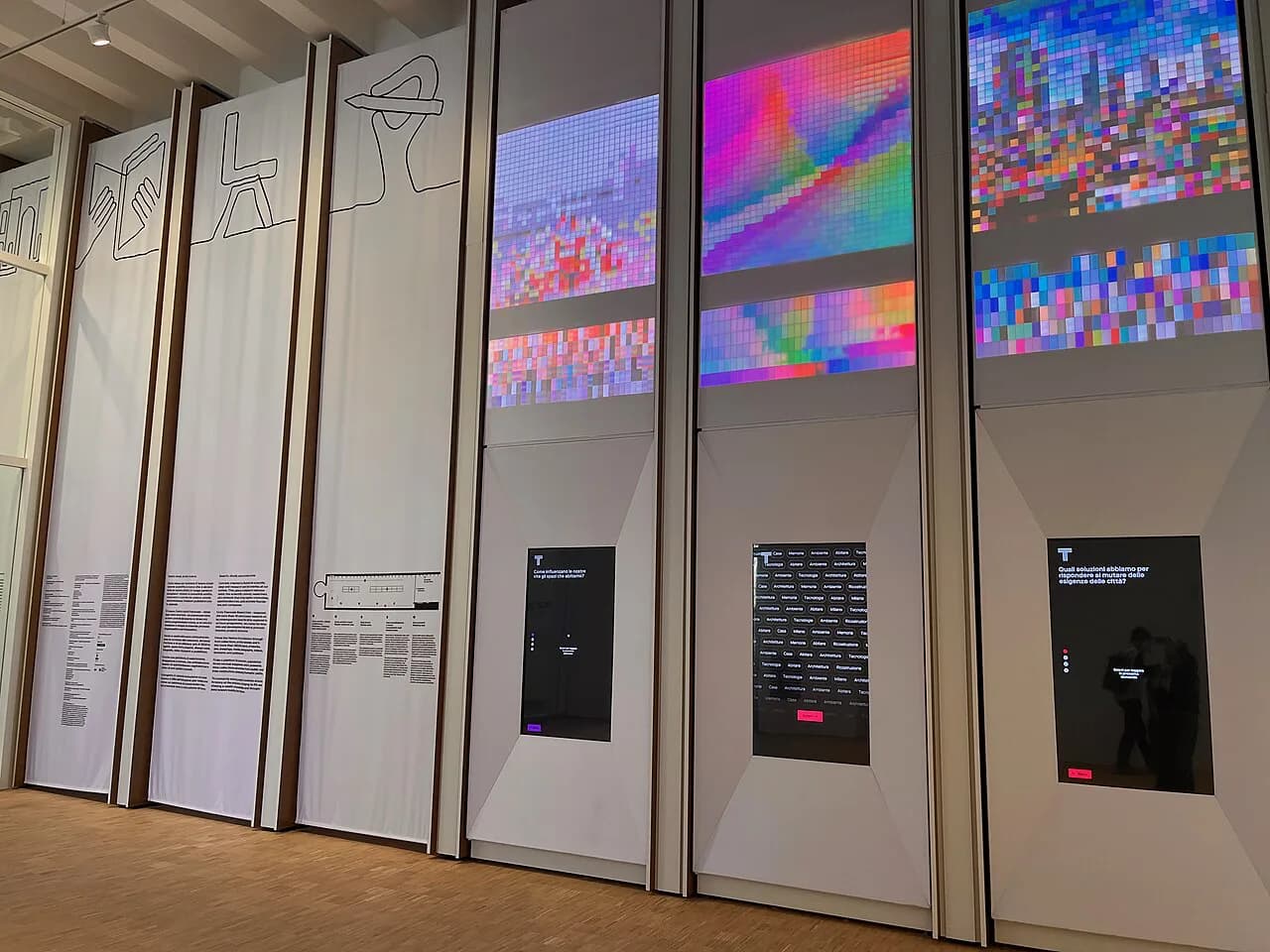
The permanent design display is chronological. It runs from 1946 to 1981 and shows about 200 objects, a period of experiments with materials, techniques and style. A timeline of Italian and world events runs alongside the objects. Wooden models by Giovanni Sacchi show how some pieces moved from drawing to production.
Icons in the display include Olivetti's Letter 22, Gio Ponti's "Ultra-light" chair and the Brionvega TS502 radio. You will also see Albini's "Luisa" armchair and Moon Boot footwear.
Two features reward a short detour. Michele De Lucchi's bamboo bridge hangs inside the building above a staircase. The Design Café is furnished with hundreds of seats and pieces by well-known designers and doubles as exhibition space.
Check the official Triennale program before you go. Temporary shows change every few months and can cover urban planning, biology, music or industry. Those shows are often the stronger draw than the permanent collection, and they may need a separate or combined ticket.
- Best for: first-time visitors who want one central, easy-to-reach design stop.
- Permanent or temporary: both, with temporary shows changing the feel of each visit.
- Plan on: about 2 hours, longer if a large exhibition is running.
- Collection size: about 200 objects, 1946–1981. A planned growth from 1,300 sq. m to 6,000 sq. m was announced for 2022, so confirm the current layout on the official site.
ADI Design Museum and the Compasso d'Oro
ADI Design Museum takes a different angle. It is organized around the Compasso d'Oro, a design award run by ADI, and it is strongest on industrial and product design. Think appliances, tools and furniture that reached production, not one-off studio pieces.
It occupies a restored 1930s power station near Porta Volta, on the edge of the Chinatown area. That industrial shell suits the subject. If you enjoyed converted factories elsewhere in the city, our industrial heritage walk covers more of them.
This is the better pick for professionals and for travelers who already know the Triennale. Exhibition dependence is moderate. The award collection gives you a base, but displays rotate, so check the current program and hours before you plan the day around it.
- Best for: product designers, students and repeat visitors.
- Permanent or temporary: award-based collection plus changing displays; confirm what is on view.
- Plan on: about 2 hours.
- Metro: M2 to Moscova, or M5 to Monumentale.
Milan Design Museum Comparison Table
This table puts the two main venues side by side. Entry costs are not listed because the sources supplied here give no confirmed 2026 fares. Check each official site for current prices. Most Milan museums sell separate tickets, so budget per venue.
| Venue | Best for | Time needed | Entry cost | Nearest metro |
|---|---|---|---|---|
| Triennale Milano (Museo del Design Italiano) | Chronological Italian design, 1946–1981, plus temporary shows | About 2 hours | Check the official site; discounts for under-26s, students, groups and over-65s | M1 or M2 Cadorna; M1 Cairoli Castello |
| ADI Design Museum | Compasso d'Oro award and industrial design | About 2 hours | Check the official site | M2 Moscova or M5 Monumentale |
| Leonardo da Vinci Museum of Science and Technology | Families and engineering models | Half a day with children | Check the official site | Confirm on the museum site |
| Galleria Rossana Orlandi | Sustainable and experimental design | Under 1 hour | Free to enter; works as a showroom | Confirm on the gallery site |
Science and Culture Collections Near Design Themes
Some visitors want design in a wider setting. Three larger institutions cover that ground.
The Leonardo da Vinci Museum of Science and Technology focuses on Leonardo's engineering models, drawings and interactive exhibits. It suits families better than any pure design museum. Its industrial scale also connects it to the city's manufacturing story, which our route through former factory districts develops.
MUDEC, the Museo delle Culture, sits in a former factory in the Tortona area. It is known for David Chipperfield's architecture and for exhibitions on global cultures. Design appears there through objects and craft, not a fixed design collection.
Pirelli HangarBicocca is a former industrial space outside the historic center. It hosts large-scale, site-specific installations, including The Seven Heavenly Palaces. Leave extra travel time, because it is not a short walk from the center.
Design Galleries That Work Like Living Museums
Milan's commercial galleries often show better design than a museum case can. They are also free to enter, though they function as shops and showrooms. Expect to look, not to follow a guided display.
Galleria Rossana Orlandi occupies a converted tie factory. It is known for sustainable and experimental design and for its Ro Plastic Prize.
Nilufar Gallery was founded by Nina Yashar. It mixes vintage masterpieces with contemporary pieces in a curated setting. Nilufar Depot is a separate space and requires more travel.
Dimore Gallery, created by Emiliano Salci and Britt Moran, uses a residential-style setting in Brera. It shows collectible mid-century and contemporary furniture.
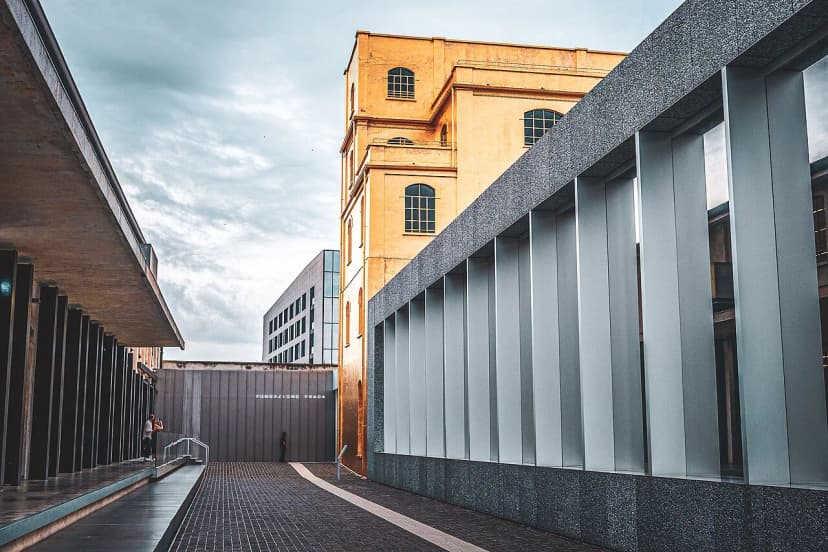
Fondazione Prada adds contemporary art in a former distillery redesigned by Rem Koolhaas. Its Bar Luce is a stop in its own right. For more quiet corners alongside these, read our guide to Milan's lesser-known places.
Hours, Tickets and Getting Around
Hours need a current check. One competitor source lists Triennale as open Tuesday to Sunday from 10:30 to 20:30. Our brief suggests a standard pattern of Tuesday to Sunday, 11:00 to 20:00. These differ, so confirm on the Triennale's English site and plan around Monday closures.
Triennale is about 1.5 km from Piazza del Duomo. Castello Sforzesco sits beside it, so a castle visit can share the same outing.
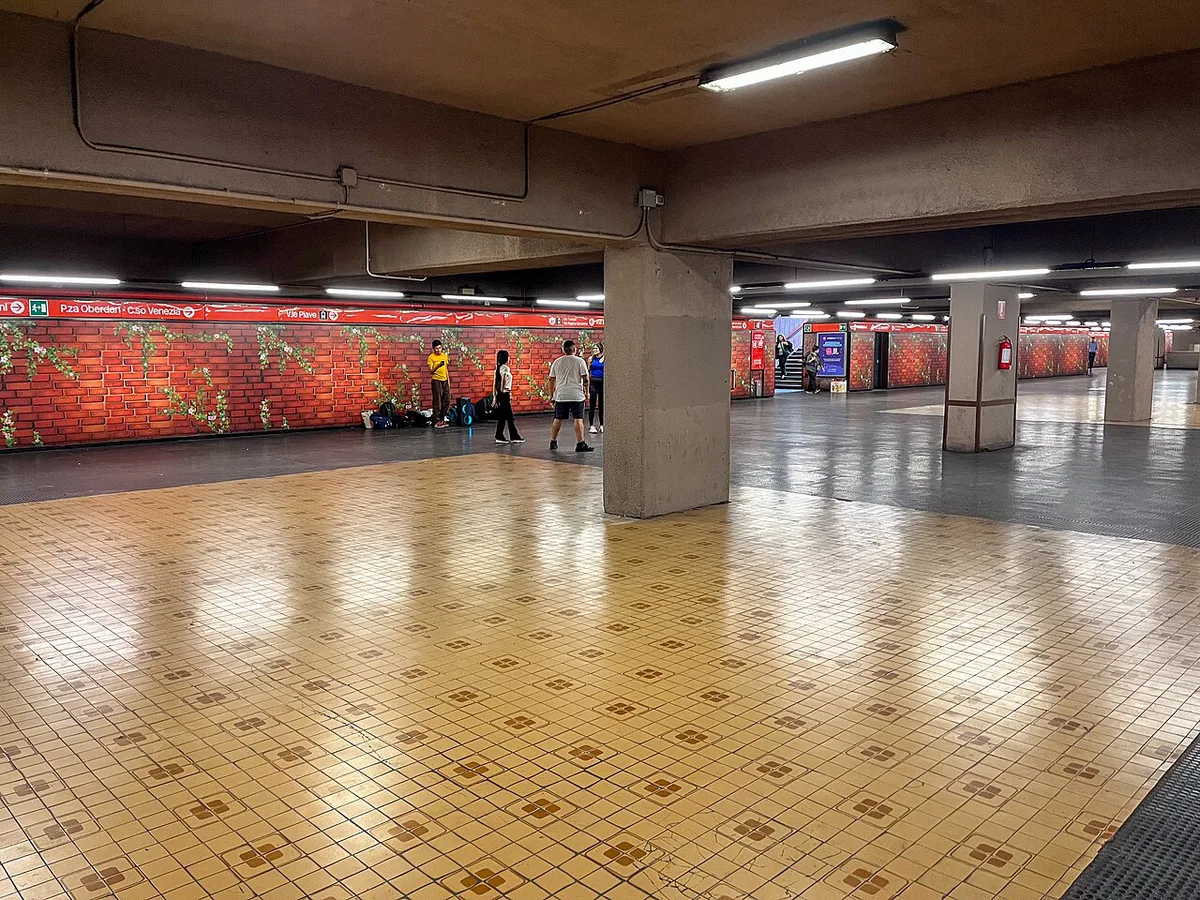
Triennale is about 1.5 km from Piazza del Duomo. Allow roughly 20 minutes on foot, even though some sources say 15. By metro, use M1 to Cairoli Castello or M1 and M2 to Cadorna. Bus line 61 also stops at Triennale. For city transit details, see the ATM transport site.
ADI Design Museum is reached by M2 to Moscova or M5 to Monumentale. Allow about 2 hours at each venue, so two museums fit comfortably in a day with lunch between them.
Most museums sell separate tickets. Ask whether the Milano Card or Abbonamento Musei covers a venue before you buy, because compatibility changes. Triennale lists discounts for under-26s, students, groups and over-65s.
Museums are good indoor options when weather turns. Our rainy day itinerary shows how to sequence them.
Mistakes to Avoid When Planning Milan Design Visits
Do not assume every design stop is central. HangarBicocca and Nilufar Depot both need extra transit time, so group them with their own part of the day.
Allow about 2 hours at each venue. Galleria Rossana Orlandi needs under an hour, so it can fill a gap between museums.
Do not skip Bar Luce at Fondazione Prada. It was designed by Wes Anderson and is easy to miss if you go only for the exhibitions.
Do not ignore temporary programs. Triennale's schedule changes every few months, and the same visit can feel very different depending on what is showing.
Do not treat the 200-object display as the full story. Confirm whether the planned expansion to 6,000 sq. m is finished before you promise anyone a larger collection.
Do not arrive on a Monday without checking. Closure days vary by venue.
Design Beyond Museum Walls
Milan's design scene continues outside venues. Brera has a design district feel, with galleries like Dimore tucked among streets near the art gallery. Tortona is the other major zone and also contains MUDEC.
If you want a quieter neighborhood pairing, our Porta Venezia and Isola guide adds local streets and small spaces away from the main museum circuit. Walk the area between stops, because Milan's showroom windows are part of the experience.
Frequently Asked Questions
What is the main Milan design museum?
Most people mean Triennale Milano, which houses the Museo del Design Italiano. ADI Design Museum is the other major option. Triennale is better for a first visit, while ADI suits those interested in industrial design and the Compasso d'Oro.
How long do I need at each design museum in Milan?
Plan about 2 hours per venue. Triennale may take longer if a large temporary exhibition is on. Galleries such as Rossana Orlandi can be seen in under an hour.
How do I get to the Triennale from the Duomo?
You can walk about 1.5 km, which takes roughly 20 minutes. Metro options are M1 to Cairoli Castello or M1 and M2 to Cadorna. Bus line 61 also stops at Triennale.
Are Milan design galleries free to enter?
Some are, including Galleria Rossana Orlandi, though they operate as shops and showrooms. Triennale is a ticketed cultural institution. Check each site for current entry terms.
Which Milan design museum is best with children?
Choose the Leonardo da Vinci Museum of Science and Technology. It has Leonardo's engineering models and interactive exhibits. Design museums suit older children more than young ones.