
Last updated September 2026, this guide pairs two Milan districts that rarely appear on the same itinerary. Hidden gems in Porta Venezia and Isola Milan reward travelers trading Duomo crowds for quiet Liberty-style courtyards and reclaimed industrial streets. Porta Venezia carries the old-money architecture of the early 1900s, while Isola answers with street art, jazz bars, and a newer skyline.
Porta Venezia and Isola: Old Money Meets Street Art
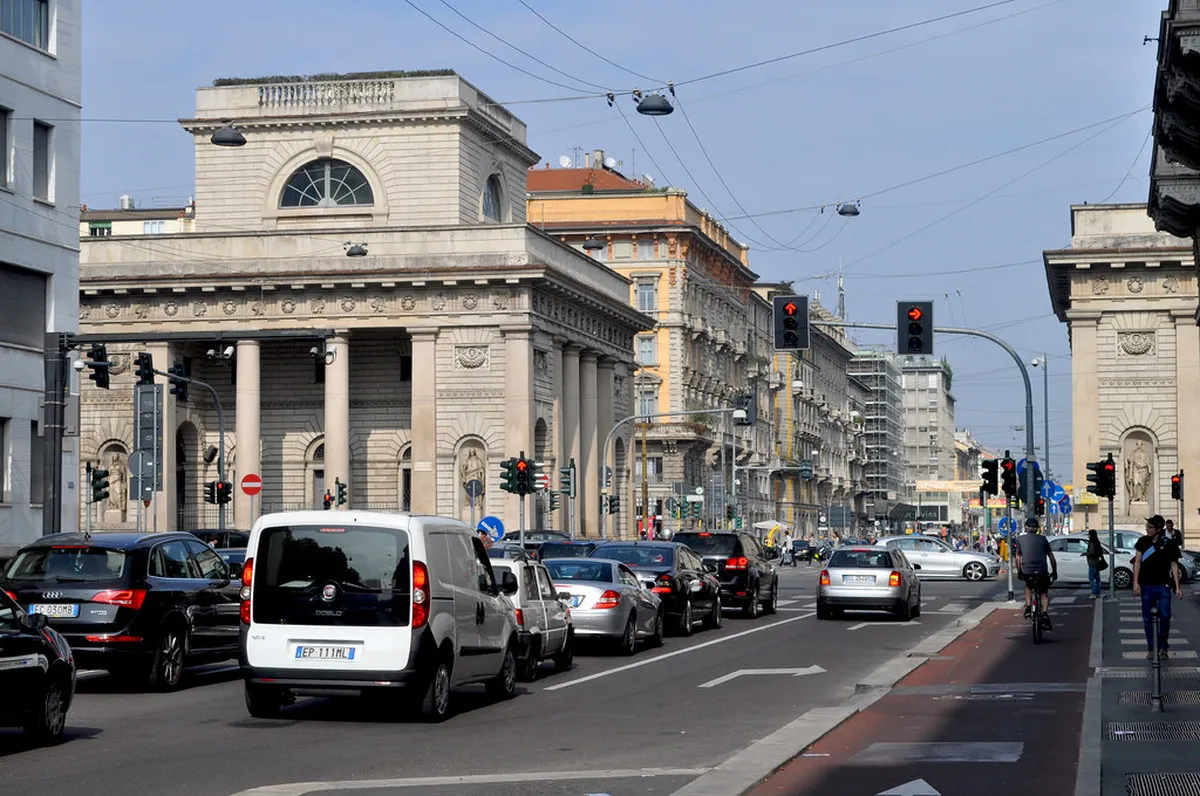
Porta Venezia earned its reputation during Milan's Liberty period, the local take on Art Nouveau that flourished between 1900 and the 1920s. Grand villas along Corso Venezia and Via Malpighi still carry that inheritance, often behind gates that keep the gardens private. Locals call the quietest corner of the district the Quadrilatero del Silenzio, the Silence Quadrangle, for the hush behind its gates. Architect Piero Portaluppi designed Villa Necchi Campiglio, covered further below, during that same period. Isola tells a different story. This former working-class district now mixes street art, jazz clubs, and the Bosco Verticale towers near the Garibaldi rail hub. Milan hides similar contrasts elsewhere too. Near the Duomo, the Veneranda Biblioteca Ambrosiana keeps manuscript collections that most visitors skip entirely. For the fuller citywide list, see the broader Milan overview guide, narrowed here into two connected districts. Both routes suit repeat visitors who have already covered the main Duomo circuit and want a quieter, more detailed look at the city. This pairing also works as a single themed day for first-time visitors willing to skip some central sights in favor of depth. Travelers extending the trip south sometimes add Bologna next. That stop is covered in the guide to Bologna's overlooked porticoes. Florence works well as a longer add-on too. That extension appears in the guide to Florence's quiet workshops.
10 Hidden Gems in Porta Venezia and Isola
These ten stops split evenly, five in each district, and follow roughly how the neighborhoods sit on the map.
Villa Necchi's €15 entry fee closes entirely Monday-Tuesday; those days favor the free attractions like Villa Invernizzi's flamingos and Casa Museo's collection instead.
- Villa Invernizzi's Flamingo Garden
- Via Cappuccini, 7 sits inside the Quadrilatero del Silenzio, where a private garden pond holds a colony of pink flamingos.
- You view them only through the roadside fence, entry is free, and mornings bring the most activity.
- San Babila on Line M1 is a three-minute walk away, and the sighting also appears in the guide to Milan's free attractions.
- Ca' de l'Oreggia, the House of the Ear
- Via Serbelloni, 10 hides a bronze intercom shaped like an ear, created by sculptor Adolfo Wildt in the 1930s.
- Locals nicknamed the building Ca' de l'Oreggia for that detail, and it sits a few steps from Villa Necchi Campiglio.
- Budget about two minutes here, since the reward is a single memorable photo rather than a full stop with much else to see.
- Palazzo Berri-Meregalli's Facade
- Via Cappuccini, 8 mixes Gothic arches with Liberty-style ornament on one eclectic facade.
- Access stays private, so view the exterior from the street and glance into the lobby if the door happens to be open.
- It sits close enough to Villa Invernizzi, one address down, to fold into the same short walk.
- Villa Necchi Campiglio
- Via Mozart, 14 houses the 1930s villa architect Piero Portaluppi designed for the Necchi family, complete with Milan's first private swimming pool.
- Tickets run about €15, and the villa opens Wednesday through Sunday, from 10:00 to 18:00.
- For a free alternative nearby, Casa Museo Boschi di Stefano on Via Jan shows 20th-century Italian art and opens Tuesday to Sunday, 10:00 to 17:30, free of charge.
- Bar Basso
- Via Plinio, 39 has served cocktails since 1947 and remains best known for the Negroni Sbagliato.
- It sits about a 15-minute walk from the Quadrilatero del Silenzio, so plan it as a separate late-afternoon stop.
- Arrive before the early-evening rush to get a seat at the bar rather than standing room only.
- Bosco Verticale and Biblioteca degli Alberi
- Between Via Gaetano de Castillia and Via Federico Confalonieri, twin towers hold roughly 900 trees across both buildings.
- The apartments are private, so the actual gem is the view from Biblioteca degli Alberi park below, especially at sunset.
- Park access is free, and the closest stop is Garibaldi FS, an easy add-on before evening aperitivo in Isola.
- Santa Maria alla Fontana
- Piazza Santa Maria alla Fontana, 11 holds 16th-century cloisters that most visitors focused on the skyline never find.
- Its quiet courtyard makes a deliberate contrast to the glass towers a few minutes away.
- It is one of several under-visited stops covered in the guide to Milan's hidden churches and courtyards.
- Street Art on Via Gaetano de Castillia
- This street borders the Bosco Verticale towers and carries murals documenting Isola's resistance to full gentrification.
- Walk it slowly rather than on the way to somewhere else, since the murals change often enough to reward a second visit.
- No ticket or schedule applies, so fold it into the same walk as the park and the market.
- Mercato Comunale Isola
- Isola's municipal market is a lunch-focused stop most Milan guides skip in favor of the skyscraper views.
- Stall hours vary by vendor, so check the current schedule before building lunch around one specific stall.
- It works well between the street art walk and an evening aperitivo in the same district.
- Frida Isola
- Via Pollaiuolo, 3 hides a courtyard bar behind an unmarked entrance, popular with a younger, bohemian crowd.
- It suits an early-evening drink before moving toward Isola's jazz clubs later at night.
- Expect a smaller, local-leaning room rather than a tourist-oriented bar near the towers.
How Much Time to Set Aside
A half day covers Porta Venezia's five stops if you skip the Villa Necchi interior and stick to facades and the flamingo garden. Adding Villa Necchi's guided visit stretches that to a full morning and early afternoon. Isola's five stops fit into a shorter loop, roughly two hours on foot before aperitivo hour begins. Building lunch around the Mercato Comunale Isola stall hours keeps that loop efficient without doubling back. Combining both in one day works well if Porta Venezia starts by mid-morning and Isola begins by late afternoon.
The Transition: Walking From Porta Venezia to Isola via Porta Nuova
A direct walk between the two districts takes about 20 minutes and cuts straight through Porta Nuova. Piazza Gae Aulenti anchors the middle of that route, ringed by glass towers that replaced Milan's old rail yards. Corso Como, a shopping-and-bar strip, bridges the two aesthetics along the way, and its bars make a natural pause point roughly halfway through the walk. Liberty facades give way to curtain-wall skyscrapers within a few blocks. Treat the walk itself as a sight rather than a connector, and budget time for a café stop at the piazza.
Which Gem to Prioritize
With ten stops across two districts, matching each to a priority makes a single day feasible. Four categories below pair a Porta Venezia pick with an Isola equivalent. Porta Venezia rewards morning walks and afternoon museum visits, while Isola shines after dark for aperitivo and live jazz. Use the table to pick one pair per priority rather than attempting all ten stops back to back.
| Category | Porta Venezia Pick | Isola Pick | Best For |
|---|---|---|---|
| Free/Outdoor | Villa Invernizzi (Flamingos) | Bosco Verticale / Biblioteca degli Alberi | Quick photos and relaxing |
| History/Art | Villa Necchi Campiglio | Santa Maria alla Fontana | Deep culture dives |
| Social/Food | Bar Basso (Negroni Sbagliato) | Frida Isola (courtyard bar) | Authentic local vibes |
| Architecture | Ca' de l'Oreggia (Liberty) | Piazza Gae Aulenti (modern) | Design enthusiasts |
Aperitivo and Nightlife: Bar Basso vs. Isola's Jazz Clubs
Porta Venezia's aperitivo culture centers on Bar Basso, open since 1947 and known citywide for the Negroni Sbagliato. Isola answers with a younger scene built around live jazz, including sets at Blue Note. Confirm the current calendar before planning an evening around one show. Standard Milan aperitivo hours run from about 18:00 to 21:00. A drink with a shared plate typically costs €8 to €12 in neighborhood bars, about the same as the tourist-buffet format, though the produce and atmosphere are noticeably better. Isola's bars increasingly pour natural wine from small Lombard producers alongside the small-plate format. During Salone del Mobile each April, free Fuorisalone events spread across Brera, Isola, and Tortona, adding design showcases to the district's regular bars. For a canal-side contrast, the guide to Navigli's quiet courtyards covers a similarly low-key bar scene.
Practical Tips: Metro, Timing, and Closures
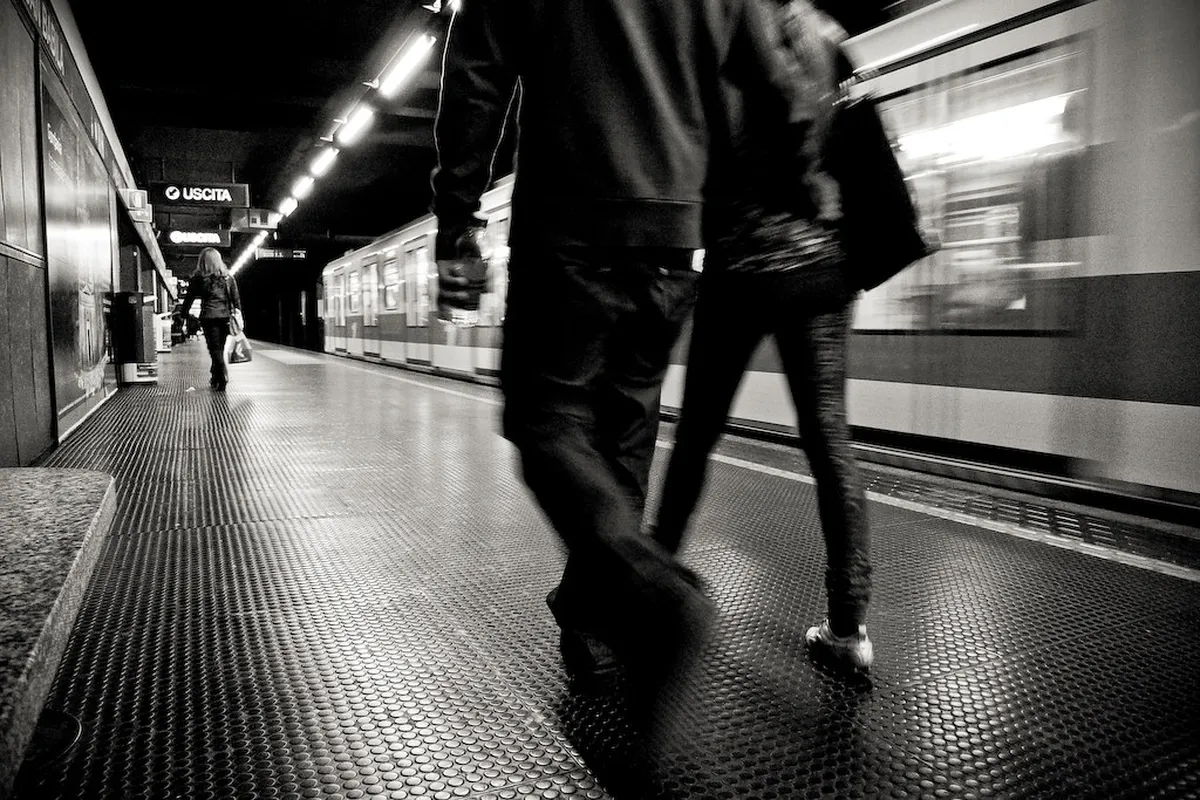
Line M1 serves Porta Venezia, with stops at Palestro and San Babila near the villas and the flamingo garden. M5 covers Isola and Garibaldi, putting the market, the street art, and Frida Isola within a short walk of the same stop. ATM, Milan's transit operator, runs both lines. A single metro ticket costs €2.20, and a 24-hour pass costs €7.60, worthwhile for more than two crossings between the districts. Villa Necchi Campiglio's Wednesday-to-Sunday schedule means Monday and Tuesday visits should skip the interior and stick to the free stops instead. Comfortable-walking months mirror the rest of Milan: April through June and September through November. Anyone starting from the cathedral area can fold this itinerary into the guide to quiet corners near the Duomo, then head north toward Porta Venezia afterward. Those pairing this walk with the cathedral should check the Duomo di Milano official site for current hours before combining both stops in one day.
At €2.20 per ticket, metro access costs a fraction of Isola's aperitivo drinks (€8-12), letting travelers roam both districts without supplementary budgeting.
Frequently Asked Questions
Are the flamingos at Villa Invernizzi visible without a ticket?
Yes, the colony lives in a private garden pond on Via Cappuccini, visible through the roadside fence at no cost. Mornings bring the most visible activity, and no booking applies.
Does Villa Necchi Campiglio require advance booking?
Booking online in advance is recommended, especially for English-language guided visits. Villa Necchi Campiglio opens Wednesday through Sunday, and tickets run about €15. Check the official schedule before visiting, since Monday and Tuesday closures are standard.
How do you get from Porta Venezia to Isola without a car?
The most direct option is the 20-minute walk through Porta Nuova and Piazza Gae Aulenti. Alternatively, take Line M1 to a connecting stop and transfer to Line M5 toward Isola or Garibaldi. Both options cost the same as a standard metro fare, whether you ride or walk.
Is the Mercato Comunale Isola open every day?
Stall hours vary by vendor and shift through the week, so confirm the current schedule locally before planning a meal there. Lunch service tends to be the most reliable window across the market.
Can you visit the Albergo Diurno Venezia spa in Porta Venezia?
Albergo Diurno Venezia, the underground spa beneath Porta Venezia, opens only during scheduled FAI heritage openings rather than daily hours. Check the current FAI calendar before the trip, since availability changes by season.
Can you see both districts in a single day?
Yes, especially if Porta Venezia starts by mid-morning and the crossing through Porta Nuova happens by early afternoon. Skipping the Villa Necchi Campiglio interior saves the most time on a tight schedule. Isola's stops move faster on foot, which leaves room for aperitivo before the evening jazz sets.