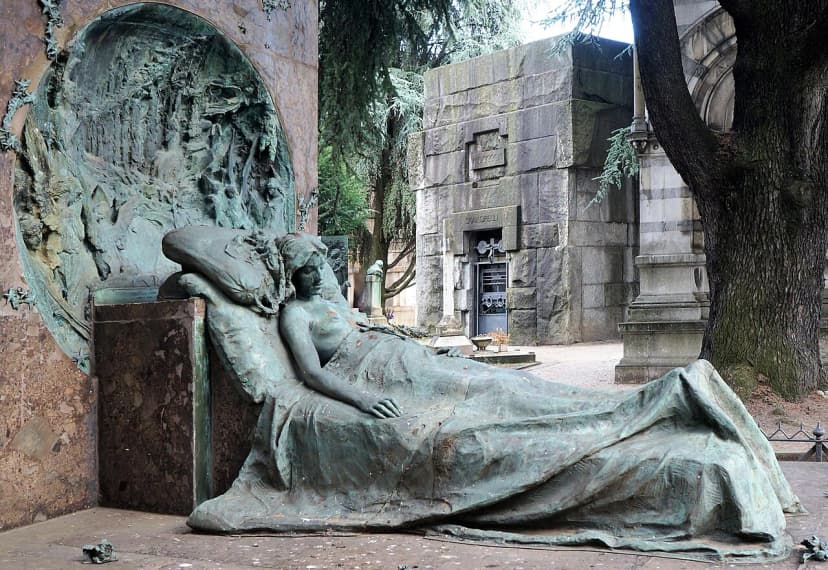

Last updated September 2026: Navigli's canal-front bars get the postcards, but the hidden gems in Navigli Milan sit one street back, in wash-house alleys, tenement courtyards, and a poet's old apartment on Via Magolfa. This guide splits the district into its two canals, Naviglio Grande and Naviglio Pavese, and points to eight specific stops, streets, and time slots that keep the crowds behind you. Expect exact addresses, opening hours, and a walking order that starts at Basilica di Sant'Eustorgio and ends at the Darsena.
Naviglio Grande vs Naviglio Pavese: Picking Your Canal
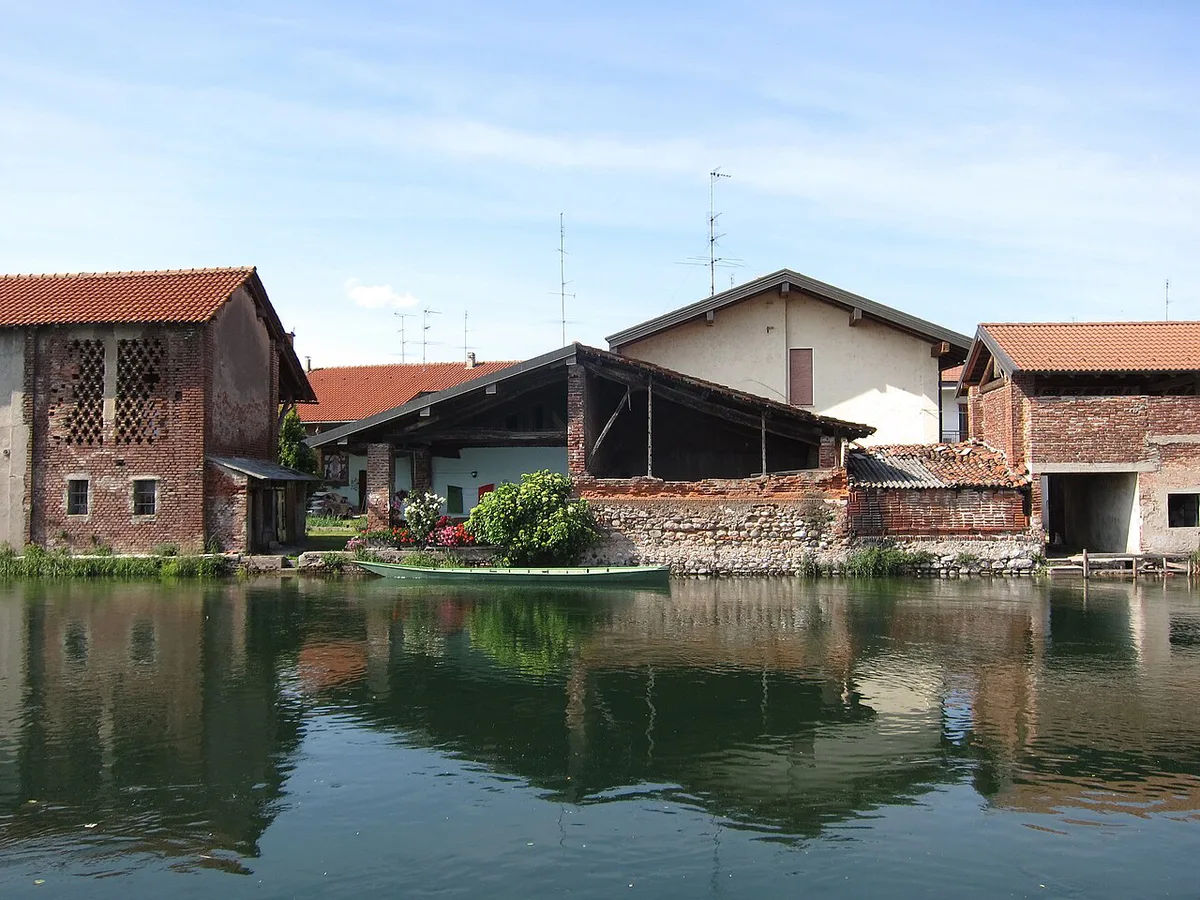
Navigli takes its name from two canals, not one. Naviglio Grande carries the bars, the aperitivo crowds, and most of the postcard shots; barges have used this waterway since the 12th century, when Milan first dug the canal network for trade and irrigation. Naviglio Pavese runs quieter, past courtyards, small galleries, and residential blocks with far less canal-front business. Both canals meet at the Darsena, the old boat basin, roughly a 30-minute walk from the Duomo. Both sit within the Ticinese district, one of Milan's older working-class quarters, which explains the tenement architecture that shows up throughout this guide. Travelers with only an hour tend to stick to Naviglio Grande's promenade; travelers with an afternoon should cross toward Naviglio Pavese, where the district's quieter corners live.
8 Hidden Gems in Navigli, Milan to Seek Out
These eight stops move beyond the canal-front terraces into alleys, courtyards, and one poet's old apartment. Each one sits within walking distance of Naviglio Grande or Naviglio Pavese, so the order below roughly follows a single route rather than a scattered checklist.
- Vicolo dei Lavandai
- This narrow alley off Naviglio Grande preserves a public wash-house where Milanese women once scrubbed laundry in the canal using slanted stone boards.
- Structure and stone troughs survive largely intact, with no entry fee needed to view them from the walkway.
- Early morning light works best for photographs, before the alley picks up foot traffic from the main promenade.
- Case di Ringhiera (Tenement Balcony Houses)
- These are Milan's traditional working-class apartment blocks, built around courtyards with shared open-air balconies (ringhiere) that once linked every household on a floor.
- Look for them along side streets off both canals, including the Borgo dei Formaggiai pocket, where several still house residents rather than businesses.
- Many courtyards sit behind closed gates on private property, so admire the facades from the street unless a gate happens to be open.
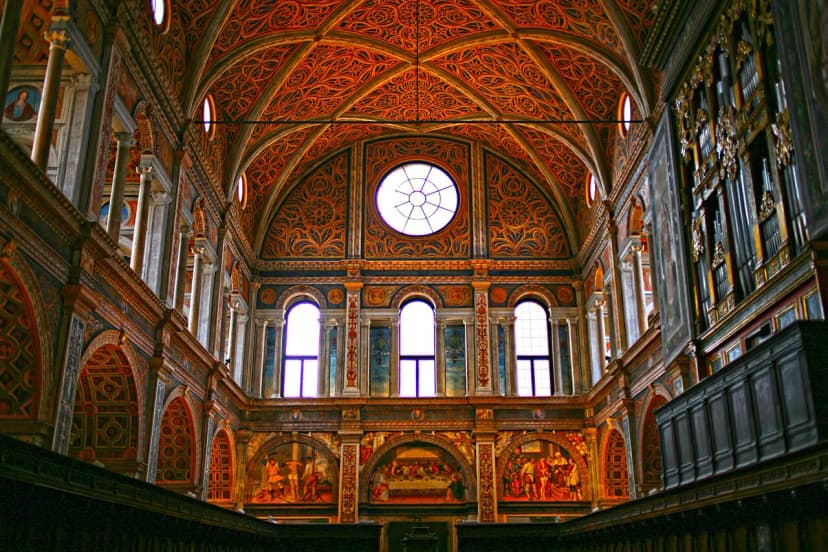
- Basilica di Sant'Eustorgio and the Portinari Chapel
- This basilica sits at the edge of the district and draws a fraction of the Duomo's crowds despite its own depth of history.
- A companion guide to Milan's quiet churches and courtyards covers more stops like it. Inside, the Portinari Chapel holds Renaissance frescoes worth the detour on their own.
- Tram 3 stops close by, which makes the basilica a practical starting point for a Navigli walk.
- Spazio Alda Merini
- At Via Magolfa 30, this small house-museum honors the poet who spent much of her life along these canals.
- As of the latest listing, it keeps Tuesday-to-Sunday hours, 10:00 AM to 6:00 PM. Confirm the schedule before visiting since museum hours shift.
- Inside sits a reconstruction of her bedroom alongside photographs and poetry panels drawn from her Ripa Ticinese apartment.
- The Guido Crepax Bridge's Divine Comedy Murals
- Under this bridge, a street-art collective painted three large murals reinterpreting Dante's Inferno, Purgatorio, and Paradiso.
- A short walk away, near Via Magolfa, smaller portraits pay tribute to Alda Merini alongside lines from her poetry.
- Pair this stop with Spazio Alda Merini since both sit within a few minutes of each other on foot.
- Via Conchetta and Via Gola's Street Art
- On Via Conchetta, Orticanoodles' fluorescent piece Music Is a Neverending Journey covers a full building wall.
- Along Alzaia Naviglio Grande, look for TvBoy's urban-pop pieces layering current events into recognizable imagery.
- Via Gola carries the district's rawer, more political pieces. Visit in daylight rather than after dark, per local guidance.
- Alzaia Naviglio Grande's Artisan Workshops and Small Galleries
- Small workshops and galleries sit along this stretch, set back from the aperitivo terraces that dominate the water's edge.
- Expect ceramics, prints, and studio work rather than the souvenir stalls clustered near Porta Genova.
- Weekday mornings bring the lightest foot traffic, which makes browsing easier without a crowd at the door.
- Mercatone dell'Antiquariato
- This antique and flea market runs the last Sunday of every month along Naviglio Grande, stretching almost 2 km of stalls.
- Stock ranges from genuine antiques and vintage housewares to flea-market odds and prints.
- Local collectors work the stalls early, so arrive before the late-morning crowd for the better finds.
Best For: A Quick Decision Matrix
Not every stop suits every traveler. This quick matrix matches the goal to the spot worth prioritizing first. Use it to decide which stretch of the district gets first priority on a tight schedule.
| Best for | Head to | Why |
|---|---|---|
| Solitude | Naviglio Pavese | Fewer bars, more courtyards and residential streets |
| History | Vicolo dei Lavandai | Preserved communal wash-house and stone troughs |
| Culture | Spazio Alda Merini | House-museum of the poet tied to the district |
| Street art | Guido Crepax Bridge | Three-mural Divine Comedy series |
| Bargain hunting | Mercatone dell'Antiquariato | Monthly antique market along Naviglio Grande |
Naviglio Pavese: The Quieter Local Canal
Naviglio Pavese runs south from the Darsena with a different rhythm than its busier neighbor. Bars thin out, courtyards open onto the water, and small galleries occupy former workshop spaces rather than storefronts built for tourists. Storefronts here skew toward working ateliers and small exhibition spaces rather than aperitivo bars, and several open only in the afternoon. Local legend holds that a ghost wanders this stretch on moonless nights, a detail residents still bring up on canal walks. None of this costs anything to experience. A walk along the towpath, courtyard-spotting, and mural-hunting all work as free activities, alongside the broader roundup of free things to do in Milan. Weekday afternoons keep the towpath close to empty, which suits photographers and anyone looking to slow down without dodging aperitivo crowds.
When to Go for the Quietest Navigli
Sunset draws the largest crowds to both canals, especially along Naviglio Grande's bar row. Treat golden hour as photogenic but crowded, not a quiet-vibes window. Weekday mornings work better for photography and courtyard-peeking, before the aperitivo rush and tour groups arrive. If a trip lands on the last Sunday of the month, the antique market takes over Naviglio Grande, which changes the entire pace of a visit for that one day. Outside that Sunday, plan around weekday daylight hours for the calmest version of the district.
Mercatone stretches 2 km and transforms the district's pace; to keep crowds behind you on the last Sunday, plan early morning rather than avoiding that day entirely.
Where to Eat Away From the Tourist Menus
Canal-front terraces often pad standard aperitivo prices with elaborate all-you-can-eat buffet spreads. A fixed-price drink one street back usually costs less than the same spritz with a view. For a traditional Milanese meal, Osteria Conchetta serves classic regional dishes away from the water's edge. For something more modern, Tenoha pairs a ramen counter with a design and lifestyle shop inside the same space. For cocktails away from the canal-front lines, Rita keeps a list built around its own recipes rather than a standard spritz menu. Neither venue's current menu pricing appears in the sources behind this guide. Check each restaurant's posted menu or website before booking. Expect costs closer to a neighborhood trattoria than a canal-view tourist terrace.
Getting There and Avoiding Rookie Mistakes
Porta Genova, on the M2 green line, is the main gateway into Navigli and sits an easy walk from Naviglio Grande's promenade. Tram 3 also connects the district to the Duomo area, including the stop near Basilica di Sant'Eustorgio. Overall, expect around a 20-minute ride by tram, subway, or bus from central Milan, or roughly a 30-minute walk if the weather cooperates. Postal code 20144 covers the Alzaia Naviglio Grande promenade, handy for setting a rideshare pickup pin.
- Skipping Naviglio Pavese entirely
- Sticking to Naviglio Grande alone means missing the courtyards, galleries, and quieter pace that give the district its calmer half.
- Falling for canal-front aperitivo buffets
- An all-you-can-eat spread often costs more than the same drink and a plate ordered a street back.
- Visiting Via Gola after dark
- Local guidance points to daylight hours for viewing the street art here comfortably.
A 3-Hour Walking Route From San Eustorgio to the Darsena
This suggested order strings together the stops above into a loop lasting about three hours, minimizing backtracking between the two canals. From the Darsena, the same approach extends citywide in a guide to Milan's quiet courtyards and alleys. North of the center, Porta Venezia and Isola's courtyard scene makes a comparable detour. Closer to the cathedral, quiet courtyards near the Duomo cover a similar trade-off between crowds and calm. Nearby, the Veneranda Biblioteca Ambrosiana holds a manuscript and painting collection worth the stop. Travelers continuing through Italy afterward can apply the same method in Bologna's quiet courtyards. Following the same route logic, Florence's quiet courtyards round out the regional picture.
The full loop takes three hours, so plan at least 3.5 hours total when adding a 20-minute ride by tram, subway, or bus from central Milan.
- Start at Basilica di Sant'Eustorgio
- Begin here, reachable by Tram 3, and step into the Portinari Chapel before the crowds arrive.
- Walk to Vicolo dei Lavandai and Case di Ringhiera
- Follow Naviglio Grande toward the wash-house alley, watching for tenement balconies on side streets along the way.
- Detour to Via Magolfa for Spazio Alda Merini and the Guido Crepax Bridge murals
- Both sit a few minutes apart, making this the district's densest cluster of cultural stops.
- Finish at the Darsena
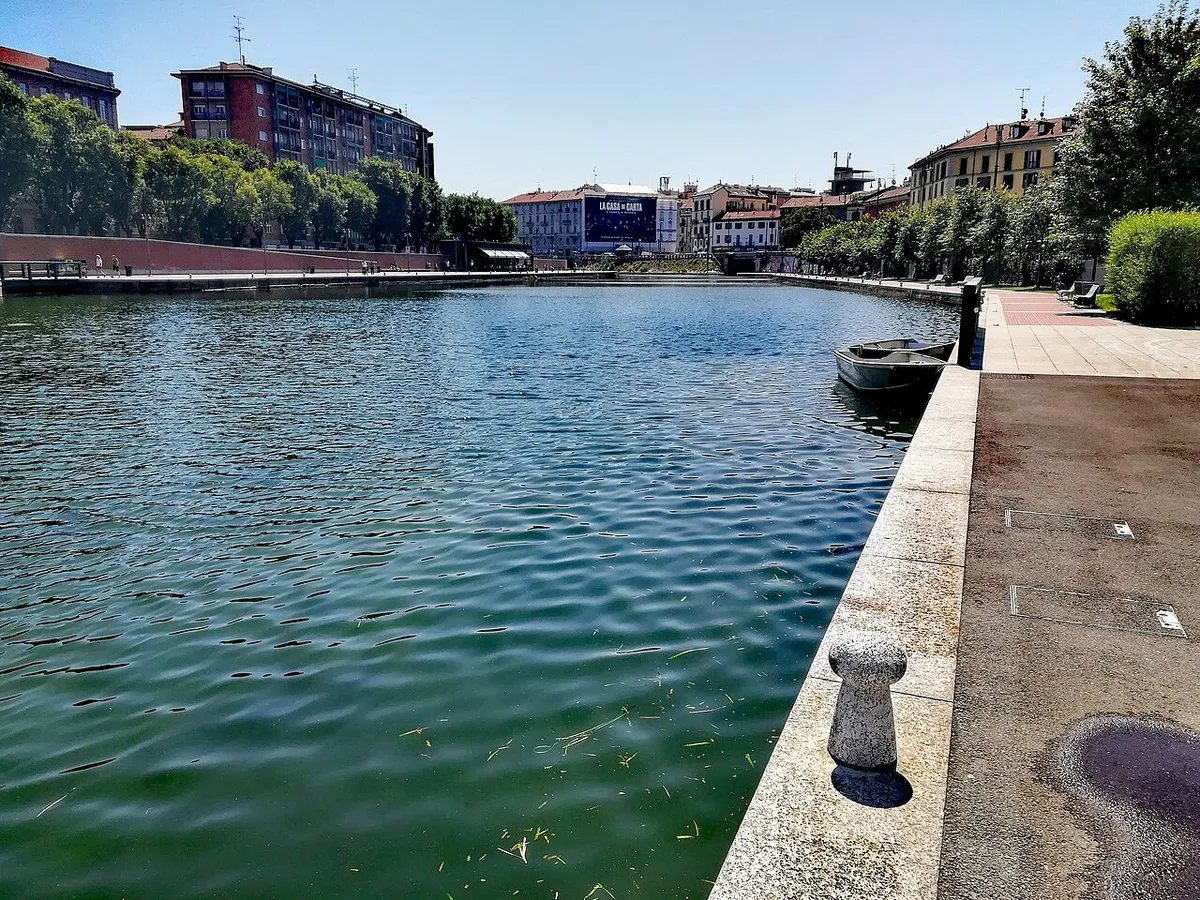
- Barges once carried marble blocks for the Duomo di Milano along this basin toward the cathedral construction site.
Frequently Asked Questions
What's the real difference between Naviglio Grande and Naviglio Pavese?
Naviglio Grande carries the bars, the antique market, and most of the street art. Naviglio Pavese runs quieter, with more courtyards, small galleries, and residential blocks.
How do you get to Navigli from central Milan?
Porta Genova, on the M2 green line, is the fastest route in. Tram 3 also runs from the Duomo area, and the full trip takes about 20 minutes either way.
Where exactly is Spazio Alda Merini, and what are its hours?
It sits at Via Magolfa 30, a short walk from Naviglio Pavese. As of the latest listing it opens Tuesday to Sunday, 10:00 AM to 6:00 PM, though hours are worth confirming before a visit.
When does the Navigli antique market happen?
Mercatone dell'Antiquariato runs the last Sunday of every month along Naviglio Grande. Stalls stretch almost 2 km, so arriving early gives the best shot at genuine antiques before the crowds thin the selection.
Is it safe to view the street art at night?
Local guidance favors daylight visits, especially on Via Gola, where the pieces read as more social and political than decorative. Sticking to daytime hours also makes the murals easier to photograph.
Why are the Navigli canals connected to the Duomo?
Barges once hauled marble blocks along these canals to reach the cathedral construction site downtown. That transport link shaped the district well before it became the social strip visitors see today.