

Wiesbaden is compact enough that one day is a realistic frame for its centre. The city's tourism company presents Wiesbaden as a green state capital of stylish cafes, lively districts and cultural spots, which is a good argument for treating the day as a wander rather than a checklist.
A reasonable suggested duration for the route below is six to eight hours including lunch, a cafe stop and one longer block, either a thermal bath or the Neroberg. That figure is an editorial planning estimate, not official guidance, and the route is a suggestion rather than a fixed itinerary.
The free city fabric, the squares, the Kochbrunnen plaza and Kurhausplatz, exists regardless of ticketed interiors or scheduled openings. If you only manage one thing, see the Marktkirche and walk to the Kochbrunnen; everything else is a trade-off. For a second, slower version of the same city, the 2 days in Wiesbaden itinerary shows what an extra morning changes.
Choose the Shape of Your Day: Bath, Walk or Hill
Decide the spine before you start, because in one day the three versions exclude each other. A bath-led day means one long restorative block inside a thermal bath plus a short centre walk. A walk-led day keeps the old town, Market Square and the fountain plaza, with cafe time replacing water time. A hill-led day adds the Neroberg and pushes the baths out entirely.
The walk-led version is the safest first visit and easiest to trim. The bath-led version gives the most distinctive Wiesbaden experience but costs you the hill. The hill-led version gives the broadest view but splits the day across two parts of the city. Keep the centre as your base whichever you pick.
Morning: Market Square and the Marktkirche
Start at Market Square, the broad plaza where the Marktkirche and the City Hall stand together. A 2019 travel account notes that the Rathaus was built in the nineteenth century in Renaissance Revival style and that the Marktkirche is a neo-Gothic church of the same century, raised after a fire destroyed the city's medieval church.
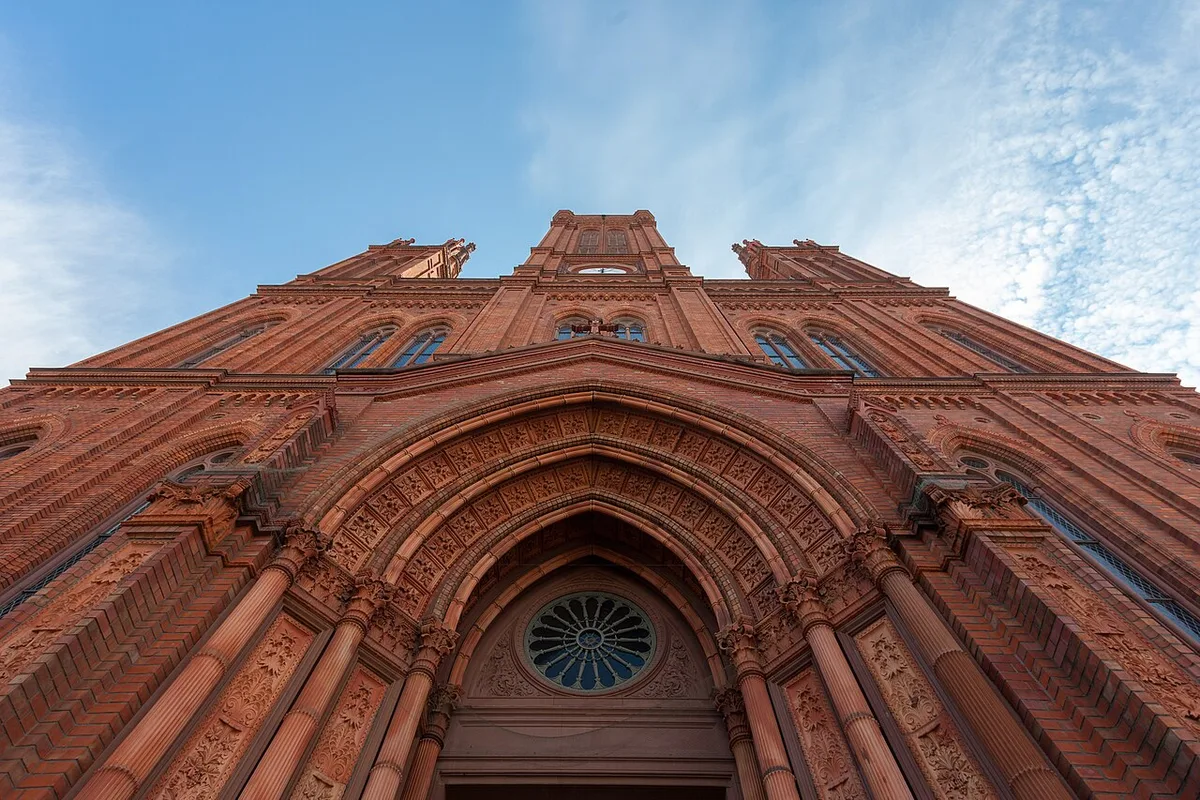
Walk a full circuit before going inside, because the silhouette changes from every corner; the same dated report recommends exactly that and mentions that interior visits and tower climbs depended on the day. Treat those as historical observations, not a current promise. Check the church's own notices or the tourist information desk before planning your morning around going up.
The exterior and the square need no ticket and no schedule, so they hold up even early or on a closed day. From there drift into the old lanes rather than plotting a route. The same source describes the old town as small but cosy, with winding cobble streets, shops and restaurants. A dedicated Wiesbaden old town walk pairs naturally with this block if you want more structure.
Midday: Kochbrunnen and the Thermal Water in the Centre
The Kochbrunnen is the easiest way to meet the city's thermal identity without committing to a bath. The 2019 report places the Kochbrunnen and Kochbrunnen Springer in a small plaza about a block from the Kaiser-Friedrich-Therme and notes hot-spring fountains sprinkled around the centre. That geography is the useful part: the springs thread through the middle of town and connect the old town to the spa quarter.
The fountains are part of everyday city life rather than a ticketed sight, so expect people filling bottles and moving on, not a formal attraction. Budget roughly twenty minutes here and decide whether the day tips towards a full bath session. If it does, confirm current entry terms directly with the operator, because prices, timings and bathing rules are set by the bath and change over time.
Spa Block: Bath or a Short Fountain Version
Wiesbaden's thermal bathing tradition is the reason many visitors come, and it is a genuine either-or choice in a single day. A full session absorbs most of an afternoon once changing, showering and resting time are added, which rules out the Neroberg. The short version, drinking at the Kochbrunnen and walking the spa quarter, keeps the hill in play but skips the water.
The experience as described in 2019 was a nude, mostly co-ed bath where swimwear was not allowed in pools or saunas and towels or robes were used to move around, with showers outside the locker room. Those were dated observations, not current rules, so anyone for whom this matters should confirm the present policy with the bath before booking. Historical hourly prices quoted in that old report are not current and should not be relied on.
Preparation matters more than price here: bring a towel and flip-flops, and expect to shower before entering communal water. Whether towels can be rented, how long a session runs and what entry costs are questions for the operator, because those details are volatile. If you would rather keep the bath as a separate focus, our guide to the Kaiser-Friedrich-Therme covers it as a single entity.
Lunch and Cafes in the Old Town
Because the centre is small, a proper sit-down lunch does not cost you the day. Eat near Market Square or in the old lanes so you rejoin the route without backtracking, and keep the meal inside the walking zone rather than leaving the centre.
Wiesbaden's tourism company leads with stylish cafes, cultural spots and varied neighbourhoods, so a cafe interlude reflects how the city presents itself rather than a compromise. Use the hour to check two things on the spot: the weather for the hill, and the opening arrangements for anything you want to enter, rather than guessing in advance.
Afternoon: Kurhaus and Kurhausplatz
The Kurhaus and the surrounding colonnades and lawns give you the grand spa-era face of the city, and the adjacent square is where you get your bearings for the rest of the afternoon. The Wiesbaden Congress & Marketing GmbH, the city's tourism company, is based at Kurhausplatz 1, which makes this square the sensible place to confirm anything schedule-dependent in person.
Treat the Kurhaus as orientation rather than a ticketed stop. Whether any part of the building is open, hosting an event or charging admission changes over time, so ask at the desk or check the day's programme instead of assuming. Our separate Kurhaus visitor guide explains visiting that one building in more detail.
This is also the moment to decide about the hill. Ask staff or check local information for how the Neroberg is currently reached, whether any transport is running, and whether access is operating normally that day. We will not state funicular schedules, ticket details or access conditions from memory, because those vary. If the answer is complicated, stay in the centre instead.
Neroberg: Fitting In a Hill View
The Neroberg is the block that genuinely changes the shape of a single day, because getting up and back costs most of the late afternoon. Add it when you started early, skipped the thermal bath and are comfortable with a two-part day. Drop it without guilt after a long lunch or in poor weather.
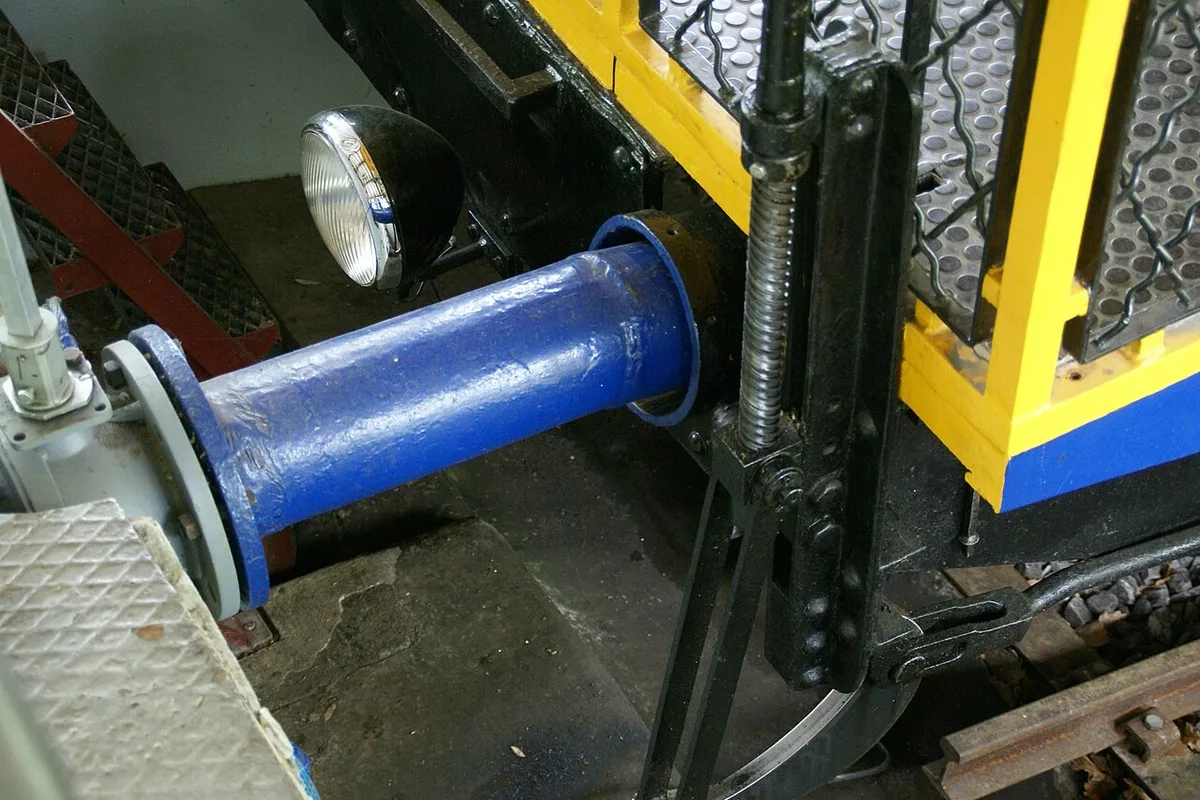
Before committing, confirm locally how the hill is accessed on your date and whether anything is operating normally. Transport, any admission and access conditions are exactly the kind of detail that changes, so a short conversation at the tourist information desk near Kurhausplatz settles it quickly. If the answer is unclear, choose the centre and keep the walk relaxed.
For a viewpoint-focused version of the trip, our guide to the best viewpoints in Wiesbaden sets out the options in more detail than a one-day route can. For most first-timers one elevated view is enough, and pairing it with a bath the same afternoon rarely works.
Evening: Wind Down in the Centre
Resist adding a second district in the evening. The centre is where the cafes, the spa architecture and the pedestrian lanes sit close together, so you can eat without a plan, walk for ten minutes and be back near your hotel or the station. After a bath, a gentle evening close by is the better recovery.
Check the events calendar kept by the Wiesbaden Congress & Marketing GmbH for what is actually happening on your date rather than relying on a fixed weekly pattern. Be cautious about any market-day or event assumption you cannot verify for that specific date.
Practical Decisions for a One-Day Visit
Arriving by train makes sense for a single day, with Wiesbaden Hauptbahnhof as your entry point and the centre reachable on foot. A 2019 travel account reported roughly forty minutes by S-Bahn from Frankfurt's main station and about fifteen minutes' walk from the Wiesbaden station into the old town, but treat those as dated observations: fares have changed since, so check current timetables and prices with the operator you use.
On tickets, a Wiesbaden-based guide updated in 2026 explains that a Germany-wide regional ticket covers regional and regional express trains plus local buses, trams and S-Bahn, while single tickets booked through the national rail operator can be more budget-friendly for only one or two trips. Treat that as framing rather than a fixed rule and check current validity and price with the operator.
Wear shoes you can walk in all day, carry a small towel and sandals if a bath is likely, and bring a refillable bottle for the fountains. Confirm opening arrangements, prices and any closures with each operator on the day rather than trusting a plan made weeks earlier. If you are staying in the city, our Wiesbaden landmark guides cover individual sights in more depth.
Plan Your Visit
One day in Wiesbaden works best as a compact loop: Market Square and the Marktkirche, the Kochbrunnen plaza, then Kurhaus and Kurhausplatz, with a thermal bath or the Neroberg as your single big block. Choose that block in advance, protect a proper lunch and a cafe stop, and the day stays enjoyable rather than frantic.
Check anything volatile, entry prices, opening hours, bathing rules, transport and current access arrangements, with the bath, the church, the tourism company or the transport operator before you travel. If you want more, extend into a second day rather than cramming more into this one.
Frequently Asked Questions
Is Wiesbaden worth visiting for a day?
Yes, if you value compact historic centres, thermal water and cafe culture over blockbuster sights. The Marktkirche and Market Square, the Kochbrunnen plaza and the Kurhaus area sit close together and can be walked in a relaxed day. The better question is whether you want a bath, a hill or a gentle wander, because a single day realistically holds only one of those larger blocks.
Can you see Wiesbaden in one day without a car?
The centre is walkable and the main train station connects to it on foot, so a car is unnecessary for this route. A Wiesbaden-based guide notes that its recommended excursions all work by train without a rental car, which reflects how well connected the region is. Check current timetables and tickets with your transport operator for your own dates.
Do you need to book Wiesbaden's thermal baths in advance?
That depends on the operator's current system, so ask the bath directly or check its own booking page before you travel. Some German thermal baths sell time-based sessions and some admit on arrival, and this can change with the season or the day. Do not assume a booking is required, but do not assume you can walk in at peak times either.
What should you skip if you only have half a day?
Drop the hill first, then the thermal bath, and keep the centre loop: Market Square and the Marktkirche from outside, the old lanes, and the Kochbrunnen plaza. Kurhausplatz is worth a brief look because the tourism company's office is there and can answer last questions. Half a day is enough for orientation, not for a bath plus the Neroberg plus lunch.


