

Searching for the best viewpoints in Wiesbaden usually leads to one hill: the Neroberg, the city's house mountain on the northern edge of town. What matters more than any ranking is how you intend to get up there, because riding, strolling and hiking produce very different days. This guide organises the options by effort level instead of pretending one lookout beats all others, starting with a sourced detail that shapes every plan: the Nerobergbahn funicular ride itself takes about three and a half minutes, so it saves you the climb without using up your day. For wider planning, see Wiesbaden landmark visitor guides.
Wiesbaden is the green state capital of Hesse, set where the Rhine plain meets the Taunus hills, and its tourism office presents the city as a place of culture, history and enjoyment. Much of that green backdrop is what makes elevated views here rewarding rather than merely high. The official tourist information pages are the reliable place to check current visitor information such as guided tours and event listings.
Why the Neroberg Dominates Wiesbaden Viewpoint Searches
The Neroberg has been a destination since the nineteenth century, and the operator describes the hill and its historic railway as a well-known excursion destination in Wiesbaden since the line opened in 1888. From the terrace area near the Nerobergtempel, which also sits above the railway's hillside water reservoir, the panorama reaches over the city toward the Rhine and the heights of the Taunus and the Odenwald. That combination of a short trip and a wide sweep of the city is why the hill is the default answer to viewpoint questions.
The viewing area itself is public ground, so you can walk up and look out without buying anything. What costs money are the ways of getting there and the facilities on the hill, and those are separate purchases rather than one combined ticket. If you want to understand how the hill, the railway and the nearby church fit together as a single excursion, our guide to the Neroberg funicular and Russian church Wiesbaden walks through the logistics.
Wiesbaden's setting between the Rhine and the Taunus means green space is rarely far away, which is why an afternoon on the Neroberg can slide easily into a longer walk. Beyond the classic terrace, the surrounding forest is the part most visitors underestimate. The tourism office frames the city around exactly this blend of culture and outdoors, which is a useful reminder that the hill is one piece of a greener whole.
The Nerobergbahn: Wiesbaden's Historic Funicular
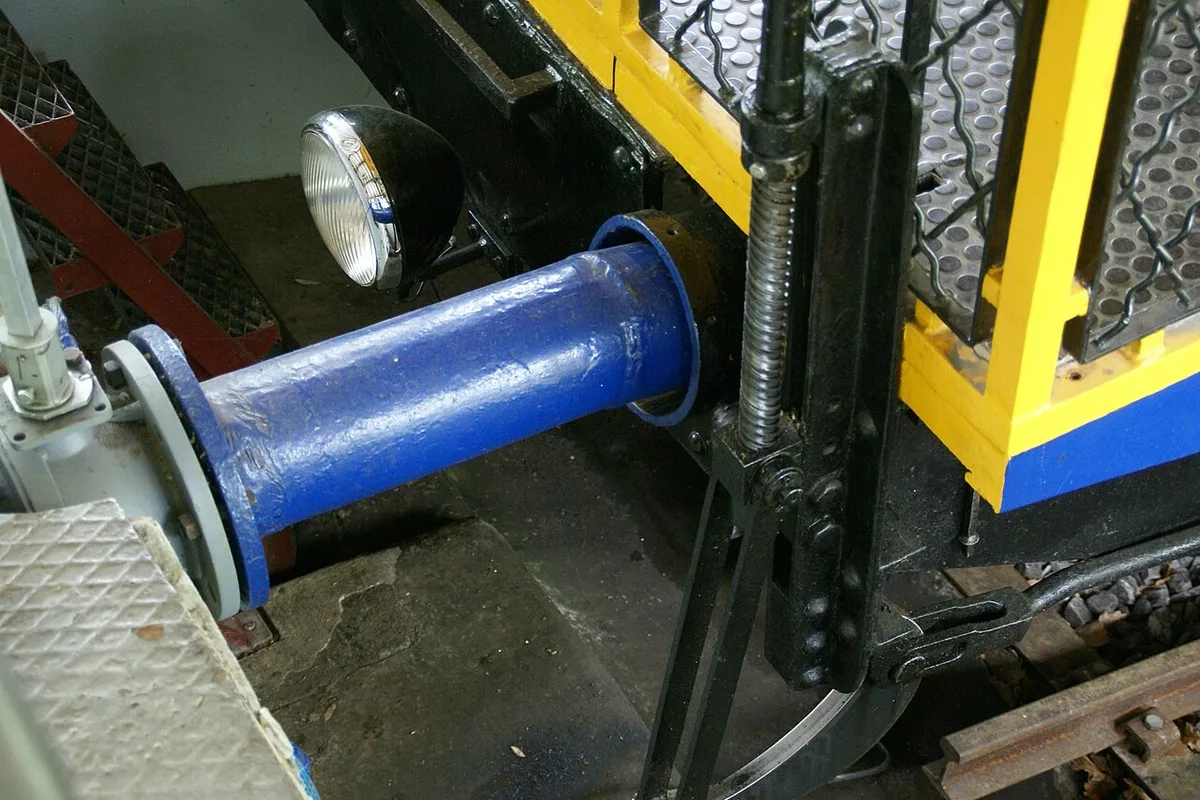
The Nerobergbahn is a water-ballast funicular that opened on 25 September 1888 and remains the city's romantic landmark. One car is filled with up to 7,000 litres of water at the top station and, using gravity, pulls the other car up the slope on a steel cable; the operator notes that it is Germany's oldest water-ballast-operated wire-rope rack railway. It is a technical monument as much as a transport service, and the speed is regulated by a hand brake.
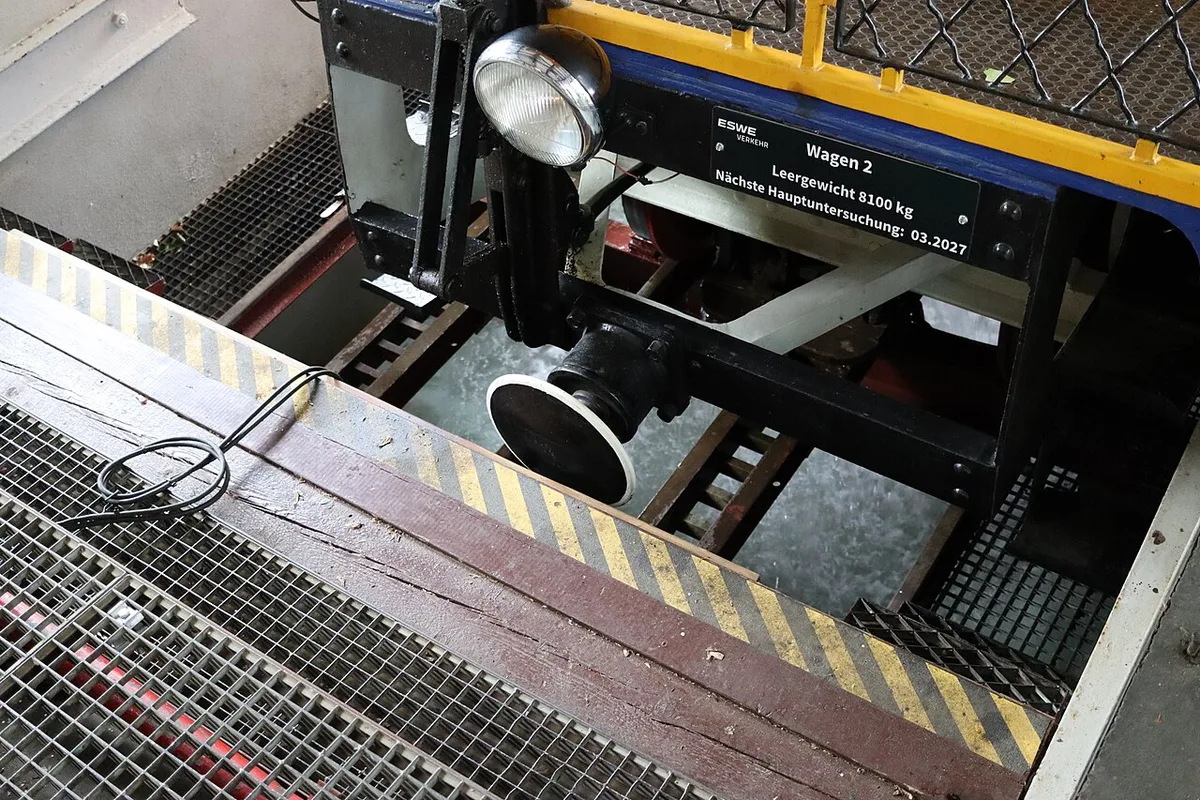
The line runs about 438 metres and climbs roughly 83 metres at an average gradient near 20 percent, and the ride itself takes only a few minutes. That short travel time is the key planning fact: the funicular saves you the climb but not much of your day. The operator, ESWE Verkehr, publishes current operating times and prices on its Nerobergbahn page, including the detail that the line is operated seasonally and at regular intervals during its season.
One frequent assumption is wrong: the Nerobergbahn is a historic leisure and tourist railway with its own fare structure, not ordinary public transport. The operator states plainly that RMV tickets are not valid on it and that the Deutschlandticket does not apply, since mountain railways operate under a special tariff, so budget for a separate ticket rather than expecting a connection to be covered. Cashless payment is accepted, and dogs travel free.
The base station sits at Wilhelminenstraße 51 in the north of the city, close to the Nerotal gardens, and free parking is available at that base station. Bus line 1 connects Wiesbaden Hauptbahnhof with the Nerotal terminus for those arriving by train. Operating hours and fares change between seasons, so confirm them with the operator before travelling rather than relying on an old timetable.
Walking Up Instead: Nerotal Approaches and the Climb
If you skip the railway, the natural route up begins in the Nerotal, the narrow green valley immediately north of the city centre. The operator points out that the base station lies near the Nerotal gardens and that the railway line leads from the valley floor over a viaduct and then up the slope of the Neroberg, which maps out the direction a walker would take. The effort is moderate rather than extreme, and this is the option for travellers who want the view to feel earned but still have energy left for the rest of the day.
The base station of the funicular is itself a useful landmark for walkers, since it marks the point where many paths converge before the climb, and it holds a small museum that is a convenient meeting point. Starting there lets you decide late whether to ride or walk, which is convenient on changeable days. Trails are waymarked in places but intersect frequently, so carrying an offline map is worthwhile.
Surfacing on the hilltop is largely cobblestone: the operator warns that the paths on the Neroberg are laid exclusively with cobblestone. That changes the feel of the walk and how comfortable it is in wet weather, so do not assume smooth, step-free paths across the whole plateau. Anyone with mobility concerns should treat the upper paths as uneven ground and plan accordingly rather than relying on guarantees.
Walking up also gives you the chance to combine the viewpoint with Wiesbaden's wider green spaces, from the Nerotal valley to the Kurpark and the landscaped grounds closer to the centre. Our overview of parks and gardens in Wiesbaden helps you weave those stops into a single day rather than treating the hill as an isolated errand, and it pairs naturally with the Nerotal itself.
Going Further: Forest Paths in the Naturpark Rhein-Taunus
The Neroberg is also a gateway into the quiet forests of the Naturpark Rhein-Taunus, where the operator describes well-built paths suitable for outings and hikes of several hours. Instead of turning around at the terrace, you can continue into the woods and add distance to the day. The terrain is gentler than alpine hiking, but the path network is extensive enough to reward a little preparation.
Beyond viewpoints, the surroundings hold a forest adventure trail, a climbing forest, dining options and the Opelbad open-air pool, which the operator describes as one of Germany's most attractive outdoor pools. Those facilities follow their own opening arrangements, which the operator lists under the same Neroberg information rather than as part of the funicular fare. Check current dates before planning a swim into a hill day.
For anyone building a longer trip, the forest links naturally to Wiesbaden's broader itinerary options. If you have a full day, a one day in Wiesbaden itinerary can sit around a Neroberg morning; with more time, a 2 days in Wiesbaden itinerary spreads the city's parks, spa district and hills across two days.
The Golden-Domed Russian Orthodox Church Nearby
A few metres from the main viewpoint stands the Russian Orthodox church whose golden dome is visible from much of the city below. The operator notes that the church, with its golden cupola, sits only a few metres from the Nerobergtempel and looks out over Wiesbaden. The building is one of Wiesbaden's most recognisable silhouettes and pairs naturally with the panorama, making it an easy addition to any version of the Neroberg visit.
Because the church and the viewpoint sit close together, the combination is what most people photograph. Visiting arrangements for the church interior are separate from simply standing on the public grounds outside, so treat them as two decisions. Our dedicated guide to the Neroberg funicular and Russian church Wiesbaden covers how the two fit into one outing.
Free Grounds, Paid Rides and Paid Attractions
The cleanest way to plan a Neroberg day is to separate three things: free public ground, the paid funicular ride, and paid facilities such as the Opelbad pool or the climbing forest. None of these is bundled with the others. Walking up and looking out costs nothing, while riding or swimming is a separate transaction each time.
The funicular sets its own fares, and the operator states plainly that RMV tickets and the Deutschlandticket are not valid, since mountain railways operate under a special tariff. Current prices are published by ESWE Verkehr and change by season and ticket type, so read the current table before deciding whether a return trip or a single ride suits your plan.
Beyond the hill, Wiesbaden's ticket landscape is varied, and it is worth treating each museum or bath as its own purchase. The tourism pages gather current visitor information, including guided tours and event listings, without implying one pass covers everything. That habit of checking per venue avoids surprises at the counter.
For a wider sense of what Wiesbaden offers beyond one hilltop, the landmark visitor hub collects guides covering the spa district, the Kurhaus and other sights. It is a useful place to check before locking in a route.
Practical Notes: Payment, Dogs, Bicycles and Cobblestones
Practical details decide how smooth a Neroberg visit feels. Cashless payment is possible on the funicular, and dogs are allowed free of charge, which makes the ride unusually pet-friendly. These points come from the operator's own visitor information.
Bicycles are not carried on the railway for safety reasons, with a rack provided at the small museum at the base station; riders should plan to lock up and walk. Wheelchairs without electric drive can generally use the large outer platform, while electric wheelchairs cannot be carried due to their high weight. Access to the upper paths is another matter entirely, so treat these as two separate questions.
The paths across the Neroberg plateau are laid with cobblestone, as the operator notes, so surfaces are uneven and can be slippery when wet. Do not read a funicular ride as guaranteeing easy movement once you are at the top. Comfortable shoes with decent grip are a sensible default for anyone heading up.
Suggested Duration and Effort Comparison
The following durations are our own editorial suggestions, not official guidance, and they assume a relaxed pace with time to look around. A funicular round trip with time on the terrace and a look at the golden dome fits comfortably into about two hours. Riding up and walking down through the Nerotal adds roughly another hour.
A full walk up from the Nerotal, time at the viewpoint and a walk back down is a half-day for most visitors, depending on pace and stops. Extending into the Naturpark Rhein-Taunus forest can easily turn the outing into a full day of walking. Choose the version that matches your energy rather than trying to tick off every path.
Effort levels fall into three rough tiers: the ride, which removes almost all climbing; the short climb from the Nerotal, which is moderate; and the forest extension, which is a genuine hike with more distance. If you are comparing German city viewpoints more broadly, our guides to the best viewpoints in Berlin and the best viewpoints in Munich show how other cities trade height for effort.
Plan Your Wiesbaden Viewpoint Visit
The best viewpoint in Wiesbaden depends on how much climbing you want to do. Ride the historic funicular for the classic panorama with almost no effort, walk up through the Nerotal for a moderate climb, or continue into the Naturpark Rhein-Taunus when you want a proper day outdoors. All three end at the same wide view over the city, the Rhine and the Taunus.
Before you go, check operating times and fares with the operator, since the railway runs seasonally and is not covered by RMV or Deutschlandticket fares. Then look at the Wiesbaden city guide for the wider context of parks, spa architecture and day itineraries.
Frequently Asked Questions
Where do you get the best view in Wiesbaden?
The classic panorama is from the Neroberg, the city's house mountain north of the centre, where the public terrace near the Nerobergtempel looks over Wiesbaden toward the Rhine and the Taunus hills. The golden-domed Russian Orthodox church sits only a few metres away and is part of the same view. There is no single official best viewpoint, so treat the terrace as the default and the surrounding forest paths as the extension.
Do you have to pay to get up the Neroberg?
No. You can walk up to the viewpoint on public paths without paying, and the grounds around the terrace are free to use. What costs money are the historic Nerobergbahn funicular ride and paid facilities on the hill, such as the open-air pool or the climbing forest. These are separate purchases, not a single ticket.
Is the Nerobergbahn included in the Deutschlandticket or an RMV ticket?
No. The operator states that the Nerobergbahn is a historic leisure and tourist railway with its own tariff, so neither the Deutschlandticket nor RMV tickets are valid on it. You need a separate ticket for the ride, which can be paid for without cash. Confirm the current fare table with ESWE Verkehr before travelling.
How long does the Nerobergbahn ride take?
According to the operator, the journey from the base station in the Nerotal to the top takes about three and a half minutes, so the funicular saves you the climb rather than using up your day. The line is short and steep, travelling roughly 438 metres up the slope. Check current operating times with the operator, as the railway runs seasonally.
Can you walk from the Neroberg into the forest for longer views?
Yes. The Neroberg is a starting point for the Naturpark Rhein-Taunus, where the operator describes well-built forest paths suitable for outings and hikes of several hours. You will not find a single higher lookout with a better panorama, but you gain quiet woodland walking and distance. Carry a map, since the path network is extensive and intersects frequently.
Are the Neroberg paths suitable for wheelchairs?
The funicular can carry wheelchairs without electric drive on its large outer platform, but the operator says electric wheelchairs cannot be transported because of their high weight. Once at the top, the paths across the plateau are laid with cobblestone, so surfaces are uneven. Treat accessibility as something to verify individually rather than assume.


