

Most visits to Ulm revolve around one building, yet the city's more interesting corners sit a short walk from the Minster and see a fraction of the traffic. The Fischerviertel's canal lanes, the leaning Metzgerturm, and the surviving city wall above the Danube are all within the compact old town. This is a suggested duration rather than an official figure: budget roughly two to three hours for a relaxed walk through the free quarters and the wall. For wider planning, see Ulm landmark visitor guides.
The useful distinction is between places you simply walk through and places that sell a ticket. Lanes, bridges, walls, squares and the Einstein Fountain are open public space; the kunsthalle weishaupt, the Bread Culture Museum and the Wiblingen monastery rooms are ticketed interiors run by different institutions. Treat them as separate decisions rather than one museum day.
Fischerviertel and Gerberviertel: the real historic heart
The fishermen's and tanners' quarter occupies the southern edge of the old town, where the Blau river reaches the Danube and splits into narrow channels between former workshop houses. It has been restored and is now known for its places to eat, drink and relax, and small footbridges cross the water at close intervals. A traveller description notes half-timbered houses, stone bridges and canals that together create one of the city's most atmospheric neighbourhoods.
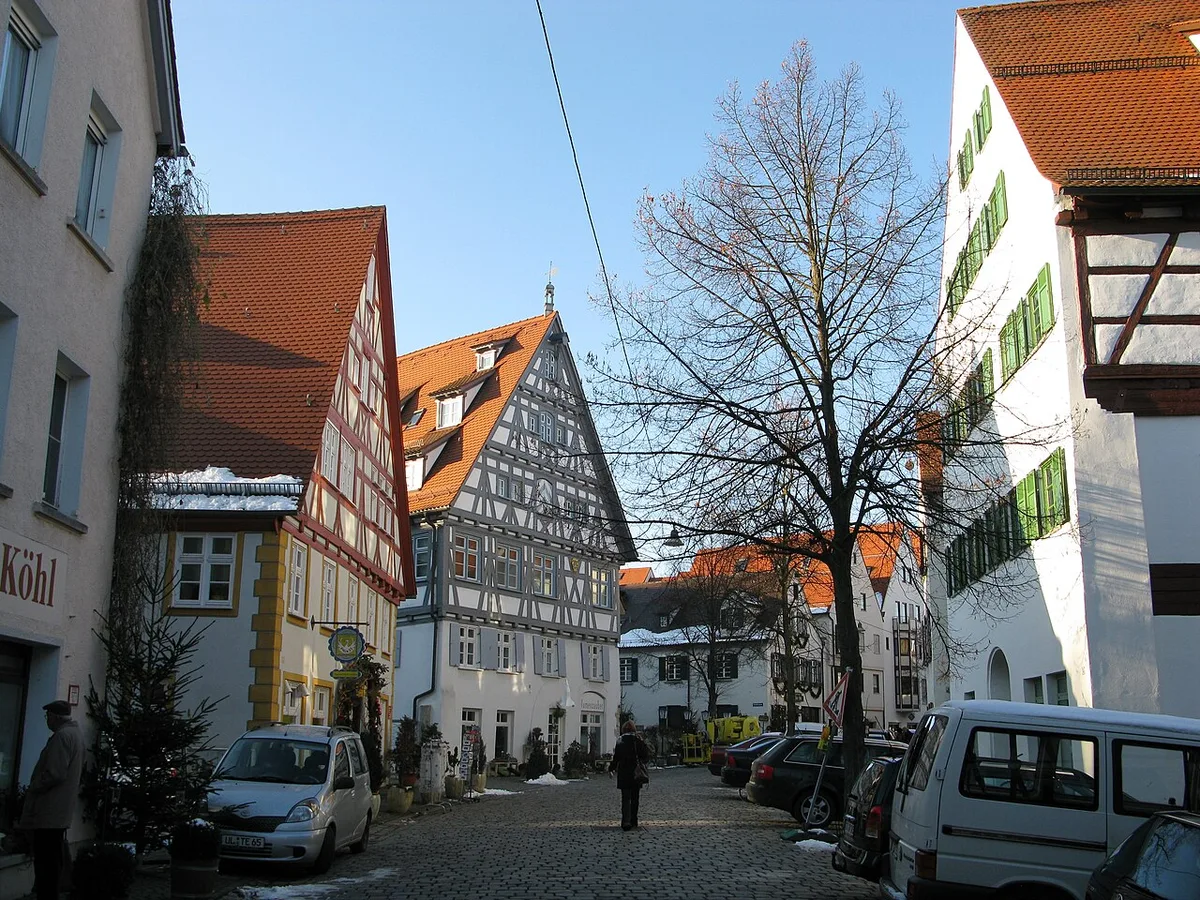
Come early or late if you want the lanes to yourself, since this is a residential and business quarter rather than a gated attraction. A listing describing the district as open year-round and around the clock reflects that it is public street space, not a promise that every courtyard, shop or cafe along the water is accessible. Check individual businesses directly if a specific stop matters to your plan.
The district is small enough that you will pass it naturally on a route between the town hall and the river, which makes it an easy addition to any old town walk. Streets are cobbled and uneven in places and the canal bridges are narrow, so allow more time if you are pushing a stroller or using a wheelchair. Part of the appeal is simply choosing a smaller alley than the obvious one and following it until it meets water. For wider planning, see Ulm city travel guides.
Schiefes Haus and the tilted Metzgerturm
Two leaning structures get most of the attention in this quarter, and they work as different kinds of sight. The Schiefes Haus is a timber-frame building visibly out of true above the Blau, widely described as a record-holding crooked house, though the record claim is a popular label rather than something to plan around. It operates as a hotel, so the practical question is whether you want a photograph from the bridge or a stay in a building with characteristically uneven floors and low beams.
The Metzgerturm, the butcher's tower on the wall, leans for an ordinary reason. This is worth knowing because a popular local legend blames imprisoned butchers instead, and the same source notes that the tower is 36 metres high and leans about 3.3 degrees.
If you only have time for one, choose the tower for context and the house for atmosphere. Both sit within a few minutes of each other on the wall-side route, so a single walk covers the pair without doubling back. Photographers should plan around the low sun, since the lanes narrow and the water reflects whatever light reaches it.
City walls and Glacis Park: free grounds, open walking
A section of the medieval fortification survives along the Danube, partly reduced in height in the nineteenth century, and today it functions as a raised path with gardens on the inland side and river views on the other. The middle stretch in particular is recommended, where you get gardens on one side and the Danube and Neu-Ulm on the other. There is no ticket gate in the way of a walk along these grounds.
Glacis Park sits just beyond the old town and occupies ground that once belonged to the fortifications, which is why it feels like a green buffer around the historic core rather than a formal city park. Paths, lawns and playgrounds make it a sensible weather-dependent alternative when the museum option feels too indoor. Because the grounds are public, hours vary with season and daylight, so treat evening access as something to judge on the spot.
Combine the wall walk with the park if you have half a day, entering near the tower and exiting toward the newer districts, which also gives you a route back across the Danube into Neu-Ulm. This is the best free option in the city for anyone who wants distance rather than interiors. Wear shoes with grip, as the older paving is polished in places. For wider planning, see free things to do in Ulm.
Kunsthalle Weishaupt, the Bread Culture Museum and Wiblingen
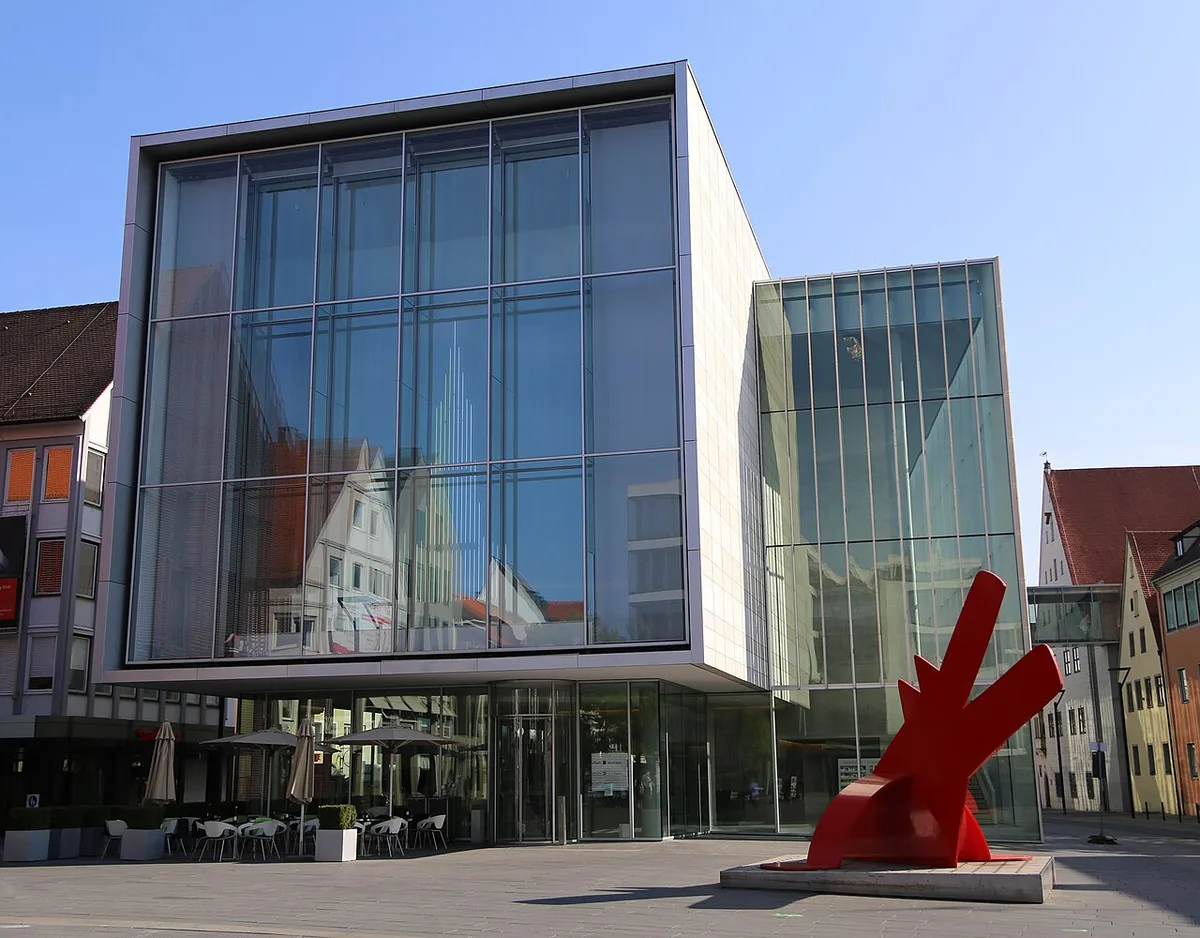
These three are easy to confuse into one museum plan, but they are separately run and do not share a ticket, so decide which one actually interests you. The kunsthalle weishaupt is a private museum on Hans-und-Sophie-Scholl-Platz showing the Weishaupt family's collection of modern and contemporary art, built up over more than 50 years and open to the public since November 2007. It states its own opening hours, currently Tuesday to Sunday from 11:00 to 17:00.
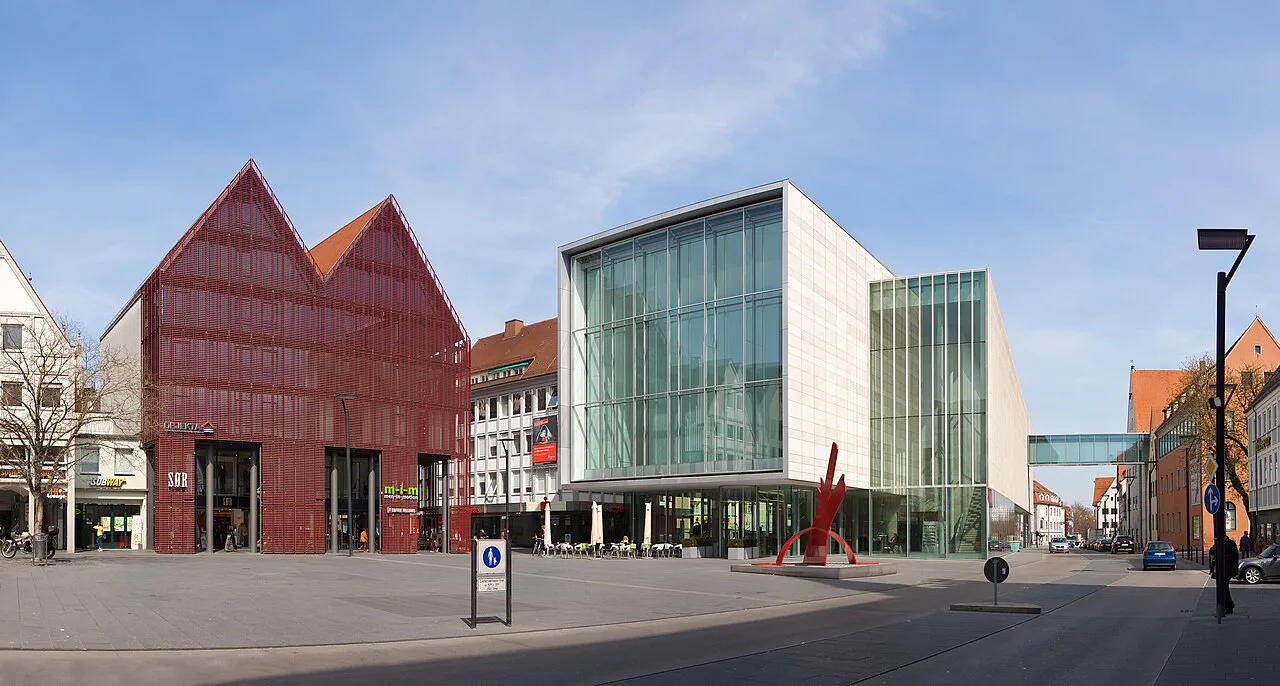
The Bread Culture Museum, styled Museum Brot und Kunst, takes a narrower subject and fills three floors with it, using objects, art and interactive displays to examine bread as culture and craft. Its audio guide is available in English, French or German, with separate guides for children, which makes it a better choice for visitors without German than some smaller local collections. Because it is privately run, check its own website or the tourism office for current opening days and admission before you go.
Wiblingen monastery lies outside the old town and its rococo library is the reason most people make the trip, reached as a separate excursion rather than part of a city-centre loop. Visiting the library requires a ticket to the museum rooms inside the monastery. Check the current visiting arrangements with the tourism office before travelling out.
Einstein Fountain and the city's Einstein footprint
Albert Einstein was born in Ulm in 1879 and left as an infant, so the city's connection is genuine but thin, and the memorial marking it is a fountain rather than a preserved home. The house where he was born was destroyed in a bombing in 1944, so there is no birthplace interior to tour and no door to knock on; what you get is a commemorative Einstein Fountain whose form plays on space, time and relativity. Read it as public art about a famous former resident, not as a museum of his life.
The Einstein Fountain sits a little away from the dense old-town cluster, which makes it a deliberate detour rather than an accidental find. Walking there using the smallest streets you can find is advised, since the direct route is a dull one, and treating the stroll as the point of the outing. Small memorials of this kind rarely justify a special trip on their own.
Choosing between them: free grounds, paid interiors, and timing
Sort the options by what you are buying: open public space, or time inside a ticketed collection. The lanes, bridges, walls, park and fountain cost nothing to walk through; the kunsthalle weishaupt, the Bread Culture Museum and the Wiblingen rooms each require their own admission, and one ticket will not open the others. That single distinction prevents most of the confusion on a short visit.
For a first visit of one to two days, the old town loop plus the wall walk gives the best return for the least logistics, with one indoor stop added if the weather turns. A longer stay makes Wiblingen and the park worth the extra travel, and a trip of several days can absorb two collections without rushing the streets between them. Check the landmarks hub for individual visitor guides before committing to a museum day.
Getting around the old town is a walking matter, and buses and trams handle the outer districts; line numbers and journey times change, so check the local network rather than any single secondary listing. The compact centre is flat, which makes it workable on foot for most visitors. Note that Museum Ulm has been closed for renovation since April 2023, and the Lion Man figure has been on display in the kunsthalle weishaupt, so verify current arrangements rather than assuming the museum is open.
Plan Your Ulm Detour
Ulm's lesser-known corners work best as a slow walk with two or three deliberate stops, not a checklist. Start in the Fischerviertel, follow the water to the leaning tower and the wall, and let the free public spaces do most of the work. Add one ticketed interior if the weather or your interests point that way.
Before setting out, confirm the specific openings and admission details on the operator or city tourism pages, because the paid sites set their own arrangements and these change with the season. Everything else here you can simply walk into and enjoy at your own pace.
Frequently Asked Questions
What counts as a hidden gem in Ulm?
In practice the term fits the places people skip on the way to the Minster: the canal lanes of the Fischerviertel and Gerberviertel, the leaning Metzgerturm and the surviving stretch of city wall, the Schiefes Haus, Glacis Park, the Einstein Fountain, and the smaller museums. None of them rival the Minster for scale, which is exactly why they stay quiet. They are also close together, so you can see several without crossing the city.
Are the Fischerviertel and the city walls free to visit?
Yes. These are public lanes, bridges and walking paths rather than gated attractions, so there is no ticket to enter. That does not mean every business, courtyard or interior along the route is open to the public, and individual shops and cafes keep their own hours. If a specific address matters, check with that business directly.
How long should I set aside for Ulm's lesser-known corners?
A relaxed loop covering the Fischerviertel, the leaning tower, the wall walk and the fountain takes roughly two to three hours at an easy pace, though that is a planning suggestion rather than an official figure. Add time if you stop for food or extend into Glacis Park. Adding one museum means setting aside a further block of the day.
Do the kunsthalle weishaupt, the Bread Culture Museum and Wiblingen share a ticket?
No. These are separately run institutions with their own admission, opening days and visiting conditions, so a ticket for one does not cover the others. Wiblingen also sits outside the old town and requires a separate journey. Check each venue's own information before you plan a museum day around them.
Where is the Einstein Fountain, and does his birthplace still exist?
The fountain is a commemorative sculpture in Ulm, set somewhat apart from the main old-town cluster, and it marks the city's association with Einstein rather than a preserved home. The birthplace house was destroyed in a wartime bombing, so there is no interior to visit. Go for the memorial and the walk there, not for a museum of his life.


