

Rothenburg ob der Tauber sits on a hill above the Tauber valley, and most of what visitors come to see is packed inside a medieval wall. That compactness is the single most useful transport fact about the town: once you are inside the gates, your feet do most of the work. The harder decision is how to get there in the first place, because train, car and bicycle each drop you in a different place with a different set of problems.
The town's own mobility pages organise arrival around a handful of categories: parking, e-charging stations, e-bike charging stations, and bike rental with bike buses and workshops. The Rothenburg Tourismus Service publishes these as documented topics rather than a price list, so treat them as a checklist of what to confirm with the operator before you travel. The same source also maintains a public transport section for bus and rail questions.
As a rule of thumb rather than an official figure, allow one full day for the old town and the wall, and a second day if you want Taubertal paths or a museum. The tourism service lists walking, hiking, cycling and GPS tracks among things to do, and its office on Marktplatz is the practical starting point for questions once you arrive.
Why the Walled Old Town Changes Your Transport Plan
Rothenburg's old town is a walled circuit of lanes, squares and gates, which means through-traffic has no reason to be inside it. Cars are effectively a liability once you are past the gates, and the sensible pattern is to park at the edge and walk in. This is why the arrival decision and the in-town movement decision should be made separately.
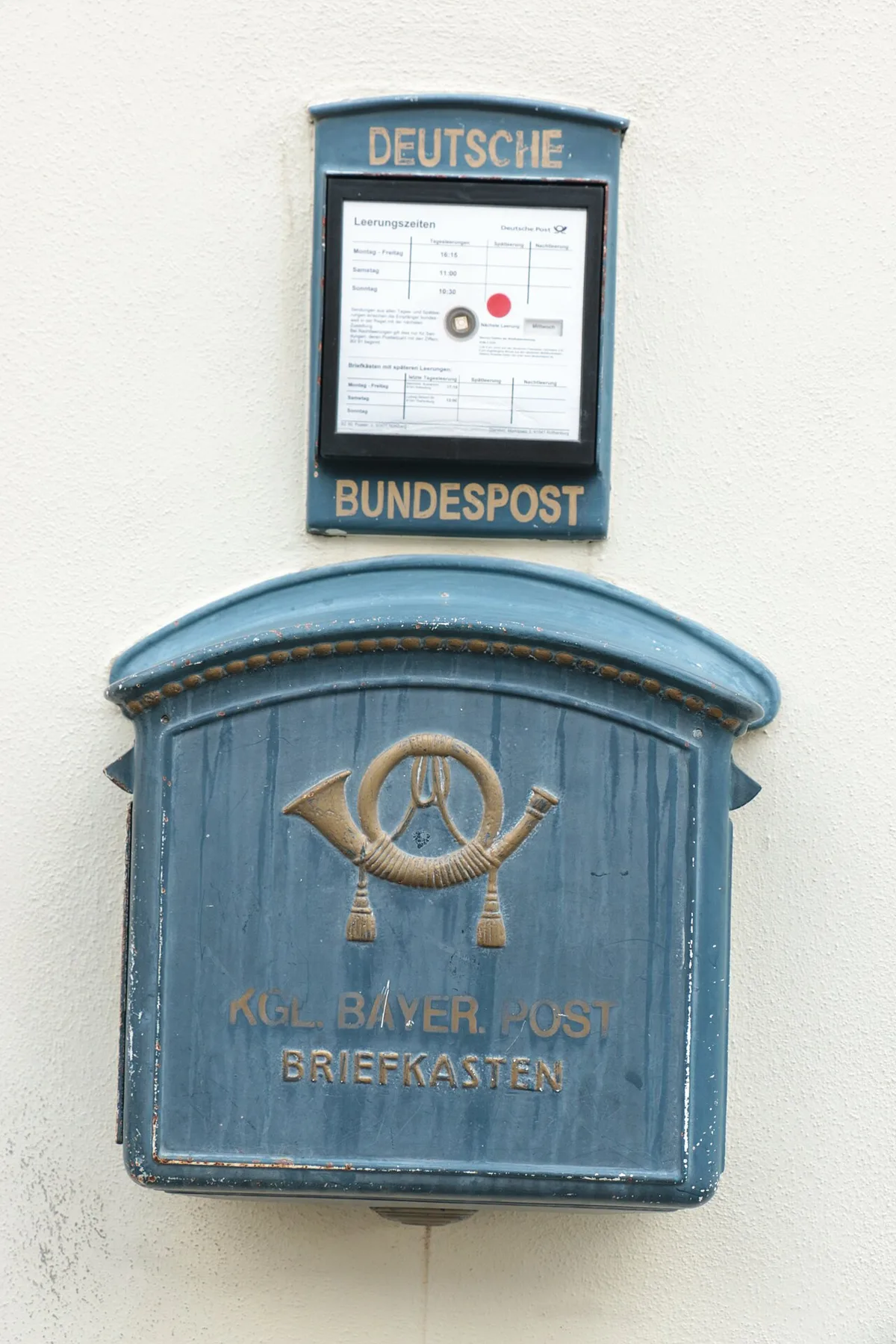
The tourism service's mobility pages put parking, e-charging stations and e-bike charging stations in one place, which tells you the town expects drivers and cyclists to arrive with questions. What those pages do not give is a fixed schedule for how long the walk from any car park takes. Judge it on the map when you book, and ask the operator if mobility matters to you.
If your trip is built around a single day, the tight geography works in your favour: the Plönlein, Marktplatz, St. Jakob's Church and the castle garden all sit within a short stroll of one another. A one day in Rothenburg ob der Tauber itinerary can therefore stack several sights without any transport at all between them.
Arriving by Train: Station to Old Town
Rothenburg has its own station, so you can arrive by train rather than driving. The tourism service treats arrival by train as part of its mobility guidance, but it does not publish journey times or service frequencies from Würzburg, Nuremberg or Ansbach. Check the national rail operator's own timetable for the day you travel instead of relying on any secondhand figure.
The station sits outside the walled centre, so the last leg is a short uphill walk into the old town rather than a taxi ride. Treat it as an orientation task: find your bearings from the station, aim for the nearest gate, and follow the signs toward the Marktplatz. If you are hauling a large suitcase, that gentle climb is the part worth planning around, and a wheeled bag handles cobbles better than a duffel.
Because luggage changes the maths, it is worth checking whether your accommodation offers any arrival help before you book. The tourism service publishes accommodation search and booking functions plus a tourist information section, so use those to answer practical arrival questions before you travel rather than after you are standing on the platform.
Arriving by Car: Parking Categories and E-Charging
Driving to Rothenburg is straightforward in principle and fiddly in practice, because the point of parking is to stop before the old town, not inside it. The operator publishes parking as a documented mobility category, which confirms that designated parking exists, but it does not publish addresses, capacities or fees on that page. Confirm the current fee and space situation with the operator before you commit to a car park.
If you drive an electric vehicle, the operator lists e-charging stations and, separately, e-bike charging stations. That separation matters: a car charger and a bike charger are different pieces of equipment, and assuming one covers the other is a common mistake. Note the connector type you need and verify availability rather than driving to a spot and hoping.
One trade-off is worth naming: a car gives you flexibility for the Romantic Road and the surrounding countryside, since the tourism service lists Romantic Franconia, the Romantic Road, Castle Road and Liebliches Taubertal among excursion options, but it costs you the ability to simply step off a train and start walking. If your itinerary is mostly inside the walls, the car spends the day parked. If you plan day trips from Rothenburg ob der Tauber or want to reach the Taubertal under your own steam, the calculation flips.
Bikes, Bike Buses and Workshops
Cycling is a genuine option here rather than an afterthought, and the operator groups bike rental, bike buses and workshops together on its mobility pages. A bike bus is the practical answer for cyclists who want to ride a stretch of the Taubertal without pedalling the whole way back. Prices, rental hours and departure details are not published there, so ask the rental provider directly.
The terrain around town rewards a bike more than a car: the valley below the walls is laced with riverside paths and small villages, and the town itself is small enough to leave locked up at the edge. Workshops listed by the operator are your fallback if something breaks mid-ride. Reserve a rental in advance during busy travel periods, because a small town has a finite fleet.
Cycling also connects naturally with the wider region, and the tourism service maintains a cycling section alongside its hiking and GPS track pages. If you want to string together nearby historic towns, compare the bike option with the train and bus options before deciding which suits your luggage and your legs.
Public Transport When You Want to Leave the Old Town
The tourism service maintains a public transport section alongside its parking and bike topics, which is the correct first stop for bus and rail questions. It does not publish route numbers, timetables or fares in the material available, so any specific bus line you read elsewhere should be checked against the local operator's current information. Do that verification close to your travel date, since rural services change with the season.
Practical pattern for planning: decide the destination first, then ask the tourism service or the transport operator which service reaches it and whether a reservation is needed. Rural Franconian buses often run infrequently, and Sunday service can differ sharply from weekdays. Building your day around a bus that turns out not to run is the classic way to lose an afternoon.
For a longer stay, public transport plus walking covers far more than most visitors expect, and it removes parking anxiety entirely. If you are weighing one day against two, a 2 days in Rothenburg ob der Tauber itinerary gives you room to use a bus or train for an excursion without cutting the wall walk short.
The Walking Reality Inside the Walls
Inside the walls, walking is the transport system. Distances between the main squares and gates are short, and the old town rewards wandering rather than routing, which is why a Rothenburg old town walking tour route works so well as a way to see the gates, towers and squares in a sensible order without retracing steps.
The surface is the variable people underestimate. Cobbles, steps and short steep lanes are normal here, and pavement in the historic core is uneven by design rather than by neglect. Comfortable shoes with grip beat fashion trainers, and a small day bag beats a rolling suitcase once you are inside the gates.
Travellers frequently report that Rothenburg is best absorbed slowly, with the town getting quieter after the day visitors leave. Rothenburg's tourism service publishes an accessibility statement among its site resources, which is the right place to start on access rather than assuming a barrier-free path exists on the wall stairs or station platforms.
Walking the City Wall and the Tower Trail
The walkable city wall, often called the Tower Trail, is the signature experience of moving around Rothenburg. The tourism service lists town walls and towers and city wall information among its sights, and it maintains a link labelled Tower Trail info in its quick links, so the official pages exist even though the material available here does not restate opening hours for the wall path.
Visitor accounts describe the trade-offs in physical terms: the covered walkway is narrow in places, headroom is low in spots, and the stairs connecting the wall to street level are steep and uneven. Those accounts also stress watching your head and using handrails. There is no promise of step-free access to the wall, towers or their stairs, so plan the wall as an optional extra rather than the backbone of a day for anyone unsteady on their feet.
The same account pairs the wall with the Spital Bastion, describing it as a preserved fortification open to the public, reached by veering left at the Plönlein and continuing to the tower, with a staircase leading into the structure. Whether the interior is available on the day you visit is a question for the tourism service, not for an older travel account. Check current information before you build the Bastion into a tight schedule.
Matching Transport to Trip Length and Luggage
Short trip, light bag: arrive by train, walk in, and keep everything inside the walls. The station-to-centre leg is short but uphill, so a backpack or a wheeled case you can lift over cobbles is the right luggage. This combination removes parking, fuel and charger questions entirely.
Short trip, heavy bag or limited mobility: the car option becomes more attractive despite the parking overhead, because you can choose your drop-off point deliberately. Confirm current parking and charging arrangements with the operator in advance, since those are the details that change most often. Do not assume an e-bike charger will serve a car, or the reverse.
Longer stay or a cycling focus: base yourself in town and use the bike rental, bike bus and workshop network for the valley, with public transport for longer hops. That split keeps the car unnecessary and leaves your evenings free for the old town once the coaches have gone. Budget your days around walking distances you can genuinely manage rather than an idealised map.
Practical Mistakes to Avoid
The most common error is trying to drive into the historic core. Park outside the walls, accept the short walk, and save yourself the narrow-lane stress. If you need to be close to a specific gate for luggage reasons, ask which parking area suits before you set off rather than circling the centre.
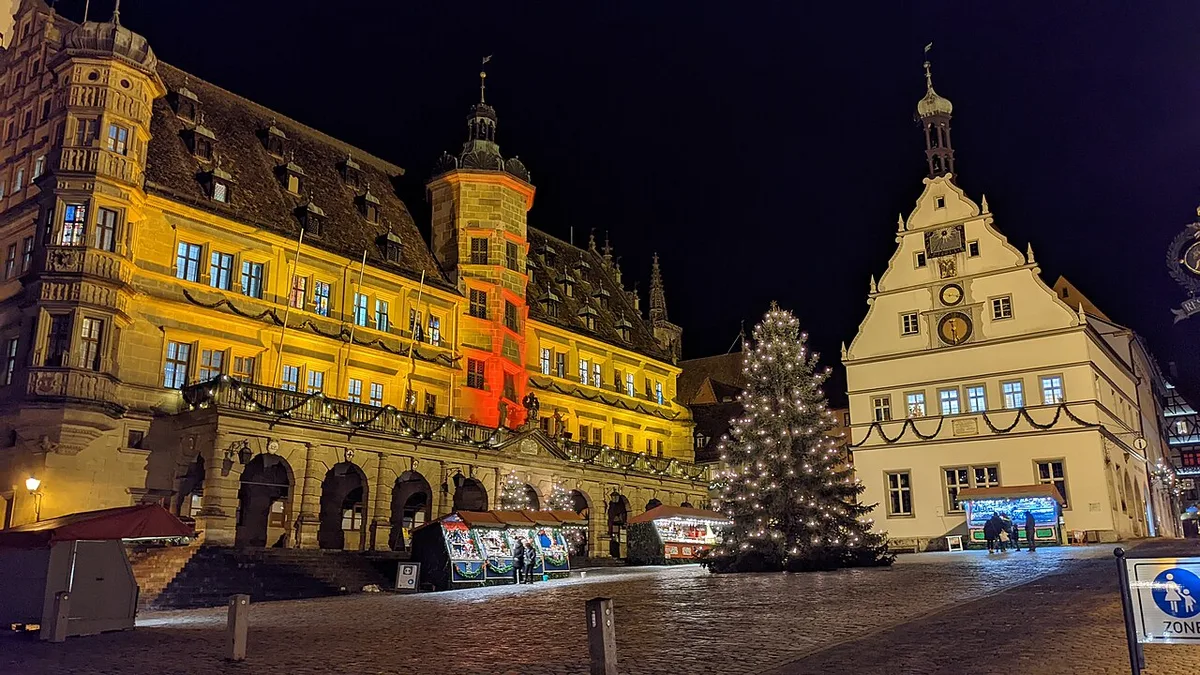
The second error is treating timetables as fixed. Rural buses and trains around Rothenburg vary by day and season, and the tourism service publishes mobility topics without guaranteeing a frequency. Verify on the operator's own current information close to your date, and have a walking plan as a fallback.
The third is over-scheduling. Rothenburg's old town is small, but the wall, the towers and the cobbles slow you down in ways a map does not show. Build slack into the day, and if you only have one day in itinerary terms, put the wall and one museum first and let the rest happen around them.
Plan Your Visit
The clean way to think about Rothenburg ob der Tauber is this: choose your arrival mode first, then forget about transport for the rest of the day. On foot, the old town, the gates and the wall form one continuous experience, and the compact scale is the whole point of the place.
Before you travel, check the tourism service for current parking, charging, bike and public transport details, because those are exactly the items that change between seasons. Confirm any figure you plan to rely on with the operator rather than an old page. Then pack light, wear decent shoes, and leave room in the schedule for the town to slow you down.
Frequently Asked Questions
Can you take a train to Rothenburg ob der Tauber?
Yes. Rothenburg ob der Tauber has its own railway station, and the tourism service treats rail arrival as part of its mobility guidance. The station is outside the walled old town, so the final stretch is a short uphill walk to the nearest gate rather than a taxi ride. Journey times and service frequencies are not something to take from a blog post; check the national rail operator's timetable for your specific date, and confirm connections if you are travelling on a Sunday or a public holiday.
How do you get from the station to the old town?
On foot. The station sits outside the walls, and the old town is close enough that most visitors simply walk in, aiming for the nearest gate and then following signs toward the Marktplatz. Allow more time if you are pulling a heavy suitcase, because cobbles and a gentle climb make wheeled luggage harder work than it looks. If mobility is a concern, ask the tourism service in advance about the most suitable route rather than assuming a step-free path exists.
Is Rothenburg ob der Tauber walkable?
The old town is compact and best explored on foot, with the main squares, gates and churches close together inside the walls. The catch is the surface: cobbles, steps and uneven lanes are normal, and the wall walkway has low headroom and steep connecting stairs in places. Comfortable shoes with grip are the single most useful thing you can pack. Anyone with limited mobility should treat the wall and towers as optional and check route suitability with the tourism service.
Do you need a car in Rothenburg ob der Tauber?
For the old town itself, no, and a car is mostly an inconvenience inside the walls. A car makes sense if you want to explore the surrounding countryside, the Romantic Road or the Taubertal at your own pace, and the town does provide designated parking and e-charging categories. Note that e-charging for cars and e-bike charging are listed separately, so confirm which one you need and whether it is currently available before relying on it.
How much time should you allow in Rothenburg ob der Tauber?
As a suggested duration rather than an official figure, allow one full day for the old town, the Marktplatz and a stretch of the wall, and two days if you want museums, the Taubertal paths or a day trip. Many visitors arrive on a coach and leave before evening, which is exactly when the town becomes quieter and more pleasant for walking. If you only have a day, prioritise the wall and one museum and let everything else fill the gaps.


