
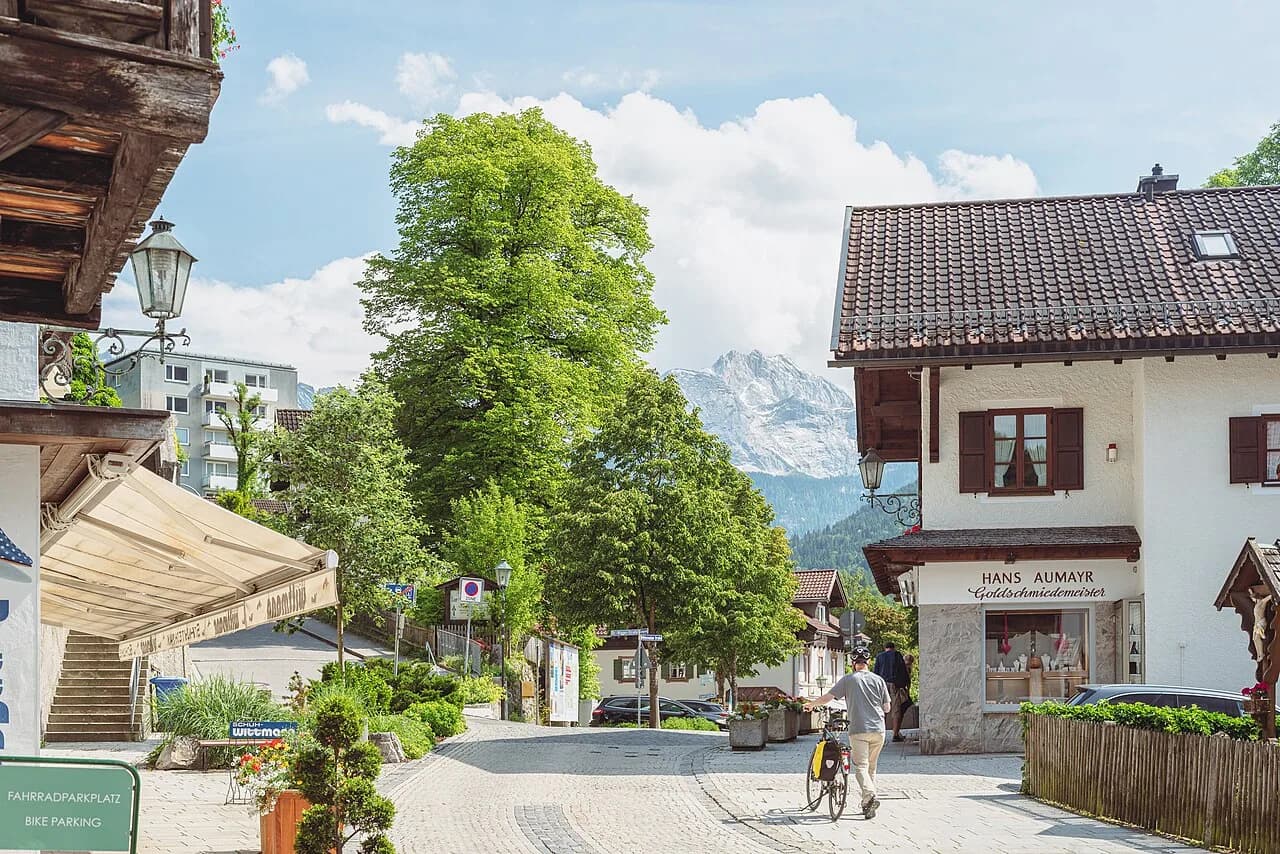
Three days is enough time to let Garmisch-Partenkirchen unfold as more than a single mountain excursion. You can spend one day on a moderate lower hike, one at the lake below the Zugspitze, and one mixing an excursion with a slower museum or spa pause. For a wider view of what the town offers across seasons, the Garmisch-Partenkirchen city travel guide is a sensible companion.
This plan suggests roughly one full day outdoors, one lake day, and one flexible day, but the order is deliberately swappable. Weather, snow cover and how tired your legs feel should decide whether the lake comes first or last. Treat everything below as a suggested duration, not an official schedule, because trail and lift conditions change through the year.
Garmisch and Partenkirchen were historically two separate towns before merging, and that history still shows in the layout. Garmisch is the busier side around the Kurpark, while Partenkirchen keeps a more traditional feel along Ludwigstraße. For a closer look at individual sights, the Garmisch-Partenkirchen landmark visitor guides collect the major named places in one place.
Why Three Days Fits Garmisch-Partenkirchen
One day in Garmisch-Partenkirchen forces a choice between the gorge and the lake, and a two-day stay still leaves something out. Three days is enough to walk a lower trail, spend unhurried time at the Eibsee, and add either a museum or spa session without racing. If you also want the Zugspitze summit and Neuschwanstein, add days rather than compressing them.
The town sits in the far south of Bavaria, around 90 kilometres southwest of Munich according to travel writing, which is why it works well as a base rather than a stop. GaPa Tourismus lists hiking, excursions and open cable cars as separate categories, so you can check which lifts and trails match the season you are visiting. Building the itinerary around that list keeps you from planning a walk that a closure has already changed.
A useful rule is to plan one anchor activity per day and leave the rest loose. Garmisch-Partenkirchen rewards slow days more than packed ones, and the valley town itself is walkable between its two halves. Save the over-scheduled version for a longer Bavaria trip rather than a three-day stay.
Day 1: A Moderate Lower Hike via Tannenhütte and the Partnachklamm Approach
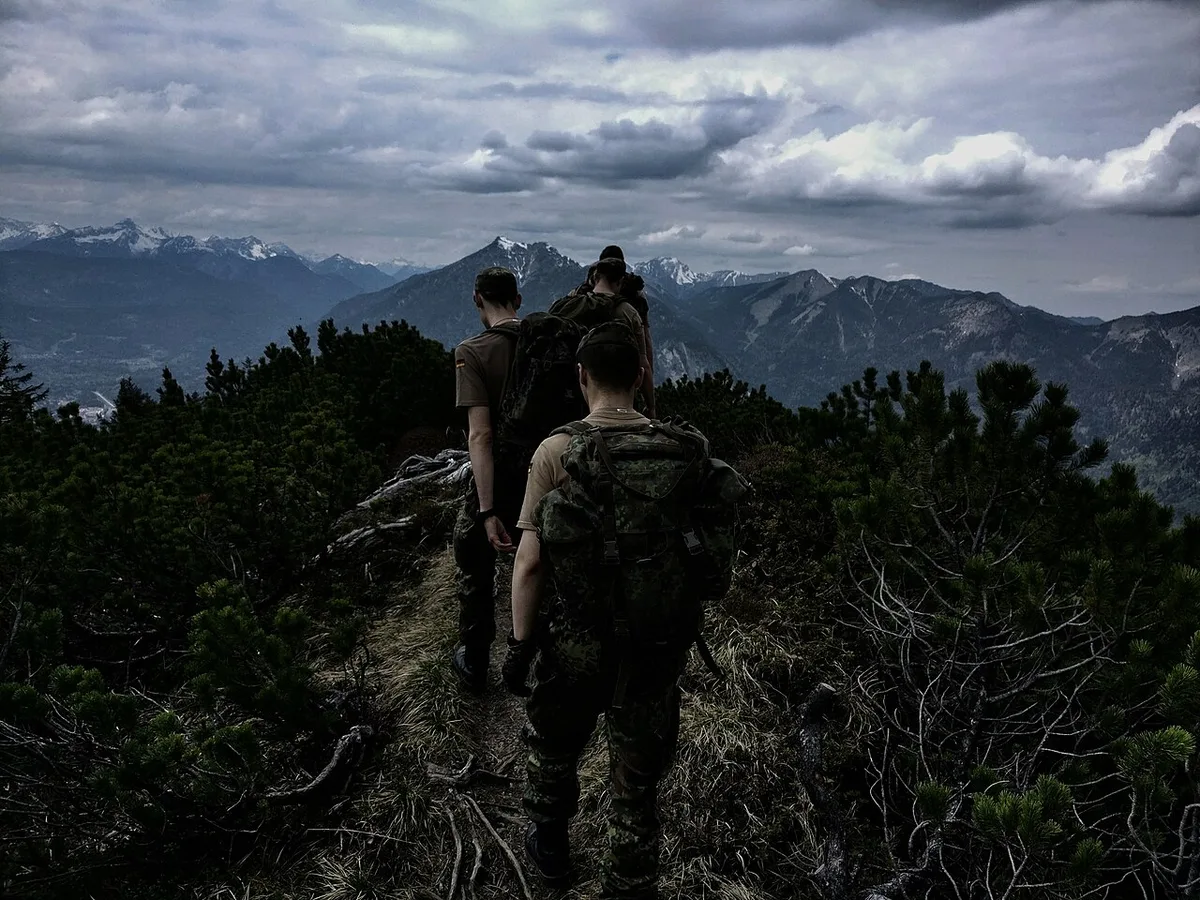
Start with the lower hike rather than the highest viewpoint, because it is the gentlest way to acclimatise. One travel guide describes a route from the Wankbahn valley station via St. Anton up to Tannenhütte, where the views open toward the Zugspitze range, then continuing about fifteen minutes to Eckenhütte before looping back. That same author estimates the full loop at roughly 7 kilometres and about two and a half hours, so treat the numbers as an editorial suggestion rather than an official measurement. For more detail on the mountain itself, see the Wank Mountain visitor guide.
The named huts along this route serve food, but assume that service can be seasonal and check the day's situation in town. Carry water and a layer regardless of the forecast, since lower alpine trails change quickly above the valley. Starting from Partenkirchen instead of the Wankbahn station is a reasonable alternative if you prefer to walk out of town.
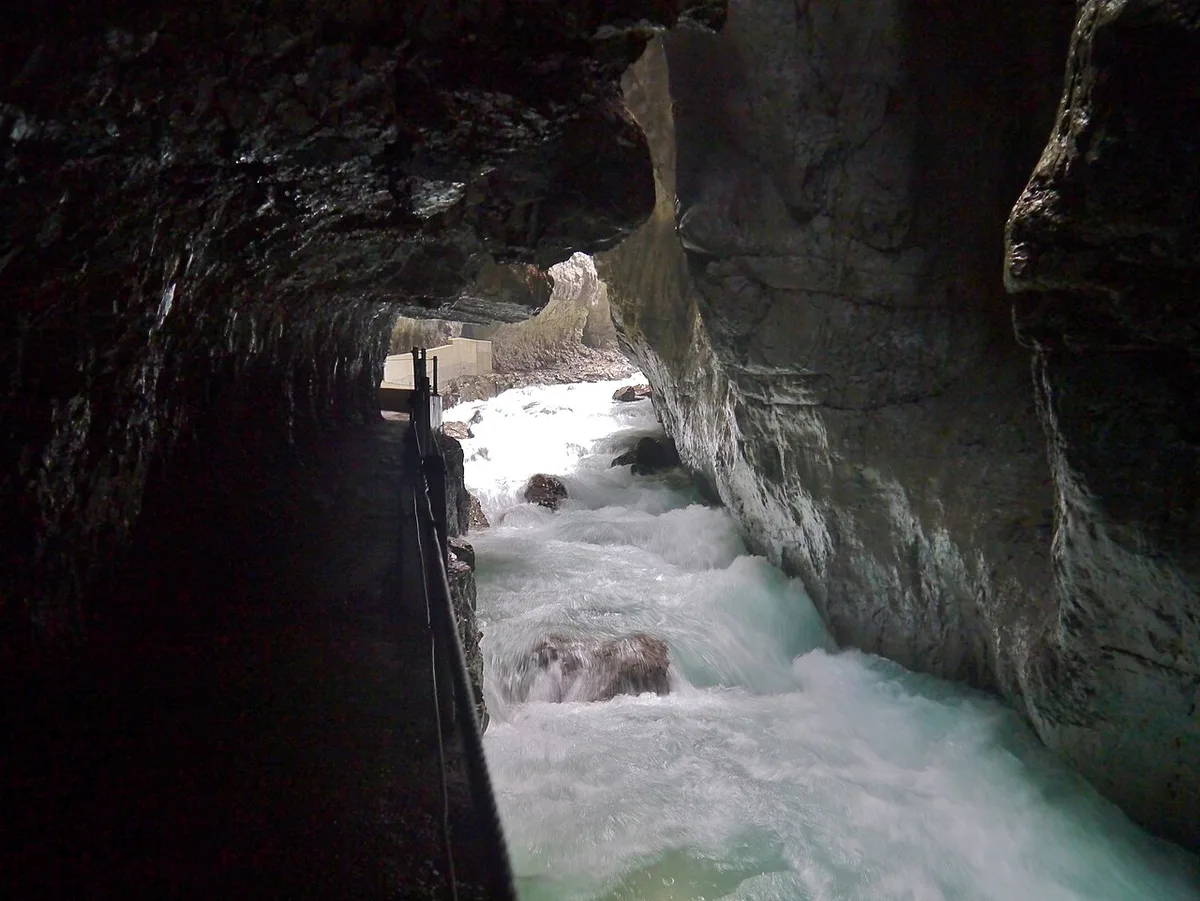
In the afternoon, walk the approach to the Partnachklamm from the Olympic arena area rather than committing to the full gorge route. The Partnachklamm itself is a ticketed gorge, while the surrounding valley paths and the arena grounds are open to walkers. Travel writing places the arena right beside the walk from the parking area to the gorge entrance, which is what makes combining them on foot practical. The Partnachklamm visitor guide covers the gorge experience in more detail.
The Olympia Skistadion grounds are free to visit, unlike paid entry gorges and cable cars, so they work as a no-cost stop before or after the walk. GaPa Tourismus operates a webcam at the Olympiaschanze, which is a quick way to see current conditions before you head over. Guided tours of the ski jump are sometimes offered, so confirm details locally if that interests you.
Day 2: Eibsee Lake Loop and the Optional Cable Car Decision
Give the second day to the Eibsee, the lake at the foot of the Zugspitze where the water reflects the surrounding peaks. The lakeside loop is a free walk, and one travel guide describes the circuit as roughly 7 kilometres taking about two hours at an easy pace. That timing is a suggestion based on that author's experience, not an official measurement, so allow extra time for photographs and rest stops.
The one real decision of the day is whether to ride the cable car from the Eibsee up to the Zugspitze summit. That cable car is a separate paid ticket and is not included in walking the lake, so treat the two as different activities with different budgets. Travel writing describes the ascent from the lake as taking about ten minutes, which is a useful sense of scale for the ride itself.
If the summit is not in your plans, the lake day stays inexpensive and relaxed: walk the loop, swim in summer if conditions allow, and picnic on the shore. The lake is also easy to visit before or after a cable car ride, so you can defer the decision until you see the weather at the water's edge. Check current fares and operating status with the lift operator rather than relying on older published figures.
Day 3: A Half-Day Mittenwald Excursion or a Museum and Spa Pause
For the third day, choose between heading out of town or staying in it, and let the forecast decide. Travel writing describes Mittenwald as a small town east of Garmisch-Partenkirchen with a cobbled Altstadt and painted house facades, a short drive away. If you want a slower day, a museum visit or a spa session in town uses the same hours with less travel.
Mittenwald suits travellers who want another compact alpine town and are happy to spend a half-day on the move. The old town is walkable and the surrounding peaks frame the streets, so a simple wander plus a meal covers the essentials. Confirm transport connections and any seasonal service changes before you set out, since schedules and closures vary through the year.
The in-town alternative pairs a museum with a spa or wellness pause, and both are things you should check directly with the operator. GaPa Tourismus lists museums and exhibitions alongside wellness and spa options, which is the right place to see what is currently open. Do not assume a single ticket covers several collections; confirm scope and admission with each venue before you go.
Whichever you choose, keep the evening free for the half of town you have not yet walked. Ludwigstraße in Partenkirchen is the traditional street to stroll, while the Kurpark area in Garmisch is the busier pedestrian side. Reading about the landmarks in advance helps you prioritise if the day runs short.
Eibsee Loop or Mittenwald: Choosing Your Last Day
If you have already done a big lake day, Mittenwald adds a different kind of stop: a town rather than a shoreline. If your first two days were mostly hiking, the Eibsee loop is the gentler choice and gives you water and mountain reflections without much elevation. Match the day to your energy rather than to a ranking of the sights.
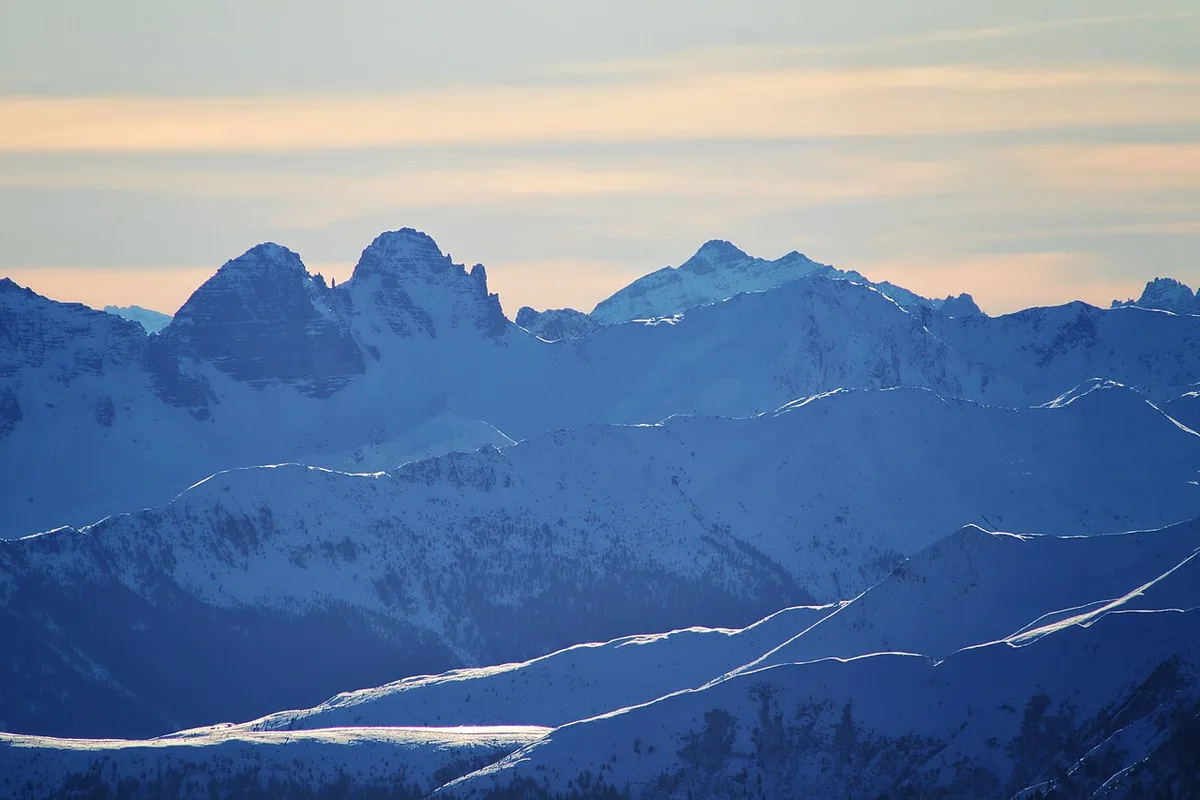
The Eibsee loop can absorb a full day if you linger, bathe in summer or add the cable car, while Mittenwald works well as a half-day that returns you to town by evening. That difference matters when you are packing up the next morning. A shorter version of this trip is covered in the 2 Days in Garmisch-Partenkirchen itinerary.
A practical compromise is to walk the lake early and save Mittenwald for a late-afternoon wander if energy allows. Distances between the two are short enough that the decision is about time and mood, not logistics alone. Check current transport options in town rather than relying on a fixed timetable.
Free Versus Paid: Grounds, Gorges, Lakes and Cable Cars
The clearest budget distinction in this itinerary is between open ground and ticketed interiors. Travel writing notes that visiting the Olympic arena is free and that the Eibsee lakeside loop is a walk you do on foot, while the Partnachklamm is a paid gorge with entry collected at the site. Cable cars, including the ascent to the Zugspitze, are separate paid tickets from any walking you do at ground level.
Gorge access can also be affected by season and conditions, so never treat a paid site as automatically open. Travel writing notes that the nearby Höllentalklamm has a restricted access window rather than year-round passage, which shows how variable these routes can be. Check the operator's current status before building a day around a specific gorge.
Museums and spa facilities sit in their own category again, and a ticket for one collection rarely covers a whole complex. Because admission and hours are set venue by venue, the reliable approach is to ask the operator directly or check the town's listings before you travel. GaPa Tourismus publishes the categories that matter for that check.
Suggested Pace and Seasonal Trade-offs
Garmisch-Partenkirchen works as a year-round destination according to travel writing, but what you can do shifts with the season. Summer is the hiking and swimming window, winter turns the area into a ski base, and spring and autumn tend to bring fewer crowds with still-decent walking conditions. Choose your anchor activity to match the month rather than forcing a summer plan into a winter visit.
A sensible pace for three days is one demanding walk, one easy lake day, and one flexible day with a single commitment. That structure leaves room for weather changes without cancelling the trip's best parts. If you know you want summit views, treat that as the anchor and build the other days around it.
Winter and shoulder seasons change which lifts and trails are usable, so check the day before each outdoor day. GaPa Tourismus maintains an open cable cars and lifts page for exactly this purpose. Plan a backup museum or spa day so a closed trail does not undo your itinerary.
If you like comparing alpine and urban breaks before committing, similar three-day structures exist elsewhere in Germany and can help you judge how much ground is realistic. A three-day format also works in larger cities where you cover districts rather than mountains. The principle carries over: fewer anchors, more breathing room.
Getting Around Without a Car
You can reach the main stops in this itinerary without a car, since travel writing notes that the Partnachklamm, Eibsee and the Wank hike can be managed using local buses and trains, though a car makes touring the wider region easier. The town itself is walkable, and the Olympic arena sits near the walk toward the Partnachklamm. For the Eibsee, public transport runs from town, but confirm current connections before relying on them. If you are also basing yourself in the region, the Garmisch-Partenkirchen hiking trails guide covers the wider trail network.
Arrival is straightforward by rail from Munich, and the local network covers several of the nearby villages. If you plan to add Mittenwald or a lakeside stop, check the day's timetable rather than assuming a frequent service. GaPa Tourismus publishes arrival and visitor guidance for the town, and a town-versus-district comparison is available in the Garmisch versus Partenkirchen orientation guide.
Plan Your Visit
Build the three days around one moderate hike, one lake day and one flexible day, and the trip stays realistic even when the weather turns. Confirm gorge entry, cable car status, museum hours and spa arrangements with the operators close to your dates, since those details change. Use the town's own visitor pages as the final check before you travel.
If you are weighing this trip against other German city breaks, the same three-day rhythm of anchors and downtime applies. A 3 days in Berlin itinerary shows how much a compact plan can cover in an urban setting. Either way, leave room for the unexpected, because that is usually the part you remember.
Frequently Asked Questions
How many days do you need in Garmisch-Partenkirchen?
Three days is a comfortable minimum for this kind of itinerary: one day for a moderate lower hike and the Partnachklamm approach, one for the Eibsee loop, and one flexible day for Mittenwald or a museum and spa pause. Two days is possible but forces you to drop either the lake or the hike. If you also want the Zugspitze summit and Neuschwanstein, add extra days rather than compressing them.
Can you visit Eibsee and Partnachklamm in three days?
Yes, and separating them across two days is the simplest way to do it. Give the gorge its own morning as part of the hiking day, then use a separate day for the Eibsee loop. Trying to combine both into one day is possible but rushed, and it leaves no margin for weather or closures.
What can you do for free in Garmisch-Partenkirchen?
Travel writing describes the Eibsee lakeside loop as a free walk and the Olympic arena grounds as free to visit, while walking between the town's two halves costs nothing but time. Paid elements such as gorge entry and the Zugspitze cable car are separate. Museums, spa facilities and guided tours have their own arrangements, so check with each operator.
Is Mittenwald or Garmisch-Partenkirchen better for a day trip?
Mittenwald is small and walkable, which suits a half-day excursion from Garmisch-Partenkirchen, while Garmisch-Partenkirchen has more to fill multiple days. If you are already staying in Garmisch-Partenkirchen for three days, treating Mittenwald as an optional half-day works well. Otherwise, base yourself in Garmisch-Partenkirchen and use it as the hub.
Do you need a car for a 3-day Garmisch-Partenkirchen itinerary?
No, the core stops in this plan can be reached by local buses and trains, and the town is walkable. A car makes wider regional touring easier and can simplify reaching outlying lakes. Either way, check current timetables and seasonal service changes before you depend on a specific connection.


