

The Kreuzviertel rewards walking rather than a checklist stop because its appeal is spread across ordinary residential blocks rather than concentrated at one gate or monument. There is no single official trail here, so the route below is a suggestion you can bend around your own interests. The city's marketing and communication office describes the district as a trendy neighborhood known for individual cafés away from the big chains, framed by four streets: Hohe Straße, Sonnenstraße, Lindemannstraße and Kreuzstraße.
One caveat shapes everything that follows: the same listing carries an "always open" status, which is the publisher's note about the district as a whole, not a promise about any individual shop, café or doorway. Do not read it as opening-hour information for businesses. Treat anything you want to enter as something to check directly with that business before you go.
Why the Kreuzviertel Suits a Walk
The Kreuzviertel mixes historic architecture with a lived-in urban feel, which means the interesting parts are the transitions between streets rather than a single sight. That is exactly the kind of district where a fixed itinerary helps least and a loose loop helps most. Set a rough direction, then let side streets pull you off it.
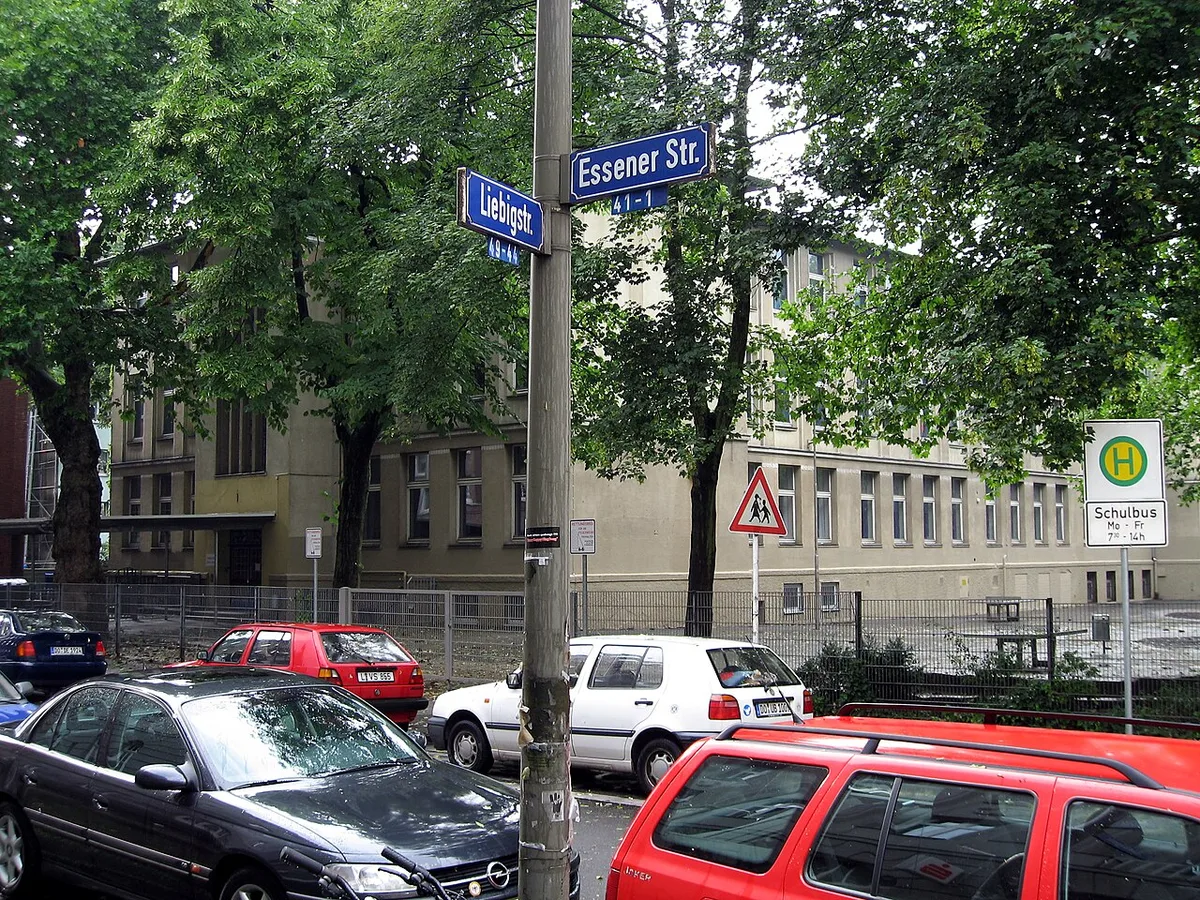
Unlike a museum visit, there is no ticket, no turnstile and no closing hour that structures your time. That freedom is the point, but it also means you have to decide for yourself when a block has given you what it has. If you want a city-level overview before narrowing to one district, the Dortmund travel guide gives the wider context of how this neighborhood fits into a short trip.
Where the Kreuzviertel Is: The Streets That Frame It
The city's listing for the district describes it as framed by four streets: Hohe Straße, Sonnenstraße, Lindemannstraße and Kreuzstraße. Treat that as one publisher's description of the district's edges rather than an official municipal boundary, because it is a tourism listing, not a zoning document. In practice it gives you four recognizable lines to navigate by.
Kreuzstraße carries the 44137 Dortmund postal code in the same listing, which is a useful anchor when you are checking addresses or planning arrival. The marketing office describes the district as nestled in the city's core. If you are building a wider day around Dortmund landmarks, the landmark visitor guides hub is a sensible place to line up what else you want to see.
Orienting Yourself Before You Start
There is no prescribed starting point, no marked trailhead and no fixed sequence published for walking the Kreuzviertel. The district is described as always open, which is the publisher's status note for the area as a whole rather than a claim about any café, bar or shop inside it. Plan your own start, and choose it based on the street you want to see first rather than on any official entry point.
A paper or offline map is worth carrying because the appeal of the district is in drifting between residential blocks, and phone screens flatten that. Work out which of the four framing streets is closest to where you arrive, then decide whether to walk the loop clockwise or counterclockwise. For broader city orientation, events and municipal notices, dortmund.de is the official city surface.
A Suggested Walking Order: Kreuzstraße First, Then the Quiet Blocks
The publisher describes Kreuzstraße as the district's lively shopping street, where boutiques and cafés each show a facet of the city's urban culture. That makes it the natural spine of a walk: start here while your attention is fresh and the storefront rhythm gives you an easy pace to follow. This sequence is our recommendation, not an official route.
Once Kreuzstraße starts to feel repetitive, cut sideways toward the streets named as the district's frame and let the commercial density thin out. The trade-off is real: deeper residential blocks offer calmer architecture and a better sense of how people actually live here, but fewer reasons to stop and browse. A useful rule is to switch when you notice you are looking at windows rather than at the street.
If you would rather have a second, structurally different walk in the same city, a Dortmund itinerary built around two days spreads the district across a morning and frees the rest of your time. Keep the Kreuzviertel as a half-day block rather than trying to fill a whole day with it.
Suggested Duration and Pacing
Allow roughly two hours for a relaxed loop through the shopping spine and a few residential side streets, clearly labelled as a suggestion rather than an official figure. That budget assumes slow browsing and at least one sit-down break; a brisk pass-through of the same streets could take under an hour. Neither number comes from the city, so adjust it to how you actually walk.
Pacing matters more than distance here because the district is compact and the point is texture, not mileage. Build in a stop rather than saving it for the end, since the cafés are part of the experience rather than a reward after it. If you are combining the walk with bigger Dortmund sights later in the day, keep the walk short and leave the long legs for those.
What You Will Actually See
Expect a mix of historic architecture, small independent shops, boutiques and creative businesses rather than chain retail. The city's own description emphasizes individuality over the conventional, and that shows up in the storefront scale and the way businesses sit inside residential buildings. Category is the honest way to describe it: you will find independent cafés and small shops, not a branded high street.
Because the district is described as more vibrant in the present than lavish in history, do not arrive expecting a dense cluster of monuments. The appeal is streetscape, shopfronts, and the way a residential quarter has absorbed small-scale commerce. If you want the city's industrial and post-industrial set pieces alongside this, look at the hidden gems in Dortmund for quieter options beyond the obvious stops.
Deciding Where to Stop
Use a simple decision rule instead of a fixed list: stop when a place gives you something to look at from the street, keep moving when it does not. Since no specific café, bar or shop should be treated as a scheduled highlight, this rule keeps the walk honest and prevents disappointment. It also means your route stays flexible if a place is busier or quieter than you expected.
Browsing, sitting and moving on are three different activities with different time costs, and mixing them freely is what makes a self-guided walk work. A sit-down break in the middle keeps your attention alive for the second half; skipping it saves time but flattens the experience. Decide your budget before you start rather than negotiating it at every doorway.
Practical Notes for a Residential District
The Kreuzviertel is a lived-in neighborhood, not an open-air museum, so treat doorways, front steps and windows as private property rather than attractions. Keep your voice down in the quieter blocks and step aside for bicycles on narrow stretches. Photography from the public street is fine; photographing into homes and entrances is not.
No accessibility information for the district's streets, sidewalks or businesses is published in the sources behind this guide, so do not assume a flat or step-free route. If step-free movement or seating frequency matters to you, check the specific streets in advance and plan the walk around them. That verification is worth doing before you commit to a long loop.
Pairing the Walk With a Wider Dortmund Day
The Kreuzviertel works best as one block in a larger Dortmund day rather than as the whole day. For an evening-oriented plan that fits around a daytime walk, the guide to things to do in Dortmund at night covers what opens up once the shops close, including the Dortmunder U.
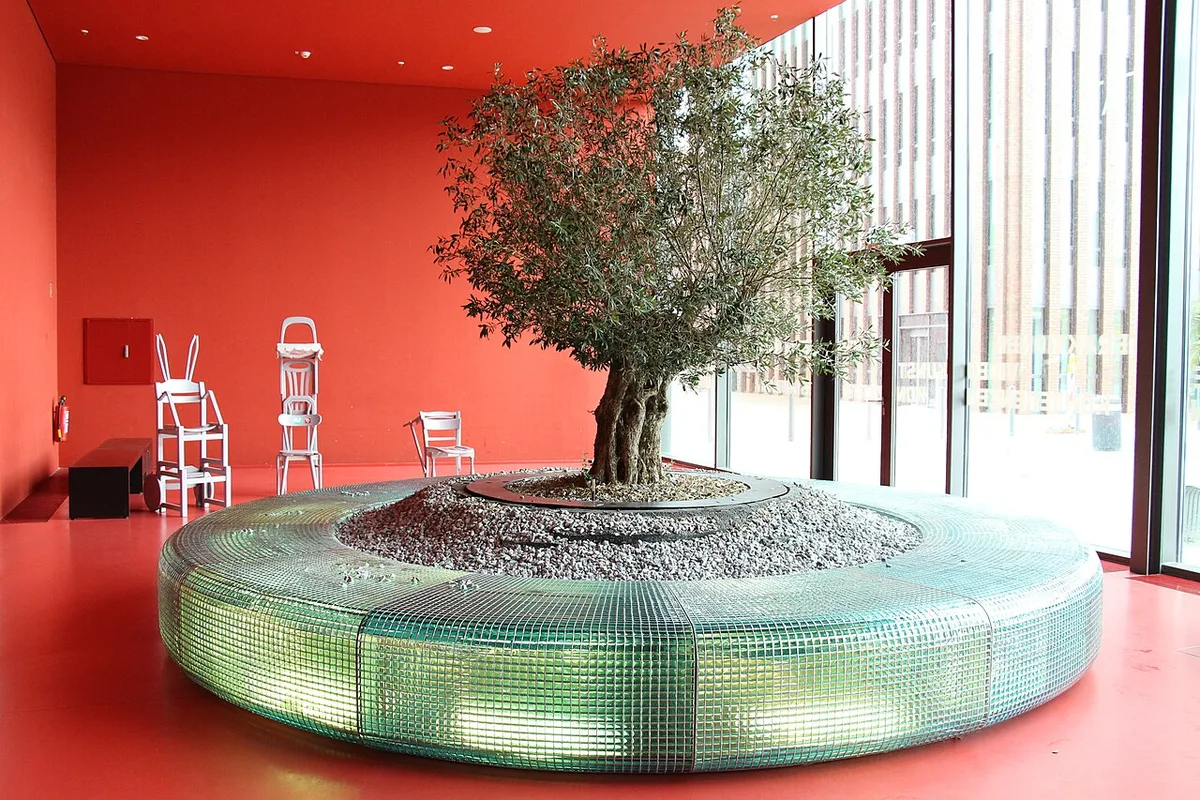
The Dortmunder U is a cultural venue on several levels with its own programming, so check current exhibitions and visitor information directly on its site rather than guessing; its own listings note that some floors and exhibitions are ticketed while others are not. The DASA working-world exhibition is another Dortmund option with published visitor information if you want an indoor counterpart to a street walk. Keep any pairing flexible: ticket prices, opening hours and exhibition dates for these venues change and should be confirmed at the source.
If your priority is keeping costs down across the trip, it is worth checking which Dortmund sights are genuinely free to enter before you build a day around them.
Seasonal and Weather Considerations
This is an outdoor walk with no published shelter plan, so weather decides more than any itinerary does. Dortmund weather through the year is changeable, and the district offers little more than shopfronts and doorways as temporary cover. Check the forecast on the day and carry a light rain layer rather than planning a fixed date far ahead.
Light is the other variable worth planning around, because a residential district reads very differently in low winter light than in a long summer evening. If you want the streets at their most legible, start earlier in the day and finish before dusk. If you want atmosphere, an evening loop along the shopping spine works, but keep to streets you already know.
Self-Guided Versus Guided
A self-guided walk wins on cost, pacing and control: you decide when to stop, when to turn back and how long to stay in one block. It loses on interpretation, because nothing on the street explains what you are looking at. If you want narrative and background, budget for a guided format instead.
Note carefully what a guided option actually covers before you compare it with this route. One commercially listed Dortmund walking product meets at a pharmacy on Hansastraße, outside the Kreuzviertel, and is sold in US dollars rather than euros, so it is not a Kreuzviertel tour; its notes also state it is not suitable for people with mobility impairments, and its pricing should not be read as a benchmark for the district.
Plan Your Visit
The Kreuzviertel is best treated as a flexible loop rather than a fixed route: start on the shopping spine, drift into the quieter residential streets, and stop when the texture thins out. Keep the suggested two hours loose and let a break in the middle reset your attention. Because the district is described as always open, the constraint is your own energy, not a gate or a closing time.
Confirm anything specific before you rely on it, because this guide deliberately carries no opening hours, prices or business names for the district. Check individual businesses directly and use the city's own pages for events and city-wide notices. That way the walk stays a walk rather than a schedule you have to keep.
Frequently Asked Questions
How long does a self-guided Kreuzviertel walk take?
There is no official duration, because no authority publishes a prescribed route here. Our suggestion is roughly two hours for a relaxed loop that includes the shopping spine and a few residential side streets, with at least one sit-down break. A brisk walk through the same area can be done in well under an hour. Decide your own budget before you start, since the district is compact and the variable is how long you linger rather than how far you go.
Is the Kreuzviertel walk free to do?
Walking the streets costs nothing, and the district's own listing describes it as always open, which is the publisher's note about the area rather than about individual businesses. Whether you spend anything depends entirely on what you choose to enter or buy along the way. Any specific business, café or venue you want to visit should be checked directly for its own terms, because no prices or opening hours for Kreuzviertel businesses are published in the sources behind this guide.
Can you walk the Kreuzviertel at any time of day?
The district listing states an always open condition, so as an area it is not gated or time-limited. That status applies to the neighborhood as a whole and does not extend to individual shops, bars or cafés, which set their own hours. Walking a residential district after dark is a personal judgement about comfort and light rather than a rule, and you should expect quieter streets and fewer people on the residential blocks.
Where exactly is the Kreuzviertel in Dortmund?
The city's listing for the district describes it as framed by four streets: Hohe Straße, Sonnenstraße, Lindemannstraße and Kreuzstraße, with Kreuzstraße carrying the 44137 Dortmund postal code. Treat that as the publisher's description of the district's edges rather than an official municipal boundary, because it comes from a tourism listing. For orientation, work out which of those four streets is nearest your arrival point and start there.
What will I actually see on the walk?
Expect historic architecture alongside small independent shops, boutiques and cafés rather than a chain retail corridor. The city's description stresses individuality over the conventional, and that shows in the scale of the storefronts and the way businesses sit within residential buildings. Do not expect a dense cluster of monuments, since the district is characterised as more vibrant in the present than rich in historical set pieces. The streetscape itself is the attraction.


