

Augsburg rewards a slower pace than most three-day lists suggest. The old town is compact enough to walk end to end, and the Fuggerei sits close enough to the centre that you can pair it with an afternoon rather than spending a whole day crossing the city. A suggested three-day framework therefore gives you one day on foot, one day for the Fuggerei and the water heritage around it, and a genuinely open third day.
That third day is the real decision. You can go deeper into the city's museums or leave town entirely, and the two options suit different travellers rather than being interchangeable filler. Just as important, several Augsburg museums close on Mondays, so the calendar decides more than taste does here. Plan the Fuggerei and the old town around whichever day you land.
Crowds are rarely the problem in Augsburg compared with Munich or Nuremberg, which means you can decide some things on the morning itself. Opening times still shift, though, so confirm each site the day before rather than trusting a printed plan. The city publishes current visitor information through its own tourism pages.
Why Three Days Fits Augsburg
Two days cover the essentials comfortably: Maximilianstraße and the Rathaus, the cathedral quarter, and the Fuggerei with its museums. The two-day version of this trip already works well for anyone short on time, and it is worth comparing the lighter plan before committing to three days.
The third day buys you either depth or distance. Depth means the Römerlager im Zeughaus, the H2 centre in the Glaspalast, and unhurried time among the city's collections. Distance means a train trip out of Swabia, and Augsburg Hauptbahnhof puts several options within reach.
Three days is not too long for Augsburg if you use the time honestly. It is too long if you plan to repeat the same old-town walk three times, which is the most common way people waste a third day here. Treat day three as a deliberate fork rather than more of day one.
Before You Go: Booking and Closed Days
Monday is the constraint that shapes the whole itinerary. The Römerlager im Zeughaus opens Tuesday to Sunday from 10:00 to 17:00 and closes on Mondays, and the listing itself notes that hours can vary, so confirm before travelling. If your first full day is a Monday, put the Fuggerei and old town there and save the museums.
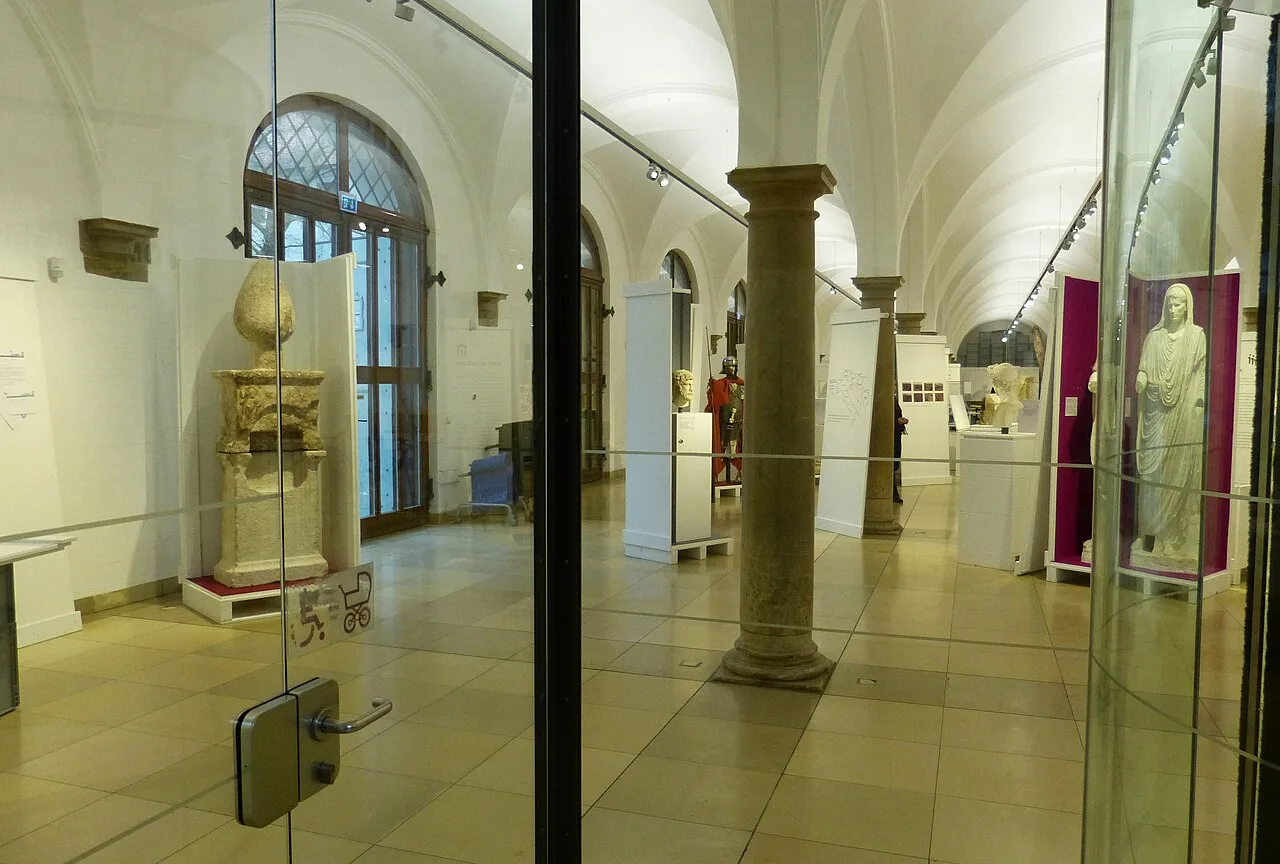
The H2 Centre of Contemporary Art in the Glaspalast follows the same pattern: it is listed as open every day except Monday, 10 am to 5 pm. Those hours apply to that institution, not to every museum sharing the building, and not to the Maximilianmuseum. Do not assume one ticket covers a whole complex.
Book what genuinely sells out before you arrive. The zoo describes its guided experiences, including behind-the-scenes visits and the early-morning or evening tours, as popular, with some slots already full weeks ahead, so reserve those early in your planning. For most other sites, a same-day decision usually works fine outside peak season.
Day 1: Old Town on Foot
Start at the Rathaus on Rathausplatz and take in the Renaissance facade before walking Maximilianstraße, the wide boulevard that stitches the old town together. Both are free to look at from outside, and the street itself is the best orientation tool in the city. Give the morning to this axis rather than racing to tick off individual buildings.
St. Peter am Perlach sits against the Perlachturm, and the church is known for its Marian painting. The tower's status is the open question on this walk: one source describes the 258-step climb to an observation platform as currently closed for renovation, while other visitor writing still presents the climb as an attraction. Check at the tower itself rather than promising anyone a view.
The tower's history is at least settled. It began as a watchtower in the tenth century, was raised taller in the early seventeenth century under city architect Elias Holl, was damaged in the Second World War, and reopened in 1950. Treat those dates as background reading, not as a schedule for your visit.
Finish the afternoon in the cathedral quarter, where the Augsburger Dom and the abbey of St. Ulrich und Afra anchor a quieter end of the centre. Church interiors require modest dress, so carry a layer for bare shoulders or knees. If you are running late, drop the abbey and keep the cathedral, which sits closer to the main walk.
Day 1 Practicalities: Food and Fountains
Break for lunch when the Rathaus crowds peak rather than at a fixed hour. One Bavarian Wirtshaus meal is the right splurge for the trip, and Augsburg has falafel and pizza options if you want something cheaper and quicker. Keep the midday break short and you will still finish the cathedral quarter before closing time.
The fountains and canals threading the centre are part of the UNESCO-listed Water Management System of Augsburg, inscribed in 2019 and evolving since the fourteenth century. The system includes canals, water towers from the fifteenth to seventeenth centuries, a water-cooled butchers' hall, three monumental fountains, and hydroelectric stations still generating power. Walking between them costs nothing and turns a plain stroll into a self-guided thread.
The system's engineering detail is what makes it worth a second look: drinking water was separated from process water as early as 1545, well before the hygiene science that explained why it mattered. Keep the water story as a walking theme rather than a separate excursion. It keeps you outdoors and moving while the museums wait for day three.
Day 2: The Fuggerei
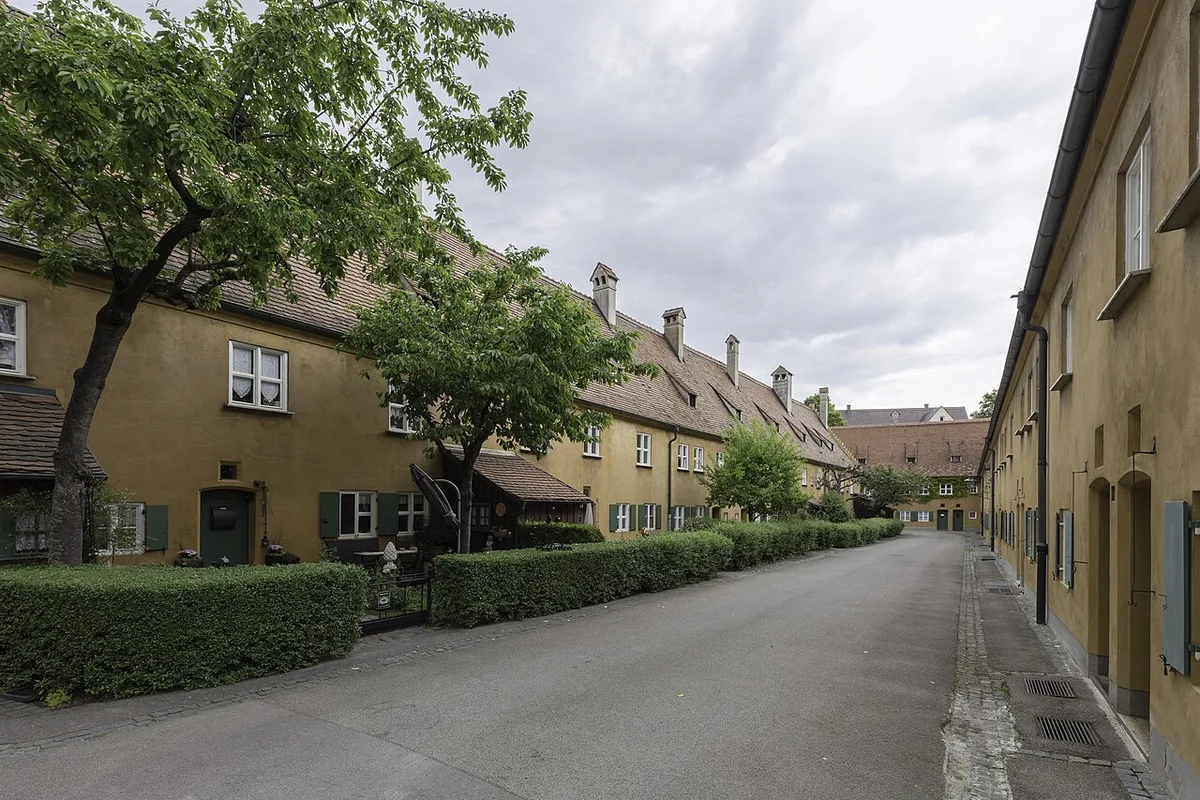
The Fuggerei is the oldest existing social settlement in the world, founded by Jakob Fugger in 1521 and still operating as a walled quarter with its own church, 67 houses and 142 apartments. Roughly 150 Catholic Augsburg residents live there, and the community is still funded through the original foundation. That living function is what separates it from a museum village.
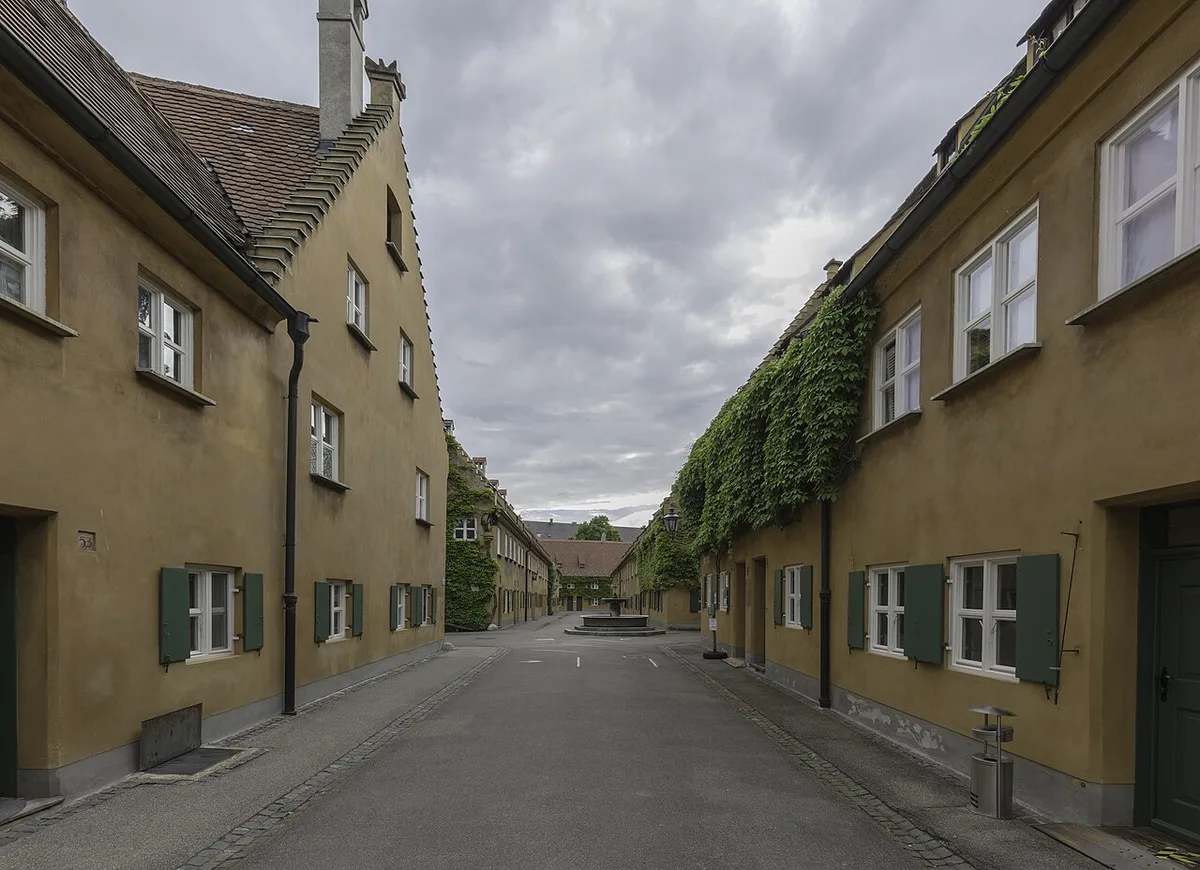
The key budgeting distinction is between the grounds and the interiors. The four museums, including a reconstructed historic apartment and the exhibition in the wartime bunker, are visitable against an entry fee, while the settlement itself is a working neighbourhood. The operator publishes current admission prices, opening times and tour schedules on its own ticketing and visitor pages, so check those figures there rather than relying on older travel posts.
A guided tour changes the visit more than any individual museum room. The operator runs a public tour every Saturday at 3 pm, and separate formats exist for school classes and organised groups, which is why the commentary matters if you want the social history rather than just the architecture. Book ahead if your dates are fixed, especially in summer.
Day 2 Afternoon: Water Heritage and Green Space
Use the afternoon to follow the water system beyond the old town, where the scale becomes obvious. The network runs to roughly 200 kilometres of waterways and more bridges than Venice, which explains why this is a citywide story rather than a single monument. Pick two or three components close together instead of attempting a full circuit.
If you want a slower finish, the parks at the northern end of the Siebentischwald sit around the zoo, and the botanical garden lies directly opposite the zoo entrance. Both are outdoor, weather-dependent options rather than wet-weather backups. On a rainy afternoon, switch to an indoor museum instead of forcing a park visit.
Day 3 Option A: A Museum Day
Stay local and the day builds around two contrasting collections. The Römerlager im Zeughaus presents Roman Augsburg through excavated finds, which grounds the city's Roman past in objects. Pair it with the H2 centre for contemporary work in the Glaspalast, and the two together cover roughly two millennia in one day.
The four major institutions in the city's cultural collections are the Maximilianmuseum, H2, the Römerlager im Zeughaus and the Schaezlerpalais, and a digital hub app titled Kunstsammlungen & Museen Aux connects their exhibits and tours. That app is a discovery tool, not a shared admission ticket, so budget each site separately.
Build the day around the Monday closure rather than against it. If your third day falls on a Monday, this entire option collapses and day three should become the day trip instead. That single check saves more itinerary repair than any other planning step.
Day 3 Option B: A Day Trip Out of the City
Augsburg Hauptbahnhof makes leaving town straightforward, and the honest way to choose is by interest rather than by distance. Donauwörth, a Romantic Road town on the river, suits anyone who wants historic streets, water and a doll museum in a compact setting. Munich suits a big-city day with museums and transport that run late. Verify connections and times in the operator's own timetable on the day, because published journey times in travel posts go stale.
Staying local is a legitimate third option, and it is the right one if the weather turns or you are travelling with children. A half-day in the city plus a long lunch beats a rushed return train. Decide the night before, not at the platform.
Day 3 for Families: Zoo and Botanical Garden
Zoo Augsburg opens 9:00 to 17:00, with last admission and ticket sales ending at 16:00, and it sits in the parks at the northern end of the Siebentischwald. Around 1,200 animals from more than 240 species live there, with the Africa Panorama, a walk-in ring-tailed lemur enclosure and a petting zoo among the draws. Buy tickets at the gate or through the zoo's own site, where current prices and any changes are listed.
The botanical garden sits directly opposite the zoo entrance and holds around 3,100 different plant species, which makes a combined day easy without extra transport. Treat both as weather-dependent: this is an outdoor day, not a wet-weather plan. The miniature steam train inside the zoo runs only at weekends and during holidays, so check the calendar if that matters to your children.
Guided zoo experiences, including behind-the-scenes visits and the morning or evening tours, are described as very popular, and some areas are booked weeks in advance. Reserve those before you leave home rather than hoping for a walk-up place. Penguins and brown bears cannot be visited during breeding and hibernation periods.
Getting Around and Where to Eat
The old town is genuinely walkable, and the Fuggerei is close enough to reach on foot from the centre, so transit is a fallback rather than a necessity. Use it when you are tired, when it rains, or when you are heading out to the zoo. Check live timetables locally rather than planning around published journey times or line numbers.
For food, aim for one proper Bavarian meal in a Wirtshaus, one cheap lunch, and one falafel or pizza night. That mix keeps the trip affordable without turning every meal into a search. Vegetarian and vegan options exist in the traditional places too, though the range varies by kitchen.
Tap water is drinkable in Augsburg, so carry a bottle and refill it rather than buying water all day. That is a small saving that adds up across three days. Keep a card and some cash on you, since not every small counter takes the same payment methods.
What a Three-Day Trip Costs
The free layer of an Augsburg trip is bigger than most visitors expect: streets, squares, fountains, the cathedral exterior, the Fuggerei's grounds and the parks cost nothing to walk through. The paid layer is the ticketed interiors and museums, plus the zoo and any guided tours. Separating those two lists before you go is the single most useful budgeting step.
Do not anchor a budget to figures from travel blogs. Prices for the Fuggerei museums, the zoo, the municipal museums and regional rail passes change, and older posts quote outdated sums. Check the operator's own page for each site the week you travel, and treat any number you read elsewhere as a starting question rather than an answer.
One way to control cost is to decide in advance which paid interiors you actually want, rather than adding museums as you walk past them. Two or three ticketed sites across three days is a reasonable target. Everything else can stay free.
When to Visit and Where to Base Yourself
Late spring and early autumn give the best balance of comfortable walking weather and manageable crowds, and the Christmas market season draws its own visitors with the city's Advent calendar tradition on the Rathaus facade. Summer is liveliest but also the period when guided zoo tours fill fastest. Winter is quieter outside the market weeks, and church visits then double as warm indoor stops.
For accommodation, the old town puts the day-one walk on your doorstep, while the area around Augsburg Hauptbahnhof suits anyone planning a day trip on day three. Both work; the choice depends on whether you value mornings without transport or an easy early departure. Book early for market season and any large trade events.
A rainy stretch does not ruin the trip, it just reorders it. Shift the museum day forward and push the old-town walk later, since the cathedral, the museums and the Fuggerei interiors all work in poor weather. Keep the zoo and the botanical garden flexible for a clearer day.
Plan Your Visit
Three days in Augsburg works best when you accept the structure the city imposes. Two days cover the old town and the Fuggerei, and the third is a genuine choice between more museums and a trip out of town. Check Monday closures before you fix anything, because that single fact reorganises the whole plan.
Confirm the Fuggerei ticket details, the zoo's hours and the day-trip timetable from the operators themselves in the week before you travel. Prices and times change, and the official pages are the only place that reflects it. With those checks done, the rest of the trip can stay as loose as Augsburg rewards.
Frequently Asked Questions
Is three days too long for Augsburg?
Three days is a comfortable fit rather than an excessive one, because the city has two clear cores, the walkable old town and the Fuggerei, plus a museum layer and nearby day-trip options. If you only want the headline sights, two days is enough and you can trim the third. The extra day earns its place when you use it for museums or a trip out of the city rather than repeating the same walk.
Should I do a day trip on day three or stay in the city?
Choose the day trip if you want a change of scene, and stay if you want depth in Augsburg's collections. A Romantic Road town such as Donauwörth suits historic streets and river scenery, while Munich suits a bigger city day. Staying local suits families, poor weather, or anyone who wants a slower final day with the zoo and botanical garden.
Is the Fuggerei free to enter?
The Fuggerei is a working residential quarter rather than a single paid attraction, and its four museums, including a reconstructed historic apartment and the wartime bunker exhibition, are visitable against an entry fee. Because the operator's own pages carry the current admission details, check there before you go rather than relying on older travel articles that quote figures from previous years.
What is closed on Mondays in Augsburg?
Several key museums close on Mondays, including the Römerlager im Zeughaus and the H2 centre in the Glaspalast. The Römerlager listing itself notes hours can vary, so confirm before travelling. Use a Monday for the old town and the Fuggerei and keep the museum day for Tuesday onward.
Can you climb the Perlachturm right now?
Sources conflict. One describes the 258-step climb to an observation platform as currently closed for renovation, while other visitor writing still presents the climb as an attraction. Because there is no settled confirmation from the operator, check at the tower or with the city tourist information on the day rather than planning the walk around the view.
When is the best time of year to visit Augsburg?
Late spring and early autumn give the best balance of walking weather and moderate crowds, with summer liveliest and the Christmas market period drawing its own visitors. Guided zoo tours and behind-the-scenes experiences sell out fastest in summer, so book early if those matter. Winter is quieter outside the market weeks.
Sources
- Perlachturm (Augsburg)
- Plan your visit to the H2 Centre of Contemporary Art in Augsburg! - Germany Travel
- Römerlager im Zeughaus – Augsburg City
- Zoo Augsburg
- Lion, tiger and co. at Augsburg Zoo - DB Regio Bayern
- Water Management System of Augsburg | World Heritage Explorer
- Fuggerei - Offizielle Website der Fugger


