

Augsburg's museum landscape is wider than most visitors expect, which is exactly why a ranked list of ten names rarely helps. The two options documented in the most detail here are tim, the State Textile and Industry Museum on the site of the former Augsburg Kammgarnspinnerei, and the Tycho Brahe Museum in the Roman Tower in the Göggingen district. Those two are the subject of this guide, and they reward very different kinds of visitors.
A first planning decision matters more than any ranking: tim is a large industrial-heritage site, while the Roman Tower museum requires individual registration to visit through Parktheater GmbH. That one difference shapes everything from how long you stay to whether you can drop in spontaneously. Treat them as two separate visits rather than two stops on one ticket.
Be aware of what this comparison does and does not cover. The Maximilianmuseum, the Römisches Museum and the H2 Zentrum are often named alongside these two, but the sources used here do not describe their collections or visiting conditions, so they are not compared or ranked below. If one of those is your priority, check the city's own museum pages before building a day around it.
What Makes an Augsburg Museum Worth Your Time
Augsburg's museum strength lies in specificity rather than scale. The city's documented collections tie directly to things Augsburg actually did: spinning and weaving textiles on an industrial scale, funding Renaissance architecture, and, in one small room, hosting a sixteenth-century astronomical instrument. A museum here tends to be worth your time when its subject connects to that local story rather than when it simply fills an afternoon.
That specificity also creates a practical trap. Several of Augsburg's museum-like experiences sit inside larger complexes, such as the puppet theater collection at the Holy-Ghost-Hospital or the Fuggerei Museum within the social settlement, and each has its own arrangements. Do not assume one ticket opens a whole complex, and check the operator's page for the specific site you plan to enter rather than the complex as a whole.
A useful rule for this city: decide what you want to learn, then confirm how that museum admits visitors. For tim that means checking the museum's own visitor information; for the Roman Tower it means registering in advance. Both steps take a few minutes and prevent a wasted trip across town.
tim: State Textile and Industry Museum Augsburg Explained
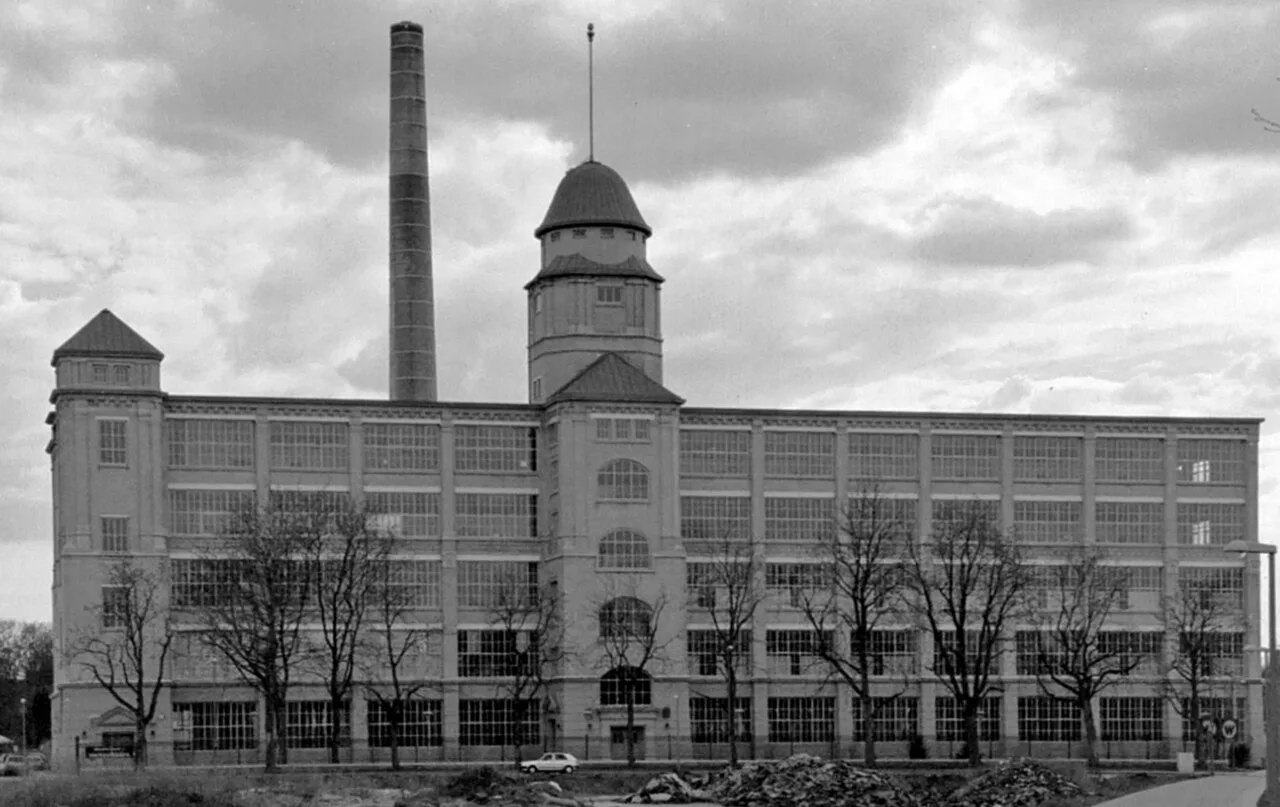
tim stands on the grounds of the Augsburg Kammgarnspinnerei, one of the earliest factories established in Bavaria. Its collection is built around working-scale equipment: its own weaving mills and spinning machines, supported by a runway used to present fashion history. Together they show that Augsburg was a major European textile player from roughly 1840 until the second half of the twentieth century.
The site's industrial character is the point rather than the backdrop. Because the machinery was installed for real production, the visit reads as a walk through a former workplace, and the fashion runway adds a design and consumer-history layer that pure technology museums often lack. The museum also runs special exhibitions and hands-on programs aimed at children, which makes it the more family-friendly of the two documented options.
Plan tim as a substantial stop rather than a quick one. Its address is Provinostraße 46, and its scale, spread across a former factory, means you should allocate a generous block of time; as a rough suggestion only, half a day suits most visitors who read labels and linger in the exhibition halls. That figure is our recommendation, not an official duration, and the museum's own pages are the place to confirm current details.
What tim Is Not
tim is a single industrial-heritage site, not a citywide museum pass. Nothing in the available information suggests that it bundles other Augsburg collections, and it should not be treated as one of a chain of textile museums under shared admission. Buy or book for tim as its own visit, then plan any second museum separately.
The sources here also do not establish whether tim charges admission or is free, so do not build a budget around either assumption. Check the museum's own visitor information or the city's museum listings shortly before your trip. The same applies to opening hours, which change seasonally at many German museums and are not fixed by the descriptions used here.
Tycho Brahe Museum in the Roman Tower Explained
The Roman Tower stands in the park of a castle in the Göggingen district, and it houses Germany's first Tycho Brahe Museum. Brahe, a Dane and one of the most important astronomers of the early modern period, installed his Augsburg Quadrant here in 1570, then the largest sky observation device in Europe. The museum today shows a replica of that instrument rather than the original.
The scale is deliberately small. This is a single-room museum inside a historic tower, which means the subject, not the square footage, has to carry your interest; visitors who care about the history of astronomical instrumentation will get more from it than those looking for a broad city museum. If you are weighing a rainy day indoors, note that the bigger covered collections sit elsewhere in the city.
The decisive practical fact is access. A visit is arranged by individual registration through Parktheater GmbH, so plan ahead rather than assuming walk-in access, especially if you are travelling a long way to reach Göggingen. Expect a short visit; a suggested thirty to sixty minutes is our estimate, not an official figure, and registration is the moment to ask the operator about any current constraints.
How to Choose Between tim and the Roman Tower
Choose tim if you want scale, machinery and social history. Weaving mills, spinning machines and a fashion runway tell a story about industrial Augsburg and the city's role in European textile production, and the hands-on programs make it workable with children. It is the better option for a long, absorbing visit and for anyone who likes seeing how things were actually made.
Choose the Roman Tower if you have a specific interest in early modern science and the history of observation. The Augsburg Quadrant gives the room its purpose, and the castle park setting in Göggingen is a pleasant contrast to a working factory site. Accept two conditions: you register in advance, and you treat the visit as a brief, focused stop rather than a full afternoon.
For travellers who only have time for one, the deciding question is patience versus curiosity. tim rewards patience, since its buildings and machinery unfold slowly; the Roman Tower rewards a narrow curiosity and a willingness to plan around someone else's schedule. Neither answer is wrong, but choosing the one that matches your energy for the day beats trying to see both badly.
Doing Both Without Rushing
Pairing the two works if you treat them as separate visits rather than one combined ticket. A workable shape is a long morning or afternoon at tim, then a registered slot in Göggingen on another part of the day, with travel time between the two treated as its own block. Check the exact route with a current local transport planner on the day, since we do not document specific tram or bus lines here.
Registration is the schedule constraint, not the museum itself, so anchor your day around the confirmed Roman Tower slot. If the slot falls early, put tim afterwards; if it falls late, reverse the order. Keep tim flexible because a large industrial site rarely fits neatly into a fixed two-hour window.
Other Augsburg Museum Options in the City and Districts
Beyond these two, the districts list several specialist collections that suit a different mood. They include the Architecture Museum of Swabia in a former architect's home, the Railway Park with historic locomotives and carriages shown at special events, Art Museum Walter inside the Glaspalast industrial monument, the Mazda Classic automobile museum in a historic tram depot, and the MAN Museum, which covers two hundred years of technology including Rudolf Diesel's experimental engine.
Some of these operate on restricted arrangements that change how you should plan. The MAN Museum, for example, is described as contactable by telephone only, which means a spontaneous visit is a poor assumption. Treat any district museum as a site that needs its own confirmation call or page check before you set out.
In the city centre, the art collections at Schaezler Palace show Baroque works including paintings by Rubens and Tiepolo, with a state gallery in St. Catherine's Church nearby. That is a separate ticket, a separate building and a separate afternoon. If you want an art-focused day, plan it independently of tim and the Roman Tower.
Practical Planning and What to Verify
Treat every volatile detail as something to confirm at the source shortly before you travel. Admission, opening times, holiday closures and registration procedures can all change, and the descriptions used here do not fix any of them for a specific date. The city's museum pages are the natural starting point for a current overview.
Separate what you can see without paying from what is ticketed. In Augsburg, museums sit inside palaces, monasteries, former hospitals and industrial complexes, and the surrounding grounds or courtyards may be open even when the collection is not. Assume nothing about bundled access and verify per site.
Two habits make an Augsburg museum day smoother: register or book where a site requires it, and leave slack in the schedule. Registration applies to the Roman Tower, while tim needs enough time to be seen properly. Because we do not document accessibility details, distances, journey times or closures here, ask the operator directly if any of those affect your plans.
Choosing Your Augsburg Museums
Pick tim if you want industrial scale, working machinery and a strong family-friendly program; pick the Tycho Brahe Museum in the Roman Tower if a single, focused story about the Augsburg Quadrant is worth a registered appointment in Göggingen. Both are genuine, well-documented Augsburg experiences, and each suits a different kind of day.
Before you go, confirm admission, hours and access on the operator's own pages, since those are the details most likely to change. If your interest is a different Augsburg collection not covered here, check the city's listings rather than assuming the arrangements described above apply.
Frequently Asked Questions
What is the Tycho Brahe Museum in the Roman Tower?
It is a small museum in the Roman Tower, which stands in the park of a castle in the Göggingen district, and it is described as Germany's first Tycho Brahe museum. It covers the astronomer Tycho Brahe, who installed his Augsburg Quadrant in 1570, then the largest sky observation device in Europe. The museum displays a replica of the instrument.
Do I need to register in advance to visit the Roman Tower museum?
Yes, the visit is arranged by individual registration through Parktheater GmbH, so do not plan on walk-in access. Confirm the current procedure with the operator before you travel, particularly if you are making a special trip to Göggingen.
Is tim free to visit?
The available descriptions do not establish whether tim charges admission or is free, so treat any assumption either way as unverified. Check the museum's own visitor information or the city's museum listings for current admission details before you go.
Can I visit tim and the Roman Tower museum in one day?
It is possible if you treat them as two separate visits and plan around your registered Roman Tower slot. tim occupies a former factory site and takes a substantial block of time, while the Roman Tower museum is a single room with a short suggested visit of roughly thirty to sixty minutes. Check local transport for the connection between the two areas on the day.
Are other Augsburg museums covered in this comparison?
No. The Maximilianmuseum, the Römisches Museum and the H2 Zentrum are frequently named alongside these museums, but the sources used here do not describe their collections or visiting conditions, so they are not compared. Use the city's own museum pages to check those separately.
Which Augsburg museum suits families best?
Of the two compared here, tim is the better family choice because it runs special exhibitions and hands-on programs for children alongside its weaving mills, spinning machines and fashion-history runway. The Roman Tower museum is a small, registration-only site that suits a specific science-history interest rather than a general family outing.


