Last updated July 2026, where to stay in Venice comes down to one trade-off: proximity to Piazza San Marco versus quieter, cheaper streets a few bridges away. Nine sestieri and outlying islands each solve a different problem, from first-time sightseeing to early departures from Santa Lucia station. This guide compares each base by crowd level, luggage-friendly access, and price, so you can book a hotel that matches your itinerary.
Venice's Layout: Choosing an Island Base or the Mainland First
Venice divides into six historic sestieri: San Marco, San Polo, Cannaregio, Dorsoduro, Castello, and Santa Croce. Add Giudecca, the Murano-Burano pair, and the Lido, and that becomes nine distinct island bases, linked by more than 400 pedestrian bridges across 118 small islands. The historic core is car-free and compact enough to cross on foot in about an hour, so luggage moves by hand, luggage cart, or water taxi rather than by car. Every choice trades proximity for cost and quiet. Before comparing individual districts, decide whether to sleep inside that network of canals and bridges or across the water in Mestre, on the mainland. Staying on the island keeps you inside the system covered in the navigating Venice by vaporetto guide, steps from your hotel door. Staying in Mestre trades that immediacy for lower prices and a short train ride, covered in detail further down this guide.
Where to Stay in Venice: 9 Best Neighborhoods and Islands
Each area below suits a different travel style, from a first Venice trip to repeat stays built around quiet mornings. Details cover the trade-off between crowds, price, and how many bridges separate your hotel from the nearest vaporetto stop.
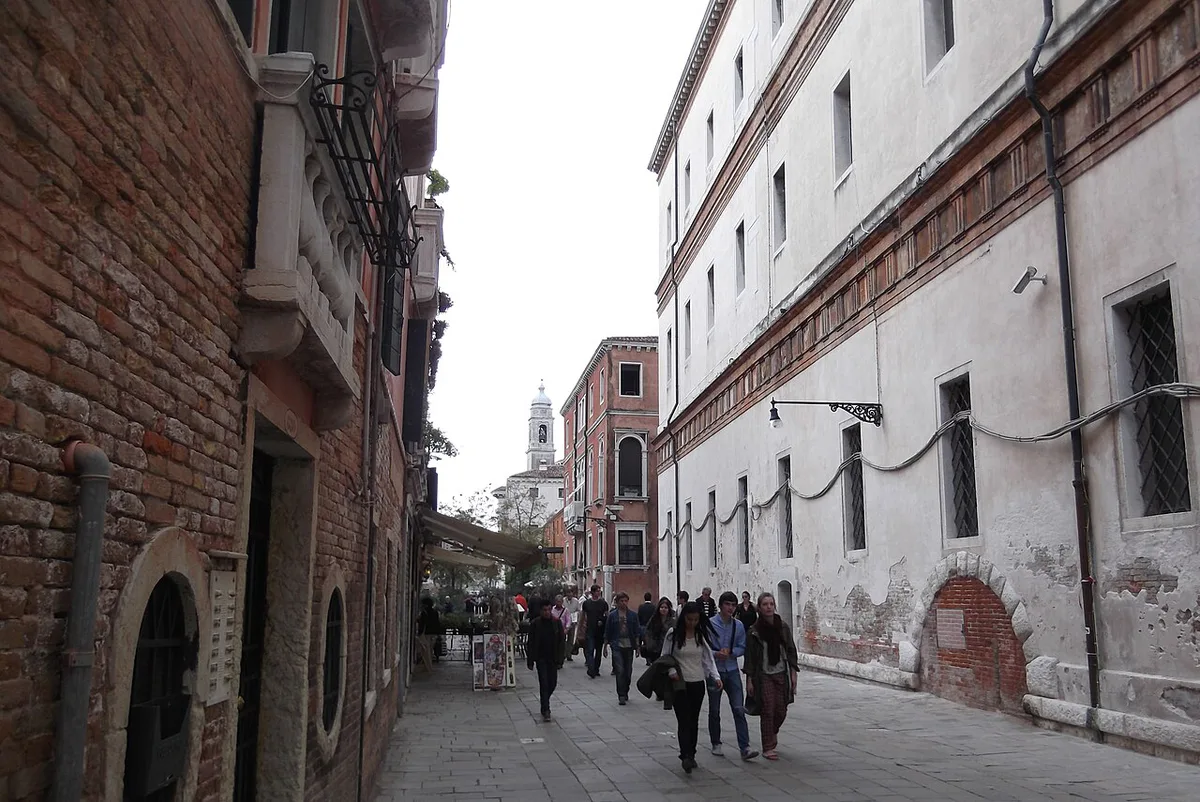
Venice spans 400 pedestrian bridges connecting its neighborhoods, but specific locations concentrate them unevenly. Cannaregio and Castello hotels often require several consecutive bridges without ramps; map your vaporetto-route beforehand so you know the luggage challenge you're choosing.
- San Marco
- Piazza San Marco, Saint Mark's Basilica, and the Bridge of Sighs all sit inside this sestiere, so sightseeing starts at your hotel door.
- Hotel rates run highest here, and daytime crowds are heaviest between the Piazza and the Rialto Bridge.
- Choose this district for a first trip built around major landmarks and short walks after dark, not for budget stays or quiet mornings.
- San Polo
- This district takes its name from Campo San Polo, Venice's second-largest square after Piazza San Marco, and sits a 10-minute walk from Piazza San Marco itself.
- The Rialto Bridge traces its origins to 1173, though it's been rebuilt several times since, and it ranks among the city's reliable prime photo spots.
- Fewer hotels operate here than in San Marco, and the neighborhood's dining scene leans toward local trattorias over tourist menus.
- Cannaregio
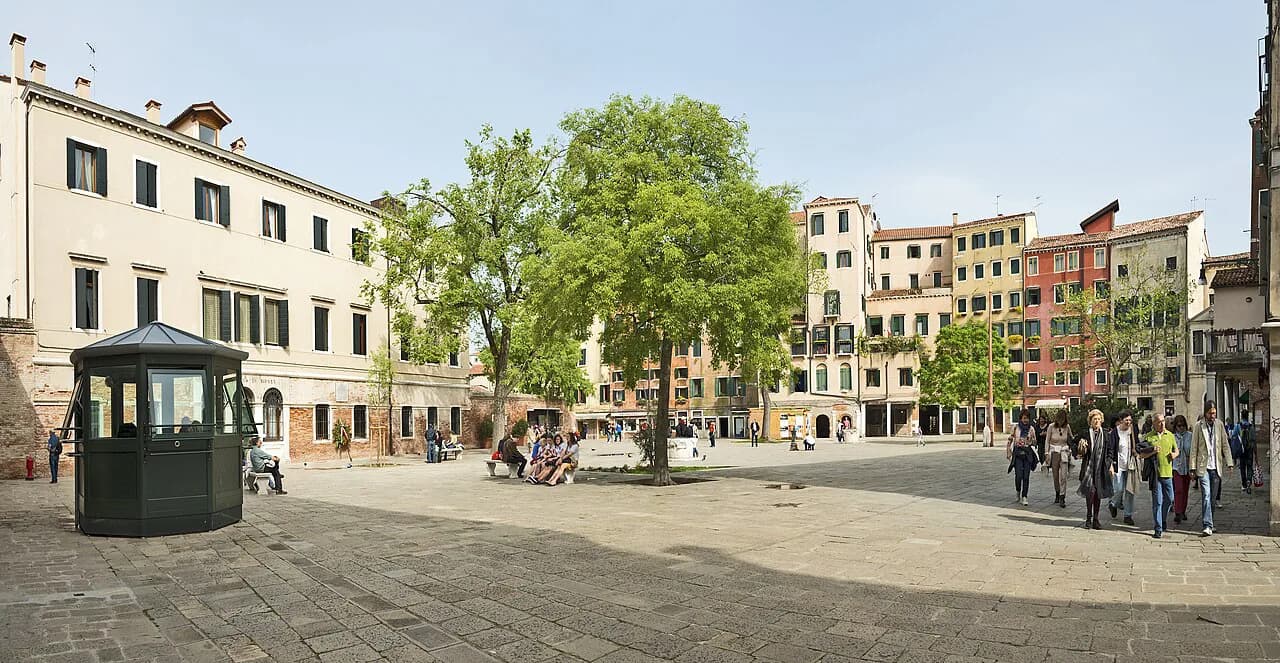
- Home to the historic Jewish Ghetto, Cannaregio holds more residents than tourists once you move off the main Strada Nova.
- Evenings stay quieter here, and its bacari and canal-side bars feature in the evening things to do guide.
- It's a longer walk to Piazza San Marco than from San Polo, flat in places but crossed by several bridges.
- Dorsoduro
- Dorsoduro holds the Peggy Guggenheim Collection, making it the pick for museum-focused stays, detailed in the Venice's top museums guide.
- The Zattere waterfront faces the Giudecca Canal and appears in the best sunset viewpoint guide.
- University students keep the area active without San Marco's crowd volume.
- Castello
- Venice's largest sestiere stretches east from San Marco, with more green space around the Biennale gardens than any other district.
- Crowds thin fast once you pass Riva degli Schiavoni, and several of its parks and waterfront paths turn up in the lesser-known corners of Venice guide.
- Families and repeat visitors often choose Castello for extra space and lower rates than San Marco.
- Santa Croce
- Santa Croce holds Piazzale Roma and connects directly to Santa Lucia station, making it the easiest sestiere for early train or bus departures.
- It's the most practical base if you're arriving by car or coach, since wheeled transport stops at the edge of the car-free core.
- Central canal-side blocks feel similar to San Polo, while streets near the transport hub are more functional than scenic.
- Giudecca
- Separated from the main island by the Giudecca Canal, this district trades a short vaporetto hop for quieter streets and skyline views.
- Those rooftop and waterfront views appear in the skyline viewpoints across town guide.
- Resort-style hotels here, including the Hilton Molino Stucky, suit travelers prioritizing space and rest over being steps from the Piazza.
- Murano and Burano
- These lagoon islands feel like small towns once the day-trip crowds leave on the afternoon boats back to Venice.
- Murano is known for glass workshops and Burano for rows of brightly painted houses, both covered in the day-trip options from Venice guide.
- Vaporetto service to central Venice takes longer than from any historic sestiere, so budget extra transit time each way.
- Lido di Venezia
- The Lido offers beach access and wider streets, plus one of the only stretches of road in the municipality where cars operate.
- Summer stays here suit family-friendly trip planning better than the historic core's stairs and bridges.
- A vaporetto ride connects the Lido to San Marco, adding travel time to daily sightseeing.
Venice Neighborhood Comparison at a Glance
Use this table to shortlist two or three areas before checking room rates, then read the write-up above for the trade-offs that matter most to your trip.
| Area | Vibe | Price Level | Proximity to Sights | Best For |
|---|---|---|---|---|
| San Marco | Landmark-dense, busy | Highest | On foot to major sights | First-time landmark focus |
| San Polo | Local, central | High | 10-min walk to San Marco | First-timers wanting fewer crowds |
| Cannaregio | Residential, local dining | Mid | Longer walk to San Marco | Local life and quiet evenings |
| Dorsoduro | Art-focused, academic | Mid-High | Short walk to museums | Museum lovers and sunset views |
| Castello | Green, spread out | Mid | Longer walks, fewer crowds | Families and repeat visitors |
| Santa Croce | Transit-functional | Mid | At Piazzale Roma, near station | Early trains or car arrivals |
| Giudecca | Quiet, resort-style | Mid-High | Vaporetto hop to San Marco | Rest and skyline views |
| Murano & Burano | Village-like after hours | Mid | Longer vaporetto to center | Slower pace, glass and lace crafts |
| Lido | Beachy, wider streets | Mid | Vaporetto ride to San Marco | Families and summer beach time |
| Mestre (mainland) | Functional, modern | Lowest | About 10 min by train to Santa Lucia | Budget stays and early flights |
Staying in Mestre: Is the Savings Worth It?
Mestre sits on the mainland, about 10 minutes from Santa Lucia station by regional train. Hotel rates typically run lower than equivalent quality inside the historic center, and rooms tend to be larger with amenities like elevators and parking. The trade-off is logistical: every dinner, evening stroll, or early photo walk on the canals now needs a train ride each way. Last useful trains stop running at a set hour, so late nights in Venice mean checking the schedule before you plan them. For a first visit built around canal-side atmosphere, spending more to sleep on the island usually outweighs Mestre's savings. For a budget-focused trip, or a stopover before an early flight from Marco Polo Airport, Mestre's lower prices and easy road access can be worth the short commute.
Daily vaporetto fares at €9.50 can offset Mestre's lower room rates, especially for longer stays. Since Venice bookings already require reserving 4 to 6 months ahead, the commute logistics are manageable within your standard planning window.
How to Choose Your Hotel Location: The Luggage and Bridge Rule
Every extra bridge between the vaporetto stop and your hotel door means carrying luggage up stone steps, since most historic bridges have no ramps. Check a map for stairs before booking, especially near the Rialto or in upper Cannaregio and Castello, where routes cross several bridges in a row.
- Arriving at Marco Polo Airport
- Alilaguna water buses connect the airport to stops across the city on several fixed lines rather than on demand.
- A private water taxi is faster door-to-door but costs well over €100, versus a single Alilaguna or vaporetto fare near €9.50.
- Arriving at Santa Lucia Station
- Santa Croce and Cannaregio sit closest to the station, both reachable on foot or by a short vaporetto hop.
- San Marco and Castello need a longer vaporetto ride or a longer walk, with several bridges along the way.
- Traveling with mobility needs
- Venice's accessible-route network, sometimes referenced as Venice for All, maps step-free paths between major vaporetto stops and sights.
- Santa Croce and parts of Cannaregio have more level ground than San Marco or upper Castello, where bridges cluster close together.
Costs and Booking Rules to Know Before You Book
A few recurring costs and rules shape every Venice hotel stay, and getting them right avoids surprises at check-in or at the airport.
- City tax (Tassa di Soggiorno)
- Venice hotels bill this per-person, per-night tax directly at check-in or check-out, separate from the room rate.
- Rates scale with the hotel's official star category and the season, so confirm the current nightly figure with your property.
- Venice Access Fee (Contributo di Accesso)
- Day-trippers visiting on marked peak dates register online and pay the access fee before arrival.
- Overnight guests are generally exempt from the fee itself but still register for a QR code linked to the hotel booking.
- Confirm the current registration steps and dates on the official access-fee site before you travel.
- Booking windows
- Reserve 4 to 6 months ahead for spring and early autumn stays, when rooms in San Marco and San Polo sell out first.
- Mestre and the Lido tend to hold availability later into the booking window.
- Acqua alta and transit costs
- High tides, known locally as acqua alta, most commonly affect Venice in autumn and winter, and low-lying parts of San Marco see raised walkways first.
- A single vaporetto fare runs about €9.50, while a private water taxi across the lagoon typically costs well over €100.
- Choosing when to go and what to book
- Peak crowds and prices align with spring and early autumn, detailed further in the seasonal timing guide.
- High-tide season adds a small chance of flooded ground floors, with contingency routes covered in the rainy-day contingency plans guide.
- If you're deciding between paying for sights separately or bundling entries, the sightseeing pass value breakdown covers whether it pays off for your itinerary.
Factor Dining Costs Into Your Neighborhood Choice
A cheaper hotel is not always the cheapest base once meals are included. San Marco offers exceptional convenience, but restaurants beside Piazza San Marco and the main route to Rialto often carry a location premium.
Cannaregio gives you easier access to bacari and neighborhood restaurants away from the busiest sightseeing corridors. Look beyond Strada Nova toward Fondamenta della Misericordia and Fondamenta dei Ormesini. These canals remain lively in the evening without San Marco’s constant foot traffic.
Castello also rewards travelers willing to walk farther. Streets east of the Arsenale have small bars, bakeries, and family-run restaurants serving local residents. Dorsoduro offers another useful middle ground around Campo Santa Margherita and the Zattere.
Compare the whole daily budget before booking. A San Marco room may reduce walking, while a similarly priced Cannaregio or Castello stay can provide better-value dining nearby. Check recent menus and opening days, since many independent restaurants close one day each week.
Further reading: Venice on Wikivoyage · Venice on Wikipedia
Frequently Asked Questions
How many days is enough for Venice?
Most first-time visitors need at least two full days to see the major sights without rushing between them. The how long to stay guide breaks down the trade-offs by trip length. A two-day itinerary covers Piazza San Marco, the Rialto, and one museum stop. Add a third day using the three-day itinerary guide to fit in Murano, Burano, or a slower Dorsoduro afternoon.
Is it better to stay near the Rialto Bridge or St. Mark's Square?
San Polo, on the Rialto side, costs less than San Marco and empties out faster once day-trippers leave. San Marco puts Piazza San Marco and Saint Mark's Basilica steps from your hotel, at the highest rates in the city. Choose Rialto-side San Polo for a calmer base with an easy walk to the sights. Choose San Marco only if being inside the landmark district matters more than price or quiet evenings.
What areas should travelers avoid when booking in Venice?
Venice has no genuinely unsafe districts, so the main risk is overpaying near tourist-heavy corners rather than picking an unsafe neighborhood. Restaurants with picture menus directly on Piazza San Marco, or streets immediately outside Santa Lucia station, tend to charge tourist prices for average food. Booking a hotel expecting a canal view right at Piazzale Roma is another common letdown, since that area is built for transit, not scenery.
What's the best area to stay in Venice with kids?
Castello offers more green space and shorter lines than San Marco, useful for keeping children entertained between sights. The Lido adds beach access and wider, stroller-friendly streets during the summer season. Both trade some proximity to major landmarks for easier logistics with a family in tow.
What's the best area for budget travelers?
Mestre, on the mainland, typically has the lowest room rates and sits about 10 minutes from Santa Lucia station by train. Inside the historic core, Cannaregio and Castello price below San Marco while still keeping you within walking distance of the main sights.