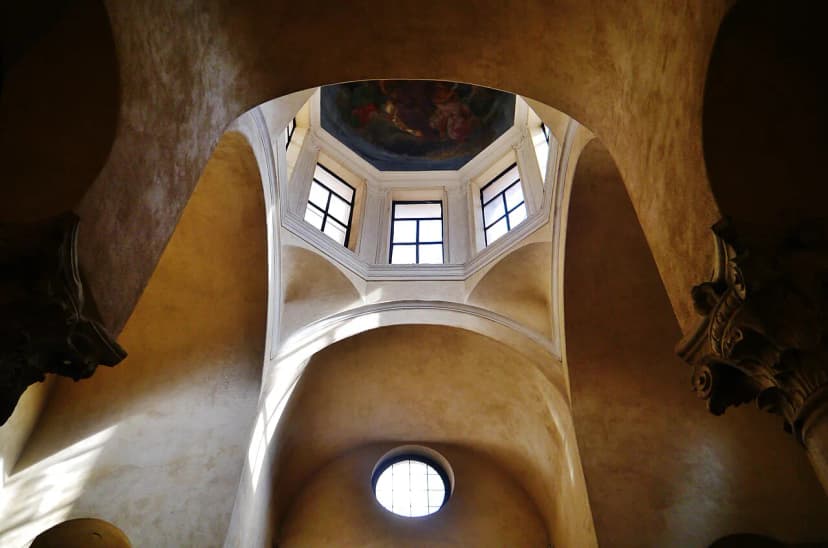

Venice on a rainy day still rewards visitors who plan around the weather instead of fighting it. Grand palaces, glass-lined churches, and quiet museums keep travelers dry while the canals fill with reflections outside. This guide covers where to go, what to skip, and how acqua alta differs from ordinary rain.
Indoor Attractions for Venice on a Rainy Day
Start with the two buildings that anchor St Mark's Square, since both keep you fully indoors. The Doge's Palace and St Mark's Basilica open by mid-morning most days and stay open into early evening, though exact hours shift by season. Book a timed-entry ticket in advance so a wet morning does not turn into a long wait under an umbrella.
For a quieter option, the Gallerie dell'Accademia sits across the Grand Canal in the Dorsoduro district. General admission runs close to twelve euros, and the museum easily fills ninety minutes with paintings by Bellini and Titian. Check the Accademia Gallery of Venice page for current 2026 hours before your visit.
The Peggy Guggenheim Collection and the Frari Church round out a strong indoor loop near the Accademia. Both hold major artworks, and neither gets as crowded as the basilica even on a wet weekend. Our guide to the best museums in Venice worth visiting breaks down tickets and timing for each one.
Each stop works well solo, but pairing two or three keeps a rainy morning full without feeling rushed. Aim to finish the square's palace and basilica before midday, then cross toward Dorsoduro for the afternoon.
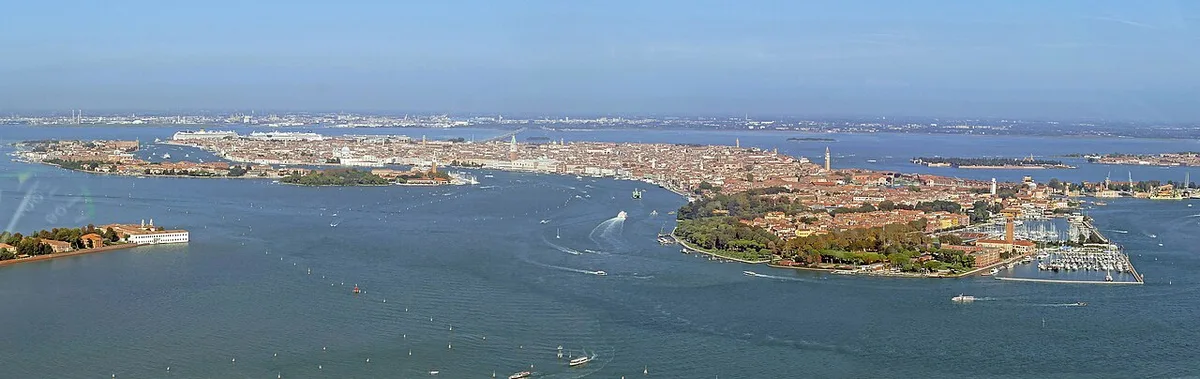
What Is Acqua Alta and Should You Worry?
Acqua alta is not the same as ordinary rain, even though the two often arrive together in autumn and winter. It is a periodic tidal flood that pushes water up through the canals and across low-lying squares like Piazza San Marco. Rain alone rarely floods the city; acqua alta needs a specific mix of tide, wind, and air pressure.
Acqua alta (high water) floods low areas like Piazza San Marco unpredictably. Warning sirens sound two to four hours before significant floods. Waterproof boots matter more than an umbrella if the walkways go up.
The city posts warning sirens roughly two to four hours before a significant flood arrives, giving you time to adjust plans. Minor acqua alta events are common and mostly mean a few ankle-deep puddles near the lagoon edge. Major floods that close large parts of the city happen far less often, typically only a handful of times each winter.
If sirens sound while you are near St Mark's Square, head toward higher ground rather than waiting it out. Raised wooden walkways, called passerelle, usually appear within the hour along the busiest routes. Waterproof boots make more difference than an umbrella once the walkways go up.
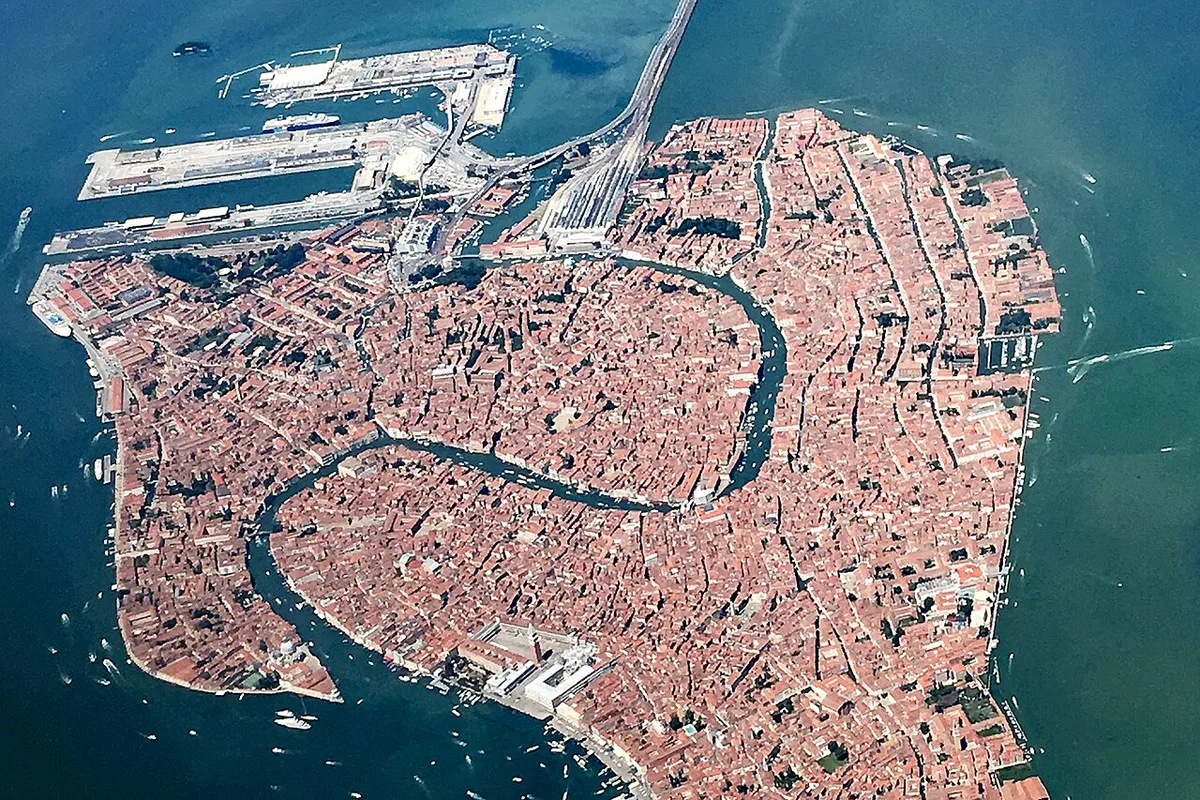
Cozy Indoor Experiences Beyond the Big Sights
Not every rainy hour needs to revolve around a museum ticket. Venice has a strong indoor culture built around small bars, workshops, and cafes that feel just as local in the rain. These options work well when you want a slower pace or a break between bigger sights.
The glass workshop option deserves a special note, since demonstrations run daily regardless of weather. You can also book a private lesson with a local artisan in Venice itself, not on Murano for a hands-on afternoon. Either way, the workshop keeps your hands busy and your shoes dry until the weather clears.
Many of these spots stay open through the afternoon lull, so you rarely need a reservation on short notice. Locals treat rainy days as a good excuse to linger over a second coffee or spritz. For more low-key spots like these, see our guide to hidden gems in Venice.
- Cicchetti bar crawl in Dorsoduro or Cannaregio
- Type: small-plate bar hopping
- Best for: 2-3 hour evening
- Where: Dorsoduro and Cannaregio
- Cost: roughly 2-4 euros per bite
- Murano-style glass workshop based in Venice
- Type: hands-on craft class
- Best for: 1-2 hours indoors
- Where: studios in Venice itself
- Cost: varies by group size
- Historic cafe or hot chocolate stop
- Type: sit-down cafe
- Best for: 30-45 minute break
- Where: near Campo Santo Stefano
- Cost: 6-10 euros per drink
- Canal-view wine bar for the afternoon
- Type: wine bar seating
- Best for: 1 hour unwind
- Where: along smaller side canals
- Cost: 5-8 euros per glass
How to Plan a Smooth Rainy-Day Itinerary
Waterproof shoes matter more than an umbrella in Venice. Narrow streets get crowded, and umbrellas bump into people. Pack waterproof boots, a packable rain jacket, and quick-dry socks.
Booking ahead matters more on a rainy day, since every dry indoor attraction fills up fast once the forecast turns wet. Reserve entry times for the Doge's Palace, St Mark's Basilica, and any museum you plan to prioritize. A skip-the-line ticket saves real time when everyone else has the same idea.
If you are combining several paid sights, check whether a combined pass makes sense for your plans. Our breakdown of whether the Venice Pass is worth it compares the math against buying single tickets. Families juggling multiple entries often save the most, while a single-day visitor may not.
Pace the day like you would any other, just group indoor stops closer together. Rainy mornings work well for palaces and museums, leaving cafes and bars for the afternoon lull. Swap any planned outdoor viewpoint for a museum or church nearby instead.
Traveling with kids changes the calculus, since young children tire faster in wet, crowded lines. Shorter museum visits paired with a snack break tend to work better than a packed schedule. Plan one major sight and one relaxed stop per rainy day when traveling with a family.
Rain in Venice? Things to Avoid Doing
Skip the gondola ride if rain is heavy, since visibility drops and the experience loses its charm. Ask about a shorter, covered-canal route if you still want to go out on the water. A quick ride between two indoor stops can work better than a long loop in a downpour.
Outdoor walking tours lose most of their value once the rain sets in for the day. Swap a walking tour for a themed indoor tour of the Doge's Palace or a museum instead. Guides can usually rebook a walking route for a drier day during your stay.
Save the climb up St Mark's Campanile for clear weather, since fog and low cloud block the view. Our list of the best viewpoints in Venice notes which spots work even in hazy conditions. Paying for a view you cannot see wastes both money and time.
Do not pack a single pair of shoes for a multi-day trip during rainy season. Wet shoes rarely dry overnight in a humid canal city, even indoors. A second pair, or quick-dry socks, saves your feet for the rest of the trip.
Frequently Asked Questions
Is Venice worth visiting on a rainy day?
Yes. Rain thins the crowds around St Mark's Square and makes it easier to book tickets for major indoor sights. Palaces, churches, and museums keep you dry, and the canals often look more atmospheric under grey skies. Pack proper rain gear and treat it as a quieter version of the city.
What is acqua alta, and how is it different from rain?
Acqua alta is a tidal flood, not rainfall, caused by high tides, wind, and air pressure combining. It floods low areas like Piazza San Marco even on a dry day. Warning sirens sound hours in advance, and raised walkways typically appear soon after. Ordinary rain causes puddles but rarely floods the city.
What should I pack for a rainy day in Venice?
Waterproof shoes matter more than an umbrella, since narrow streets get crowded and umbrellas bump into people. Bring a packable rain jacket, quick-dry socks, and a small dry bag for your phone and camera. Rain gear sold locally tends to cost more, so pack your own before you arrive.
Can you still take a gondola ride in the rain?
Gondola rides run in light rain, but most gondoliers pause service during heavier downpours or high wind. Visibility and comfort both drop, so many travelers save this activity for a clearer day. If rain is light, ask your gondolier about covered options before booking.
How much time do you need for Venice on a rainy day?
One full day covers two or three major indoor sights comfortably, with breaks for food between stops. If you are staying longer, our 2 days in Venice itinerary shows how to split sights across a longer, rain-flexible visit. Build in buffer time near each ticketed entry.
A rainy day in Venice rewards travelers who plan indoors first and stay flexible with timing. Grand palaces, quiet museums, and cozy bars fill the hours just as well as sunshine ever could. If the skies clear by afternoon, our one day in Venice itinerary helps you fit in the outdoor highlights too. Pack good shoes, book ahead, and let the weather set a slower, more local pace.