Hidden Gems in Venice
Explore hidden gems in Venice beyond St. Mark's Square, from secret carved bridges to a locals-only park, with practical tips for a 2026 visit.
Read guide →Venice travel guides for 2026: itineraries, day trips, hidden gems, museums, free things to do and city-pass advice — every Venice planning guide in one hub.

Everything we've published on visiting Venice, in one place: 19 trip-planning guides covering itineraries, day trips, hidden gems, the best viewpoints and museums, family and rainy-day options, and honest advice on city passes. Each guide is written for a specific decision you make while planning a trip to Venice, Italy.
Looking for individual landmark tickets, opening hours and worth-it advice? See our Venice attractions hub, with 14 dedicated visitor guides.
The Venice attractions hub provides dedicated visitor guides for 14 key landmarks, including opening hours, current prices, and tips on whether tickets are worth the cost — use it alongside these itineraries for complete planning.
Two days covers the essential landmarks — St. Mark's Square, the Rialto, a gondola ride — and three is the sweet spot for most travelers, adding Murano, Burano and time to slow down in Cannaregio or Dorsoduro. There's also a 2026 wrinkle that shapes short visits: on roughly 60 peak dates between April 3 and July 26, 2026, day-trippers who aren't staying overnight pay Venice's €5 access fee, checked at entry points between 8:30am and 4pm. Our breakdown of how many days Venice really needs weighs all of this — trip style, fatigue on the bridges, and what each duration realistically allows.
Once the length is settled, the itineraries handle the sequencing. The one-day plan is built for cruise stops and tight Italy circuits, with timed tickets and a cicchetti lunch worked in; the two-day route pairs a San Marco day with a quieter day across the Grand Canal; and the three-day version goes neighborhood by neighborhood, folding in the lagoon islands at a pace that doesn't feel like a checklist.
May and late September strike the clearest balance between comfortable temperatures and manageable crowds, while November through January brings the acqua alta flood season along with lower prices and misty, half-empty campi. The season-by-season guide to visiting Venice maps weather, crowd levels, festival dates and the 2026 access-fee calendar against each other so you can pick the trade-off that suits your trip. One reassurance about the flood season: acqua alta is a scheduling nuisance rather than a safety concern — raised walkways go up whenever the water rises, and the city carries on around them. And if the forecast turns anyway, the rainy-day plan lines up grand palaces, quiet museums and cozy bacari that work in any weather.
Venice spreads across 118 small islands stitched together by more than 400 pedestrian bridges, which is why your base matters more here than in almost any other city. The neighborhood guide to where to stay compares all six sestieri plus Giudecca, the islands and the Lido — and makes the honest case for Mestre on the mainland — by price, quiet and how painful the luggage haul is from the vaporetto stop.
Transport needs rethinking from scratch: there are no cars, buses or rideshares inside the historic center, so everything moves on foot or by water. A single vaporetto ticket runs about €9.50 and stays valid for 75 minutes with transfers, numbers that make the day-pass math worth checking before you arrive — our guide to getting around Venice compares walking, vaporetti, water taxis and the €2 traghetto crossings. Traveling as a family? The Venice with kids guide covers stroller-realistic routes, fare rules and the activities that actually hold young attention spans.
The Venezia Unica pass ranges from roughly €30 for the Silver tier to €125-plus for Platinum, and it only pays off for travelers hitting several included sights and riding transit across three or more days — our honest review of whether the Venice pass is worth it runs the 2026 tier math and names who should skip it and book separately. Balance the paid sights against the ten genuinely free things to do, which include a working gondola boatyard, a flooded bookshop and the market locals still use for groceries. Eating well doesn't have to blow the budget either: standing cicchetti bars in Dorsoduro and San Polo remain some of the cheapest good meals in the city.
Venice's two headline sights reward advance planning more than anything else in the city. Entry to Doge's Palace comes bundled into the St. Mark's Square Museums pass at €35 on the door — or €30 if you book online at least 30 days ahead — and next door, St Mark's Basilica now charges roughly €3 for same-day walk-up entry while skip-the-line reservations run closer to €9–10 and sell out fast in high season. For the view over it all, St Mark's Campanile charges €15 and is one of the few historic towers in Venice with an elevator instead of a stair climb.
The museum tier is easier on queues but still worth timing. The Gallerie dell'Accademia charges €20 full price on a firm Tuesday–Sunday, 9am–7pm schedule (Mondays closed), while the Tintoretto-filled Scuola Grande di San Rocco is open every day of the year from 9:30am to 5:30pm, costs €12 and rarely has a line at all — one of the best value-for-crowd ratios in the city (a combined ticket adding the adjoining Church of San Rocco runs €14).
Two timing tricks stretch a short visit further. From May through late September 2026, Doge's Palace stays open until 11:00 p.m. on Fridays and Saturdays, and those evening slots are dramatically quieter than the mid-morning crush. The basilica works the opposite way: last entry is 4:45pm on weekdays, and Sunday opens only after morning Mass, so it's the sight to schedule first rather than last. If a booking falls through entirely, the €12 self-guided visit at Teatro La Fenice and the €17 Peggy Guggenheim Collection (open daily except Tuesdays, 10am to 6pm) are the reliable same-day fallbacks — both covered in depth in our attractions hub above.
Venice also works as a base. Padua is 25 to 30 minutes away by direct regional train from Santa Lucia station, and Verona, Vicenza and Lake Garda all sit within easy reach — the day-trips comparison ranks each by travel time, cost and whether a guided tour beats going solo. The closest escapes never leave the lagoon: Burano's painted fishermen's houses and Murano's glass furnaces are a single €9.50 vaporetto ride away and pair naturally into one island day — on Murano, the Glass Museum keeps daily 10:00am–6:00pm hours if the furnace demonstrations leave you wanting more. One clarification for day-trippers worried about the access fee: it applies to entering Venice on designated dates, not to individual sights — the Rialto Bridge itself stays free to cross 24 hours a day, ticketless, all year. Then stay out late at least once: the piazzas empty, the crowds leave with the last trains, and evening Venice belongs to whoever stuck around.
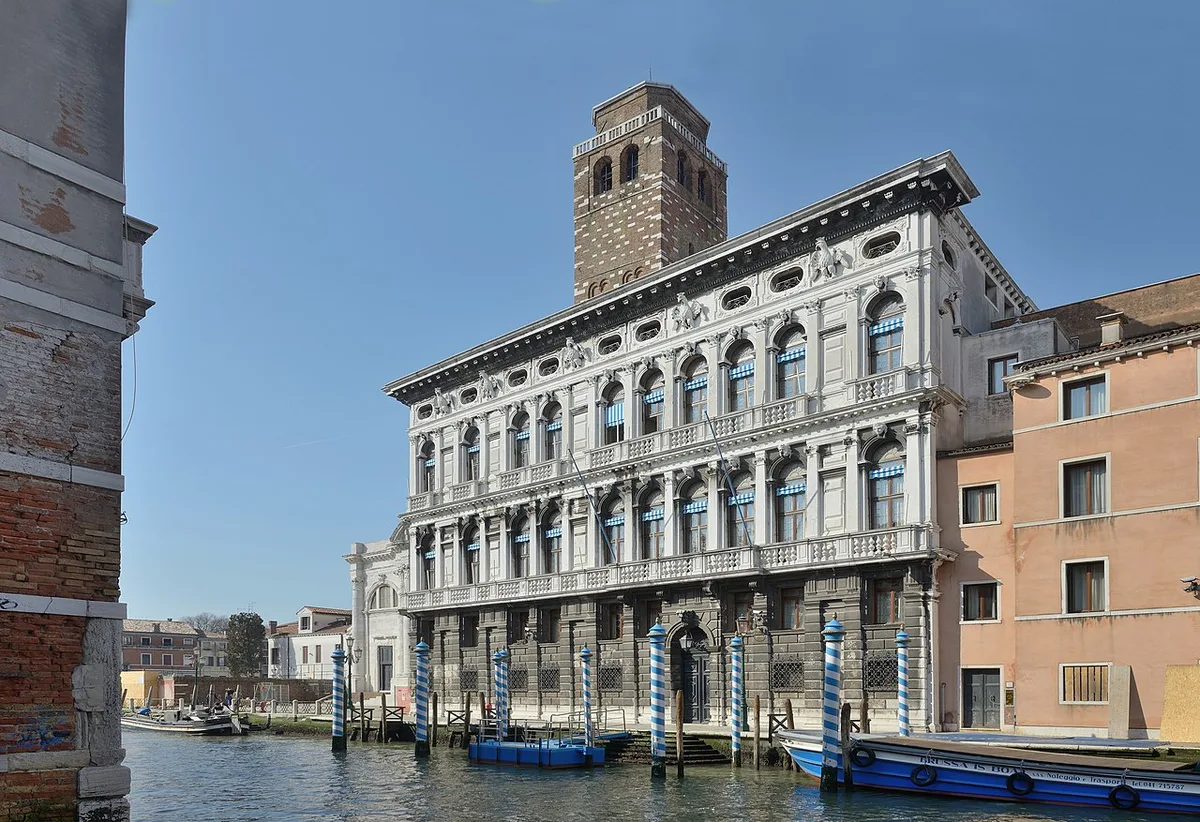
Explore hidden gems in Venice beyond St. Mark's Square, from secret carved bridges to a locals-only park, with practical tips for a 2026 visit.
Read guide →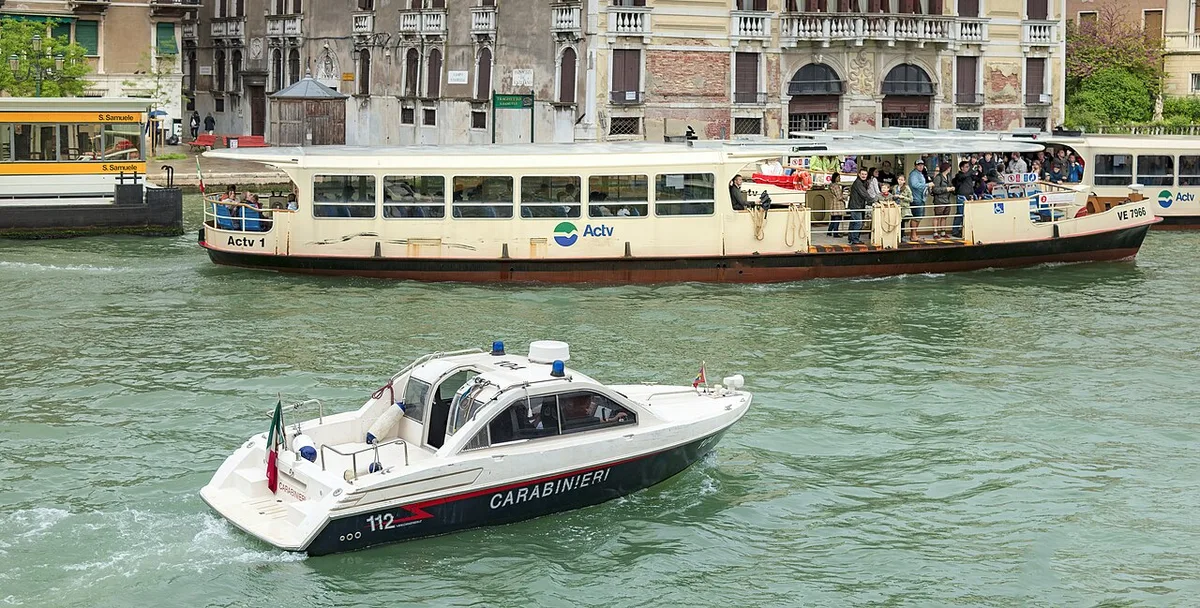
Is the Venice Pass worth it in 2026? Compare Silver, Gold, and Platinum pricing, real pros and cons, and find out who should skip it and buy separately.
Read guide →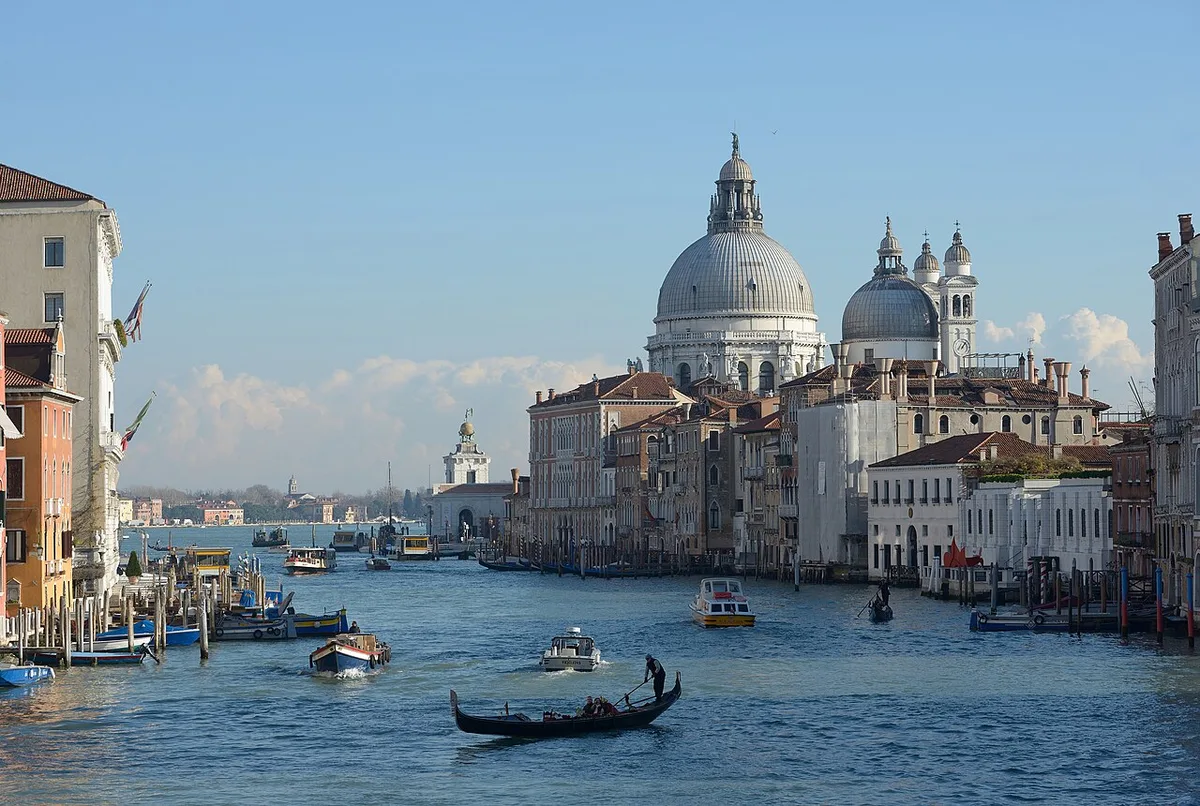
Plan a smart one day in Venice itinerary with timed tickets, a cicchetti lunch, and a sunset gondola ride. See the full 2026 hour-by-hour plan today.
Read guide →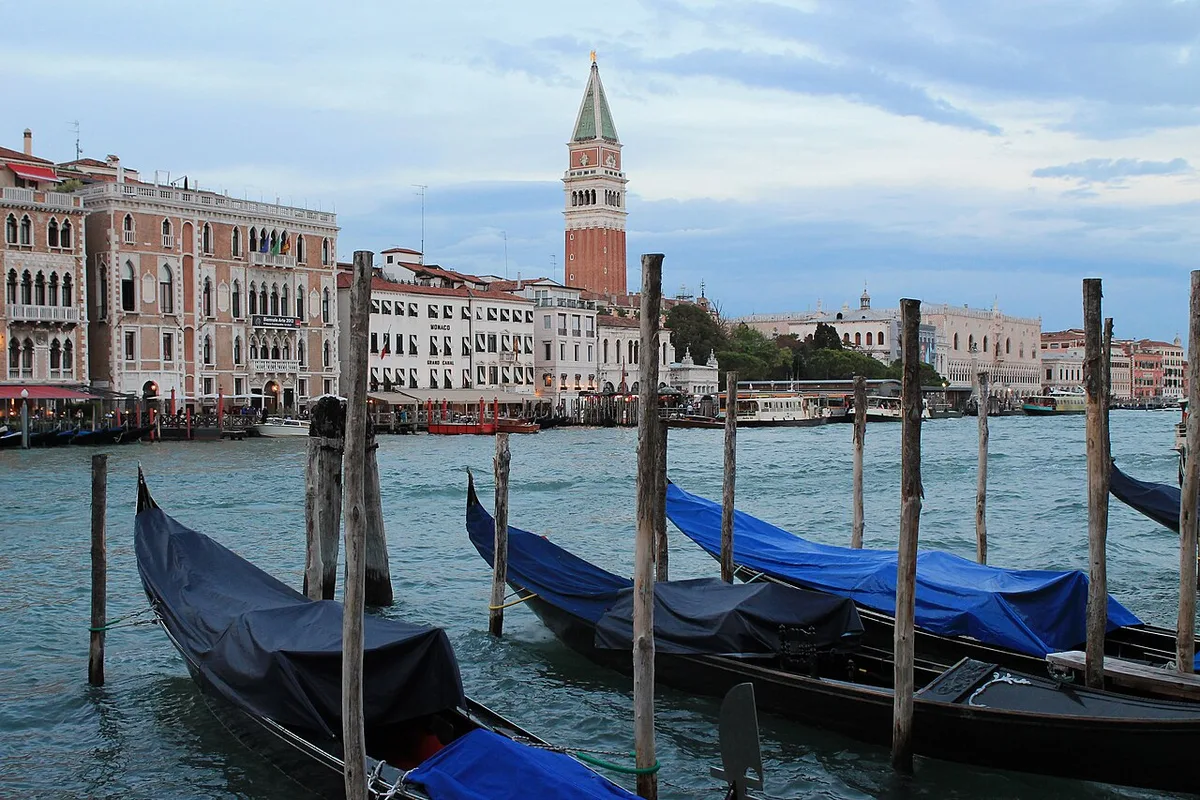
Plan the perfect 2 days in Venice itinerary with a day-by-day route, entry-fee rules, ticket costs, and the best base to stay. Start planning your trip now.
Read guide →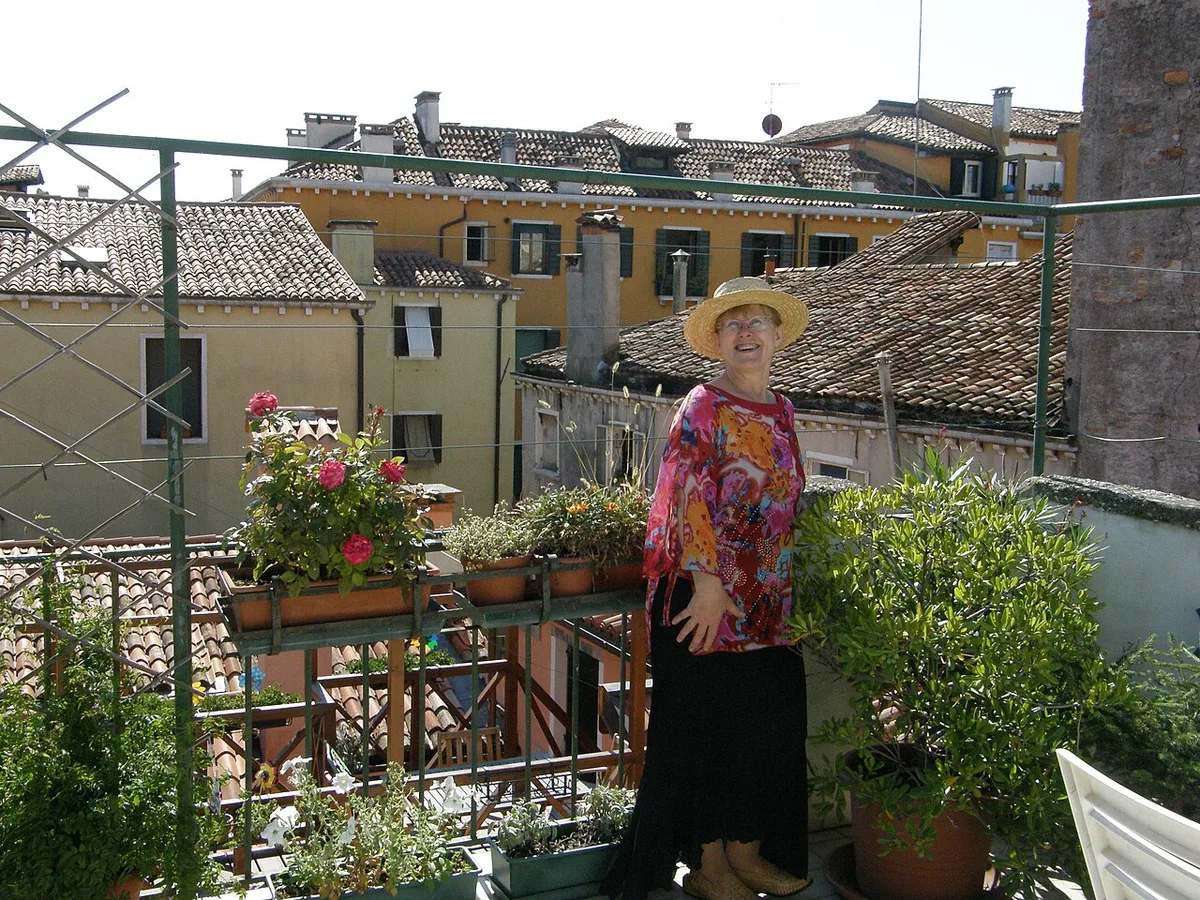
Plan 3 days in Venice itinerary with neighborhood-by-neighborhood routes, real ticket costs, and realistic 2026 timing tips. Start planning your trip now.
Read guide →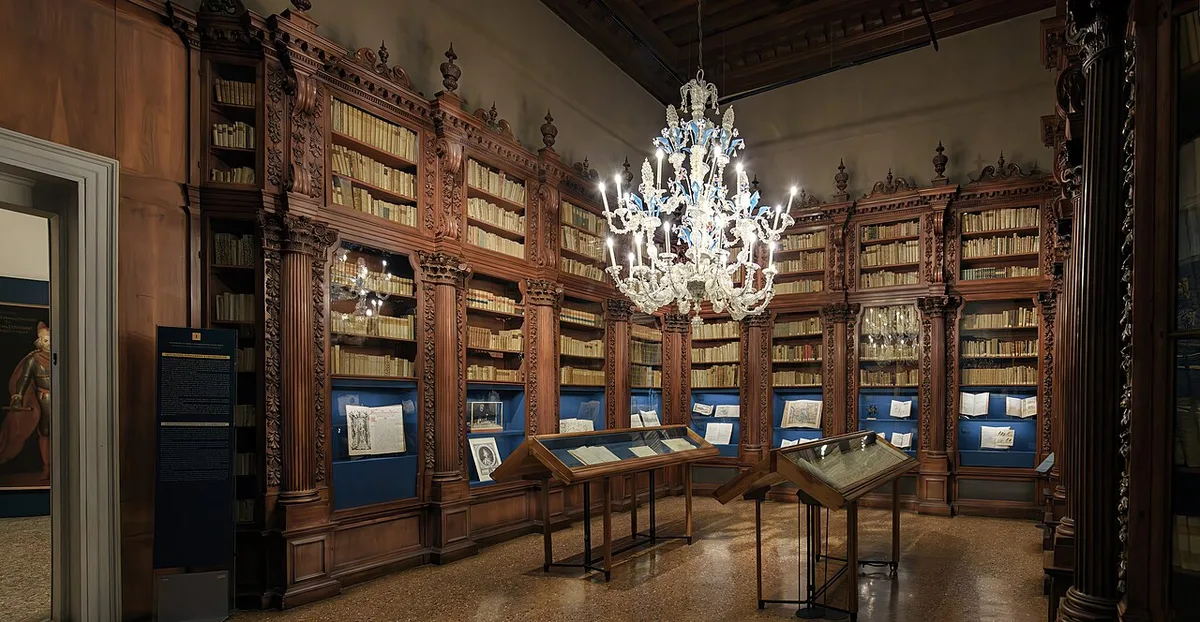
Discover the 10 best museums in Venice worth visiting in 2026, with real ticket prices, opening hours, Museum Pass tips, and what to skip on your trip.
Read guide →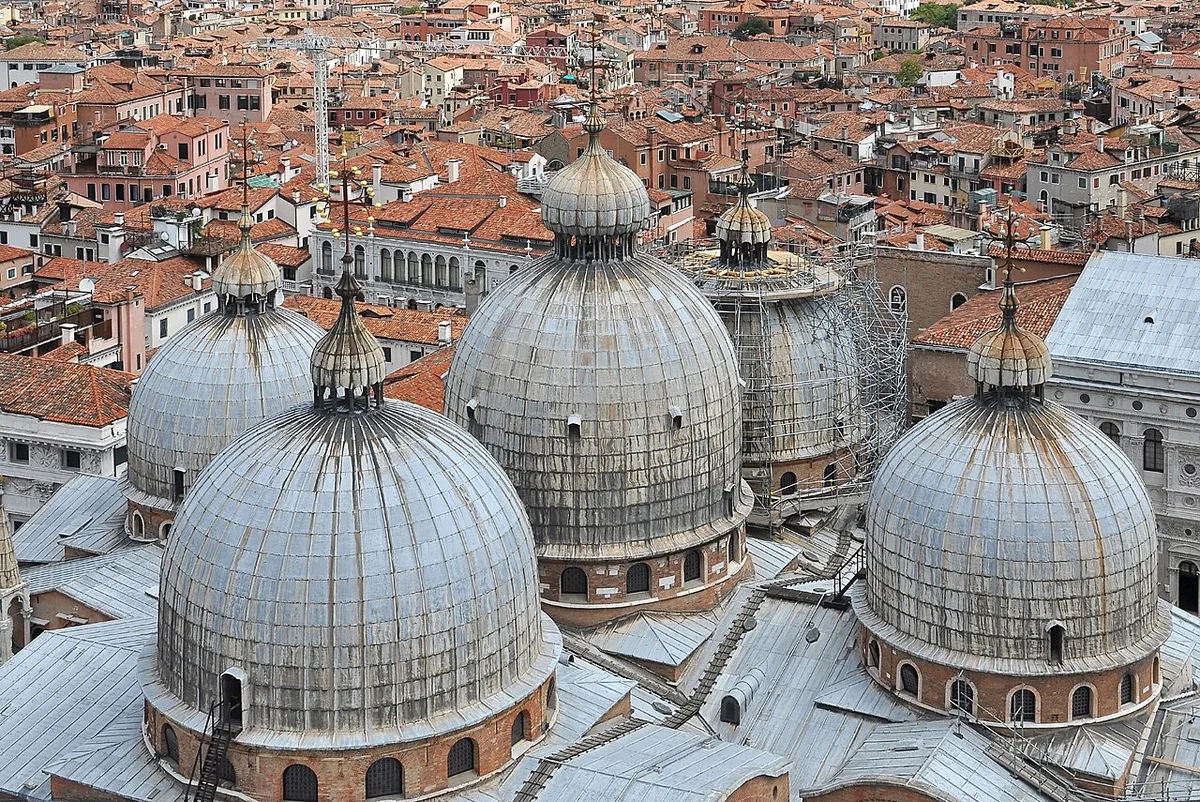
Discover the 10 best viewpoints in Venice for 2026, from the Campanile di San Marco to free canal-side spots, with prices, hours, and planning tips.
Read guide →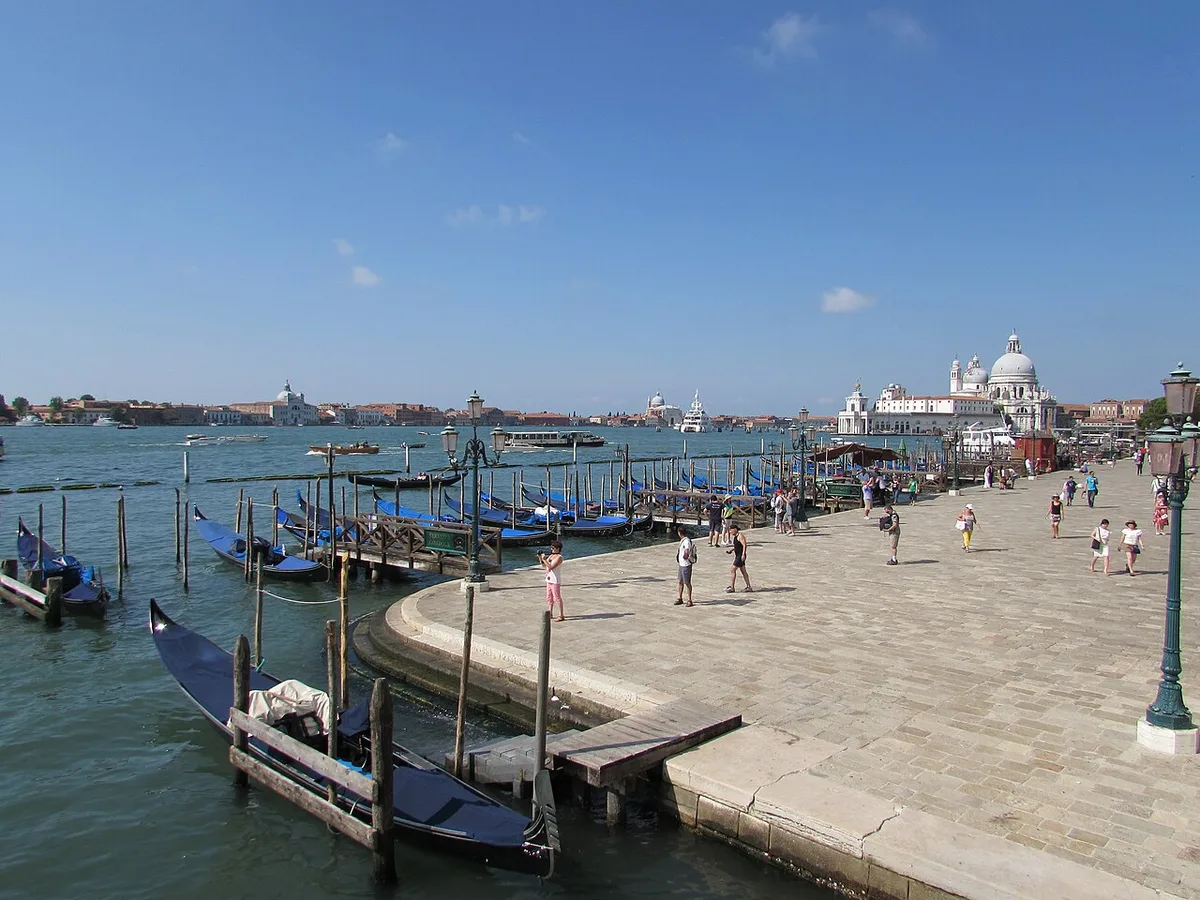
Find the best photo spots in Venice, from Piazza San Marco at sunrise to quiet canal corners. Get 2026 timing, cost, and access tips before you go.
Read guide →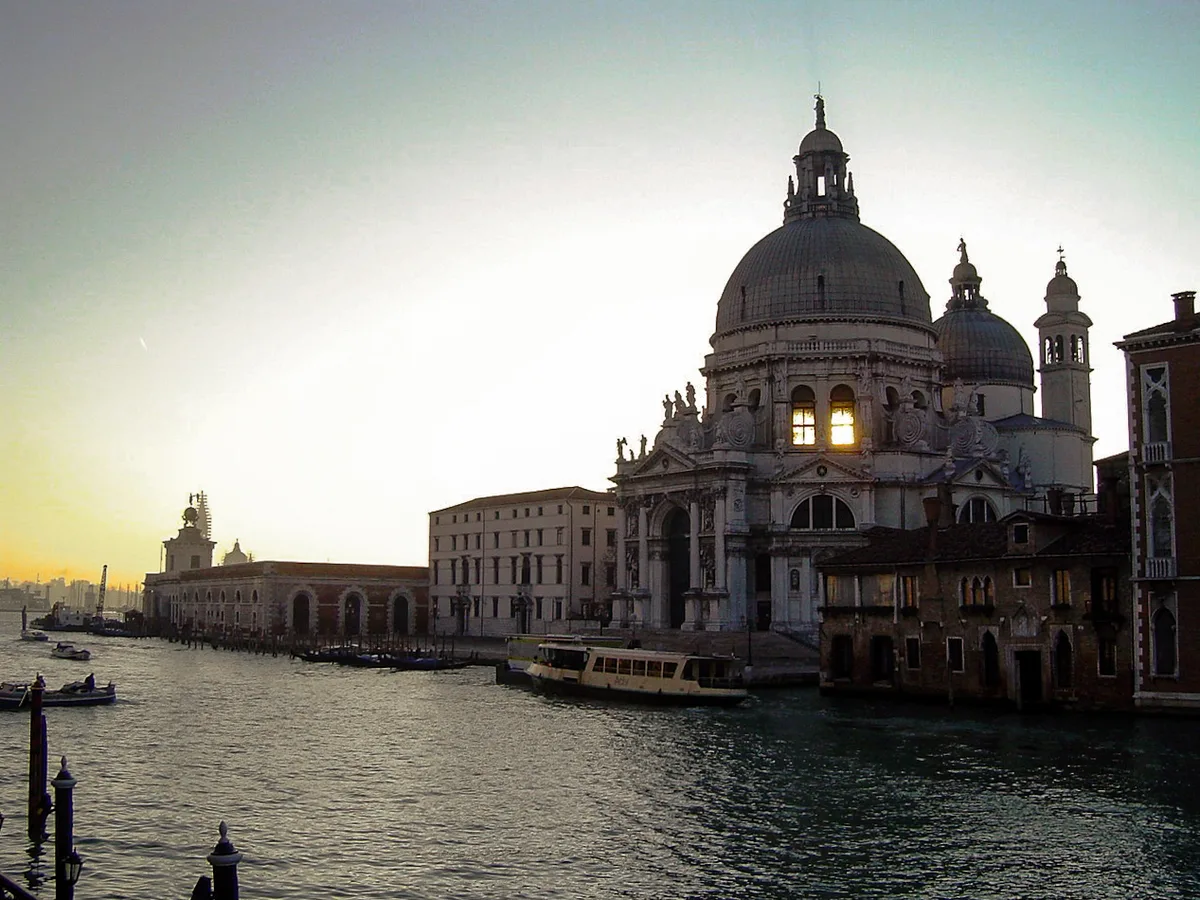
Find the best places to watch sunset in Venice, from free bridges and quiet local squares to paid rooftops, with 2026 timing tips and ticket prices.
Read guide →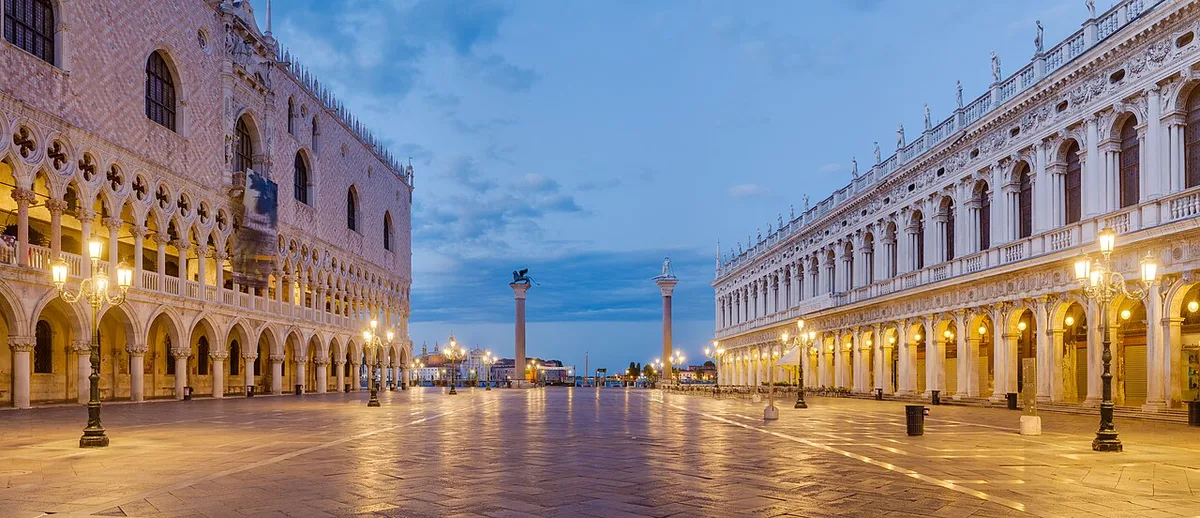
Explore the best things to do in Venice at night, from lit-up piazzas and canal walks to bars and boat rides, with 2026 prices, hours, and local tips.
Read guide →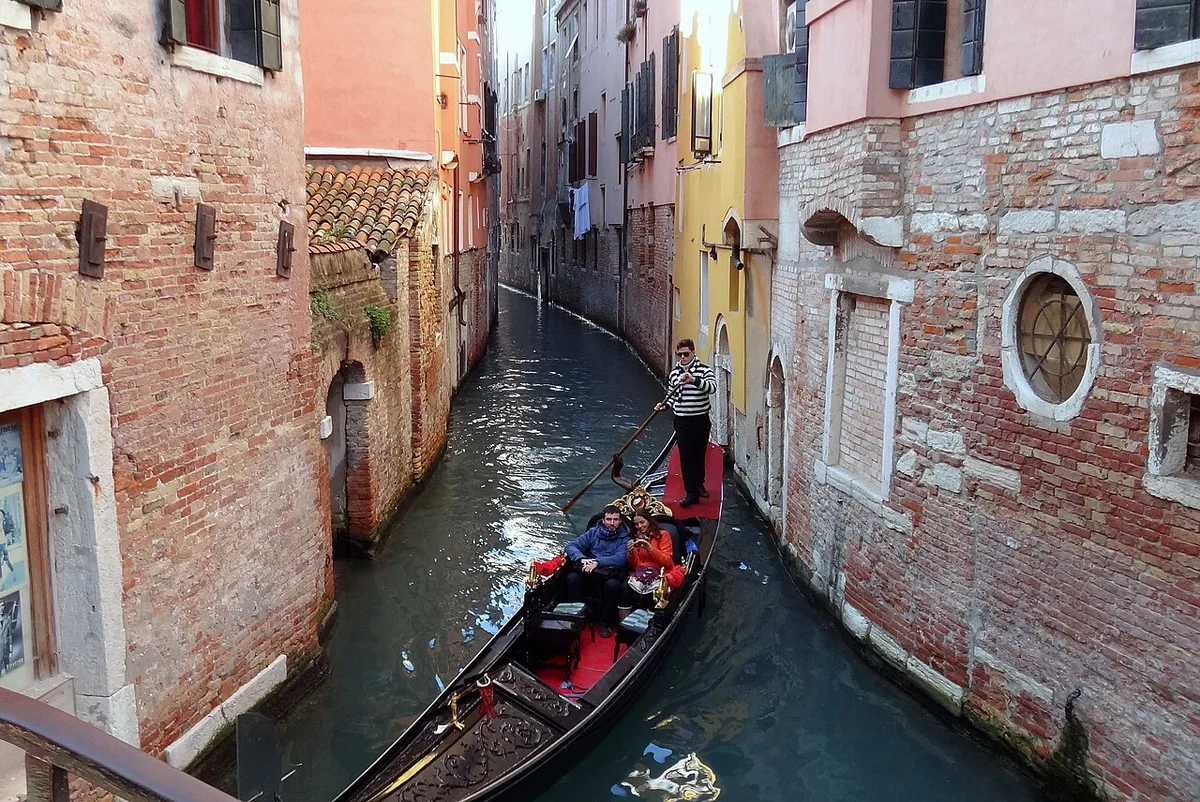
Planning to visit Venice with kids? Get real vaporetto prices, top family activities, best neighborhoods to stay, and 2026 timing tips for an easier trip.
Read guide →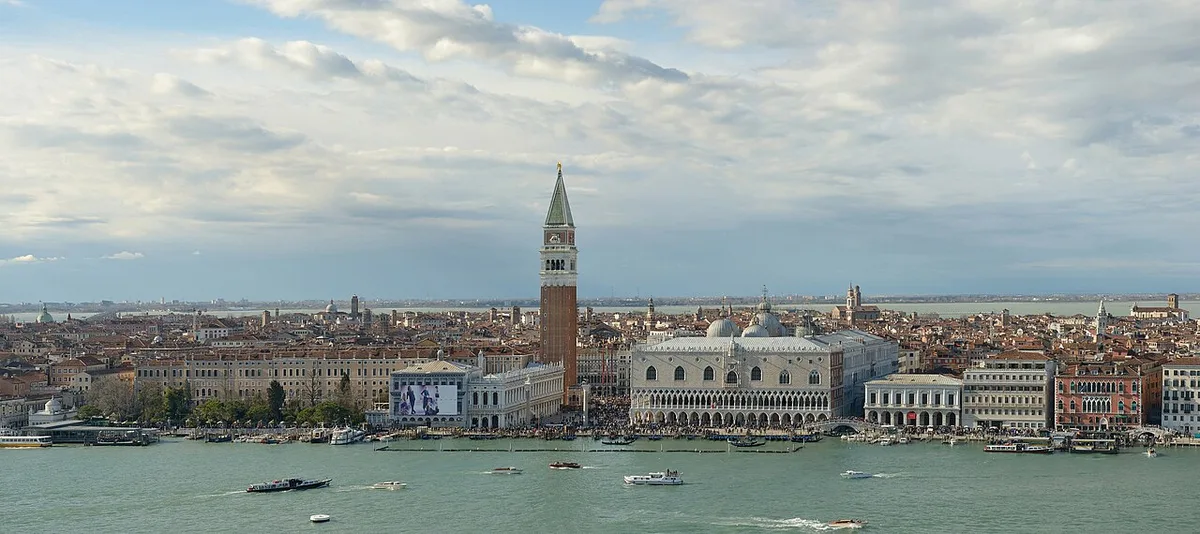
Discover the best free things to do in Venice in 2026, from St Mark's Square to hidden canals and local markets, and plan a budget-friendly day.
Read guide →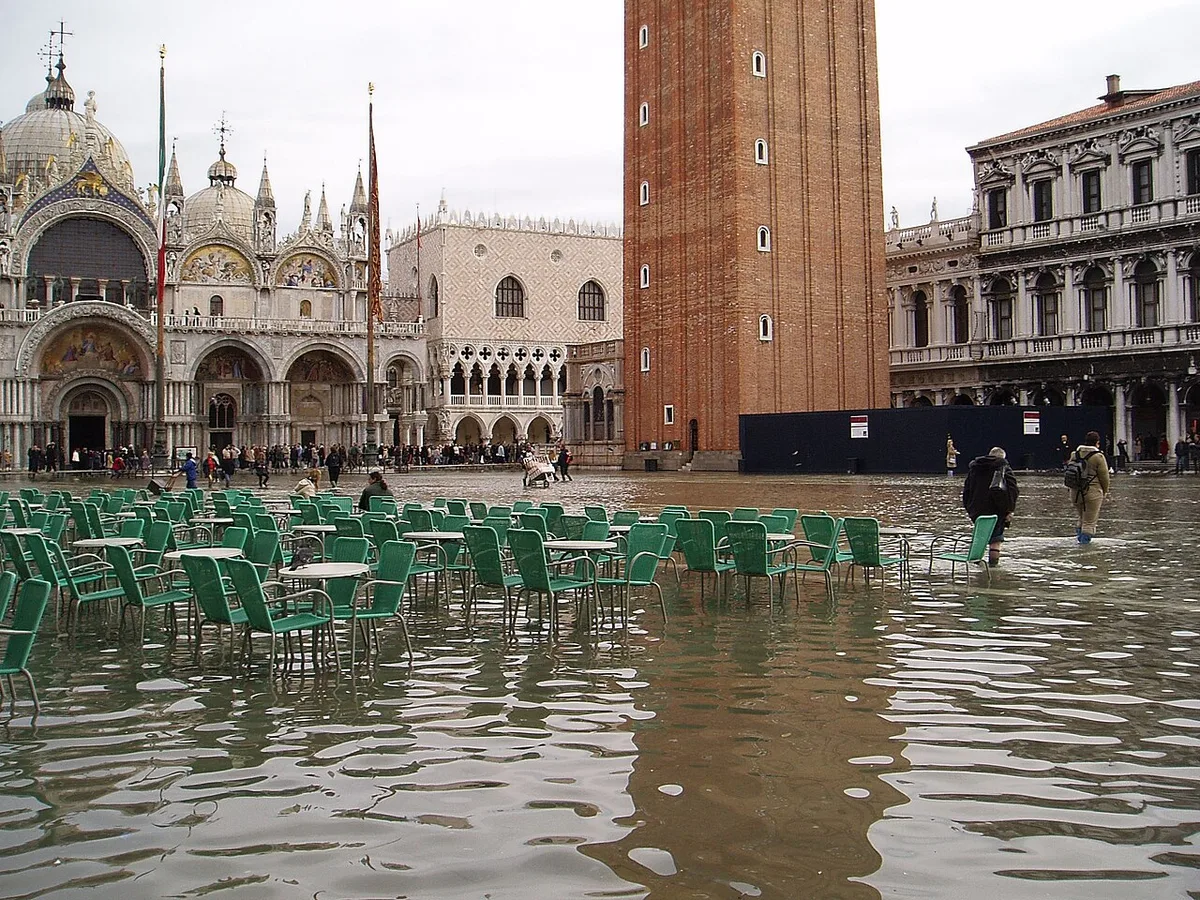
Venice on a rainy day still delivers grand palaces, quiet museums, and cozy bars. Use this 2026 guide to plan indoor stops and skip the mistakes.
Read guide →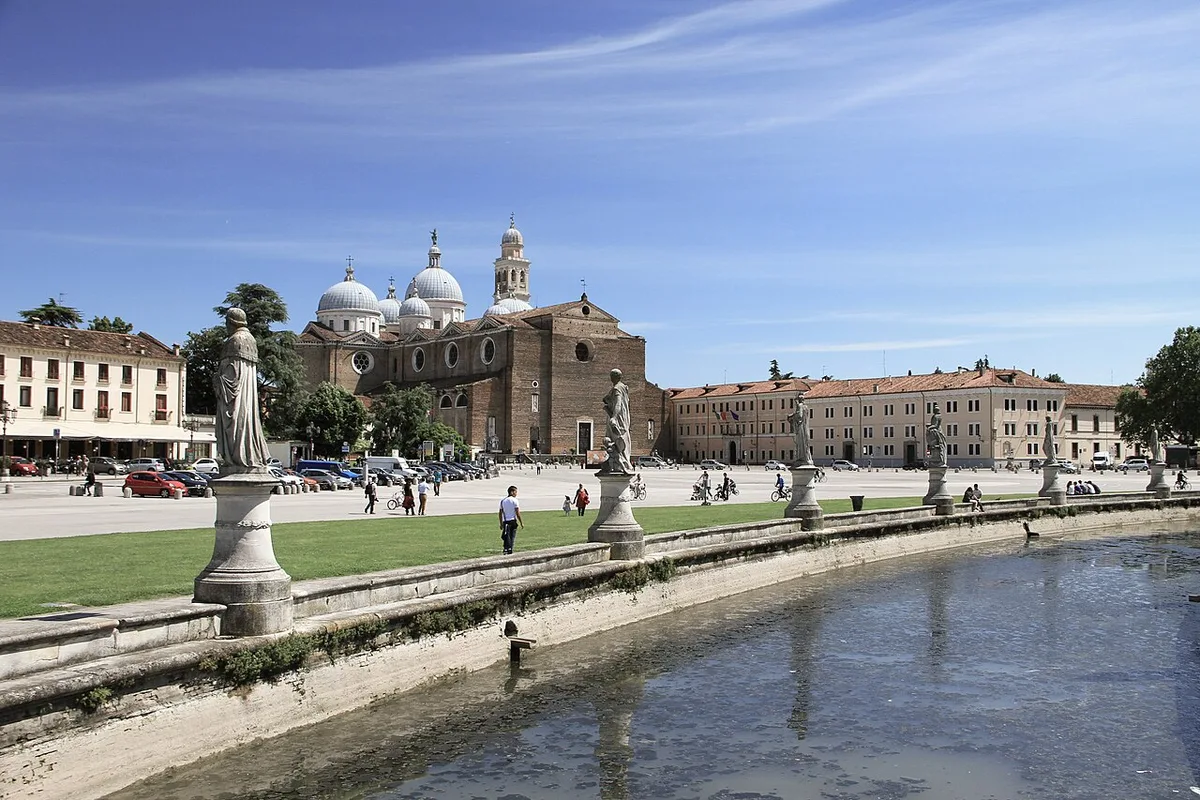
Compare the best day trips from Venice, including train times, ticket costs, and 2026 planning tips for Murano, Burano, Verona, Padua, and Lake Garda.
Read guide →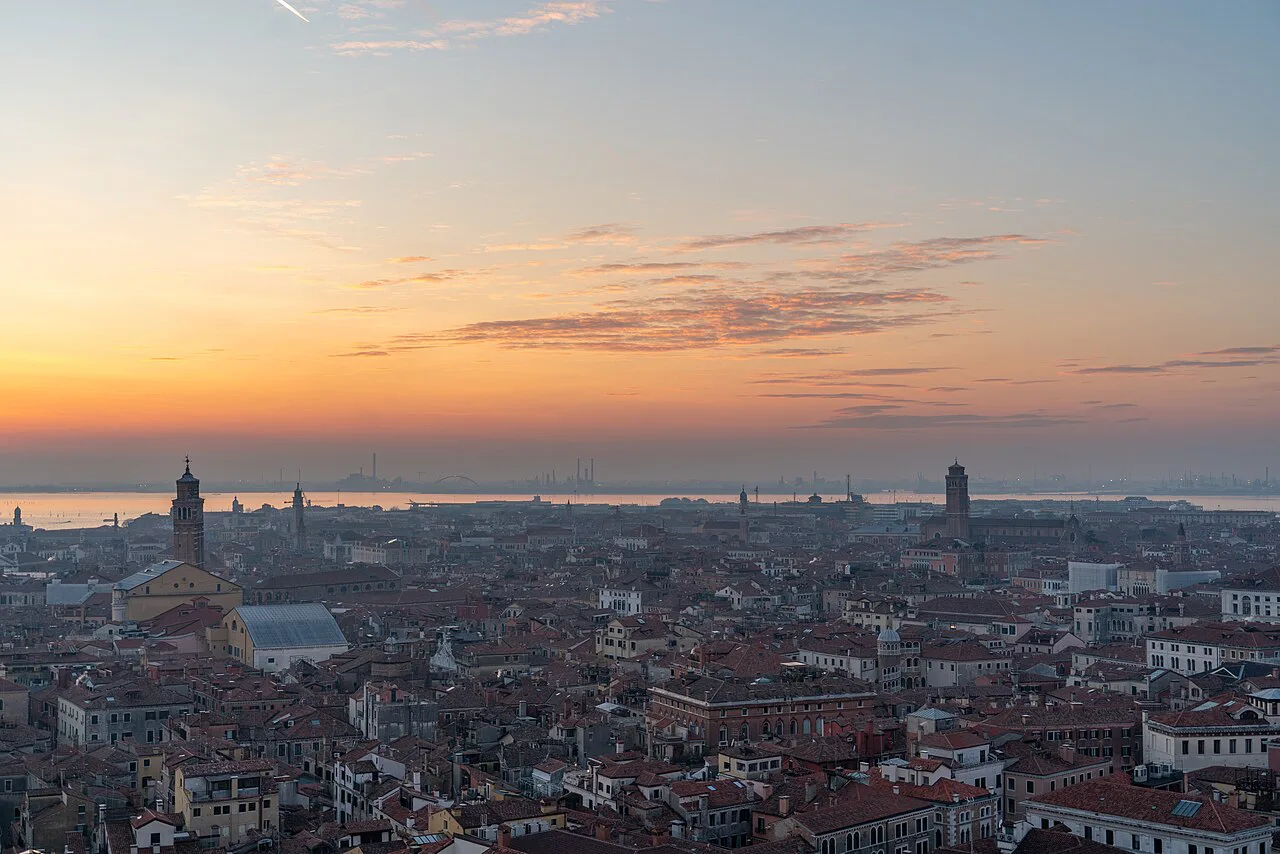
Wondering how many days in Venice you need? Compare 1-day, 2-day, and 3-day plans, plus the access fee, crowds, and logistics that shape your stay.
Read guide →
Find the best time to visit Venice with a season-by-season guide to weather, acqua alta, crowds, entry fees, and festival dates for your 2026 trip.
Read guide →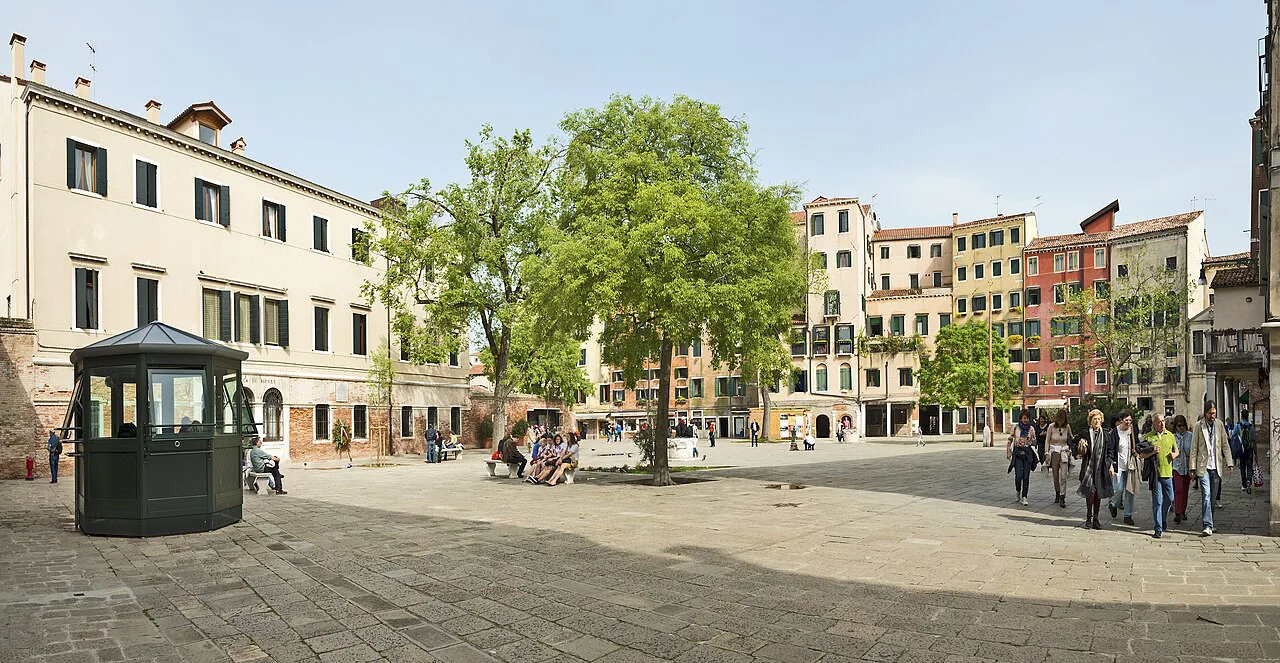
Compare San Marco, San Polo, Cannaregio, and 6 more sestieri and islands, with prices, bridge counts, and vaporetto tips for booking the right base.
Read guide →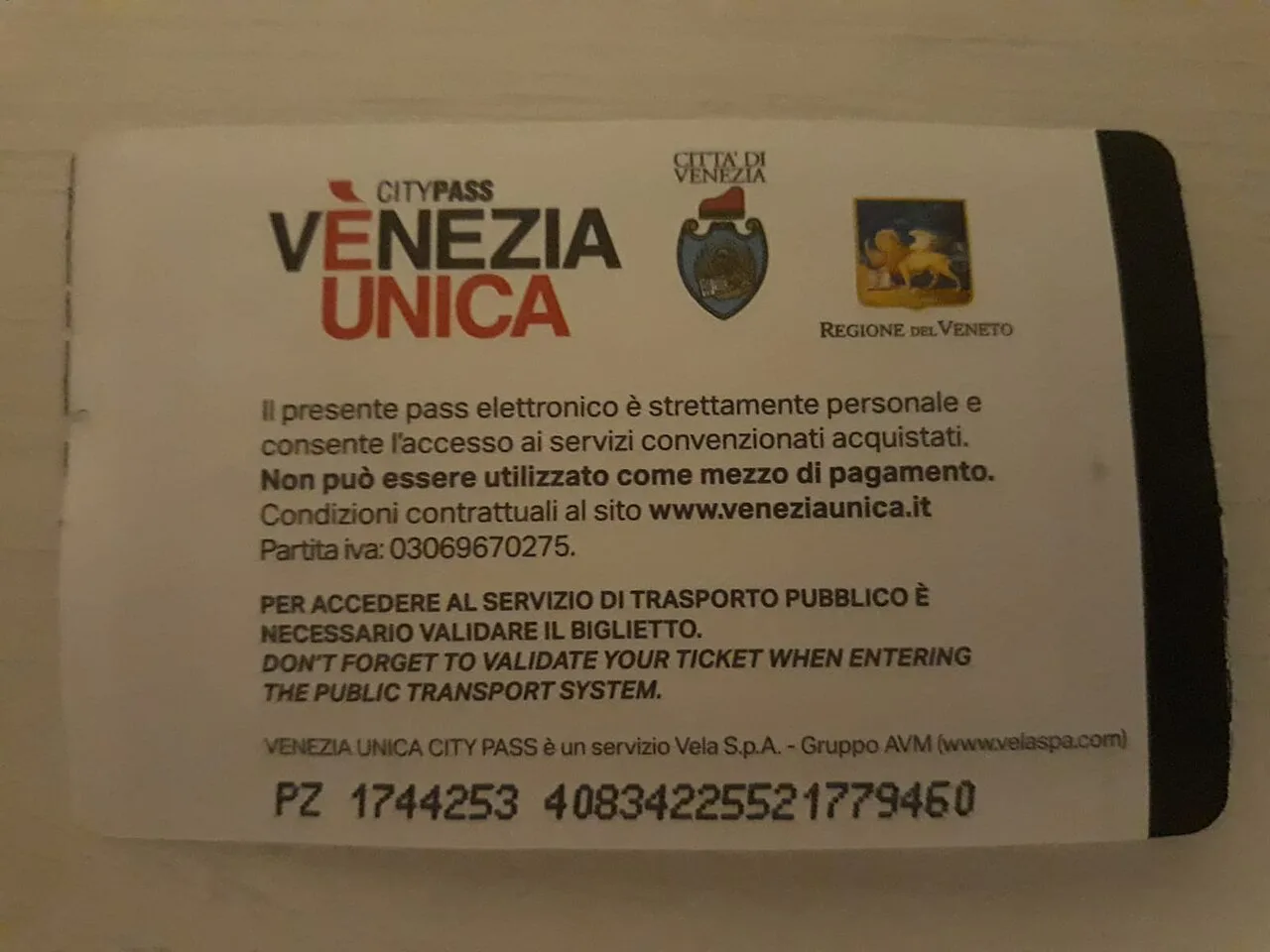
Compare walking, vaporetti, water taxis, and the traghetto for getting around Venice, plus ticket rules and airport transfer tips for 2026.
Read guide →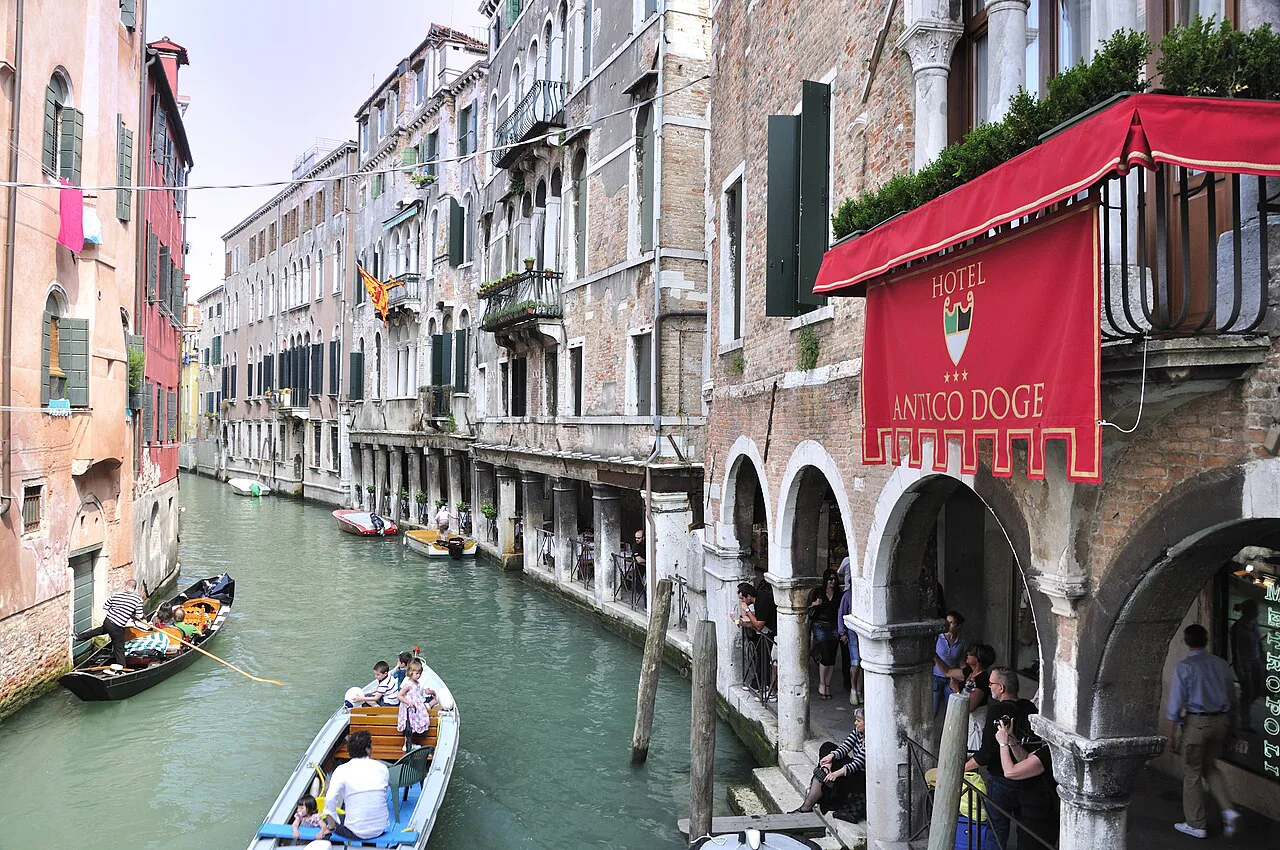
The 12 best restaurants in Venice, sorted by sestiere: Dorsoduro cicchetti bars, Rialto bacari, and destination meals on Burano and Giudecca.
Read guide →Keep exploring