Last updated July 2026, getting around Venice means rethinking transport from scratch. There are no rental cars, rideshare apps, or city buses inside the historic center. Movement instead relies on your own feet, the ACTV vaporetto fleet, and a few water-based alternatives linking San Marco, Cannaregio, Dorsoduro, and the outer islands.
Getting Around Venice: No Cars, No Rideshares, No City Buses
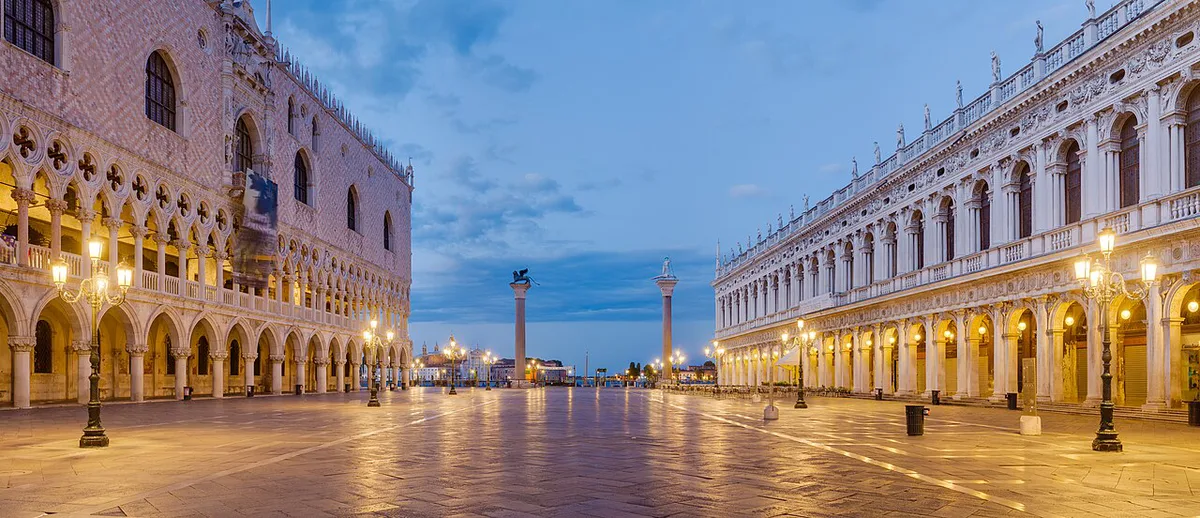
Venice sits inside a lagoon, split by the Grand Canal into sestieri, or districts, including San Marco, Cannaregio, and Dorsoduro. No roads connect these neighborhoods to a highway network, so cars, taxis, and rideshare apps stop at the edge of the city. Addresses inside each sestiere follow one running number rather than a street-by-street system, so a sestiere name plus a nearby landmark works better than a house number alone. San Marco carries the heaviest foot traffic near its major landmarks, while Cannaregio's long, straight canal-side streets are easier to follow than San Marco's tangle of lanes. Dorsoduro tends to be quieter, with fewer crowds along its canals and campi. Nearly every errand, from checking into a hotel to reaching dinner, means walking narrow calli or catching a vaporetto. That single fact reshapes how to plan transport before arrival, including which stop matters most for luggage and timing.
Walking in Venice: The Fastest Way to Cover Short Hops
Walking is usually the quickest way to cross a sestiere, especially between San Marco and Rialto Bridge. Smartphone maps frequently lose signal or misread bridges as through-streets in the narrow calli, a known frustration locals call the GPS gap. Yellow directional signs mounted on building corners point toward major landmarks such as Rialto, San Marco, and Ferrovia, the train station, and they work without a data connection. Following these signs, rather than a blue dot that keeps recalculating, gets visitors to a stop or a hotel faster. Church names and campo, or square, names appear on most signs too, and they work as reliable reference points when a street name does not. Crowds naturally funnel toward the busiest routes between the station, Rialto Bridge, and San Marco, so following foot traffic works as a backup when a sign is missed. Many of Venice's hidden corners and quiet campi only reveal themselves on foot, away from the main vaporetto stops.
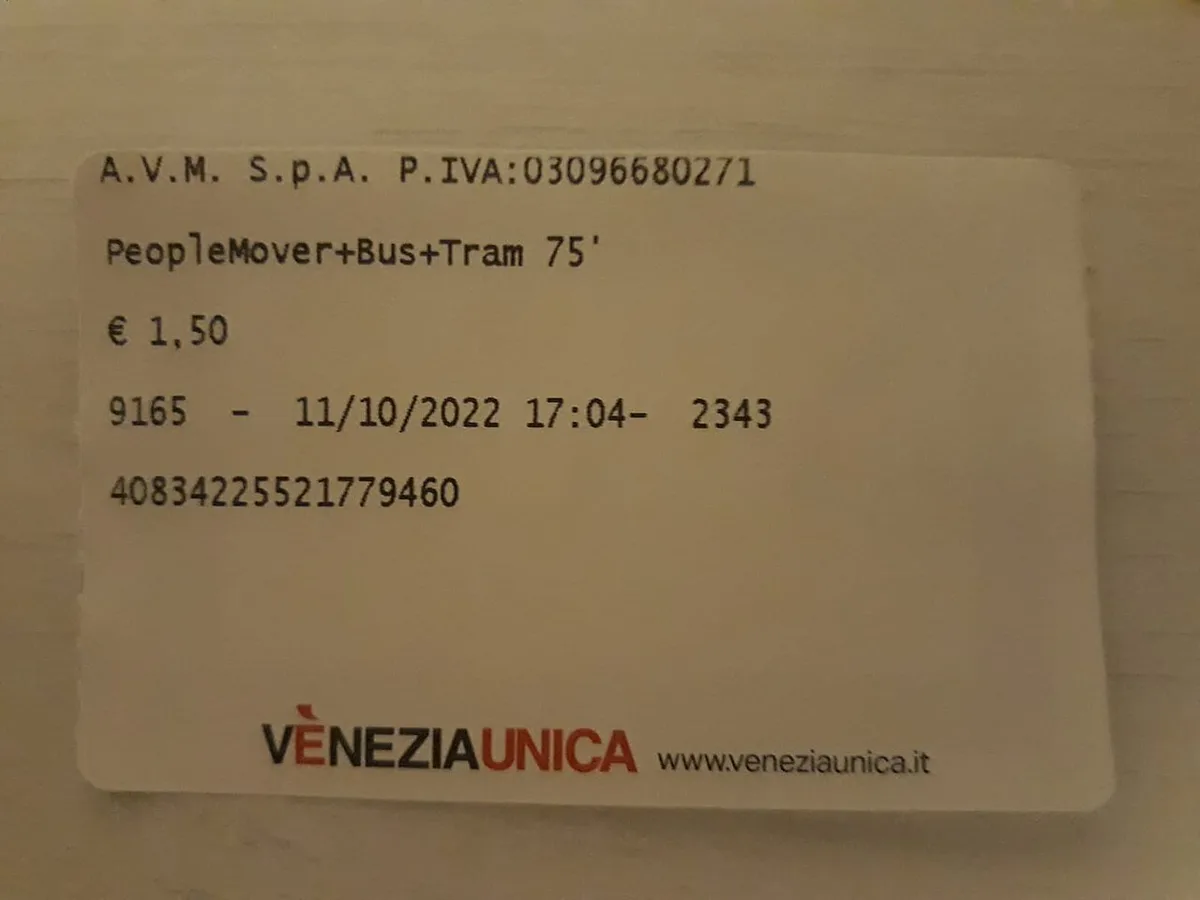
The Vaporetto: ACTV Water Bus Routes, Tickets, and Passes
The vaporetto is Venice's public water bus network, run by ACTV, covering the Grand Canal plus outer islands such as Murano, Burano, and the Lido. Line 1 stops at every dock along the Grand Canal, moving slowly but staying close to the Rialto Bridge and the palazzo facades. Line 2 skips several stops for a faster, more direct route between Piazzale Roma, San Marco, and outlying docks. A night service, marked N, keeps a reduced route running after the daytime lines finish for the evening. Stops throughout San Marco, Cannaregio, and Dorsoduro make the vaporetto useful even for short hops when a bridge detour would add significant walking time. Validate every ticket at the small yellow machine before boarding, since traveling with an unvalidated ticket risks a heavy fine even after purchase. Ticket rules reward planning ahead, since a single ride is time-limited after validation while multi-day passes cost less per trip the longer they last. Tickets are typically sold at ACTV booths, vending machines near main stops, and the ACTV app, though it is worth confirming current purchase options before travel.
- Single ticket: valid 75 minutes from validation, one direction, transfers included
- 24-hour pass: unlimited rides for a full calendar day, useful for reaching Murano and Burano
- 48-hour and 72-hour passes: better value across a longer stay; check current fares on the official ACTV site
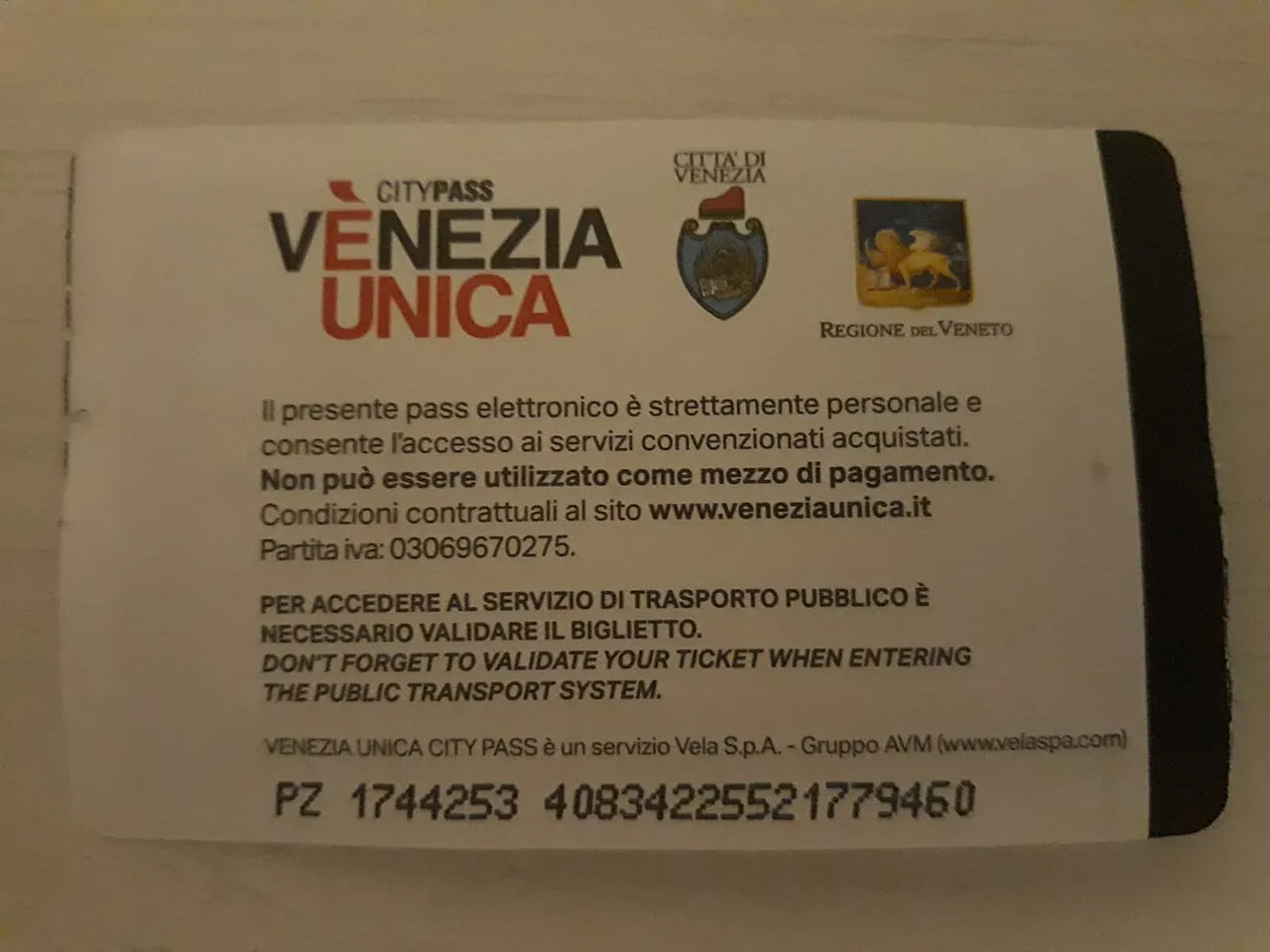
- The Venezia Unica city pass bundles transport with museum or event access for a multi-day trip
The Traghetto: A Local Cross-Canal Shortcut Most Guides Skip
A traghetto is a stripped-down gondola that ferries passengers straight across the Grand Canal at a handful of fixed crossing points. Crossing points cluster along the Grand Canal between San Marco and Dorsoduro, filling gaps where the nearest bridge would mean a long walk. Locals typically pay around €2, roughly $2, per crossing, standing up for the brief ride. Confirm the current fare locally, since small increases happen from year to year. Unlike a private gondola ride, a traghetto is pure transport: no narration, no detour, just a short crossing that skips a walk to the nearest bridge. It shortcuts routes that would otherwise mean backtracking to Rialto Bridge or another crossing point.
Private Water Taxis: When the Splurge Pays Off
A private water taxi picks up directly from Marco Polo Airport, a hotel dock, or a restaurant landing, skipping shared stops entirely. Expect a fare many times higher than a single vaporetto ticket, since the boat and driver are exclusive to the party booking it. That premium makes sense for a late-night arrival with heavy luggage, a special occasion, or a group splitting the cost across several people. It rarely makes sense for a five-minute hop that a vaporetto or a short walk covers just as well. For a late arrival with heavy suitcases and stairs waiting at the hotel, the door-to-door drop-off can be worth the premium on its own. Booking through a hotel concierge or a licensed taxi stand helps confirm the fare before boarding, rather than negotiating dockside.
Gondolas: A Scenic Ride, Not a Transport Option
Gondola rides cover the Grand Canal and smaller side canals at a slow, narrated pace built for sightseeing, not for getting from one point to another. Rates are typically set per boat for a fixed duration rather than per person or per distance, so treat it as an experience purchase, not a commute. Book through a licensed stand near the Rialto Bridge or San Marco, and confirm the current rate and duration before stepping aboard. For an actual cross-canal shortcut on a working schedule, use a traghetto instead.
Cycling and Trams: What Works at the Edge of the City
Cycling is not practical inside the historic islands, since narrow calli, bridge steps, and pedestrian crowds leave no room for a bike. The Lido, Venice's barrier island, is the exception, since it has roads and open space for cycling, though it is worth checking current rental availability locally. Confirm any bike restrictions before packing one, since local rules on wheeled transport in the historic center are strict. Travelers arriving by car or cruise dock sometimes reach Piazzale Roma via a people-mover tram from the Tronchetto parking island, so confirm its current operating status before planning around it. From Piazzale Roma onward, the trip into the historic center switches to walking or the vaporetto, since no tram or bus line continues past that point.
Arriving in Venice: Marco Polo Airport, Treviso, and Piazzale Roma
Marco Polo Airport, VCE, sits closest to the lagoon, while Treviso Airport, TSF, serves many budget carriers farther from the city, so budget extra transfer time either way. From Marco Polo, the Alilaguna water shuttle runs directly into the city, dropping passengers near San Marco or other central stops, though it generally costs more and can take longer than a land bus. ACTV and ATVO buses connect both airports to Piazzale Roma, the last stop reachable by road and the start of the walking-and-water-only zone. Land taxis can meet arrivals at Piazzale Roma too, but they stop there, since no roads continue into the historic center. Venice has no metro or subway system, so trains terminate at Santa Lucia station, making rail the only fixed-line option into the city. Anyone arriving by train or bus for a day trip should also confirm the current status of Venice's access fee for day-trippers, since requirements and dates have shifted in recent years. Planning onward travel from Santa Lucia is worth mapping out in advance, especially when pairing a stay with excursions beyond the lagoon.
Vaporetto vs Water Taxi vs Walking: A Quick Decision Matrix
Choosing between walking, the vaporetto, and a private water taxi comes down to distance, budget, and how much luggage is involved. Short hops inside one sestiere usually favor walking, while longer crossings or a trip to Murano or Burano favor the vaporetto. The table below lines up the trade-offs for a typical trip across the historic center. For most first-time visitors, walking plus a single multi-day vaporetto pass covers nearly every need, reserving a water taxi for arrival day or a special night out.
A traghetto—often missing from transport comparisons—costs €2, roughly $2, for a direct cross-canal crossing, splitting the price difference between free walking and premium water-taxi fares that charge many times more.
| Method | Speed | Cost | Effort | Scenic Value |
|---|---|---|---|---|
| Walking | Fastest for hops under 15 minutes | Free | High with bridges and luggage | High, but easy to lose the route |
| Vaporetto | Moderate, depends on the line and stops | Low per ride; better value with a multi-day pass | Low, boarding and disembarking is simple | High, especially along the Grand Canal |
| Water Taxi | Fastest door-to-door | Highest, many times a vaporetto fare | Lowest, direct pickup and drop-off | Moderate, private rather than scenic |
Accessibility: Bridges, Luggage, Strollers, and Wheelchairs
Venice's historic center has hundreds of small bridges, most with steps and no ramp, which turns luggage into the single biggest transport variable. Small suitcase wheels catch on cobblestones and bridge steps within the first few minutes off the train. Choosing accommodation near a vaporetto stop cuts down the number of bridges between the boat and the front door. Strollers face the same bridge-count problem, so families should read family travel notes for Venice before choosing a route. Wheelchair users should confirm which vaporetto stops have working ramps or lifts directly with ACTV, since coverage is not consistent across every stop. Travelers with mobility devices should also check individual sight accessibility separately, since bridges and old buildings vary widely. Travelers staying two nights can pair a transport pass with a two-day Venice route. Those staying longer can space bridge-heavy neighborhoods across a three-day Venice route instead.
A walk under 15 minutes seems quick, but luggage transforms the math—large-wheeled cases and hotel proximity to a vaporetto dock become the determinants of actual ease, not just speed.
Common Transport Mistakes to Avoid
A few recurring mistakes cost visitors time, money, or an unexpected fine. Watch for these before setting out.
- Skipping ticket validation: an unvalidated ticket at an ACTV inspection can mean a heavy on-the-spot fine, even if the ride was already paid for
- Booking a water taxi for a five-minute hop: the fare can run many times a vaporetto ticket for a trip that walking covers just as fast
- Packing a suitcase with small wheels: cobblestones and bridge steps punish tiny wheels, so a backpack or a case with large wheels travels easier
- Trusting a smartphone map at street level in the calli: cross-check turns against the yellow directional signs toward Rialto, San Marco, or Ferrovia
- Assuming a gondola works as a commute: it is priced and timed as an experience, not a point-to-point ride
- Assuming every dock serves every line: check the boards posted at each stop, since not all vaporetto lines call at every dock
Getting to Murano, Burano, and the Lido by Vaporetto
Island trips require more planning than journeys along the Grand Canal. Fondamente Nove is the main departure point for boats toward Murano and Burano. It sits on Cannaregio’s northern waterfront, about a 20-minute walk from Rialto.
Line 12 typically serves Murano Faro before continuing toward Mazzorbo and Burano. Check the electronic board because some departures skip intermediate stops. Burano is farther from central Venice, so allow enough time for the return journey.
- Murano: use Colonna for the glassmaking district or Faro for onward connections.
- Burano: remain aboard beyond Murano and confirm the destination before boarding.
- Lido: boats from San Marco–San Zaccaria reach Lido Santa Maria Elisabetta, often shown as Lido S.M.E.
Multi-day ACTV passes cover standard vaporetto services to these islands. Private tours and Alilaguna airport boats follow separate ticket rules. Validate the pass before the first journey and check the posted timetable for the final return boat.
Further reading: Venice on Wikivoyage · Venice on Wikipedia
Frequently Asked Questions
How do you get around Venice without a car?
Walking and the ACTV vaporetto cover almost every trip inside the historic center, since cars and rideshare apps stop at Piazzale Roma. Water taxis and the traghetto fill in for cross-canal shortcuts or extra luggage.
Is a vaporetto pass worth buying?
A multi-day pass usually costs less per ride than repeated single tickets, especially when island-hopping to Murano and Burano. Check current fares on the official ACTV site before choosing between a 24-hour, 48-hour, or 72-hour pass.
How much time should you plan for airport transfers?
Budget extra time from Marco Polo Airport for the Alilaguna water shuttle, since it generally takes longer than a land bus to Piazzale Roma. From Treviso Airport, budget extra transfer time too, since it sits farther from the lagoon.
What is a traghetto and how is it different from a gondola?
A traghetto is a working cross-canal ferry that locals use standing up for a fare around €2, roughly $2. Gondolas are private, narrated rides priced and timed as a sightseeing experience, not a transport option.
Is Venice hard to navigate with luggage or a stroller?
Bridges without ramps make wheeled luggage and strollers the biggest friction point, so a case with large wheels works better than one with small wheels. Booking accommodation close to a vaporetto stop cuts the number of bridges between the boat and the door.
What's the best way to reach Murano and Burano?
The ACTV vaporetto is the standard way to reach both islands, with several lines serving Murano and Burano from stops around the historic center. A multi-day pass often makes sense for a day covering both islands, since fares add up quickly across several rides.