
Last updated July 2026. The best time to visit Venice depends on whether you value mild weather, lower prices, or dodging the acqua alta flood season. Shoulder months like May and late September offer the clearest balance between comfortable temperatures and manageable crowds, while understanding Venice's flood calendar and access-fee dates helps you avoid costly surprises before you book flights.
The Quick Answer: Best Time to Visit Venice by Traveler Type
Different travelers optimize for different things in Venice. Weather, crowd levels, and price move together for most of the year, but not always in the same direction, which is why the right season depends on what matters most to your trip. See the full Venice travel guide for planning basics, then use this breakdown to match a season to your priority.
- Budget travelers: aim for January or early March, avoiding Carnevale weekends, when hotel rates drop and the 10 Best Free Things to Do in Venice (2026) list covers most of a full day.
- Festival-goers: build a trip around Carnevale in February, the Vogalonga regatta in late May, Redentore in July, or a Biennale opening year.
- Quiet-seekers: choose November weekdays or January outside Carnevale week, when Piazza San Marco empties out by early evening.
- Families: target May or late September for long daylight and mild heat; the Venice with Kids: A 2026 Family Travel Guide guide covers manageable walking distances for younger travelers.
Spring in Venice (March to May): The Sweet Spot
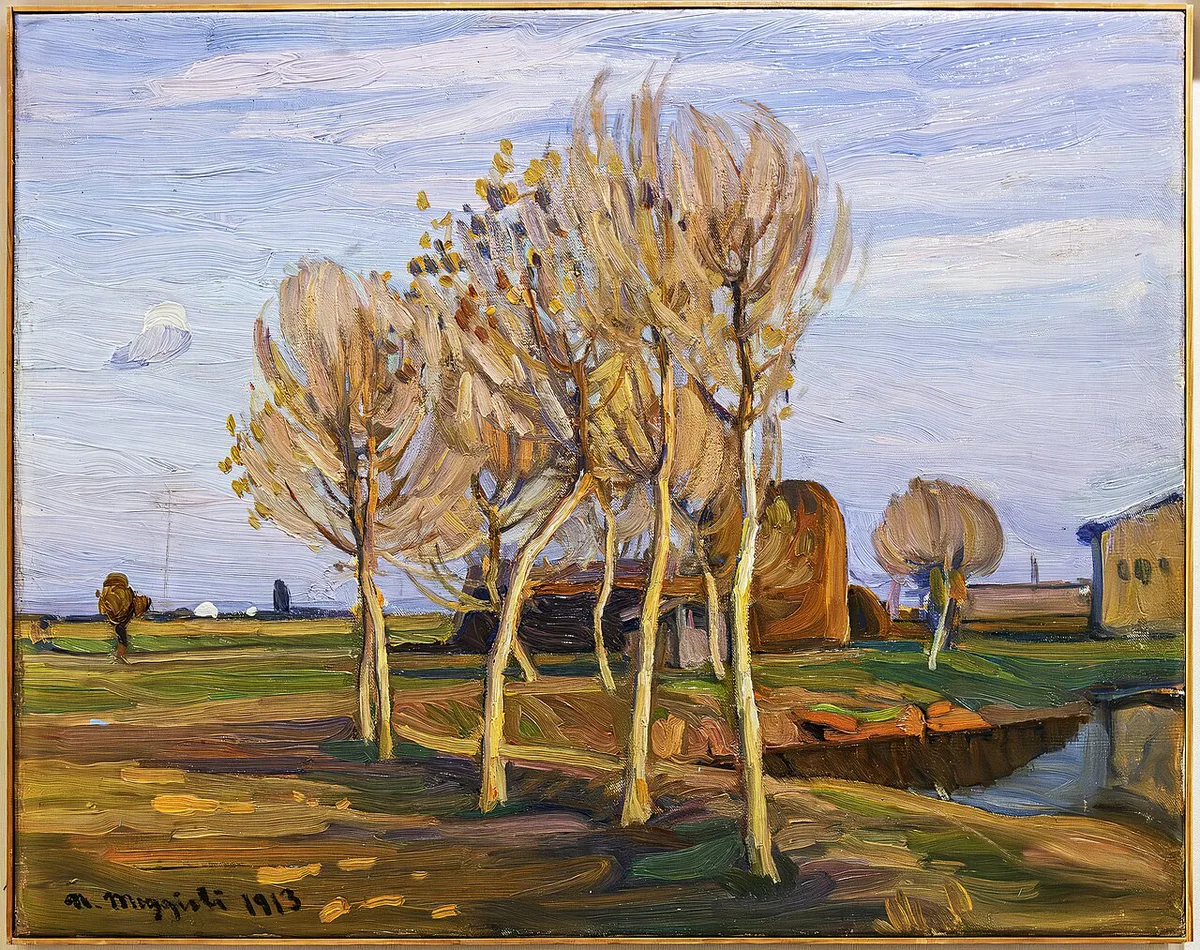
Spring is the season most guides recommend first, and the weather supports that. Daytime highs climb from about 12°C (54°F) in March to 20°C (68°F) by late May, with far less rain than autumn. Shoulder-season hotel rates in March undercut summer rates by a wide margin, and lines at major sights stay short through early April. April brings wisteria blooms along Dorsoduro's canal-side gardens, adding a scent summer visitors rarely notice. Soft, low morning light through much of spring is exactly why the 10 Best Photo Spots in Venice (2026) guide favors this window for Grand Canal shots. Late May adds the Vogalonga, a non-motorized boat regatta usually held on a Sunday that closes sections of the Grand Canal for a morning.
Late May reaches 20°C (68°F), matching early autumn's mild temperatures, yet May avoids September's Venice Film Festival crowds and Biennale competition for hotels, delivering similar weather at lower prices.

Summer in Venice (June to August): Peak Heat and Peak Crowds
Summer brings Venice's warmest and busiest months. Highs regularly reach 28-30°C (82-86°F) in July and August, with occasional spikes to 33°C (91°F) during heatwaves. A common claim holds that Venice's canals smell badly in summer, but that is mostly overstated. Low tide combined with sustained heat can occasionally produce a noticeable odor near smaller side canals, though it is not constant or citywide. Crowding matters more: Piazza San Marco and the Rialto Bridge peak between 10am and 4pm as cruise and day-trip groups arrive. Arriving before 9am or returning after 6pm cuts crowds noticeably, even in August. Vaporetto lines run hot and packed at midday, so check the Getting Around Venice: A Local Transport and Walking Guide guide before locking in a tight schedule. Families visiting in summer should plan around midday heat, using early mornings and evenings for major sights instead of long afternoons.
Autumn in Venice (September to November): Events and the Arrival of High Water
September opens with highs near 24°C (75°F), and the Venice Film Festival fills Lido hotels for its early-September run. Temperatures ease to about 12°C (54°F) by November as the season turns toward acqua alta risk. Hotel rates in October and November typically undercut summer's peak, even before flood risk factors into the calculation. Crowds thin once the festival crowd clears, especially on weekdays. Rain grows more likely than in summer, so keep the Venice on a Rainy Day: 2026 Indoor Guide guide bookmarked as a backup plan. Cannaregio and Castello stay comparatively calm even during festival weeks, since most day-tripper routes concentrate around San Marco and the Rialto; their side streets feature in our lesser-known Venice spots guide.
Winter in Venice (December to February): Mist, Carnival, and Quiet Streets
Winter is Venice's coldest and quietest season outside Carnevale week. Daytime temperatures hover around 7°C (45°F), dropping to 2°C (36°F) overnight, and fog can slow vaporetto schedules on the Grand Canal. Layered clothing matters more than one heavy coat, since indoor sightseeing spaces run warm while waterfront squares stay damp and windy. Shorter daylight hours make evening planning matter more, so check the 10 Best Things to Do in Venice at Night (2026) guide and the best sunset spots in Venice guide before you go. Carnevale typically runs about two weeks before Ash Wednesday, so exact 2026 dates shift with the Easter calendar; confirm them on Venezia Unica's official event calendar. Outside Carnevale week, short lines make it easy to fit extra stops from the best museums in Venice list into one afternoon, and clear winter light suits the 10 Best Viewpoints in Venice (2026 Guide) guide's bell-tower picks.
Understanding Acqua Alta: Venice's Flooding Season
Acqua alta, or exceptionally high tide, is most likely from October through January. Most events are a minor nuisance rather than a safety issue: shallow water covers Piazza San Marco and a few low-lying calli for a few hours, then recedes. Raised walkways, called passerelle, go up along main routes when water rises, and shops sell waterproof boot covers on the spot. Severe events that push water well above ankle height are less common, but they can close ground-floor shops and small museums for part of a day. Severe flooding can also suspend some vaporetto stops temporarily, so build extra transit time into any autumn or winter itinerary. Centro Maree, Venice's official tide center, publishes real-time forecasts and historical tide data; checking it a day or two before arrival tells you what to expect.
The Venice Entry Fee and Peak-Day Calendar
Venice charges a small access fee, the Contributo di Accesso, on a defined set of peak dates aimed at day-trippers rather than overnight guests. As of 2026, the fee has been listed at €5 per person on applicable days. Overnight visitors are generally exempt once they register accommodation details. Day-trippers arriving on a listed date are generally expected to reserve entry in advance through the official booking system, so check requirements a few weeks ahead rather than at the train station. Applicable dates typically cluster around spring weekends and public holidays and are revised annually, so confirm the current list on the Comune di Venezia portal before finalizing dates. This fee covers city access, not museum or attraction entry, which is billed separately.
Season Comparison at a Glance
Use this table to compare the four seasons at a glance before picking a travel window. Treat the ranges below as planning guardrails rather than exact forecasts, since any single week can run warmer, cooler, wetter, or busier than average.
| Season | Avg Temperature | Crowd Level | Price Level | Signature Event |
|---|---|---|---|---|
| Spring (Mar-May) | 12-20°C (54-68°F) | Moderate, rising in May | Mid-range | Vogalonga regatta (late May) |
| Summer (Jun-Aug) | 28-30°C (82-86°F), peaks 33°C (91°F) | Highest of the year | Highest of the year | Redentore fireworks (mid-July) |
| Autumn (Sep-Nov) | 24°C (75°F) down to 12°C (54°F) | High in September, easing after | Mid-to-high in September | Venice Film Festival (early Sept) |
| Winter (Dec-Feb) | 2-7°C (36-45°F) | Lowest, except Carnevale week | Lowest, except Carnevale week | Carnevale (Feb, dates vary) |
Month-by-Month Breakdown of Venice Events
Several fixed and shifting events reshape Venice's calendar every year. Booking around or away from these dates changes both price and crowd level. Some dates are fixed years in advance, while religious-calendar events like Carnevale shift annually, so verify the current year before booking flights.
- Carnevale (February, exact dates shift with Easter): masked processions and events fill San Marco and Cannaregio for about two weeks before Ash Wednesday.
- Vogalonga (late May): a non-motorized boat regatta that closes sections of the Grand Canal for a Sunday morning.
- La Biennale di Venezia (alternating Art and Architecture editions): fills Castello district accommodation for months around its opening, so check which edition runs in your travel year.
- Redentore (mid-July, third weekend): fireworks over the Giudecca Canal mark one of the city's biggest summer nights.
- Venice Film Festival (early September, Lido): draws industry crowds and tightens Lido hotel availability.
Venice Travel Trade-offs: Cost vs Crowds
Price and crowd level move together in Venice, but not identically. A standard double room in a mid-range Cannaregio hotel that lists for around €90 a night in March can climb past €180 during peak July weeks and Biennale opening days. Booking three to four months ahead secures better rates in any season, but the gap between early and last-minute pricing widens most during July, August, and Biennale opening weeks. During a Biennale year, Castello district hotels fill months ahead of the opening, since exhibition staff and press book early. Shoulder-season travelers gain a second benefit beyond price: better availability for sought-after Cannaregio and Dorsoduro addresses that sell out during peak weeks. Compare neighborhoods before locking in dates using the Where to Stay in Venice: 9 Best Neighborhoods for 2026 guide. Restaurant prices shift less by season, but the 12 Best Restaurants in Venice: Where Locals Actually Eat (2026) guide flags which spots need summer reservations weeks ahead.
Planning Your Logistics Based on the Season
Season should shape more than a packing list. Winter fog can delay vaporetto services on the Grand Canal, so build buffer time between connections. Summer heat makes crowded vaporetti uncomfortable at midday, another reason to front-load sightseeing into early mornings. Museums and churches that close one day a week sometimes shift winter hours further, so confirm opening times the day before a visit regardless of season. Decide how long to stay before booking anything: the How Many Days in Venice? The Perfect Duration for Every Traveler guide breaks down trade-offs across seasons. Winter's short queues suit a compact schedule. A one-day Venice itinerary covers the core sights without summer's lines. Travelers with more time can follow a two-day Venice itinerary instead. A three-day Venice itinerary adds room for a day trip when weather cooperates, and the Day Trips From Venice Travel Guide guide covers options as far as the Dolomites foothills. Peak-season visitors should also weigh the Venice Pass guide's cost breakdown against expected wait times at major sights. Airport water-taxi and bus transfers run less frequently in deep winter, so confirm timetables the night before an early departure.
Summer heat peaks at 28-30°C (82-86°F) while crowds concentrate between 10am and 4pm, making an early 9am arrival critical—not just to dodge lines, but to escape both the heat and crowded vaporetti simultaneously.
Mistakes to Avoid When Timing Your Venice Trip
A few recurring planning mistakes cost travelers time or money in Venice.
- Booking a peak-season trip without checking the access-fee calendar, then discovering a designated date falls mid-visit.
- Packing for autumn or winter without checking acqua alta forecasts, then getting caught without waterproof footwear.
- Assuming Carnevale falls on fixed calendar dates every year, when it actually shifts with the Easter calendar.
- Underestimating August heat on crowded vaporetti and skipping the early-morning window when major sights are quietest.
- Booking a Biennale-year trip late and finding Castello district hotels already full.
- Defaulting to July or August out of habit, when May or September deliver similar sights for less money and shorter lines.
Further reading: Venice on Wikivoyage · Venice on Wikipedia
Frequently Asked Questions
What is the single best month to visit Venice?
May and late September are usually the strongest picks, since both combine mild temperatures with lighter crowds than the June-to-August peak.
Does Venice flood in summer, or only in autumn and winter?
Acqua alta is concentrated from October through January and is rare in summer. Most events are a temporary nuisance rather than a safety concern, and raised walkways go up when water rises.
How much is the Venice access fee, and who has to pay it?
As of 2026, the fee has been listed at €5 per person on designated peak dates, and it targets day-trippers rather than overnight guests, who are generally exempt once registered. Confirm the current calendar on the Comune di Venezia portal before you travel.
Which Venice neighborhoods stay quiet even in peak season?
Cannaregio and Castello stay comparatively calm even in July and during festival weeks, since most day-tripper routes concentrate around San Marco and the Rialto.
How much time should you plan for a Venice trip depending on the season?
Two to three days works well in most seasons, though winter's thin crowds suit a shorter one-day itinerary and shoulder-season visits leave room for a day trip out of the city.
Is Venice worth visiting in the rain?
Yes. Many major sights are indoor, and the Venice rainy day guide lays out a full backup plan for wet afternoons in any season.
Does the Venice access fee apply to every day of the year?
No. It applies only on a limited set of designated peak dates, mostly spring weekends and holidays, and overnight guests are generally exempt once registered.