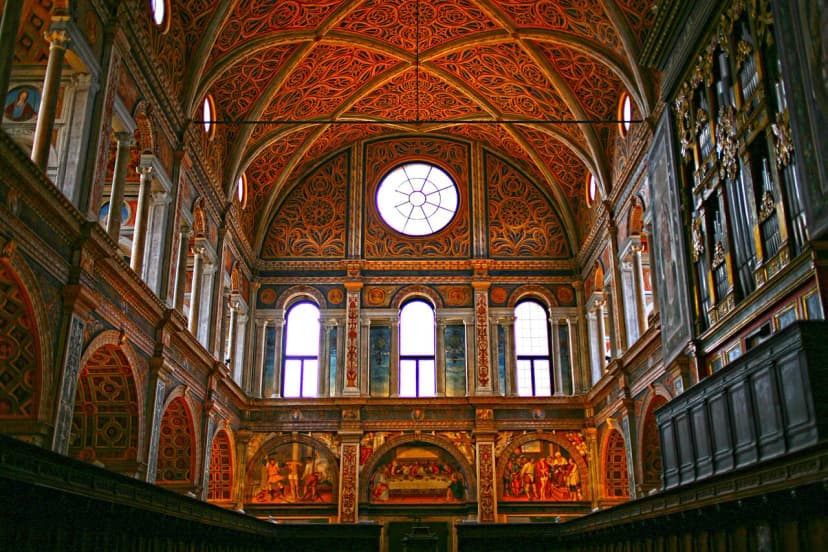
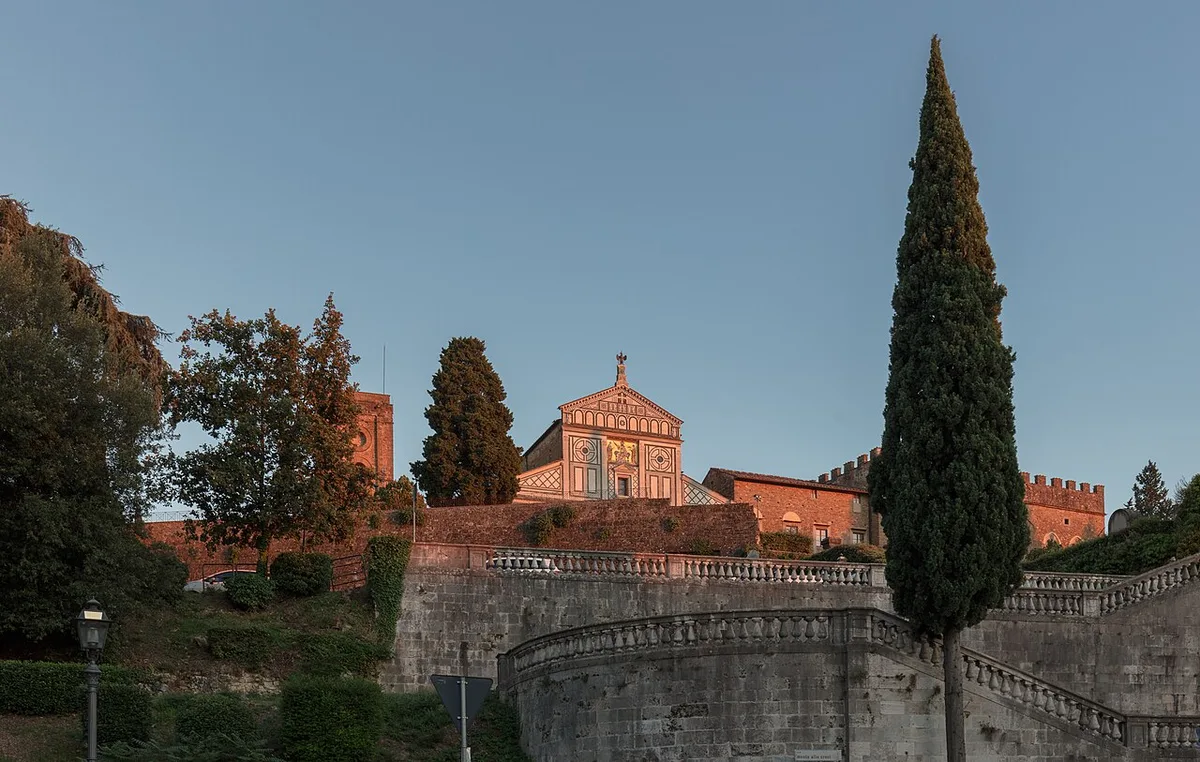
Hidden Gems in Florence
Find real hidden gems in Florence, from secret wine windows to quiet gardens and local markets, with 2026 prices and timing tips for a calmer visit.
Read guide →Florence travel guides for 2026: itineraries, day trips, hidden gems, museums, free things to do and city-pass advice — every Florence planning guide in one hub.

Everything we've published on visiting Florence, in one place: 19 trip-planning guides covering itineraries, day trips, hidden gems, the best viewpoints and museums, family and rainy-day options, and honest advice on city passes. Each guide is written for a specific decision you make while planning a trip to Florence, Italy.
Looking for individual landmark tickets, opening hours and worth-it advice? See our Florence attractions hub, with 14 dedicated visitor guides.
Start with the itinerary guides (1-3 days) to build your base itinerary, then layer in specific interests like museums, viewpoints, or free activities based on your preferences and time in the city.
For most first-time visitors, two to three days covers the essential sights without feeling rushed — each major museum takes two to three hours to properly experience, which is why cramming the Uffizi and the Accademia into a single morning rarely works. Our trip-length planning guide compares one-day sprints, the classic two-to-three-day visit, and four-to-five-day stays that use Florence as a Tuscany base, so start there if you're still deciding.
Once you've settled on a length, the itineraries do the sequencing for you. The one-day route threads the Duomo, the Uffizi and Piazzale Michelangelo into a single realistic loop; the two-day plan adds timed museum slots and an easy third-day add-on; and the three-day version folds in a bonus Tuscany day trip. All three flag which tickets need booking days ahead, which is the single biggest difference between a smooth visit and a queue-heavy one.
May, June and September usually deliver the most reliable mix of comfortable temperatures and manageable crowds, while late fall and winter trade a few degrees of warmth for thinner lines — hotel rates can drop by half compared with July. The month-by-month timing guide breaks down weather, crowd levels and prices so you can match the season to your priorities.
Season also changes your evenings more than you'd expect: sunset falls near 9:30 pm in June and closer to 4:45 pm in December, which reshapes when you'd climb a viewpoint or cross the river for golden hour. Our guide to the best sunset spots compares free hillside terraces, quiet gardens and paid rooftop cafés with timing tips for each. And if the forecast turns, Florence's museum density makes a wet day easy to fill — the rainy-day guide in the cards below maps covered markets, indoor cafés and family-friendly picks.
Florence's historic core sits inside a ZTL (limited traffic zone), so where you sleep determines how much of the city you can reach on foot — and whether arriving by car is even practical. The neighborhood comparison weighs five bases, from San Giovanni's Duomo-adjacent lanes to Oltrarno's artisan streets, by logistics, noise and walking distance. Traveling as a family changes the calculus again: stroller-friendly routes, park time and museum pacing all matter, and the family guide covers the timing tricks that keep young kids engaged — including the fact that many museums, the Uffizi among them, offer free entry for visitors under eighteen through 2026.
The Firenze Card typically costs €85 to €95 per adult for 72-hour access, which only pays off on museum-heavy visits — our honest pass verdict runs the math on when four or more museums over two-plus days justifies it, and when individual tickets win. If you're leaning the other way, an entire day can cost nothing: the free things to do roundup collects ten no-cost spots, from grand piazzas to a hidden library terrace, with real hours attached. Timing helps here too — the free-museum openings cluster in the October–March low season, so a winter trip can be dramatically cheaper than the same itinerary in June.
Florence's big sights run on separate ticketing systems, and knowing the numbers ahead of time saves both money and queue hours. The Uffizi Gallery charges €25 at the door but €29 booked in advance — the extra €4 guarantees your timed slot, and the gallery closes Mondays. Climbing Brunelleschi's dome takes the €30 Brunelleschi Pass, which covers 463 steps between the dome's inner and outer shells plus the Bell Tower, Baptistery and museum; the Duomo visitor guide explains why the cathedral nave below stays free while dome slots sell out days ahead.
Michelangelo's David lives at the Accademia Gallery, where tickets run €16 at the door or €20 online for what's usually a 60–90 minute visit, Tuesday–Sunday 8:15am–6:50pm. Across the river, the Boboli Gardens cost €10 at the gate (€13 booked online) and close on the first and last Monday of every month — a different schedule from the every-Monday closures at the Uffizi, and the single most common scheduling mistake visitors make. Back on the north bank, Palazzo Vecchio starts from €15 and stays open daily 9am–7pm, making it one of the few major museums you can slot in on a Monday; adding the 94-meter Arnolfo Tower pushes a combined ticket closer to €17–22, and buys you a skyline view that rivals the paid climbs across town.
Food and shopping deserve planning time too. The restaurant guide covers Oltrarno trattorias, market eats and the coperto — the per-person cover charge that appears as its own line on every printed bill, not a scam. For leather, marbled paper and market haggling, the shopping guide maps each district and explains how non-EU residents reclaim VAT on qualifying purchases.
With extra days, Tuscany opens up by regional train: Pisa is about 50 minutes away with tickets around €9 one way, and Siena takes roughly 90 minutes at €9–14 each way. The day-trips comparison ranks the options — Siena, Lucca, Cinque Terre and more — by train time, cost and how much of a day each realistically needs: budget four to five hours round trip for a quick Pisa stop, and a full eight-hour day for Siena, Lucca or Cinque Terre.
Find real hidden gems in Florence, from secret wine windows to quiet gardens and local markets, with 2026 prices and timing tips for a calmer visit.
Read guide →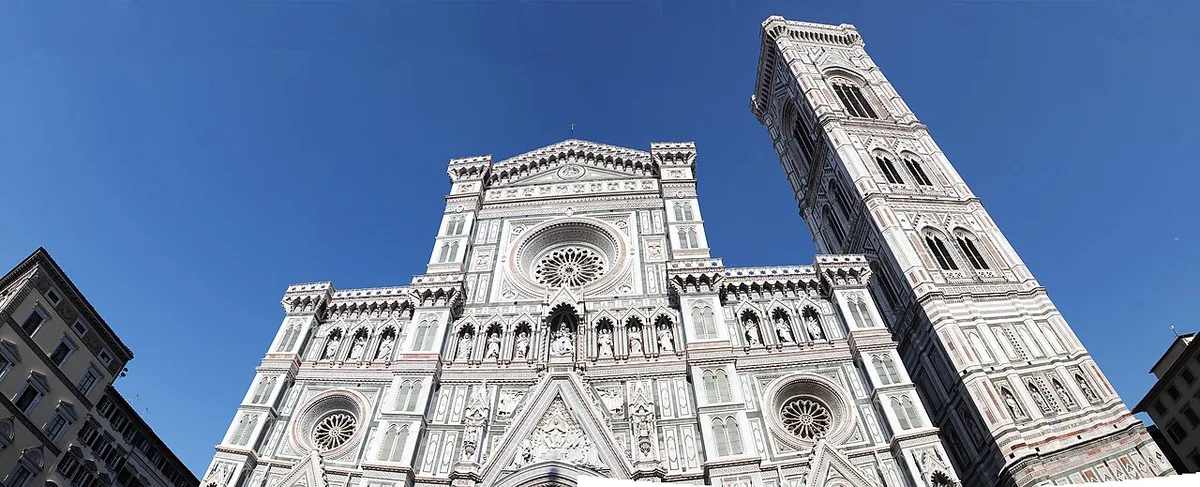
Is the Florence Pass worth it in 2026? Compare Firenze Card pricing, hours, and included museums, then decide before booking your Florence trip.
Read guide →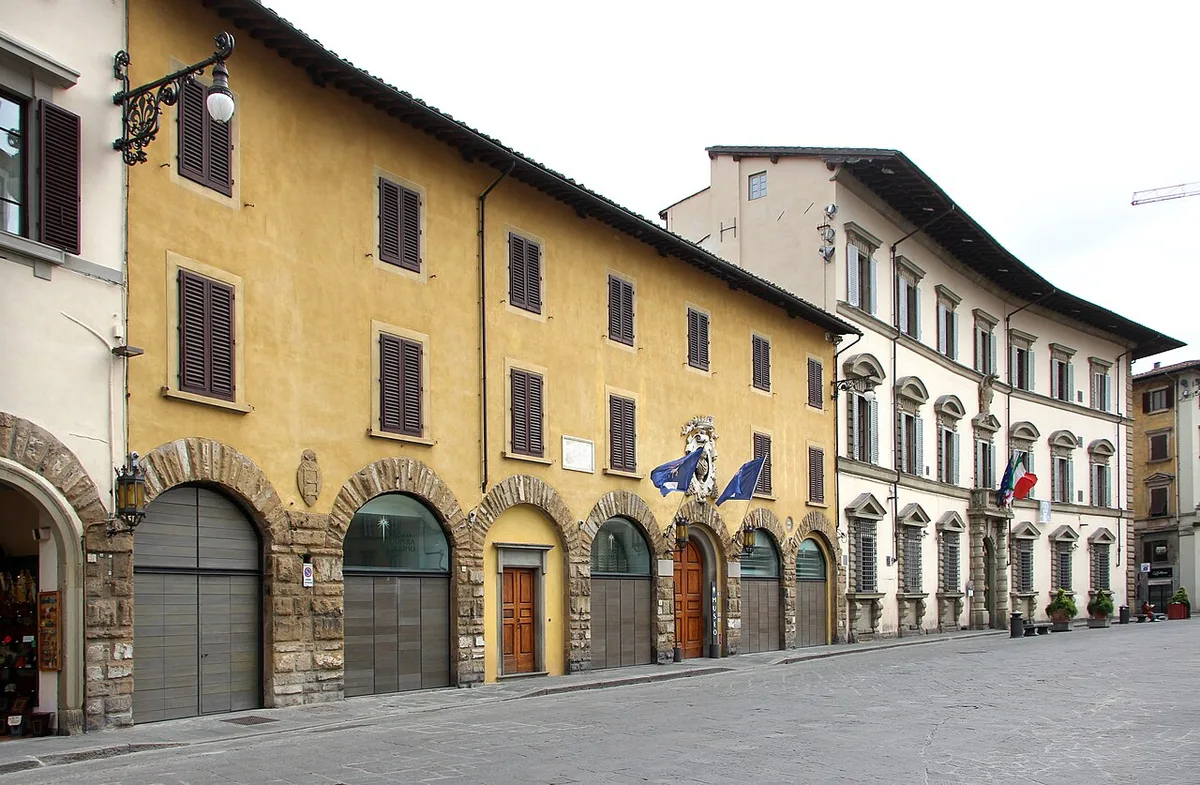
Plan a one day in Florence itinerary with the Duomo, Uffizi Gallery, and Piazzale Michelangelo, plus current 2026 ticket costs, hours, and booking tips.
Read guide →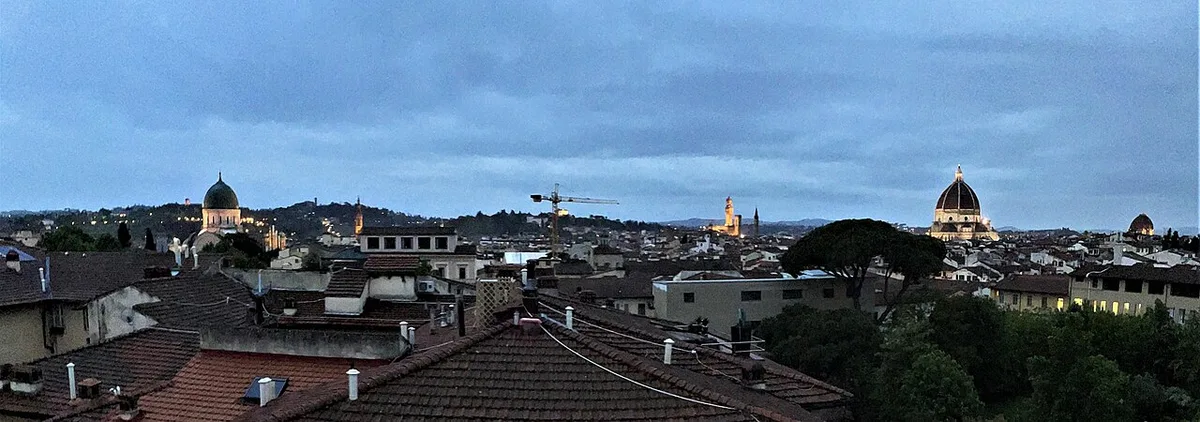
Plan a 2 days in Florence itinerary for 2026 with a timed day-by-day route, museum ticket tips, neighborhoods to stay in, and an easy third-day add-on.
Read guide →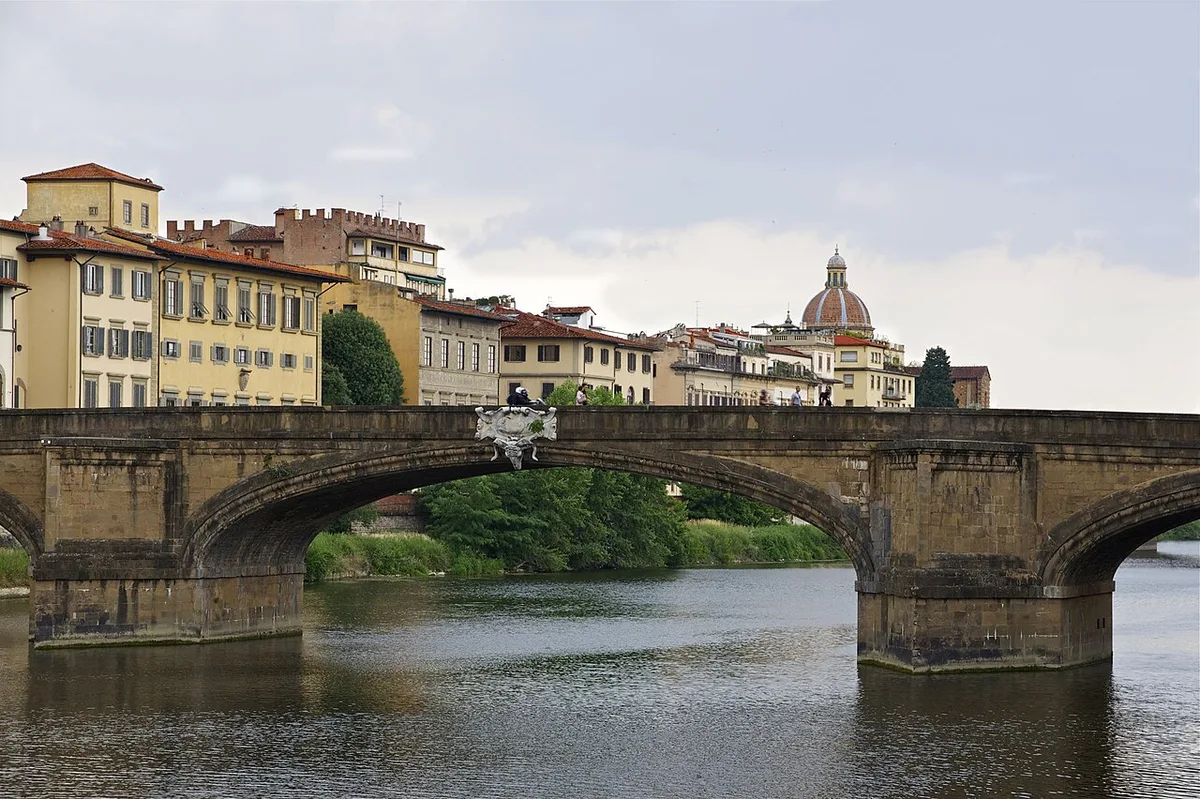
Follow this 3 days in Florence itinerary with a day-by-day plan, ticket prices, hotel picks, booking tips, and a bonus Tuscany day trip for 2026.
Read guide →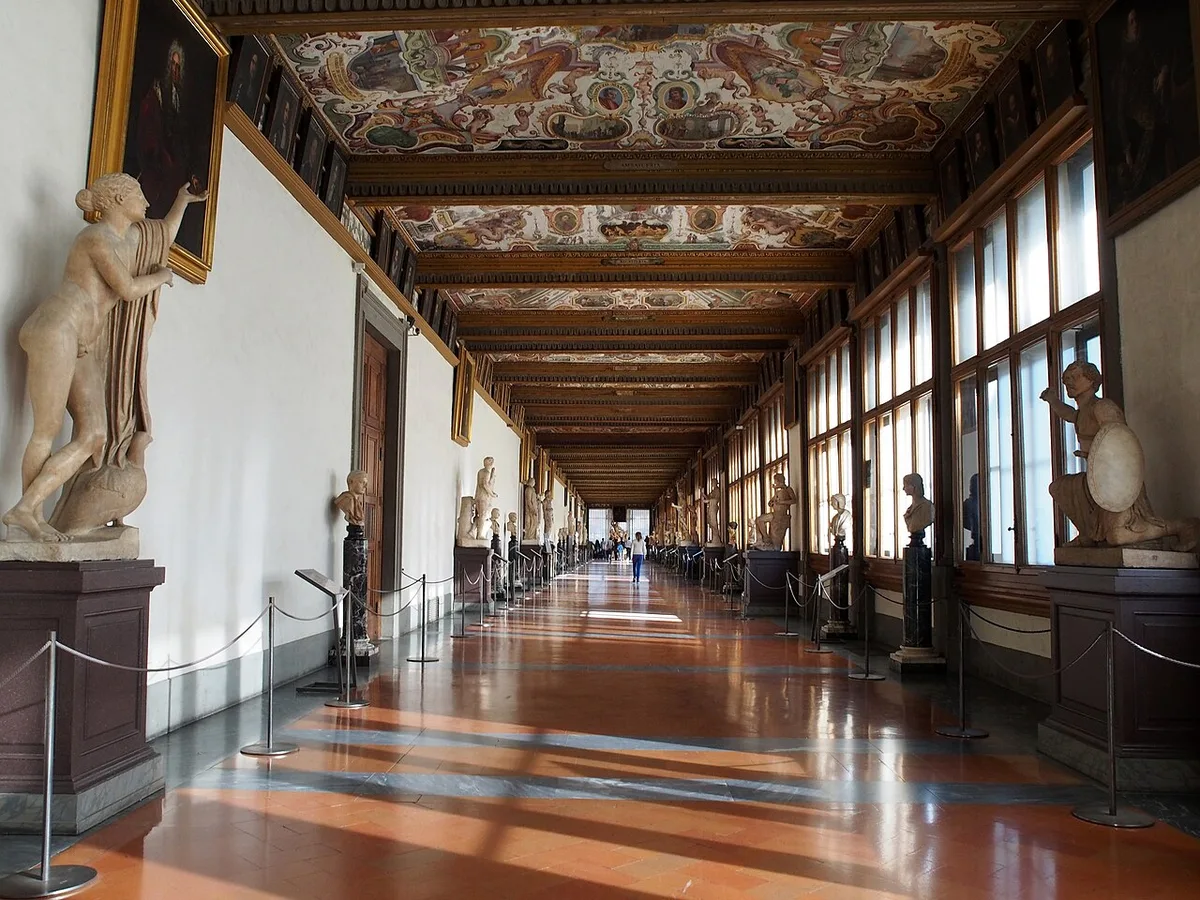
Plan your 2026 visit with the 10 best museums in Florence worth visiting — real prices, opening hours, and insider tips to skip the longest lines.
Read guide →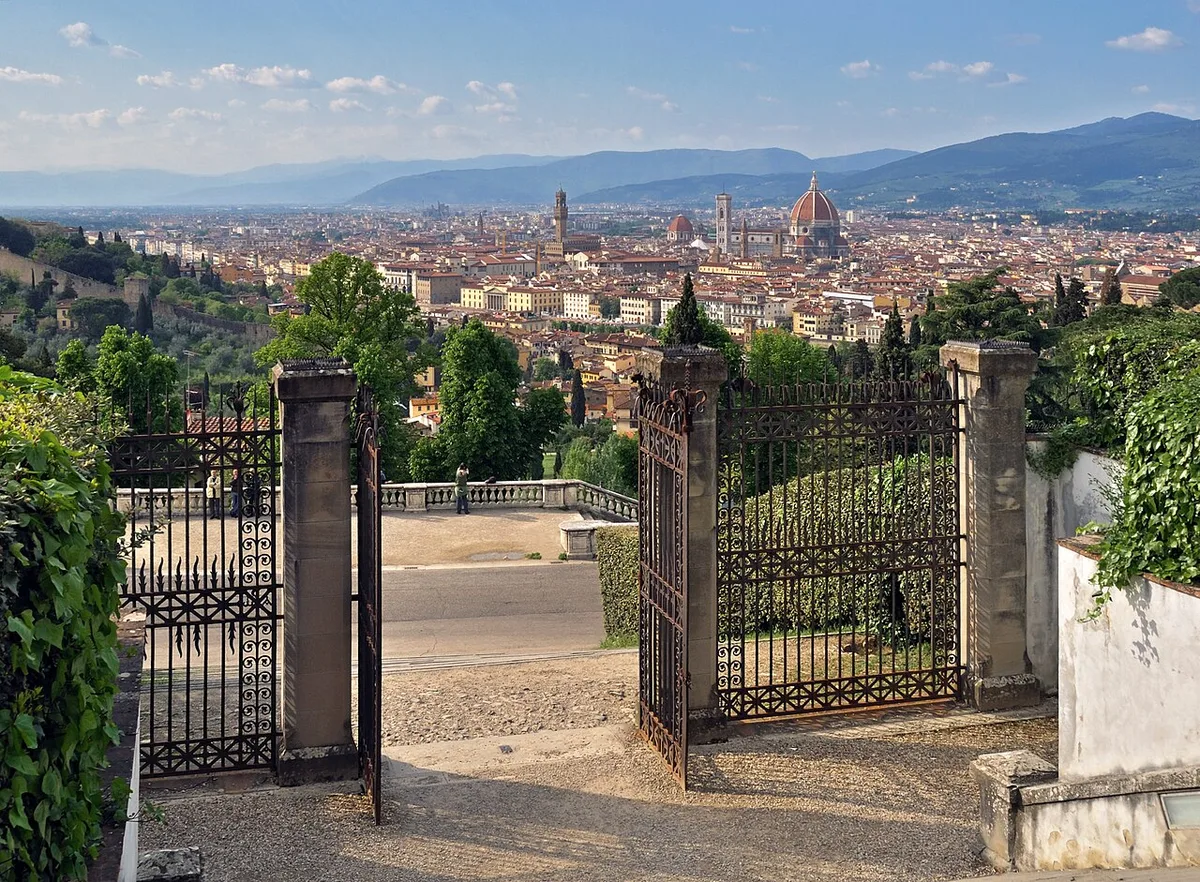
Discover the 9 best viewpoints in Florence for 2026 with free hillside spots, paid tower climbs, current prices, hours, and insider timing tips.
Read guide →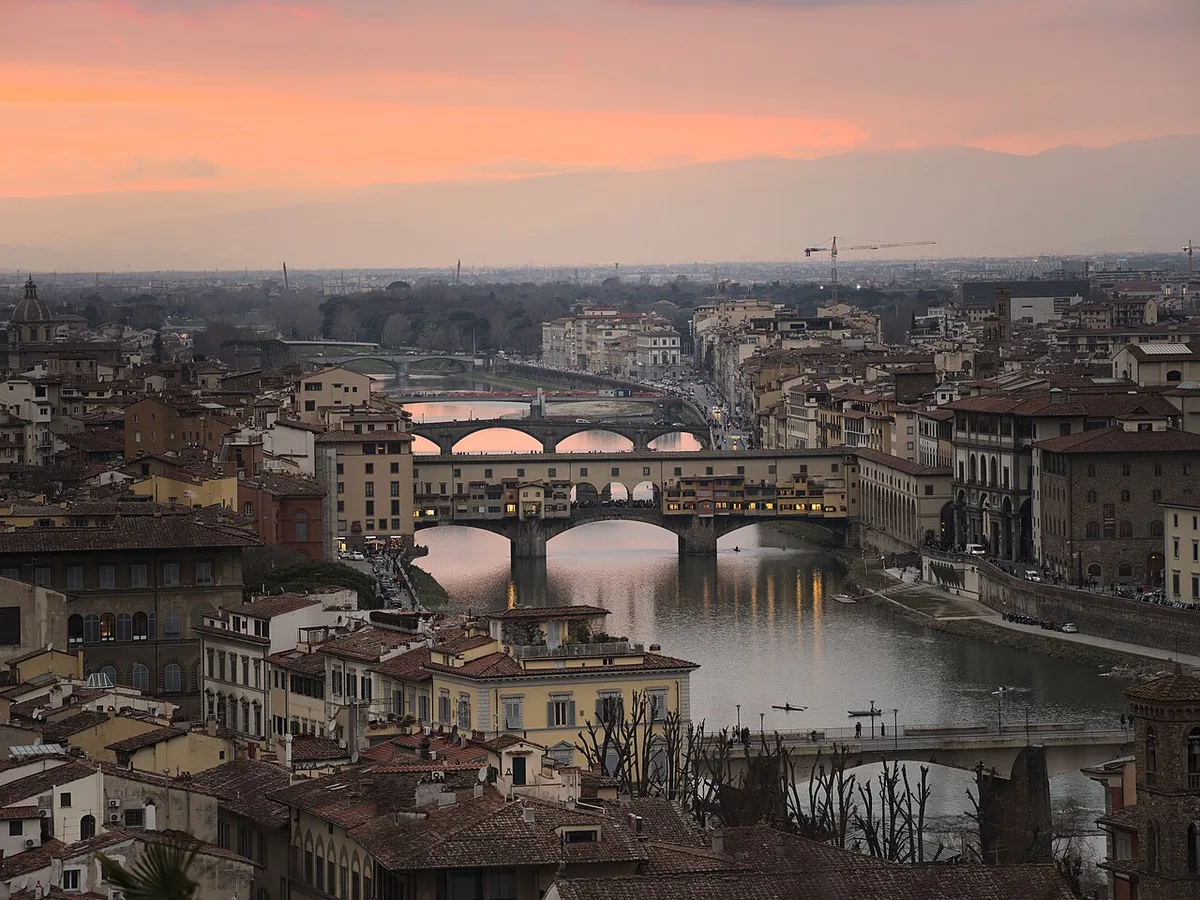
Discover the best photo spots in Florence, from Piazzale Michelangelo's skyline views to quiet Oltrarno lanes. Plan your 2026 photo walk now.
Read guide →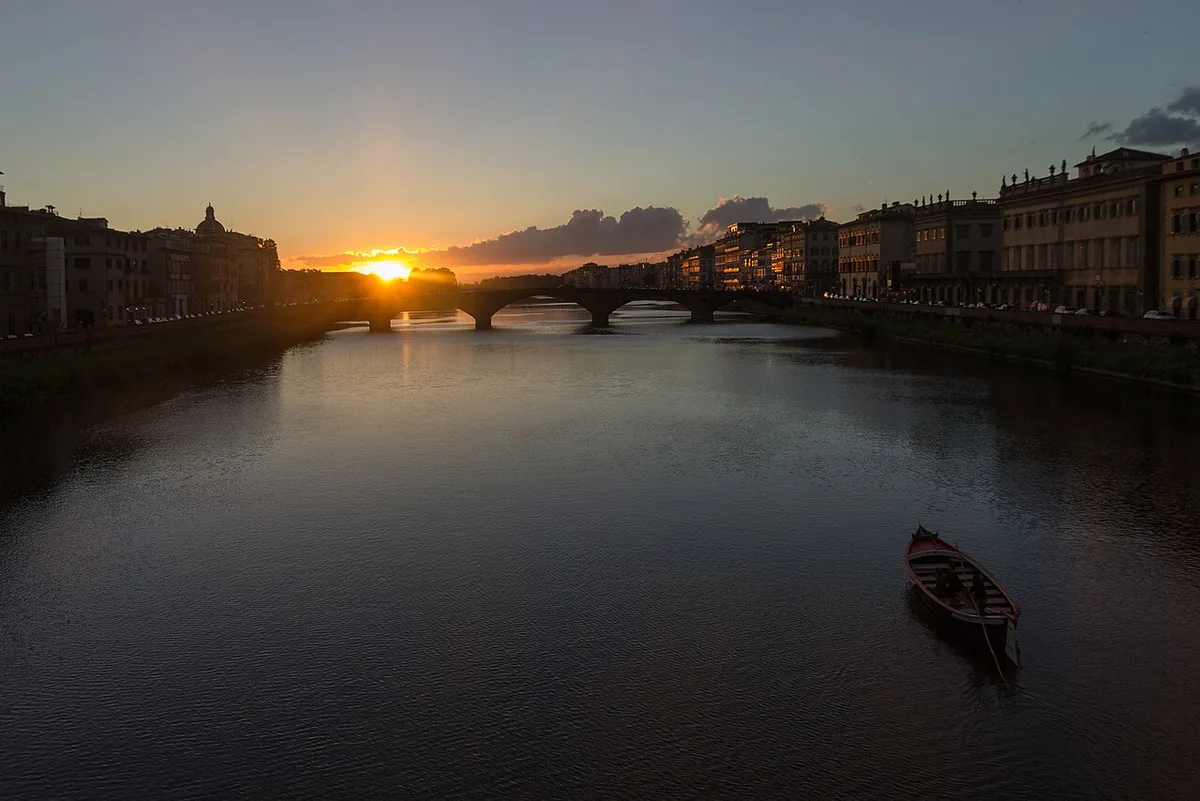
Discover where to watch sunset in Florence, from free hilltop terraces to riverside bridges, with 2026 timing tips and directions for every spot.
Read guide →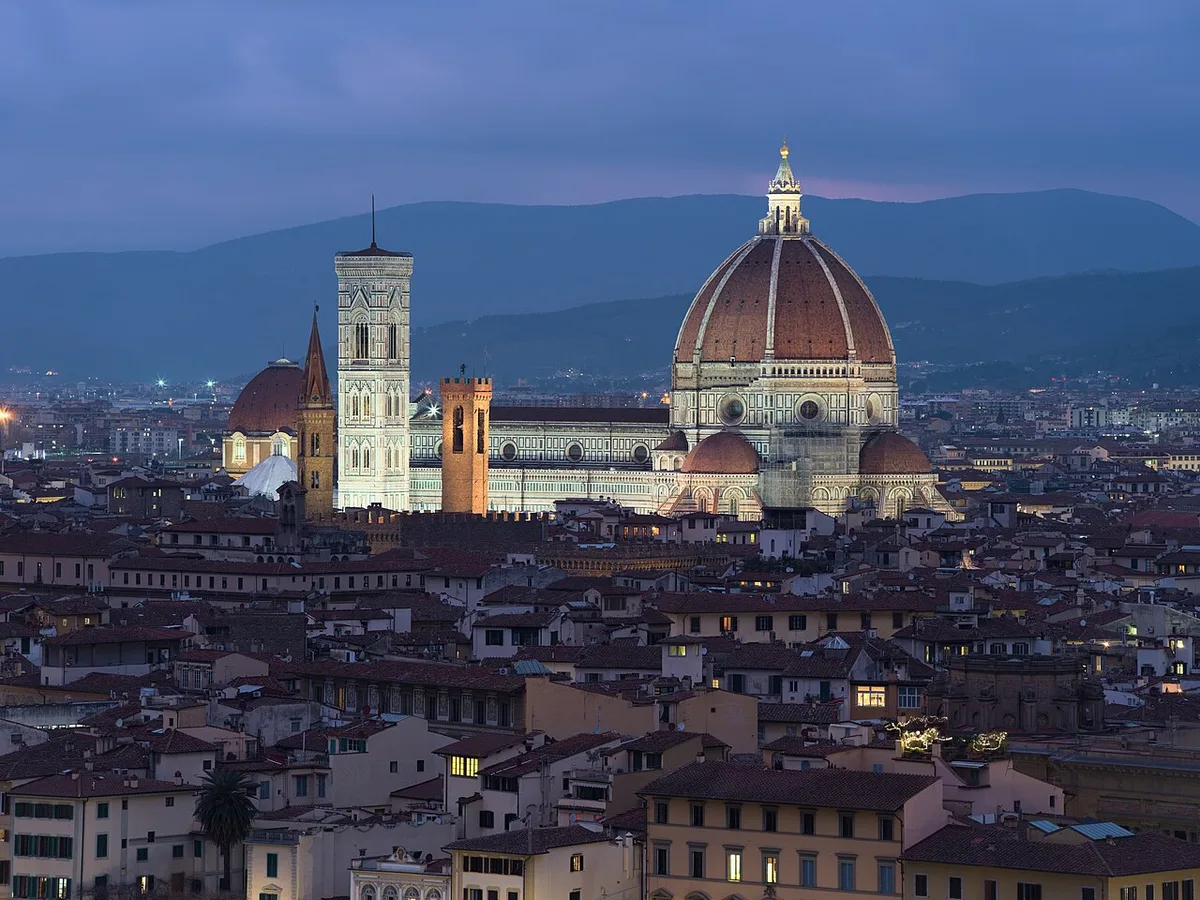
Discover 12 of the best things to do in Florence at night in 2026, from Ponte Vecchio strolls to free hilltop skyline views. Plan your evening now.
Read guide →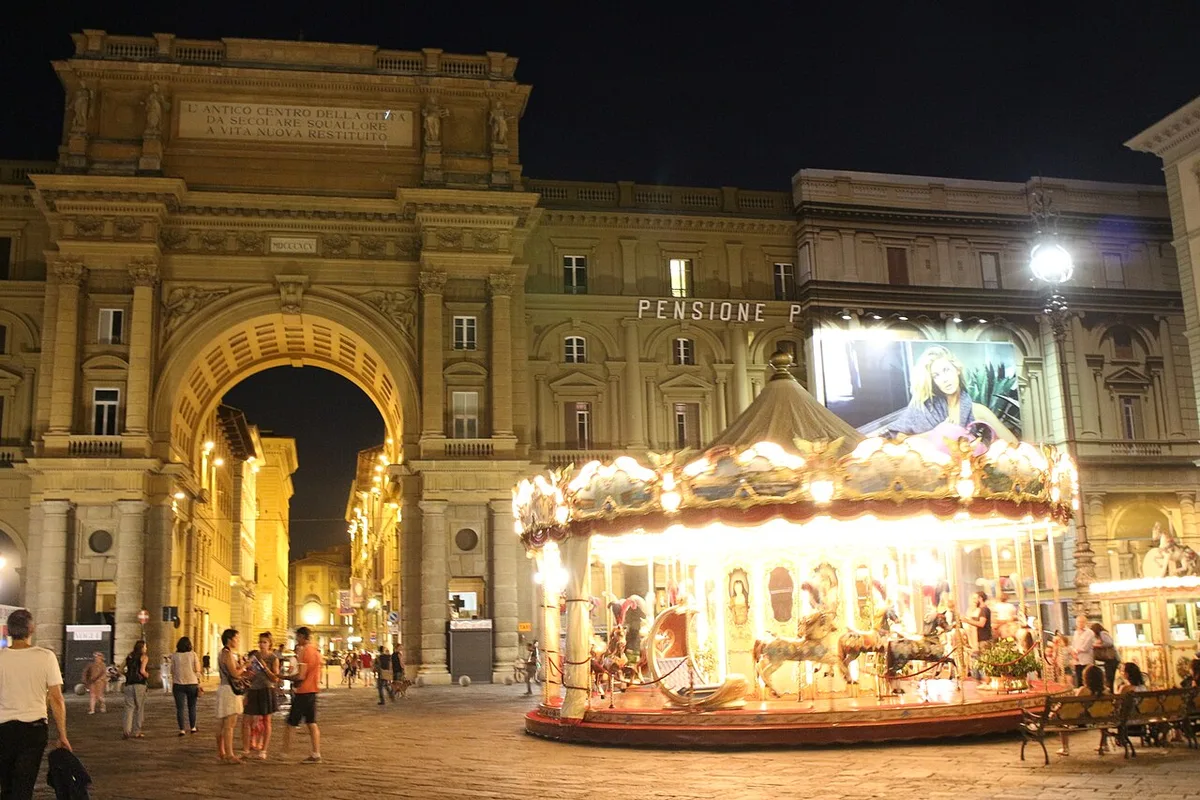
Plan Florence with kids using real timing tips, family-friendly sights, stroller-ready parks, and common mistakes worth avoiding before your 2026 trip.
Read guide →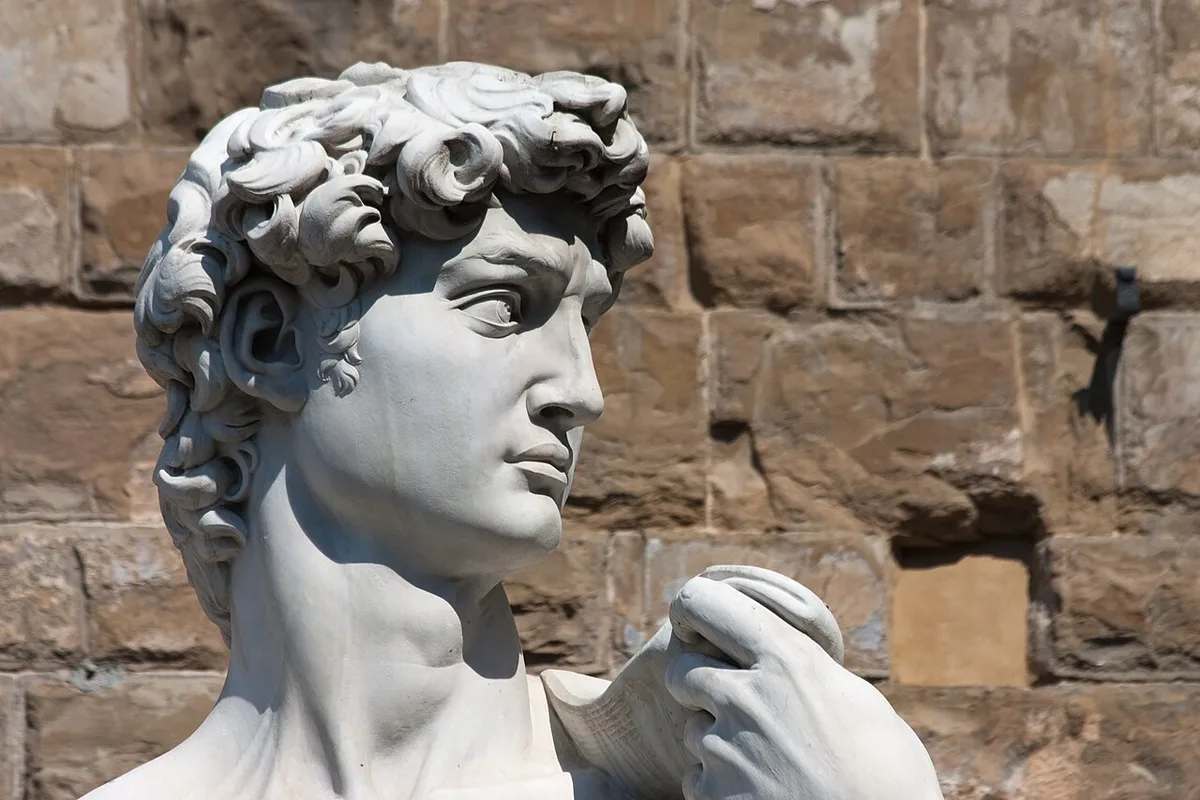
Explore 10 free things to do in Florence in 2026, from grand piazzas to a hidden library terrace, with real hours, costs, and planning tips.
Read guide →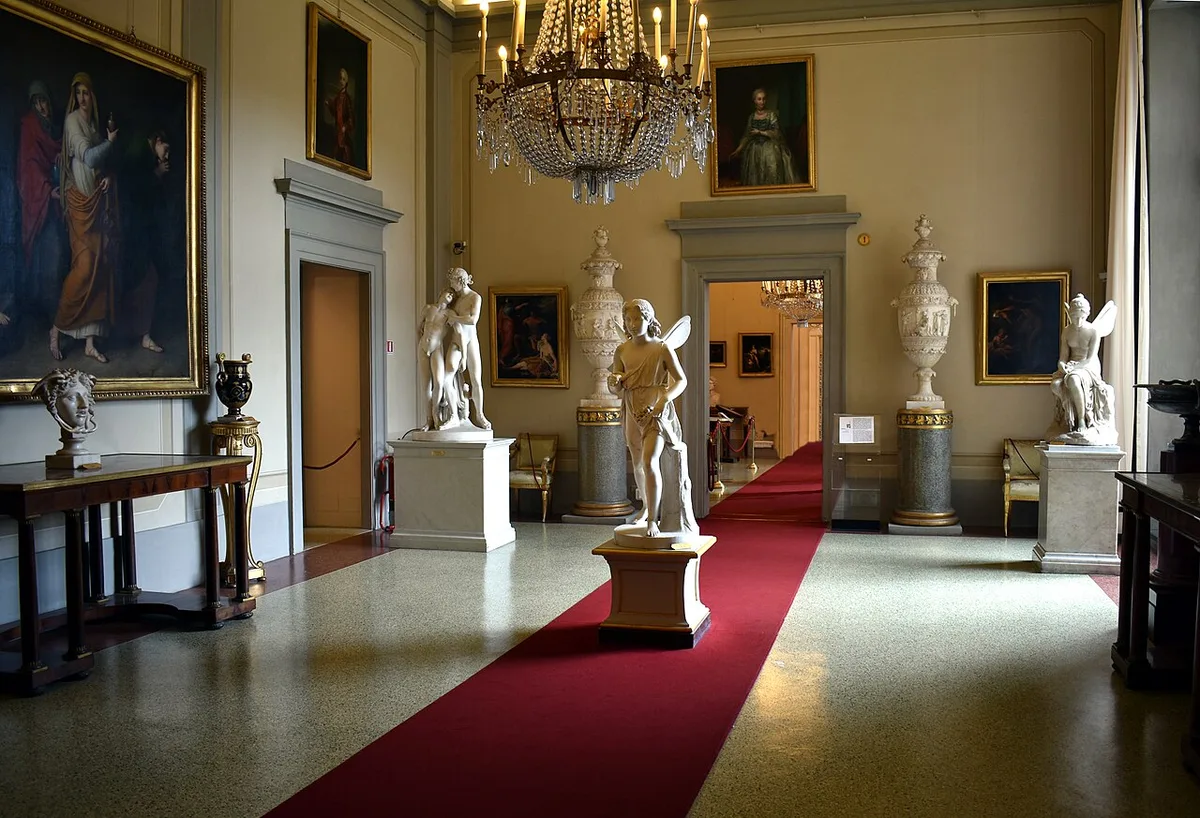
Planning Florence on a rainy day in 2026? Discover covered museums, indoor markets, cozy cafes, and family-friendly picks to keep your trip on track.
Read guide →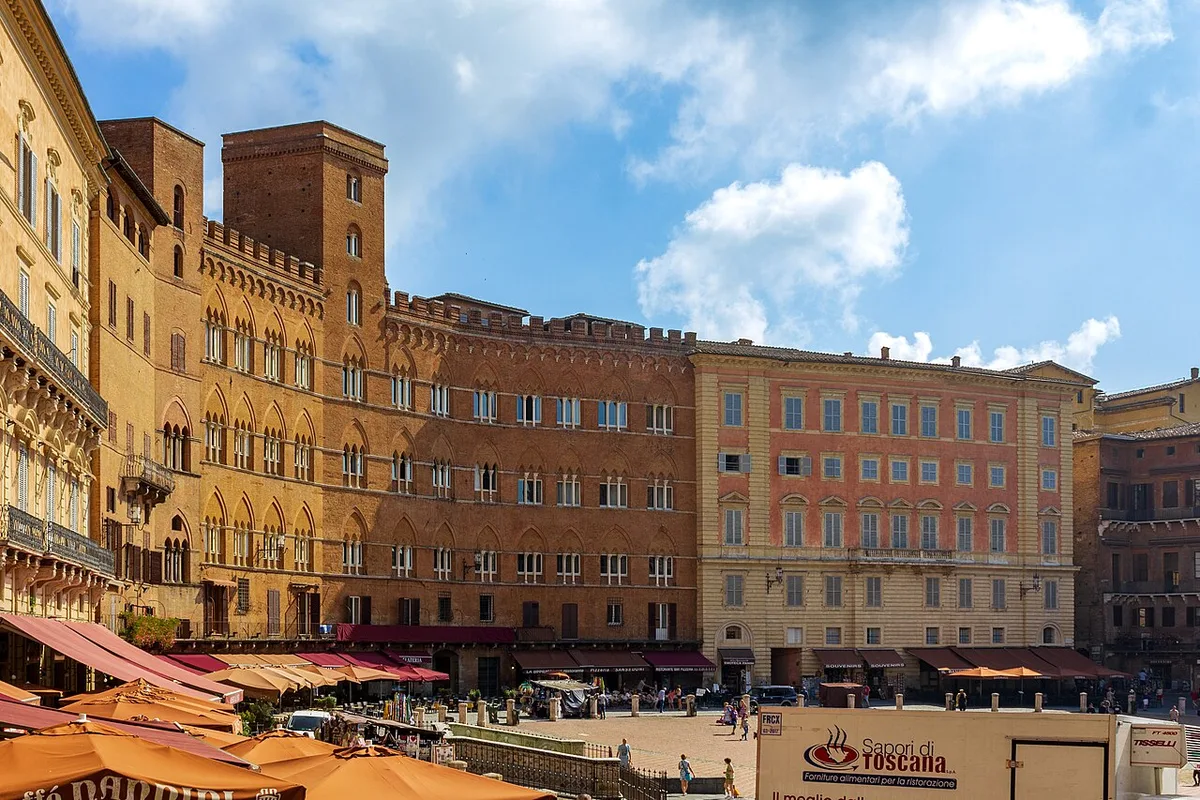
Compare the best day trips from Florence, including Siena, Lucca, and Cinque Terre, with 2026 train times, ticket prices, and planning tips.
Read guide →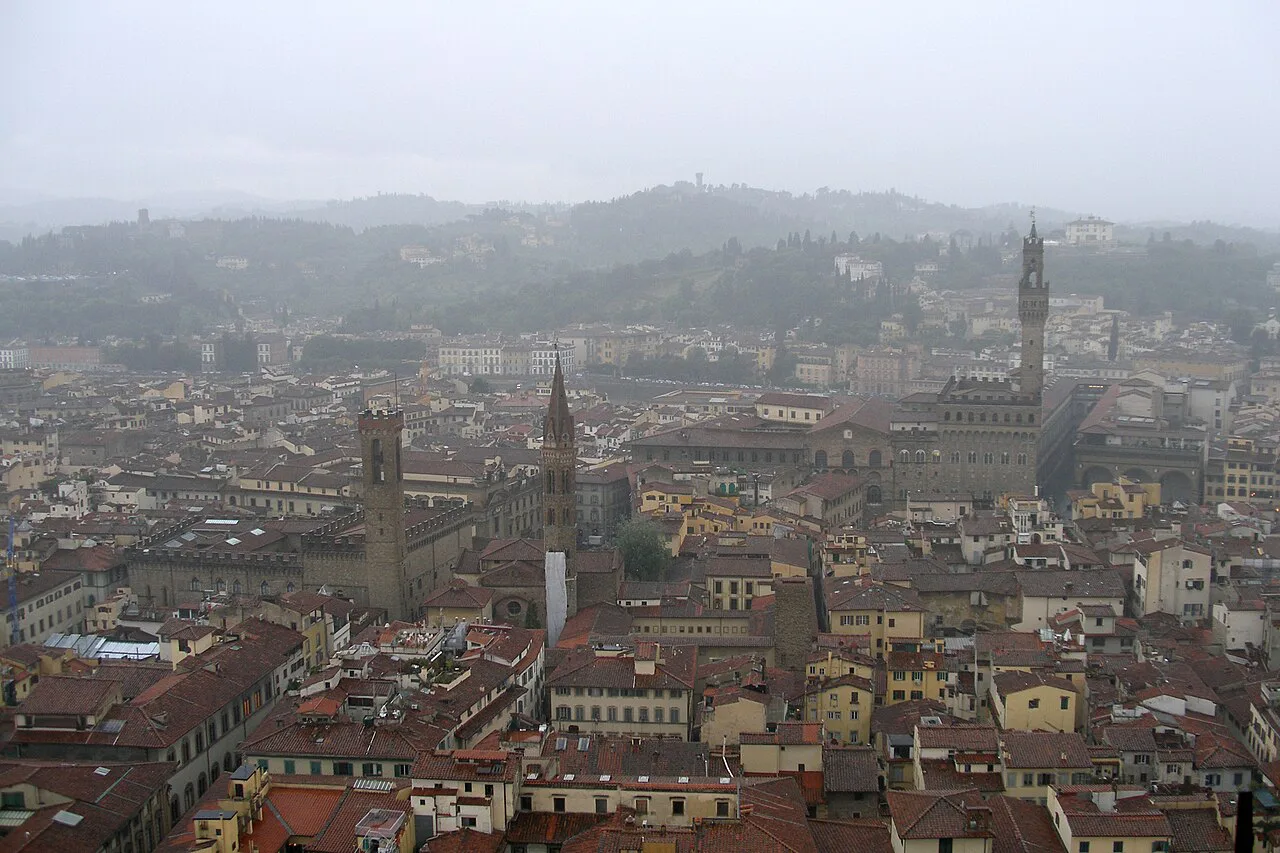
How many days in Florence do you need in 2026? Compare 1-day sprints, 2-3 day classics, and 4-5 day Tuscany bases to plan the right trip length.
Read guide →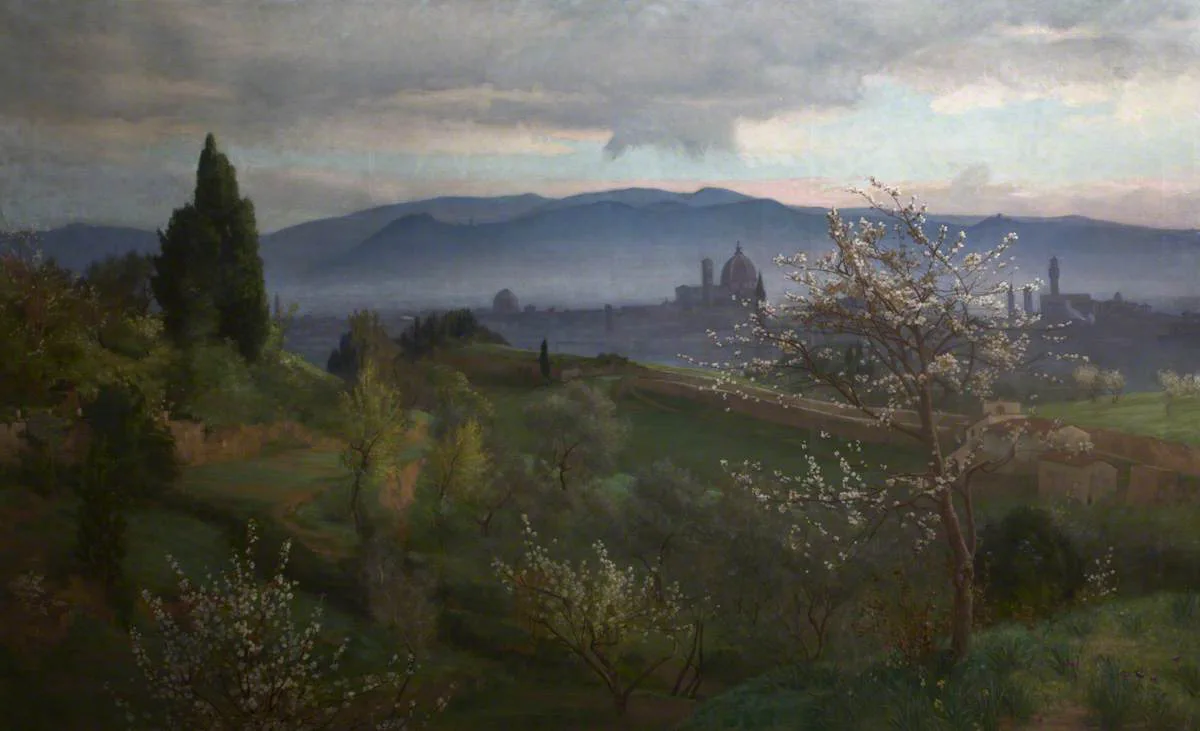
Find the best time to visit Florence in 2026. Compare monthly weather, crowd levels, and prices to choose the right season for your trip.
Read guide →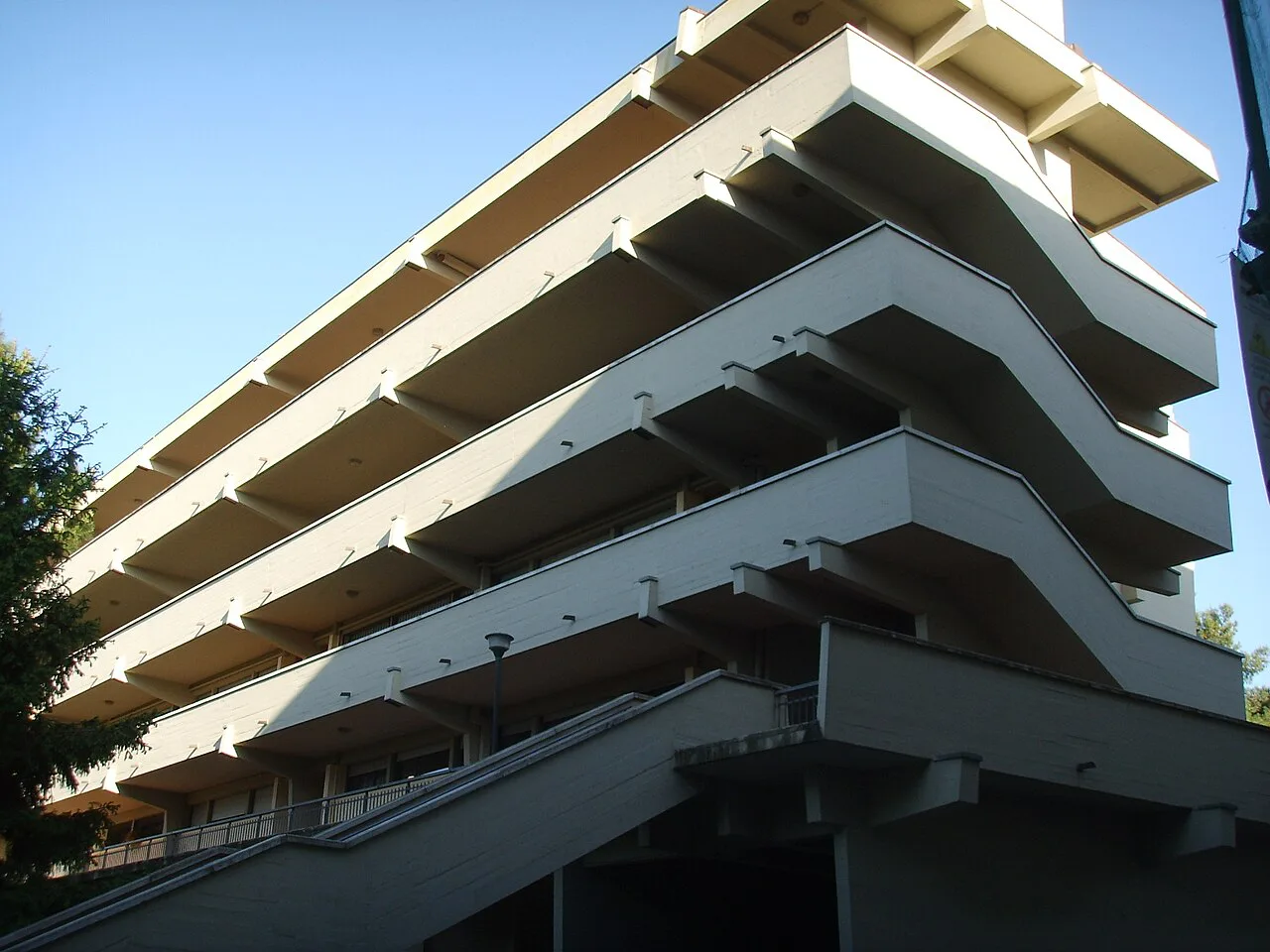
Compare 5 top neighborhoods for where to stay in Florence, from San Giovanni's Duomo access to Oltrarno's artisan streets, with ZTL and booking tips for 2026.
Read guide →
Find the best restaurants in Florence for 2026, from Oltrarno trattorias to Mercato Centrale, with reservation tips, coperto costs, and mistakes to avoid.
Read guide →
A 2026 guide to shopping in Florence: Oltrarno leather workshops, marbled paper studios, San Lorenzo Market, and Via de' Tornabuoni boutiques, plus VAT refund tips.
Read guide →Keep exploring